Table of Contents:
- Challenging Conventional Wisdom: Why Commercial Window Film Demands More Than Consumer Reviews
- Decoding One-Way Privacy: The Technology Behind Commercial-Grade Solutions
- Beyond Mere Privacy: Critical Performance Metrics for Large-Scale Projects
- Selecting the Right Solution: A Professional’s Insight into 3M™ Privacy Film Technologies
- The Unsung Hero: Why Your Installer’s Expertise Outweighs Product Reviews
- Your Blueprint for Success: Vetting a Privacy Film Partner for Commercial Rollouts
- Conclusion: Elevating Your Project Standards with Strategic Film & Partner Selection
- Frequently Asked Questions
- Related Posts from Window Film Depot
Challenging Conventional Wisdom: Why Commercial Window Film Demands More Than Consumer Reviews
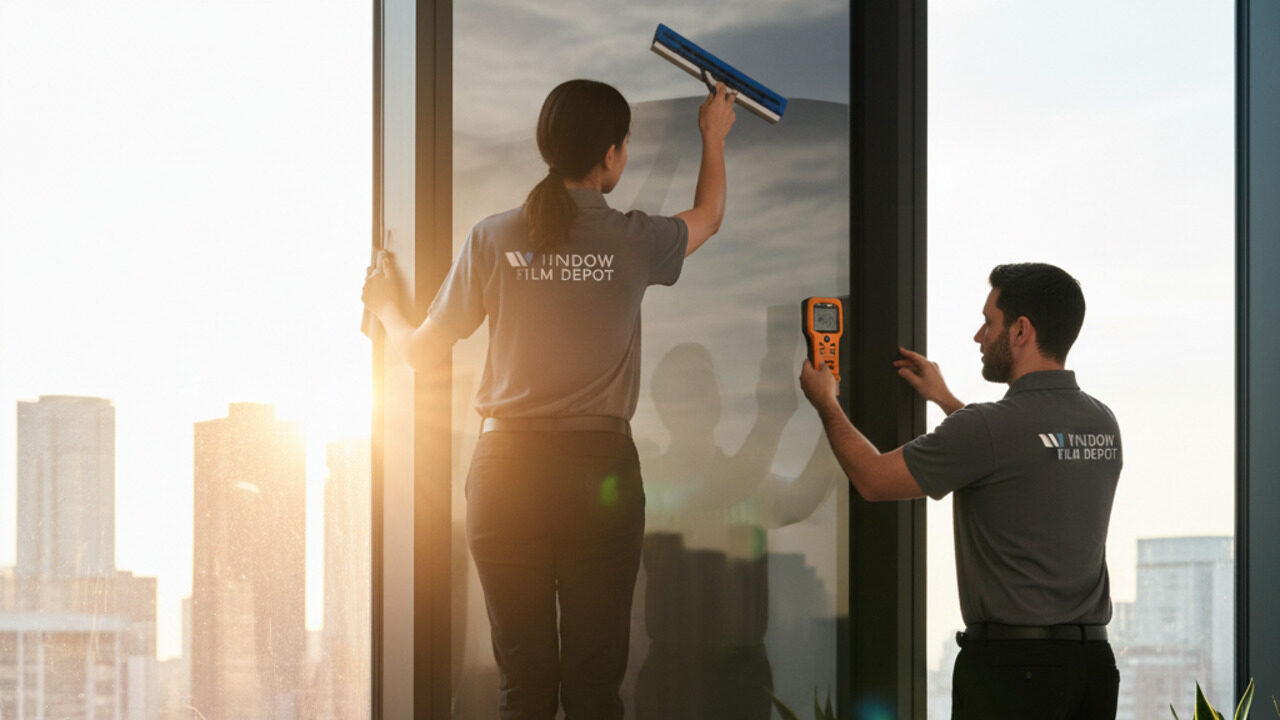
The Critical Flaw in Applying Consumer Reviews to Commercial Projects
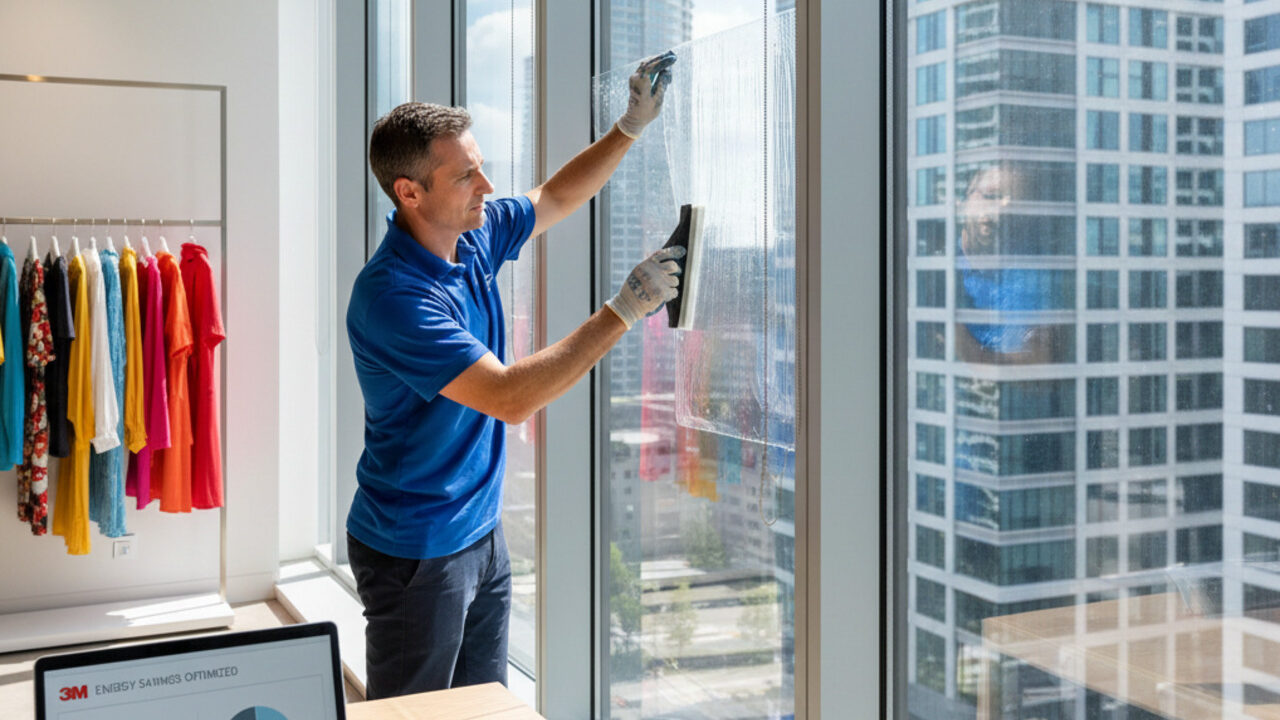
For project managers overseeing large-scale deployments, relying on consumer reviews for commercial window film is a fundamental misstep. Consumer feedback typically centers on personal aesthetic preferences, ease of a DIY installation, or minor performance observations for a single window. These evaluations fundamentally miss the mark when assessing the rigorous demands of commercial applications, which involve complex performance criteria, compliance standards, and large-scale logistical precision.
Differentiating Residential Expectations from Commercial Imperatives
The core objectives for residential window film installations starkly contrast with commercial imperatives. Homeowners prioritize comfort, reducing glare, or a specific visual effect for a few windows, often with a focus on short-term satisfaction. Commercial projects, however, demand measurable return on investment, adherence to stringent building codes, long-term energy efficiency, enhanced security, and consistent aesthetic and performance across potentially hundreds or thousands of square feet of glazing. The commercial “product” is not just the film itself, but the entire engineered and installed solution, validated by performance metrics and a robust warranty.
The Unique Risks of Large-Scale Commercial Window Film Installations
The scale and complexity of commercial window film installations introduce a distinct set of risks that are entirely absent from a residential context.
- Financial Exposure: Incorrect film specification can lead to energy performance shortfalls, potential glass damage from thermal stress, or costly re-installation, all impacting the project budget.
- Operational Disruption: A poorly managed installation can halt business operations, inconvenience tenants, and incur significant hidden costs associated with downtime.
- Brand and Reputational Impact: Inconsistent application, visible imperfections, or a failure to meet performance expectations across multiple sites can tarnish a brand’s image and stakeholder confidence.
- Logistical Hurdles: Coordinating material procurement, skilled labor, and installation schedules across diverse geographical locations requires advanced project management expertise. These are systemic risks that individual product reviews cannot address.
Moving Beyond Simplistic Product Ratings to Solution Evaluation
To mitigate these risks and ensure project success, the evaluation process must shift from simplistic product ratings to a comprehensive solution assessment. This means scrutinizing the vendor’s technical expertise, their proven project management capabilities, and their logistical infrastructure to handle national-scale rollouts. The film is merely a critical component within a larger system; the true determinant of value is the installer’s ability to precisely specify the correct film, execute a flawless installation, and guarantee long-term performance.
Decoding One-Way Privacy: The Technology Behind Commercial-Grade Solutions
The Science of Reflectivity: How One-Way Privacy is Achieved
One-way privacy film, often referred to as a “two-way mirror” effect, is fundamentally based on manipulating light reflectivity and transmission. These films feature a highly reflective metallic layer on one side, typically facing the exterior, combined with a much lower reflectivity on the interior side. When one side is significantly brighter than the other, the brighter side acts as a mirror, reflecting light back and obscuring vision. Simultaneously, the darker side allows light to pass through, granting a clear view outward. This effect is a delicate balance of physics, not a magical barrier.
Understanding the “Privacy Illusion” and its Limitations in Practice
The term “one-way privacy” can create a powerful illusion, leading to common misconceptions. The privacy effect is entirely contingent upon a consistent and substantial light differential.
- Daylight Privacy: During the day, with bright exterior light and a relatively darker interior, the film performs as expected, offering privacy from the outside while allowing occupants to see out.
- Nighttime Reversal: At night, when interior lights are on and the exterior is dark, the light differential reverses. The film then becomes transparent from the outside, allowing views into the building, while the interior surface becomes reflective, mirroring the internal lights.
- Overcast Conditions: On heavily overcast days or in areas with balanced interior and exterior light, the privacy effect diminishes, rendering the film more akin to a dark tint than a true privacy barrier.
This limitation is critical for project managers to understand and for installers to communicate transparently, ensuring tenant expectations align with the film’s actual performance characteristics.
Key Technological Components of Advanced Privacy Films
Commercial-grade privacy films are sophisticated multi-layered composites engineered for durability and precise optical performance.
- Polyester (PET) Substrate: Multiple layers of clear, high-tensile polyester form the structural backbone of the film.
- Metallic or Ceramic Layers: These are typically applied through sputtering or vapor deposition processes, depositing ultra-thin layers of metals (e.g., silver, aluminum) or ceramics. These layers are responsible for the film’s reflectivity, solar control properties (heat rejection), and UV filtration.
- Adhesive System: A critical component, the adhesive ensures a strong, long-lasting bond to the glass, preventing bubbling, peeling, or delamination, and often includes UV inhibitors to protect both the film and interior furnishings.
- Scratch-Resistant Coating: An exterior hard coat protects the film from daily wear and tear, maintaining clarity and extending its lifespan.
- UV Absorbers: Integrated into various layers, these block up to 99% of harmful ultraviolet radiation, protecting building interiors and occupants.
Each component is engineered to work synergistically, contributing to the film’s overall performance in terms of privacy, solar control, and durability.
The Role of Lighting Conditions in One-Way Film Performance
The effectiveness of one-way privacy film is inextricably linked to ambient lighting conditions. An expert installer will conduct a thorough site assessment to understand these dynamics.
- Exterior Light Intensity: Direct sunlight, shade patterns, and ambient light from adjacent structures directly influence how reflective the exterior appears.
- Interior Lighting Levels: The brightness and type of interior lighting, especially at night, dictate when and how the privacy effect reverses.
- Environmental Variables: Factors like local weather patterns (e.g., consistently overcast regions) or nighttime exterior lighting (e.g., streetlights, security lights) must be considered.
Accurate evaluation of these conditions is paramount to specifying the correct film and managing client expectations, underscoring the vendor’s technical acumen as the primary driver of project success, not simply product marketing claims.
Beyond Mere Privacy: Critical Performance Metrics for Large-Scale Projects
While the initial appeal of “privacy film” centers on visual obstruction, large-scale commercial projects demand a far more nuanced evaluation. Focusing solely on a film’s ability to block views overlooks a suite of critical performance metrics that profoundly impact a building’s operational efficiency, occupant comfort, and long-term asset value. A professional evaluation extends beyond mere privacy to encompass the holistic performance profile of the chosen solution, ensuring it aligns with diverse project objectives.
Visual Light Transmission (VLT): Balancing Privacy with Interior Brightness
Visual Light Transmission, or VLT, quantifies the percentage of visible light that passes through a window film. For commercial spaces, achieving privacy must not compromise the quality of interior natural lighting. Films with excessively low VLT can create dark, cave-like environments, potentially increasing artificial lighting costs and negatively impacting occupant mood and productivity. The expert installer’s role is to specify a VLT that offers the desired level of exterior privacy while preserving an inviting, well-lit interior. This balance is particularly crucial in office buildings, retail spaces, and educational facilities.
Total Solar Energy Rejected (TSER): Essential for Energy Efficiency and Comfort
Total Solar Energy Rejected (TSER) is a comprehensive metric that measures a film’s ability to block solar heat from entering a building. This figure is paramount for energy efficiency, directly influencing HVAC load and associated operational costs. A higher TSER value indicates superior heat rejection, leading to cooler interior temperatures, reduced strain on cooling systems, and significant energy savings over the project’s lifespan. Accurate TSER specification by a knowledgeable vendor is a cornerstone of sustainable building design and long-term cost management.
Glare Reduction and Daylighting Benefits for Occupant Productivity
Excessive glare on computer screens or work surfaces can lead to eye strain, discomfort, and reduced productivity for occupants. High-performance window films are engineered to significantly reduce glare without sacrificing natural daylight. By diffusing harsh sunlight and balancing light levels, these films create more comfortable and productive interior environments. The ability to harness natural light effectively, known as daylighting, also reduces reliance on artificial lighting, contributing to energy savings and improved occupant well-being.
UV Protection: Preserving Interiors and Enhancing Health
Ultraviolet (UV) radiation is a primary cause of fading for interior furnishings, flooring, and artwork, leading to premature degradation and replacement costs. Commercial-grade window films offer substantial UV rejection, often blocking 99% or more of both UVA and UVB rays. Beyond asset preservation, reducing UV exposure also contributes to a healthier indoor environment for building occupants. This protective layer is a long-term investment in maintaining the aesthetic and material integrity of a building’s interior.
The Often-Overlooked Aspect of Durability and Maintenance
The long-term performance and appearance of a window film are heavily dependent on its durability and ease of maintenance. Commercial films are designed to withstand environmental factors, resist scratching, and maintain their optical clarity over many years. Considerations include the film’s construction, adhesive quality, and surface treatments. Understanding the manufacturer’s cleaning guidelines and anticipating future maintenance needs are critical components of a professional specification. A robust film reduces the need for premature replacement, ensuring the solution remains cost-effective over its warranted lifetime.
Integrating Security Film Enhancements for Multi-Functional Benefits
For projects where enhanced security is a concern, privacy films can be seamlessly integrated with security window film technologies. This multi-functional approach provides a layered defense, combining visual privacy with increased glass strength and shard retention upon impact. Such integration requires a deep understanding of both film types and their application techniques. An expert installer can specify solutions that meet both privacy and security objectives without compromising on either, offering a holistic benefit package often necessary for critical infrastructure or high-value properties.
Selecting the Right Solution: A Professional’s Insight into 3M™ Privacy Film Technologies
The process of selecting the optimal window film solution for a large-scale project moves beyond anecdotal reviews to a data-driven, expert-led evaluation. Reputable manufacturers provide the detailed performance specifications required for professional application. Understanding these specifications and how they apply to specific project conditions is a core competency of a qualified installer.
The 3M Advantage: Innovation and Reliability in Window Film Manufacturing
3M has long been recognized as a global leader in material science and adhesive technologies, a reputation that extends to its advanced window film product lines. Their commitment to research and development translates into high-performance, rigorously tested films that consistently meet demanding commercial standards. This heritage of innovation and reliability provides a foundational assurance for project managers seeking durable, effective solutions. Leveraging a manufacturer with 3M’s pedigree minimizes risk and provides access to a wide range of specialized products.
Overview of Leading 3M Reflective and Privacy Film Series for Commercial Use
3M offers a diverse portfolio of privacy and reflective films, each engineered with distinct performance characteristics to address specific commercial requirements. These include highly reflective films that offer daytime privacy and significant solar heat rejection, as well as more subtle, non-reflective options that provide visual obstruction through opacity or diffusion.
- 3M™ Scotchtint™ Reflective Films: Often used where maximum solar rejection and a mirrored exterior appearance are desired for daytime privacy.
- 3M™ Scotchcal™ Frosted and Textured Films: Ideal for interior applications, such as conference rooms or partitions, providing subtle privacy through diffusion.
- 3M™ Fasara™ Decorative Films: Combine aesthetics with privacy, offering a wide array of patterns and textures for design-driven projects.
Performance Data Deep Dive: Matching 3M Films to Specific Project Requirements
Selecting the correct 3M film involves a meticulous review of its technical specifications against the project’s unique demands. This is where the installer’s expertise is paramount. They analyze factors such as glass type, orientation, climate zone, aesthetic goals, and energy performance targets. A precise match ensures that the film delivers the intended benefits without unintended consequences.
Key performance data points include:
- VLT (Visual Light Transmittance): For balancing privacy and interior brightness.
- TSER (Total Solar Energy Rejected): For maximizing energy efficiency and comfort.
- UV Rejection: For preserving interiors and protecting occupants.
- SHGC (Solar Heat Gain Coefficient): A measure of how much solar radiation passes through the glass.
- Glare Reduction: The percentage reduction in transmitted light.
An expert can interpret these figures in the context of your specific building envelope and operational needs, identifying the film that provides the optimal solution.
Understanding Warranties and Long-Term Performance Guarantees
A significant differentiator between consumer-grade purchases and professional installations is the backing of comprehensive manufacturer warranties. 3M provides extensive warranties for its commercial window films, covering defects in materials and workmanship, including bubbling, peeling, cracking, or delamination. These warranties typically span many years, often 10 to 15 years or more, and are crucial for ensuring long-term asset protection. A qualified installer will not only understand these warranty terms but also ensure that the installation process adheres strictly to manufacturer guidelines, thereby validating the warranty. This professional assurance goes far beyond what any consumer review can offer.
Illustrative Scenarios: Applying Specific 3M Films to Common Commercial Challenges
Consider a scenario where a corporate office building seeks to reduce escalating cooling costs while maintaining an aesthetically pleasing exterior. An expert would likely recommend a 3M™ Scotchtint™ Reflective Film with a high TSER, effectively rejecting solar heat and providing daytime privacy for occupants.
Conversely, for a healthcare facility requiring privacy for patient rooms without sacrificing natural light, a 3M™ Fasara™ Frosted Film might be specified. This film offers diffused privacy, allowing light to enter while obscuring direct views, and seamlessly integrates with the facility’s interior design without the mirrored look of reflective films. Each project demands a tailored approach, where the installer’s ability to interpret needs and apply the correct technical solution is invaluable.
The Unsung Hero: Why Your Installer’s Expertise Outweighs Product Reviews
Beyond Product Installation: The Role of Project Management and Logistics
For large-scale privacy window film deployments, the task extends far beyond simply adhering film to glass. It encompasses a sophisticated orchestration of resources, timelines, and personnel across potentially multiple geographic locations. An installer’s true value emerges from their ability to manage a complex project, ensuring materials arrive on schedule, teams are deployed efficiently, and all installations maintain consistent quality standards. This logistical prowess directly impacts project delivery, budget adherence, and overall operational continuity.
The Importance of Technical Proficiency and Certified Installers
The application of high-performance privacy window films is a precision task demanding specialized skills. Technical proficiency includes a deep understanding of different film types, their optimal application methods, and the specific performance characteristics each offers, such as solar heat rejection, glare reduction, or UV protection. Certified installers have typically undergone rigorous manufacturer training, ensuring they adhere to best practices that guarantee the film performs as specified and maintains its warranty. This expertise is critical for preventing common installation failures like bubbling, peeling, or improper adhesion.
Mitigating Risk: Installer Experience with Large-Scale, Complex Projects
Experience with national rollouts or multi-site projects is a non-negotiable asset. Such projects introduce unique challenges, including varying climate conditions, diverse building structures, and stringent security protocols across different locations. An experienced installer will have established protocols for managing these complexities, anticipating potential issues, and implementing robust contingency plans. Their track record in successfully navigating these scenarios significantly mitigates project risk, reducing costly delays and rework.
Understanding Site Surveys, Preparation, and Post-Installation Support
A thorough site survey is the foundational step for any successful window film installation. This involves detailed measurements, assessment of existing glazing, identification of potential access challenges, and confirmation of environmental factors. Equally critical is comprehensive site preparation, which ensures surfaces are clean and conditions are optimal for film application. Following installation, robust post-installation support, including warranty clarification, maintenance guidelines, and responsive service for any emergent issues, ensures the long-term performance and satisfaction with the investment.
The Value of a Partner with a Proven Track Record: Window Film Depot as an Example
Selecting a partner with a demonstrable history of success, like a company such as Window Film Depot, offers immense value. This goes beyond mere experience; it speaks to a consistent ability to deliver on promises, adapt to project demands, and maintain high standards across a diverse portfolio of commercial clients. A proven track record indicates reliable project management, consistent quality control, and a commitment to client satisfaction, which are all hallmarks of a trusted vendor for critical infrastructure projects.
Ensuring Compliance with Building Codes and Performance Specifications
Commercial window film installations must often adhere to a complex web of building codes, energy efficiency standards, and specific performance specifications. These requirements can vary significantly by jurisdiction and building type. A proficient installer understands these regulations and can specify films that not only meet aesthetic and privacy goals but also ensure full compliance. This includes documentation of film properties, proper permitting, and adherence to fire safety or egress requirements, avoiding potential legal or operational complications down the line.
Your Blueprint for Success: Vetting a Privacy Film Partner for Commercial Rollouts
A Framework for Evaluating Potential Window Film Partners
Moving beyond superficial product reviews, a structured evaluation framework is essential for selecting a window film partner for commercial rollouts. This framework prioritizes objective criteria that speak directly to a vendor’s capability to deliver a successful project at scale. It shifts the focus from consumer-grade opinions to professional-grade assessment, ensuring alignment with project management principles and long-term asset performance.
Essential Questions to Ask About Technical Expertise and Certification
When assessing technical expertise, delve into the specifics of their team’s qualifications.
- Installer Certifications: Are their installers certified by leading film manufacturers? What specific training programs have they completed?
- Film Specification Knowledge: Can they articulate the performance differences between various film technologies (e.g., ceramic, sputtered, dyed films) and recommend the optimal solution for your specific performance requirements (e.g., solar control, security, privacy level)?
- Complex Glazing Experience: Do they have experience installing film on various types of glass, including low-e, tinted, or laminated glass, understanding the nuances each presents?
- Warranty Understanding: Can they clearly explain manufacturer warranties, installation warranties, and how specific film applications might impact these guarantees?
Assessing Project Management Capabilities and Logistical Prowess
Effective project management is the backbone of any large-scale deployment. Inquire about their operational structure and processes.
- Dedicated Project Managers: Will a dedicated project manager be assigned to your account, acting as a single point of contact?
- Logistics Management: How do they manage material procurement, warehousing, and just-in-time delivery for multi-site projects?
- Scheduling and Coordination: What systems do they use for scheduling installations across multiple locations, accommodating varying site access requirements and operational hours?
- Reporting and Communication: What are their communication protocols? How frequently will you receive progress reports, and what format do these reports take?
- Contingency Planning: What are their established procedures for addressing unexpected challenges, such as material delays, adverse weather, or site-specific complications?
Demanding Performance Data and Transparent Reporting
Relying on subjective reviews is inadequate; objective data is paramount. Request concrete evidence of film performance and installation quality.
- Performance Specifications: Demand verified performance data sheets for proposed films, including metrics like Visible Light Transmittance (VLT), Solar Heat Gain Coefficient (SHGC), and UV rejection.
- Quality Control Processes: How do they ensure consistent installation quality across all sites? Do they have documented quality control checklists or post-installation inspection procedures?
- Post-Installation Metrics: For larger projects, can they provide examples of how they’ve tracked and reported on key performance indicators (KPIs) post-installation, such as energy savings or tenant comfort improvements?
Evaluating Post-Installation Support and Maintenance Offerings
A professional partner understands that their responsibility extends beyond the installation itself. Inquire about their long-term support.
- Warranty Management: How do they facilitate warranty claims, both for the film product and their installation labor?
- Maintenance Recommendations: Do they provide specific guidelines or recommendations for cleaning and maintaining the installed film to ensure its longevity and performance?
- Service Level Agreements (SLAs): For critical facilities, are they able to offer service level agreements for response times to service calls or warranty issues?
The Role of Reputation and Industry Standing in Your Selection Process
While consumer reviews are often misleading, a company’s professional reputation within the industry and among commercial peers holds significant weight.
- Industry Accreditations: Are they members of relevant industry associations, indicating adherence to professional standards and ongoing education?
- Client References: Request references from other project managers who have engaged them for similar large-scale commercial rollouts.
- Case Studies: Review case studies of past projects to understand their approach to problem-solving and project execution.
- Financial Stability: For multi-year projects or extensive rollouts, assess their financial stability to ensure they have the capacity to complete the work and honor long-term warranties.
Conclusion: Elevating Your Project Standards with Strategic Film & Partner Selection
For project managers overseeing large-scale deployments, the selection of privacy window film transcends aesthetic preference or simple product specifications. It is a critical decision demanding a strategic approach that acknowledges the complexities of material science, logistical execution, and long-term performance. Relying on consumer reviews, while seemingly convenient, fundamentally misunderstands the demands of commercial and institutional projects, introducing significant and avoidable risks.
The Imperative of Professional Vetting
The superficial narratives found in consumer feedback offer little insight into the critical factors that dictate success for extensive window film installations. These factors include precise product specification for diverse environmental conditions, adherence to stringent building codes, and the logistical coordination required for multi-site operations. Project managers must shift their focus from anecdotal experiences to a rigorous, professional evaluation process. This process assesses a vendor’s technical acumen, proven track record, and comprehensive support infrastructure.
Beyond Product: The Strategic Value of the Installation Partner
The true determinant of project success lies not just in the film itself, but in the capabilities of the installation partner. A reputable film installer acts as a technical advisor, logistical manager, and quality control specialist. They are responsible for accurately assessing site-specific needs, recommending the optimal film technology, managing material procurement and delivery, and executing flawless installation across all locations. This deep partnership mitigates common project risks, ensures uniform application standards, and guarantees that the chosen solution performs as specified for its intended lifespan.
A New Benchmark for Project Excellence
Elevating your project standards means moving beyond the transactional view of film acquisition to a strategic partnership with a qualified installer. This approach systematically addresses the intricate challenges of large-scale rollouts, from initial consultation and specification to final installation and post-project support. By prioritizing an installer’s proven expertise, logistical robustness, and commitment to precision, project managers secure solutions that deliver optimal privacy, energy efficiency, and security performance. This strategic vetting process establishes a new benchmark for excellence, ensuring projects are completed on time, within budget, and to the highest possible standard, ultimately delivering superior value and peace of mind.
Frequently Asked Questions
Why are one way privacy window film reviews for residential use often misleading for large-scale commercial projects?
Residential reviews typically focus on personal aesthetics and the ease of DIY installation. In contrast, commercial projects demand measurable ROI, adherence to strict building codes, long-term energy efficiency, and complex logistical management across multiple sites.
Instead of relying on one way privacy window film reviews for single windows, what technical metrics should commercial managers prioritize?
Commercial managers should prioritize objective data such as Visible Light Transmission (VLT) for interior brightness, Total Solar Energy Rejected (TSER) for energy efficiency, and UV rejection percentages to ensure the film meets specific building performance goals.
Can one way privacy window film reviews for DIY home installation help in planning a multi-site commercial rollout?
No. Commercial rollouts involve systemic risks, including financial exposure, brand reputation impact, and operational disruption, all of which require professional project management and logistical expertise that consumer reviews cannot validate.
How do professional specifications differ from the anecdotal evidence found in one way privacy window film reviews for basic privacy?
Professional specifications use verified performance data—such as Solar Heat Gain Coefficient (SHGC) and UV filtration—and account for environmental variables like window orientation and interior lighting, whereas reviews are often subjective and lack technical depth.
Why is an installer’s expertise more important than one way privacy window film reviews for a professional commercial installation?
Expert installers ensure precision cutting, contamination control, and specialized application techniques. This expertise is essential to prevent failures like bubbling or peeling, maintain manufacturer warranties, and ensure compliance with local fire and safety codes.