Since 2022, U.S. homeowners have been squeezed from two directions at once. Summer temperatures have broken records in cities across the country, and residential electricity rates have climbed roughly 36% between 2020 and 2026 – pushing average household bills above $158 per month. That combination has turned “home window tinting near me” into one of the fastest-growing local searches for homeowners looking for relief.
This article focuses entirely on residential window tinting – not auto tint – and is written from the perspective of professional home tinting installers who work on house windows every day. Home window film is a thin polyester-based material applied to the inside surface of your existing windows using a special adhesive layer. It does not require replacing any glass. Once installed, it immediately begins blocking solar heat, cutting glare, and filtering harmful sunlight before it enters your rooms.
The core benefits are straightforward: measurable energy savings, glare reduction on screens, 99% UV ray rejection that protects your family and furnishings, increased privacy from the street, and noticeably improved indoor comfort across every room. If you are ready to explore your options, our home window tinting service page is a good starting point. Below, you will find everything you need to know before scheduling a consultation.
Table of Contents:
- Benefits of Home Window Tinting for Today’s Homes
- How Home Window Tinting Cuts Energy Costs and Boosts Energy Savings
- Types of Home Window Film for Different House Windows
- How to Choose the Best Home Window Tinting Company Near You
- Frequently Asked Questions About Home Window Tinting Near Me
- Next Steps to Improve Comfort, Privacy, and Efficiency
Benefits of Home Window Tinting for Today’s Homes
More homeowners spend extended hours at home – remote work, homeschooling, and simply more life happening indoors. That means uncomfortable rooms with hot spots, screen glare, and fading furniture are no longer minor annoyances; they are daily quality-of-life problems. Residential window tinting addresses all of them in a single installation.
Cooler rooms and better comfort. South- and west-facing windows can turn living spaces into saunas by mid-afternoon. Window tint film rejects a significant share of solar heat before it passes through the glass, keeping rooms noticeably cooler and reducing the burden on your air conditioning. The difference is immediate in rooms with large windows that catch direct sun.
Less glare, less eye strain. Excessive glare reduces visibility on TVs, monitors, and tablets. Window film can reduce glare by up to 84%, and solar control films are especially effective for reducing glare from the sun. That means residential window film cuts glare and eliminates eye fatigue from sunlight streaming across your workspace or living room.
UV protection for your family and furnishings. Roughly 90 to 95 percent of sunlight entering homes is UVA and UVB rays. Window tint blocks 99% of harmful UV rays, and quality window films help prevent furniture and flooring from fading over time. UV rays can cause serious fading in furniture and flooring, and window film also protects skin from damaging UV rays indoors. This protection works year-round, not just in summer, reducing UV exposure every day light enters your windows.
Daytime privacy without darkness. Window tinting enhances privacy in residential spaces. Darker or reflective films provide privacy during the day by reducing visibility into your home, while one-way mirror films allow natural light in. Frosted films provide instant privacy without blocking natural light – a popular choice for bathrooms and home offices. None of these window treatments require curtains, blinds, or shades to work.
Safety and security. Safety films hold glass together during break-ins and storms, keeping shards attached to the film instead of scattering across your rooms. These thicker films protect your family from wind-blown debris, accidental impact, and forced-entry attempts.
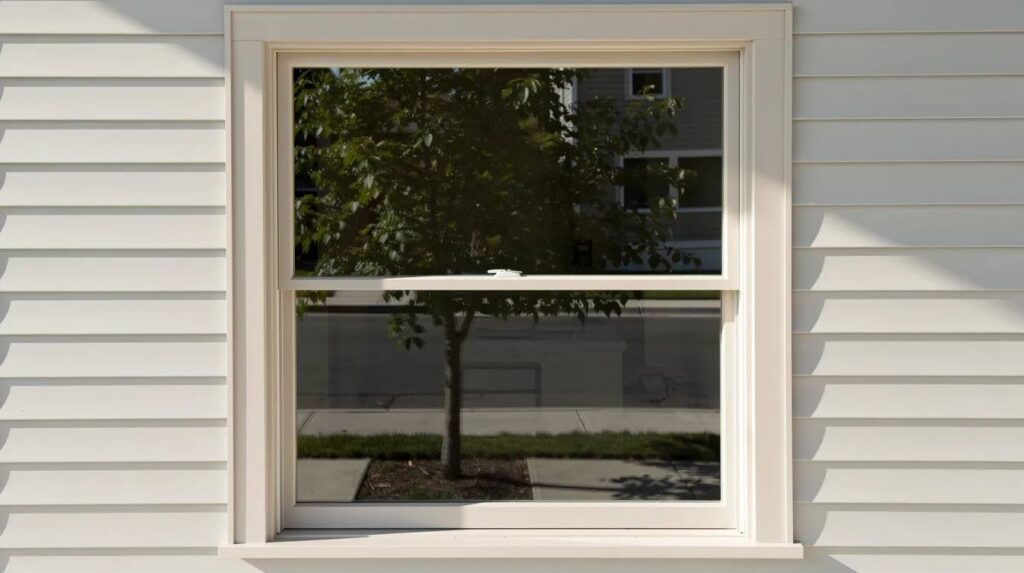
How Home Window Tinting Cuts Energy Costs and Boosts Energy Savings
Solar heat gain through windows accounts for roughly one third of cooling costs in a typical home. When electricity rates are climbing every year, that is a significant line item. Home window tinting can reduce reliance on air conditioning during summer by acting as a thermal barrier on every pane of glass it covers.
Solar control window film works by reflecting and absorbing infrared energy before it passes through the glass. High-performance window films can reduce energy costs by 5 to 15 percent annually, depending on your climate, window orientation, and existing glass type. In hot-climate homes with many exposed windows, window tinting can reduce cooling costs by as much as 30 percent. That kind of reduction means window tinting can pay for itself in about three years.
A 2,000-square-foot home with large west-facing windows and an older HVAC system is a textbook case. After solar control film installation, afternoon room temperatures dropped noticeably, AC runtime shortened, and the homeowner saw lower energy costs on the very first summer bill.
Beyond the monthly savings, reducing hot spots in rooms with large glass areas means your existing HVAC system cycles less frequently. Fewer cycles extend equipment life and reduce maintenance calls. It is one of the rare home upgrades where energy efficiency improvements and everyday comfort arrive on the same day.
Types of Home Window Film for Different House Windows
Not every home window film serves the same purpose. The right film type depends on your goals – whether that is maximum heat rejection, privacy, preserving views, or security.
Solar and heat-rejecting films. Solar control films block up to 79 percent of solar heat entering through windows. They are available in neutral, lightly tinted, or reflective finishes. These are the go-to for living rooms with large picture windows, sunrooms, and any glass facing direct afternoon sun. They dramatically lower heat buildup while keeping the view intact. Visible Light Transmission, or VLT, measures how much light passes through window films, and solar control film options range from nearly clear to moderately dark depending on your preference.
Privacy and decorative films. Frosted films provide privacy without sacrificing natural light – ideal for bathrooms, offices, and sidelights beside front doors. Decorative films enhance privacy and style in any room, offering patterns, textures, and translucent finishes that suit modern and traditional homes alike. These are popular alternatives to curtains and blinds for street-facing windows at night or during the day.
Safety and security films. These thicker films – often four to eight mils – are designed to hold glass together if struck. Some combine solar control with impact resistance for dual benefits, making them a practical choice for storm-prone regions and ground-floor security.
Nano-ceramic and spectrally selective films. Ceramic films block infrared heat without darkening spaces, making them the premium choice for homeowners who want maximum heat rejection with minimal change in appearance. Advanced spectrally selective films filter specific wavelengths to reject 70 to 90 percent of infrared energy while maintaining high visible light transmission. These are the top tier for homes where natural light and clarity are priorities.
Different films may be recommended for different sides of the house – darker tint for hot west-facing glass, lighter options for shaded or north-facing windows – balancing comfort and curb appeal across the entire home.
Professional Installation vs DIY: Why Experienced Home Window Tinting Services Matter
DIY window tint kits are available for a few dollars per square foot, and they can be tempting. But most homeowners searching for home window tinting services near them ultimately choose expert installation – and for good reason.
Professionally installed window film follows a precise multi-step process: on-site assessment of your glass types and sun exposure, film recommendation matched to your goals, accurate measurements, thorough cleaning of every pane, film application using a slip solution, careful squeegeeing to remove air and moisture, precision trimming at edges, and a final inspection. Professional installation ensures no bubbles or ripples in the film. Installation typically requires no furniture moving, and window film installation can take around 15 minutes per window – meaning most homes can be completed in a single day.
DIY attempts frequently result in bubbles, creases, peeling edges, dust trapped beneath the film, and miscuts that waste material. Worse, most manufacturers void product warranties when film is not applied by a certified installer. Professional home window tinting services typically include written warranties of 10 to 15 years or longer, covering peeling, discoloration, and adhesion failure. Certified installers use films from major brands like 3M and LLumar, and they understand which films are safe for tempered, dual-pane, or Low-E glass to avoid seal failure and thermal stress cracks.
How to Choose the Best Home Window Tinting Company Near You
Not every installer delivers the same quality. Choosing a reputable local provider is the difference between a film that lasts many years and one that peels within months.
Look for companies with a strong residential focus, years in business (ideally operating since before 2015), proof of licensing and insurance, and certifications from major film manufacturers. Major window film manufacturers provide locator tools for finding authorized dealers, which is an easy starting point for verifying credentials near your location.
Read recent customer reviews from 2024 to 2026 that specifically mention residential projects. Pay attention to comments about punctuality, cleanliness, glare reduction results, and energy savings after installation. Ask about the film brands offered, request to view samples on your actual glass, and get written estimates that show square-foot pricing and warranty details.
Get at least two in-home quotes, but weigh experience and film quality over the lowest cost. A well-installed, premium film should last a decade or more – the investment pays back in comfort, protection, and lower energy bills far longer than the cheapest option.
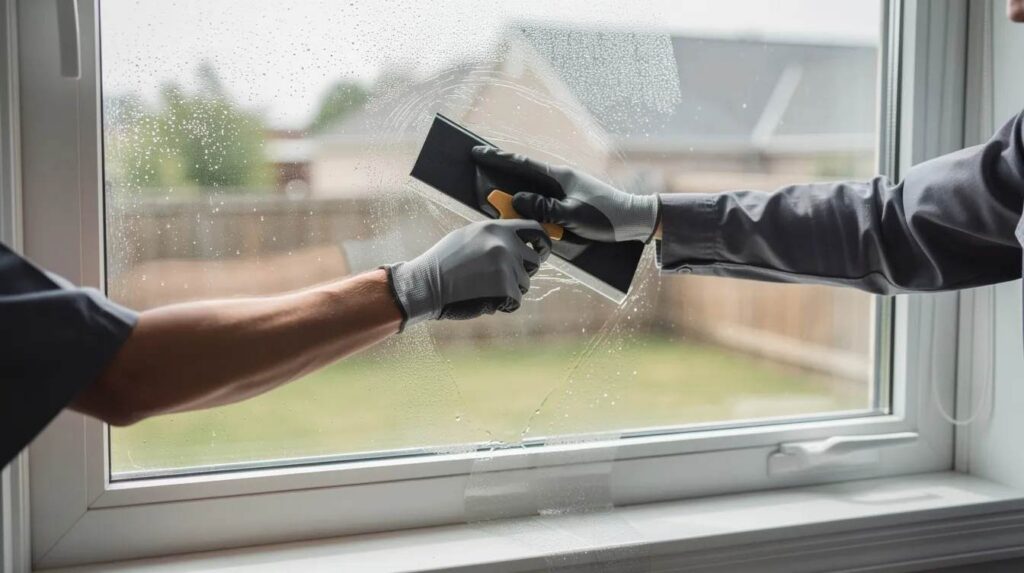
What to Expect When Tinting Your Home’s Windows
Residential window tinting is one of the least disruptive home improvements you can schedule. Most projects are completed in a single visit, and normal life continues around the work.
The process typically starts with a phone or online inquiry, followed by an in-home consultation within a few days. After reviewing your windows and discussing goals – whether that is privacy, solar control, or security – you receive a written quote. Installation is usually booked within one to two weeks depending on season. A 10 to 15 window project often takes half a day; whole-house projects may take a full day.
Preparation on your part is minimal: clear window sills of small items, open blinds, and let the installer handle protective coverings and any necessary furniture adjustments. After installation, you may notice slight haziness or tiny moisture pockets – this is normal and clears within days to a few weeks as the adhesive cures. Avoid cleaning tinted windows for about 30 days, then use a soft cloth with ammonia-free cleaner. Do not pick at film edges during the curing period.
Frequently Asked Questions About Home Window Tinting Near Me
Is home window tinting worth it in my climate?
Absolutely. In hot-summer regions, the cooling savings alone justify the cost. In mixed climates, the comfort improvements, UV damage prevention, and glare reduction make window tinting a smart year-round upgrade. Window film can reject up to 75 percent of solar heat regardless of your location.
How much does home window tint cost per square foot?
Typical professionally installed residential window film ranges from $7 to $15 per square foot for quality ceramic or spectrally selective options. A standard 3-by-5-foot window usually costs between $150 and $225 installed. Total project cost for 15 to 20 windows typically falls between $2,500 and $5,000.
Will tinting my home windows make rooms too dark?
Not if you choose the right film. Spectrally selective and nano-ceramic films preserve natural light while blocking significant heat. Light, neutral films keep rooms bright and open – dark tint is only one option, not the default.
Can window film be removed or replaced later?
Yes. A professional can remove old film cleanly with minimal impact on the glass. Many homeowners upgrade their film after 10 to 15 years to take advantage of newer technology.
Does window tint work with double-pane or Low-E glass?
It does, but compatible films must be selected. Reputable installers check glass type before recommending products to avoid thermal stress or seal failure.
How long does residential window film last?
High-quality residential tints generally last 10 to 20 years under normal conditions. Premium spectrally selective films installed since 2020 often exceed a decade with proper care. Warranties from most manufacturers back these lifespans.
Next Steps to Improve Comfort, Privacy, and Efficiency
Home window tinting delivers lower energy costs, effective glare reduction, long-term protection for your flooring and furniture, and increased privacy – all from a single-day installation on your existing windows. Professionally installed window film provides the durability, clean appearance, and manufacturer-backed warranties that DIY approaches simply cannot match.
The easiest next step is scheduling an in-home consultation. A qualified installer will bring film samples, assess your house windows on-site, and provide a written quote with no obligation. Visit our home window tinting page or contact us by phone to get started today.