Table of Contents:
- Introduction to Commercial Window Tinting Companies and Their Role
- Understanding Commercial Window Tinting Companies and Their Specializations
- Services Offered by Professional Window Tinting Companies
- How to Select the Right Commercial Window Tinting Company
- Common Challenges and Solutions When Working with Tinting Companies
- Conclusion and Next Steps
- Frequently Asked Questions
Introduction to Commercial Window Tinting Companies and Their Role
Commercial window tinting companies are specialized contractors that install protective and energy-efficient films on commercial building windows, glass doors, and other glazed surfaces. These firms serve as critical partners for businesses seeking to reduce energy costs, enhance security, and improve occupant comfort without replacing entire window systems.
This guide addresses the full spectrum of commercial window tinting providers—from local independent installers and regional firms with multi-state coverage to national chains with franchise consistency and specialized contractors focusing on security or decorative applications. The content is designed for facility managers, building owners, architects, and business decision makers who need to evaluate, select, and work effectively with these service providers.
Direct answer: Commercial window tinting companies apply engineered window film products to commercial buildings, providing services that include solar heat reduction, UV protection, security reinforcement, and decorative architectural finishes. Professional installers ensure high-quality, durable application that can last over 10 years.

By reading this guide, you will gain:
- Clear criteria for evaluating company qualifications, certifications, and experience
- Understanding of the specific services available and their measurable benefits
- A structured process for comparing quotes and selecting the right partner
- Strategies for avoiding common pitfalls and ensuring project success
- Knowledge of warranty terms and post-installation support expectations
Understanding Commercial Window Tinting Companies and Their Specializations
Commercial window tinting companies differ significantly from residential services in scale, technical requirements, and regulatory compliance. These firms handle larger glass surface areas, work at greater heights, navigate stricter building codes, and must minimize disruption to ongoing business operations. Their role extends beyond simple installation to include glass compatibility assessments, energy modeling, and ensuring compliance with safety glazing standards.
Commercial window films contribute directly to building maintenance and energy efficiency strategies. By reducing solar heat gain and improving thermal performance, these installations help extend HVAC system lifespan, lower energy bills, and create more comfortable environments for occupants and customers alike.
Types of Commercial Window Tinting Companies
Local independent contractors offer personalized service with deep familiarity of regional codes, climate conditions, and local glass suppliers. Their advantages include flexibility, lower overhead costs, and direct communication with decision makers. However, capacity for large-scale projects may be limited, and warranty backing varies by firm.
Regional companies operate across multiple states with standardized processes and larger resource pools. These firms combine local market knowledge with access to national manufacturer programs and regional utility rebates, often partnering with suppliers like Window Film Depot to deliver specialized solar, security, and decorative film solutions. They typically maintain trained crews and equipment sufficient for mid-to-large commercial projects.
National chains such as 3M Authorized Dealers and other brand-affiliated installers provide franchise consistency, rigorous training programs, and robust warranties. Companies like Window Film Depot maintain nationwide reach while offering comprehensive product lines. These providers excel at large, multi-location rollouts but may offer less flexibility for highly customized small-scale work.
Industry Certifications and Standards
3M authorized dealer certifications and similar manufacturer partnerships indicate that installers have completed factory training and follow strict application protocols. This certification matters because proper installation technique directly affects film performance and warranty validity.
International Window Film Association (IWFA) memberships demonstrate commitment to industry standards and ongoing education. The IWFA provides unbiased technical resources, performance guidelines, and a verified dealer directory that helps building owners identify qualified professionals.
Commercial building industry standards govern safety and security window film installations. Films must meet standards such as ANSI Z97.1 for safety glazing, EN 12600 for impact resistance, and GSA-TS01 for blast mitigation. Compliance ensures the installation meets local codes and provides documented protection against potential hazards including natural disasters and forced entry attempts.
Services Offered by Professional Window Tinting Companies
Building on the range of company types and their capabilities, reputable commercial window tinting companies provide specialized services spanning energy control, security enhancement, and aesthetic customization. The specific service mix depends on climate zone, building type, and client objectives.
Energy Efficiency Window Films
Solar control films such as photochromic CoolVu solar window film address one of the most significant cost drivers in commercial buildings: cooling expenses. Commercial window film can reduce solar heat gain by up to 79%, reducing the load on air conditioning systems by up to 30%. Solar window films, such as Panorama Solar films, are designed to control solar heat gain and reduce the heating effects of the sun, helping to maintain comfortable indoor temperatures and reduce energy costs. These solar films block heat coming through glass while often maintaining adequate natural light transmission.

Low-E films enhance year-round temperature control by improving thermal performance in both cooling and heating seasons. These spectrally selective films reject infrared heat while allowing visible light through, making them ideal for commercial applications where daylighting matters. Solar/Energy Control Film drastically reduces heat and lowers energy costs, thereby increasing tenant comfort, making commercial window tinting and office window film installation a high-impact upgrade for many properties.
Glare reduction solutions directly impact office productivity. Tinting significantly reduces glare on computer screens, which can reduce productivity by up to 20%. By eliminating hot spots and controlling light levels, these films create more functional workspace environments without sacrificing natural light or views.
Security and Safety Window Films
Anti-shatter films hold glass together during impacts, protecting occupants from flying glass shards during storms, accidents, or seismic events. Safety and security films, like Armorcoat and other security window films designed to prevent shattering and intrusion, are used to reinforce glass doors and windows against break-ins and accidents, providing an additional layer of protection for commercial properties. Armorcoat is a widely recognized brand of security film used in various facilities, including military and government buildings, for its strength and clarity.
Security films for forced entry prevention deter break ins and vandalism by making glass much harder to penetrate. Security window films can reinforce glass doors and windows against break-ins, accidents, or storms, providing an additional layer of protection for businesses. Installing window films can enhance privacy and security, making it more difficult for potential intruders to see inside a building.
Bomb blast mitigation films serve high-risk facilities including government buildings and critical infrastructure. DefenseLite is a security shield made from polycarbonate material that can withstand up to 40 minutes of sustained attack, deterring vandals and intruders. For properties in areas prone to natural disasters or requiring enhanced protection, window protection film systems provide documented resistance against both blast overpressure and wind-borne debris.
Decorative and Privacy Solutions
Frosted and etched film alternatives create privacy for conference rooms, medical offices, and reception areas without replacing glass or sacrificing light transmission. These products offer cost effective alternatives to etched glass at a fraction of the price.
Branded graphics and logo integration allow businesses to incorporate corporate identity directly onto glass surfaces. Decorative films offer a variety of colors and designs that can enhance the aesthetic appeal of commercial spaces, allowing businesses to customize their glass surfaces for branding or privacy purposes. Retail locations use these films to protect merchandise from UV damage while reinforcing brand appearance for customers.
Architectural films with metal finishes, patterns, and textures transform building aesthetics. These architectural finishes can mimic expensive treatments, create visual interest, or provide directional wayfinding—all while protecting furnishings and interior finishes from harmful UV rays, especially when sourced from a broad range of commercial window film brands and products. Commercial window films block up to 99% of harmful UV rays, protecting furnishings and reducing fading in interior spaces.
How to Select the Right Commercial Window Tinting Company
Selecting the right commercial window tinting company directly affects long-term building performance, energy savings, and occupant safety. A poor choice can result in underperforming film, premature failures, or liability exposure from glass breakage.
Evaluation Process
Step 1: Verify licensing, insurance, and bonding status. Confirm the company carries general liability insurance appropriate for commercial scale (typically $1–5 million), workers’ compensation coverage, and bonding if required by your jurisdiction. Security window film installations may require additional licensing, and understanding typical window security film installation costs can help frame budget expectations during early planning.
Step 2: Request and review portfolio of similar commercial projects. Ask for case studies showing building type, glass area treated, film specifications, and documented performance outcomes. Relevant experience with your property type—whether office, retail, healthcare, or education—indicates the ability to handle project-specific challenges.
Step 3: Obtain detailed written estimates with material specifications. Quotes should specify film brand and series, visible light transmission percentage, total solar energy rejection metrics, film thickness, installation location (interior vs. exterior), and cost per square foot. Vague estimates signal potential problems.
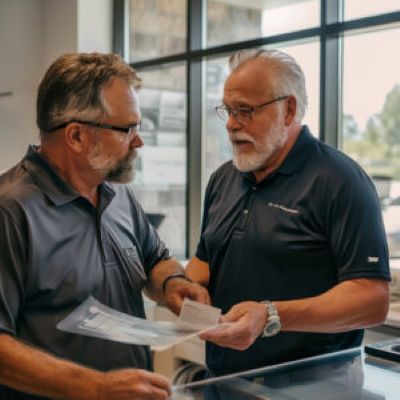
Step 4: Check references from recent commercial clients. Contact facility managers about long-term performance: Has the film bubbled, peeled, or discolored? Did installation disrupt operations? Were warranty claims handled professionally?
Step 5: Confirm warranty coverage and post-installation support. Understand both manufacturer and installer warranties, coverage duration, exclusions, and whether warranties transfer with property sale. Premium commercial films typically carry 10-15 year warranties, with some ceramic and 3M™ Scotchshield™ Ultra Series safety and security films offering 15-year terms.
Comparison Criteria
| Criterion | Local Independent | Regional Company | National Chain |
|---|---|---|---|
| Experience Level | Variable; check references | Moderate to extensive | Extensive with documentation |
| Certifications | May lack manufacturer certification | Often manufacturer-certified | Typically brand-authorized |
| Warranty Terms | Installer-dependent, often shorter | Manufacturer-backed, 10-12 years | Full manufacturer warranty, 10-15 years |
| Pricing Structure | Often lower overhead | Mid-range | May be higher; consistent |
| Project Timeline | Flexible scheduling | Moderate lead times | Structured timelines; less flexibility |
| When evaluating options, weigh total value rather than lowest price alone. Small differences in solar heat rejection percentages translate to meaningful energy savings over the life of the installation. A company with proven commercial experience, proper certifications, and strong warranty backing typically delivers better long-term results than the cheapest bidder. |
Common Challenges and Solutions When Working with Tinting Companies
Even experienced commercial window tinting companies encounter project challenges. Anticipating these issues and building safeguards into contracts protects your investment and ensures successful outcomes.
Project Timeline Delays
Timeline slippage often results from film ordering errors, weather interference with exterior installations, or scheduling conflicts with building operations. Solution: Establish clear milestones and contingency plans during contract negotiation. Confirm film availability before signing, specify interior vs. exterior application, and schedule installation during periods of minimal tenant disruption. Include completion incentives or penalties tied to agreed dates.
Film Performance Not Meeting Expectations
Sometimes installed film fails to deliver promised solar rejection, glare reduction persists, or thermal stress damages glass. Solution: Specify measurable performance criteria in contracts—including SHGC values, visible light transmission percentages, and total solar energy rejection—along with testing procedures for verification. Require glass compatibility assessments before installation, particularly for insulated glass units or older windows. Consider requesting a mock-up window to evaluate actual performance before full-scale installation.
Post-Installation Maintenance Issues
Film bubbling, peeling, discoloration, and edge failures can emerge months or years after installation. Solution: Secure detailed maintenance agreements specifying proper cleaning protocols, inspection schedules, and response procedures for defects. Ensure warranty terms explicitly cover labor and materials for repairs, with documented processes for filing claims. For security film on glass doors and high-traffic areas, confirm that frame attachment integrity is included in maintenance inspections.
Conclusion and Next Steps
Commercial window tinting companies serve as essential partners for building owners and facility managers seeking to improve energy efficiency, enhance security, and protect assets. The right company brings technical expertise, proper certifications, and reliable warranty backing that ensures your investment delivers measurable returns through lower energy costs, reduced HVAC strain, and improved occupant comfort.
Immediate action items:
- Create a requirements document specifying your primary objectives (energy savings, security, privacy, aesthetics) and any building-specific constraints
- Research companies in your area using IWFA directories and manufacturer authorized dealer locators
- Request consultations from 3-5 qualified firms, obtaining detailed written proposals with film specifications
- Compare proposals using the evaluation criteria and comparison framework provided
- Check references and verify insurance before making final selection
Need More Info?
The Window Film Depot team is happy to help.
For comprehensive building performance improvement, consider exploring related topics including building energy audits to identify additional efficiency opportunities, HVAC optimization strategies that complement window film installations, and commercial glass replacement timelines for windows approaching end of service life.
Frequently Asked Questions
What certifications should I look for in commercial window tinting companies?
Prioritize companies with manufacturer dealer certifications (such as 3M Authorized Dealer status), IWFA membership, and documented compliance with safety glazing standards like ANSI Z97.1. For security window film installations, verify training in frame attachment systems and blast mitigation standards if applicable to your facility.
How long does commercial window film installation typically take?
Timeline depends on glass area, accessibility, and film type. Large commercial façades may require days to weeks for completion, while interior partition projects might finish in hours. Professional installers schedule work to minimize business disruption, often working outside normal operating hours.
What warranty coverage do reputable companies provide?
Premium commercial window films typically carry 10-15 year warranties for interior applications. Security and ceramic series often include 15-year terms. Exterior-applied films generally have shorter coverage (2 years vertical, 1 year sloped surfaces). Optional warranty upgrades may extend duration and increase glass failure coverage limits.
How much can commercial window tinting reduce energy costs?
Window films can significantly reduce solar heat gain, helping to maintain comfortable indoor temperatures and lower energy costs for commercial properties. Professionally installed solar control films can significantly reduce both solar heat gain and cooling costs, extending the lifespan of HVAC systems. Typical cooling cost reductions range from 15-30%, with ROI payback periods of 3-5 years depending on climate, building orientation, and existing glazing conditions.
Do commercial window tinting companies handle permits and inspections?
Established commercial firms typically advise on permit requirements and assist with regulatory compliance. In many jurisdictions, architectural review boards, fire marshals, or building departments must approve window film installations. Quality companies coordinate these processes and ensure installations meet applicable codes.
What happens if window film fails or needs replacement?
Manufacturer warranties typically cover defects including peeling, bubbling, cracking, discoloration, and adhesion failure. Glass breakage due to film-induced thermal stress may be covered with monetary caps per window (often $500-$1,500 depending on warranty tier). Reapplication labor is usually included in warranty claims for covered defects.
How do I compare quotes from different commercial window tinting companies?
Ensure quotes specify identical information: film brand and series, performance metrics (SHGC, VLT, TSER), thickness, installation method, warranty terms, and price per square foot. Compare total value including warranty duration, installer experience, and documented performance rather than selecting based on lowest cost alone.
What maintenance is required after commercial window film installation?
Use non-abrasive cleaning solutions and soft cloths; avoid harsh chemicals unless specifically approved. Schedule routine inspections to identify edge lifting, bubbling, or discoloration early. For security films on glass doors and entry points, periodically verify frame attachment and sealant integrity. Most quality installations require minimal maintenance beyond standard window cleaning.