Table of Contents:
- What Residential Window Tinting Actually Does — And Why It’s More Than a Comfort Upgrade
- The Full Range of Benefits: Energy, UV, Privacy, Security, and Comfort
- Comparing Residential Window Film Types: A Specification-Backed Decision Framework
- How Much Does Residential Window Tinting Cost — And Is It Worth the Investment?
- The Professional Installation Process: What to Expect and Why Certification Matters
- How to Vet Any Residential Window Tinting Installer Before You Commit
- Making a Confident, Specification-Backed Decision for Your Home
- Frequently Asked Questions
What Residential Window Tinting Actually Does — And Why It’s More Than a Comfort Upgrade
Most homeowners think of Residential Window Tinting as a way to cut the afternoon heat in a sun-facing room. That’s a real benefit, but it’s only one layer of what modern window film for heat actually delivers. The technology behind premium residential window tinting works across multiple dimensions simultaneously — solar heat, ultraviolet radiation, forced entry, and glass breakage — and understanding how it works changes how you evaluate whether it’s worth the investment.
How Window Film Works: The Physics of Solar Control in Plain Terms
Window film is a thin polyester laminate applied directly to the interior glass surface. Depending on the film’s construction, it contains dyes, metallic particles, ceramic nano-particles, or a combination of all three. Each layer is engineered to interact with different parts of the solar spectrum: visible light, infrared heat, and ultraviolet radiation.
Solar Heat Gain Coefficient and Visible Light Transmittance Explained
Two specifications tell you almost everything about how a solar control film will perform in your home.
Solar Heat Gain Coefficient (SHGC) measures the fraction of solar energy that passes through the glass into your interior. A standard double-pane window typically carries an SHGC of 0.25 to 0.40.
A high-performance solar film applied to that same window can push the effective SHGC below 0.20, meaning more than 80% of incoming solar energy is blocked before it heats your living space.
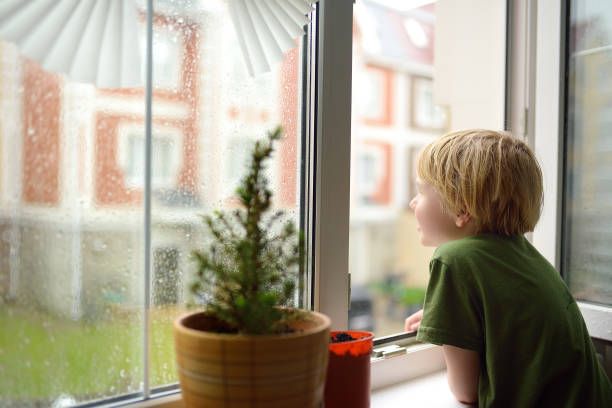
Visible Light Transmittance (VLT) measures the percentage of visible light the film allows through. A VLT of 70% looks nearly clear from inside the home. A VLT of 35% provides a noticeably darker appearance while still admitting substantial daylight. Most homeowners find that films in the 40% to 70% VLT range deliver meaningful heat rejection without significantly darkening the interior.
These two numbers work in tension with each other, and the ability to optimize both simultaneously is exactly what separates premium ceramic films from budget dyed alternatives.
How Films Reject Infrared Heat Without Blocking Natural Light
Infrared radiation is responsible for the “hot glass” sensation and most of the radiant heat that builds up in sun-exposed rooms. It’s invisible, which is why it’s possible to engineer films that block it selectively without reducing visible light transmittance. Ceramic films achieve this through nano-ceramic particles tuned to absorb and reflect infrared wavelengths. A high-quality ceramic film can reject a significant portion of infrared heat while maintaining a VLT above 60%, keeping the room bright while the heat stays outside.
The Security Dimension Most Homeowners Never Consider
Energy savings and UV protection dominate the marketing conversation around residential window film, but the security benefits are arguably more consequential for many households and almost entirely absent from how most homeowners think about the product.
How Safety and Security Films Hold Glass Together on Impact
Standard glass shatters into sharp fragments on impact. Safety and security window films are constructed from thick, tear-resistant polyester layers bonded with high-strength adhesives. When impacted, the film holds the broken glass in place rather than allowing it to scatter. 3M safety films are available in configurations ranging from 4-mil to 14-mil thickness, with heavier gauges designed to resist sustained forced entry attempts.
The physics matter here: the film doesn’t prevent the glass from breaking, but it transforms a break-in from a five-second glass-clearing job into a prolonged, noisy, and visible effort. That deterrence effect is the primary security value.
Forced Entry Deterrence and Shatter Protection as a Property Investment
Residential glass is one of the most common entry points in home burglaries. A window retrofitted with security film introduces meaningful resistance without the cost or aesthetic disruption of replacing windows with laminated glass. For homeowners who have already invested in quality furnishings, artwork, or home electronics, security film is a logical layer of protection that compounds with existing alarm systems rather than replacing them.
Residential vs. Commercial Window Tinting: Why the Distinctions Matter for Your Home
Commercial window tinting projects typically involve large curtain-wall glass sections, high-rise installations, and films selected for maximum heat rejection at the expense of aesthetics. Residential applications require a fundamentally different balance. Home windows vary widely in glass construction — single-pane, double-pane, low-E coated, tempered — and not all films are compatible with all glass types. Applying a highly reflective film to an existing low-E window, for example, can create thermal stress that cracks the glass or damages edge seals on insulated units.
Residential installations also require attention to HOA guidelines, room-by-room aesthetic consistency, and the occupants’ day-to-day experience of light and privacy. A certified residential installer evaluates all of these factors before recommending a film, a step that commercial contractors are not trained to prioritize.
The Full Range of Benefits: Energy, UV, Privacy, Security, and Comfort
Heat Rejection and HVAC Savings: What the Numbers Actually Look Like
Solar control thermal window film delivers documented HVAC savings, but the actual range varies enough that generic claims about “up to 30% energy savings” are more confusing than helpful. The honest answer is more specific.
Studies and utility rebate program data consistently show cooling cost reductions in the range of 5% to 15% for whole-home solar film installations in climates with significant air conditioning demand. Homes with large south- or west-facing window areas, older single-pane glass, or poorly shaded facades tend to see results at the higher end. Homes that are already well-insulated with modern low-E windows will see a smaller marginal improvement from film alone.
A more useful way to frame the value: a single large west-facing window in a climate like Texas or Arizona can be responsible for hundreds of dollars in annual cooling costs. Reducing that window’s SHGC substantially cuts that specific load and can produce a payback on the film installation that’s measured in months, not years.
How Window Orientation and Climate Zone Affect Performance
South-facing windows receive peak solar exposure at midday when the sun is highest. West-facing windows receive low-angle afternoon sun, which is harder to block with overhangs and generates the most intense radiant heat buildup. North-facing windows contribute almost no solar heat gain in most climates.
A qualified installer maps your home’s window orientations and recommends film specifications accordingly. In heating-dominant climates like the northern U.S., a film with very high heat rejection can actually increase heating costs in winter by blocking beneficial passive solar gain. In those cases, a moderate SHGC film applied selectively to east and west exposures often delivers better annual performance than blanket whole-home installation.
UV Protection and Fade Prevention: Protecting What’s Inside Your Home
Fading of flooring, furniture, and textiles is caused by multiple factors: UV radiation, visible light, heat, and humidity. UV radiation accounts for a significant share of cumulative damage in most residential environments, making UV rejection one of the most practical benefits of home window film installation.
A film with 99% UV rejection eliminates the single largest contributor to interior fading, even if it can’t address all causes.
For homeowners with hardwood floors, wool rugs, leather furniture, or artwork, this protection has direct financial value. Refinishing hardwood floors or replacing a faded sectional costs far more than a window film installation.

What a 99% UV Rejection Rating Means in Practical Terms
Nearly all quality residential films, including clear films with no visible tint, block 99% of UV radiation. This is not a premium-only specification. It means that even if you choose a nearly transparent film purely for aesthetics, your furnishings still receive substantial fade protection. The difference between a 99% heat blocking window film and an unfilmed window is not incremental. It’s the difference between meaningful protection and none at all.
Glare Reduction and Year-Round Comfort
Glare is one of the most cited quality-of-life complaints in sun-exposed homes, particularly in open floor plans where a single large window can make an entire living area unusable during peak hours. Solar control films reduce glare by lowering VLT in proportion to their tint level. A film at 35% to 45% VLT typically eliminates problematic glare while preserving comfortable ambient light levels, making a room functional throughout the day without repositioning furniture or closing blinds.
Privacy Enhancement Without Sacrificing Natural Light
Daytime privacy films use reflectivity to create a one-way mirror effect: from outside in daylight, the glass reflects back the surrounding landscape rather than transmitting a view of the interior. From inside, the view outward remains clear. This effect works specifically when the exterior is brighter than the interior, meaning it functions during the day but reverses at night when interior lights are on. Understanding that limitation is part of making the right film choice.
For rooms where consistent privacy is the priority regardless of light conditions, frosted or opaque decorative films are the appropriate solution, not solar control films.
Aesthetic and Decorative Value
Modern residential window films are substantially less visible than products from a decade ago. Premium ceramic films have a neutral color profile that doesn’t shift toward bronze or reflective silver as the film ages. A film that looks clean and neutral on installation day should look the same in year ten. Decorative and patterned films serve a different function entirely, adding design detail to glass partitions, entry windows, or bathroom glass where privacy and aesthetics converge. These are worth considering where design is the driver, but they function as interior design elements rather than performance upgrades.
Comparing Residential Window Film Types: A Specification-Backed Decision Framework
Choosing the wrong film type is the single most common mistake homeowners make, and it’s almost always the result of shopping by price or appearance rather than by performance specification matched to actual need.
The Four Core Film Categories and Their Primary Jobs
Films fall into four distinct categories, each built to solve a different primary problem. Most homes benefit from tinting home windows with more than one type across different zones.
Solar Control Films: Heat and Energy Management
Solar control films are engineered to reduce SHGC and block infrared heat. They’re the right choice for south-, east-, and west-facing windows where heat gain drives cooling costs. Performance specs to request: SHGC reduction, infrared rejection percentage, and VLT. These numbers determine actual performance, not the film’s marketing name.
Safety and Security Films: Impact Resistance and Glass Retention
Safety and security films prioritize structural integrity over solar performance. Constructed from multiple bonded polyester layers, they’re specified by thickness measured in mils rather than optical properties. A 4-mil film provides basic shatter resistance for interior safety applications. A 12- to 14-mil film applied with an anchoring system is the appropriate choice for ground-floor entry windows where forced entry is the concern.
Privacy Films: One-Way Vision and Decorative Opacity
Reflective privacy films create daytime one-way vision by increasing the film’s exterior reflectivity. Frosted and etched-pattern films block vision consistently regardless of light conditions. The right choice depends on whether you need daytime-only privacy, where a reflective solar film works and provides heat rejection as a bonus, or full-time visual separation, where a frosted film is the answer.
Decorative Films: Aesthetic Customization and Light Diffusion
Decorative films serve design goals: patterned glass effects, branded graphics, simulated frosted or stained glass. They contribute minimally to thermal performance and are selected for appearance rather than specification. Use them where aesthetics drive the decision, such as entry sidelights, interior glass partitions, and bathroom windows.
Dyed vs. Metallized vs. Ceramic Films: How Technology Affects Performance and Longevity
Film construction technology determines performance ceiling and how long that performance holds up. This is where the gap between budget and premium films is most visible.
Color Stability Over Time and Why It Varies by Film Construction
Dyed films absorb solar energy using organic colorants. Over time, those dyes break down under UV exposure, causing the film to shift toward a purple or reddish tone, a visible sign of degraded performance. Metallized films use metallic layers that resist color shift but can interfere with cell signals and create a reflective appearance that some HOAs restrict. Ceramic films use non-metallic nano-ceramic particles that hold their neutral color profile for the life of the film, don’t interfere with electronics, and carry no signal interference issues. If color stability matters to you, ceramic is the only category worth considering.
Infrared Rejection Rates Across Film Technologies
Dyed films reject infrared primarily through absorption, which limits their heat rejection capacity and makes them serve as a heat control window film as well. Metallized films reflect infrared more effectively, achieving moderate infrared rejection rates. Ceramic films reject infrared through a combination of absorption and reflection at the nano-particle level, reaching high infrared rejection rates in premium configurations while maintaining high VLT. That combination, high infrared rejection plus high visible light transmittance, is technically difficult to achieve and is what distinguishes top-tier ceramic products from everything below them.
What Separates 3M Residential Window Film from Generic Alternatives
The window film market has no shortage of products that look similar on a spec sheet but perform very differently in service. The gap between 3M residential window film and unbranded alternatives shows up in two specific places: verified specifications and warranty terms.
Performance Certifications and Independently Verified Specifications
3M films carry third-party certifications from organizations like the National Fenestration Rating Council (NFRC) and the Skin Cancer Foundation. These are independently verified, not self-reported marketing figures. When a film claims 99% UV rejection or a specific SHGC improvement, certification means that number was tested by an outside party using standardized methods. Generic films frequently list performance figures that were never independently verified, which means you’re buying a claim rather than a confirmed specification.
Warranty Duration as a Proxy for Film Quality
Warranty terms reveal what the manufacturer actually believes about their product’s longevity. 3M residential film warranties extend to lifetime coverage on many products for the original homeowner. Budget film warranties typically run five to seven years. That gap reflects real differences in film construction, adhesive chemistry, and UV stabilization. A film warranted for life has been engineered to last that long. A film warranted for five years has not.
Matching Film Type to Your Home: Climate, Glass Type, and Window Orientation
Performance specs matter less if the film is incompatible with your glass type. This is where professional assessment earns its value.
Compatibility Considerations for Low-E and Dual-Pane Windows
Low-E coatings on modern insulated glass units already block a portion of solar energy. Adding a high-absorption film to a low-E window concentrates heat at the glass surface, which can stress the inner glass pane and damage the argon-filled edge seal. The result is fogged glass and a voided window warranty. The correct film for low-E glass is a low-absorption, high-reflectance product, specifically a ceramic film with an absorption rate low enough to stay within the glass manufacturer’s thermal stress tolerance.
How to Avoid Thermal Stress and Edge-Seal Damage
Every glass manufacturer publishes thermal stress guidelines for their products. A certified installer cross-references those guidelines with the film’s absorption coefficient before recommending a product. This is not a step most homeowners can perform independently. It requires access to the glass manufacturer’s specifications and the film’s measured performance data. If an installer doesn’t ask about your window type and age before recommending a film, that’s a process gap with real consequences.
Film Type Decision Matrix
This matrix matches primary homeowner scenarios to the appropriate film category and construction type.
| Scenario | Climate Zone | Primary Priority | Window Type | Recommended Film Category | Recommended Construction |
|---|---|---|---|---|---|
| High cooling bills, large south/west windows | Hot (Sun Belt, coastal South) | Energy savings | Standard double-pane | Solar control | Ceramic |
| High cooling bills, large south/west windows | Hot (Sun Belt, coastal South) | Energy savings | Low-E double-pane | Solar control | Low-absorption ceramic |
| Ground-floor windows, security concern | Any | Forced entry deterrence | Any single or double-pane | Safety/security | 8–14 mil multi-layer |
| Interior fading protection only | Any | UV blocking, no tint | Any | Solar control (clear UV film) | Dyed or ceramic clear |
| Street-facing living room, daytime privacy | Any | Privacy + heat rejection | Standard double-pane | Reflective solar control | Metallized or ceramic |
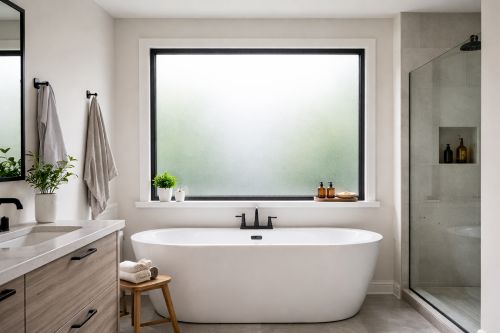
| Bathroom, interior partition | Any | Full-time visual privacy | Any | Decorative | Frosted/etched pattern |
| Mixed priority: heat + security | Hot or mixed | Energy + glass protection | Standard double-pane | Safety/security with solar rating | Thick ceramic safety film |
| Heating-dominant climate, north/east windows | Cold (northern U.S.) | Comfort, minimal heat loss | Standard double-pane | Low-solar-rejection solar control | Ceramic, moderate SHGC |
A few principles apply across all scenarios:
- Single-pane glass tolerates a wider range of film types because there’s no edge seal to protect and no existing low-E coating to interact with.
- Security films can be combined with solar control properties in a single product. Look for “safety solar” or “security solar” product lines when both priorities apply.
- In heating-dominant climates, whole-home installation with high heat-rejection film can increase winter heating loads. Selective installation on east and west exposures often delivers better annual ROI than blanket coverage.
- Decorative films require no compatibility analysis but do require professional installation to achieve clean, bubble-free results on visible glass surfaces.
The matrix above narrows your decision to a category and construction type. Film selection within that category, including specific VLT, SHGC, and thickness, should be finalized with a certified installer who has assessed your actual glass specifications.
How Much Does Residential Window Tinting Cost — And Is It Worth the Investment?
Cost is where most homeowners get tripped up, not because pricing is complicated, but because they compare upfront numbers without accounting for what those numbers actually buy.
What Drives the Price: Film Grade, Window Count, and Installation Complexity
Three variables determine the final cost of a residential window tinting project.
Film grade is the largest driver. The jump from a budget dyed film to a premium ceramic product can double the material cost per square foot. Window count affects both material and labor. A 20-window home takes significantly more time than a 10-window project, and labor rates don’t scale linearly. Complex shapes, divided lights, and multi-story installations add time disproportionately. Installation complexity covers site-specific factors: difficult access, furniture relocation, custom cutting for arched or shaped windows, and cleanup requirements for older glass with existing coatings.

Typical Pricing for Home Window Film Installation
Residential window tinting typically runs between $5 and $14 per square foot installed, depending on film grade and project complexity. A whole-home installation on a 2,000-square-foot house with standard windows generally falls in the range of $1,500 to $4,500. Individual room or priority-window installations are proportionally less.
Budget vs. Premium Film Tiers: Upfront Cost vs. Total Cost of Ownership
A budget dyed film at $5 to $7 per square foot installed will perform adequately for the first few years. Ceramic films at $10 to $14 per square foot carry roughly double the upfront cost but deliver meaningfully better infrared rejection, longer color stability, and warranties that run 10 to 15 years longer. Over a 15-year window, the total cost of two budget film cycles, including reinstallation labor, often exceeds the cost of a single premium installation.
Hidden Costs of Poor Installation: Rework, Voided Warranties, and Premature Failure
Bubbling, edge lift, and haze are installation defects, not film defects. They result from surface contamination, improper film sizing, or inadequate curing conditions. Fixing them requires removing the film entirely and reinstalling, a cost that falls entirely on the homeowner when the original installer is uncertified and carries no warranty. Add the potential cost of a voided window manufacturer’s warranty if thermal stress damage occurs from an incompatible film choice, and the hidden cost of cutting corners can easily exceed the original project cost.
Payback Period and Long-Term ROI: Building an Honest Case
The energy savings case for window film holds up, but payback timelines require honest inputs.
In high-cooling climates with significant unshaded glass, a premium ceramic installation on the most heat-exposed windows typically achieves payback within three to five years through reduced cooling costs. Whole-home installations in moderate climates see payback periods in the five- to eight-year range. Budget films may show faster initial payback on paper due to lower upfront cost, but their degraded performance after five to seven years means the savings curve flattens before the film reaches end of life.
Lifespan Comparison: Why Film Longevity Directly Affects True Value
Premium ceramic films with lifetime warranties routinely remain in service for 15 to 25 years. Dyed films typically show visible degradation within five to seven years and may need replacement in eight to ten. That difference in usable life changes the true cost-per-year calculation significantly. A film that costs twice as much but lasts three times as long is the better financial decision. The math isn’t complicated once you lay it out across a realistic time horizon.
Does Window Tinting Void Window Warranties?
Film applied correctly, meaning a compatible film chosen for your specific glass type and installed by a certified professional, does not void window warranties. The risk arises when an incompatible high-absorption film is applied to a low-E or dual-pane unit, creating thermal stress that damages the glass or edge seal. 3M and other major film manufacturers publish compatibility guidelines that certified installers follow. The installer’s certification and the film manufacturer’s warranty documentation serve as your proof of compliance if a warranty question ever arises.
How Long Does Residential Window Tinting Last?
Premium ceramic films last 15 to 25 years under normal residential conditions. Metallized films typically hold up for 10 to 15 years. Dyed films begin to show degradation, including color shift and reduced heat rejection, within five to seven years in high-UV environments. Safety and security films have a similar lifespan to their base film technology, with adhesive integrity remaining stable for the film’s rated life when properly installed. Exposure to extreme heat, cleaning with abrasive products, and physical impact shorten lifespan regardless of film type.
The Professional Installation Process: What to Expect and Why Certification Matters
Most installation failures trace back to one of two causes: the wrong film was selected for the glass type, or the application was rushed. A certified professional eliminates both risks through a structured process that homeowners should understand before committing to any contractor.
What Home Window Film Installation Looks Like From Start to Finish
A professional home window film installation follows a consistent sequence regardless of film type or project size.
Site Assessment, Glass Type Verification, and Film Selection
Before any film is cut, a qualified installer identifies the glass construction at each window: single-pane, double-pane, low-E coated, tempered, or laminated. This determines which films are thermally compatible and whether any windows need to be excluded from the installation scope. Film selection is confirmed against these findings, not just the homeowner’s preferences. The assessment also covers room orientation, existing window condition, and any obstructions that affect installation access.
Application, Curing Time, and Post-Installation Inspection
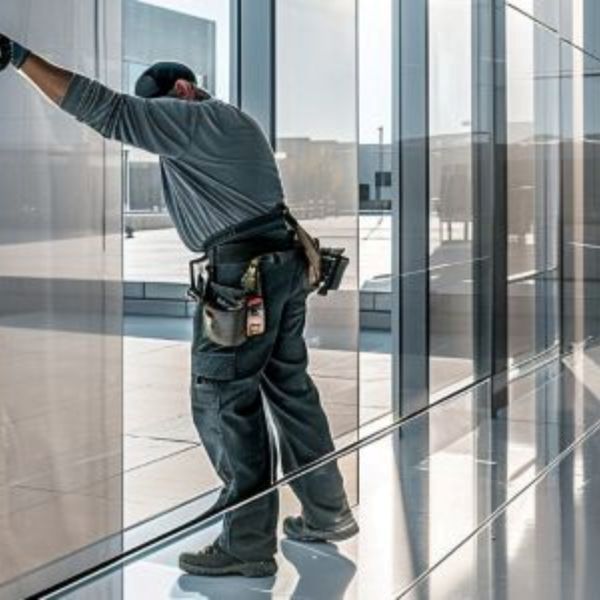
Glass is cleaned with a professional-grade solution to remove all contamination before film contact. The film is cut to size with precision margins, applied wet using a slip solution, and squeegeed to remove moisture and air. Small water pockets visible immediately after installation are normal and resolve during curing, which takes three to seven days in warm weather and up to 30 days in cold or humid conditions. A post-installation inspection verifies edge adhesion, absence of contamination, and correct film placement before the installer leaves the site.
Can You Tint House Windows from the Inside?
Yes, and in residential applications, house window tinting interior installation is standard practice.
Residential film is always applied to the interior face of the glass.
Interior application protects the film from weather exposure, extends its service life, and allows proper glass preparation without scaffolding or exterior access equipment.
For residential projects, interior is simply the correct method.
The Real Risks of DIY and Uncertified Installation
Residential film installation looks straightforward on a video tutorial. In practice, the gap between a professional result and a failed DIY installation comes down to glass preparation, film handling, and toolwork precision.
Common Installation Defects and What Causes Them
Bubbling after curing indicates contamination trapped between the film and glass during application, typically the result of inadequate surface cleaning or improper slip solution use. Peeling at edges occurs when the film is cut too close to the frame, leaving insufficient adhesion area, or when the glass edge wasn’t cleaned thoroughly before application. Haze or optical distortion comes from squeegee technique errors that leave moisture pockets or micro-scratches on the film surface. None of these are film defects. They’re installation defects, and they cannot be repaired without full removal and reinstallation.
How Uncertified Installation Voids Both Film and Window Warranties
Film manufacturer warranties, including 3M’s, require installation by a certified dealer to be valid. An uncertified installer, regardless of apparent competence, installs the film outside the warranty terms, meaning any defect, premature failure, or thermal stress damage becomes the homeowner’s financial responsibility. The same applies to window warranties: if an incompatible film is applied by a non-certified contractor and causes edge-seal failure on a double-pane unit, the window manufacturer has no obligation to honor their warranty on the damaged unit.
What It Means to Work With a 3M Authorized Installer
Installer certifications vary in what they actually require, and the gap matters.
3M Authorized Installer Status: What the Certification Requires
3M Authorized Dealer status requires completion of 3M’s installation training program, demonstrated competency with 3M film products, and ongoing compliance with 3M’s installation standards. Installers who carry this certification have access to 3M’s full residential product line and are equipped to issue the manufacturer’s warranty directly to the homeowner. The certification reflects demonstrated technical competency with 3M’s specific film systems, not just a registration.
How Installer Credentials Translate to Warranty Coverage and Accountability
A 3M Authorized Installer issues the film warranty on 3M’s behalf. That means warranty claims are backed by 3M’s resources, not just the installer’s willingness to return your call. If the installer closes their business or declines a warranty claim, the path to resolution runs through 3M directly. That accountability chain doesn’t exist with uncertified installation, regardless of what verbal assurances the installer offered before the project started.
How to Vet Any Residential Window Tinting Installer Before You Commit
Choosing the right film is half the decision. The installer you hire determines whether that film performs as specified, carries a valid warranty, and lasts as long as the manufacturer intended.
The Questions Every Homeowner Should Ask Before Signing a Contract
A legitimate residential window tinting contractor answers specification questions without hesitation.
If a quote arrives without film brand names, product model numbers, or stated VLT and SHGC values, you’re being asked to approve a project you can’t evaluate.
Ask for the full product name and the manufacturer’s published spec sheet before signing anything.
Need More Info?
The Window Film Depot team is happy to help.
Verifying 3M Authorization and Manufacturer Warranty Pass-Through
Ask directly: “Are you a 3M Authorized Dealer, and will the manufacturer’s warranty transfer to me in writing at project completion?” Both answers need to be yes. Authorization status can be verified through 3M’s installer locator. Warranty pass-through means the document you receive at project completion is a manufacturer-backed warranty, not the installer’s personal promise. If the installer can’t produce a written warranty on manufacturer letterhead, the warranty doesn’t exist in any enforceable sense.
Red Flags in Estimates: Vague Specs, Unlisted Film Brands, and No Written Warranty
Three patterns in an estimate should stop a project before it starts. First, film described only by tint level or appearance, such as “35% tint” or “dark bronze,” with no brand or model number makes it impossible to verify what you’re actually getting. Second, pricing significantly below the market range without explanation typically means the contractor is solving a margin problem by cutting material quality. Third, verbal warranty assurances without documentation are unenforceable. A warranty not in writing before installation is not a warranty you can rely on.
Code Compliance and HOA Considerations
Most municipalities don’t regulate residential window film directly, but HOA covenants frequently do. Common restrictions cover exterior reflectivity levels, allowable VLT ranges, and film color. Some HOAs prohibit metallized films entirely due to their mirror-like exterior appearance. Before installation, request your HOA’s architectural guidelines and share them with your installer. A qualified contractor knows the relevant restrictions in your area and can recommend compliant film options that still meet your performance goals. Skipping this step can result in a removal and reinstallation requirement at your expense.
What Warranty Coverage Should You Expect?
For premium ceramic films installed by a certified professional, lifetime warranties for the original homeowner are standard. These cover film failure, adhesion defects, color shift beyond specified tolerances, and manufacturing defects. They do not cover physical damage from impact or improper cleaning. Mid-grade films typically carry 10- to 15-year warranties. Any installer offering less than a 10-year warranty on a film they’re presenting as a quality product is either selling budget material or not authorized to issue the manufacturer’s coverage. Get the warranty terms in writing before the project starts, not after.
What Is the Best Window Tint Film for Residential Homes?
There’s no single best film. There’s a best film for your specific combination of climate, glass type, primary priority, and window orientation. That said, for most homeowners balancing heat rejection, UV protection, and longevity, a premium ceramic film from a manufacturer with independent performance certifications is the correct starting category. Within that category, VLT and SHGC are selected based on your specific exposures. For ground-floor security applications, a safety-rated multi-layer film takes priority over solar performance. The Film Type Decision Matrix earlier in this guide provides the matching logic. What separates a good film choice from a wrong one is having a certified installer assess your actual glass specifications before making that selection.
Quick-Pick Installer Vetting Checklist
Use these five criteria before committing to any residential window tinting contractor.
- Manufacturer authorization: Confirm the installer holds current authorized dealer status with the film brand specified in your quote. Verify it through the manufacturer’s website, not just the installer’s claim.
- Written warranty: The warranty document should name the film manufacturer, specify coverage terms and duration, and transfer to you at project completion. Verbal assurances don’t count.
- Film specifications in the quote: The estimate must list the film brand, product name or model number, and key specs including VLT and SHGC at minimum. Reject any quote that describes film only by appearance.
- Glass compatibility process: Ask how the installer verifies film compatibility with your glass type. A qualified installer asks about your window construction before recommending a film.
- Proof of insurance: General liability coverage protects you if glass is damaged during installation. Request a certificate of insurance before work begins.
Making a Confident, Specification-Backed Decision for Your Home
The Multi-Benefit Case for Premium Window Film
Premium residential window tinting doesn’t solve one problem. It addresses energy costs, UV damage, privacy, glare, and glass security simultaneously through a single installation that compounds in value over time. The energy savings case holds up under honest math. The UV protection is immediate and measurable. The security dimension, which most homeowners don’t initially consider, is the benefit that matters most when it’s needed. Budget films deliver a portion of those benefits for a limited time. Premium ceramic films, installed correctly, deliver all of them for the life of the window.
Why the Installer You Choose Matters as Much as the Film You Select
The best film specification installed incorrectly produces defects, voided warranties, and potential glass damage. A qualified installer’s value isn’t just technical. It’s the accountability structure they bring. 3M authorization, written manufacturer warranties, and proper compatibility assessment protect your investment at every stage. The five-point vetting checklist above gives you the specific questions to ask before any contract is signed. The gap between a certified professional and an uncertified contractor isn’t always visible in a quote, but it shows up in the installation, the warranty, and the film’s performance a decade later.
Your Next Step: Requesting a Free Consultation With a Certified Expert
The right next step is a site assessment, not a price comparison. Film selection depends on your specific glass type, window orientations, climate, and priorities — variables that can’t be evaluated from a standard quote. A certified 3M installer reviews your windows in person, identifies compatibility requirements, and matches film specifications to your actual conditions before recommending a product. Request a free estimate with a 3M Authorized Dealer in your area and bring the questions from this guide. The specificity of their answers will tell you everything you need to know about whether they’re the right contractor for your home.
Visit the Window Film Depot website to explore residential window tinting solutions designed for heat reduction, privacy, UV protection, and comfort. Their certified team can help you compare film types, assess your glass compatibility, and recommend the right solution for your home.
Frequently Asked Questions
How much does it cost to put tint on your house windows?
Residential window tinting typically costs between $5 and $14 per square foot installed, depending on film grade and project complexity. A whole-home installation on a standard-sized house generally falls in the range of $1,500 to $4,500. Premium ceramic films carry a higher upfront cost than budget dyed films, but when you account for lifespan and replacement cycles, they often represent a lower total cost over 15 years.
How long does residential window tinting last?
Premium ceramic films last 15 to 25 years under normal residential conditions and are typically backed by lifetime warranties for the original homeowner. Metallized films hold up for roughly 10 to 15 years. Dyed films begin to show visible degradation, including color shift and reduced heat rejection, within five to seven years in high-UV environments. Proper installation and avoiding abrasive cleaning products extend service life regardless of film type.
Does window tinting void window warranties?
When the correct film is selected for your glass type and installed by a certified professional, window tinting does not void window warranties. The risk arises specifically when a high-absorption film is applied to a low-E or dual-pane insulated unit, which can create thermal stress that damages the glass or edge seal. A 3M Authorized Installer cross-references film specifications against glass manufacturer guidelines before recommending any product, protecting both the film warranty and the underlying window warranty.
What is the difference between 3M residential window films and generic films?
The core difference is independently verified performance and backed accountability. 3M films carry third-party certifications from organizations like the National Fenestration Rating Council and the Skin Cancer Foundation, meaning published specifications were tested using standardized methods, not self-reported by the manufacturer. 3M’s warranty coverage extends to lifetime on many residential products and is backed directly by the manufacturer. Generic film warranties, where they exist, are only as reliable as the distributor offering them, and their performance claims are typically unverified.
Can you tint house windows from the inside?
Yes, and interior installation is the standard method for all residential window tinting. Unlike some other applications, residential film is always applied to the interior face of the glass. This protects the film from weather exposure, extends its service life, and allows thorough glass preparation without the need for scaffolding or exterior access equipment.
How do I choose between dyed, metallized, and ceramic window tints for my home?
Start with your priorities and your glass type. Ceramic films are the best choice for most homeowners because they hold their color and infrared rejection performance for 15 or more years, don’t interfere with Wi-Fi or cellular signals, and are available in low-absorption configurations safe for low-E and dual-pane glass. Dyed films are the most affordable option but degrade visibly within five to seven years. Metallized films offer better heat rejection than dyed options but can interfere with electronics and may conflict with HOA guidelines due to their reflective exterior appearance.
What warranty coverage should I expect from a residential window tinting installer?
For premium ceramic films installed by a certified professional, a lifetime warranty for the original homeowner is the standard. Coverage should include film failure, adhesion defects, color shift beyond specified tolerances, and manufacturing defects. Mid-grade films typically carry 10- to 15-year warranties. Any installer offering less than 10 years on a film they’re representing as a quality product is either working with budget material or not authorized to issue the manufacturer’s warranty. Always get warranty terms in writing, on manufacturer letterhead, before the project begins.