Table of Contents:
Introduction
Commercial building window tinting services are readily available through certified local installers who specialize in professional window film applications for business properties. Whether you manage an office building, retail space, or commercial facility, local commercial window tinting companies can provide solutions tailored to your specific needs and regional climate conditions.
This guide covers everything property managers, business owners, and facility managers need to know when searching for commercial window tinting near their location. We focus specifically on evaluating local service providers, understanding available film types, and making cost-effective decisions—excluding residential window film applications and DIY approaches that aren’t suitable for commercial spaces.
Direct answer: Local commercial window tinting typically costs $6–$18 per square foot installed, depending on film type and project complexity, with energy savings of 15–40% on cooling costs in warm climates. Most projects achieve ROI within 2–5 years.
After reading this guide, you will be able to:
- Identify qualified local installers with proper certifications and insurance
- Compare different commercial window protection film types for your building’s needs
- Evaluate quotes and understand true cost factors
- Navigate building code requirements and approval processes
- Make informed decisions that maximize energy efficiency and security
Understanding Commercial Window Tinting
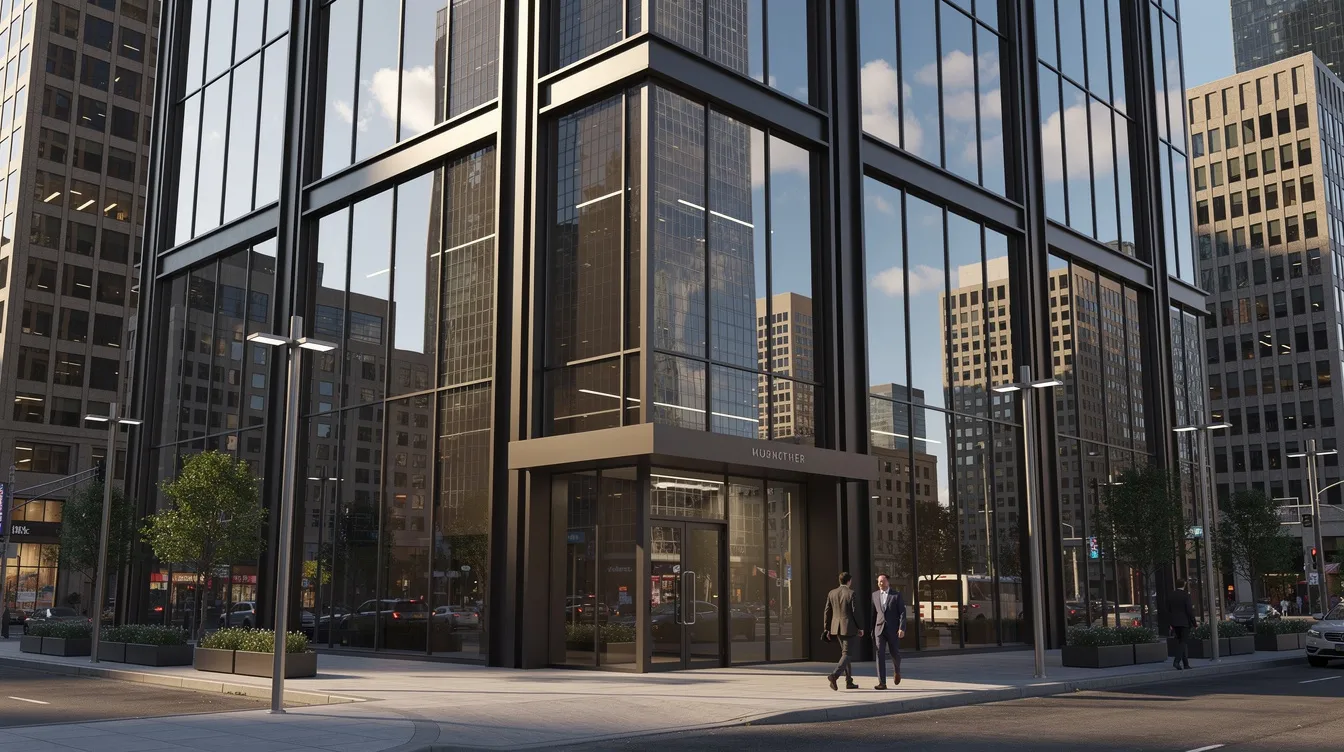
Commercial window tinting involves applying thin laminate films to glass surfaces—including windows, curtain walls, and glass doors—to control solar heat, harmful UV rays, glare, and security vulnerabilities. Unlike residential applications, commercial window film projects require consideration of building codes, larger scale installations, and higher performance specifications to meet business environment demands.
Professional window tinting serves four primary functions for commercial buildings: improving energy efficiency by reducing solar heat gain, enhancing comfort for building occupants through glare control, providing security and safety through shatter-resistant films, and protecting interior furnishings from UV damage that causes fading.
Professional vs. DIY Installation
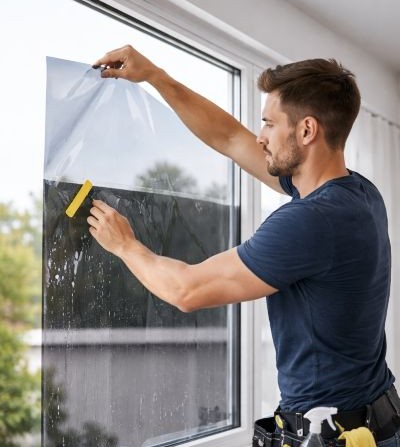
Commercial applications require certified professional installers for several critical reasons. First, manufacturer warranties from companies like 3M, LLumar, and Solar Gard are typically voided when films are improperly installed. Second, building codes—including energy conservation requirements and safety glazing standards—often mandate specific installation methods that only trained professionals can properly execute.
The technical complexity of commercial window tinting extends beyond simple application. Glass type identification (annealed, tempered, laminated, insulated, or low-E coated), thermal stress calculations, proper surface preparation, and existing coating assessments all require professional expertise. Improper installation can result in glass cracking, adhesion failure, or code violations that expose building owners to liability.
Local Service Advantages
Choosing local commercial window tinting companies provides distinct benefits over national chains or remote providers. Local installers understand your regional climate patterns—critical for selecting films with appropriate Solar Heat Gain Coefficient (SHGC) ratings. They’re also familiar with local building codes, permit requirements, and available utility rebates or tax incentives specific to your area.
A local presence ensures faster response times for warranty service, easier coordination for phased installations across multiple buildings, and relationship building for ongoing maintenance needs, particularly when working with established commercial window film providers like Window Film Depot that support multi-site portfolios. Local companies also have established supplier relationships that can mean better pricing and faster material availability for your project.
Understanding the types of commercial window films available locally helps you communicate effectively with installers and evaluate their recommendations.
Types of Commercial Window Films Available
Local commercial window tinting providers typically stock or can quickly source the full range of film types designed for business applications, often partnering with major window glass film brands and product lines to meet diverse performance and design requirements. Your selection depends on primary goals—whether energy savings, security, privacy, or aesthetic appeal—and your building’s specific characteristics.
Solar Control Films
Solar window films represent the most common commercial window tinting application, directly addressing energy efficiency and occupant comfort. These films reduce solar heat entering through windows, lowering cooling energy consumption and eliminating hot spots near glass surfaces.
Key performance metrics to evaluate include:
- Solar Heat Gain Coefficient (SHGC): Lower values mean less heat transmission. Quality solar films reduce untreated glass SHGC (typically 0.80–0.84) down to 0.25 or lower
- Visible Light Transmission (VLT): Percentage of natural light allowed through, balancing brightness with glare reduction
- Total Solar Energy Rejected (TSER): Top-performing films reject 65–75% or more of total solar energy
Film technologies range from dyed and metallized options ($7–$12 per square foot installed) to premium ceramic, nano-ceramic, and photochromic solar window films that tint when exposed to sunlight ($10–$18+ per square foot). Ceramic films offer superior heat rejection without interfering with electronic signals—an important consideration for office spaces with wireless communications.
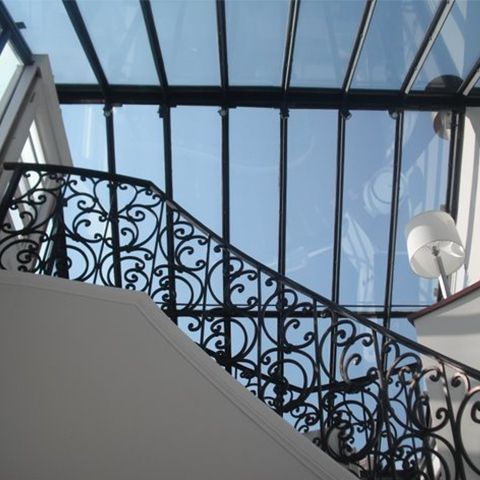
Local climate should guide your selection. Buildings in cooling-dominated regions benefit most from films with very low SHGC, while mixed climates may require spectrally selective films that block infrared heat while maximizing natural light transmission.
Security and Safety Films
Security window film provides protection against forced entry, break-ins, vandalism, and natural disasters by reinforcing glass to resist impact and hold shattered glass together, and differs from basic shatterproof window film and higher-performance security window films designed for advanced threat mitigation. This prevents dangerous flying shards and delays unauthorized entry, giving occupants time to respond and authorities time to arrive.
Film thickness determines protection level, measured in mils, and premium 3M™ Scotchshield™ Ultra Series safety and security films for commercial properties provide enhanced tear resistance and impact performance:
- 4 mil: Basic safety protection, holds glass together upon breakage
- 7–8 mil: Enhanced security against forced entry attempts
- 14 mil: Maximum protection for high-risk locations, blast resistance
Building codes often require safety glazing in specific locations—doors, sidelights, and low panels. Security film can help existing glass meet these requirements when combined with proper adhesive anchoring systems. Installation complexity and code compliance needs make professional window tinting essential for security applications.
Decorative and Privacy Films
Decorative window film transforms glass surfaces for both functionality and visual appeal, with numerous types of decorative film for interior and exterior glass available to match branding and design goals. Options include frosted window film that obscures visibility while allowing natural light, custom graphics for branding, and patterned films that enhance a building’s appearance, which are particularly effective when specifying day and night privacy window film solutions that maintain 24/7 privacy.
Common applications include:
- Conference rooms requiring visual privacy during meetings
- Office partitions creating defined spaces without blocking light
- Storefronts displaying logos or decorative patterns
- Lobbies and reception areas with branded elements
Decorative films range from $8–$18 per square foot for custom or patterned work, and many modern privacy window film solutions for commercial glass combine aesthetics with advanced visual screening performance. Many decorative options also provide modest UV protection and glare reduction, adding functional benefits to their aesthetic appeal.
With this understanding of available film types, selecting the right local provider becomes the critical next step.
Choosing the Right Local Window Tinting Provider
The quality of your commercial window tinting installation directly impacts performance, longevity, warranty validity, and code compliance. Taking time to properly vet local contractors protects your investment and ensures results that meet expectations, especially when evaluating commercial window tinting and office window film installation services offered in your region.
Evaluation Criteria
When selecting commercial window tinting services, systematic evaluation prevents costly mistakes:
- Verify licensing and insurance: Confirm the contractor holds appropriate business licenses for your jurisdiction, carries general liability insurance, and maintains workers’ compensation coverage for their installation teams
- Check manufacturer certifications: Major film manufacturers require specific training and certification before authorizing installers. Ask for documentation showing current certification from the brands they recommend
- Review commercial project portfolio: Request examples of completed projects similar in scale and type to your building. Ask about specific performance outcomes if tracked, such as energy savings achieved
- Obtain detailed written quotes: Professional quotes should itemize film type and manufacturer, performance specifications (SHGC, VLT, TSER), labor costs, access equipment needs, old film removal if applicable, and warranty terms
- Contact recent commercial references: Speak with building managers from similar projects about installation quality, timeline adherence, cleanup, and any post-installation service needs
- Confirm warranty terms and support: Understand both manufacturer product warranty (typically 10–15 years for quality solar films) and contractor installation warranty. Clarify what actions void coverage and how warranty claims are handled
Cost Comparison Framework
Use this framework when comparing quotes from local commercial window tinting companies:
| Service Level | Cost Range (per sq ft) | Included Services |
|---|---|---|
| Basic Installation | $5–$8 | Standard dyed/metallized film, basic 5–10 year warranty, standard installation |
| Premium Service | $8–$15 | High-performance ceramic or spectrally selective film, 10–15 year warranty, after-hours installation available |
| Comprehensive Package | $12–$25+ | Security film (7–14 mil) or premium ceramic, extended warranties, anchoring systems, maintenance plan, full project management |
| Several factors significantly influence final pricing beyond film selection: |
- Building access: High-rise installations requiring scaffolding or lift equipment add substantial costs
- Installation timing: After-hours or weekend work to minimize business disruption commands premium rates
- Existing conditions: Removing old film or addressing damaged glass increases labor requirements
- Project scale: Larger projects often qualify for volume discounts
When comparing quotes, ensure you’re evaluating equivalent film specifications and service levels. The lowest price often reflects inferior materials or shortcuts that compromise long-term performance.
Understanding common project challenges prepares you for smooth execution.
Common Challenges and Solutions
Commercial window tinting projects involve coordination challenges that proper planning can minimize. Addressing these issues proactively prevents delays and ensures successful outcomes.
Finding Qualified Local Installers
Quality varies significantly among window tinting services providers. Use manufacturer dealer locators on websites like 3M, LLumar, or Solar Gard to find certified installers in your area. The International Window Film Association (IWFA) maintains directories of accredited professionals with verified credentials. Cross-reference online reviews with these certifications to identify providers combining technical competence with customer service quality.
Need More Info?
The Window Film Depot team is happy to help.
Building Management Approval
Multi-tenant buildings and properties with architectural oversight require approval before installation. Gather building specifications including glass types, existing coatings, and structural drawings before requesting quotes. This information helps installers provide accurate recommendations and demonstrates due diligence to building management. For historic districts or properties with HOA restrictions, verify that proposed films meet exterior reflectivity limitations and aesthetic guidelines.
Coordinating Installation Schedules
Commercial window film installation requires planning around business operations. Schedule installations during off-peak hours—evenings, weekends, or seasonal slow periods—to minimize disruption to building occupants. Communicate timelines clearly with tenants, including temporary access restrictions and expected completion dates. For large projects, discuss phased installation approaches that maintain building functionality throughout the process.
Climate conditions also affect scheduling. Installation during appropriate temperature and humidity ranges ensures proper adhesion and curing. Professional installers will advise on optimal timing based on your region’s weather patterns.
Conclusion and Next Steps
Local commercial window tinting services deliver measurable benefits for energy efficiency, security, comfort, and interior preservation. Professional window film installation reduces energy bills, protects furnishings from harmful UV rays, enhances safety against shattered glass incidents, and creates a more comfortable environment for building occupants.
Take these immediate actions to move forward:
- Contact 3–5 local commercial window tinting providers for initial consultations and site evaluations
- Gather building specifications including glass types and square footage measurements
- Request detailed written quotes specifying film performance metrics and warranty terms
- Verify installer certifications through manufacturer websites and IWFA
- Check references from recent commercial projects of similar scope
- Review available tax incentives (such as Section 179D deductions) and utility rebates in your area
Related topics worth exploring include establishing ongoing maintenance schedules to protect your investment, timing installations seasonally for optimal conditions, and conducting building energy audits to identify additional efficiency opportunities beyond window films.
Frequently Asked Questions
How do I find certified commercial window tinting installers in my area?
Start with manufacturer dealer locators on websites like 3M, LLumar, Vista, or Solar Gard—these list certified installers by location. The International Window Film Association (IWFA) also maintains directories of accredited professionals who have passed industry certification tests. Verify credentials directly with manufacturers before signing contracts.
What is the average cost of commercial window tinting per square foot?
Commercial window tinting costs range from $6–$18 per square foot installed, with a national average around $8.70 per square foot. Basic dyed or metallized films fall at the lower end ($5–$8), while premium ceramic solar films ($10–$15) and thick security films ($12–$25+) cost more. Labor complexity, building height, and access requirements significantly affect total project costs.
How long does commercial window film installation typically take?
Timeline depends on project scale. Small storefronts may require only a few hours to a full day. Mid-sized office buildings typically take 1–2 weeks. Large multi-story commercial buildings can take several weeks to months, especially when installations must occur after hours or require scaffolding and lift equipment for high-access areas.
What warranties should I expect from local window tinting companies?
Quality manufacturers provide product warranties of 10–15 years for solar and decorative films, covering defects like peeling, bubbling, and delamination. Security films may have different warranty structures. Reputable installers also provide installation warranties covering workmanship. Ensure you receive documentation of both warranty types and understand conditions that void coverage.
Do I need building permits for commercial window tinting?
Requirements vary by jurisdiction. Energy codes like IECC and ASHRAE may require documentation of film SHGC ratings for compliance. Safety glazing codes (IBC) might mandate specific film types or anchoring for certain applications. Historic districts often have restrictions on exterior appearance changes. Check with your local building department and property management before proceeding.
What is the energy payback period for commercial window films?
Most commercial window film installations pay for themselves through energy savings in 2–5 years. Buildings with high cooling loads, extensive glass surfaces, or expensive electricity rates often see faster payback. A case study of 80,000 square feet of film installation on a Boston building achieved full ROI in under 2 years through reduced HVAC costs.
Can window tinting be installed on all types of commercial glass?
Most glass types accept window film, including annealed, tempered, laminated, insulated, and low-E coated glass. However, compatibility matters significantly. Film must match glass type to prevent thermal stress cracking—some low-E coatings require specific film formulations. Professional installers assess glass specifications before recommending appropriate films to ensure safe, effective results.
How do I maintain commercial window films after installation?
Clean films with soft, non-abrasive cloths and non-ammonia cleaning solutions. Avoid razor blades, abrasive pads, or harsh chemicals that can scratch or damage film surfaces. Allow 30 days after installation for complete curing before cleaning. Conduct periodic inspections of film edges for lifting or damage, addressing issues promptly to prevent moisture intrusion. Most quality films require minimal ongoing maintenance when properly installed.