Table of Contents:
- Why Choose Blackout Window Film Instead of Heavy Curtains?
- What Is Blackout Window Film and How Does It Work?
- Key Benefits: Darkness, Privacy, and Energy Savings
- Types of Blackout Window Film: Static Cling vs Adhesive, Black vs White
- Best Uses and Rooms for Blackout Window Film
- FAQs About Blackout Window Film
- Why Choose Our Blackout Window Film Solutions?
Why Choose Blackout Window Film Instead of Heavy Curtains?
Bright early-morning sunlight, streetlights, neighbors’ windows, and screen glare can make a room harder to use. If you work nights, care for a baby, or need a darker home office, even a small strip of light around a window can feel like a big problem.
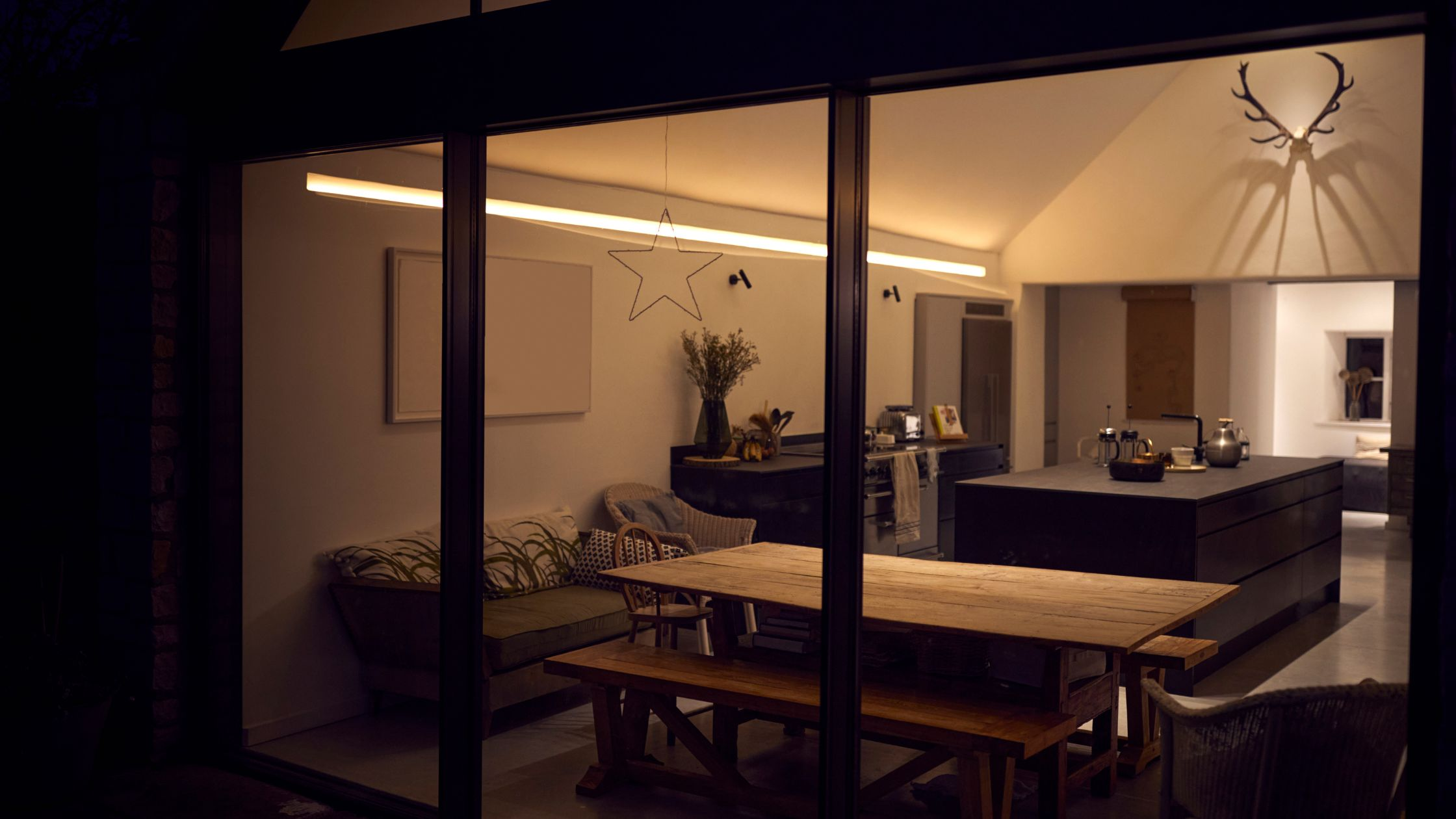
A blackout window is any window treated to block incoming light and visibility. Instead of relying only on heavy curtains or bulky blinds, blackout window film gives you a sleeker, easier-to-clean way to create darkness directly on the glass.
In 2026, with higher energy costs, more work-from-home setups, and screen-heavy lifestyles, total blackout window film is a practical upgrade. Installed correctly, it can create complete privacy and near-total darkness even during midday in summer. This article covers benefits, types such as black window film and static cling film, installation tips, safety notes, and common questions.
What Is Blackout Window Film and How Does It Work?
Blackout window film is an opaque window film applied to glass to block visible light, restrict visibility, and often add uv protection. Unlike regular privacy window film, which may frost or tint a view while still letting daylight through, blackout film is designed to stop light transmission almost entirely.
Most products use a vinyl or PET base layer, dark pigments, reflective layers, or nano-ceramic coatings. Some include UV absorbers to block uv rays, while others add aluminum or reflective layers for extra heat control. A heavy-duty vinyl layer of blackout films increases glass tensile strength, which can help the glass hold together better if impacted, though it is not a replacement for safety glass.
Here is the simple difference:
- Room darkening film reduces light but may still allow a faint glow.
- Total blackout film aims to completely block visible light for total darkness.
- True blackout film also blocks visibility from both sides, so it works for privacy day and night.
Modern products come in adhesive and static cling formats. Static cling uses a smooth glass surface, water, and surface tension instead of glue. Adhesive products use a backing that bonds more permanently to the window.
High-quality blackout window film blocks 100% of visible light in many product specifications, while other films state near-total VLT reduction. Blackout window film completely blocks light transmission and visibility from both sides of the glass when the film fully covers the pane. Many products also block 99% or more of UV radiation, and some are marketed to block 100% of UV rays to protect interiors.
Key Benefits: Darkness, Privacy, and Energy Savings
Blackout film is popular because the results are immediate: less glare, less heat, more privacy, and a darker room without remodeling.
- Total blackout for sleep and screens
Blackout films accommodate night-shift workers by turning daytime into night. They also work well for babies’ rooms, home theaters, gamers, and anyone who needs steady light control. VELIMAX film blocks all light effectively for better sleep when installed edge to edge. - Complete privacy, day and night
Blackout film provides two-way privacy by completely restricting internal and external viewing. Total blackout films provide complete privacy from outside views, and blackout window film completely obscures the view from both the inside and outside. This is especially useful for bedrooms, bathrooms, and street-facing windows. - UV protection for interiors
Blocking 99% of UV radiation protects fabrics, paint, and woods from fading. Blackout window film can protect furniture from UV damage, especially on south- or west-facing windows that get long hours of sun. Nano-ceramic blackout films block up to 99% of UV rays, while some blackout products claim to block 100% of UV rays to protect interiors. - Better temperature control
Blackout films function as thermal barriers by reflecting solar heat. They can reduce indoor temperatures by blocking infrared rays, especially near large glass doors or windows that receive strong sunlight. Reduces indoor temperatures by blocking infrared rays is one of the main reasons people choose film for summer comfort. - Lower energy pressure
Blackout films help lower cooling costs by preventing overheating in summer. In winter, blackout films help trap internal furnace heat during winter, which can make a room feel more stable. A building study on solar control film found reduced solar radiation and cooling demand, though winter heating trade-offs should be considered in colder climates. - Calmer rooms
Film does not truly soundproof a room, but reducing glare, reflections, and harsh sunlight can make a space feel quieter and less visually busy.
Blackout window film is also a cost-effective alternative to custom blinds or heavy drapes. You can cover the problem window, protect the room, and avoid paying for made-to-measure fabric treatments.
Types of Blackout Window Film: Static Cling vs Adhesive, Black vs White
Not every blackout product is the same kind of film. The right choice depends on whether you rent, how long you want it installed, how much heat the window receives, and what look you want from inside and outside.
Static cling film is non-adhesive, reusable, and easy to reposition. The static cling design allows for easy application and removal, and static cling films are easy to apply and remove because they contain no glue. This makes them a great temporary option for renters, students, RV owners, or anyone who wants seasonal blackout in June, July, and August.
Adhesive-backed film is more permanent. Self-adhesive PET films provide lasting stability and minimal curling or bubbling, making them better for long-term use. Adhesive film may take more time to remove and can leave residue if peeled incorrectly, but it usually gives a stronger bond over years.
Color also matters:
| Type | Best for | Notes |
|---|---|---|
| Black window film | Maximum blackout | Looks black from inside and may appear dark outside |
| White blackout film | Brighter exterior appearance | Reflects more sun and can reduce heat absorption |
| Dual-color film | Heat and privacy balance | Often black inside and white outside |
| Reflective blackout film | Extra solar control | May create exterior glare depending on sunlight |
Blackout film is different from one-way privacy window film. Mirror-style privacy products usually work only when it is brighter outside than inside. At night, if interior lights are on, people may see in. True blackout does not depend on lighting conditions because it blocks the view both ways.
Specialty options are available for skylights, glass doors, sun roofs, and large office panes, but these need extra care. Sloped glass gets more direct sun and may need a product specifically rated for that use.
Best Uses and Rooms for Blackout Window Film
Blackout film can work in a home, apartment, rental, office, studio, clinic, or vehicle when the product is compatible with the glass and local rules.
- Bedrooms for day sleep
East-facing bedrooms can get bright very early in summer. Film helps block early sun and supports day sleep for shift workers. - Nurseries and kids’ rooms
Stable darkness helps naps feel more consistent. It also avoids loose cords from some window coverings. - Home theaters and gaming rooms
Film reduces light on TVs, monitors, and projectors, improving contrast during the day. - Home offices
If sunlight hits your desk or screen, blackout film can stop glare and make video calls easier. - Bathrooms and street-level rooms
Because blackout film prevents silhouettes and shadows from showing at night, it is perfect for privacy. - Rentals and student housing
Static cling can be removed when a lease ends. It should not damage clean, smooth glass when used correctly. - RVs and camper vans
Temporary cling film can create a darker sleeping area while traveling. - Commercial spaces
Photography studios, clinics, and conference rooms often use blackout or privacy film to control light and viewing.
For vehicle windows, be careful. Automotive tint laws vary by state and country, and full blackout may not be legal on many car windows or sun roof areas used for visibility.
How to Install Blackout Window Film: Step-by-Step
Most flat glass panes are DIY-friendly, especially if you choose static cling. Take your time; good preparation matters more than speed.
Tools you will need:
- Spray bottle with water and a few drops of mild dish soap
- Measuring tape
- Utility knife
- Squeegee or plastic card
- Microfiber cloth
- Cutting mat or safe cutting surface
- Ruler or straight edge
Follow these steps:
- Measure first
Users recommend measuring windows before purchasing the film. Check both width and height, then add a small margin. - Cut with extra room
Cut the film slightly larger than the window for better fit. Many products include grid backing, and grid backing aids in precise cutting for installation. - Clean the glass
Clean windows thoroughly before applying the film. The glass must be free of dust, grease, cleaner residue, paint specks, and lint. - Wet the window
Spray soapy water generously on the pane. This helps the film slide into position before it grips. - Peel the backing
Peel the liner carefully if the item has one. Avoid touching the adhesive side more than necessary. - Apply from the top
Apply the film gradually to avoid air bubbles. Line up the top edge first, then work downward. - Smooth the surface
Use a plastic card to smooth out the film during application. Push water and bubbles from the center toward the edges. - Trim the edges
Use a utility knife for precise trimming of the film. Keep the blade sharp and avoid cutting into the frame. - Check after 24 hours
A few small bubbles or a hazy look can be normal for 24–48 hours while moisture evaporates.
Static cling film must be installed on smooth, non-textured glass only. It will not work well on frosted, patterned, dirty, or rough surfaces. Users report easy installation with Velimax static cling film, but some users experienced issues with the film not sticking well when windows were not cleaned enough or when the glass was too cold.
Avoid installation below about 10°C / 50°F or on glass that is hot to the touch in direct sun. If you are applying film to a skylight, tall window, or awkward office pane, professional installation can save time and improve results.

Safety, Glass Compatibility, and Maintenance
Blackout window film is generally safe, but the wrong film on the wrong glass can cause stress. Dark films absorb heat. On double-glazed insulated glass units, especially older panes or windows with Low-E coatings, uneven heating can lead to cracking or seal damage.
Always check manufacturer guidelines before you install. Some films are rated for single-pane windows, tempered glass doors, or specific double-glazed units. If you are unsure, contact the product team with your window details before buying.
White or lighter blackout film may be a safer option on some double-glaze windows because it reflects more heat instead of absorbing it. Reflective or dual-color films can also reduce thermal buildup in the pane.
Maintenance is simple:
- Wait 2–4 weeks before the first cleaning on adhesive films.
- Clean with mild soapy water and a soft cloth.
- Avoid ammonia, abrasive pads, razor scraping, or harsh chemicals.
- Do not install film on cracked, chipped, acrylic, polycarbonate, or non-glass surfaces unless the product clearly allows it.
Static cling film can usually be removed by lifting a corner and gently pulling. Roll it with the liner or a protective sheet if you want to return it to storage. Adhesive film may need gentle heat and a glass-safe adhesive remover. Never rush removal if you want to avoid damage.
FAQs About Blackout Window Film
Does blackout window film really block 100% of light?
Many true blackout products are designed to block 100% of visible light, and blackout window film blocks 100% of visible light in many product specifications. In real rooms, tiny gaps around frames can still let light in. For hotel-level total blackout, pair the film with blinds, curtains, or edge sealing.
Can people see in at night with blackout film?
No, not through true blackout film. Blackout window film completely blocks light transmission and visibility from both sides of the glass, so people cannot see in and you cannot see out. This is stronger than a reflective privacy film, which may fail at night.
Will blackout film damage my windows?
It should not damage compatible glass when installed correctly. The main risk is heat stress on some double-glazed or Low-E windows. Check the product’s compatibility notes before applying any blackout, black, or reflective film.
Is static cling film reusable?
Yes. Static cling contains no glue, so it can be removed, rolled, stored, and reused if it stays clean and flat. This makes it a good deal for temporary use, moving, travel, or renters who need flexible privacy.
Can I install blackout film on car windows or sun roofs?
You should check local law first. Vehicle window tint and blackout rules vary by state and country, and full blackout is usually not allowed on windows needed for driving visibility. Sun roofs may also need film rated for heat and curved glass.
How long does window film last?
Quality adhesive interior films can last around 10–15 years in moderate conditions. Static cling often lasts 3–5 years indoors, or less in high heat, humidity, or strong sun. Product quality, cleaning, installation, and exposure all affect results.
Will it make my room too hot?
A dark absorptive film can heat the glass, but many blackout films reduce room heat by blocking infrared rays or reflecting solar energy. Blackout films can reduce indoor temperatures by blocking infrared rays, especially in summer. In winter, they may also reduce passive sunlight, so choose based on your climate and window direction.
Does blackout window film work for day sleep?
Yes. High-quality blackout film can create near-total darkness even at midday, making it ideal for shift workers, new parents, and anyone sensitive to light. Combining film with simple coverings can cover minor edge gaps around the frame. Static cling options let you install the film only for the brightest months or specific problem windows.
Is static cling blackout film easy to remove?
Yes. Static cling blackout film uses static and water rather than glue, so it can peel off cleanly with no residue. Roll the removed film with the liner or a protective sheet and store it flat or in a tube. This makes it ideal for renters, students, and anyone who wants a temporary blackout solution.
Is blackout film better than blackout curtains or blinds?
It depends on your goals. Film is space-saving, easy to clean, and creates consistent darkness directly on the glass. Curtains and blinds offer more daily flexibility, so many users layer them with film for the best results.
Why Choose Our Blackout Window Film Solutions?
Our blackout and privacy solutions are designed for real homes, not just product photos. Many reviews praise the film for providing complete privacy, and customer feedback helps us refine instructions, sizes, and product options.
We offer static cling film for renters and DIY users, plus more permanent options for long-term installations on smooth glass. Our range includes black and white finishes so you can choose the look, heat performance, and privacy level that fits your room.
We focus on:
- High light-blocking performance tested in residential conditions
- Strong uv protection ratings
- Clear installation instructions
- Options for smooth glass surfaces
- Helpful support before and after the sale
- Transparent sizing, such as common roll dimensions
- Straightforward return support when a product is not the right fit
If you are shopping online, check the product size, read the reviews, click through compatibility notes, add the correct item to your cart, and contact us if you have questions before you started cutting. We want you to find the right film the first time, save money, protect your rights as a customer, and get results that work for your room.
Conclusion: Turn Any Room Into a Dark, Private Retreat
Blackout film is a simple, effective solution for controlling light, privacy, heat, and glare. It can create total blackout, block uv rays, protect interiors, and make bedrooms, nurseries, theaters, bathrooms, and home offices more comfortable within days of installation.
Before you buy, measure your window, check your glass type, and decide whether static cling or adhesive film is the better option. Choose black for maximum darkness, white or dual-color for a lighter exterior look, and permanent PET film when long-term stability matters.
Ready to make a bright room easier to use? Browse our blackout and privacy window film options, choose the finish that fits your space, or contact us for help selecting the perfect product.