Table of Contents:
- The Allure of Frosted Static Cling Window Film: Understanding Its DIY Appeal
- Beyond the Brochure: Critical Limitations of Static Cling for Commercial Scale
- Elevating Standards: Introducing Professional-Grade 3M Adhesive Frosted Films
- The True Cost of Ownership: Lifespan, Performance, and ROI for Project Managers
- Securing Project Integrity: Why Professional Installation is Non-Negotiable
- Conclusion: Specifying Confidence and Avoiding Costly Mistakes
- Frequently Asked Questions
- Related Posts from Window Film Depot
The Project Manager’s Dilemma: Balancing Aesthetics, Budget, and Performance
Project Managers navigate a complex landscape of decisions impacting overall success and long-term client satisfaction. Specifying materials visible within a finished space demands careful consideration far beyond initial upfront costs. Frosted films chosen for privacy or decoration present significant implications for aesthetics and maintenance budgets. The challenge lies in discerning between solutions that appear similar versus those engineered for commercial-grade durability. Professional presentation requires materials that maintain their functional and visual integrity under rigorous daily use.
Understanding the Core Distinction: Temporary vs. Permanent Solutions for Commercial Spaces
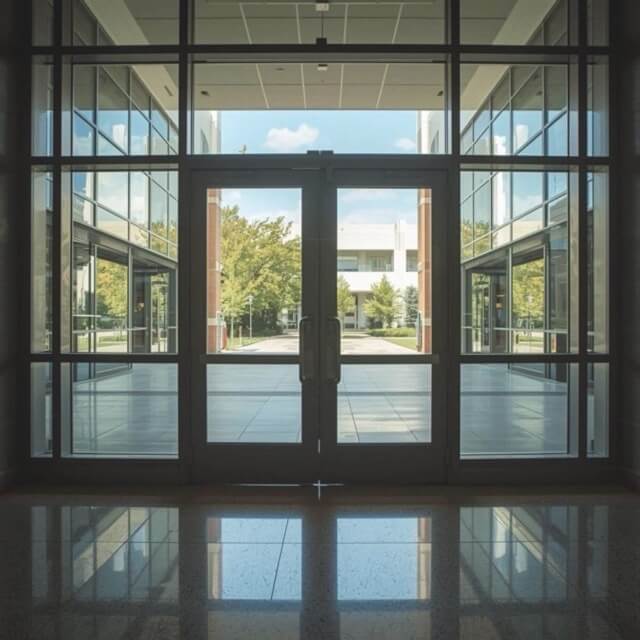
Commercial environments demand solutions engineered for longevity and consistent performance rather than temporary, residential-style decorations. Bustling corporate offices and healthcare facilities require materials that withstand daily wear and rigorous cleaning protocols. Professional-grade products differ from consumer counterparts by providing enduring quality and stability for decades. This need for stability ensures that films remain functional and visually consistent under varying environmental conditions.
The Central Argument: Why Perceived Savings Can Become Project Liabilities
Low upfront costs for frosted window films are tempting when budgets are tight, but immediate savings often become significant liabilities. Choosing consumer-grade products in commercial settings leads to premature failure, requiring expensive replacements, rework, and potential reputation damage. The true cost of any material choice must account for its entire lifecycle, including installation, maintenance, and durability. Lifecycle calculations must consider initial purchase price alongside long-term performance under rigorous, high-traffic commercial conditions for decades. Proactive investment in professional-grade films ensures consistent quality while avoiding the “square-foot pricing trap” of hidden installation fees.
The Allure of Frosted Static Cling Window Film: Understanding Its DIY Appeal
What Defines Frosted Static Cling Window Film?
Frosted static cling window film is a flexible, non-adhesive polyvinyl chloride (PVC) film designed to mimic the appearance of etched or sandblasted glass. It typically features a textured or translucent finish that obscures visibility while still allowing natural light to pass through. Unlike traditional adhesive films, static cling films are specifically formulated to be easily applied and removed, making them a popular choice for temporary home decor or privacy needs.
The Mechanics of “Non-Adhesive Film”: Electrostatic Adhesion Explained
The term “non-adhesive” accurately describes the primary characteristic of static cling film; it does not rely on traditional glues or pressure-sensitive adhesives to bond to glass. Instead, its adhesion mechanism is based on electrostatic charge. During manufacturing, the film is given a slight positive or negative electrical charge. When applied to a clean, smooth glass surface, it creates a weak static bond, effectively “clinging” to the glass without any chemical bonding agents. This electrostatic force is relatively fragile, however, and can be easily disrupted.
Initial Attractions: Ease of Application and Low Upfront Cost
The primary appeal of static cling film for a project manager, particularly in initial budget discussions, stems from two key factors:
- Ease of Application: Without the need for messy adhesives, static cling films can be installed by virtually anyone. They are often sold in pre-cut sizes and can be trimmed with basic household tools, making them a common do-it-yourself (DIY) product.
- Low Upfront Cost: Compared to professional-grade adhesive films, static cling options generally carry a significantly lower per-square-foot price point, making them seem like an attractive option for budget-conscious projects.
Common DIY Applications and Temporary Privacy Needs
Static cling films excel in scenarios where their temporary nature is an asset, not a liability. These applications are typically residential or very short-term commercial uses where durability is not a priority.
- Residential Privacy: Temporary privacy for bathrooms, bedrooms, or front doors in homes.
- Seasonal Decoration: Holiday-themed window coverings or temporary design changes.
- Rental Properties: Tenants looking for privacy solutions that can be easily removed without damaging glass upon move-out.
- Very Short-Term Events: Temporary signage or decorative elements for a short event or exhibition.
In these contexts, the ability to quickly apply and remove the film without residue or damage is the very feature that makes it desirable. However, these are fundamentally different demands than those presented by a long-term commercial build-out or renovation.
Critical Limitations of Frosted Static Cling Window Film for Commercial Scale
While static cling film seems affordable and easy to install, these traits often become liabilities in commercial projects. Project Managers must understand the fundamental limitations of this consumer-grade product to prevent significant downstream issues. Relying on temporary solutions can compromise project timelines, budgets, and overall client satisfaction for years.
The Unreliable Bond: Why Electrostatic Adhesion Fails in Commercial Environments
The core difference between static cling and professional films lies in their specific adhesion methods. Static cling film lacks an adhesive layer, relying solely on electrostatic charge to bond with glass surfaces. This inherent fragility makes the bond highly susceptible to environmental variables common in commercial settings. Temperature fluctuations from HVAC systems or direct sunlight can weaken the charge, leading to premature peeling. Humidity, cleaning agents, or physical contact can disrupt this delicate bond and compromise the film’s appearance.
Durability Deficiencies: Lifespan and Resilience Under Commercial Stress
Commercial environments impose significantly greater demands on materials than typical residential applications. Static cling film, by design, is a temporary solution, generally expected to last a few months to a year at best under ideal conditions. Its thin, often less robust material is prone to tearing, scratching, and edge fraying from routine cleaning, high foot traffic, or simple wear and tear. This lack of resilience means frequent replacement will be necessary, negating any initial cost savings and introducing ongoing maintenance burdens that are simply untenable for large-scale commercial installations.
Aesthetic Degradation Over Time: Peeling, Bubbling, and Discoloration Issues
The professional aesthetic of a commercial space is paramount. Unfortunately, static cling film rapidly detracts from this standard. Common issues include edges lifting and curling, particularly in high-traffic areas or near window sills. Air bubbles, which can be challenging to fully eliminate during DIY application, often reappear or worsen over time as the film shifts or environmental factors change. Furthermore, many static cling films offer minimal to no UV protection, making them susceptible to yellowing, fading, or becoming brittle when exposed to sunlight for extended periods. This degradation quickly results in a visibly substandard and unprofessional appearance that reflects poorly on the project and the client’s brand.
Performance Gaps: Inconsistent Light Diffusion and UV Protection for Commercial Privacy Window Film
When specifying privacy film for a commercial setting, consistent performance is non-negotiable. Static cling films often exhibit inconsistent light diffusion properties, leading to uneven privacy or mottled light transmission. Where uniform light distribution and glare reduction are critical for occupant comfort and productivity, this inconsistency is a significant drawback. Crucially, most static cling products offer negligible UV rejection, failing to protect interior furnishings, artwork, or occupants from harmful ultraviolet rays. This means they do not contribute to energy efficiency or material longevity, critical performance metrics for commercial projects.
Installation Challenges on Scale: Managing Quality and Consistency Across Multiple Windows
While advertised as “DIY-friendly,” applying static cling film consistently and flawlessly across dozens or hundreds of windows in a commercial building is an entirely different proposition. Achieving a bubble-free, perfectly aligned finish on a single pane is difficult; replicating that quality at scale without professional tools, techniques, and experience is virtually impossible. The time and labor involved in correcting errors or re-doing poorly installed sections can quickly escalate, eroding budget and schedule. The perceived ease of installation is a major trap for Project Managers overseeing extensive commercial fit-outs where visual consistency and high-quality finishes are expected.
Project Risk Amplified: The Hidden Costs of Frequent Replacement and Substandard Appearance
For a Project Manager, opting for static cling film introduces a cascading series of risks. The “hidden costs” extend far beyond the material itself. These include:
- Reputational Damage: A project marred by peeling, bubbling, or discolored film reflects poorly on the general contractor and project management team.
- Recurring Labor Costs: The need for frequent re-installations and touch-ups means ongoing labor expenses, often at premium rates for urgent fixes.
- Material Waste: Discarding failed static cling film represents both financial loss and environmental impact.
- Client Dissatisfaction: A visibly failing product can lead to client complaints, warranty calls, and even financial penalties or deductions from project close-out.
- Operational Disruption: Repeated installations cause disruption to tenants or building operations, impacting productivity and tenant relations.
Ultimately, the initial cost savings of static cling film are a false economy, generating significantly higher long-term costs and professional liabilities for any commercial project.
Elevating Standards: Introducing Professional-Grade 3M Adhesive Frosted Films
In stark contrast to the inherent limitations of static cling, professional-grade adhesive films, particularly those engineered by industry leaders like 3M, are purpose-built for the rigorous demands of commercial applications. These solutions offer a foundational level of quality, durability, and aesthetic excellence that aligns with the high standards expected in modern commercial architecture and interior design.
Defining the Difference: The Science Behind Adhesive Window Film Technology
The defining characteristic of professional window films is their robust, pressure-sensitive adhesive system. Unlike static cling’s temporary electrostatic charge, adhesive films feature multiple layers, often including a durable polyester base, UV inhibitors, performance coatings, and a proprietary adhesive that forms a strong, permanent bond with the glass. This sophisticated engineering ensures the film remains securely in place for its intended lifespan, resisting environmental stressors and maintaining its integrity over many years. This bond is scientifically designed for stability and longevity, providing a reliable, long-term solution.
Architectural Finishes and Design Versatility: Beyond Basic Frosted Looks
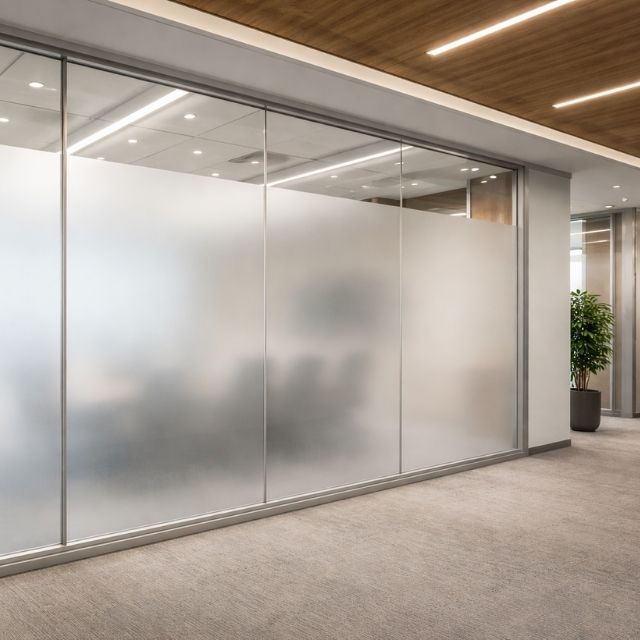
Professional-grade decorative films transcend the uniform, often utilitarian appearance of basic frosted static cling. 3M offers an extensive palette of architectural finishes that dramatically expand design possibilities. These films are available in a vast array of textures, patterns, opacities, and colors, allowing Project Managers and designers to create bespoke aesthetic effects. From subtle etch patterns to bold graphic designs, these films can mimic sandblasted glass, rice paper, textiles, or even dichroic effects, integrating seamlessly with diverse architectural styles and brand identities.
Exploring 3M Fasara and 3M Dusted Crystal: Premium Decorative Films for Commercial Use
Among the most respected options in professional decorative films are 3M Fasara Glass Finishes and 3M Dusted Crystal.
- 3M Fasara: This line offers an unparalleled collection of over 100 designs, ranging from delicate gradients and intricate geometric patterns to natural textures and solid opaque films. Fasara allows for significant creative expression, enabling the creation of custom privacy zones, design accents, and brand elements within a space. These films are meticulously crafted to emulate etched or sandblasted glass, delivering a premium look without the associated cost, weight, or permanence.
- 3M Dusted Crystal: As a classic and highly versatile option, Dusted Crystal provides a traditional, elegant frosted appearance. It offers excellent light diffusion and privacy, making it ideal for conference rooms, private offices, or retail environments where a clean, sophisticated aesthetic is desired. Its consistent texture and reliable performance make it a go-to choice for a wide range of commercial applications.
These films are not merely functional; they are architectural enhancements that contribute significantly to the overall design intent of a project.
Unrivaled Performance: Superior Light Diffusion, Glare Reduction, and Enhanced Privacy Film
Professional 3M films are engineered for consistent, high-level performance. Their advanced material composition ensures uniform light diffusion, effectively softening harsh direct sunlight and distributing natural light deeper into interior spaces. This results in reduced glare on screens and surfaces, improving occupant comfort and productivity. Crucially, they deliver consistent and predictable levels of privacy, allowing natural light to penetrate while obscuring direct views, making them ideal for commercial privacy window film applications where discretion is paramount. The performance characteristics are rigorously tested to ensure they meet specified criteria for light transmission, opacity, and diffusion.
Engineering for Longevity: The Durability and Stability of Professional-Grade Materials
Durability is a cornerstone of professional-grade 3M adhesive films. They are constructed from high-quality, multi-layered polyester materials that are inherently more resistant to scratching, abrasions, and tears than static cling alternatives. The stable adhesive bond prevents edge lifting and bubbling, ensuring a smooth, pristine appearance for years. Engineered with UV inhibitors, these films maintain their color stability and clarity, resisting yellowing or fading even under prolonged sun exposure. This robust construction is backed by comprehensive manufacturer warranties, offering peace of mind to Project Managers and clients alike regarding their long-term investment.
Health and Safety Benefits: Advanced UV Rejection and Shatter Resistance Properties
Beyond aesthetics and durability, professional 3M films offer tangible health and safety advantages. Many decorative and solar control films are designed to reject a significant percentage of harmful UVA and UVB rays. This not only protects interior furnishings and flooring from fading but also contributes to a healthier indoor environment for building occupants by reducing UV exposure. Furthermore, in the event of glass breakage, some professional films, particularly security versions or those with sufficient thickness, can help hold shattered glass fragments together. This “shatter resistance” minimizes the risk of injury from flying glass and can provide a temporary barrier, enhancing overall building safety and security.
The True Cost of Ownership: Lifespan, Performance, and ROI for Project Managers
Deconstructing Initial Investment vs. Long-Term Value for adhesive window film
When evaluating materials for commercial projects, a project manager’s focus naturally extends beyond the immediate purchase price. While consumer-grade static cling films may present a superficially attractive, lower upfront cost, professional-grade adhesive window films, particularly those from manufacturers like 3M, offer a demonstrably superior long-term value. This difference isn’t just about material; it’s about the total cost of ownership, factoring in durability, consistent performance, and the avoided expenses of future remediation. Investing in high-quality adhesive film translates directly into fewer replacements, less rework, and a more stable project budget over the operational lifespan of the installation.
Need More Info?
The Window Film Depot team is happy to help.
The Cost of Failure: Quantifying Replacements, Rework, and Reputation Damage with static cling vs adhesive window film
The apparent savings of static cling film are quickly negated when considering its propensity for failure in demanding commercial environments. Unlike adhesive films engineered to bond permanently to glass, static cling relies on an electrostatic charge, making it highly susceptible to environmental factors like temperature fluctuations, humidity, and even accidental contact.
- Frequent Replacements: Static cling films commonly peel, bubble, or detach entirely within months, sometimes weeks, of installation. Each failure necessitates the costly process of removal and reinstallation.
- Rework Expenses: This cycle of failure means additional material purchases and, critically, re-engaging labor. For a project manager, this translates to unforeseen costs, schedule disruptions, and the administrative burden of managing repeated subcontractor call-backs.
- Reputation Damage: Beyond the financial implications, visible failures in window film applications reflect poorly on the project’s overall quality and the project manager’s oversight. A client’s perception of value is directly linked to the durability and aesthetics of finished elements, and a failing film can undermine confidence in the entire project.
Calculating Return on Investment: Longevity, Maintenance, and Energy Efficiency
Professional-grade adhesive films deliver a clear return on investment through several key performance indicators. Their longevity, often backed by substantial manufacturer warranties, drastically reduces the lifecycle cost compared to temporary static cling solutions. Furthermore, these films are designed for minimal maintenance, resisting common issues like fading, scratching, or delaminating that plague lower-grade products. Certain professional films also incorporate advanced technologies that provide measurable energy efficiency benefits. By reflecting solar heat gain or retaining internal heat, these films contribute to lower HVAC operating costs. This performance offers a tangible, ongoing financial benefit that static cling films simply cannot provide.
Project Specification Standards: Meeting Building Codes and Client Expectations
Commercial projects must adhere to rigorous building codes and demanding, high-level client specifications. Professional films from reputable manufacturers are tested and certified to meet specific performance criteria. These certifications include vital fire ratings, safety glazing standards, and strict optical clarity requirements. Temporary static cling films lack these certifications and typically fail to comply with commercial building codes. Using non-compliant products introduces significant risk, potentially leading to failed inspections and expensive mandated rework. Only an engineered adhesive film reliably delivers the professional finish and long-term performance clients expect.
Enhancing Property Value and Tenant Satisfaction Through Quality Materials
The choice of interior finishes, including window films, plays a direct role in a property’s perceived value and its attractiveness to tenants. A professionally installed, high-quality frosted film provides consistent, elegant privacy and aesthetic enhancement that contributes to a premium interior environment. This attention to detail signals quality to potential tenants and helps retain existing ones by enhancing their comfort and satisfaction. In contrast, films that quickly degrade detract from the property’s appearance, potentially impacting lease rates and tenant retention, thereby diminishing asset value over time.
Strategic Planning: Foreseeing Future Needs and Adaptability of 3M frosted window film
Strategic project planning considers current requirements while ensuring future adaptability for your building’s glass surfaces. 3M frosted films belong to a comprehensive portfolio designed for integration and long-term flexibility. Professional 3M installations provide a stable substrate for future branding, solar control, or security enhancements. Consistent quality makes updates or expansions across multiple sites more seamless and predictable for managers. Static cling is a transient solution that often complicates future design changes due to unpredictable adhesion.
Securing Project Integrity: Why Professional Installation is Non-Negotiable
The Expertise Factor: Precision, Technique, and Specialized Tools for Commercial Installation
The application of commercial-grade window film is an exacting craft that goes far beyond simply adhering a sheet to glass. Professional installers possess a unique blend of precision, technical skill, and specialized tools essential for a flawless finish. They are trained in meticulous surface preparation, precise cutting techniques that account for glass expansion and contraction, and the art of squeegeeing to eliminate bubbles and imperfections. Environmental factors like temperature and humidity must be carefully managed during installation, something only experienced professionals consistently achieve. This expertise is what differentiates a clean, durable commercial installation from a prone-to-failure DIY attempt.
Mitigating Risk: Ensuring Flawless Application and Adherence to Project Specifications
Engaging professional installers significantly mitigates project risk through expert application and technical knowledge. These experts understand the nuances of various film types and their specific application requirements. They ensure film application adheres strictly to manufacturer guidelines and project specifications. Meticulous processes prevent common errors like improper edge sealing or contamination under the film. This precision reduces the likelihood of product failure, safeguarding the project timeline and budget. Project managers achieve reliable execution without worrying about premature film degradation or costly re-dos.
Managing Large-Scale Rollouts: Consistency and Efficiency Across Diverse Locations
For projects involving multiple locations or extensive glass surfaces, consistency and efficiency are paramount for success. Professional teams manage large-scale rollouts with a standardized approach, ensuring uniform quality and performance across sites. Structured processes and coordinated logistics minimize disruption to ongoing business operations during the installation. Systematic execution is vital for maintaining brand consistency and achieving project milestones efficiently. Managing these complex demands is impossible with uncoordinated, non-professional installers or DIY approaches.
The Value of Partnership: Collaborating with Certified 3M Window Film Installers
Collaborating with certified 3M installers offers a distinct advantage through specialized training and technical expertise. These professionals possess in-depth knowledge of product specifications and optimal application techniques for architectural challenges. Certification ensures they act as expert technicians and extensions of the manufacturer’s quality assurance. Certified installers provide expert advice, ensuring genuine 3M products are used for all commercial projects. This partnership translates to superior project outcomes and a much smoother overall execution process.
Warranty and Support: Guaranteeing Performance and Resolving Potential Issues
A crucial benefit of professional installation with brands like 3M is the comprehensive manufacturer’s warranty. These warranties typically cover both the film material and its installation for a significant period. Protection is often contingent on the film being applied specifically by a certified professional. This provides a robust layer of protection, guaranteeing the film’s long-term performance and durability. Professional warranties transfer risk away from the project manager and onto the service providers. Unlike static cling films, professional installations offer a clear, guaranteed path for resolving future issues.
Experience and Track Record: Lessons from National Retail and Commercial Projects
Professional installers bring practical knowledge gleaned from countless national retail and commercial projects. Their track record demonstrates an ability to navigate complex logistical challenges and strict project schedules. These experts deliver consistent quality across diverse architectural designs and complex operational environments. They understand the unique demands of high-traffic spaces and can anticipate potential issues with proactive solutions. This depth of experience provides peace of mind, ensuring ambitious installations are executed flawlessly.
Conclusion: Specifying Confidence and Avoiding Costly Mistakes
Recapping the Core Differences: Static Cling vs. Professional-Grade for Project Success
A clear distinction has emerged between short-term static cling film and the enduring value of professional adhesive solutions. Static cling offers a convenient, DIY approach for temporary privacy but fails under commercial environmental demands. Its fundamental reliance on electrostatic charge renders it inherently unsuitable for high-traffic or long-term projects. Professional projects require films engineered specifically for permanence, aesthetic integrity, and rigorous performance standards.
The disparities are not merely about initial application ease; they span durability, resistance to environmental factors, cleanability, and long-term appearance. Professional-grade films, particularly those from industry leaders like 3M, are designed with advanced adhesive technologies that bond securely to glass, ensuring they withstand temperature fluctuations, humidity, and regular cleaning without peeling, bubbling, or degrading. This critical difference directly impacts project longevity and client satisfaction, transforming a potential liability into a robust, reliable asset.
Empowering Project Managers: Making Informed Decisions for Lasting Value
As a project manager, your role extends beyond mere coordination; it encompasses strategic decision-making that safeguards budgets, timelines, and reputations. Choosing the correct frosted film technology is a prime example of such a decision. Opting for a professional-grade product isn’t an arbitrary expense; it’s a calculated investment in project stability and client trust.
Informed decisions mitigate risk by understanding performance metrics and installation requirements for each specific film type. Project managers proactively avoid pitfalls like premature failure, costly re-work, and aesthetic compromises seen in consumer products. This proactive approach ensures visual and functional objectives are met upon completion and for years to come.
The Strategic Advantage of Specifying 3M Adhesive Frosted Films
When the demands of a commercial project call for privacy, aesthetic enhancement, or brand reinforcement, specifying 3M adhesive frosted films provides a distinct strategic advantage. 3M’s reputation for innovation and quality is built on decades of material science research and real-world application.
- Unrivaled Durability: 3M films are engineered for resilience, offering superior resistance to scratching, fading, and edge lifting, maintaining their pristine appearance even in high-traffic areas.
- Consistent Aesthetics: These films deliver uniform light diffusion and privacy, free from the inconsistencies or distortions that can plague lower-quality alternatives.
- Guaranteed Performance: Backed by comprehensive warranties, 3M films provide peace of mind regarding their long-term performance and material integrity.
- Expert Installation Network: Specifying 3M films also grants access to a network of certified professional installers, ensuring precise application that maximizes the film’s lifespan and aesthetic quality.
This combination of product excellence and professional installation minimizes project risk and maximizes the return on investment for building owners and clients.
Beyond the Project: Building Trust and Ensuring Client Satisfaction
The choices made during a project resonate far beyond the final sign-off. The durability and aesthetic quality of the installed frosted film directly reflect on the project manager’s diligence and the overall standard of work delivered. When a client sees their spaces performing as intended, looking pristine and professional years down the line, it solidifies their trust and strengthens relationships.
Conversely, a film that peels, bubbles, or discolors prematurely creates ongoing maintenance issues, detracts from the space’s intended design, and ultimately erodes client confidence. Prioritizing robust, professional solutions like 3M adhesive films demonstrates a commitment to excellence that fosters long-term partnerships and a reputation for unparalleled quality.
Your Trusted Partner in Advanced Film Technology & Security
Navigating the complexities of advanced film technologies requires reliable guidance. Our expertise in window film solutions is dedicated to equipping project managers with the insights needed to make superior, data-backed decisions. We stand ready to collaborate, offering detailed specifications, performance data, and installation best practices to ensure your projects achieve their full potential. Partnering with us means securing not just a product but a comprehensive solution designed for success, longevity, and ultimate client satisfaction.
Frequently Asked Questions
Why is “static cling” film considered a project liability in commercial settings?
While static cling film has a low upfront cost and is easy to apply, it relies on a fragile electrostatic charge rather than a permanent bond. In commercial environments, this charge is easily disrupted by HVAC temperature fluctuations, humidity, and routine cleaning protocols. This leads to premature lifting, peeling, and bubbling, which necessitate costly replacements and rework, ultimately eroding any initial savings.
What are the primary performance advantages of 3M adhesive frosted films?
Unlike consumer-grade products, professional 3M adhesive films are engineered for longevity and stability. They offer:
Superior Adhesion: A robust, pressure-sensitive adhesive system that forms a permanent bond with the glass.
Consistent Aesthetics: Uniform light diffusion and predictable privacy levels across all installations.
Durability: High resistance to scratching, abrasions, and UV-induced yellowing or fading.
Health & Safety: Advanced UV rejection to protect interiors and occupants, along with “shatter resistance” properties that help hold glass fragments together if broken.
How do 3M Fasara and 3M Dusted Crystal differ in application?
Both are premium commercial options, but they serve different design needs:
3M Fasara: A highly versatile line with over 100 designs, including gradients, geometric patterns, and natural textures. It is ideal for creating bespoke privacy zones and brand-specific aesthetic effects.
3M Dusted Crystal: Provides a classic, elegant frosted appearance with excellent light diffusion. It is a go-to choice for conference rooms and private offices where a clean, sophisticated, and uniform look is required.
Why is professional installation required for commercial-grade film?
Commercial installation is a precise craft that requires specialized tools and techniques to ensure a flawless finish. Professional installers manage critical variables such as surface preparation, expansion/contraction cutting, and environmental control (temperature and humidity). Furthermore, 3M manufacturer warranties are typically only valid if the film is applied by a certified professional, which transfers the risk of failure away from the project manager and onto the service provider.
How does the “Total Cost of Ownership” (TCO) favor adhesive films over static cling?
A project manager must look beyond the purchase price to the entire lifecycle of the material.
Static Cling TCO: High due to frequent material failure, recurring labor costs for re-installation, operational disruptions for tenants, and potential reputational damage.
Adhesive Film TCO: Lower long-term cost due to a single installation that lasts for years, minimal maintenance requirements, and potential energy efficiency gains through heat retention or reflection.