Table of Contents:
Introduction
If you’re searching for 3M bulletproof window film cost, you need to know upfront that 3M does not manufacture bulletproof film. What 3M produces—and what most people actually need—is security window film designed to hold glass together when shattered, delay forced entry attempts, and protect people from flying debris during break ins or seismic events.
This guide covers everything you need to budget for 3M security film installation in 2026, including material costs per square foot, labor pricing factors, and realistic protection expectations. Whether you’re a property owner protecting a residence, a facility manager securing commercial buildings, or a security professional assessing window protection options, this pricing breakdown will help you make informed decisions without overpaying for unnecessary features.
Direct answer: 3M security window film typically costs $8-25 per square foot installed, depending on film type, thickness, and project specifications. Most residential projects fall in the $8-14 range, while commercial installations with premium materials and difficult access can push toward $18-25 per square foot.
By the end of this guide, you’ll understand:
- Accurate 2026 pricing for different 3M security film products
- What protection you actually get for your investment
- Installation cost factors that affect your total budget
- How 3M security film compares to true bullet resistant glass
- Hidden costs to anticipate before signing contracts
Understanding 3M Security Window Film
Security window film from 3M is a multi-layered polyester material applied to existing glass to enhance its performance during impact events. These window films hold broken glass together when a window breaks, creating a barrier that delays forced entry and prevents shattered glass from becoming dangerous projectiles. This is distinct from more basic shatterproof window films and higher-grade security window films marketed primarily for glass retention and intrusion deterrence. However, security film is fundamentally different from bulletproof film or ballistic resistance materials.
The term “bulletproof window film” is misleading and frequently misused in marketing. No thin film applied to standard glass can stop bullets—that requires specialized bullet resistant glass assemblies tested to standards like UL 752. Understanding this distinction is critical before you assess costs, because paying for security film while expecting ballistic protection will leave you disappointed and potentially unsafe.
3M Security Film Product Lines
3M offers several security film product lines, each with different specifications, protection levels, and price points.
3M ULTRA Series represents the premium tier, with products like the Ultra S800 featuring 8 mil thickness and exceptional tensile strength around 25,000 psi. These thicker films provide superior glass fragment retention and forced entry delay while maintaining approximately 85% visible light transmission. The Ultra Series commands higher material costs but delivers enhanced performance for high-security exterior and interior applications.
3M Safety & Security S-Series includes options ranging from S40 (4 mil) to S140 (14 mil). The S140 represents the thickest option at 0.014 inches, offering break strength around 350 lbs/in and excellent protection against forced entry attempts when combined with proper attachment systems. The S70 provides mid-range protection suitable for many residential and commercial applications at lower cost.
The cost difference between product tiers directly reflects thickness, tensile strength, and performance certifications. Thicker films with higher break strength ratings cost more per square foot but provide measurably better protection against break ins and storm damage.
Protection Capabilities vs. True Ballistic Resistance
3M security window film protects against several real-world threats. These films excel at preventing forced entry by making it significantly harder for intruders to break through windows quickly—buying crucial time for response. They block up to 99% of harmful UV rays, reducing interior fading and improving energy efficiency. During storms or seismic events, security film keeps shattered glass contained, protecting people from lacerations.
What 3M security film cannot do is stop bullets. True bullet resistance requires specialized glazing systems with multiple layers of glass and polycarbonate, tested and rated to UL 752 standards. No security film applied to standard glass provides ballistic resistance, regardless of marketing claims. If your concern involves active shooter scenarios or ballistic threats, you need to understand how bulletproof glass is constructed, performs, and can ultimately be broken under sustained attack—which also explains why these true bulletproof glass solutions cost significantly more than film applications.
This protection level distinction directly impacts your budget decisions, as the cost gap between security film and actual bullet resistant glass is substantial.
3M Security Window Film Cost Breakdown
Understanding where your money goes helps you budget accurately and avoid surprises. Material costs, labor, and project scope all influence your final investment, and broader window security film installation cost estimates for residential projects can provide a useful benchmark against the 3M-specific pricing discussed here.
Material Costs by 3M Product Type
**3M ULTRA S800 material typically ranges from $4-8 per square foot before installation. This 8 mil film offers premium performance with high clarity, making it popular for retail storefronts and commercial facilities where appearance matters alongside security. The broader 3M Scotchshield Ultra Series for commercial glass protection uses the same micro-layered construction to improve impact resistance and glass fragment retention while maintaining optical clarity.
3M Safety S140 at 14 mil thickness represents the heavy-duty option, with material costs around $5-10 per square foot. The thicker material provides maximum forced entry delay but requires skilled installation and proper frame attachment systems to achieve rated performance.
3M Safety S70 offers a cost-effective middle ground at approximately $3-6 per square foot for material alone. This thickness suits most residential applications and commercial spaces without extreme security requirements.
Premium versus standard grade variations exist within each product line, affecting factors like scratch resistance, haze levels, and warranty coverage. Reviewing official 3M residential and commercial window film warranty details can clarify how coverage length and conditions factor into total value. Expect to pay 15-25% more for enhanced performance variants.
Installation Labor Costs
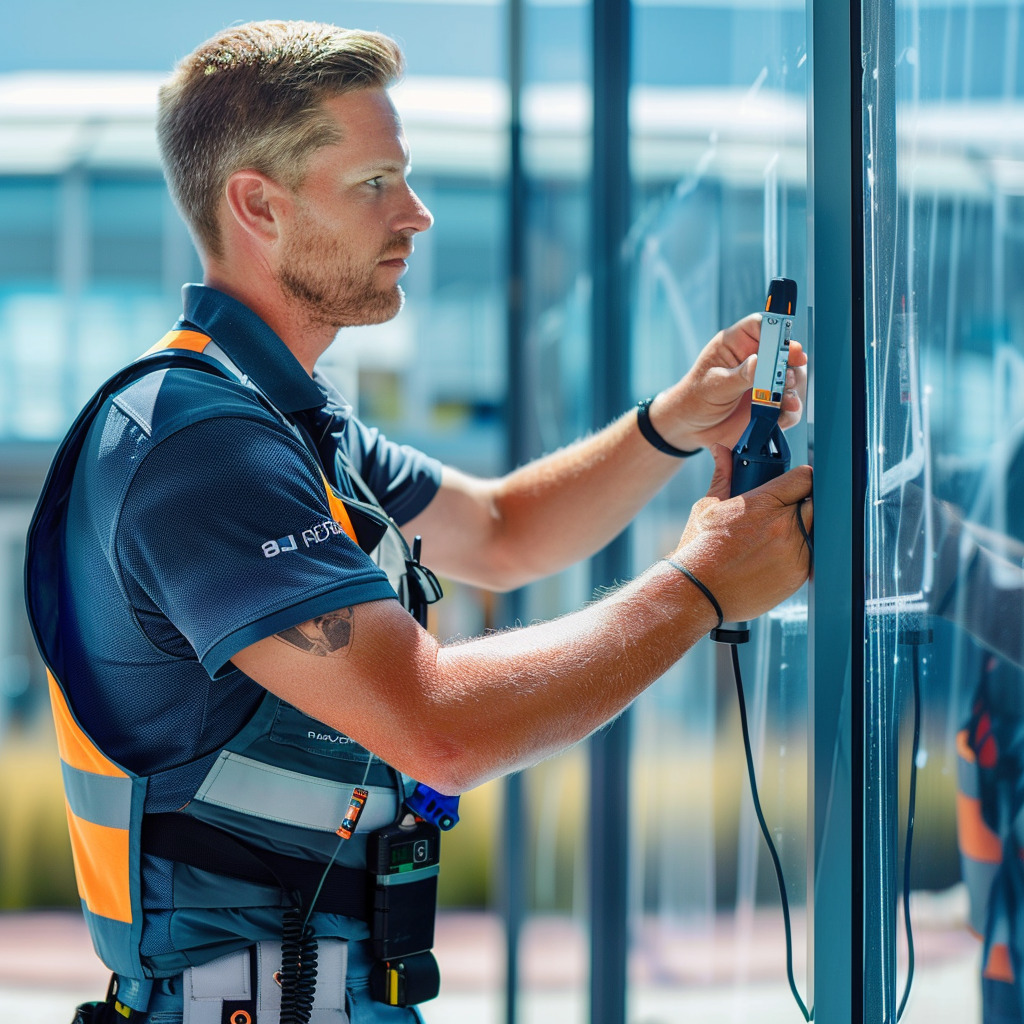
Professional installation adds $2-8 per square foot depending on several factors. Regional labor rates create significant variation—metropolitan areas with higher costs of living typically pay premium prices for the same job. Working with experienced 3M window film installers offering a full range of products and services helps ensure accurate bids that reflect local labor conditions and project complexity.
Certified 3M installers often charge 10-20% more than general contractors, but this premium includes proper training, correct adhesive application techniques, and eligibility for extended warranty coverage. When security performance matters, certified installation is worth the additional cost.
DIY installation might seem appealing to save money, with film cost alone being substantially lower. However, improper installation creates bubbles, edge failures, and peeling that compromise both appearance and protection. More critically, DIY installation typically voids manufacturer warranties and may not include the Impact Protection Attachment (IPA) sealant required for rated forced entry performance. As part of your planning, it can help to review multiple window protection film and retrofit shield solutions to see how security films, attachment systems, and other upgrades work together. For a single window or non-critical application, DIY might work. For whole-house or commercial security projects, professional installation protects your investment.
Project Size Impact on Pricing
Residential projects typically involve 100-400 square feet of glass. For a standard home, tinting home windows with 150 square feet requiring mid-grade 8 mil film, expect to pay $1,200-1,800 total installed. Larger homes with 300-400 square feet of tempered glass windows using premium S140 film with proper attachment systems range from $3,500-5,500.

Commercial installations often benefit from volume discounts on material, though complex access requirements can offset savings. A retail storefront with 500 square feet might pay $6,000-9,000 installed, while large commercial building facades exceeding 1,000 square feet can range from $14,000-25,000+ depending on film grade and site complexity.
These project size considerations connect directly to detailed cost calculations in the following section.
Detailed Cost Analysis and Installation Options
Building on the basic price ranges, specific project examples and comparison tools help you develop accurate budget expectations for your situation.
Step-by-Step Cost Calculation Process
Use this process when planning your security film budget, and keep in mind that broader 3M window film cost ranges across sun control, safety, and premium series can influence your choice if you’re combining security with energy or glare control:
- Measure total square footage of all windows requiring film, including doors with glass panels. Measure each window’s height and width in inches, multiply together, then divide by 144 to convert to square feet. Add 10% for waste and overlap during installation.
- Select appropriate 3M film grade based on actual protection needs rather than marketing appeal. Assess whether your primary concern is forced entry delay, storm protection, UV blocking, or general safety. Match film thickness and performance ratings to these specific needs.
- Add installation labor costs based on project complexity. Standard rectangular windows at ground level fall at the lower end ($3-5 per square foot for labor). Multi-story buildings, curved glass, large custom panes, or difficult access add $2-5 more per square foot for scaffolding and specialized handling.
- Include additional costs often overlooked in initial quotes: permits if required by local building codes, IPA sealant for attachment systems ($0.50-2 per linear foot of frame), removal of existing old films ($1-3 per square foot), and extended warranty upgrades if desired.
Cost Comparison with Alternative Security Solutions
| Solution | Cost Per Sq Ft (Installed) | Protection Level | Installation Complexity | Maintenance |
|---|---|---|---|---|
| 3M Security Film (8-14 mil) | $8-25 | Forced entry delay, glass retention | Low to moderate | Minimal, 10-15 year life |
| True Bulletproof Glass (UL 752 Level 1-3) | $60-200+ | Stops handgun rounds | High, frame modifications | Low, but expensive replacement |
| Security Shutters | $15-40 | Physical barrier when deployed | Moderate | Moving parts require service |
| Reinforced Frames with Standard Glass | $20-50 | Structural, not glass protection | Moderate to high | Low |
| Synthesis for decision-making: 3M security film offers the most cost-effective solution for protecting against break ins, flying debris, and forced entry attempts when true ballistic resistance isn’t required. The installation process doesn’t alter building appearance significantly or require major construction. If your threat assessment identifies bullet resistance as necessary, consider retrofit systems like BulletShield ballistic window glazing or full UL 752-rated glass, and budget at minimum 3-5x the cost of security film for these actual bullet-resistant assemblies—along with longer installation timelines and frame modifications. |
For most residential and commercial customers worried about break-ins, smash-and-grab theft, or storm protection, security film provides adequate protection at a fraction of bulletproof glass cost.
Common Cost-Related Challenges and Solutions
Budget planning for security film encounters predictable obstacles. Addressing these proactively prevents frustration and financial surprises.
Sticker Shock from Premium 3M Products
When quotes for premium 3M ULTRA or thick S-Series films arrive higher than expected, evaluate the long-term value proposition. 3M, as a most trusted global brand, backs professional installations with lifetime residential warranties and 10-year commercial coverage. Independent test reports and performance certifications for safety films also verify that properly specified products meet impact and safety standards. This warranty protection has real financial value—film failure during the warranty period means free replacement. Additionally, some insurance providers offer premium discounts for certified security film installation, potentially recovering 5-15% of project cost annually. Calculate your break-even point including these benefits before dismissing premium options as too expensive.
Hidden Installation Costs
Several additional fees frequently appear after initial quotes. Difficult access requiring lifts or scaffolding adds $500-2,000+ depending on building height. Custom cutting for non-rectangular windows or doors increases labor time. Frame condition issues requiring prep work before film application add material and labor. IPA sealant systems necessary for forced entry ratings add $1-3 per linear foot of frame. Request itemized quotes specifying these elements, and budget an additional 15-20% contingency for discoveries during installation.
Overpaying for Unnecessary Protection Levels
Not every window requires 14 mil S140 film with full attachment systems. Ground-floor windows and doors facing property exteriors justify premium protection due to accessibility. Upper-story windows rarely face forced entry attempts and may only need basic safety film for glass retention during storms. Interior applications often require even less. Work with your installer to zone your building, applying premium film only where threat assessment justifies the investment. This approach can reduce total project cost by 20-30% compared to uniform premium installation throughout.
Conclusion and Next Steps
3M security window film costs $8-25 per square foot installed in 2026, providing effective protection against forced entry, glass shatter hazards, harmful UV rays, and storm damage. These products do not stop bullets—that requires true bulletproof glass at significantly higher cost. For most property protection needs involving break ins and safety concerns, 3M security film delivers excellent value when properly specified and professionally installed.
Your immediate next steps:
- Schedule a professional assessment of your property’s windows to determine square footage and identify high-priority areas for protection
- Obtain at least three quotes from certified 3M installers, requesting itemized breakdowns including labor, materials, attachment systems, and any additional fees
- Verify that quoted protection claims match your actual security needs—don’t pay for ballistic-level marketing when forced entry delay is your real requirement
- Confirm warranty terms and what installation standards are required to maintain coverage
Need More Info?
The Window Film Depot team is happy to help.
Related topics worth exploring: If your threat assessment indicates need for actual bullet resistance, research UL 752-rated glass systems and budget accordingly. Consider how security film integrates with broader security systems including cameras and alarms. Talk to your insurance company about potential premium reductions before installation to factor into ROI calculations.
Frequently Asked Questions.
Is 3M bulletproof window film actually bulletproof?
No. 3M does not manufacture bulletproof film. Their security window films are designed to hold shattered glass together and delay forced entry attempts, not stop bullets. True bullet resistance requires specialized glass assemblies tested to UL 752 standards. If ballistic protection is your concern, you need bullet resistant glass systems, which cost significantly more than security film.
How much does 3M ULTRA S800 security film cost installed?
3M ULTRA S800 security film typically costs $10-16 per square foot fully installed, including professional labor. Material alone runs $4-8 per square foot. Total project costs depend on square footage, access difficulty, and whether attachment systems are required. A residential project with 200 square feet of S800 film would typically range from $2,000-3,200 installed.
Can I install 3M security window film myself to save money?
Technically yes, but it’s rarely advisable for security applications. DIY installation typically voids manufacturer warranties and often results in bubbles, edge failures, or improper adhesion that compromises performance. More importantly, rated forced entry protection requires proper IPA sealant attachment to frames—something DIY installers typically skip. For non-critical windows where appearance and maximum protection aren’t priorities, DIY might work. For actual security needs, professional installation protects both your investment and your property.
Does 3M security window film reduce insurance premiums?
Some insurance providers offer discounts for certified security film installation, typically 5-15% on relevant coverage. However, this varies significantly by insurer, policy type, and location. Contact your insurance company before installation to confirm potential savings and documentation requirements. The discount potential should factor into your ROI calculation but shouldn’t be assumed without verification.
How long does 3M security window film last and what warranty coverage is included?
3M security films typically last 10-15 years before significant degradation in appearance or performance. Warranty coverage for professionally installed films includes lifetime protection for residential applications and 10 years for commercial installations. These warranties cover defects in material and manufacturing but require installation by certified professionals using approved techniques. Extended warranty options may be available for additional cost.
What’s the cost difference between 3M security film and actual bulletproof glass?
The cost gap is substantial. 3M security film runs $8-25 per square foot installed. True bullet resistant glass meeting UL 752 standards costs $60-200+ per square foot installed for lower threat levels, and can exceed $300 per square foot for rifle-rated protection. A project costing $3,000 with security film might cost $15,000-40,000+ with actual bulletproof glass. This price difference reflects fundamentally different materials and protection capabilities.
Are there hidden costs with 3M security window film installation?
Common additional costs include: removal of existing window films ($1-3 per square foot), IPA sealant for attachment systems ($0.50-2 per linear foot of frame), difficult access fees for multi-story or hard-to-reach windows ($500-2,000+), custom cutting charges for unusual window shapes, and frame preparation if existing frames need cleaning or repair. Request itemized quotes and budget 15-20% contingency above quoted prices for unexpected issues discovered during installation.
Can 3M security window film be applied to any type of glass?
3M security films work on most standard glass types including annealed, tempered, and laminated glass. However, some specialized glass coatings or treatments may affect adhesion. Dual-pane insulated glass units require specific film selections to avoid thermal stress issues. Very old glass or glass with existing damage may not be suitable candidates. Professional installers assess glass condition and type before recommending specific film products, ensuring compatibility and performance.