Table of Contents:
Introduction to 3M Sun Control Window Film
3M sun control window film is a multi-layer film applied to glass windows in residential and commercial buildings to reject solar heat, block damaging UV rays, and reduce glare while maintaining natural light and visibility. These films work by selectively filtering different wavelengths of sunlight streaming through your windows, keeping uncomfortable hot spots at bay without darkening your space.
This guide covers 3M window films for architectural applications—homes, offices, and commercial building installations—excluding automotive films. Property owners, facility managers, architects, and contractors seeking energy efficiency solutions will find practical information on film selection, performance specifications, and installation requirements, along with how professional 3M window film products and installation services can support their projects. With rising energy costs and growing concerns about UV damage to furnishings and occupant health, sun control window film has become a cost-effective alternative to full window replacement.
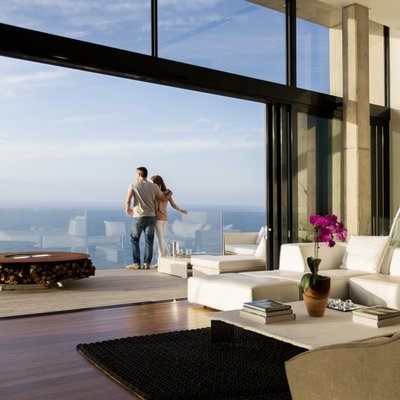
3M sun control window films can reject up to 97% of the sun’s infrared light while blocking up to 99.9% of harmful UV rays, helping to keep indoor spaces cooler and more comfortable without sacrificing your view or your home’s aesthetics.
After reading this guide, you will understand:
- How 3M’s proprietary heat rejection technology works at the molecular level
- The differences between Prestige, Neutral, and Ceramic IR film series
- Performance metrics for comparing film options against your specific needs
- What to expect from professional installation and warranty coverage
- Solutions to common challenges that arise with window film applications
Understanding 3M Sun Control Technology
3M sun control films deploy multi-layer optical film technology consisting of hundreds of nano-layers engineered to manipulate different parts of the solar spectrum. These layers work together to reflect and absorb specific wavelengths—blocking heat-producing infrared light while allowing visible light to pass through. The result is a film that addresses excessive heat without creating the mirror-like appearance of older reflective films.
Infrared Heat Rejection
When sunlight streaming through glass windows enters your space, much of the heat comes from infrared wavelengths rather than visible light. 3M films selectively target these heat-producing wavelengths in the 700-2500 nanometer range, rejecting up to 97% of infrared light in the critical 900-1000 nm band. This selective approach means the film stops the heat—not the light you need for natural illumination.
3M Prestige Series window films use non-metallized, multi-layer optical film and nano technology to achieve this level of infrared rejection, making them ideal for Prestige Series commercial sun control applications where maximizing natural light and energy savings is critical. By blocking solar heat before it enters your space, these films reduce the load on air conditioning systems and can potentially reduce home cooling costs by up to 30%. For commercial building applications, this translates directly to lower energy costs and improved tenant comfort throughout the day.
UV Protection Technology
Beyond controlling heat, 3M window films block up to 99.9% of damaging ultraviolet rays, outperforming standard tinted glass that often provides only limited UV protection from tinted windows. UV radiation causes carpets, furniture, artwork, and curtains to fade over time, degrading your possessions and forcing expensive replacements, which is why relying on ordinary tint alone without dedicated UV protection window film technology can be a costly misconception. The UV protection is built into the film’s adhesive and coating layers, providing continuous protection without separate treatments.
This level of protection helps preserve furnishings while also reducing UV exposure for occupants—a meaningful consideration for family members who spend extended time near windows. Whether you want to protect valuable artwork or simply keep your home beautiful longer, UV rejection provides measurable benefits that compound over years of use, especially when you choose dedicated UV protection film for house windows designed for residential applications.
Visible Light Transmission
Visible light transmission (VLT) measures the percentage of natural light that passes through the film. 3M offers films across a wide VLT range—from 21% to 70%—allowing you to balance heat control with brightness. Higher VLT films maintain a brighter room while still providing heat rejection; lower VLT films offer maximum solar control for spaces with intense sun exposure.
The key innovation in 3M’s approach is maintaining low visible reflectivity (typically under 9%) even while blocking heat. This means the glass appears largely unchanged from inside and outside, preserving views and avoiding the mirror-effect that older metallized films create. Understanding VLT percentages helps you select the right film for each application, which leads us to examining the specific film series 3M offers.
Types of 3M Sun Control Window Films
3M organizes its architectural sun control films into distinct series, each engineered for specific performance priorities and budgets. The primary lines—Prestige, Neutral, and Ceramic IR—use different technologies to achieve their heat and light control characteristics.
Prestige Series Films
The Prestige Series represents 3M’s premium sun control technology, using non-metallized construction with over 200 micro-layers of optical film, which makes it a leading choice for Prestige Series residential window film installations focused on comfort and aesthetics. This multi-layer approach rejects up to 97% of the sun’s infrared light while maintaining exceptional clarity and a neutral appearance.
Key characteristics of Prestige films include:
- Infrared rejection up to 97% (900-1000 nm band)
- UV rejection of 99.9%
- Total solar energy rejection up to 60%
- Low exterior visible reflection (approximately 5-9%)
- Available VLT options: PR20 (21%), PR40 (39%), PR50 (50%), PR60 (60%), PR70 (69%)
The non-metallic construction eliminates interference with cellular signals, WiFi, and GPS—a significant advantage over traditional metallized films. Prestige Series carries a 15-year commercial warranty and lifetime coverage for residential installations when professionally installed by authorized dealers, standing as one of the most comprehensive warranties in the industry.
Neutral Series Films
3M Neutral Exterior Series is a classic silver or neutral reflective film that provides excellent solar protection and increased reflection for daytime privacy, and many commercial projects pair these with Prestige Exterior Series commercial films on challenging facades to fine-tune performance. These films use lightly metallized or tinted coatings to achieve moderate heat rejection at a lower price point than Prestige.
Neutral Series films offer:
- Softer color tones with minimal bias
- Moderate total solar energy rejection (typically 45-60% depending on variant)
- Higher exterior reflectivity for privacy during daylight hours
- Available in VLT options from 20% to 70%
- 10-year commercial warranty, lifetime residential warranty
For commercial building applications where budget matters and moderate performance meets requirements, Neutral Series films deliver solid value. The reflective properties also add an element of privacy, which many facilities appreciate.

Ceramic IR Series Films
Ceramic IR films utilize nano-ceramic particle technology to reject infrared heat without any metal content, and the same approach underpins dedicated Ceramic Series sun control films for commercial buildings that target long-term clarity and durability. These films offer a middle ground between Prestige performance and Neutral pricing, with excellent color stability and clarity that won’t degrade over time.
Performance highlights include:
- Infrared rejection up to 80%
- UV rejection of 99.9%
- No metal content—zero signal interference
- Resistance to color fading common in dyed films
- 15-year commercial warranty, lifetime residential warranty
The ceramic construction makes these films particularly suitable for spaces with extensive electronic equipment or where consistent appearance over many years matters. Durability is a standout feature: window films in this line are made with scratch-resistant coatings and advanced adhesives to prevent bubbling, peeling, or fading over time.
Choosing between series depends on your priorities: maximum heat rejection (Prestige), budget-conscious performance with privacy (Neutral), or balanced performance with exceptional durability (Ceramic IR). Understanding these differences enables informed discussions with installers about which film best serves your specific glass type and orientation.
Installation and Performance Specifications
Professional installation determines whether your sun control window protection film performs to specification and qualifies for warranty coverage. Understanding what proper installation involves—and what performance you can expect—helps you evaluate proposals and verify quality work.
Professional Installation Process
Authorized 3M window films must be installed by trained, certified dealers to activate warranty protection. The installation process follows specific steps:
- Surface preparation: Glass surfaces are thoroughly cleaned to remove debris, oil, fingerprints, and any contaminants that could create bubbles or adhesion failures.
- Measurement and cutting: Film is precisely cut to fit each window, with allowance for trimming to exact dimensions during application.
- Application: Using a slip solution (water and detergent), installers position the film on the interior glass surface, allowing adjustment before final placement.
- Finishing: A squeegee removes air pockets and excess moisture from beneath the film. Edges are trimmed for clean lines, and any remaining imperfections are addressed.
- Curing: Films require up to 30 days to fully cure under ambient conditions. During this period, slight haziness or small moisture pockets may appear and will dissipate naturally.
Post-installation care matters for warranty validity: wait 30 days before first cleaning, use only non-abrasive cloths and mild cleaners, and avoid applying tape or adhesive directly to the film surface.
Performance Comparison
The following table compares key specifications across representative films from each series when applied to standard 1/4” clear glass:
| Film Series | Heat Rejection (IR) | UV Blockage | Visible Light Transmission | Commercial Warranty |
|---|---|---|---|---|
| Prestige 70 | Up to 97% | 99.9% | 69% | 15 years |
| Neutral 20 | Moderate | 99% | 20% | 10 years |
| Ceramic IR 70 | Up to 80% | 99.9% | 70% | 15 years |
| When interpreting these specifications: |
- Higher infrared rejection means less solar heat entering your space
- VLT indicates brightness—higher percentages mean more natural light
- Total solar energy rejection (TSER) combines visible, infrared, and UV blocking for overall solar control
- Warranty length correlates with expected durability and manufacturer confidence
Installing window film is often much more affordable than replacing entire window units while providing similar energy performance—making these specifications directly relevant to your cost-benefit analysis.
Common Challenges and Solutions
Even high-performance sun control window films can present challenges when selection or installation doesn’t account for specific conditions. Understanding common issues helps you prevent problems and recognize when professional intervention is needed.
Excessive Heat Despite Film Installation
When uncomfortable hot spots persist after installation, the cause typically relates to film selection rather than product failure. Solutions include:
- Verify that the installed film’s VLT and TSER ratings match your heat rejection needs—high VLT films allow more solar heat than lower VLT options
- Confirm film was applied to the correct surface (interior pane for double pane windows)
- Recognize that film cannot eliminate all heat gain in extreme exposures; supplementary shading may be needed for west-facing glass with intense afternoon sun

For double pane or insulated glass units, dark films that absorb significant heat can create excessive heat in the glass itself, potentially causing thermal stress. Authorized dealers select appropriate films for your specific glass type to avoid this issue.
Visible Distortion or Bubbling
Bubbling, rippling, or visual distortion indicates installation problems or adhesive issues. If these persist beyond the 30-day curing period, contact your authorized dealer for warranty inspection. Coverage typically includes removal and replacement at no cost when defects fall within warranty terms. Proper cleaning before installation and correct technique during application prevent most of these issues.
Reduced Nighttime Visibility
Films with lower VLT percentages can limit outward visibility after dark when interior lighting creates reflections on the window surface. For spaces where nighttime views matter—living rooms, offices with evening use, or security-sensitive areas—select higher VLT films (60-70%) that balance daytime heat control with nighttime clarity; residential options like the Night Vision Series sun control films are specifically engineered with this balance in mind.
Professional consultation during film selection prevents most of these challenges. Authorized dealers assess your specific glass types, orientations, and use patterns to recommend films that perform well across all conditions.
Conclusion and Next Steps
3M sun control window films provide measurable energy savings and UV protection through proven multi-layer technology. Heat & energy control capabilities that reject up to 78% of solar heat and 97% of infrared light translate to reduced cooling costs, preserved furnishings, and improved comfort throughout your space. With multi-year warranty coverage among the most comprehensive warranties available—up to 15 years commercial and lifetime residential—these films represent a reliable investment in building performance.
To move forward with sun control window film:
- Contact an authorized 3M dealer in your area for an initial consultation about your specific needs
- Request performance estimates based on your glass types, building orientation, and climate zone
- Schedule a site evaluation where professionals can assess each window and recommend appropriate film selections
- Compare proposals using the performance metrics covered in this guide to ensure you’re getting the right product for your goals
Need More Info?
The Window Film Depot team is happy to help.
Related solutions worth exploring include 3M security films for impact protection, decorative films for privacy and aesthetics, and exterior building solutions for comprehensive envelope performance. Each addresses different aspects of glass performance while using similar installation processes and warranty structures.
Frequently Asked Questions
How much energy can 3M sun control films save?
Energy savings depend on climate, building orientation, and existing glass type, but cooling cost reductions of 15-30% are typical for buildings with significant solar exposure. Heat & energy control films reject up to 78% of solar heat and 97% of infrared light, potentially reducing home cooling costs by up to 30%. Commercial buildings often achieve payback periods under three years through reduced air conditioning demand.
Do 3M sun control films affect cellular or WiFi signals?
Non-metallic films like Prestige and Ceramic IR series do not interfere with cellular, WiFi, or GPS signals. Traditional metallized films may cause some signal attenuation. If maintaining full signal strength matters for your application, specify non-metal film technology during selection.
Can 3M films be applied to double-pane windows?
Yes, many 3M films are compatible with insulated glass units. However, dark or highly absorptive films can raise glass surface temperatures, potentially causing thermal stress in some configurations. 3M provides warranty protection for glass failure due to thermal shock for 60 months under specific conditions. Your dealer will verify compatibility before installation.
What warranty coverage comes with 3M sun control films?
Prestige and Ceramic IR series carry 15-year commercial warranties and lifetime residential coverage when professionally installed. Neutral and Traditional series typically offer 10-year commercial warranties with lifetime residential protection. Coverage includes defects such as cracking, peeling, adhesion failure, and blistering, with labor coverage for removal and replacement during early warranty years.
How long does professional installation take?
Installation time varies with window count and accessibility. Individual windows require only minutes for film application, but total project time includes preparation, curing, trimming, and cleanup. Typical residential installations complete within one day; larger commercial projects may span several days. Full curing requires up to 30 days, during which minor haziness may be visible.
Are 3M sun control films removable without damage?
Professionally installed films can be removed without permanent glass damage. Adhesives are designed to release when the film is pulled, though some residue may require cleaning. Removal should be performed by professionals to avoid glass scratching or adhesive complications.
Do the films require special cleaning or maintenance?
Standard maintenance is simple: wait 30 days after installation before first cleaning, use soft non-abrasive cloths, and avoid harsh chemicals or abrasive tools. Do not apply tape or adhesive directly to film surfaces. Following these guidelines preserves appearance and maintains warranty validity.
Can 3M films be installed on skylights and curved glass?
Installation on sloped and curved surfaces is possible but requires specialized film products and techniques. Skylights typically need exterior-rated films with edge sealing to handle moisture exposure, making residential-grade Prestige Exterior Series window films an important option when you need high performance on non-vertical glass. Curved glass increases installation complexity and risk of wrinkling. Sloped glazing often carries shorter warranty terms (sometimes 7-10 years for commercial applications). Consult your dealer about specific product ratings for non-vertical applications.