Table of Contents:
Introduction
One way window film is a reflective coating applied to glass that provides daytime privacy by allowing you to see out while preventing outside people from seeing in. This window film privacy solution exploits light differential—when the exterior is significantly brighter than the interior, the film creates a mirror-like surface on the outside while maintaining clear visibility from inside.
This guide covers residential and commercial applications of privacy window film, installation methods including static cling and adhesive options, and critical effectiveness limitations you need to understand before purchasing. The target audience includes homeowners seeking privacy for ground-floor rooms, office managers protecting conference room confidentiality, and property owners balancing energy efficiency with aesthetics. Understanding how way window film actually works—and when it doesn’t—prevents costly mistakes and unrealistic expectations.
Direct answer: One way window film creates a reflective exterior surface during daylight hours by exploiting the brightness difference between outside and inside, letting light pass through from the brighter side while reflecting it back on that same side, thus blocking exterior visibility into your space.

After reading this guide, you will understand:
- How light differential determines when privacy film works and when it fails
- The difference between static cling and adhesive film for your specific situation
- Heat control and UV protection benefits with actual performance data
- Step-by-step installation process for successful DIY application
- Solutions for night time privacy limitations that many buyers overlook
Understanding One Way Window Film Technology
One way window film is a polyester-based film containing a reflective layer—typically metallic (silver or aluminum) or nano-ceramic coatings—that interacts with light through three mechanisms: reflection, transmission, and absorption. The film’s design determines what percentage of incoming light bounces back versus passes through, creating the one way visibility effect that makes this solution valuable for privacy and heat control applications.
This technology matters because it addresses multiple concerns simultaneously: daytime privacy without blocking your view, UV protection that prevents valuable belongings and furnishings from fading, and solar heat rejection that reduces cooling costs during summer months.
How Light Differential Creates the One-Way Effect
The mirror effect depends entirely on which side of the glass is brighter. When sunlight dominates the exterior environment—typically during daytime—that intense light reflects off the metallic layer, creating a mirror surface for anyone outside looking in. Meanwhile, enough light transmits through the film that you can see out clearly from the darker interior space.
Industry standards indicate a minimum 3:1 light ratio (exterior three times brighter than interior) produces strong privacy performance. Some dual reflective films claim effectiveness even at lower differentials. The critical point: this effect reverses at night when interior light sources are brighter than the dark exterior. Your room becomes visible to outside observers while you see your own reflection—the reversed effect catches many customers off guard, mirroring how one-way mirror illusions work in real projects.
Key performance metrics include:
- Visible Light Transmission (VLT): Percentage of visible light allowed through. Lower VLT means a darker interior but stronger privacy.
- Visible Light Reflectance (VLR): Percentage reflected. Higher exterior VLR creates a more pronounced mirror effect outside.
- Interior VLR: Determines how mirror-like the film appears from inside, especially relevant at night.
Static Cling vs Adhesive Film Types
Static cling films use molecular attraction rather than permanent adhesive to adhere to glass. These films are easy to install, reposition, and remove without residue—ideal for renters or temporary applications. However, their reflective coatings tend to be thinner, making them prone to failure in high heat or humidity. Typical lifespan ranges from 1-3 years under harsh sun exposure.
Adhesive films use pressure-sensitive adhesive on the adhesive side that cures over time, creating a permanent bond with the glass. These films offer superior optical clarity, better UV and heat resistance, and lifespans of 10-20 years. Standard adhesive films cure in approximately 30 days, while thicker security films may require up to 140 days for full adhesion.
The cost trade-off is clear: static cling costs less initially but requires frequent replacement, while adhesive film has higher upfront cost but delivers better long-term value. Understanding these differences helps you select the appropriate film type for your specific application and budget.
One Way Window Film Applications and Varieties
Building on the technology fundamentals, let’s examine where reflective window film delivers the most practical value across residential, commercial, and specialty contexts.
Residential Privacy Applications
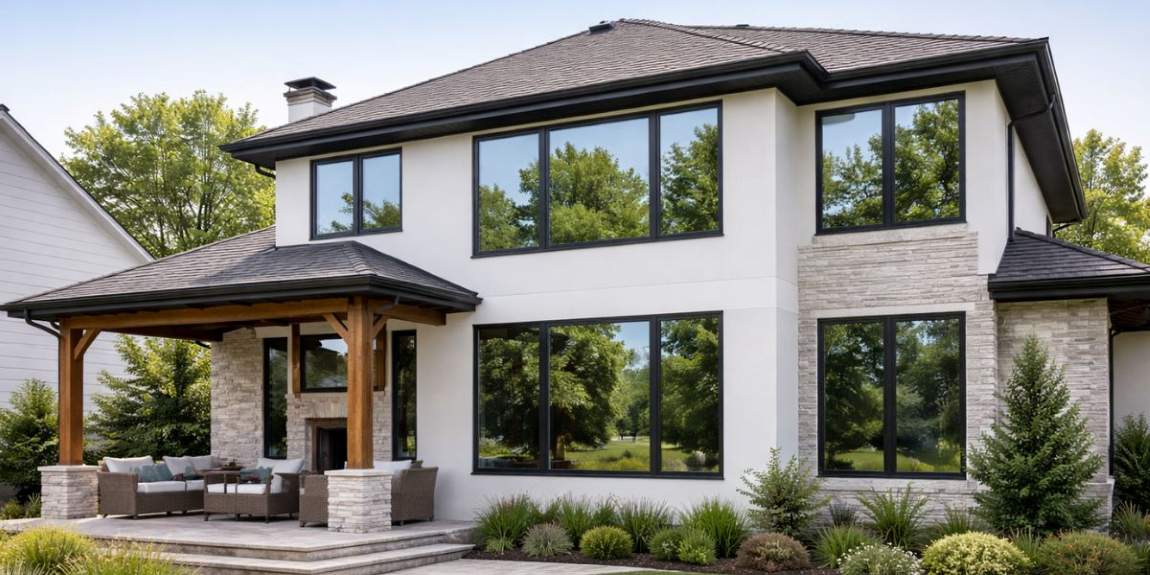
Ground-floor windows facing streets or neighboring properties represent the most common home application. One way window film transforms these vulnerable spaces into private areas during daytime without sacrificing natural light or your ability to see outside. Bathrooms benefit particularly well—maintaining privacy during day hours while preserving the open, bright feeling that frosted glass eliminates.
Beyond privacy, residential film protects valuable belongings from UV damage. Professional-grade UV protection window films block approximately 99% of UV radiation in the 300-380nm spectrum, significantly reducing fade damage to furniture, carpets, and artwork. Standard untreated glass allows roughly 70% of damaging UVA rays through, making film application a practical preservation solution.
For bedrooms and media rooms, selecting appropriate VLT balances natural daylight against glare control. Darker films (around 15% VLT) provide strong privacy but require supplementary lighting; moderate films (35% VLT) maintain more natural light but offer less pronounced mirror effect.
Commercial and Office Solutions
Conference rooms and executive offices use window film privacy to maintain visual confidentiality during sensitive meetings while preserving the modern glass aesthetic. The reflective exterior also reduces glare on computer screens and improves employee comfort in spaces with extensive glazing.
Energy efficiency becomes substantial at commercial scale. Research on a Shanghai commercial building demonstrated that exterior-applied solar window film reduced Solar Heat Gain Coefficient by 44% and cooling load by approximately 27.5% on peak design days. Interior film application achieved 22% SHGC reduction—still meaningful, but less effective due to heat already passing through the glass, which is why many facilities partner with 3M window film installers for sun control and energy savings.
Storefronts leverage the mirror aesthetic for modern building appearance while protecting interior displays and store operations from street-level scrutiny during business hours, often combining these with specialized privacy and decorative window films to align with branding and interior design.
Specialty Applications
Automotive privacy film addresses passenger window privacy needs, though curvature and vehicle vibrations make static cling impractical—adhesive films are the only viable option for this application.
Security applications combine reflective privacy with impact-resistant layers, potentially deterring break-ins by obscuring whether valuable belongings are present. Decorative uses include bronze or colored reflective tones that enhance aesthetics while providing functional benefits, especially when implemented by an experienced national window film installation company.
Dual reflective films represent an important development: these films feature different reflectance values on exterior versus interior surfaces, reducing the nighttime reversal effect that frustrates many users and offering enhanced privacy, glare reduction, and energy efficiency.
Installation Process and Film Selection Guide
Successful installation determines whether your window film performs as expected or fails prematurely. This section provides practical implementation guidance building on your understanding of film types and applications, complementing more detailed do-it-yourself window film installation resources.
Step-by-Step Installation Process
Before beginning, determine whether you need permanent adhesive film or removable static cling based on your situation—renters typically benefit from static cling, while homeowners generally prefer adhesive film’s durability. Confirm your glass type, as some insulated glazing units may void manufacturer warranties if film is applied.
- Measure windows accurately: Record height, width, and note any curves or unusual shapes. Consider orientation (south and west-facing windows receive more direct sun) to select appropriate film darkness.
- Prepare the glass surface: Remove any existing film, clean thoroughly with non-ammonia cleaner, and eliminate all dirt, grease, and mineral deposits. Poor surface preparation causes most installation failures.
- Cut film to size: Trim film slightly larger than the window opening to allow for positioning adjustments.
- Apply slip solution: For adhesive film, spray the glass and adhesive side with manufacturer-recommended solution. For static cling, water alone typically suffices.
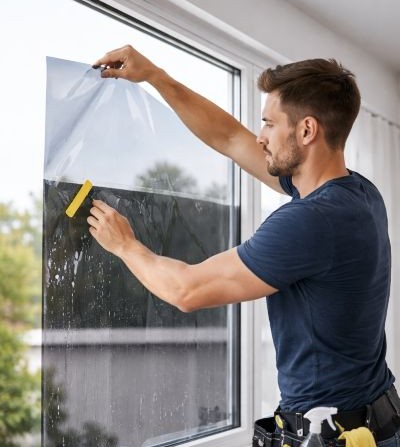
- Position and smooth the film: Apply from the top down, using a squeegee to remove water and air bubbles. Work from center outward using firm, overlapping strokes.
- Trim excess and seal edges: Use a sharp utility knife against a straightedge for clean cuts. Ensure edges are properly sealed to prevent lifting.
- Allow proper curing: Adhesive films require 30 days minimum before cleaning edges or applying pressure. Avoid harsh cleaners during this period.
- Final inspection: Check for bubbles, lifted edges, or trapped debris. Address issues promptly while film remains workable.
Film Type Comparison
| Criterion | Static Cling | Adhesive |
|---|---|---|
| Lifespan | 1-3 years | 10-20 years |
| Removability | Easy, no residue | Difficult, potential residue |
| Initial Cost | Lower | Higher |
| UV Blocking | ~99% | ~99% |
| Heat Rejection (TSER) | Moderate (less durable coating) | 50-82% depending on film |
| Best Applications | Rentals, seasonal use, temporary privacy | Permanent installations, high sun exposure |
| Key Disadvantage | Shorter life, edge lifting in heat | Complex installation, cure time required |
| For reference, professional-grade adhesive films like Concord’s ComforTech series demonstrate TSER values ranging from 51% (lightest shade) to 82% (darkest), providing quantitative benchmarks for comparison shopping. |
Select film darkness based on your priorities: lower VLT provides stronger privacy and heat control but reduces interior brightness. Higher VLT maintains more natural light but offers less pronounced mirror effect and heat rejection.
Common Challenges and Solutions
Understanding typical problems before installation helps you avoid frustration and make informed decisions about whether one way window film meets your actual needs.
Night-time Privacy Limitations
The fundamental limitation: when your interior lights are brighter than the dark exterior, the effect reverses completely. Outside people can see through clearly while you see your own reflection in the glass. No standard one way window film provides 24-hour privacy—this is physics, not a product defect.
Effective solutions include:
- Supplementary window treatments: Use curtains or blinds at evening and night when interior lighting activates. This combination provides complete privacy control across all conditions.
- Interior lighting management: Dimmer switches and strategic lamp placement can reduce the differential, though complete darkness inside isn’t practical.
- Dual reflective films: These specialized products feature lower interior reflectance, reducing the mirror effect inside at night—though they cannot eliminate the reversed visibility issue entirely.
Setting realistic expectations avoids disappointment. If you need night privacy in addition to daytime privacy, plan for blinds or curtains as part of your solution, or consider alternative window films designed specifically for nighttime privacy.
Improper Surface Preparation
Most installation failures trace back to inadequate cleaning. Dust particles create visible bumps; grease prevents proper adhesion; mineral deposits from hard water cause cloudy spots and lifted edges.
Prevention requires thorough cleaning with appropriate products (avoid ammonia-based cleaners that can damage film coatings), using distilled or deionized water in slip solutions, and working in controlled temperature conditions. Inspect glass for scratches or damage before application—film won’t hide existing defects and may emphasize them.
Bubble Formation and Adhesion Issues
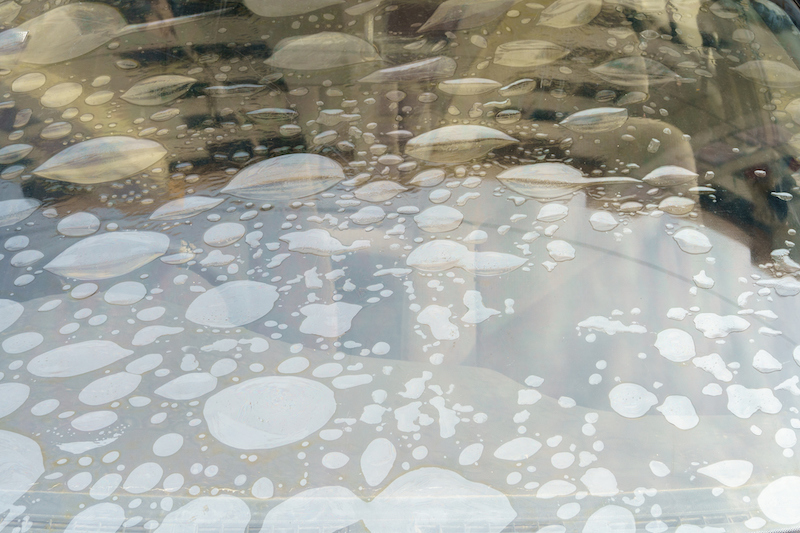
Trapped air, excessive slip solution, uneven squeegee pressure, and working too quickly cause most bubble problems. Work slowly, use overlapping strokes, and maintain consistent pressure. For adhesive films, some small bubbles may disappear as the film cures and moisture evaporates.
If bubbles appear after installation, professional correction may involve heating the film to reactivate adhesive and re-smoothing. However, prevention through proper technique costs less than correction. Allow full cure time before judging final results—some adhesive films look hazy initially but clear as moisture escapes.
Conclusion and Next Steps
One way window film delivers genuine value for daytime privacy, UV protection blocking approximately 99% of damaging rays, and heat control with TSER values reaching 65-82% on high-performance adhesive products. Understanding the light differential principle explains both the technology’s effectiveness and its fundamental night time privacy limitation.
Your immediate action steps:
- Measure all target windows and note their orientation to determine sun exposure intensity
- Decide between static cling (temporary, rental-friendly) and adhesive (permanent, higher performance) based on your situation
- Select appropriate film darkness balancing privacy needs against interior lighting preferences
- Gather installation tools: squeegee, utility knife, spray bottle, measuring tape, microfiber cloths
- Plan supplementary window treatments for night privacy if needed
For related improvements, explore window security film for impact resistance, decorative window treatments for aesthetic enhancement, and broader energy-efficient home improvements that complement your window film investment.
Additional Resources
Installation Tool Checklist:
- Sharp utility knife with fresh blades
- Professional-grade squeegee (hard rubber, 6-inch width)
- Spray bottles for slip solution
- Measuring tape
- Straightedge or ruler
- Lint-free microfiber cloths
- Non-ammonia glass cleaner
- Distilled water
Need More Info?
The Window Film Depot team is happy to help.
Film Selection Quick Reference:
- VLT 15-20%: Maximum privacy and heat control, darker interior
- VLT 25-35%: Balanced privacy with good natural light
- VLT 40-50%: Maximum light transmission, moderate privacy effect
Professional Installation Considerations: For large commercial projects, complex window shapes, or insulated glazing units, professional installation ensures warranty compliance and optimal results. Request TSER, VLT, and VLR specifications for any film being quoted, and confirm compatibility with your specific glass type before proceeding.
Frequently Asked Questions
Does one way window film provide privacy at night?
No, one way window film is most effective during the day when the outside is brighter than the inside. At night, when interior lights are on and brighter than outside, the film reverses and becomes transparent from the outside. Using curtains or blinds at night helps maintain privacy.
Can one way window film help reduce energy costs?
Yes, many adhesive one way window films can reject up to 82% of heat and reduce glare, helping to keep interiors cooler in summer and potentially lowering cooling costs.
What is the difference between static cling and adhesive window films?
Static cling films are easy to install and remove without residue but have a shorter lifespan (1-3 years) and lower durability. Adhesive films bond permanently, last 10-20 years, and offer better UV protection and heat rejection but require more careful installation.
Will one way window film damage my windows or void warranties?
Applying film to certain insulated glazing units can void manufacturer warranties. It’s important to check your window specifications and follow manufacturer advice before installation.
Can one way window film protect against UV damage?
Yes, professional-grade films block approximately 99% of harmful UV rays, helping to protect furniture, flooring, and artwork from fading.
What maintenance is required after installation?
Avoid harsh cleaners, especially ammonia-based products, during the curing period. Clean films gently with non-abrasive, non-ammonia cleaners and soft cloths to preserve the reflective coating and adhesive bond.
Can one way window film deter burglars?
While not a security system replacement, the reflective film deters prying eyes during daylight and can help hold glass fragments together if broken, adding a layer of protection.
Is professional installation recommended?
For complex window shapes, large projects, or insulated glass units, professional installation ensures optimal results, warranty compliance, and proper film performance.