Table of Contents:
Introduction
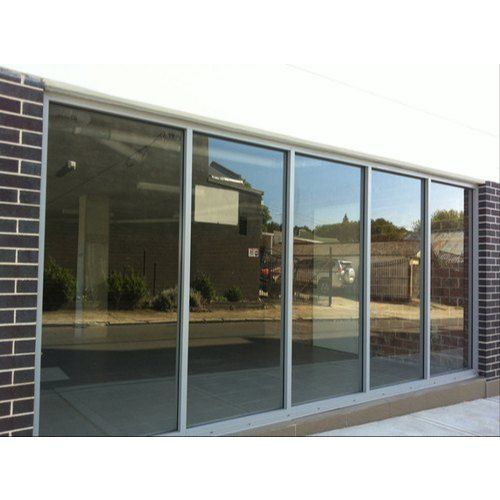
One way privacy film is a reflective window covering that creates a mirror effect on glass surfaces, providing daytime privacy while maintaining your ability to see outside. This glass film solution has become increasingly popular for homeowners and businesses seeking to control visibility without sacrificing natural light.
This guide covers residential and commercial applications of privacy window film for glass windows and doors, installation methods for different window types, and critical performance limitations you need to understand before purchasing. Whether you’re a homeowner wanting to block outside people from viewing your living room, an office manager protecting sensitive workspaces, or a property developer evaluating privacy solutions, this content addresses your specific concerns about one way visibility and practical implementation.
Direct answer: One way window film creates a mirror effect during daylight hours when exterior sunlight is brighter than interior lighting, allowing you to see out while preventing viewers from seeing in. However, this effect reverses at night when interior light sources become dominant.
After reading this guide, you will:
- Understand how mirror film technology creates one way visibility
- Know the difference between static cling and adhesive installation options
- Recognize why night time privacy requires additional solutions
- Choose the appropriate film type for your specific window and environment
- Implement effective privacy solutions that maintain natural light and exterior views
Understanding One Way Privacy Film
One way privacy film consists of thin metallic layers sandwiched between protective polyester films, manufactured to create a reflective surface that functions differently depending on light conditions. This window film serves anyone seeking privacy without blocking their view of the outside world or darkening their interior space, and mirrors the same light-differential principles that explain how one-way mirrors work in real projects.
Static Cling vs Adhesive Films
Static cling films adhere to glass through electrostatic attraction rather than adhesive, making them easy to install, remove, and reuse. This film type suits rental properties, seasonal applications, or situations where you need to peel the film off without leaving residue. However, static cling options typically offer weaker reflectivity and may develop bubbles or wrinkles over time.
Adhesive privacy films use acrylic or pressure-sensitive adhesives for permanent bonding to the glass surface. These films deliver superior clarity, stronger mirror effect, and better durability for long-term installations. Professional-grade adhesive films often include warranties of five years or more and maintain their effectiveness across temperature changes and UV exposure.
Mirror Film Technology
Mirror window film achieves its one way effect through multiple precision layers: a transparent polyester base, a reflective metallic layer (typically silver or aluminum), optional ceramic additives for heat control, and protective coatings that resist scratches and UV degradation. The reflectivity level directly determines privacy effectiveness—films with higher exterior visible reflectance (often 55-60%) create stronger mirror effects.
Key performance metrics include Visible Light Transmission (VLT), which indicates how much light passes through (lower VLT means darker, more reflective film), and Total Solar Energy Rejected (TSER), which measures overall solar blocking capability. High-performance films achieve 80-96% TSER and 99% UV rejection, significantly outperforming basic options.
Understanding these technical specifications helps you select film that balances privacy with your need for natural light and interior brightness, especially when you evaluate true performance metrics for UV protection film.
How One Way Privacy Film Technology Works
Building on the reflective layer structure, the mirror effect depends entirely on the direction and intensity of light hitting the glass surface. This physics principle determines when your privacy film provides protection and when it becomes transparent.
Daytime Performance
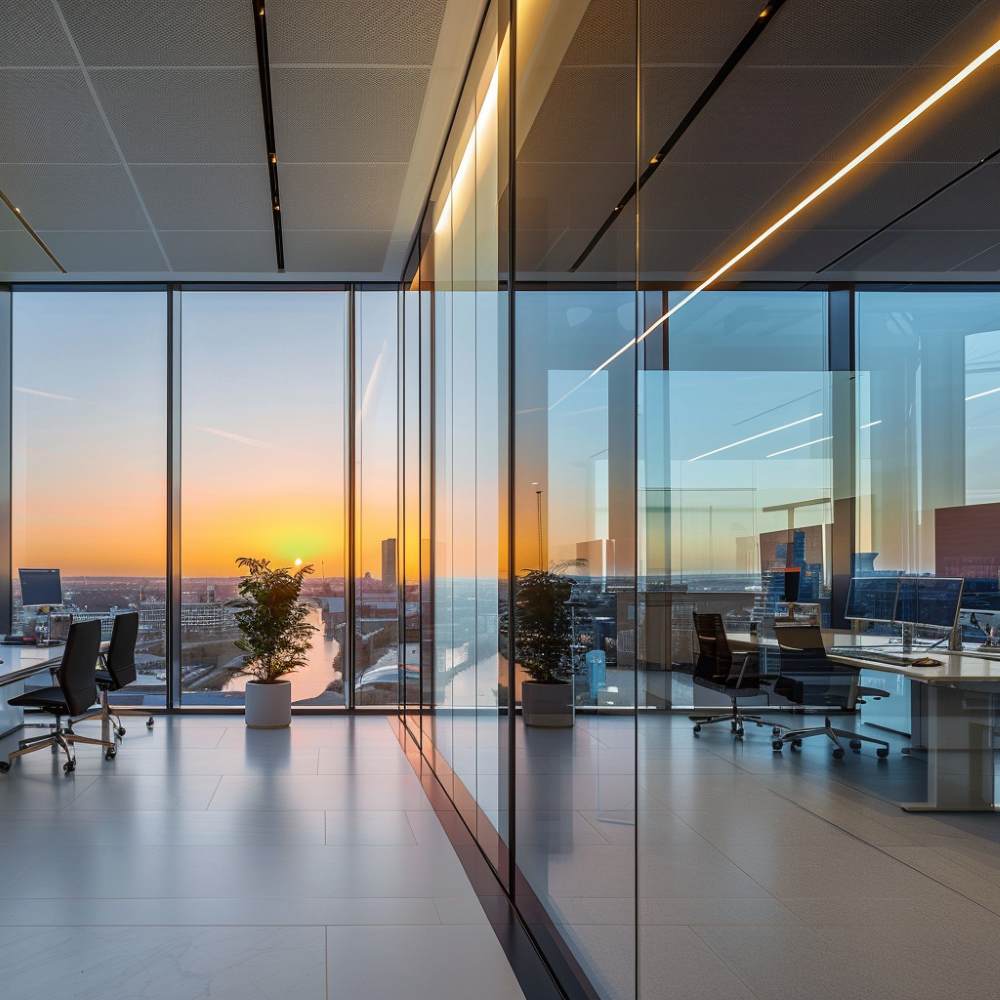
During the day, strong sunlight hitting the exterior glass surface reflects off the metallic layer, creating a mirror appearance for outside people looking at your window. From inside your room, the interior remains darker relative to the bright exterior, allowing you to maintain clear visibility outward. The film essentially functions as a one way mirror when exterior light intensity exceeds interior light by a ratio of approximately 3:1 or greater.
Optimal daytime privacy occurs with direct sun exposure and minimal interior lighting. Windows facing east or west during morning or afternoon hours achieve the strongest mirror effect, while north-facing windows or shaded areas may show reduced effectiveness.

Nighttime Limitations
When you turn on interior lights after dark, the light differential reverses completely. Your brightly lit room now becomes the stronger light source, while outside remains dark. This means outside viewers can see inside clearly, and your privacy disappears—often called the “fishbowl effect.” No passive mirror film overcomes this physics limitation.
This reversed effect represents the most critical consideration when evaluating one way film. Understanding that night privacy requires curtains, blinds, or other supplementary solutions—or selecting the best window film for nighttime privacy that maintains opacity after dark—prevents disappointment after installation.
UV Protection and Heat Control
Beyond privacy, quality one way privacy film blocks up to 99% of UV rays that cause furniture, flooring, and artwork to fade. The metallic layers also reject 80-97% of infrared radiation, reducing solar heat gain through your windows. These benefits translate to lower cooling costs during summer months and protection for interior furnishings, while alternative options like frosted and decorative films can provide day and night privacy window film solutions when 24/7 coverage is required.
Films with ceramic additives often deliver superior heat control while maintaining optical clarity better than simple metallized products. When selecting film, consider TSER values above 80% and UV rejection of 99% for meaningful environmental and cost benefits.
Installation Methods and Best Practices
Proper installation directly determines whether your privacy film performs to manufacturer specifications or develops bubbles, peeling, and reduced effectiveness. These guidelines apply to both DIY and professional installation approaches, and many projects benefit from working with a specialized window film installer and supplier.
Surface Preparation Requirements
Successful adhesion requires meticulous glass preparation:
- Clean the window surface thoroughly using non-ammonia, non-silicone solutions to remove dust, oils, and water spots
- Remove any existing coatings, films, or debris that would create uneven surfaces
- Ensure the glass is completely smooth and flat—fill minor scratches or address irregularities before application
- Verify compatibility with your window type, particularly for double-pane, Low-E, or treated glass that may react differently to reflective films
For adhesive films, apply using the wet method: spray the glass and film with a water-based wetting solution, position the film, then use a squeegee to eliminate air bubbles from center outward. Trim edges cleanly and allow proper curing time before cleaning, especially when working with more advanced options like dual-reflective window film.
Interior vs Exterior Installation
Most privacy window film installs on the interior glass surface, protecting the metallic layers from weathering, oxidation, and physical damage. Interior installation extends film lifespan significantly and simplifies the application process.
Exterior installation options exist for specific situations but require films rated for weather exposure, UV stability, and temperature cycling. These specialized products cost more and typically carry shorter warranties. Choose exterior application only when interior access proves difficult or when architectural requirements demand it.
Need More Info?
The Window Film Depot team is happy to help.
Film Type Comparison
| Film Type | VLT Range | Best Application | Privacy Level |
|---|---|---|---|
| Silver Mirror | 4-20% | Maximum privacy, heat control | Highest |
| Silver Green/Blue | 11-35% | Aesthetic matching, moderate privacy | Medium-High |
| Black/Dark Tint | 15-35% | Glare reduction, subtle appearance | Medium |
| Perforated | ~40% | Graphics, signage with visibility | Moderate |
| Silver films deliver the strongest mirror effect and highest daytime privacy. Colored options (green, blue, brown) offer aesthetic flexibility with somewhat reduced reflectivity. Black or dark tinted films absorb rather than reflect light, providing less mirror effect but a more subtle exterior appearance. Perforated films with micro-holes allow one way visibility while displaying graphics or white surfaces from outside, and they sit alongside other types of decorative film for interior and exterior glass that can add both privacy and design impact. |
Select based on your priority: maximum privacy favors silver films with VLT below 20%, while aesthetic concerns may warrant colored or darker options despite reduced effectiveness.
Common Challenges and Solutions
Even quality privacy film encounters issues during installation or use. These solutions address the most frequent problems reported by homeowners and installers.
Reduced Night Privacy
The mirror effect disappearing after evening represents the most common complaint. Combine your one way film with curtains, blinds, or interior shades for complete night time privacy. Alternatively, add exterior lighting near windows to maintain some brightness differential, though this rarely achieves daytime-level privacy. Accept that supplementary solutions remain necessary for after-dark protection.
Film Not Adhering Properly
Bubbles, peeling edges, or lifting sections typically result from inadequate surface preparation or rushed application. Remove the film, clean the glass completely, and reapply using proper wet-application technique. Use a quality squeegee with firm, overlapping strokes from center outward. For persistent issues, check that your adhesive is rated for your climate’s temperature and humidity ranges.
Insufficient Daytime Privacy
Weak mirror effect during daylight suggests either too-high VLT film, inadequate exterior light, or excessive interior brightness. Choose darker film grades (VLT 10-20% or lower) for stronger reflectivity. Control interior light sources near windows during daytime. Ensure exterior obstructions like trees or overhangs aren’t blocking light that creates the reflection. If your window faces north or remains shaded, consider that mirror film may never achieve high level privacy effectiveness in that location.
Compatibility with Window Types
Double-pane windows, Low-E coatings, and tempered glass require careful film selection to avoid thermal stress or warranty issues. Reflective films increase heat absorption, potentially stressing insulated glass units. Verify manufacturer compatibility ratings before purchase, and consider professional installation for specialty windows. Some manufacturers offer films specifically designed for IGU (insulated glazing unit) applications with tested thermal properties.
Conclusion and Next Steps
One way privacy film provides effective daytime privacy through mirror effect technology, blocking outside viewers while maintaining your view of the outside world. Success depends on selecting appropriate film reflectivity for your light conditions, proper installation technique, and understanding that night time privacy requires supplementary solutions like curtains or blinds.
Immediate next steps:
- Measure your windows to determine film quantity needed
- Assess light conditions to choose appropriate VLT and reflectivity levels
- Decide between static cling (temporary) or adhesive (permanent) options
- Gather installation tools: squeegee, spray bottle, utility knife, lint-free cloths
- Plan your night privacy solution before installation
Related topics worth exploring include decorative window films for aesthetic enhancement, window protection film solutions to reinforce glass against impacts, security films that add shatter resistance, and energy-efficient window treatments that complement privacy solutions. Each option addresses different aspects of window performance and may combine effectively with one way privacy film.
Frequently Asked Questions
Does one way privacy film work at night?
No. One way privacy film relies on exterior light being significantly brighter than interior light to create the mirror effect. At night, when you turn on interior lights and outside becomes dark, the effect reverses completely. Outside viewers can see into your illuminated space. Maintain night privacy using curtains, blinds, or shades alongside your window film.
Can privacy film be installed on double-pane windows?
Yes, but with important considerations. Double-pane insulated glazing units often contain internal coatings that may react to reflective film application. Adding mirror film changes thermal dynamics and can potentially void manufacturer warranties. Use films specifically rated for IGU compatibility and consider professional installation to avoid thermal stress issues.
What’s the difference between silver and black tint options?
Silver mirror films use metallic layers to reflect light, creating strong one way visibility and maximum daytime privacy. Black or dark tint films absorb light rather than reflect it, reducing glare and brightness but producing weaker mirror effect and less effective privacy. Silver films typically achieve 55-60% exterior reflectance compared to 20-35% for dark tints.
Is static cling film as effective as adhesive film?
Static cling films offer convenience for temporary applications but generally deliver weaker mirror effect and reduced privacy compared to adhesive options. They don’t bond as flush to the glass surface, may develop bubbles or wrinkles, and tend to have lower reflectivity specifications. Adhesive films perform better for permanent installations where maximum effectiveness matters.
How long does one way privacy film last?
Quality adhesive privacy film properly installed lasts 10-15 years in typical conditions. Metallized and sputtered films with UV-stable materials maintain performance longer than dyed alternatives, which may fade within 3-5 years. Most manufacturers offer warranties of 5-10 years for professional-grade products. Lifespan depends on sun exposure, installation quality, and film construction.
Can the film be removed without damaging windows?
Generally yes, though removal difficulty varies by film type and age. Warm the film with a heat gun or hair dryer, peel slowly at sharp angles, and use appropriate adhesive remover for residue. Older films or those exposed to significant UV may prove more difficult to remove cleanly. Static cling films peel off easily with minimal residue. Avoid using sharp metal scrapers that could scratch glass.
Does one way film reduce energy costs?
Yes. High-performance privacy films reject 80-96% of total solar energy, significantly reducing cooling loads during warm months. Films blocking 97% or more of infrared radiation prevent heat transfer through windows, lowering air conditioning costs. Additionally, 99% UV rejection protects interior furnishings from fading, reducing replacement costs over time.
What surfaces are compatible with privacy film?
One way privacy film works on flat glass surfaces including standard windows, glass doors, sidelights, and glass partitions. Compatible glass types include tempered, laminated, Low-E (with appropriate film selection), and insulated units. Curved glass requires careful application to avoid distortion. The film is not designed for plastic, acrylic, or non-glass surfaces and will not adhere properly to textured or patterned glass.