Table of Contents:
Why Homeowners Are Choosing Window Tint in 2026
A quality window tint for home is a fast, non-invasive way to improve comfort and energy efficiency without replacing your windows. If one room gets hot by noon, your TV disappears in glare, or your floors and furniture are fading, residential tint can help solve the problem at the glass.
Homeowners are also paying closer attention to cooling costs as energy prices fluctuate and recent summers bring more frequent heat waves. Modern window films in 2024–2026 are more advanced than the dark, shiny products many people remember; many provide strong uv blocking and glare reduction while preserving natural light and clear views.
This guide explains how window film works, the main film types, realistic cost ranges, how to install window film, where tint works best, and when a professional installer is worth it.
How Home Window Tint Solves Everyday Comfort Problems
Residential window film is typically made from ultra-thin polyester layers with ceramic, metalized, dyed, or specialty coatings. These layers manage light, infrared heat, and uv rays before they enter the room, helping keep the space more comfortable.
Heat rejection. The sun’s heat enters through glass as visible light and infrared heat. Quality residential films can block 50–80% of solar heat gain, depending on the product and glass. Ceramic window film blocks over 65% of heat, while silver reflective film rejects over 75% of heat. If you feel heat coming through west-facing windows, tint can help keep your home cool without relying only on curtains, blinds, or shade.
Glare reduction. Window films reduce glare from sunlight, making daytime screen use easier in living rooms, media rooms, and home offices. Instead of closing blinds and losing the view, a tinted surface can soften harsh sunlight while keeping the room usable.
UV blocking. Residential window films block up to 99% of ultraviolet rays, and window tinting blocks 98% of harmful UV rays in many product lines. This helps protect hardwood floors, artwork, fabrics, and furniture from sun damage and fading. The Skin Cancer Foundation also notes that UVA and UVB exposure matters for skin protection, which is another reason homeowners value uv blocking.
Privacy. Privacy films restrict visibility from outside, especially during the day. Daytime privacy films create a one-way mirror effect, and reflective films offer excellent daytime privacy. At night, however, interior lights can reduce privacy because visibility often reverses.
Energy savings. Energy savings from window tinting result from reduced reliance on HVAC systems. Window tinting can reduce energy costs by easing HVAC strain, especially when you treat the hottest glass first. The U.S. Department of Energy also recognizes window attachments as one way to improve home performance in the right conditions.
Types of Home Window Film (and How to Choose)
Not all window films are designed for the same goal. Types of window films include solar control, privacy, decorative, and security films, and the best choice depends on heat, style, security, privacy, and glass specifications.
Solar control film. Solar control film is built for heat and glare reduction on south- and west-facing windows. Depending on VLT and coating type, these films may allow 15–70% light transmission while cutting a large share of solar gain. VLT measures the percentage of natural light that passes through window film, and high VLT percentages maintain brightness in rooms.
Ceramic window film. Ceramic film is a strong choice when you want performance without a mirrored look. Ceramic film blocks 65% of heat and UV rays in many common residential options, and premium ceramic products may perform even higher. It is ideal for hot climates, large picture windows, and homes where exterior appearance matters.
Non-reflective / neutral film. Non-reflective film blocks 35% of heat and UV rays, making it a subtle option for homeowners who want comfort without changing the home’s exterior style. Non-reflective window film blocks 35% of heat, so it is less aggressive than reflective products but often easier to approve in neighborhoods with visual restrictions.
Silver reflective / mirrored film. Silver reflective window film provides high heat rejection and strong daytime privacy. It is useful for intense sun exposure, but it can look mirror-like from outside and may create interior reflection at night when lights are on.
Decorative and frosted films. Frosted films obscure views while allowing natural light, making them ideal for bathroom windows, sidelights, street-facing bedrooms, office doors, and entry glass. Frost and decorative films provide privacy day and night, while patterns such as frost, linen, geometric, and stained-glass looks add design interest. Obscured films are suitable for places needing total privacy.
Security / safety film. Security window film ranges from 3 mil to 15 mil thickness, with many residential safety films in the 4–15 mil range. These durable films help hold broken glass together after impact, storms, or an attempted entry. Some projects add edge anchoring to the frames for extra strength.
Before you decide, consider window orientation, HOA rules, privacy needs, and glass type. Proper film type should match window glass specifications to avoid damage, and homeowners associations may regulate the use of reflective or dark window films. If you need permission, get it before installation.
Cost, Pricing & Understanding the “Regular Price” of Home Window Tint
The cost of residential tint depends on film type, window size, access, height, difficulty, and preparation. Homeowners often compare quotes to a perceived regular price, but the real criteria are film quality, warranty, installation precision, and project complexity.
| Film category | Typical installed price range |
|---|---|
| Non-reflective window film | $5.50–$6 per sq. ft. |
| Silver reflective window film | $6–$7 per sq. ft. |
| Ceramic window film | $7–$9 per sq. ft. |
| Frost and decorative window films | $6–$10 per sq. ft. |
| Security window film | $5–$15 per sq. ft. |
Several factors can raise the price. Installation of tall windows can increase costs by $0.50–$1.50 per square foot. Arches, half-moons, skylights, old film removal, glue residue, damaged seals, or very small jobs with minimum service charges may also affect what you pay.
A typical project, such as tinting 8 average-size living room and bedroom windows, might land around $600–$1,400 depending on film choice and measurements. Exact quotes require a professional to measure each pane, test glass conditions, and confirm access.
Regular price should also be compared with warranty value. Many professional-grade residential films include 10-year to lifetime coverage against peel, bubbling, discoloration, or adhesive failure. A very low price can mean thinner film, poor optical clarity, weak warranty support, or a shorter service life.
How to Install Window Film: DIY vs. Professional
Some static-cling products are designed for DIY, while permanent architectural films are usually best handled by trained installers. The right choice depends on your patience, tools, window size, and tolerance for bubbles or misalignment.
DIY Home Window Film Installation
DIY peel-and-stick or static-cling film works best for small, low-risk areas such as a bathroom window, sidelight, rental apartment, or temporary privacy project. Static cling films can be removed without leaving residue, which makes them useful when you do not want a permanent solution.
Basic installation requires a spray bottle, knife, and squeegee. You should also use a towel to catch excess water during installation. Measure the pane, then cut window film slightly larger than the window pane size. Spray the glass with a soapy water solution, apply the film, squeegee from the center outward, and trim the edges with a sharp knife.
Apply window film when the sun is not directly shining, because hot glass can make positioning harder. A two-person installation helps push water out during application on larger panes. Avoid using a heat gun unless the product instructions specifically allow it.
Common DIY problems include dust, air bubbles, fingerprints on the adhesive, light gaps, crooked edges, and difficulty managing large panes. DIY films often lack the optical quality, durability, and long warranties of professional products.
Professional Window Film Installation
Professional installation starts with consultation, film recommendation, measurement, cleaning, prep, cutting, application, and final inspection. A professional installer knows how to install window film on tempered, double-pane, and low-E glass while reducing the risk of seal failure, crack formation, or warranty issues.
Professional installers also produce cleaner lines, fewer bubbles, better edge control, and faster results on large glass or high windows. After installation, the film may look hazy or show small moisture pockets for a few days to a few weeks while it cures.
Reputable companies provide written documentation, product details, and labor warranty information. Window films can void manufacturer warranties if not applied correctly, so documentation matters.

Where Home Window Tint Works Best (Room-by-Room Ideas)
Strategic placement delivers the best return. Start with the hottest or brightest rooms before assuming the majority of the house needs tint.
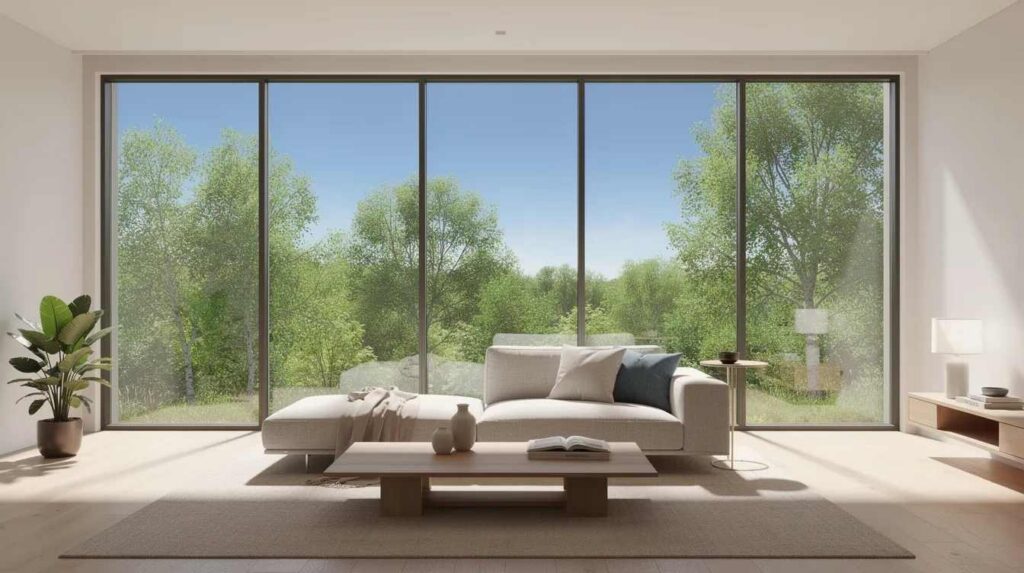
Living rooms and family rooms: Large windows and sliding doors often collect afternoon heat and TV glare. Solar control or ceramic films can keep the space comfortable while preserving visibility.
Home offices: Glare reduction helps monitors stay readable during long workdays. For street-facing offices, privacy films can block direct views without making the room feel closed in.
Bedrooms: Lightly tinted or reflective films can reduce early-morning brightness, add privacy, and maintain views. For total privacy, consider frosted or obscured options.
Bathrooms: Decorative and frosted films are ideal for bathroom windows because they provide privacy at all hours while allowing natural light.
Kitchens and dining rooms: Tint helps reduce heat buildup from sun-facing glass while keeping the space bright for meals and daily life.
Entry doors and sidelights: A frosted or decorative entry film can cover direct views into the home without darkening the foyer.
FAQ About Residential Window Films
Here are the questions homeowners most often ask before installing window film.
Will window film damage my windows or void my window warranty?
It can if the wrong product is installed. High-absorption film on certain double-pane or low-E glass may create thermal stress, so the film must match the glass specifications.
How long does home window film last?
Professional residential film commonly lasts 10–20 years. Lower-cost DIY film may peel, discolor, or lose clarity sooner.
Does window tint make my house too dark?
Not necessarily. High-VLT films allow more natural light, while still improving glare reduction and comfort.
Can I clean my windows normally after film is installed?
Wait until curing is complete, then use non-abrasive cleaners and soft cloths. Avoid ammonia unless your installer says it is safe.
Will film stop all heat?
No film stops all heat, but quality products can reduce a major share of solar heat gain. Low-E films reflect interior heat back into a home during winter, which can support year round comfort.
What is the difference between tint and low-E glass?
Low-E glass has a factory coating that manages heat transfer. Window film is added later and must be selected carefully for compatibility.
Is window film safe for double-pane and low-E windows?
Yes, when the correct film is used. This is one reason professional guidance is valuable.
How soon can I open and close windows after installation?
Most interior-applied films do not prevent normal operation, but avoid rubbing edges until curing is complete.
Why Choose Our Team for Home Window Tinting
Our team specializes in residential window films for local homes, climate conditions, and architectural styles. We help homeowners compare performance, appearance, and cost before they commit to a project.
Specialized residential focus: We work with homes, not one-size-fits-all recommendations.
Certified installation team: Every team member is trained for clean installation and careful glass handling.
Performance-based options: We offer films with strong heat rejection, uv blocking, and privacy performance.
Transparent quotes: We explain sale pricing, regular price, and the factors that affect your final price.
Careful jobsite protection: We protect floors, landscaping, curtains, blinds, and furniture during the work.
Responsive support: If a scheduling event changes, or if an online form ever shows an http, server, or edgesuite error, contact us directly and we will help.
During an in-home consultation, we measure glass, show samples in real light, explain inside/outside appearance, and recommend the best solution for your goals.
Conclusion & Next Steps
Home window tint can quickly improve living comfort year-round by reducing heat, glare, uv rays, and sun damage. It can also support cooling efficiency and help stabilize indoor temperatures without replacing your windows.
Start with one or two problem rooms, such as a hot living room, bright office, or exposed entry. Then decide whether you want heat control, privacy, style, security, or a combination.
Ready to compare options? Request a quote or schedule an in-home consultation by phone or online form. We typically respond the same or next business day with honest recommendations, quality materials, and long-term results you can feel confident about.