Table of Contents:
- Introduction: Why Commercial Heat Reduction Window Film Is a Game Changer
- How Commercial Heat Reduction Window Film Works
- Types of Commercial Window Films for Heat Reduction
- Comfort, Productivity, and Energy Efficiency Benefits
- Energy Savings, Payback, and Incentives for Commercial Buildings
- How the Commercial Window Film Installation Process Works
- FAQs About Commercial Heat Reduction Window Film
- Why Choose Window Film Depot for Commercial Heat Reduction Projects
- Next Steps: Start Reducing Heat and Energy Costs with Commercial Window Film
Commercial heat reduction window film is a game changer for comfort and energy efficiency in offices, schools, retail spaces, and government buildings nationwide.
Introduction: Why Commercial Heat Reduction Window Film Is a Game Changer
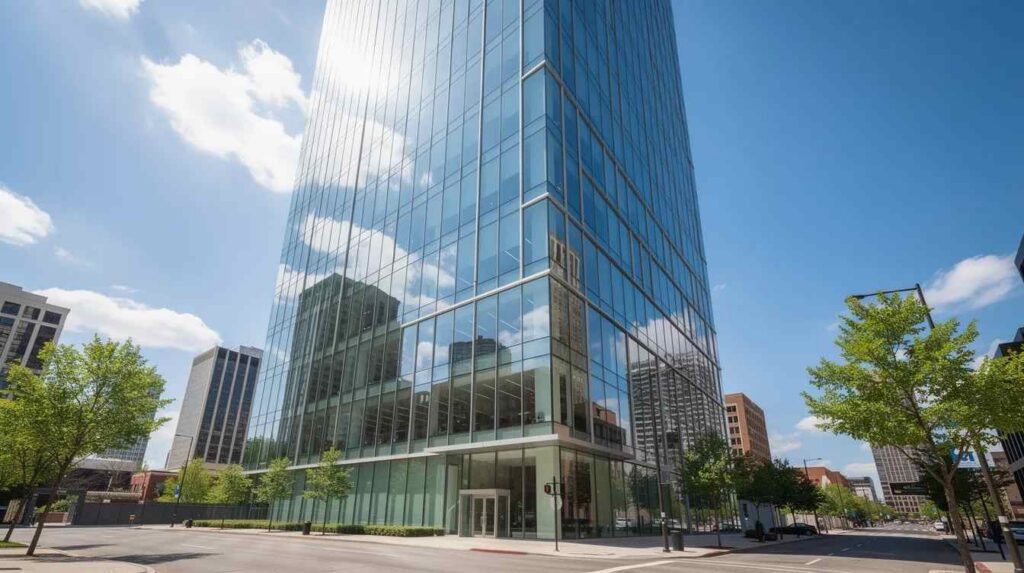
Picture a glass-heavy office building in Atlanta or Phoenix mid-July. The west-facing conference rooms are unbearable by 2 PM, the HVAC system cycles nonstop, and energy costs climb year after year. This scenario plays out across thousands of commercial properties every summer.
Commercial heat reduction window film is a thin, retrofit-applied film that adheres to existing glass, blocking a significant share of the sun’s heat before it enters the building. The result: lower HVAC demand, fewer temperature complaints in perimeter offices, and extended equipment life – all without sacrificing natural light or outward views.
Window Film Depot, a family-owned company founded in 1992 and based in Marietta, Georgia, is a 3M-authorized installer serving commercial, institutional, and government clients nationwide. In the sections ahead, you will learn what types of solar control window films exist, how they perform on single- and double-pane glass, what energy savings to expect, and how to get started with a consultation.
How Commercial Heat Reduction Window Film Works
Standard commercial glazing lets infrared radiation, visible light, and harmful UV rays pass through large curtain walls, raising interior temperatures and creating glare. A lower Solar Heat Gain Coefficient means less solar heat enters a space, and that is exactly what modern window films target.
Commercial heat reduction window film can reduce solar heat gain by up to 78%. High-performance films specifically reduce solar heat gain by 50% to 70% on typical installations. They accomplish this by reflecting and absorbing portions of solar energy at the glass surface. Quality window films block up to 99 percent of UV rays, protecting interiors and occupants alike.
What separates today’s products from the dark tint of decades past is spectral selectivity. Spectrally selective film and ceramic formulations reject heat without dimming the space. Nanotechnology films absorb infrared radiation effectively, while commercial window films maintain visible light transmission while rejecting heat. The room stays bright; the heat stays out.
Key performance metrics facility managers should request:
- SHGC – fraction of solar energy admitted (lower is better for cooling)
- VLT – percentage of visible light transmitted (higher preserves daylight)
- TSER – total solar energy rejected (higher means more heat blocked)
- U value – rate of heat transfer through the glass system (lower means better insulation)
Professional specification matters. On double-pane insulating glass units and low-E coatings, the right window film must be matched to the glazing to avoid thermal stress. Certified installers assess compatibility as part of the specification process.
Types of Commercial Window Films for Heat Reduction
Different commercial environments – Class A office towers, retail storefronts, schools, hospitals – need different balances of heat reduction, natural light, and appearance.
Reflective and dual-reflective films are built for high-sun exposures. Reflective films block up to 79% of heat and are ideal for south- and west-facing facades, call centers, and big-box retail. Dual reflective films block 71% of heat while allowing views from the interior, offering added privacy during the day without a full mirror effect.
Neutral and low-reflectivity solar control films maintain a more natural glass appearance, making them the preferred choice for Class A towers and historic buildings where aesthetics and preserving the original facade matter.
Ceramic and spectrally selective films use nano-ceramic technology to deliver high heat rejection with high VLT. Ceramic films block 99% of UVA and UVB rays while keeping classrooms, patient rooms, and storefronts bright. A product like 3M’s Ceramic Architectural CA35, for example, delivers approximately 55% TSER with 37% VLT on single pane clear glass.
Low-E insulating films provide year-round, four-season performance. Low-E films reduce heat in summer and retain warmth in winter, improving older single pane windows to near double pane performance.
For hard-to-access glass, exterior-applied films are available. Films designed specifically for double pane or laminated glass protect seals and prevent fogging. Window Film Depot works with a wide range of 3M window film products and other high-performance brands, helping specifiers compare options against project goals and budgets.
Comfort, Productivity, and Energy Efficiency Benefits
Window films help eliminate hot spots near windows in office spaces, creating more stable temperature zones across open-plan floors. Commercial heat reduction window film improves occupant comfort by stabilizing temperature, and the best window films for heat reduction can reduce indoor temperatures by 6 to 8 degrees in perimeter zones.
Commercial window films reduce glare on computer screens – window films can reduce glare by over 80 percent – which directly addresses complaints about eye strain and screen visibility in call centers, trading floors, and classrooms. Improved comfort translates to better productivity and fewer “too hot / too cold” service calls.
Low-emissivity window films help improve HVAC efficiency by reducing temperature swings, which means chillers and rooftop units cycle less aggressively. Professional 3M window film installation can improve energy efficiency by reducing air conditioning use, and many commercial clients see 5–15% reductions in annual cooling energy use, with 20–30% reductions on peak summer afternoons depending on orientation and glass area.
Secondary benefits add up: reduced fading of merchandise, flooring, and furnishings; added protection for branding graphics in storefronts; and improved comfort in lobbies with heavy glass. High-quality commercial window films can enhance the aesthetics and functionality of buildings simultaneously. In four-season climates, insulating films keep warmth indoors during winter without heavy curtains that block natural light, delivering year-long value across all seasons.
Energy Savings, Payback, and Incentives for Commercial Buildings
Commercial heat reduction window film is often one of the fastest-payback building envelope upgrades compared to full window replacement or major HVAC retrofits. Commercial heat reduction window films are cost-effective upgrades for energy efficiency, and the math works in most climates.
Commercial heat reduction window film can lower cooling costs by 15–30%. Window films can lower energy bills by nearly 20 percent across heating and cooling seasons combined. Installing commercial window tinting and film can help reduce energy costs in buildings with large glass areas, and commercial window films help reduce HVAC load and energy consumption measurably. Commercial window films can reduce energy costs significantly, and energy savings can offset installation costs within a few years.
Window film payback is typically 3-7 years, with faster returns in high-sun, high-electricity markets like the Southeast, Texas, and the Southwest. Film can effectively improve a single-pane window closer to double-pane performance in terms of U-value and SHGC, and further enhance existing double-pane IGUs without costly replacement.
Many utilities across the country offer prescriptive or custom rebates for qualifying installations. Prescriptive rebates for window film range from $1-$2 per square foot, with some programs covering 20–40% of project cost. Window Film Depot can support facility managers with energy modeling, documentation, and rebate paperwork to maximize incentives and save energy on every project, backed by its role as a leading 3M window film installation company.
Consider a 50,000 sq. ft. office in Chicago: a ceramic film retrofit on west-facing glass might yield 12–18% cooling energy reductions and a four-year payback. A 25-store retail chain rollout in the Sun Belt could see sub-three-year returns per location. These films typically last 10–20+ years, continuing to deliver value well beyond the initial payback and helping building owners save money for decades.
How the Commercial Window Film Installation Process Works
Commercial installations are planned to minimize disruption. Most work happens after hours or on weekends for retail, banks, and sensitive office spaces.
- Assessment and Specification – Window Film Depot’s team reviews drawings, walks the site, measures glass, identifies single vs. double pane, checks existing low-E coatings, and discusses comfort and energy goals with stakeholders.
- Product Selection and Mockups – Several window glass film products and brands at different VLTs and reflectivity levels are applied to test panes so decision-makers can compare heat rejection, appearance, and clarity in real conditions.
- Scheduling and Preparation – Logistics planning covers safety considerations (lifts, swing stages, interior access) and coordination with building management to phase work by floor, zone, or tenant.
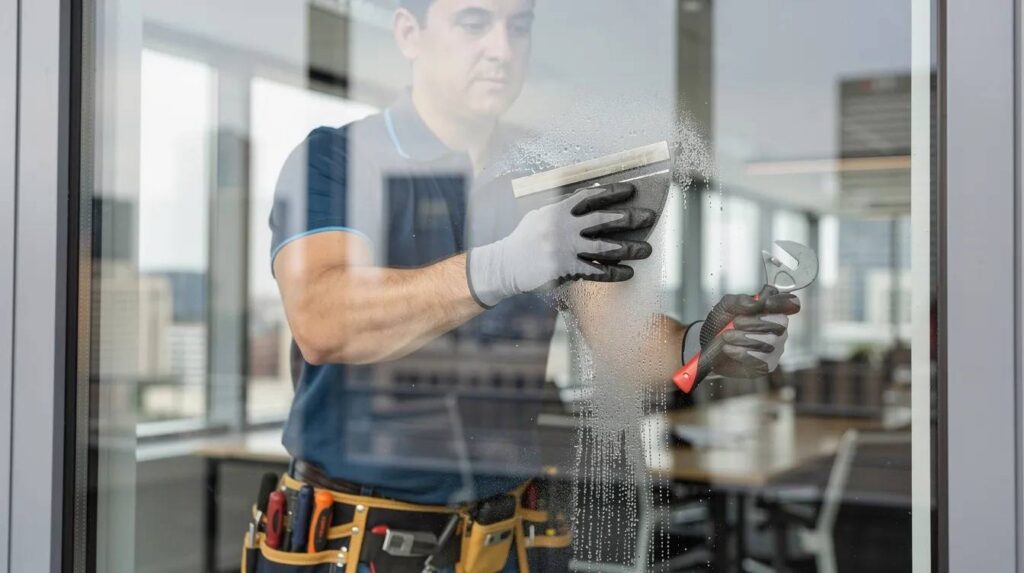
- Installation – Professional installers ensure precise alignment and smooth application. Technicians clean glass, apply film with slip solutions, squeegee out moisture, and trim edges. Certified installers match the right film type to your window glass, and professional installation typically comes with product warranties.
- Cure Time, Inspection, and Warranty – Typical cure periods run days to weeks depending on film and climate. Punch-list walkthroughs confirm quality, and long-term product and labor warranties protect the property owner’s investment.
Window film installations are typically faster than complete window replacements. Most office staff can remain on-site during installation, with work done one pane or bank at a time to keep the space functional. DIY installation may lead to shorter film life and reduced performance, which is why certified installation matters on commercial projects. DIY kits are suitable for small projects or temporary solutions, but for a building-wide upgrade, professional work makes the difference.
FAQs About Commercial Heat Reduction Window Film
These FAQs address the most common questions from facility managers, architects, and building owners evaluating commercial heat reduction window film across the U.S.
Does commercial window film really reduce heat in large buildings?
Yes. Properly installed solar control films reject a significant percentage of total solar energy, especially on sun-exposed facades. Heat reduction is most noticeable in perimeter zones and glass-heavy spaces like lobbies, conference rooms, and south- or west-facing offices, where films can reduce heat and lower the temperature by several degrees.
Can you install heat reduction film on double-pane or low-E glass?
Many modern films are engineered specifically for double-pane IGUs and low-E coatings, with performance data and warranties to match. Professional assessment is critical to avoid thermal stress and maintain manufacturer warranties, which Window Film Depot provides as part of its specification process.
Will commercial window film make our building look like a mirrored tower?
Not unless you want it to. While reflective films are available, many owners now choose neutral, ceramic, or spectrally selective options that maintain a natural, low-reflectivity appearance. The desired look – subtle, mirrored, or somewhere in between – is controlled through product selection and on-site samples, so the building’s aesthetics remain intact.
How long does commercial heat reduction window film last?
High-quality films properly installed on interior-facing glass typically last 10–20 years or more, depending on climate, exposure, and maintenance. Manufacturers like 3M and other leading brands offer multi-year product warranties, and Window Film Depot backs installations with workmanship guarantees.
Will window film affect our natural light and views?
Many commercial clients choose films that maintain high visible light transmission, so offices stay bright while heat and glare are reduced. Properly chosen products preserve outward views and can even improve visual comfort by reducing harsh contrast on glass surfaces. Film does not have to mean dark tint.
Is installing window film disruptive to tenants or operations?
Most installations are completed from the interior with minimal noise and debris. Work can be scheduled during off-hours, overnight, or on weekends as needed. Window Film Depot frequently works in occupied spaces, coordinating closely with property management to maintain security and access control so every customer experiences minimal disruption.
Why Choose Window Film Depot for Commercial Heat Reduction Projects
Window Film Depot is a family-owned company founded in 1992 in Marietta, Georgia, with nationwide window film service locations for commercial, institutional, and government projects. Thousands of completed installations span office towers, retail chains, K–12 schools, universities, healthcare facilities, and federal and state buildings.
As a 3M-authorized dealer, Window Film Depot gives clients access to a full range of solar control, security, privacy, decorative, and anti-vandalism window films through a single turnkey provider. Capabilities that matter to B2B buyers include national roll-out management, union and non-union labor coordination, prevailing wage compliance, and integration with general contractors, ESCOs, and architects.
The consultative approach covers performance modeling, sample installations, warranty management, and combining heat reduction film with security glazing, anti-graffiti protection, or branded graphics. Long-term relationships with Fortune 500 tenants, major retailers, and public-sector agencies speak to the company’s reliability, quality, and on-time delivery. When you need a partner who can refer you to the right solution and be liable for the outcome, Window Film Depot is the call to make.
Next Steps: Start Reducing Heat and Energy Costs with Commercial Window Film
Commercial heat reduction window film is a fast, non-invasive upgrade that delivers improved comfort, lower energy costs, and extended life for existing glazing and HVAC systems – at a fraction of the price of full window replacement.
Start by identifying your problem areas: overheated offices, glare-prone conference rooms, a house-like lobby that bakes every afternoon. Gather basic building information – glass types, square footage, orientation – and schedule a site assessment with Window Film Depot to receive a consultation, a budget estimate, or help with an RFP or specifications package. The team can assist anywhere in the country, from single-building retrofits to multi-site rollouts for national portfolios.
With heat waves intensifying and utility bills climbing through the late 2020s, upgrading your windows with high-performance film is a practical, efficient step you can take this quarter to qualify for rebates, block unwanted heat, and protect your building for years to come.