Table of Contents:
Beyond the Basic: Modern Security Solutions for Construction Managers
When discussing glazing safety, it is essential to first understand the foundational types of glass traditionally classified as “safety glass.” These materials are engineered to reduce the risk of injury upon impact or breakage compared to standard annealed glass. They represent the industry’s initial response to mitigating glass-related hazards.
Understanding Laminated Glass: The Bonded Solution for Shatter Resistance
Window laminate is constructed from two or more panes of glass bonded together by a durable plastic interlayer, typicallypolyvinyl butyral (PVB). This interlayer is crucial, as it holds glass fragments together upon impact. Instead of shattering into dangerous shards, the glass breaks into a spiderweb pattern, with the pieces remaining adhered to the interlayer. This characteristic makes laminated glass highly effective in applications requiring shatter resistance, such as storefronts, skylights, and vehicle windshields, where occupant retention and barrier integrity are paramount.

Understanding Tempered Glass: The Strength-Treated Option for Impact
Tempered glass undergoes a process of extreme heating followed by rapid cooling, which creates compressive stresses on the outer surfaces and tensile stresses in the interior. This thermal tempering process significantly increases its strength, making it approximately four to five times more impact-resistant than annealed glass of the same thickness. When tempered glass does break, it shatters into numerous small, relatively blunt, pebble-like pieces, which are far less likely to cause severe injury than the jagged fragments of standard glass. It is commonly specified for shower doors, architectural frameless entries, and automobile side and rear windows.
Safety Glazing Standards and Regulations: ANSI Z97.1 and CPSC 16 CFR 1201
To ensure public safety, the performance of safety glazing is strictly governed by established standards and regulations. The primary benchmarks in the United States include ANSI Z97.1 and CPSC 16 CFR 1201. ANSI Z97.1, developed by the American National Standards Institute, specifies safety performance criteria for glazing materials used in buildings. CPSC 16 CFR 1201, a federal regulation from the Consumer Product Safety Commission, mandates minimum safety standards for glazing products used in hazardous locations, such as doors and areas adjacent to them. Adhering to these standards is non-negotiable for project managers specifying safety glazing, as they ensure materials meet critical impact resistance requirements.
Laminated Glass vs Tempered Glass: A Critical Comparison of Performance and Application
While both laminated and tempered glass are categorized as safety glazing, their performance characteristics and optimal applications differ significantly. Laminated glass excels in maintaining barrier integrity post-breakage, making it ideal for security applications or situations where glass containment is critical. It can also provide enhanced sound attenuation and UV protection. Tempered glass, on the other hand, prioritizes impact strength and safe breakage patterns, crucial for areas prone to accidental human impact. Each offers distinct advantages, and the choice between them traditionally depends on specific project requirements for safety, security, and aesthetics.
The Project Manager’s Challenge: When Full Glass Replacement Isn’t Feasible
For construction and renovation managers overseeing existing structures, the ideal solution of full glass replacement with traditional safety glazing often presents significant practical and financial hurdles. The complexities involved can quickly escalate project timelines and budgets, making it an unviable option for many upgrade scenarios.
Navigating Budget Constraints and Escalating Costs for Traditional Safety Glazing
Specifying and procuring new laminated or tempered glass for an entire building or even a substantial section involves considerable capital expenditure. Beyond the material costs, project managers must account for expensive specialized labor, transportation of large and fragile glass units, and potential delays due to custom fabrication. These factors contribute to a higher overall project cost, directly impacting budget allocations and often leading to scope reductions or delays.
Overcoming Logistical Hurdles and Project Disruptions in Occupied Buildings
Installing new glass in an occupied commercial, educational, or retail facility is inherently disruptive. Projects require extensive site preparation, potentially involving scaffolding, temporary closures of specific areas, and management of increased noise and dust. Coordinating these activities while minimizing interference with daily operations presents significant logistical challenges for construction managers, often requiring after-hours work and specialized project phasing.
The Inconvenience of Full Glazing Tear-Out and Installation
The process of removing existing glass, frames, and often the surrounding wall materials is time-consuming and labor-intensive. This tear-out phase generates substantial waste, necessitating careful disposal and recycling protocols. Subsequently, the installation of new, heavier safety glass units requires specialized equipment and expertise, further extending project timelines and increasing the risk of incidental damage to the property. This extensive work schedule can significantly impede business continuity and tenant satisfaction.
Limitations of Traditional Solutions for Evolving Security Threats and Blast Mitigation
While traditional safety glass provides fundamental protection against breakage, it may not adequately address the full spectrum of modern security threats. For instance, tempered glass, designed to shatter safely, offers minimal forced entry resistance once broken. Laminated glass provides better security, but advanced threats like prolonged ballistic attacks or significant blast events may still compromise its integrity. Relying solely on conventional safety glass for comprehensive security and blast mitigation can leave vulnerabilities unaddressed, requiring construction managers to seek more robust solutions.
The Modern Solution: Upgrading Existing Glass with 3M Safety & Security Film
Given the challenges associated with full glass replacement, modern material science offers a more agile, cost-effective, and less disruptive alternative: retrofitting existing glazing with advanced safety and security window films. 3M Safety & Security Window Film represents a pinnacle in this technology, transforming ordinary glass into robust protective barriers.
Introducing 3M Safety & Security Window Film: An Advanced Material Science for Shatter Protection
3M Safety & Security Window Films are multi-layered polyester laminates, engineered with proprietary micro-layer technology and bonded to the glass surface using powerful acrylic adhesives. These films are designed to hold glass fragments together upon impact, effectively preventing dangerous shards from scattering inward. This advanced material science creates a strong, invisible barrier that enhances the integrity of existing glass, providing superior shatter protection without altering the aesthetic appearance of the building. This technology effectively transforms ordinary glass into a shatterproof window film solution.
Enhanced Protection Against Forced Entry Resistance and Vandalism
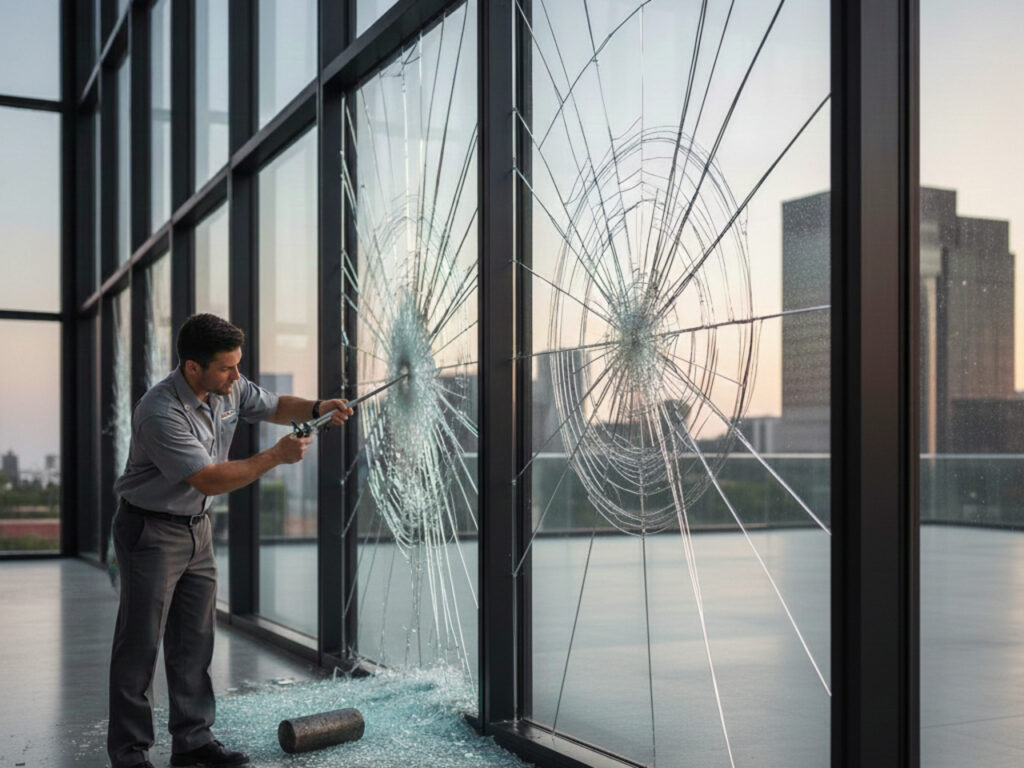
The primary benefit of 3M security film is its ability to significantly bolster a building’s perimeter security. By reinforcing the glass, the film deters intruders by making forced entry attempts more difficult and time-consuming. The glass may crack, but the film holds it together, creating a substantial barrier that resists repeated impacts, buying valuable time for security personnel to respond. This also helps in mitigating damage from vandalism, such as graffiti or smash-and-grab attempts, by preventing easy access or destruction of property.
Mitigating Hazards from Natural Disasters and Blast Events
In regions prone to natural disasters like hurricanes, earthquakes, or severe storms, 3M Safety & Security Films are critical for protecting building occupants. The film prevents glass from becoming airborne projectiles during high winds or ground tremors, significantly reducing injury risks. Similarly, for facilities at risk of blast events, these films absorb and redistribute blast energy, containing glass fragments and preserving the structural envelope, thereby minimizing injuries from flying debris.
The Cost-Effectiveness and Efficiency of Security Window Film Installation
A compelling advantage of 3M security film is its unparalleled cost-effectiveness compared to traditional glass replacement. Installation requires minimal labor, no extensive demolition, and significantly less material cost. This translates directly into substantial budget savings for construction managers. The efficiency of the process also reduces reliance on specialized heavy equipment and eliminates the complex logistics associated with handling large glass units.
Minimizing Project Disruption: A Key Benefit for Occupied Commercial Buildings
Perhaps the most appreciated benefit for project managers of occupied buildings is the minimal disruption caused by film installation. The process is relatively quiet, clean, and quick, often completed with tenants remaining in place or during off-hours. This makes security window film for commercial buildings an ideal choice for maintaining operational continuity. This significantly reduces downtime, avoids tenant complaints, and maintains business continuity, aligning perfectly with the need for non-invasive renovation strategies.
Versatility for Diverse Commercial, Education, and Retail Applications
3M Safety & Security Films are exceptionally versatile, making them suitable for a vast array of existing glazing types and building functionalities. From enhancing the security of government facilities and corporate offices to protecting students in educational institutions and merchandise in retail environments, the films adapt seamlessly. Their ability to upgrade nearly any existing window, regardless of its original specification, provides construction managers with a flexible solution for diverse project needs. This versatility positions 3M as a leading choice for security window film for commercial buildings and other public structures.
Performance Comparison: Security Film vs. Traditional Safety Glass
To make informed decisions, construction managers require a clear understanding of how advanced security films stack up against conventional safety glass in terms of performance, cost, and operational impact. This comparison highlights the strategic advantages of film-enhanced systems.
Direct Comparison of Impact Resistance and Shatter-Resistant Glass Properties
While traditional laminated glass relies on its interlayer, and tempered glass on its internal stress, film-enhanced glass leverages the strength of the film to hold glass fragments together. 3M Safety & Security Films, particularly the Ultra Series, significantly exceed the basic shatter resistance of many safety glass types, offering robust protection against penetration and forced entry. They create a strong, resilient membrane that keeps glass intact within the frame, even after severe impacts, effectively mitigating the hazard of flying glass.
Evaluating Cost-Efficiency and Return on Investment (ROI) for Security Upgrades
The financial benefits of upgrading with 3M security film are considerable. The initial investment is typically a fraction of the cost of full glass replacement. This lower upfront expenditure, combined with reduced labor and project management overhead, delivers a rapid return on investment. The ROI is further enhanced by avoiding potential costs associated with property damage, business interruption, and injury claims that might occur with less robust glazing solutions.
Installation Timelines and Operational Impact: Film Versus Replacement
The installation of 3M security film is dramatically faster than glass replacement. A typical installation team can complete hundreds of square feet of film application in a day, often without interrupting normal business operations. This contrasts sharply with the weeks or even months required for full glass replacement, which demands extensive staging, demolition, and reconstruction. The minimal operational impact of film installation translates directly into preserved productivity and reduced project management complexity.
Need More Info?
The Window Film Depot team is happy to help.
Meeting and Exceeding Safety Glazing Standards with 3M Film-Enhanced Glass Systems
A critical consideration for construction managers is compliance with safety standards. It is important to note that specific 3M Safety & Security Film systems, when properly applied to existing glass, can enable the combined system to meet or even exceed the requirements of industry standards such as ANSI Z97.1 and CPSC 16 CFR 1201. This allows projects to achieve regulatory compliance for safety glazing in hazardous locations without the expense and disruption of full glass replacement.
Beyond Safety: Additional Benefits of Integrating 3M Security Film Technology
Beyond its core safety and security functions, integrating 3M security film technology offers a suite of additional benefits that contribute to overall building performance and occupant comfort. Many films block up to 99% of harmful UV rays, protecting interiors from fading and reducing skin cancer risk. They can also provide energy savings by reducing solar heat gain, improve occupant privacy, and reduce glare, enhancing the versatility and value proposition of the film solution.
How to Specify Security Film for Your Next Project
Effectively integrating 3M Safety & Security Film into a construction or renovation project requires a methodical approach, ensuring the chosen solution aligns precisely with the project’s unique security and safety objectives. This involves careful assessment, product selection, and strategic partnership.
Identifying Project Needs and Conducting Thorough Risk Assessments
The first step in specifying security film is to conduct a comprehensive risk assessment of the facility. This involves identifying potential threats, whether they are related to natural disasters, forced entry, vandalism, or blast events. Understanding the specific vulnerabilities and the desired level of protection is crucial for selecting the appropriate film. This assessment should consider building location, occupancy, asset value, and existing security measures.
Understanding Different 3M Security Film Series and Performance Levels for Specific Threats
3M offers a range of security film series, each engineered with distinct properties to address varying threat levels and performance requirements. For example, 3M Safety Series films provide basic shatter protection and fragment retention. The 3M Scotchshield Safety & Security Window Film Ultra Series, with its unique micro-layered construction, offers superior tear resistance and extended forced entry protection, often exceeding the performance of traditional safety glass. Construction managers should work with experts to match the film’s specifications, such as thickness and adhesive strength, to the identified threats.
Partnering with a Certified and Experienced Window Film Installation Expert
The performance of security film is heavily dependent on professional installation. Partnering with a 3M-certified and experienced window film installation expert is paramount. These specialists possess the technical knowledge to assess glazing systems, recommend the most suitable film, and apply it with precision to ensure optimal performance and warranty validity. Their expertise is invaluable in navigating complex installations and guaranteeing the long-term effectiveness of the security upgrade.
Navigating Building Codes and Compliance for Film-Enhanced Glazing Systems
While film-enhanced glazing systems offer significant advantages, it is essential for construction managers to ensure full compliance with local building codes and relevant safety regulations. Certified installers can provide documentation and guidance on how 3M security film systems, when applied correctly, meet or exceed specific safety glazing standards. Early engagement with building officials and code consultants is recommended to confirm acceptance of film as a compliant safety solution for designated hazardous locations.
Project Planning, Budgeting, and Seamless Implementation Strategies
Effective project planning is key to successful security film integration. This includes allocating appropriate budget resources, scheduling installation phases to minimize disruption, and communicating clearly with all stakeholders, including building occupants. Developing a detailed implementation strategy, potentially involving off-hours installation, ensures that the security upgrade proceeds smoothly and efficiently, reinforcing the film’s benefit as a non-disruptive solution.
Conclusion: Key Takeaways and Strategic Advantages for Modern Construction
The evolution of glazing technology presents modern construction and renovation managers with sophisticated solutions that transcend the limitations of traditional approaches. The strategic application of advanced film technology, particularly 3M Safety & Security Film, marks a significant paradigm shift in how we approach building envelope protection. This contemporary understanding redefines what is safety glass called, moving beyond traditional materials to embrace proactive, flexible solutions that enhance building resilience.
Reaffirming the Superiority of Advanced Film Technology for Glazing Security
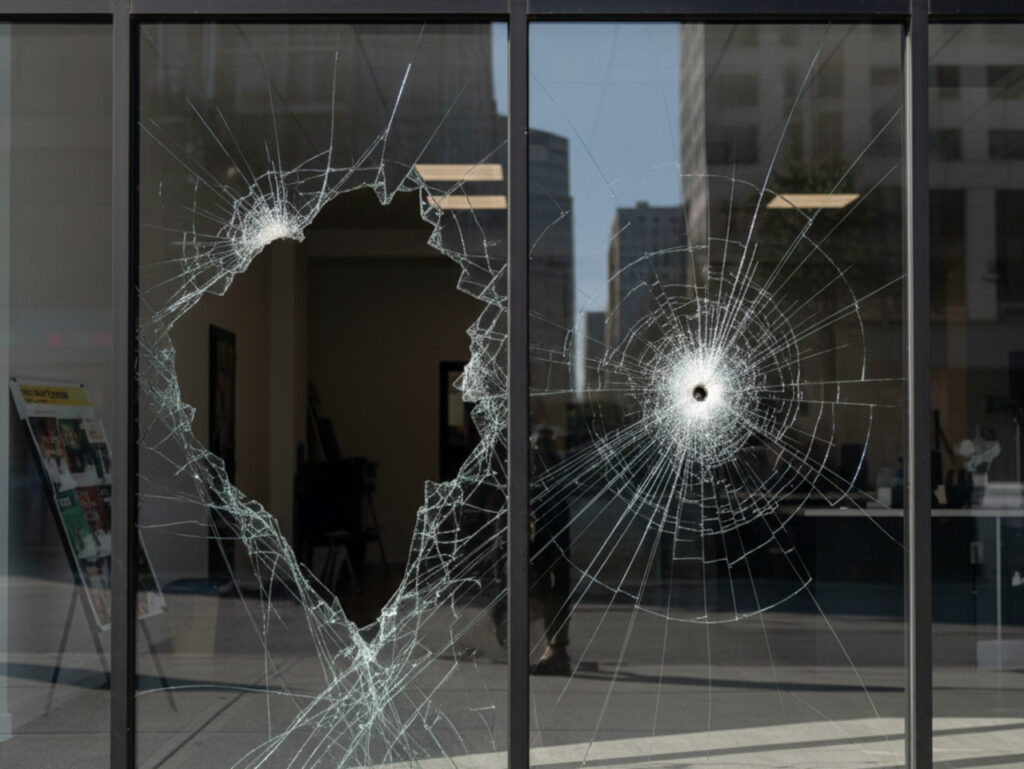
The evidence unequivocally supports advanced film technology as a superior alternative to full glass replacement for achieving enhanced glazing security. Its ability to provide robust shatter protection, delay forced entry, and mitigate hazards from natural disasters and blast events, all while adhering to industry safety standards, positions it as a leading-edge solution for contemporary building challenges.
Empowering Construction Managers with Practical, Cost-Effective, and Disruptive-Free Solutions
For construction managers facing budget constraints, logistical complexities, and the imperative to maintain operational continuity, 3M Safety & Security Films offer practical, cost-effective, and remarkably disruptive-free solutions. This technology empowers project leaders to upgrade existing infrastructures efficiently, protecting assets and occupants without extensive downtime or financial strain. It directly addresses the critical pain points associated with traditional, more invasive renovation methods.
Partnering for Enhanced Safety and Security in Your Projects with Industry-Leading Expertise
Engaging with reputable partners and certified installers of 3M Safety & Security Films ensures that projects benefit from industry-leading expertise and proven product performance. This collaborative approach provides construction managers with the confidence that their glazing security solutions are not only cutting-edge but also professionally implemented and fully supported. Such partnerships are instrumental in delivering successful, secure, and compliant projects.
Looking Ahead: The Future of Glazing Security and Innovation in Building Design
As security threats continue to evolve and building resilience becomes paramount, advanced film technology will play an increasingly vital role in future-proofing structures. Innovations in material science promise even greater performance, energy efficiency, and integrated functionalities, further solidifying security film’s position as an indispensable component in modern building design and comprehensive glass security systems.
Frequently Asked Questions
What is the main difference between traditional safety glass and security window film?
Traditional safety glass, like laminated glass or tempered glass, is either designed to hold fragments upon impact (laminated) or shatter into small, blunt pieces (tempered). Security window film, on the other hand, is a retrofit solution applied to existing glass. It forms a strong, invisible membrane that holds glass fragments together within the frame, significantly enhancing shatter resistance, forced entry resistance, and protection against various threats without needing full glass replacement.
How does 3M security film help with building code compliance for safety glazing?
When properly applied to existing glass, specific 3M Safety & Security Film systems can enable the combined glazing system to meet or exceed the performance requirements of industry standards such as ANSI Z97.1 and CPSC 16 CFR 1201. This allows project managers to achieve regulatory compliance for safety glazing in hazardous locations without the high cost and disruption of removing and replacing existing windows.
Is installing 3M security film disruptive to an occupied building?
No, one of the key advantages of 3M security film installation is its minimal disruption. The process is typically quiet, clean, and fast, often allowing tenants to remain in place during the upgrade. Installations can frequently be scheduled during off-hours to further minimize any impact on daily operations, avoiding the extensive downtime and logistical challenges associated with full glass replacement.
What types of threats does 3M security film protect against?
3M security film provides multi-faceted protection. It significantly enhances resistance against forced entry and vandalism by deterring intruders and making glass harder to break through. It also mitigates hazards from natural disasters like hurricanes and earthquakes by preventing glass from becoming airborne projectiles. Furthermore, it helps contain glass fragments during blast events, reducing injury risk and preserving structural integrity.
How do I choose the right 3M security film for my project?
Selecting the appropriate 3M security film requires a comprehensive risk assessment of your facility to identify potential threats and desired protection levels. 3M offers various film series, such as the Safety Series and the Ultra Series, each engineered for different performance requirements. It is crucial to partner with a 3M-certified and experienced window film installation expert who can assess your glazing system, recommend the most suitable film specifications, and ensure professional application for optimal performance and warranty validity.