Table of Contents:
Introduction
Mirror window film is a reflective coating applied to glass surfaces that creates one-way visibility during daytime hours, allowing you to see outside while preventing others from seeing in. This guide covers residential and commercial applications, installation methods, and performance characteristics for homeowners, business owners, and DIY enthusiasts seeking effective privacy solutions.
One-way mirror film creates a privacy effect by reflecting exterior light while allowing interior views outward during daylight. The reflective window film works because one side of the glass must be significantly brighter than the other—when natural light outside exceeds interior lighting, the mirrored exterior blocks visibility from outside, following the same light-differential principles described in real-world one-way mirror applications.
After reading this guide, you will understand:
- How daytime privacy works and why nighttime privacy requires additional solutions
- Heat reduction capabilities that can lower air conditioning costs
- UV protection levels that block harmful UV rays and protect interior furnishings
- Installation process requirements for different glass types
- How to choose the right window film for your specific environment
Understanding Mirror Window Film
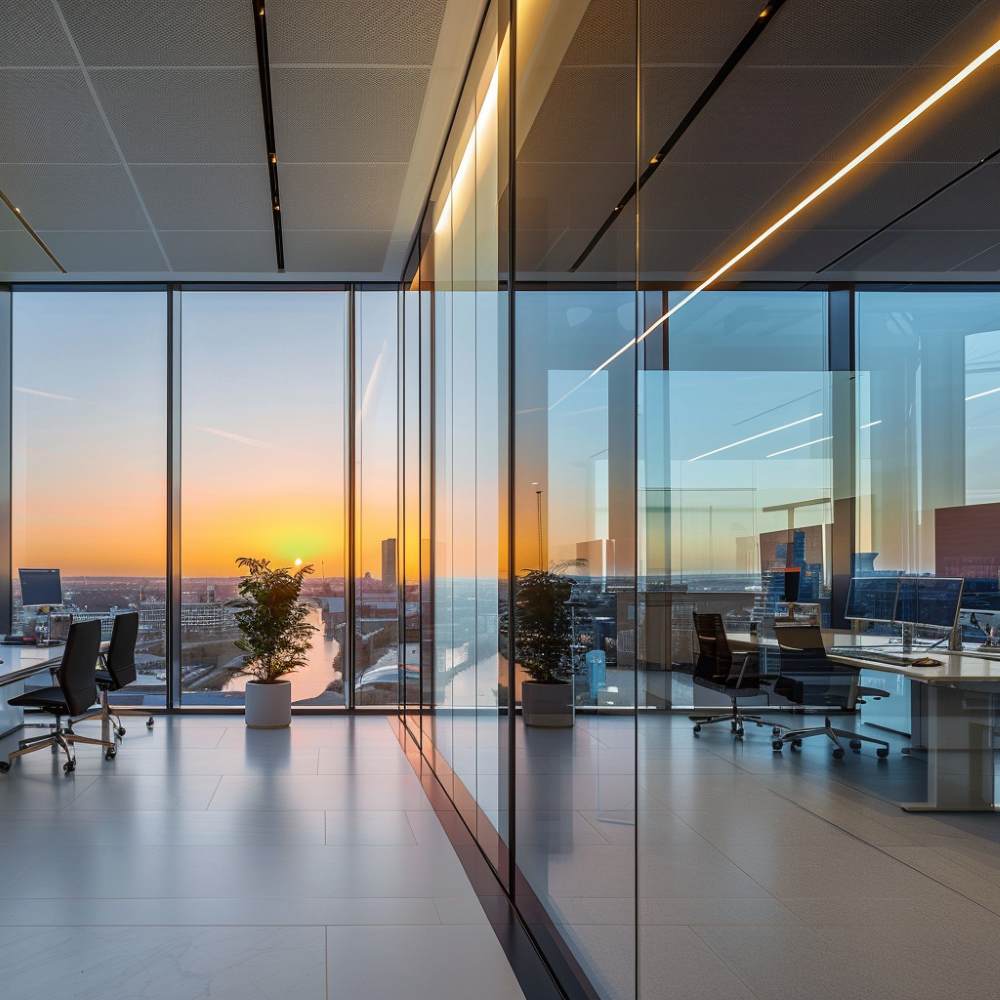
Mirror window film is a reflective layer applied to window surfaces that creates a mirrored exterior appearance during daylight hours. This window tint serves multiple purposes: providing daytime privacy for residential and commercial spaces, improving energy efficiency by reducing heat gain, and protecting interiors from sun damage and fading.
How Mirror Window Film Works
The privacy effect of one way mirror film depends entirely on light contrast between exterior and interior environments. During daytime, when sunlight creates a bright exterior, the reflective surface acts as a mirror from the outside while remaining relatively transparent from within. This allows occupants to maintain visibility of the outdoors while blocking exterior views into the building.
The mirror effect reverses at night when interior lights are on and the exterior is dark. With brighter light inside than outside, the reflective properties no longer create the one-way mirror effect—people outside can see in while those inside see their own reflection. This fundamental principle means one way window film provides daytime privacy but not nighttime privacy without added window treatments like curtains or blinds.
Understanding this light-dependent behavior helps set realistic expectations. One-way mirror glass and one-way mirror film both require this light differential to function effectively, which is why police stations and observation rooms use controlled lighting environments.
Key Performance Characteristics
Window films can block up to 99% of harmful ultraviolet (UV) rays, which are responsible for skin damage and fading of interior furnishings. This protection preserves flooring, furniture, artwork, and fabrics throughout your space, especially when you choose tinted windows engineered for UV protection.
Reflective window films can reject up to 82% of heat and 93% of glare, significantly improving indoor comfort and reducing reliance on air conditioning. High-performance reflective films enhance the comfort of indoor environments while potentially lowering cooling costs, particularly when you select top-rated window films for heat reduction. The effectiveness of window films in reducing heat gain is influenced by their reflective properties—darker and shinier films tend to reflect more solar energy before it transmits through the glass.
Visible Light Transmission (VLT) percentages determine how much natural light enters your interior. Films with higher VLT (50-80%) allow more daylight but offer less mirror reflectivity. Lower VLT options (15-30%) create stronger reflective mirror effects but reduce interior brightness. Mirror window films improve visual comfort by reducing glare from sunlight, making it easier to use screens and televisions, while also helping mitigate indoor UV ray exposure through windows.
With these performance characteristics established, understanding the different types of mirror film helps you select the most suitable option for your project.
Types and Applications of Mirror Window Film
Various mirror film options serve different aesthetic preferences and functional requirements. Your choice affects both the appearance of your building and the film’s effectiveness in your specific environment.
Silver Mirror Film
Silver mirror film offers the classic highly reflective appearance with a chrome or silver finish from the exterior. This type typically provides the strongest one-way mirror effect with the highest heat rejection capabilities and lowest visible light transmission—often in the 15-30% VLT range.
Silver reflective window film finds common application in office buildings, storefronts, and commercial spaces where maximum daytime privacy and heat reduction matter more than interior brightness. The bold aesthetic creates a uniform, modern appearance that customers find appealing for contemporary architecture. One-way mirror film can reject up to 82% of heat and 93% of glare, making it an effective solution for improving comfort in residential and commercial spaces.
Bronze and Gray Mirror Film
Bronze and gray mirror films provide warmer tones that offer better aesthetic compatibility with traditional architecture, brick facades, natural materials, and residential neighborhoods. These heat control window films reduce the starkness of silver options while maintaining significant heat and glare control.
Gray and bronze window tint typically allow slightly higher visible light transmission (30-50%) compared to silver alternatives, creating a better balance between privacy and interior brightness. The warmer reflection works particularly well for homes in southern climates with warmer ambient light, and these tones often satisfy HOA requirements that restrict highly reflective exteriors, especially when combined with UV protection film for house windows.
Static Cling vs Adhesive Options
Static cling films use electrostatic adhesion and offer convenient removal without residue, making them ideal for rental properties and temporary applications. However, static cling options typically have shorter lifespans (2-5 years), thinner construction, and less robust heat rejection compared to adhesive alternatives.
Adhesive window film creates a permanent bond with the glass surface that improves over a 30-day curing period. These films offer superior durability, better heat resistance, and longer warranties—often 10-15 years for residential installations. The difference in long-term performance makes adhesive options the better choice when you can commit to a permanent solution, particularly when sourced from a specialized window film provider for commercial and residential projects.
Privacy films are a cost-effective alternative to specialized privacy glass or full window replacements, offering similar benefits at significantly lower cost. With film types understood, proper installation becomes the critical factor in achieving best results.
Installation Process and Glass Compatibility
Proper installation determines both the performance and safety of your mirror window film investment. Window film installation requires careful consideration of the glass type, including whether it is single or double pane, and its specific characteristics such as being annealed, laminated, or tempered.
Surface Preparation and Installation Steps
DIY installation works well for single-pane windows with straightforward access, while professional evaluation is recommended for specialty glass or large commercial applications. The installation of one-way mirror film is generally straightforward, as it can be applied directly onto glass surfaces without the need for specialized tools or extensive labor.
- Clean the glass surface thoroughly using a cleaning solution suitable for film installation—avoid ammonia-based products immediately before applying film. Inspect corners and gasket areas for dirt, grease, or debris that could prevent proper adhesion and create bubbles.
- Measure and cut film slightly larger than the window surface to allow for precise trimming. Work in mild conditions with glass temperature between 45-90°F, avoiding direct sunlight or freezing weather that can affect adhesion.
- Apply film using the wet method with manufacturer-recommended application solution. This allows repositioning before the film sets. Use a squeegee to work from the center outward, removing water and air bubbles with steady pressure.
- Trim excess material with a sharp blade along window edges and check for remaining bubbles. Allow proper curing time—up to 30 days for reflective adhesive films to achieve full bond strength.
Glass Type Compatibility
Glass type directly affects safety and the risk of thermal stress. Thermal stress can occur during window film installation if the glass is exposed to uneven shading, which can lead to thermal fracture where shaded and sunlit areas meet. Proper installation involves evaluating environmental factors such as design winter temperature, altitude, and adjacent reflecting surfaces.
| Glass Type | Compatibility | Special Considerations |
|---|---|---|
| Single Pane Annealed | Generally Safe | Monitor for thermal stress in direct sun; lower risk than complex glazing |
| Double Pane Insulated | Requires Assessment | Professional evaluation recommended; some mirror window films can be unsuitable for dual-pane windows due to the risk of heat stress and damage to the window seals |
| Low-E Coated | Special Requirements | May affect performance; coating location (surface #2 or #3) determines compatibility; expert consultation needed |
| Tempered Glass | Excellent | Heat resistant construction minimizes thermal stress risk; holds up better under temperature differentials |
| One-way mirror film is a type of window film that is applied directly onto glass surfaces, providing a similar reflective effect as one-way mirror glass but at a lower cost and with easier installation. However, one-way mirror glass is more durable and resistant to fading, peeling, or scratching compared to one-way mirror film, which is less durable but easier to remove and replace. |
For double-pane and Low-E glass, always consult manufacturer compatibility charts before proceeding. Installing incompatible film can void window warranties and risk glass breakage. These compatibility considerations lead directly to understanding common challenges and their solutions.
Common Challenges and Solutions
Even with proper installation, several issues commonly affect mirror window film performance. Understanding these challenges helps you maintain your investment and achieve lasting benefits.
Nighttime Privacy Loss
The effectiveness of mirror film is dependent on the light balance; it provides daytime privacy but not nighttime privacy without added window treatments. For consistent coverage, many property owners evaluate the best window film options for nighttime privacy. Combine mirror film with curtains, blinds, or interior lighting control for 24-hour privacy. Position lighting away from windows and use dimmer switches to reduce interior brightness after dark. Mirror films are often used for daytime privacy in high-traffic areas such as ground-floor windows, bathrooms, or bedrooms without sacrificing natural light—but nighttime coverage requires additional solutions, such as day-and-night privacy window film systems.
Air Bubbles During Installation
Air bubbles result from trapped air or contaminants between the film and glass. Use proper squeegee technique, working from the center outward with steady pressure. Ensure the window surface is completely clean and apply sufficient application solution to allow air escape. Small bubbles often disappear during the curing period; larger bubbles may require lifting the film edge and reapplying pressure.
Film Peeling or Adhesion Issues
Adhesion problems typically stem from inadequate surface cleaning, extreme temperature installation, or insufficient curing time. Ensure complete surface preparation, avoid installing window film in temperatures below 45°F or above 90°F, and allow the full 30-day cure period before cleaning or applying pressure to edges. Maintaining proper environmental conditions during installation prevents most adhesion failures.
Color Mismatch Between Film Sections
Visible color differences between film sections create an unprofessional appearance. Order sufficient film from the same manufacturing batch for your entire project and test small sections before full installation. Differences in thickness, age, or manufacturing batch can affect how the reflective layer appears once installed.
Understanding these solutions helps ensure your installation delivers lasting performance and moves you toward making final decisions about your project.
Conclusion and Next Steps
Mirror window film provides effective daytime privacy while delivering measurable benefits for heat reduction and energy efficiency. One-way mirror film allows individuals to see outside while preventing others from seeing in during the daytime, creating a privacy effect dependent on light conditions. These films can enhance energy efficiency and potentially lower cooling costs by reducing heat gain, making them a practical investment for comfort and savings.
Need More Info?
The Window Film Depot team is happy to help.
Your immediate next steps:
- Measure your windows accurately, noting dimensions and any unusual shapes or features
- Assess your glass type by checking whether windows are single-pane, double-pane, tempered, or Low-E coated
- Choose your film grade based on desired VLT percentage, heat rejection needs, and aesthetic preferences
- Decide on professional vs DIY installation based on glass complexity and your comfort with the installation process
For related applications, security window films offer impact resistance and break-in protection, decorative films provide privacy without the reflective appearance, and commercial solar control solutions address large-scale building efficiency needs.
Frequently Asked Questions
Does mirror window film work at night?
The mirror effect reverses at night when interior lights are on and the exterior is dark. When the inside of your space is brighter than outside, people can see in while you see your reflection. For one-way mirror glass to work effectively in settings like police stations, controlled lighting maintains the necessary light differential. At home, combine mirror film with curtains or blinds for nighttime privacy.
Can I install mirror film on double-pane windows?
Some mirror window films can be unsuitable for dual-pane windows due to the risk of heat stress and damage to the window seals. Professional assessment is recommended before installing on insulating glass units. Manufacturers provide compatibility charts that specify which films are safe for double-pane applications—consulting these resources prevents expensive damage and voided warranties.
How long does mirror window film last?
High-quality adhesive mirror films typically last 10-15 years in residential applications when properly installed and maintained. Static cling alternatives generally perform for 2-5 years depending on sun exposure and environmental conditions. Factors affecting lifespan include direct sunlight intensity, coastal salt exposure, and whether the film matches your glass type specifications; professional-grade solutions that debunk myths about tinted windows and UV protection often pair long service life with near-total UV rejection.
Will mirror film damage my windows?
While traditional mirror films change the thermal profile of glass, some projects instead specify dual-reflective window film for balanced performance, which is engineered to improve privacy and solar control while maintaining better interior visibility at night.
Mirror film does not damage windows when installed correctly with compatible film types. Thermal stress can occur if incompatible film causes uneven heating on double-pane or Low-E glass. Following manufacturer guidelines for glass compatibility, proper installation techniques, and appropriate film selection prevents any risk of window damage.
What’s the difference between 15% and 35% mirror film?
The percentages refer to Visible Light Transmission—15% film allows less natural light inside and creates a stronger reflective exterior with more daytime privacy. 35% film permits more daylight, appearing lighter from inside but with a less dramatic mirror effect outside. Lower VLT films typically offer higher heat rejection, while higher VLT maintains more interior brightness.
Can mirror window film reduce my energy bills?
Reflective window films can reject up to 82% of heat and 93% of glare, significantly improving indoor comfort and reducing reliance on air conditioning. By blocking solar heat before it enters your space, mirror film reduces cooling loads during hot months. The money saved depends on your climate, window orientation, glazed area size, and local energy costs.
Is mirror film legal for residential use?
Mirror film is generally legal for residential windows, though some jurisdictions and HOA agreements restrict exterior reflectivity or appearance for aesthetic uniformity. Building codes may also specify requirements for safety glazing near doors or in certain locations. Check local regulations and neighborhood covenants before selecting highly reflective options.
How do I clean windows with mirror film?
Use non-abrasive, mild cleaning solutions and soft cloths—avoid ammonia-based products, abrasive pads, or hard pressure that could scratch the reflective layer. Allow the full curing period (typically 30 days) before first cleaning. Regular gentle maintenance preserves optical clarity and extends film lifespan, protecting your investment in privacy and comfort.