Table of Contents:
- What Are One-Way Windows for Homes?
- How One-Way Mirror Effect Really Works (Day vs. Night)
- One-Way Mirror Glass vs. One-Way Mirror Film
- Pros and Cons of One Way Mirror Glass for Homes
- Pros and Cons of One Way Mirror Film for Homes
- Best Residential Uses for One Way Mirror Film
- How to Choose the Right One Way Mirror Film for Your Home
- Professional Installation vs. DIY for One Way Film
- Common Mistakes Homeowners Make with One Way Windows
- FAQs About One Way Windows for Home
- Why Choose Our Team for One Way Window Solutions
- Next Steps: How to Get One Way Windows for Your Home
What Are One-Way Windows for Home?
One-way windows for home are glass windows treated with a reflective coating-either built into the glass itself or applied as an adhesive film- that lets you see outside clearly while preventing people on the other side from seeing in during the day. The concept is straightforward: when sunlight is brighter outside than the light inside your room, the exterior surface acts like a mirror, and your interior stays hidden.
The terms you will encounter- one-way mirror, one-way glass, one-way mirror glass, and one-way mirror film-describe related but distinct solutions. One-way mirror glass is manufactured with a permanent half-silvered coating embedded in the glazing. One-way mirror film is a reflective window film applied directly onto existing glass surfaces, creating a similar effect without replacing your windows. One-way mirror film is generally used in homes rather than custom glass, simply because it is faster and far less expensive to install.
Here are a few concrete scenarios where homeowners use these solutions:
- A street-level living room with large picture windows where pedestrians walk past all day
- A townhouse with front door sidelights just feet from a public walkway
- A city apartment with glass windows facing a neighboring building only a few yards away
In each case, the goal is the same: daytime privacy while allowing visibility outside. That said, one-way solutions only provide reliable daytime privacy. At night, you still need blinds, curtains, or layered privacy film to keep interiors hidden.
How One-Way Mirror Effect Really Works (Day vs. Night)
Understanding how the one-way mirror effect actually works prevents unrealistic expectations and helps you avoid spending money on a solution that will disappoint you after dark.
One-way windows are regular glass treated with a reflective coating-a partially reflective, half-silvered surface on either mirror glass or mirror film. This surface reflects some light and transmits some. The key ingredient is not the coating itself, but the light imbalance between the two sides. One way windows rely on a light imbalance to create the visibility effect. When the exterior is significantly brighter than your interior-a ratio of about 3:1 or higher-the outside surface reflects sunlight at observers, while transmitted light from outside still reaches your eyes inside, giving you a clear outward view.
During the day, bright sunlight outside makes one-way windows look like mirrors. Picture a south-facing window at 2 p.m. in July: outdoor lux levels can exceed tens of thousands, while your interior might sit around a few hundred lux. That massive difference gives you strong daytime privacy. One-way mirror glass requires light contrast to function effectively, and in full daylight, that contrast is easy to achieve.
At night, indoor lights can reverse the visibility effect of one-way windows. When your living room lamps are on and the street is dark, the interior becomes the brighter side. The mirror flips: people outside see straight in, and you see your own reflection. One-way windows become transparent if it is dark outside and lights are on inside. There is no “perfect” one-way glass that works around the clock regardless of lighting.
Works Well When…
- Exterior is much brighter than interior (3:1 ratio or higher)
- Direct or bright ambient sunlight hits the window
- Interior lights are off or dimmed
Does Not Work When…
- Interior lights are on at night with a dark exterior
- Overcast, dawn, or dusk conditions reduce the outdoor brightness close to indoor levels
- Windows face heavily shaded sides of the house

One Way Mirror Glass vs. One Way Mirror Film
This is the key decision for homeowners: permanent one-way mirror glass or retrofitted one-way mirror film on existing glass windows.
One-way window glass is factory-made with a half-silvered or metallic coating integrated during production, often as part of an insulated or laminated glazing unit. The reflective layer is protected inside the glass sandwich, making it extremely durable. Historically, this type of glass has been common in security rooms, interrogation rooms, and high-end architectural features.
One-way window film is an adhesive reflective window film applied to standard clear glass, creating a similar one-way mirror effect at a fraction of the price. One-way mirror film is less expensive than one-way mirror glass, and it is affordable compared to glass installation overall. Film runs roughly $7–$9 per square foot installed, while mirror glass can cost $20–$60+ per square foot,ot including material and labor.
Here is how they compare in practice:
- Cost: Film is significantly cheaper. Glass requires full window replacement.
- Permanence: Glass lasts decades. Film typically lasts 10–15 years.
- Installation: Film goes on existing panes in hours. Glass means removing and replacing entire units, with potential lead times of several weeks.
- Flexibility: Film comes in many reflectivity levels, tints, and colors. Glass has limited options once manufactured.
A real-world example: a homeowner building a new luxury house might specify one-way mirror glass for select street-facing windows during construction. Meanwhile, someone in a 2010-era suburban home who wants daytime privacy simply applies mirror film to their first-floor windows without touching the existing glazing.
Pros and Cons of One Way Mirror Glass for Home
One-way mirror glass is more common in commercial and institutional projects, but some luxury homes specify it in key locations where permanence and aesthetics justify the price.
Pros:
- Extreme durability and scratch resistance
- One-way mirror glass is more durable than one-way mirror film
- Long service life of 15–30+ years with proper maintenance
- Integrated look with no visible film edges, lines, or peeling
- Easy cleaning, just like standard glass
- Consistent optical clarity over decades
Cons:
- High material and labor cost, often $50–$100+ per square foot for custom projects
- Requires full replacement of existing window units
- Limited color and reflectivity options compared with film
- Same dependency on lighting conditions for privacy-still does not work at night
- Longer project timelines due to specialty fabrication and shipping
One-way mirror glass makes sense in residential settings for interior observation windows-think nurseries, pool viewing rooms, or home gyms where a parent or homeowner wants to see into a space without being seen. Sourcing typically involves specialty glass fabricators and certified glazing contractors, which can extend timelines by several weeks.
Pros and Cons of One Way Mirror Film for Home
One-way mirror film is the most practical one-way solution for existing homes and condos, and it is the option most homeowners end up choosing.
Pros:
- Installation of one-way mirror film is simple and requires little work-most projects wrap up in a day.
- One-way mirror film can be easily removed or replaced without damaging the glass
- Wide range of reflectivity tints, from subtle bronze to strong silver mirror
- Suitable for everything from small bathroom panes to large patio doors
- One-way mirror film can be installed in various residential and commercial spaces
Beyond privacy, the performance benefits are significant. Quality mirror film blocks 99% of ultraviolet rays, protecting interiors from fading on floors, furniture, and artwork. It can reject up to 82% of heat and 93% of glare, which means lower energy costs and easier screen visibility during the day. One way windows block harmful UV rays is by protecting interiors from fading. One way window films reduce glare is by making it easier to see screens during the day. One way windows can reduce energy costs is by lowering heat entering the home.
Cons:
- Depends on the same light differential as mirror glass- no nighttime privacy on its own
- The exterior mirror effect changes the appearance of your house façade
- May not be allowed by some HOAs that restrict reflective window surfaces
- Slightly less durable than glass, with a typical life of 10–15 years for quality products
- One-way window films can make rooms feel slightly darker due to decreased visible light
One-way mirror film is especially useful for homeowners wanting daytime privacy in bathrooms, street-facing bedrooms, and home offices without sacrificing sunlight.

Best Residential Uses for One-Way Mirror Film
The biggest impact comes from placing one-way film where your home’s privacy needs are highest, and light conditions are strongest.
High-impact locations:
- Living room picture windows facing a sidewalk or busy road
- First-floor bedrooms facing neighbors or alleyways
- Home offices where you need glare control for screens and privacy for video calls
- Entry sidelights and glass doors near public walkways
- Bathroom windows with clear glass close to a neighbor’s property line
- Garage windows in performance or hobby spaces
Consider an urban townhouse located 8 feet from the sidewalk. A strong reflective window film on the front windows blocks the view in from the street during the day while maintaining a clear outward view. A lakeside home with heavy daytime boat traffic benefits from mirror film that reduces water glare and offers privacy from passing boaters.
Inside the house, mirror film on interior glass partitions or doors in open-plan homes creates subtle separation between work and living zones-you maintain the sense of openness and let light pass through, but clutter or activity on the other side stays partially hidden.
For rental properties and multifamily units where permanent glass replacement is not possible, one-way mirror film can be removed without damaging the glass, making it a smart, removable privacy upgrade.
How to Choose the Right One-Way Mirror Film for Your Home
Not all mirror films are the same. The reflectivity level, color, and performance specs determine how much privacy you get, how much light your room loses, and how your home looks from the outside.
Key selection criteria:
- Outside reflectivity (low, medium, high): higher reflectivity means a stronger mirror effect and more daytime privacy
- Inside reflectivity at night: dual-reflective films reduce the annoying mirror look inside after dark
- Visible light transmission (VLT): the percentage of sunlight that passes through; lower VLT means a darker room
- Solar heat rejection and UV blocking: look for films that block 99% of UV and reject significant heat
- Warranty length: quality films offer 10–15 year warranties for vertical residential applications
Match the film tone to your existing frames and exterior finishes. Darker mirror film pairs well with dark aluminum frames, while softer neutral tones work better with white vinyl frames for a cohesive façade.
The tradeoff is straightforward: stronger mirror effect and more daytime privacy generally mean darker interior light and a more noticeable exterior mirror glass look. Professional-grade one-way film offers better optical clarity, longevity, and adhesive quality than cheap DIY rolls from online marketplaces. An overall pick from a premium manufacturer will outperform a best seller on a discount store page almost every time.
Professional Installation vs. DIY for One Way Film
You can find one-way window tint kits online, but the quality of the outcome depends heavily on preparation, technique, and film grade.
When DIY might be acceptable:
- Small interior panes in non-critical rooms
- Temporary uses or trial runs on a single window
- You are comfortable with careful squeegee work and thorough surface prep
Advantages of professional installation:
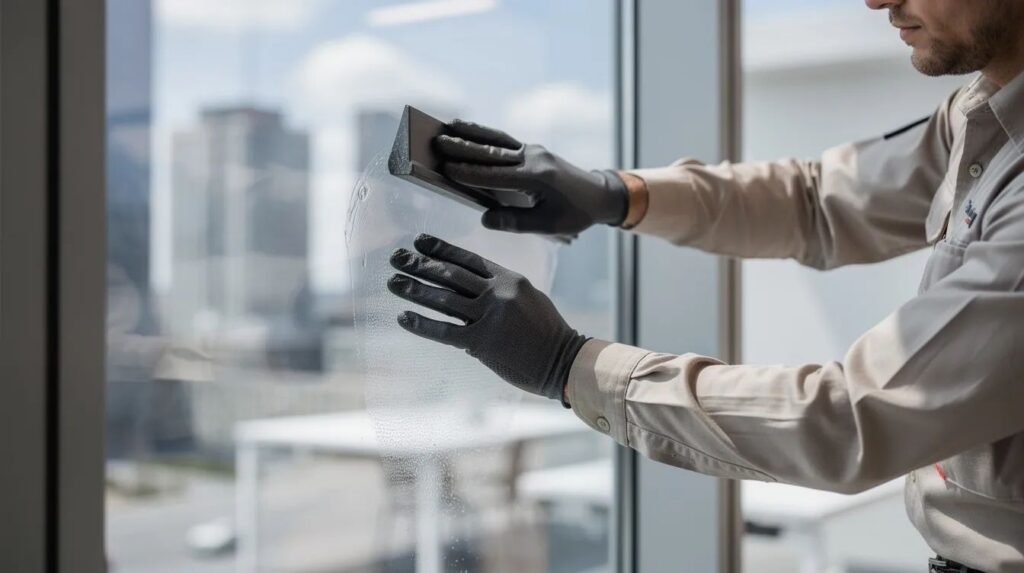
- Precise measuring and cutting for clean edges around gaskets and frames
- Dust-free environment that prevents trapped debris under the film
- Reduced risk of bubbles and creases- installation of one-way window films can result in bubbles if not done carefully
- Product warranty support that often requires professional application
- Expert advice on which windows should receive one-way mirror film vs. other privacy options like frosted or decorative film
Professionals can also evaluate your glass type and building orientation to recommend the right combination of privacy film, solar control, and security film. Most single-family homes can be completed in a day or two with minimal disruption.
Common Mistakes Homeowners Make with One Way Windows
Many complaints about one-way glass or mirror film come from misuse, poor product choice, or misunderstanding of limitations.
Typical errors and how to avoid them:
- Expecting full nighttime privacy: One-way film and one-way glass do not offer privacy after dark when interior lights are on. Add curtains, blinds, or a layered static cling privacy film for nighttime.
- Choosing the wrong reflectivity for the room’s orientation: A high-reflectivity film on a north-facing window with limited direct sun may make the space too dark. Match reflectivity to the window’s light exposure.
- Ignoring HOA rules: Some homeowner associations restrict the mirror glass appearance on exterior façades. Check before you install.
- Picking the cheapest film online without checking specs: A low-price best seller with no published VLT, heat rejection, or warranty data is a gamble. Invest in professional-grade film with transparent performance specs.
- Skipping surface prep: Applying film without deep cleaning the glass and frames leads to trapped dust, peeling corners, and visible lines. Clean thoroughly, then clean again.
- Installing on incompatible glass: Certain films applied to large tinted panes, wired glass, or some low-E coated units can cause thermal stress or void the window manufacturer’s warranty. Consult a professional for high-exposure or unusual glazing.
The simplest way to avoid costly rework: test on one window first, check the appearance from both sides at different times of day, and confirm glass compatibility before committing to a full-house install.
FAQs About One Way Windows for Home
Does one way mirror film work at nightOne-way
One-way mirror film does not provide reliable nighttime privacy when interior lights are brighter than outside. At night, with indoor lights on, people outside can usually see in, even if they notice some mirror effect or glare on the glass surface. A one-way window essentially behaves like a normal transparent window from the outside.
In very bright exterior environments-near strong security lighting or well-lit commercial areas-some partial privacy may remain, but it should not be relied on for bedrooms or bathrooms. For dependable night privacy, pair your mirror film with curtains, blinds, or an additional frosted privacy film layer.
Will one-way mirror film make my rooms too dark?
The impact on interior brightness depends on the film’s visible light transmission. A film with 15% VLT on a south-facing living room will noticeably dim the space, while a 35–40% VLT film on a north-facing home office lets light through more freely while still providing a useful mirror effect.
If you are concerned about dark interiors, select a moderate reflectivity film and test it on one window first. Live with it for a week across different weather conditions, then expand to more windows if satisfied.
How long does residential one-way mirror film last?
High-quality one-way mirror film on vertical residential glass windows typically lasts around 10–15 years, depending on climate and exposure. Factors that influence longevity include intense sun exposure, coastal salt environments, glass orientation, and window cleaning practices.
Quality films carry manufacturer warranties, and professional installation helps ensure the film reaches its expected service life. Avoid ammonia-based cleaners and abrasive materials when maintaining the film.
Can I install one-way mirror film on any type of glass?
Mirror film can be installed on most standard residential glass windows, including single-pane and double-pane annealed glass. However, certain configurations-very large panes, skylights, some low-E or tinted glass-require extra care due to potential thermal stress from heat absorption.
Check your glass type (tempered vs. annealed, double vs. single-pane) before installation and consult with a professional for high-exposure or unusual glazing. Many film manufacturers publish glass compatibility charts that experienced installers use to avoid problems.
Is one-way mirror glass better than mirror film for home security?
Standalone one-way mirror glass and one-way mirror film primarily address visual privacy, not break-in resistance. Neither solution on its own will stop a determined intruder from breaking through a window.
For security, homeowners should look at dedicated security glazing or security window film, which can sometimes be layered with reflective mirror film for combined benefits. For example, combining a clear security film with a moderate mirror film on a first-floor patio door improves both daytime privacy and forced-entry resistance.
Will one-way mirror film change the look of my home from the outside?
Yes, one-way mirror film creates a visible mirror effect on the exterior during the day, especially on sun-facing elevations. The difference in appearance depends on reflectivity level-options range from a subtle tinted reflection to a strong, almost chrome-like mirror finish.
Review samples from outside your home at different times of day before committing to a full installation. Check HOA rules regarding exterior glass modifications, as some communities have specific restrictions on reflective surfaces.
Why Choose Our Team for One Way Window Solutions
Window Film Depot has been a specialist in high-performance window films and architectural glazing solutions since 1992. Our team has decades of hands-on experience installing one-way mirror film, solar control film, security film, and decorative privacy film on homes, schools, government buildings, and retail storefronts across the country.
We offer access to multiple premium film manufacturers, which means we recommend the right combination of one-way mirror, solar, and security films for each specific property-not just the one line we happen to carry. Our turnkey project management covers on-site assessment, film selection, professional installation, and post-installation support, rt including warranty documentation.
Our installers are trained, insured, and accustomed to working in occupied homes with minimal disruption, careful surface protection, and thorough clean-up. Whether you need a single bathroom window addressed or a full-house privacy upgrade, we solve the problem with the right product and proper technique.
Next Steps: How to Get One Way Windows for Your Home
If you are ready to explore one-way mirror film, one-way glass, or a hybrid solution for your home, here is how the process works:
- Initial conversation: Contact us by phone or online to discuss your goals-daytime privacy, glare reduction, heat control, or combined privacy and security
- On-site measurement: We visit your home, assess each window’s orientation, glass type, and light exposure, then recommend the right film
- Written proposal: You receive a clear quote with product options, performance specs, price, and installation timeline
- Scheduled installation: We complete most residential projects in one to two days with minimal disruption
We work with homeowners, property managers, and small landlords. Whether you want a professional installation or need wholesale film rolls for your own projects, we are here to help.
Contact Window Film Depot today to schedule a consultation. Share your photos or plans, and we will help you find the one-way solution that fits your home, your budget, and your privacy needs.