Table of Contents:
- What Is Office Window Tint & Why It Matters in 2026
- Privacy & Light Control for Modern Offices
- Energy Efficiency, Comfort & Long-Term Energy Savings
- UV Protection & Preserving Interiors
- Reducing Glare for Screen-Based Work
- Design, Branding & Decorative Window Film
- Types of Office Window Film & How to Choose
- Frequently Asked Questions About Office Window Tint
What Is Office Window Tint & Why It Matters in 2026
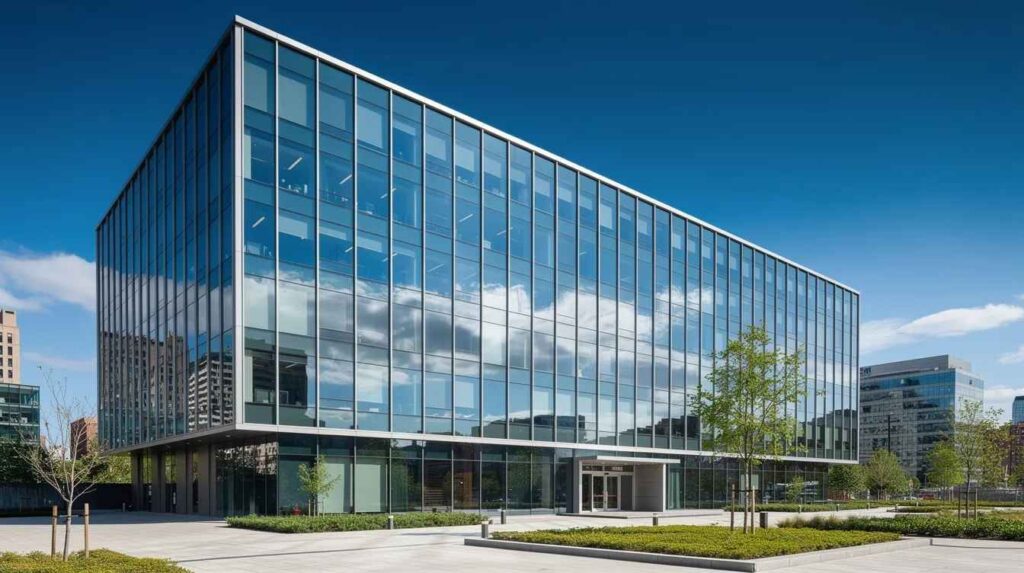
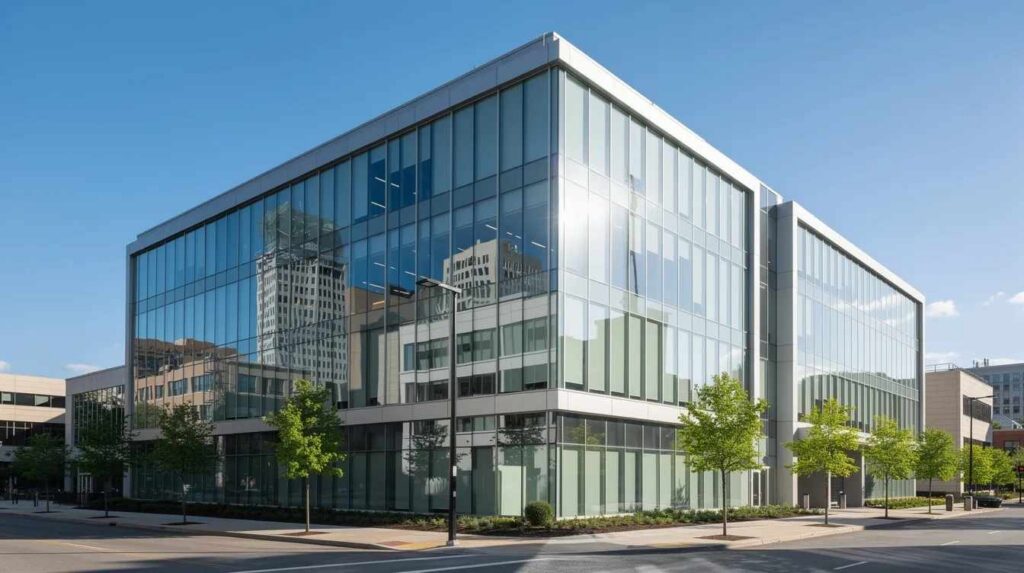
Modern office spaces rely on large windows and natural daylight, but that glass creates real problems: heat buildup, glare on screens, privacy gaps, and security risk. Office window tint is professional-grade film applied to existing glass-not replacement windows-that can improve energy efficiency, enhance office security, provide uv protection, and upgrade design in a single project. With hybrid work models, rising energy costs, and growing employee comfort expectations in 2026, many businesses are making window film a priority.
Privacy & Light Control for Modern Offices
Open-plan layouts, glass conference rooms, and street-facing reception areas need privacy without feeling closed in. Privacy window film enhances office privacy without blocking light, giving workers peace of mind for meetings and confidentiality-sensitive work.
- Frosted films: Specialized frosted films provide privacy for internal glass walls and partitions-ideal for HR offices and consultation rooms needing clarity from the inside while obscuring views.
- Gradient films: Transition from clear to opaque, preserving daylight while limiting sightlines at desk height.
For projects considering reflective options, understanding how one-way mirror films actually work in real-world conditions helps set realistic privacy expectations across day and night.
- One-way reflective films: One-way mirror films obscure interior spaces from the street during daytime by reflecting exterior light. This effect depends on the brightness difference between inside and outside-at night, interior lighting can reverse the effect, so it isn’t consistent 24/7 privacy.
Tinting provides a physical barrier against visual hacking, making it easy to increase privacy in any room without the clutter of blinds. For healthcare clinics or financial advisors, film keeps consultations private while preserving an inviting, daylight-filled workspace.
Energy Efficiency, Comfort & Long-Term Energy Savings
Up to 30% of energy escapes through windows, placing enormous strain on HVAC systems. High-performance films can block up to 79% of solar heat gain, and window film can reject up to 97% of heat-producing infrared light-drastically reducing cooling loads. Large windows facing east or west benefit from high heat rejection films the most, while advanced thermal tints insulate glass panes during cold seasons.
Window films reduce monthly utility expenses by altering solar energy interactions. Tinting reduces strain on HVAC systems by mitigating heat spikes, and window film helps lower reliance on air conditioning. Installing window tint boosts energy efficiency and visual privacy simultaneously, and tinting can improve comfort while lowering operational costs. Energy efficient films typically pay back their cost within three to five years, giving businesses long-term energy savings.
Compared to full glass replacement-which requires significant downtime and construction-commercial window film is installed fast with a fraction of the disruption, making it the affordable, practical choice for most projects.
UV Protection & Preserving Interiors
UV rays can cause gradual damage to office interiors, and harmful UV rays can fade furniture and other items indoors over time. Commercial window film blocks up to 99% of harmful UV rays while still allowing visible light through-even nearly clear films achieve this level of protection, and not all tinted glass automatically delivers this level of UV protection.
Tinting prevents fading of office assets like carpets and furniture, preserving hardwood floors, branded reception pieces, artwork displayed on walls, and technology surfaces. Window film also reduces the risk of skin cancer from UV exposure for employees who sit near windows for hours each day. The thing people often don’t realize: effective uv protection doesn’t require dark glass-it simply requires the right film, especially given how UV rays can still penetrate indoors through standard office windows.
Reducing Glare for Screen-Based Work
When workers spend their day on a computer, window glare becomes a serious productivity drain. Window tint drastically cuts glare, decreasing eye strain, and window film reduces glare without blocking light. Excessive glare can lead to headaches and migraines, especially in open office rows where desks face windows. Products like 3M Sun Control Window Film filter harmful rays to reduce glare on monitors and presentation screens, similar to specialized 3M anti-glare and sun control window films used in commercial projects.
Visible Light Transmission (VLT) measures light passing through window films-lower VLT percentages indicate darker tint and less glare. Businesses can choose the balance that fits their goals: heavier reducing glare for south-facing facades, or lighter film preserving maximum daylight. Window film can reduce glare while maintaining natural light, so employees stay comfortable without needing to rearrange furniture or close blinds.
Design, Branding & Decorative Window Film
Decorative window film can enhance branding and privacy simultaneously, turning plain glass into a design feature, and there are multiple types of decorative film for interior and exterior glass that make this possible. Frosted or decorative films can enhance interior aesthetics across conference rooms, reception areas, and internal partitions.
- Decorative film can feature custom graphics or logos to reinforce brand identity for visitors
- Decorative window film personalizes workspaces cost-effectively and in all sizes
- Decorative film can be applied to various surfaces, not just exterior windows
- Decorative film is removable, allowing for design changes during rebrands or layout shifts
- Decorative film enhances branding and design in offices, creating a professional, cohesive look
A simple example: branded frosted bands on meeting room glass hide clutter from view while giving your brand a place to be displayed-clean, functional, and easy to change when needed.
Strengthening Office Security with Window Film
Street-level glass, doors, and storefronts present office security vulnerabilities. Certain window films strengthen glass against impacts, and window film makes it harder for intruders to break in by holding shattered glass together. Safety films hold glass in place during natural disasters, reducing flying debris risk and protecting people inside, and robust security window films go beyond basic “shatterproof” solutions to deter forced entry.
Tinting also protects physical assets from theft by limiting visibility into the workspace, and additional window protection film systems can further reinforce glass against impact and vandalism. Security film can be combined with solar control or privacy features-so offices don’t sacrifice comfort for safety. The impact on business continuity is real: less downtime, safer evacuation paths, and fewer disruptions.
Types of Office Window Film & How to Choose
The main categories-solar control, privacy, decorative window film, and safety/security-each serve different goals, and comprehensive commercial window tinting solutions often combine several of these film types in a single office project. Assess your priorities: is it heat, glare, confidentiality, or protection? Then consider window orientation, existing glass type, and building regulations. Certain municipalities have restrictions on reflectivity of exterior window films, so professional guidance is needed.
Key specs to request from your installer:
- VLT, SHGC, and UV blocking percentages
- Warranty length and expected life
- Removal process and maintenance requirements
- Compatibility with double-glazed or coated glass
Installation Process, Disruption & Maintenance
Modern installations are fast, clean, and can be scheduled around normal work hours. The typical process-site survey, film selection, glass cleaning, application, and curing-keeps most office spaces fully operational throughout, while film choice should account for the fact that standard tinted glass alone does not provide full UV protection. Quality commercial film lasts 10–20 years when properly installed, and maintenance is simple: wait for curing, then clean with soft cloths and mild soap. Avoid abrasives, and inspect annually for any small signs of wear.
Cost, ROI & Budget Planning for Office Tinting
Pricing depends on film type, square footage, glass access, and project complexity. Window film can reduce utility costs significantly over time, and many businesses treat installation as a capital improvement that adds value to any workspace-whether leased or owned. When evaluating quotes, focus on long-term benefits: energy savings, extended furniture life, reduced glare-related downtime, and enhanced security. Even small projects can deliver measurable ROI within a few years.
Why Choose Our Team for Commercial Window Film
Our team brings years of experience with commercial and office installations, tailoring film recommendations to your climate, building type, and goals, backed by a nationwide, award-winning window film installation team. We provide on-site assessments, detailed proposals with clear performance data, and flexible scheduling that respects occupied office spaces. Request a consultation through our website to get a customized quote and site survey.
Frequently Asked Questions About Office Window Tint
How long does office window film last?
Quality film typically lasts 15–20 years depending on exposure and type. Warranties commonly cover 10–15 years.
Will tint make my office too dark?
No. Modern films maintain brightness-spectrally selective options keep 50–70% VLT while controlling heat and glare, giving your space clarity and comfort.
Can I install film in a leased office?
Most films are removable and interior-applied. Check your lease terms, but film is generally reversible with no permanent change to the glass.
Does window film interfere with Wi-Fi or cellular signals?
Non-metallic films (ceramic, carbon) do not. Metalized films may affect signals-your installer can recommend the right option.
How should I clean filmed windows?
Use soft, non-abrasive cloths with mild soap or vinegar. Avoid ammonia-based products and sharp tools.
Are there building code concerns?
Yes-safety glazing standards and energy codes may apply. Professional installers ensure code-compliant solutions for homes and commercial spaces alike.
Conclusion: Next Steps to Upgrade Your Office Windows
Office window tint delivers privacy, energy efficiency, uv protection, improved aesthetics, and stronger office security-all without major renovation. Commercial window film is an affordable, non-invasive upgrade that protects your people, your furniture, and your bottom line.
Start with your biggest pain point-whether that’s heat, glare, privacy, or security-and request a consultation. An expert can design a solution that balances every priority, creating a more comfortable, efficient, and inviting workplace for employees and visitors alike.