Table of Contents:
- Why Home Window Tint Installers Matter in 2026
- Core Benefits of Professional Home Window Tinting
- Types of Home Window Films and Privacy Solutions
- How to Choose the Right Home Window Tint Installers
- Why Choose Our Team for Your Home Window Films
- FAQs About Home Window Tint Installers
- Conclusion: Next Steps to a Cooler, More Private Home
Why Home Window Tint Installers Matter in 2026
Picture this: it’s mid-July in San Antonio, your thermostat reads 78°F but the west-facing living room feels like 90°F, your laptop screen is washed out from glare, and last month’s electric bill hit a number you’d rather not repeat. The 2024–2026 summers have delivered some of the hottest stretches on record across Texas and the broader Sun Belt, and many homeowners are running out of patience with the cycle of cranking the AC, closing blinds, and still sweating through the afternoon.
That is exactly where professional home window tint installers earn their keep. Unlike a roll of film from the hardware store, a trained installer measures your glass, checks for existing coatings or dual-pane seals, selects the right window film product for each exposure, and applies it with precision tools that prevent bubbling, peeling, and thermal stress. The result is backed by manufacturer and labor warranties that a DIY kit simply cannot match. Home window tinting is a long-term solution for comfort, privacy, and uv protection-one that works year-round without blocking your views the way heavy curtains or shades do.
In this article, you will learn how to evaluate home window tint installers, understand the film options available to you, and know exactly what to expect before, during, and after the installation process. Whether you are a San Antonio homeowner trying to tame the Texas heat or anyone looking to cut energy bills and protect interiors, this guide will help you make a confident decision.
Core Benefits of Professional Home Window Tinting
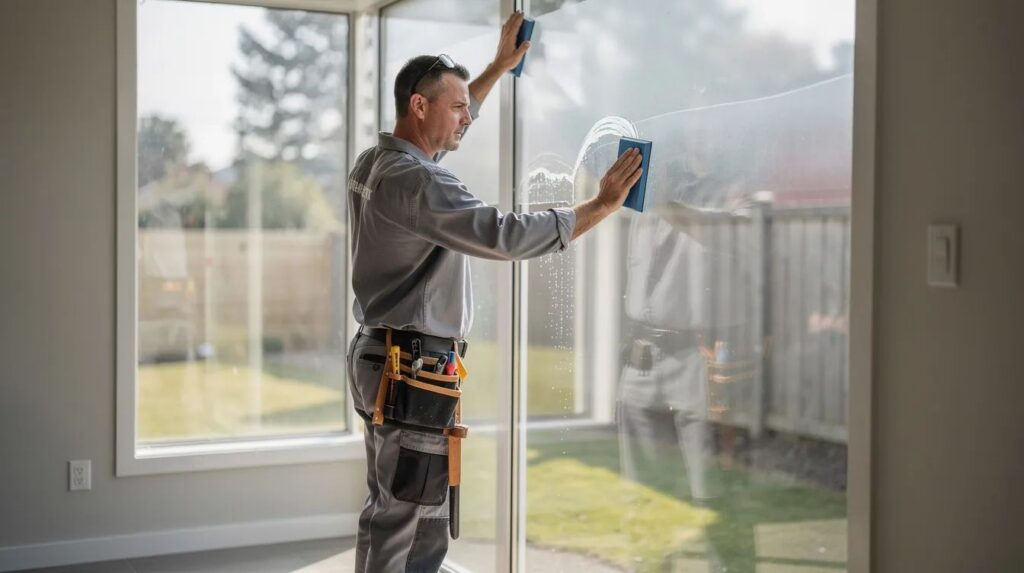
Modern home window film has come a long way from the dark, mirror-like tint people associate with vehicle windows. Today’s residential window film options are engineered to improve comfort and reduce costs while keeping home windows looking clean and natural-no “limo tint” required.
Heat rejection and lower cooling costs. This is the headline benefit for anyone living through a Texas summer. Professional window tinting reduces cooling costs and blocks uv rays at the same time. Window tinting can reduce heat by up to 88%, and 3M solar control films block up to 79% of solar heat entering through glass. That directly reduces AC runtime, especially on south- and west-facing windows where afternoon sun hits hardest. Home window tinting can reduce energy bills significantly, and many homeowners notice savings from the very first summer after installation. Professional installation ensures optimal window film performance because every edge is sealed and every pane is matched to the right film.
Glare reduction for daily comfort. If you work from home, watch TV, or game in a sun-drenched room, glare is more than an annoyance-it is a productivity killer. Window film can cut glare by up to 84%, which means you can work or relax without constantly adjusting blinds or repositioning screens. A quality film cuts glare while still allowing plenty of natural light into the room, preserving the open feel of your living space.
UV protection for skin and interiors. Home window tinting blocks up to 99% of harmful uv rays, the same uv radiation that causes skin damage and fades leather furniture, hardwood floors, artwork, and upholstery. Window films can protect furniture from fading due to sunlight-a benefit that is scientifically proven and easy to observe within a single season. This level of uv protection also reduces uv damage to skin for anyone sitting near windows for extended periods.
Privacy without sacrificing light. Privacy film gives you daytime privacy from street-level views, and frosted or decorative options provide year-round obscurity for bathrooms, home offices, and front doors. Unlike heavy drapes or blinds, film keeps daylight flowing in.
Security and safety. Certain security window films hold glass together on impact, making forced entry harder-safety films can delay break ins by up to two minutes, buying critical response time. The added shatter resistance also reduces flying glass hazards during storms or accidents, an important consideration for many homeowners in storm-prone regions. Professionally installed films are designed for residential glass types, so an experienced installer will account for seal integrity and thermal breakage risks before applying anything.
Types of Home Window Films and Privacy Solutions
Reputable home window tint installers will walk you through several film categories during a consultation. Understanding the differences helps you pick the right window film for each room and each problem you are trying to solve.
Solar Control Films
Solar control films are the most popular category for heat and glare reduction. They work by reflecting or absorbing portions of the solar spectrum-primarily infrared light and uv rays-before they pass through the glass. Solar control films block up to 79% of solar heat, and even lighter shades with higher visible light transmission still deliver meaningful performance. Film choice should consider climate and window directions for optimal performance: a south-facing kitchen may need a different shade than a north-facing bedroom.
Privacy Films
A privacy film gives you one-way visibility during the day, meaning you can see out while passersby see a reflective or darkened surface. This works well for street-facing bedrooms, bathrooms, and entry sidelights. Keep in mind that daytime privacy reverses at night when interior lighting is brighter than the exterior, so managing lamps and overhead lights matters after sunset. For rooms where you need around-the-clock obscurity, frosted or decorative options are a better fit.
Frosted and Decorative Films
Frosted films provide privacy while allowing natural light to pass through in a soft, diffused way. They are commonly used on shower glass, home office partitions, internal doors, and sidelights beside front doors. Many installers also offer custom designs in frosted patterns for homeowners who want an aesthetic upgrade alongside function.
Ceramic and Nano-Ceramic Films
Ceramic window film is a premium tier that uses non-metallic ceramic particles to reject infrared heat without adding heavy reflectivity or darkening views. Ceramic films reduce heat without darkening windows, making them ideal for homeowners who want performance and clarity in one package. Nano-ceramic films push this further with finer particles that achieve 80–90% infrared heat rejection while maintaining comfortable light levels. Because they contain no metal, they do not interfere with Wi-Fi, cell signals, or GPS-a common complaint with older metalized film. The cost premium is roughly 15–30% above standard ceramic, but many homeowners consider the clarity and signal transparency well worth it.
Metalized Films
Metalized films reflect heat and glare effectively by embedding thin metallic layers into the film structure. They tend to have a noticeable reflective exterior and are durable, but they can interfere with electronic signals. For homes in extreme-heat climates where signal interference is not a concern, metalized film remains a cost-effective performer.
Security and Safety Films
Quality window film options include ceramic and safety films, and safety films stand apart because of their thickness-often several mils thicker than standard solar films. They are engineered to hold shattered glass in place, functioning as a home security film layer. These are frequently paired with solar control properties, so you get heat rejection and safety in one product. Residential-specific films include heat-blocking and uv protection tints alongside these security features.
A good installer will bring physical samples to your home so you can see how each film looks against your actual windows in real daylight conditions-not just on a showroom display.
How to Choose the Right Home Window Tint Installers
Film quality and installer skill matter equally. The best window film product on the market will underperform if it is cut poorly, applied over dirty glass, or installed on a pane that cannot handle the thermal load. Selecting the correct home window tint installer affects film longevity, appearance, and warranty validity. Here is what to look for.
Licensing, Insurance, and Experience
Start with the basics. Verify that window tint installers operate legally in your area by confirming any required state or local licensing. Liability insurance protects your property against installation damages, and workers’ compensation covers installers injured at a residence-both should be confirmed before work begins. Ask how many years the company has been in business and whether they focus on residential work. Choose installers specializing in flat-glass tinting for homes, since the techniques, adhesives, and risk factors differ from automotive or commercial applications.
Manufacturer Certifications and Film Brands
Installers must be certified by premium film manufacturers for quality assurance. A certification from a brand like 3M, LLumar, or V-KOOL means the installer has been trained on that manufacturer’s specific products and application methods. 3M-certified specialists install residential window films according to strict guidelines, which is why 3M manufacturer warranty lasts up to 15 years on certain product lines. Authorized dealers of reputable brands offer reliable film choices, and asking about manufacturers used helps ensure warranty reliability and quality.
The In-Home Consultation
On-site estimates require physical measurements before quoting-never accept a quote given entirely over the phone. A proper consultation should include:
- Measuring each glass pane
- Checking for existing coatings (Low-E, reflective layers) and dual-pane seal integrity
- Installers should conduct thermal stress checks based on glass type to avoid cracking
- Discussing your goals: privacy, heat, glare, security, or a combination
- Showing film samples on your actual windows so you can see the difference in light and appearance
Written Quotes and Warranty Terms
Detailed written quotes must itemize pricing for transparency. The quote should specify film type, shade or visible light transmission level, total square footage, prep and cleanup steps, and whether removal of existing film is included. Avoid vague “per window” pricing that does not account for size differences.
On the warranty side, lifetime warranties on residential films protect against common defects like peeling, discoloration, and adhesive failure. Manufacturer warranties should cover film defects like bubbling, and installation warranties should cover labor for a minimum of three years. High-quality installers may offer backup warranties for glass breakage caused by thermal stress. Ask who handles claims-the manufacturer, the installer, or both. Look for National Fenestration Rating Council ratings on products to ensure reliable energy performance metrics when evaluating film options.
Reviews, References, and Portfolios
Online reviews provide insight into installation quality and service, especially when reviewers mention long-term results, cleanliness, punctuality, and follow-through on warranty issues. Online reviews can help assess the reputation of an installer quickly. Beyond reviews, checking references and portfolios can indicate the quality of installer work over time. Request a portfolio of completed residential projects from installers-before-and-after photos of homes similar to yours will tell you more than any sales pitch.
The Home Window Tint Installation Process: What to Expect
Most homes can be tinted in a single day, which surprises many homeowners who expect a multi-day disruption. When handled by experienced installers, the entire process is efficient and contained.
Before the Appointment
Clear window sills of plants, picture frames, and small décor. Move furniture a few feet back from each window if possible. The installer will typically lay drop cloths to protect flooring and nearby surfaces. Confirm your final film choices-shade, brand, and performance specs-so there are no last-minute changes once cutting begins.
Cleaning and Prep
This phase is critical and often takes longer than the actual application. Each pane must be meticulously cleaned: old adhesive residue, paint overspray, dust, and oils are scraped and wiped away. For insulated glass units, the installer will check seal integrity before proceeding. Ambient dust and humidity can trap particles under the film, so experienced installers control the environment carefully.
Film Application
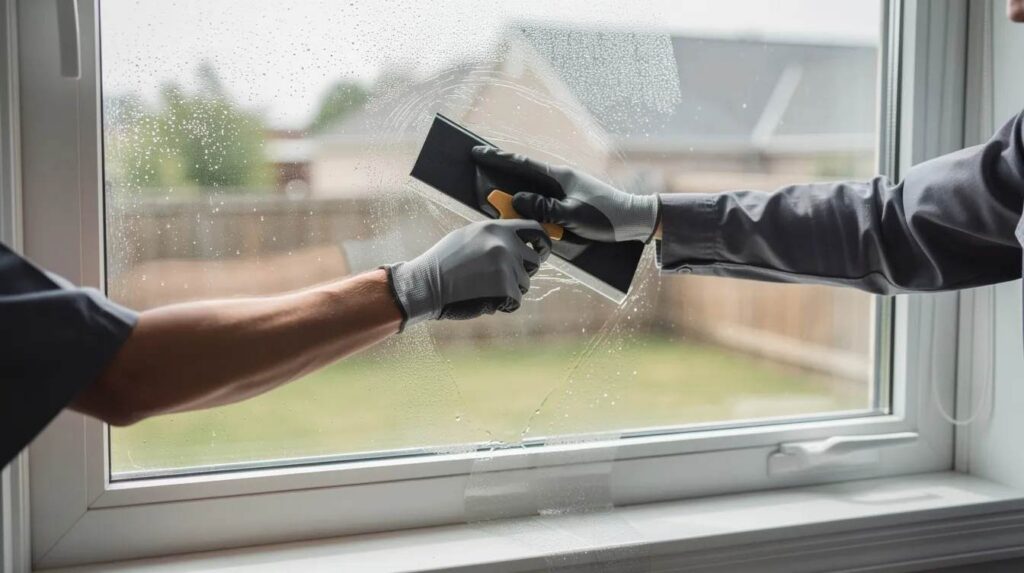
Film is cut slightly larger than the glass surface. A slip solution-water mixed with a special surfactant-is sprayed onto the glass so the film can be positioned precisely. Using professional squeegees, the installer works from the center outward to remove water and air pockets. The film is then trimmed to the gasket or frame line with a precision blade. For security films, edge sealing follows the manufacturer’s specifications for maximum hold-in performance.
Most homes are completed in a single day, with installers working room by room to keep disruption localized and communicate estimated timeframes for each space.
Aftercare and Curing
After application, expect a curing period of several days to a few weeks depending on weather and film type. During this time, slight haze or small water pockets under the film are completely normal and will dissipate as the adhesive bonds fully. Avoid cleaning the newly filmed windows for at least 30 days, and when you do clean them, use a soft cloth with mild soap-no ammonia-based products or abrasive pads.
A professional team will walk you through a final inspection of every window, point out any minor imperfections, hand over warranty documentation for both the manufacturer and installer, and provide written cleaning instructions before they leave.
Costs, Energy Savings, and Long-Term ROI
Pricing for residential window tinting varies by film type, glass complexity, and total square footage, but investing in quality films pays measurable dividends over time.
What Professional Installation Typically Costs
As a rough benchmark for 2025–2026, expect professional installation to range from about $7 to $24 per square foot. Standard solar control films land on the lower end, while premium ceramic, nano-ceramic, or security films push toward the upper range. The material alone for a DIY approach might cost $1–$5 per square foot, but that price does not include the precision, tools, warranties, or glass-compatibility knowledge that come with expert installation.
For an average home with 20–40 windows, total project costs often fall between roughly $300 and $950 depending on film performance level and total glass area. Large glass walls, sliding doors, or specialty panes can increase the per-project figure.
How Energy Savings Add Up
Window film can lower energy bills from the first summer after installation. Less heat gain through home windows reduces HVAC load, and research by Lawrence Berkeley National Laboratory found that Low-E retrofit films reduced HVAC energy consumption in perimeter zones by approximately 29% compared to untreated single-pane glass. In hot climates, payback periods for quality film installations typically fall in the 2–6 year range. Rooms with the worst sun exposure-west-facing living rooms, sunrooms, large south-facing kitchens-see the fastest return because those are the spaces driving your AC hardest. The energy savings compound year after year, and the energy efficiency improvement often outlasts the payback period by a decade or more.
Non-Monetary Returns
Beyond utility bills, you get reduced fading of flooring and furniture, better daytime privacy without closing off your views, and meaningful glare reduction for home offices and media rooms. San Antonio homeowners who spend much of the year managing the sun’s harmful rays appreciate that tinted windows let them stay cooler and more comfortable without living behind blackout curtains or heavy shades. For families concerned about safety, security films add a layer of protection that complements locks and alarm systems.
Some utilities and local programs offer rebates for qualifying home window film installations, particularly those with high total solar energy rejection or Low-E properties. It is worth asking your installer about any current incentives or checking your utility provider’s website.
When comparing long-term ROI, home window tinting preserves views and natural light-something that replacing glass entirely or installing heavy drapes and blinds cannot match at the same price point.
Why Choose Our Team for Your Home Window Films
We have spent years focused exclusively on residential window tinting in Texas, and that specialization shows in every project we complete. Our installers treat your home the way they treat their own-covering surfaces, working cleanly, and leaving each room better than they found it.
We carry a curated selection of high-performance solar, privacy, frosted films, and security films chosen specifically for the demands of the Texas heat and the glass types common in San Antonio, TX homes. Every consultation happens in your home, where we demonstrate film samples on your actual windows so you can see real-world light levels, privacy, and appearance before making a decision.
Our quotes are transparent and line-item specific: you will see the film type, square footage, warranty terms, and any prep work spelled out clearly-no surprise add-ons. Our installers are certified by leading film manufacturers and trained on the latest 2026 film technologies for improved heat rejection and optical clarity.
If you are ready to make your home more comfortable and energy efficient, we invite you to schedule a free in-home assessment. You can reach us by phone or through the contact form on our website to request a custom quote tailored to your home, your windows, and your goals.
FAQs About Home Window Tint Installers
These are the questions we hear most often from homeowners during consultations. If yours is not listed here, reach out and we will be happy to answer it directly.
Will window tint make my home too dark?
Not if the right home window film is selected. Modern films come in a wide range of visible light transmission levels-from nearly clear options that block infrared heat while letting in most daylight, to darker shades for rooms where you want more privacy or dramatic glare reduction. During a consultation, your installer should show you samples on your existing glass so you can see exactly how much natural light each option preserves. Most homeowners are surprised at how light and clear a high-performance ceramic or nano-ceramic film can look while still delivering serious heat and glare reduction.
Can window film really lower my energy bills?
Yes. Solar films reduce solar heat gain through your windows, which means your air conditioning system runs less. Window tinting can lower energy bills from the first summer, and homes in hot climates like San Antonio often see the biggest impact. Results vary by home size, glass type, sun exposure, and insulation, but studies have documented HVAC savings of up to 29% in perimeter zones with retrofit films. Even on dual-pane windows, the right film will reduce the thermal load enough to show up on your monthly statement.
Will security film stop a break-in?
Security film does not make glass unbreakable, but it holds shattered glass in place and significantly slows an intruder’s ability to create an opening. Safety films delay forced entry by up to 2 minutes, which is often enough time for an alarm to trigger a response. These films are most effective when combined with upgraded locks, alarm systems, and good exterior lighting. Think of security film as one layer in a broader approach to home safety rather than a standalone solution.
Is the film permanent, and can it be removed later?
Window film can be professionally removed without damaging glass. If your tastes change, you upgrade to a newer film technology, or you sell the home and the new owner has different preferences, a trained installer can strip the old film and prep the glass for a fresh application. Removal is not typically a DIY-friendly task because improper scraping can scratch the glass surface.
How long does professional home tinting last?
Quality films typically last 10 to 20+ years depending on film type, sun exposure, and maintenance. Premium ceramic and nano-ceramic films tend to sit at the longer end of that range. Many manufacturers back their residential window film products with lifetime warranties for the original homeowner, covering defects like bubbling, peeling, and discoloration. The 3M manufacturer warranty lasts up to 15 years on select product lines, and some installer warranties extend coverage further.
Do I need to replace my windows first?
In many cases, no. Many existing windows are perfectly suitable for film application. However, a responsible installer will inspect each pane for failed seals, cracks, or pre-existing coatings that could cause compatibility issues. If a dual-pane unit already has a broken seal and is fogging between the panes, film will not fix that problem and the glass should be addressed first. A thorough inspection during the consultation prevents surprises and protects both you and the installer from warranty headaches down the road.
Conclusion: Next Steps to a Cooler, More Private Home
Professional home window tint installers help you control heat, glare, uv radiation, and privacy without giving up the natural light that makes your home feel open and inviting. The right film on the right glass, applied by a skilled installer, pays for itself through lower energy bills, preserved interiors, and daily comfort you can feel the moment you walk into a treated room.
Start by walking through your home and noting which rooms get the worst afternoon heat, the most distracting glare, or the least privacy from the street. Those are your priority windows and the best starting point for a conversation with an installer.
We would love to help. Contact our team today by phone or through our online form to schedule a free on-site assessment. We will bring samples, measure your glass, and provide a detailed written proposal so you know exactly what to expect-no guesswork, no pressure, just a cooler, more comfortable home waiting on the other side.