If you are responsible for protecting a building, a storefront, or a residence, the front door is the first place an attacker will test. A bulletproof glass front door combines ballistic-rated transparent glazing with reinforced framing to stop gunfire and resist physical break-ins, all while looking like a standard modern entrance. This guide covers everything you need to evaluate, specify, and purchase the right solution.
Table of Contents:
- What is a bulletproof glass front door
- Bullet resistance levels and security standards (UL 752)
- Security benefits: bullet resistance and forced entry protection
- Design options for bulletproof glass front doors
- Where bulletproof doors and bullet-resistant doors are used
- Comparing ballistic doors, security film, and retrofit glazing
- Key buying considerations: cost, lead time, and planning
- Installation, maintenance, and long-term performance
- Why choose our team
- Frequently asked questions
What Is a Bulletproof Glass Front Door?
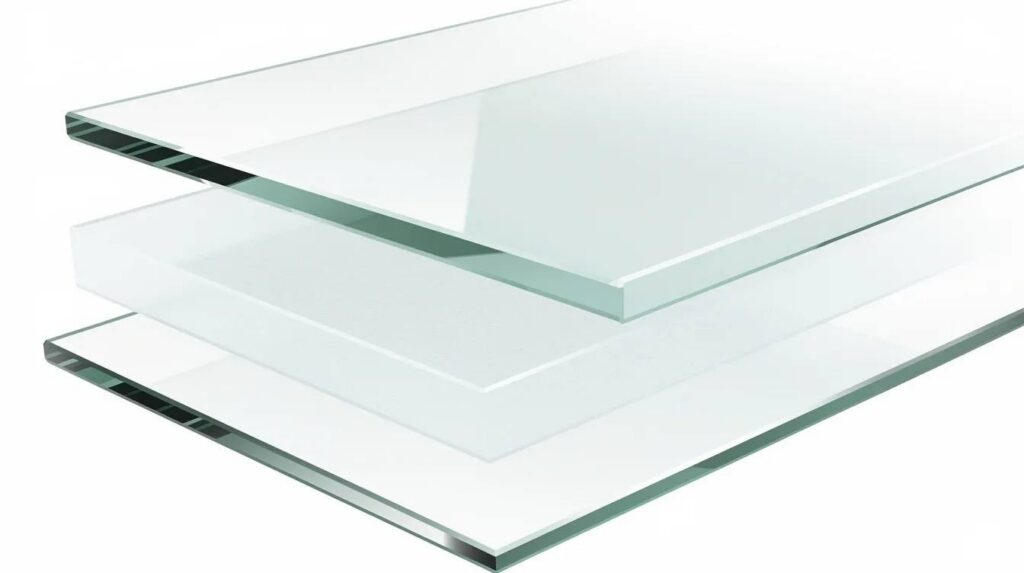
A bulletproof glass front door is an engineered entry system that pairs ballistic-rated transparent glazing with a reinforced frame and high-security hardware. Regular glass does not provide ballistic protection; it shatters on impact and offers zero resistance to gunfire or aggressive forced entry attempts. Bullet-resistant glass is designed as a security system rather than just stronger glass. It is manufactured by fusing multiple layers of glass, acrylic, and polycarbonates into a laminated panel that absorbs and distributes the energy of a projectile across its structure.
The industry prefers the term “bullet resistant” over “bulletproof” because no material stops every possible threat. Bulletproof glass, properly referred to as ballistic glazing, offers a high tier of physical security, but its performance is defined by the specific caliber, velocity, and number of rounds it has been tested to stop. When struck, the outer hard layer of ballistic glass may crack while the inner layers absorb energy, preventing penetration. The glazing also includes mechanisms like anti-spall protection to prevent glass fragments from spraying into the protected interior.
Bullet-resistant glazing is typically much heavier than regular glass. A single panel of Level 3 ballistic glass can weigh two to four times what an equivalent pane of tempered glass weighs, which means the glazing system requires a compatible frame capable of supporting its weight. These glass doors can be fully glazed (full-vision), partial-lite, or paired with sidelights and transoms. Every exposed piece of glazing in the entry system must meet the same ballistic rating; the weakest component determines the overall protection level.
For buildings where full door replacement is not practical, retrofit security glazing (laminated glass overlays or security window film) can upgrade existing doors to resist forced entry and lower-level ballistic threats without a complete teardown.
Bullet Resistance Levels and Security Standards
Standardized ratings exist so that buyers for homes, financial institutions, government buildings, and other government buildings can specify exactly what threat a door must stop. Without a rating, “bulletproof” is just a marketing word.
Ballistic glass is rated according to standards like the UL 752 Standard for Bullet-Resisting Equipment, published by Underwriters Laboratories. UL 752 standards categorize bulletproof doors from Level 1 to Level 8, with each level corresponding to a specific weapon, bullet weight, and number of test shots:
- Level 1 doors withstand three shots from a 9 mm handgun (124-grain FMJ at roughly 1,175 ft/s).
- Level 2 stops three rounds of .357 Magnum.
- Level 3 handles three rounds of .44 Magnum.
- Levels 4 through 6 escalate into single-round rifle threats (.30-06, 7.62 mm NATO).
- Level 7 resists five hits from a 5.56 mm rifle (the round used in AR-15 platforms).
- Level 8 doors resist five hits from a 7.62 mm rifle.
Levels 1 through 3 of ballistic glass typically protect against handguns, while Levels 4 through 8 address rifle threats. Bullet-resistant doors are tested for multiple projectile impacts fired in a defined pattern from approximately 15 feet. A test fails if any projectile penetrates or if dangerous spall reaches the safe side. Bulletproof doors can stop dozens of firearm rounds per UL 752 standards when rated at higher levels.
Bullet-resistant glazing can stop specified firearm threats based on its rating, and bullet-resistant glass must meet safety-glazing requirements under building codes in addition to its ballistic certification. Other standards (NIJ 0108.01, ASTM F1233, European EN 1063) appear in some specifications, but UL 752 remains the benchmark for architectural bullet resistance in the United States. Bulletproof doors meet UL 752 ballistic standards, and a complete ballistic door system often combines bullet resistance with forced entry resistance testing.
Security Benefits: Bullet Resistance and Forced Entry Protection
The front door is the most targeted entry point in commercial and institutional buildings. A bulletproof glass front door acts as the first line of defense, giving occupants time to evacuate or lock down while law enforcement responds. Ballistic glass can effectively stop bullets during a targeted attack, and ballistic glass offers better resistance against forced entry compared to regular glass.
Bulletproof doors resist forced entry and blunt force attacks because the assembly includes reinforced frames anchored into surrounding structure, heavy-duty hinges, and multi-point locking systems that resist kicking, prying, and tool-based physical attacks. Bullet-resistant doors maintain integrity upon impact without shattering, which means even unsuccessful shots do not create an opening for an intruder. Bullet-resistant glass can provide enhanced thermal and acoustic insulation compared to standard glass, an incidental benefit of the multiple layers of material in the glazing stack.
Visible security doors deter criminal activity. Retailers hit by smash-and-grab thefts, pharmacies handling controlled substances, and cash-handling businesses report fewer forced entry attempts after installing ballistic protection at their entrances. Combining ballistic glass doors with access control systems, cameras, and alarms creates a layered security envelope. No single component delivers reliable protection on its own; each layer reinforces the others.
Design Options for Bulletproof Glass Front Doors
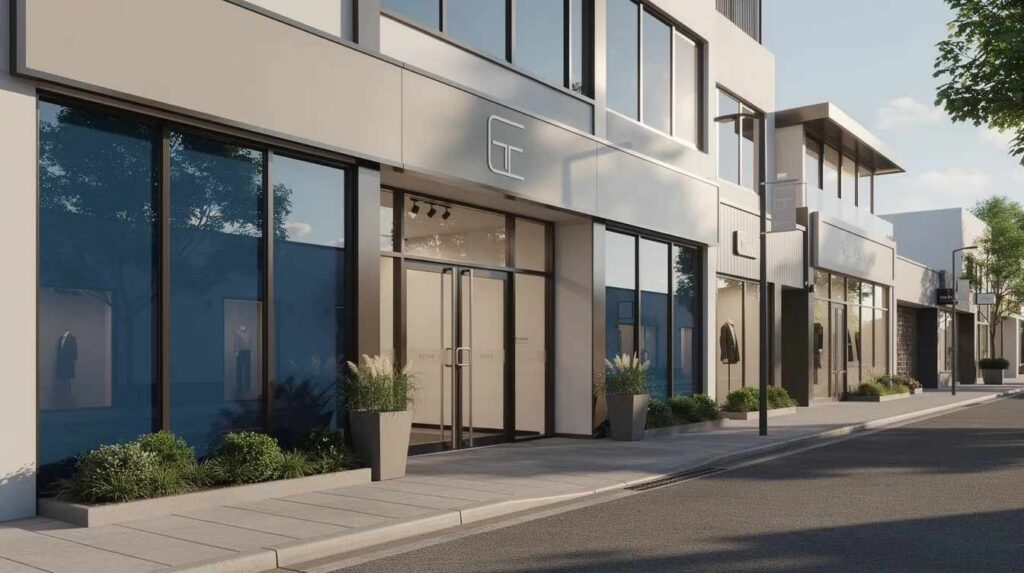
Modern bulletproof doors no longer resemble bank vaults. Custom bulletproof doors can feature elegant European components and luxurious woods such as oak, walnut, or cherry, paired with ballistic glass that looks like ordinary architectural glazing. Modern ballistic glazing can be customized for optical clarity and appearance, so occupants and visitors see clean sightlines rather than thick, distorted panels.
Glass configurations include full-vision glass doors, half-lite designs, and narrow lites. Sidelights and transoms can be added and glazed to the same level of bullet resistance as the door leaf. Frame materials range from aluminum storefront profiles for retail to hollow metal steel for high-risk entries and wood-clad or composite options for a home’s exterior. Bulletproof doors can be factory-painted in hundreds of RAL colors, anodized, or powder-coated to match any design palette. Custom designs include options for size, color, and decorative details.
Bulletproof doors can be customized with various locking hardware options: lever sets, panic exit devices, electronic strikes, keypads, biometric readers, and intercoms for controlled entry. Armored doors feature reinforced hinges and multi-point locking mechanisms on the hinge side and lock side to distribute load and resist prying. Bulletproof doors can incorporate bulletproof glass features for added protection across the full assembly, and a single door leaf can weigh over 400 lbs, so floor structure and frame anchorage must be verified during planning.
Where Bulletproof Glass Front Doors Are Used
Targeted robberies, workplace violence, and active-shooter threats have pushed demand for bullet-resistant doors across multiple sectors. The risk profile of a building, not its size, determines whether a ballistic door is the ideal solution.
Common commercial applications include financial institutions, check-cashing outlets, convenience stores, cannabis dispensaries, and jewelry stores. Government buildings with public lobbies, courthouses, and police stations also install ballistic doors to protect interior areas and control access. One police station in Charlotte paired ballistic-rated storefront doors with solar-ban glass and achieved LEED Gold certification, demonstrating that enhanced security and sustainability goals are compatible.
Institutional uses are growing fast. Schools and universities are upgrading entry vestibules with Level 7 ballistic glass to address extreme security threats from rifle fire. A community college in 2023 replaced corridor glass doors with Level 7 rated assemblies, requiring additional wall bracing to handle the weight.
Residential use cases include high-net-worth homes and urban townhouses where owners want defense against break ins and ballistic attacks without advertising the protection. Wood-clad skins and designer hardware make the exterior indistinguishable from a standard luxury front door. Bullet resistant doors are often part of broader security solutions, including storefront systems, glazing retrofits, and entry hardening projects.
Comparing Bulletproof Doors, Bullet Resistant Film, and Other Glazing Upgrades
Not every project needs a fully engineered ballistic door. Security glazing upgrades and window film retrofits can deliver meaningful protection at a fraction of the cost when the threat level and budget call for a different approach.
Purpose-built bulletproof doors are independently tested assemblies (door leaf, frame, and hardware together) rated to a specific UL 752 level. Retrofitting existing doors with laminated glass overlays or thick security film improves forced entry resistance and can address lower-level handgun threats, but films alone generally do not meet UL 752 ratings for rifle rounds or multi-shot scenarios. The key difference: a full ballistic door is engineered as a complete system at exact specifications, while a retrofit improves the weakest component of an existing opening.
Full custom bulletproof doors are best for high-risk cash operations, critical infrastructure, and sensitive government agencies. Forced-entry-resistant film retrofits work well for retail chains, schools, and offices needing scalable protection across many locations. One national retailer retrofitted over 300 stores with laminated security glazing based on location-specific threat assessments, completing installs in as little as two days per site.
Limitations of retrofits: when higher-level UL 752 protection or combined blast and ballistic performance is required, new ballistic door and frame systems built from reinforced materials and ballistic steel cores are necessary.
Key Buying Considerations: Cost, Lead Time, and Project Planning
Planning for a bulletproof glass front door involves budget, schedule, and realistic expectations about what each protection level delivers.
Bulletproof doors cost between $11,000 and $30,000 for residential and custom commercial assemblies. Factors influencing bulletproof door pricing include security level and design; a Level 1 single door with minimal glass costs less than a Level 7 entry with sidelights and automated locking. Custom bulletproof doors can be priced as high as $17,027.85 for mid-range configurations. Bulletproof door prices vary based on materials and features such as frame type, glazing area, finish, and access control options. Standardized security glazing or film retrofits for existing doors typically fall in the $3,000 to $6,000 range per opening, installed.
Lead times in 2026 run two to four weeks for standard security glazing and film retrofits, and six to ten weeks for custom ballistic doors at higher UL levels. Supply chain variables, custom finishes, and specialized hardware can extend timelines further.
Early coordination with architects, facility managers, and security consultants is essential. Door sizes, egress codes, fire ratings, and ADA requirements must be addressed before manufacturing begins. Obtain documentation including UL listing labels, third-party test reports, and written warranties to verify bullet resistance and long-term performance.
Installation, Maintenance, and Long-Term Performance
Even the best ballistic door underperforms if installed incorrectly or neglected after installation.
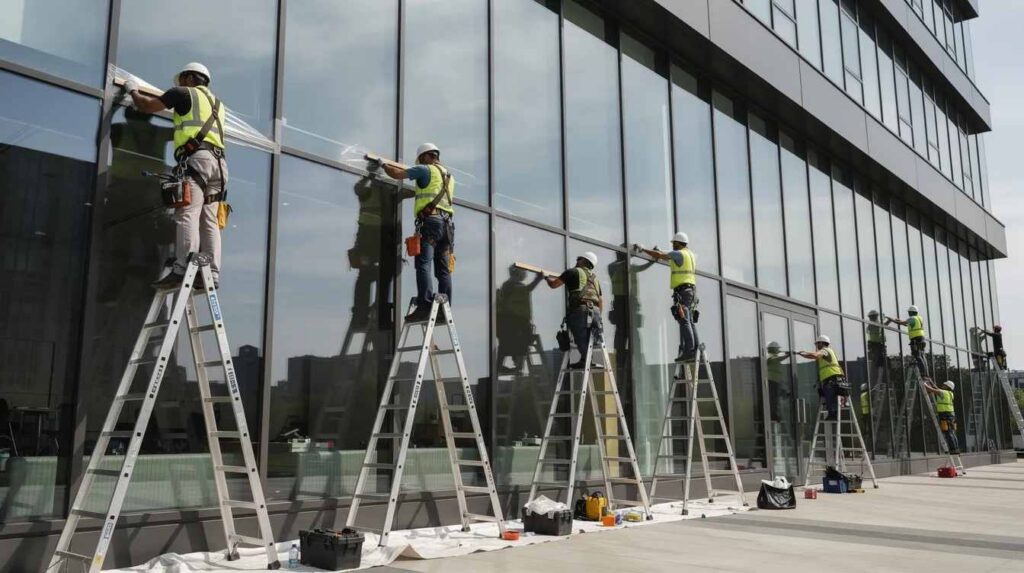
Professional installation includes field measurement, verification of the proper rough opening (which must be identified before production starts), anchoring frames into surrounding wall structure, aligning hardware, and applying sealants or gaskets around ballistic glass. Bulletproof doors are pre-assembled in the factory for easy installation, and the process is similar to that of a standard door, but the weight (often over 400 lbs) requires additional labor and sometimes structural reinforcement at the floor and wall. Installation requires a local contractor skilled in standard door installation, ideally one with experience handling heavy security doors.
Maintenance tasks include:
- Monthly inspection of hinges, closers, and lock hardware for gaps or misalignment
- Cleaning ballistic glass with non-abrasive, neutral-pH products
- Testing electronic strikes, keypads, and access control systems quarterly
- Checking gaskets and sealants for UV degradation or weather damage annually
Environmental factors (UV exposure, temperature swings, heavy daily use in storefronts) can wear gaskets, coatings, and moving parts. Security window films and architectural surface finishes can be reapplied over time to refresh appearance or deliver a high level of protection as manufacturing technology advances.
Why Choose Our Team for Bulletproof and Bullet Resistant Door Projects
Window Film Depot has designed and installed security glazing solutions across the United States since 1992. Our team manages turnkey projects from site assessment through final inspection, whether the scope is a single high security door or a multi-location rollout covering hundreds of storefronts.
We integrate ballistic glass doors with security window film, solar control film, privacy film, and decorative finishes so that every opening achieves both protection and the aesthetic your building requires. Our project managers support architects, contractors, and facility managers with product selection, specification writing, and on-site surveys for both new construction and retrofits of existing doors.
Every project is backed by certified installers, manufacturer-backed warranties, and a consultative approach that right-sizes bullet resistance and forced entry protection to your actual risk, not to a one-size-fits-all template.
Frequently Asked Questions About Bulletproof Glass Front Doors
Below are answers to the questions we hear most from homeowners, retailers, and institutional buyers evaluating a bulletproof glass front door.
How much does a bulletproof glass front door cost in 2026?
Bulletproof doors cost between $11,000 and $30,000 for most residential and custom commercial configurations. A mid-range custom bulletproof door with standard ballistic glass and a painted finish can run around $17,027.85. Bulletproof door prices vary based on materials and features: UL 752 level, glass size and thickness, frame material, hardware complexity (manual versus automated locking), and whether the project is a one-off or part of a larger rollout all affect final pricing. Retrofit security glazing for existing doors typically costs less, starting around $3,000 per opening.
Will a bulletproof front door look like a vault door?
No. Most modern security doors use full-vision glass panels, slim aluminum profiles, or wood-clad skins with concealed ballistic cores. The entrance can match neighboring storefronts or neighborhood architecture. Bulletproof doors can be factory-painted in hundreds of RAL colors, and custom bulletproof doors can feature elegant European components and luxurious woods like walnut or cherry.
Can I retrofit my existing glass door, or do I need a new ballistic door?
Retrofitting makes sense when you need to upgrade existing doors with laminated security glazing or high-strength window film for forced entry protection and limited ballistic resistance at various levels. A new ballistic door is recommended when higher-level UL 752 ratings (Level 4 and above), blast resistance, or combined bullet and forced entry requirements exceed what the existing frame can safely support.
What’s the difference between bullet resistant and bulletproof doors?
“Bulletproof door” is a popular phrase but technically inaccurate. Bullet resistant doors are tested to stop specific calibers and a defined number of rounds at a set distance, not every possible threat. Always ask for documentation of test standards such as UL 752 and match the rating level to your realistic risk environment. Different types of threats require different levels of protection.
How long does installation usually take, and will my entrance be out of service?
A single pre-hung bulletproof door can often be installed in one working day. More complex glass door systems with sidelights, transoms, and integrated access control options may take several days including finish work. Many commercial projects are scheduled during off-hours or weekends to minimize downtime, and temporary barriers or alternate entrances can be arranged.
Do bullet resistant glass doors also help with energy efficiency and privacy?
Ballistic glass and security film layers can be combined with solar control films to reduce heat gain, glare, and UV exposure, improving comfort and lowering energy costs. Tinted or frosted privacy films can be applied to parts of the glass door or sidelights to block views into sensitive areas without affecting the door’s bullet resistance rating. The multiple layers in the glazing stack also deliver better thermal and acoustic insulation than standard windows.
Next Steps: Plan Your Bulletproof Glass Front Door Project
A bulletproof glass front door delivers both modern aesthetics and tested protection against ballistic threats and forced entry attempts. Before reaching out, gather your building type, location, existing door dimensions, security concerns, and any design preferences or code constraints. This information helps our team deliver accurate recommendations and pricing.
Whether you are a facility manager securing a government lobby, an architect specifying a secure vestibule for a school, or a homeowner seeking discreet ballistic protection for your front door, Window Film Depot can help. Contact us by phone or through our online form to request a consultation, site assessment, and detailed proposal covering full ballistic doors, retrofit glass doors, and security window film packages.