Table of Contents:
- The Common Assumption Versus the Unseen Threat to Commercial Assets Commercial Assets
- Unpacking the Specifications: What Double Glazed Windows Truly Block (and Doesn’t) Regarding UV Protection
- Beyond Aesthetics: The Tangible Costs of Inadequate UV Protection in Commercial Environments
- Beyond Aesthetics: The Tangible Costs of Inadequate UV Protection in Commercial Environments
- Precision Engineering for Asset Preservation: How 3M Window Films Deliver Unrivaled UV Rejection
- A Clear Advantage: Performance Comparison of Untreated vs. 3M Film-Enhanced Glazing
- Strategic Integration: Specifying Advanced UV Protection for Your Commercial Projects
- Conclusion: Safeguarding Your Client’s Investment with a Comprehensive UV Strategy
- Frequently Asked Questions
- Related Posts from Window Film Depot
The Common Assumption Versus the Unseen Threat to Commercial Assets
A prevalent assumption in modern construction and renovation is that specifying glass glazing windows inherently provides sufficient UV protection for interior spaces. While intuitively appealing, this assumption overlooks a critical vulnerability that can lead to significant, irreversible damage to commercial assets. Project managers must focus on delivering client satisfaction. They also work to preserve the value of installed elements. Direct solar exposure through unprotected glass silently degrades valuable merchandise. It damages office furnishings, flooring, artwork, and equipment. This gradual deterioration manifests as fading or cracking. Material breakdown becomes an unforeseen cost for the client. This issue eventually becomes a source of deep dissatisfaction, even in spaces using one-way mirror glass where UV exposure and light imbalance still impact interior assets over time.
Why Comprehensive UV Protection is a Critical Specification for Modern Commercial Projects
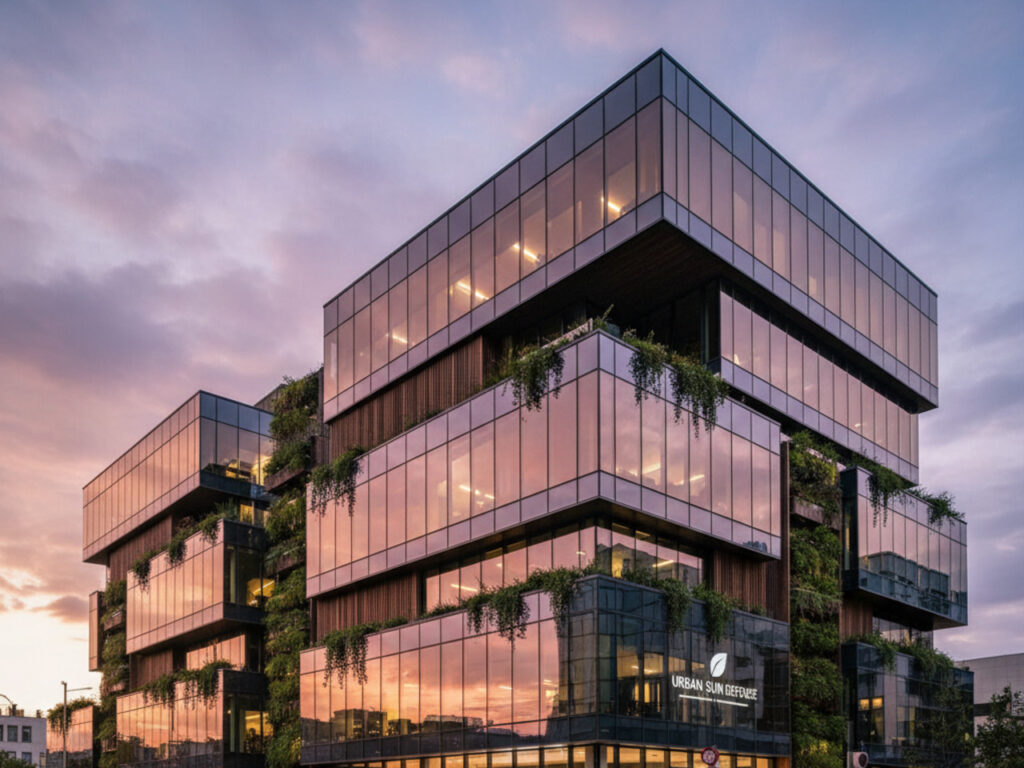
In today’s commercial, retail, and institutional environments, the preservation of interior assets is not merely a ‘nice-to-have’ but a fundamental operational requirement. For retail, fading merchandise translates directly into lost revenue. In offices, degraded furniture reduces asset lifespan and impacts aesthetic appeal. Educational facilities face challenges with faded learning materials and deteriorating equipment. Museums and galleries, in particular, require stringent UV control to protect irreplaceable artifacts. Therefore, comprehensive UV protection must be approached as a critical project specification, just as vital as thermal performance or structural integrity, to safeguard investments and ensure long-term client satisfaction.
Setting the Record Straight: The Primary Purpose and Intended Limitations of Standard Double Glazing
To effectively address this vulnerability, it is essential to clarify the foundational purpose of double glazed windows. Standard double glazing, or Insulated Glass Units (IGUs), are primarily designed to enhance a building’s thermal performance and energy efficiency.
They create an insulating barrier between two panes of glass. This barrier uses air or an inert gas. The design significantly reduces heat transfer. These windows effectively manage thermal gain and loss. However, comprehensive UV blocking is not a primary design function. It is not an inherent characteristic of standard clear glass.
Unpacking the Specifications: What Double Glazed Windows Truly Block (and Doesn’t) Regarding UV Protection
The Primary Role of Double Glazing: Focusing on Thermal Performance and Energy Efficiency
The core engineering behind double glazing centers on optimizing a building’s energy envelope. By utilizing two panes of glass separated by a sealed cavity, these units create a substantial barrier against temperature fluctuations. This design effectively lowers the U-factor to measure heat transfer. It improves comfort levels within a building. The design reduces both heating and cooling loads. Performance metrics for double glazing emphasize U-value. They also focus on solar heat gain and light transmission. These metrics reflect a primary mandate of energy management.
Dissecting UV Rays: Understanding the Distinct Harms of UVA and UVB Transmission
Ultraviolet (UV) radiation is categorized into three main types based on wavelength: UVC, UVB, and UVA. While UVC is largely absorbed by the Earth’s atmosphere, both UVB and UVA rays penetrate the atmosphere and pose threats to human health and material integrity.
- UVB Rays (280-315 nm): These are the primary cause of sunburn and directly contribute to skin cancer. Most standard glass blocks a significant portion, typically 90-95%, of UVB rays.
- UVA Rays (315-400 nm): These rays penetrate deeper into the skin and are largely responsible for aging and long-term skin damage, but critically for commercial interiors, they are the main culprit behind fading, discoloration, and degradation of materials. Standard clear glass is considerably less effective at blocking UVA, allowing a substantial amount to pass through.
The cumulative effect of UVA transmission, even at seemingly low levels, is what leads to the visible sun damage to textiles, dyes, plastics, wood, and other organic materials over time.
The Inherent Insufficiency of Standard Glazing for Complete UV Blocking
Standard clear float glass has a specific chemical composition. Even double-pane configurations do not inherently block the full UV spectrum. This is particularly true for harmful UVA rays. Standard glass prioritizes optical clarity and structural integrity. UV filtration is an incidental rather than a primary design consideration. This inherent limitation leaves valuable assets exposed. Objects behind standard windows suffer from the damaging effects of radiation.
How Much UV Do Double-Glazed Windows Block? Analyzing Typical Transmission Rates
When evaluating the UV performance of standard double glazing, the critical distinction between UVB and UVA blocking becomes apparent. Typical clear glass blocks almost all UVC radiation. It also blocks a high percentage of UVB rays. However, its performance against UVA is significantly lower. Standard double-glazed units use two panes of clear glass. These units allow 25% to 50% of UVA rays to pass. This transmission percentage represents a significant long-term risk. Cumulative exposure leads to irreversible fading. It also causes severe material breakdown over time.
The Partial Protection of Low-E Coatings and Laminated Glass: A Closer Look at Glazing Specifications
It is important to acknowledge that certain specialized glazing options do offer enhanced UV protection beyond standard clear glass. However, these are distinct specifications and not characteristic of general-purpose double glazing.
- Low-Emissivity (Low-E) Coatings: These microscopic metallic layers are primarily designed to reflect infrared (heat) radiation, improving thermal performance. While some Low-E coatings may offer a marginal increase in UV blocking, it is generally an incidental benefit and not their primary function or a guarantee of comprehensive UV protection. Their effectiveness against the full UVA spectrum remains limited.
- Laminated Glass: This type of glass consists of two or more panes bonded together with a polyvinyl butyral (PVB) interlayer. The PVB interlayer is highly effective at absorbing UV radiation, often blocking 99% or more of both UVA and UVB rays. While laminated glass provides excellent UV protection, it is a premium product, often specified for safety, security, or sound attenuation, and its inclusion is a deliberate design choice with associated cost implications, not a default characteristic of “standard” double glazing.
Project managers should recognize that relying on standard double-glazed windows, even those with basic Low-E coatings, for comprehensive UV protection is an oversight. When stringent UV protection is required, specialized solutions like laminated glass are an option, but often at a higher cost and without the full flexibility of aftermarket film solutions.
Beyond Aesthetics: The Tangible Costs of Inadequate UV Protection in Commercial Environments
While the initial appeal of ample natural light in commercial spaces is undeniable, a critical oversight in UV protection can lead to significant, tangible financial and reputational costs. Project managers, like Paul, must consider that sunlight carries potent ultraviolet radiation (UVA and UVB) that causes irreversible damage, moving beyond mere aesthetic concerns to impact the longevity and value of interior assets. This degradation directly affects client investments, potentially leading to unforeseen expenditures and dissatisfaction.
Protecting Your Client’s Investment: The Irreversible Damage of Fading and Material Degradation
The impact of UV radiation on materials is not a gradual, reversible process. It triggers a chemical reaction known as photodegradation, breaking down molecular bonds within fabrics, plastics, wood, and even certain metals. This leads to fading, embrittlement, discoloration, and a significant reduction in material lifespan. For clients, this translates directly into accelerated depreciation of assets and the need for premature replacements, eroding their initial investment.
Need More Info?
The Window Film Depot team is happy to help.
The Impact on Retail Merchandise, Product Displays, and Inventory Value
In retail environments, product presentation is paramount. Display windows, designed to attract customers, can inadvertently expose merchandise to damaging UV rays. This exposure causes:
- Color Fading: Apparel, textiles, and packaging can quickly lose their vibrancy, appearing old or shelf-worn before purchase.
- Material Degradation: Plastics can yellow or become brittle, leather goods can crack, and wooden items can bleach.
- Reduced Perceived Value: Faded or damaged goods convey a sense of lower quality, forcing retailers to mark down prices or even discard unsaleable inventory.
Such losses directly impact a client’s bottom line, diminishing profit margins and inventory value.
Preserving Office Furniture, Interior Finishes, and Essential Digital Displays
Office spaces, whether corporate headquarters or co-working environments, represent substantial investments in furnishings and infrastructure. UV exposure poses a threat to:
- Furniture Longevity: Upholstery fades, wood veneers warp or discolor, and plastic components degrade, necessitating early replacement.
- Interior Finishes: Carpets, wallpaper, paint, and flooring materials can fade unevenly, creating an unprofessional and neglected appearance.
- Digital Displays: While less direct, prolonged UV exposure can contribute to the degradation of screen components, potentially shortening the lifespan of monitors, interactive displays, and digital signage.
These issues not only detract from the professional ambiance but also incur substantial renovation and replacement costs over time.
Specialized Environments: Safeguarding Artifacts in Museums and Collections
For institutions like museums, galleries, and archives, UV protection is not merely a financial consideration but a matter of preserving cultural heritage. Irreplaceable artifacts, documents, and artworks are highly susceptible to photodegradation. Direct or indirect UV exposure can cause:
- Irreversible Fading: Pigments in paintings and dyes in textiles can disappear permanently.
- Material Weakening: Paper becomes brittle, fabrics fray, and organic materials can decompose.
- Chemical Alteration: The very composition of historical objects can change, making conservation efforts more challenging or impossible.
In these specialized environments, the value of robust UV protection transcends monetary terms, becoming a critical aspect of stewardship and legacy.
The Unquantified Costs: Client Dissatisfaction, Leasehold Damage, and Reputational Risk
Beyond direct financial losses, inadequate UV protection carries a range of less quantifiable but equally damaging consequences:
- Client Dissatisfaction: When a client’s assets degrade prematurely, it erodes trust in the project manager and the quality of the building envelope. This can strain business relationships and lead to negative feedback.
- Leasehold Damage: Tenants may hold property owners or managers responsible for damage to their interior assets caused by preventable environmental factors, potentially leading to disputes or non-renewal of leases.
- Reputational Risk: A building known for faded interiors or damaged merchandise can suffer reputational harm, affecting its desirability for future tenants or commercial partners.
These intangible costs can have long-term impacts on a firm’s market standing and future project opportunities.
Addressing Project Manager Paul’s Client Demands: A Proactive Risk Management Approach
For project managers like Paul, meeting specific client demands for asset protection is not merely an optional amenity but a fundamental aspect of proactive risk management. Integrating comprehensive UV protection from the outset safeguards clients against the tangible and intangible costs outlined above. This foresight not only preserves their investments but also reinforces Paul’s reputation as a meticulous and client-focused professional, anticipating potential issues before they become costly problems. It transforms a potential liability into a value-added feature of the project.
Precision Engineering for Asset Preservation: How 3M Window Films Deliver Unrivaled UV Rejection
Given the limitations of standard double glazing and the significant risks of inadequate UV protection, a professional-grade solution is imperative. 3M window films offer a technologically advanced and highly effective method for achieving superior UV rejection, crucial for asset preservation in commercial settings. These films are engineered to provide a level of protection far beyond what conventional glazing can offer, integrating seamlessly into existing or new window systems.
The Advanced Science Behind 3M UV Protection Window Film Technology
3M’s leadership in window film technology stems from decades of innovation in adhesives and optical films. Their UV protection films often incorporate proprietary multi-layer optical film (MOF) technology and nanotechnology. Unlike simple dyed films that absorb some UV, 3M films are designed to selectively reflect or block specific wavelengths of light. This advanced engineering allows for exceptional UV rejection without significantly compromising visible light transmission, heat rejection, or aesthetic integrity. The result is a durable, high-performance barrier against the sun’s most damaging rays.
Differentiating 3M Films: Beyond Generic UV-Blocking Film for Windows
The market offers various window films marketed as “UV blocking,” but a critical distinction exists between generic products and precision-engineered solutions from 3M. Many lower-grade films may achieve some level of UV reduction, but they often:
- Degrade faster, their UV-absorbing properties diminishing over time, reducing effectiveness.
- Offer inconsistent performance, with metrics that can vary widely and lack independent verification.
- Compromise clarity, introducing haze, distortion, or color shifts to the glass.
- Provide limited warranty, with shorter lifespans and less comprehensive coverage.
3M films, conversely, are rigorously tested to meet specific performance standards, ensuring long-term stability and consistent UV rejection, backed by robust warranties.
Unmatched Performance: Achieving 99.9% UV Rejection with Specific 3M Solutions (e.g., Prestige Series)
A cornerstone of 3M’s offering is its ability to deliver nearly complete UV rejection. Specific 3M window film series, such as the Prestige Series, are engineered to block up to 99.9% of the sun’s harmful UVA and UVB rays. This level of protection is virtually unmatched by standard glazing and sets the professional standard for comprehensive asset preservation. This near-total rejection effectively halts the primary cause of fading and material degradation, providing clients with unparalleled peace of mind regarding their interior investments.
Maintaining Visual Clarity: Balancing Exceptional UV Protection with Visible Light Transmission (VLT)
A common concern with window films is their potential to darken interiors or alter the natural light quality. 3M’s advanced technology addresses this by maintaining high visible light transmission (VLT) even while achieving superior UV rejection. Films like those in the Prestige Series are virtually clear, allowing abundant natural light to enter a space without a significant tint or reflective appearance. This ensures that the aesthetic benefits of natural light are preserved, while the detrimental effects of UV radiation are mitigated, offering an optimal balance for commercial environments where both illumination and protection are critical.
The Role of Professional Installation in Guaranteeing 3M Film Performance and Warranty
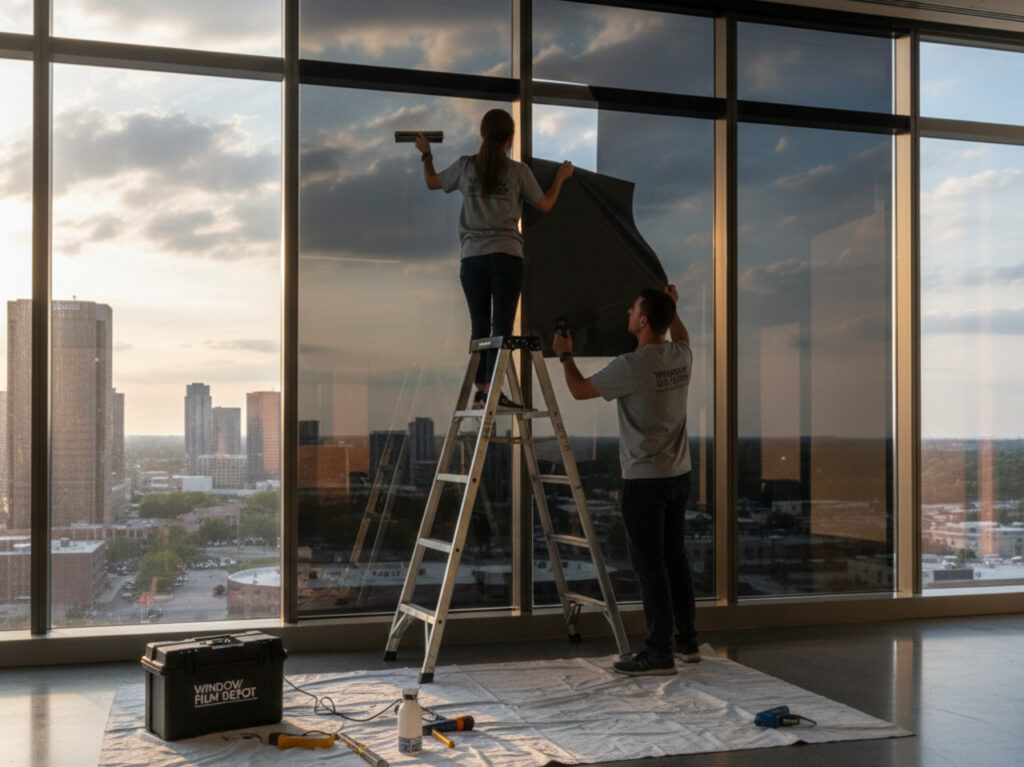
The exceptional performance specifications of 3M window films are fully realized only through professional installation. Applying these advanced films requires specialized tools, techniques, and expertise to ensure a flawless finish and proper adhesion. Improper installation can lead to:
- Bubbling or peeling, compromising aesthetic appeal.
- Reduced performance due to air gaps or uneven application.
- Invalidation of the manufacturer’s warranty.
Engaging 3M Authorized Dealers for installation guarantees that the film is applied according to manufacturer guidelines, securing the long-term benefits and ensuring the comprehensive warranty remains valid. This professional approach is integral to delivering the promised 99.9% UV rejection and upholding the integrity of the project.
A Clear Advantage: Performance Comparison of Untreated vs. 3M Film-Enhanced Glazing
Quantifying the Difference: Direct Comparison of UV Performance Metrics
Standard double glazing, while effective for thermal insulation, offers limited protection against the full spectrum of ultraviolet radiation. A typical clear insulated glass unit (IGU) may block approximately 30-50% of UVA rays and significantly more UVB rays, depending on the glass type and coatings. However, this still allows a substantial amount of damaging UVA to penetrate, which is a primary contributor to fading and material degradation. In stark contrast, professionally installed 3M Ultra Series or Prestige Series window films are engineered to reject up to 99.9% of both UVA and UVB rays. This quantifiable difference is critical for asset preservation, as even a seemingly small percentage of persistent UV exposure over time leads to irreversible sun damage.

Illustrative Scenarios: Protecting High-Value Merchandise in a Retail Showroom Environment
Consider a high-end retail showroom, a common project for commercial managers, featuring bespoke furniture, delicate fabrics, and vibrant merchandise displayed near windows. Without advanced UV protection, the sections of items nearest the glass will inevitably show signs of fading, discoloration, and material breakdown. This leads to unsaleable stock, significant financial loss, and a diminished brand image for the retailer. Implementing 3M UV protection film transforms these display areas into safe zones, ensuring that expensive merchandise retains its original aesthetic and value for the duration of its display. For Project Manager Paul, this directly addresses the client’s demand for maintaining product integrity and aesthetic appeal, preventing costly inventory write-offs.
Comparing Solar Heat Gain Coefficient (SHGC) and UV Rejection: A Holistic View
It is crucial to understand that solar heat gain coefficient (SHGC) and UV rejection are distinct performance metrics. Double glazed windows are often specified for a low SHGC to reduce heat gain and improve energy efficiency, directly impacting HVAC loads. While some low-e coatings on IGUs can contribute to minor increases in UV rejection, their primary design function is thermal performance. They do not offer the comprehensive, near-total UV blocking capability of a specialized window film. 3M home window film particularly those designed for UV and heat rejection, offer the dual benefit of significantly reducing UV transmission to 0.1% while simultaneously improving SHGC, often surpassing the performance of many standard IGUs alone. This provides a more holistic approach to environmental control and asset protection.
The Long-Term Value Proposition: Extending the Lifespan of Interiors and Client Assets
The initial investment in 3M UV protection film represents a long-term strategy for preserving capital assets. Materials such as wood flooring, upholstery, artwork, retail displays, and office furniture are all susceptible to UV degradation. Without adequate protection, these items require more frequent repair, refinishing, or outright replacement, incurring significant costs over the lifespan of a building. By rejecting virtually all harmful UV rays, 3M film dramatically extends the useful life and aesthetic integrity of these interior elements, reducing operational expenditures and maintaining the building’s interior quality. This proactive approach ensures client satisfaction and protects the project’s overall value.
The Strategic Imperative: Integrating Superior UV Protection into Modern Commercial Glazing Specifications
In today’s commercial, retail, and educational environments, the preservation of interior assets is not merely a ‘nice-to-have’ but a fundamental requirement. Modern building specifications must evolve beyond basic thermal performance to include robust UV protection as a standard. Integrating 3M UV protection film into glazing specifications from the outset is a strategic imperative. It mitigates the risk of client dissatisfaction, protects investments in interior fit-outs, and ensures compliance with best practices for asset protection. Project managers who proactively include this level of protection are setting a new standard for quality and foresight in their projects.
Strategic Integration: Specifying Advanced UV Protection for Your Commercial Projects
Identifying Critical Zones: When and Where Enhanced UV Protection is Non-Negotiable
Determining where enhanced UV protection is essential requires a detailed assessment of the building’s function and the value of the assets housed within. Specific zones where 3M UV protection film becomes non-negotiable include:
- Retail Storefronts and Display Windows: To prevent fading and damage to merchandise, ensuring products remain appealing and saleable.
- Museums and Galleries: For the preservation of artifacts, artwork, and archival documents that are highly susceptible to UV degradation.
- Executive Offices and Boardrooms: Protecting high-value furniture, custom finishes, and sensitive electronic equipment.
- Educational Institutions: Safeguarding learning materials, library collections, and classroom furnishings from premature wear.
- Residential Showrooms and Model Homes: Maintaining the pristine condition of staged interiors to attract buyers.
Any area where direct sunlight regularly interacts with valuable or sensitive materials represents a critical zone for advanced UV protection.
Collaborating with Experts: Leveraging Window Film Depot’s Status as the #1 National 3M Installer
The successful integration of advanced window film technology relies heavily on expert consultation and installation. Partnering with a certified specialist, such as Window Film Depot, the number one national 3M installer, offers distinct advantages for project managers. Our expertise ensures accurate product selection, considering factors like glass type, solar exposure, existing coatings, and specific client objectives. We provide precise technical specifications and professional installation that complies with 3M’s stringent warranty requirements. This collaboration mitigates project risks and guarantees the film performs to its maximum potential, providing the specified level of UV protection.
Key Considerations for Incorporating 3M Window Film into Project Documents and Commercial Window Tinting Plans
Integrating 3M window film into project documentation requires clear and precise specifications. This should include:
- Performance Metrics: Clearly state the required UV rejection rate (e.g., “99.9% UV rejection at 300-380nm”), SHGC, and visible light transmission (VLT).
- Product Specification: Specify the exact 3M film series and type (e.g., “3M Scotchshield Safety & Security Window Film Ultra Series S600”).
- Installation Standards: Reference industry best practices and manufacturer guidelines for application, including surface preparation and environmental conditions.
- Warranty: Include the 3M manufacturer’s warranty details, covering both the film product and its performance.
- Maintenance Protocol: Provide clear instructions for post-installation care to ensure sustained performance.
These details should be embedded within architectural drawings, material schedules, and performance clauses to ensure all stakeholders understand the scope and quality requirements for commercial window tinting.
Budgeting for Comprehensive Asset Protection: Understanding the Return on Investment (ROI)
When budgeting for a project, considering 3M window film solely as an expense overlooks its significant return on investment (ROI). The cost of installing premium UV protection film is typically a fraction of the potential costs associated with UV damage over time. This includes:
- Reduced Replacement Costs: Extending the life of furnishings, flooring, and merchandise prevents expensive premature replacement.
- Energy Savings: Many 3M films also significantly reduce solar heat gain, lowering HVAC energy consumption and costs.
- Preserved Asset Value: Maintaining the aesthetic and structural integrity of high-value interior assets.
- Enhanced Client Satisfaction: Delivering a space where clients’ assets are demonstrably protected, reinforcing professional credibility.
Framing window film as a protective asset investment rather than merely a cosmetic upgrade allows project managers to demonstrate long-term value and fiscal responsibility to their clients.
Post-Installation Care and Maintenance for Sustained Performance and Client Satisfaction
While 3M window films are highly durable and designed for long-term performance, proper post-installation care is essential to maximize their lifespan and maintain their aesthetic. Typically, films require a short curing period immediately after installation, during which minimal contact is advised. Beyond that, cleaning only requires mild, non-abrasive cleaning solutions and soft cloths or squeegees. Avoiding harsh chemicals or abrasive materials ensures the film’s integrity is preserved. Providing clients with clear, simple maintenance guidelines helps sustain the film’s protective qualities and visual clarity, reinforcing the initial value proposition and ensuring continued satisfaction with their protected environment.
Conclusion: Safeguarding Your Client’s Investment with a Comprehensive UV Strategy
Reaffirming the Criticality of Proactive UV Protection in All Commercial Projects
The nuanced reality of modern building specifications reveals a crucial distinction: while double-glazed windows excel in thermal performance, their inherent capacity for comprehensive UV protection is often overestimated. This understanding is paramount for construction and renovation managers. Relying solely on standard double glazing to shield interior assets from the sun’s damaging ultraviolet rays constitutes a significant project risk. The invisible threat of UV degradation affects everything from retail merchandise and office furnishings to irreplaceable museum artifacts and educational materials, leading to premature fading, cracking, and structural deterioration.
Addressing this silent assailant proactively is not merely a value-add; it is a fundamental requirement for delivering projects that stand the test of time and client scrutiny. Failing to secure adequate UV protection can lead to client dissatisfaction, costly remediation, and an eroded perception of quality, impacting a project’s long-term success.
The Indispensable Role of 3M Window Films in Modern Construction and Renovation
Given the limitations of standard glazing, professionally installed 3M window films emerge as the definitive solution for achieving superior UV protection in commercial environments. These films are engineered to a standard that significantly surpasses the capabilities of untreated double-glazed windows’ UV protection, providing a verified 99.9% rejection of both UVA and UVB rays. This level of performance is critical for preserving the integrity and appearance of interiors over decades.
Integrating 3M window films is a strategic enhancement. It is not an afterthought in the design process. This film complements the thermal benefits of double glazing. It does not compromise light transmission or aesthetic appeal. The application ensures thermal efficiency specifications are met. It also protects client assets from irreversible solar radiation. This commitment to detailed specification provides a robust defense. It aligns project outcomes with high asset preservation standards.
Partnering for Success: Ensuring Client Satisfaction and Long-Term Asset Longevity
For project managers, integrating comprehensive UV protection into project planning translates directly into tangible benefits. It demonstrates foresight, attention to detail, and a commitment to protecting the client’s long-term investment. This proactive stance secures client satisfaction by preventing issues like faded display items in retail spaces or prematurely aged office furniture that might otherwise surface years after project completion.
By specifying 3M window films, managers safeguard vital building materials. They also protect the perceived value of the commercial space. This strategic decision reinforces your reputation as a trusted partner. It shows you prioritize client assets and lasting performance. The choice ensures the aesthetic and functional longevity of interiors. This approach enhances the overall value of the project. It is a true testament to construction quality.
Next Steps for Construction and Renovation Managers: Prioritizing the Invisible Threat
To effectively manage the threat of UV radiation, construction and renovation managers should:
- Review project specifications: Scrutinize glazing specifications beyond thermal performance to ensure explicit provisions for comprehensive UV protection are included.
- Educate stakeholders: Inform clients and design teams about the specific limitations of standard double glazing regarding UV transmission and the benefits of advanced film solutions.
- Consult with experts: Engage with specialists in advanced window film technologies to understand the optimal 3M solutions tailored to specific project requirements and asset protection goals.
- Incorporate early: Integrate UV protection strategies into the initial design and budgeting phases, rather than treating it as a remedial measure.
Prioritizing this often-overlooked aspect will ensure that every commercial project not only meets its thermal and aesthetic objectives but also guarantees the long-term preservation of the valuable assets housed within, solidifying client trust and project excellence.
Frequently Asked Questions
Do double-glazed windows block all UV rays?
No, standard double-glazed windows do not block all UV rays. While they are effective at blocking nearly all UVC and most UVB rays (around 90-95%), they typically allow a significant amount of UVA rays (25-50%) to pass through. UVA is the primary cause of fading and degradation of interior assets.
What is the best way to protect interior assets from sun damage?
The most effective way to protect interior assets from sun damage and fading is through the professional installation of a high-performance UV-blocking film for windows. Specialized solutions like 3M UV protection window film are engineered to block up to 99.9% of harmful UVA and UVB rays, far surpassing the capabilities of standard double glazing.
How much UV radiation does 3M window film block?
Many 3M window films, particularly those in their Prestige and Ultra series, are engineered to block up to 99.9% of the sun’s harmful UVA and UVB radiation. This near-total UV rejection provides superior asset protection against fading and material degradation.
Can window film also help reduce heat in my building?
Yes, many advanced 3M window films offer dual benefits. In addition to high UV rejection, they are also designed to significantly reduce solar heat gain coefficient (SHGC), which can lead to lower energy consumption and costs by reducing the load on HVAC systems.
Is professional installation necessary for window film?
Professional installation is crucial for maximizing the performance and longevity of 3M window film and ensuring the validity of its warranty. Specialized tools, techniques, and expertise are required to ensure a flawless finish, proper adhesion, and the full realization of the film’s protective and energy-saving benefits.