Table of Contents:
- The Unseen Vulnerability: Why Standard Glass Poses a Significant Risk to Commercial Assets
- Beyond the Glass: Deconstructing 3M Window Security Film Technology
- The Critical Link: Why Attachment Systems Elevate Security Performance
- Mastering the Scale: Navigating Large-Scale and National Film Rollouts
- From Specification to Execution: Ensuring Project Success
- Conclusion: Maximizing Security and Value Through Strategic Partnership
- Frequently Asked Questions
The Unseen Vulnerability: Why Standard Glass Poses a Significant Risk to Commercial Assets
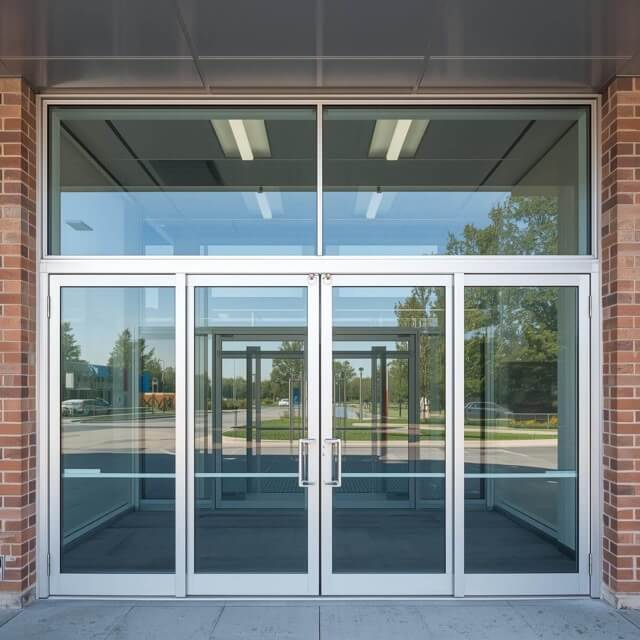

Understanding the Limitations of Conventional Glazing
Before you trust standard glass to protect your building, it’s worth understanding how 3M window security film changes the game for commercial safety and resilience.
Standard architectural glass, while providing essential light and visibility, is inherently one of the most vulnerable points in any commercial structure. Its primary limitation is its brittle nature; upon impact, conventional glass shatters into numerous shards. This not only creates an immediate safety hazard for occupants but also compromises the building’s envelope, providing an instantaneous and often effortless entry point for unauthorized access. For project managers overseeing large-scale portfolios, recognizing this fundamental fragility across numerous sites is the first step in mitigating widespread risk.
The Escalating Threat Landscape for Commercial Properties
The security landscape for commercial properties has evolved, demanding a more robust approach to building resilience. Threats range from targeted vandalism and “smash-and-grab” burglaries to more organized forced entry attempts and the widespread damage that can occur during civil unrest. Beyond malicious acts, glass is also highly susceptible to impacts from natural phenomena like severe weather events, flying debris, or even accidental collisions. Each scenario highlights the urgent need for a solution that transforms a building’s most fragile component into a formidable barrier against both human and environmental stressors.
Financial and Operational Impact of Breaches and Damage
The consequences of compromised glazing extend far beyond immediate repair costs. A security breach can lead to significant inventory loss, damage to sensitive equipment, and a loss of proprietary information. Operationally, a broken window can halt business, disrupt supply chains, and necessitate costly emergency boarding-up and subsequent replacement. Furthermore, such incidents can incur reputational damage, increase insurance premiums, and foster a sense of insecurity among employees and tenants. For multi-site operations, these impacts are multiplied, making a comprehensive, durable solution a critical financial and operational imperative.
Beyond the Glass: Deconstructing 3M Window Security Film Technology
The Science Behind 3M’s Advanced Film Composition
3M Window Security Film represents a significant leap from conventional film technologies. At its core, the film utilizes a proprietary multi-layer, micro-laminate construction that distinguishes it from single-ply alternatives. This advanced composition is engineered to absorb and redistribute impact energy effectively, preventing the glass from shattering into loose shards. Instead, the film’s robust acrylic adhesives bond the glass fragments securely to the film, maintaining the integrity of the window opening even after multiple impacts. This innovative design is crucial for transforming a primary point of failure into a resilient barrier.
Key Performance Metrics: Tensile Strength, Tear Resistance, and Puncture Resistance
To quantify the protective capabilities of security films, specific performance metrics are critical:
- Tensile Strength: This measures the film’s resistance to breaking under tension. Higher tensile strength indicates a greater ability to withstand pulling forces, such as those exerted during a forced entry attempt or extreme wind loads.
- Tear Resistance: This metric evaluates the film’s ability to resist the propagation of a tear once initiated. 3M’s micro-layered films excel here, ensuring that even if a small tear occurs, it doesn’t easily spread, maintaining the film’s structural integrity.
- Puncture Resistance: This gauges how well the film resists penetration from sharp objects. This is particularly relevant for warding off impacts from tools, projectiles, or debris, preventing objects from passing through the glass barrier.
These combined properties explain how 3M films keep glass fragments together and significantly impede breach attempts.
Differentiating 3M Ultra Series from Traditional Security Films
The 3M Ultra Series films stand apart from traditional, thicker security films through their unique micro-layered construction. While many conventional films rely on sheer thickness to provide resistance, 3M Ultra films achieve superior performance with less material. This means a thinner, more optically clear film can often outperform a significantly thicker, single-ply alternative in terms of tear resistance and elongation. The result is a film that offers enhanced protection without compromising aesthetics or adding excessive bulk, making it a preferred choice for demanding commercial applications.
The Role of Thickness and Multi-Layer Construction in Protection
It’s a common misconception that greater film thickness automatically equates to superior protection. While thickness contributes, the true measure of a security film’s effectiveness lies in its construction. 3M’s multi-layering technology allows for a complex interweaving of individual film layers, creating a composite material that is exceptionally strong and tear-resistant. This engineered approach means that a multi-layered 6-mil Ultra Series film can often provide better overall performance under dynamic loads and impacts than a single-ply 8-mil or even 12-mil film. Understanding this distinction is vital for project managers selecting solutions based on true performance rather than just a basic specification.
Understanding Optical Clarity and UV Protection Benefits
Beyond their primary security function, 3M Window Security Films deliver significant ancillary benefits critical for commercial properties. Their advanced construction ensures exceptional optical clarity, preserving the natural light and exterior views without distortion or haziness, which is crucial for maintaining a professional aesthetic. Moreover, these films block up to 99% of harmful UV rays. This protection mitigates sun-induced fading of interior furnishings, merchandise, and displays, extending asset lifespans and reducing replacement costs. This UV rejection also contributes to better temperature management, potentially lowering energy consumption for HVAC systems and improving overall occupant comfort.
The Critical Link: Why Attachment Systems Elevate Security Performance
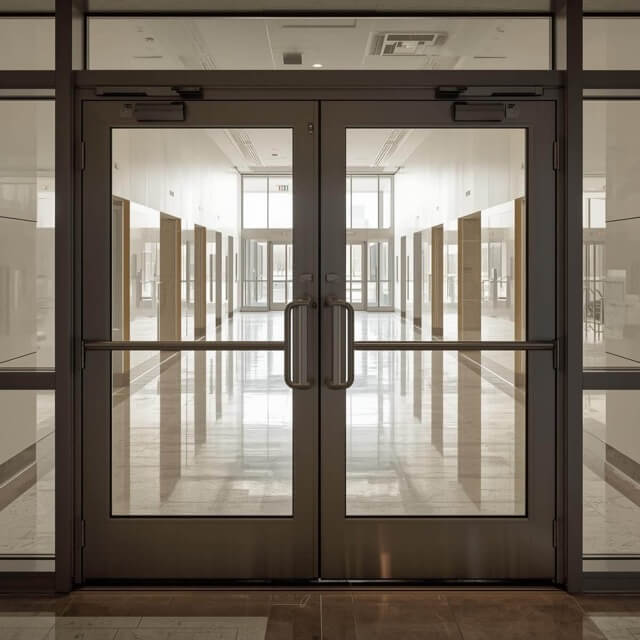
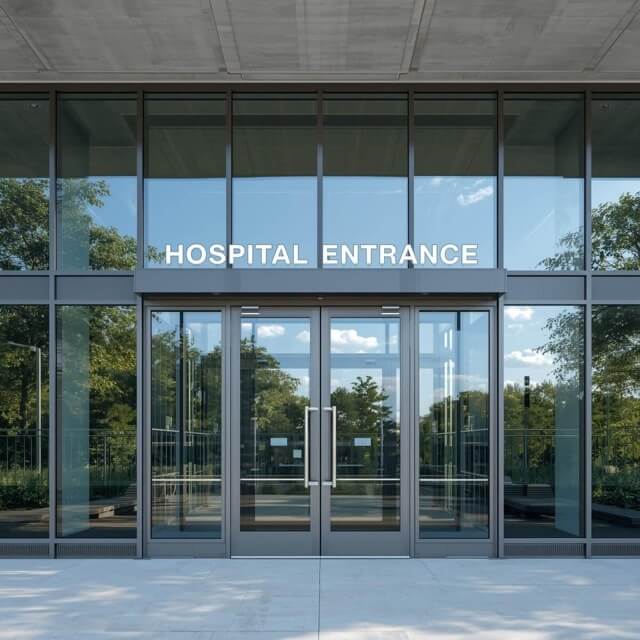
The Fundamental Principle: Film as Part of a System, Not a Standalone Product
The effectiveness of 3M Window Security Film in real-world scenarios extends far beyond the film’s tensile strength or tear resistance. For project managers, it is crucial to understand that the film functions as one component within a meticulously engineered system. Without a robust attachment system, even the most advanced security film may not deliver its intended protective capabilities, potentially compromising the entire security specification. The critical factor is ensuring that the glass, once impacted, remains securely within its frame opening, preventing rapid breach or dangerous fragmentation.
This system-based approach is paramount for ensuring consistent performance across multiple sites in a large-scale rollout. Relying solely on a film’s specification without considering its integration into the existing glazing system introduces significant vulnerability.
Exploring Different Attachment Methodologies: Wet Glaze vs. Mechanical Anchors
The method used to secure the security film to the window frame is as important as the film itself, directly influencing the system’s ability to resist significant forces. Two primary methodologies are employed, each suited for different threat profiles and building characteristics.
- Wet Glaze Attachment (Structural Silicone): This method involves bonding the security film directly to the window frame using a high-strength structural silicone sealant. The silicone creates a continuous, flexible bond around the perimeter of the glass and film, effectively turning the entire unit into a single, integrated panel. This approach excels at distributing impact energy evenly and is highly effective against forced entry attempts and certain blast scenarios, especially when maintaining a clean aesthetic is crucial.
- Mechanical Anchor Systems: For the highest levels of security and blast mitigation, mechanical anchor systems physically attach the film-covered glass to the existing window frame. These systems utilize profiles, clips, or plates that fasten the film’s edges to the frame, creating a formidable barrier. Mechanical anchors are often specified for government facilities, high-risk commercial properties, and applications requiring compliance with stringent GSA or ASTM blast mitigation standards, providing superior performance under extreme, sustained pressure.
The selection of the appropriate attachment methodology requires a detailed assessment of the specific threat, structural integrity of the existing frames, and local building codes. A certified installer’s expertise is invaluable in recommending and implementing the correct system to meet project specifications and mitigate risk effectively.
The Science of 3M Impact Protection Adhesive: Enhancing Edge Retention
A critical element in the overall performance of 3M Window Security Film systems is the specialized 3M Impact Protection Adhesive. Unlike standard window film adhesives, this proprietary formulation is engineered to bond the film not only to the glass but, crucially, to the window frame itself when utilized in an attachment system. This specialized adhesive is designed to maintain the film’s bond to the glass, preventing premature delamination, and then further enhancing the connection to the frame.
In an impact event, such as a forced entry or blast, the glass will fracture. The 3M Impact Protection Adhesive, however, ensures the shattered glass fragments remain tenaciously bonded to the film, and the film, in turn, remains securely anchored to the window frame. This edge retention capability is paramount, as failure at the film’s perimeter is a common point of weakness in less robust systems, allowing the entire “contained” pane to be pushed through the opening. This advanced adhesive significantly contributes to the system’s ability to withstand repeated impacts and maintain the integrity of the opening.
Ensuring System Integrity: Performance Under Extreme Stress
The true measure of a security window film system lies in its ability to maintain integrity under extreme and sustained stress. This involves dynamic testing that simulates real-world threats, far beyond a simple product specification. When subjected to impacts from forced entry attempts or the complex pressure waves of an explosive event, the combined strength of the 3M security film, its specific attachment system, and the robust 3M Impact Protection Adhesive work in concert.
The objective is not necessarily to prevent glass breakage entirely, which is often impossible under severe forces, but rather to prevent the glass from leaving the frame as a hazardous projectile or creating a breach point. The system ensures that even if the glass shatters, it remains largely contained within the window opening, absorbing and distributing the impact energy. This containment mitigates injury from flying debris, slows or prevents unauthorized entry, and reduces the damaging effects of blast overpressure, safeguarding occupants and property.
Common Pitfalls of Inadequate Attachment and Edge Sealing
Neglecting the critical role of the attachment system and proper edge sealing can severely undermine the investment in high-quality 3M security film, creating significant vulnerabilities for any project. Project Manager Paul needs to be acutely aware of these common pitfalls, particularly when overseeing national or large-scale rollouts where consistent quality is paramount.
- Premature Film Failure: Without a proper attachment system, the film’s edges can peel away from the frame prematurely under stress, negating its protective function. This can occur even under moderate pressure or over time due to environmental factors.
- Compromised Security: An inadequately anchored system can fail to contain glass fragments during an impact, allowing an easy breach point for intruders or permitting dangerous blast debris to enter. This directly contradicts the core purpose of installing security film.
- Warranty Invalidity: Many manufacturer warranties for high-performance security films are contingent on professional installation that includes an approved attachment system. Substandard work can invalidate the warranty, leaving the project exposed to future liabilities and costly repairs.
- Non-Compliance with Standards: For projects requiring specific certifications (e.g., GSA for blast mitigation), an improper attachment system will result in non-compliance, necessitating expensive re-work and delaying project completion.
- Aesthetic Degradation: Poor edge sealing can lead to visible imperfections, trapped moisture, or bubbles, detracting from the building’s appearance and potentially indicating underlying performance issues.
These pitfalls underscore the necessity of partnering with a certified, experienced installer who understands the intricate relationship between film, adhesive, and attachment systems. This ensures that the security film installation is not merely a product application but a fully integrated, high-performance security solution.
Mastering the Scale: Navigating Large-Scale and National Film Rollouts
Deploying security film across numerous locations presents a distinct set of challenges, extending far beyond simply ordering material. For project managers overseeing national or large-scale initiatives, the true test lies in orchestrating a seamless, consistent, and effective rollout that accounts for diverse site conditions and operational sensitivities. This requires a robust, systematic approach from a capable installation partner.
Pre-Installation Site Assessments and Needs Analysis
A fundamental step in any large-scale security film project is a comprehensive pre-installation site assessment. It’s incorrect to assume that a single film specification will optimally address the unique threat profiles, glass types, and structural conditions present across all locations. Each site requires individual evaluation to determine the precise film type, thickness, and anchoring system needed to meet specified performance criteria. This analysis identifies potential structural limitations, assesses existing glazing systems, and ensures alignment with local building codes or insurance mandates. Skipping this critical phase can lead to suboptimal protection, costly reworks, or non-compliance down the line.
Project Phasing and Minimizing Operational Disruptions
Large-scale installations inherently carry the risk of operational disruption, which can impact business continuity and incur high indirect costs. An experienced partner understands the imperative to phase projects strategically, coordinating closely with on-site management to schedule work during off-peak hours or in sections that minimize impact on daily operations. This often involves detailed logistical planning for material delivery, technician scheduling, and site access across multiple time zones and operational calendars. The goal is to deliver enhanced security without impeding an organization’s core functions.
Supply Chain Management for Multi-Site Deployments
Effective supply chain management is paramount for national rollouts. This encompasses everything from procuring the correct 3M security film and anchoring materials for each distinct site to coordinating delivery schedules, managing inventory, and addressing unforeseen logistical hurdles. A partner with established relationships with 3M and a proven logistics framework can prevent delays, mitigate material shortages, and ensure that the right products arrive at the right location precisely when needed. This centralized oversight reduces the administrative burden on project managers and maintains project momentum.
Quality Control and Consistency Across Diverse Locations
Maintaining a uniform standard of quality and performance across numerous, geographically dispersed sites is a significant challenge. This is where the installer’s internal quality assurance protocols become invaluable. A top-tier installation partner implements standardized training programs, employs consistent installation methodologies, and conducts rigorous quality checks at every site. This ensures that whether a film is installed in California or New York, it adheres to 3M’s stringent guidelines and the project’s exact specifications, guaranteeing consistent protection levels and warranty validity.
Post-Installation Care and Maintenance Protocols
The project lifecycle extends beyond the final installation. Establishing clear post-installation care and maintenance protocols is crucial for maximizing the longevity and performance of the security film. This includes providing detailed cleaning instructions, outlining warranty terms and conditions, and offering guidance on inspection schedules. A reliable partner will also be available for subsequent support, such as addressing incidental damage or providing future upgrade consultations, ensuring the investment continues to deliver its intended value over time.
From Specification to Execution: Ensuring Project Success
Moving from theoretical specifications to tangible security enhancements requires an execution partner who understands the nuances of advanced film technology and, critically, how to apply it effectively in real-world scenarios. The core message here is unequivocal: the ultimate performance of a security film system is as dependent on the installer’s expertise as it is on the product itself.
Developing a Comprehensive Security Film Project Scope of Work
A robust Scope of Work (SOW) is the blueprint for project success, moving beyond simply listing the film type. For security film deployments, a comprehensive SOW details the specific 3M film selection for each glass type, outlines the exact anchoring system to be employed, defines surface preparation requirements, and specifies post-installation inspection and cleanup protocols. It also addresses crucial logistical elements such as site access, safety plans, waste management, and warranty stipulations. A well-defined SOW prevents scope creep, clarifies responsibilities, and sets clear performance expectations, mitigating risks for all stakeholders.
Beyond Product Specs: Evaluating Installer Credentials and Experience
While 3M manufactures world-class security films, merely specifying the product without scrutinizing the installer’s credentials is a critical oversight. The film’s ability to resist threats like forced entry or blast events relies heavily on its correct application and integration with the existing glazing system. Evaluating an installer’s track record, technical expertise, safety protocols, and capacity to handle projects of scale is as important as reviewing product data sheets. An experienced installer understands the material science, the nuances of different glass types, and the structural considerations necessary for optimal film performance and system integrity.
The Non-Negotiable Value of 3M Certified Window Film Installers
For maximum assurance and performance, engaging a shatterproof window film Installer is not merely a preference; it is a non-negotiable requirement. This certification signifies that technicians have undergone extensive training directly from 3M, mastering proprietary installation techniques, understanding specific film characteristics, and correctly applying manufacturer-approved anchoring systems. This certification guarantees adherence to the highest industry standards, validates the product warranty, and provides peace of mind that the security system will perform as designed when subjected to real-world threats. It is the clearest indicator of an installer’s commitment to quality and technical proficiency.
Assessing a Partner’s Capability for National Rollouts and Complex Projects
For project managers like Paul, who require solutions for numerous facilities, evaluating an installation partner’s capability for national rollouts is paramount. This assessment goes beyond technical skill and includes evaluating:
- Centralized Project Management: The ability to coordinate all aspects of multi-site projects from a single point of contact.
- National Network and Resources: A widespread presence with trained crews capable of deploying efficiently across various geographies.
- Proven Logistics and Supply Chain: Demonstrated expertise in managing material flow, scheduling, and site-specific challenges.
- Financial Stability and Insurance: The capacity to undertake large-scale projects without financial risk and robust insurance coverage.
Such capabilities ensure consistency, efficiency, and accountability across the entire project footprint.
Illustrative Scenarios: The Impact of Installer Expertise on Project Outcomes
Consider two scenarios involving 3M Safety and Security Film. In the first, the film is specified correctly, but installed by a contractor lacking 3M certification. The film is applied, but the critical anchoring system is either omitted or improperly integrated with the frame. During a forced entry attempt, the glass may hold together, but the entire pane and film system detaches from the frame, allowing access. In the second scenario, the same film is applied by a 3M Certified Installer who correctly selects and implements a manufacturer-approved anchoring system. When subjected to the same forced entry attempt, the film and glass remain securely attached to the window frame, significantly delaying or completely deterring entry. These contrasting outcomes vividly demonstrate that the film’s inherent strength is only fully realized when coupled with expert installation and a correctly applied anchoring system.
Why Window Film Depot Stands as the #1 U.S. 3M Window Film Installer
Window Film Depot consistently ranks as the leading U.S. 3M Window Film Installer due to our unwavering commitment to these critical factors. Our national network of 3M Certified technicians ensures consistent, high-quality installations across any number of locations. We bring unparalleled expertise in pre-installation assessment, sophisticated supply chain management, and centralized project oversight tailored specifically for complex, multi-site deployments. By prioritizing the entire security system—from precise film selection and expert installation to robust anchoring and comprehensive project management—we provide project managers with a reliable partner capable of delivering measurable security enhancements and peace of mind, no matter the scale.
Conclusion: Maximizing Security and Value Through Strategic Partnership
Reaffirming the Systemic Nature of Window Security Solutions
The discourse on advanced window security films, particularly those engineered by 3M, consistently highlights their superior material science and performance characteristics. However, for project managers tasked with real-world risk mitigation and adherence to stringent security specifications, the true effectiveness of any security film solution transcends the product itself. It resides unequivocally in the comprehensive system: the precise film selection, the professional installation methodology, and the integrity of the anchoring system. A premium film, even one with industry-leading tensile strength and tear resistance, will not perform to its engineered capacity if not integrated correctly into the existing glass frame. This systemic approach is the bedrock upon which genuine security is built, ensuring that a glass opening can withstand projected threat vectors, from forced entry attempts to blast events, without premature failure.
Key Takeaways for Commercial Project Managers
For project managers overseeing commercial construction and renovation, understanding the holistic nature of window security solutions is paramount for both security efficacy and project longevity. This perspective shifts the focus from simply procuring a product to investing in a validated security infrastructure.
- Beyond Product Specifications: While 3M film specifications are critical, prioritize the installer’s accreditation, experience with similar scale projects, and their specific methodology for integrating the film with the existing glazing system. The installer’s adherence to manufacturer-mandated protocols directly correlates with the system’s performance.
- The Crucial Role of Anchoring Systems: Recognize that for advanced threat mitigation, particularly against blast or sustained forced entry, a robust anchoring system is not optional. It is integral to keeping the filmed glass within its frame, preventing catastrophic failure and the creation of dangerous shards. Inquire about the types of attachment systems used and their performance data.
- National Deployment Capabilities: For multi-site rollouts, partner with vendors who possess proven logistical expertise and a certified installer network capable of maintaining consistent quality and scheduling across diverse geographic locations. This mitigates project management overhead and ensures uniform security standards.
- Lifecycle Cost Optimization: View security film installation as a long-term capital improvement. A correctly specified and installed system minimizes future maintenance, reworks, and potential liabilities from security breaches, offering a superior return on investment over solutions where corners were cut on installation quality.
The Enduring Value of Expert Consultation and Installation
The complexities of modern security threats and diverse building typologies necessitate a partnership approach that extends beyond a transactional vendor relationship. Expert consultation, provided by a highly specialized and experienced partner, is invaluable from the project’s inception. Such a partner can conduct a thorough threat assessment, recommend the optimal 3M film series and anchoring system tailored to specific structural elements and security objectives, and navigate compliance with local building codes and insurance requirements.
Furthermore, the execution of the installation by certified professionals ensures that each film application adheres to 3M’s rigorous standards, critical for activating the film’s warranty and performance guarantees. This includes meticulous surface preparation, precise film cutting, expert application techniques to eliminate imperfections, and the flawless integration of chosen anchoring systems. For large-scale or geographically dispersed projects, a partner with national reach and centralized project management capabilities is essential. This ensures not only consistency in installation quality and material delivery across all sites but also streamlined communication and problem-solving, directly addressing the logistical challenges faced by project managers overseeing complex rollouts. Ultimately, entrusting these critical elements to a specialized expert elevates the security posture of the entire facility while delivering significant operational and strategic value throughout the project lifecycle.
Frequently Asked Questions
What is 3M window security film, and how does it work?
3M window security film is a high-strength, multi-layer film applied to glass that holds shattered fragments together on impact, reducing injury risk and slowing forced entry attempts.
Can 3M window security film prevent break-ins completely?
No, it doesn’t make glass unbreakable, but it significantly delays intrusion by keeping glass intact longer and making forced entry much more difficult and time-consuming.
How strong is 3M window security film against impact or explosions?
Depending on the system used, 3M window security film can withstand significant impact forces and help contain glass during blasts, severe weather, or violent entry attempts.
Does 3M window security film also protect against UV damage?
Yes, it blocks up to 99% of harmful UV rays, helping reduce fading of interior furnishings, merchandise, and finishes while improving long-term asset protection.
Do I need professional installation for 3M window security film?
Yes. Professional installation is critical because the film must be properly bonded and often paired with attachment systems to ensure full security performance and warranty compliance.