Table of Contents:
- Introduction: Why Decorative Glass Film Is in Demand in 2026
- What Is Commercial Decorative Glass Film?
- Key Types of Decorative Films for Commercial Use
- Benefits of Decorative Films in Commercial Spaces
- Where Decorative Glass Film Works Best in Commercial Settings
- How Decorative Film Supports Energy, Safety & Compliance Goals
- Choosing the Right Decorative Film for Your Commercial Building
- Installation, Maintenance & Lifespan: What Facility Teams Should Expect
- Why Choose Window Film Depot for Commercial Decorative Glass Film
- FAQs About Commercial Decorative Glass Film
- Next Steps: Plan Decorative Film for Your Commercial Space
Introduction: Why Decorative Glass Film Is in Demand in 2026
Glass-heavy commercial buildings-from 1990s office towers to 2020s coworking hubs-create persistent challenges. Too much visibility into conference rooms. Glare washes out digital screens. Bare storefronts that lack brand identity. Interior spaces that feel exposed rather than purposeful.
Commercial decorative glass film solves these problems with a thin, retrofit material applied directly to existing glass. It creates privacy, upgrades aesthetics, improves comfort, and supports energy efficiency-all without replacing a single pane. You’ll find it on conference rooms, storefronts, interior glass partitions, hospital corridors, school offices, and government buildings across the country.
Window Film Depot, founded in 1992 and based in Marietta, Georgia, has installed decorative films for corporate buildings, retail stores, healthcare facilities, and government buildings nationwide, building on a family-owned history of retrofitting high-performance films. This article covers the types, benefits, real-world applications, selection criteria, and installation process so you can make a confident decision for your next project.
What Is Commercial Decorative Glass Film?
Commercial decorative glass film refers to polyester- or vinyl-based films engineered for glass surfaces in offices, retail, healthcare, schools, and institutional buildings. These films can mimic etched or frosted glass, textured glass, or patterned finishes-or display fully custom graphics-without permanently modifying the glazing underneath.
From a technical standpoint, most commercial-grade decorative films are approximately 3 mils (75 microns) thick, use permanent pressure-sensitive adhesives, and are designed for interior application on standard tempered, laminated, or insulated glass. Some products, like exterior weatherable building re-imaging films, are rated for outdoor use on glass doors and curtain walls and are part of the broader family of decorative film options for interior and exterior glass.
Beyond aesthetics, decorative window films reduce heat gain through windows and can help reduce glare and UV exposure. Many films block 99% or more of harmful UV rays, protecting furnishings, flooring, and merchandise. Others diffuse natural light to soften harsh shadows without blocking light entirely.
Within the broader commercial window film category, decorative films sit alongside security films (impact resistance), solar control films (heat and energy management), and specialty products like cloaking films that hide digital screens from outside viewing angles. A wide range of window glass film products and brands supports these different performance and design goals. It is commonly used on glass surfaces like windows and partitions, and commercial decorative glass film enhances privacy and aesthetics for businesses of every size.
Key Types of Decorative Films for Commercial Use
No single decorative film fits every commercial space. The right choice depends on what you need the glass to do-create privacy, carry a brand message, control light, or add visual interest. Here are the main categories and when to use each.
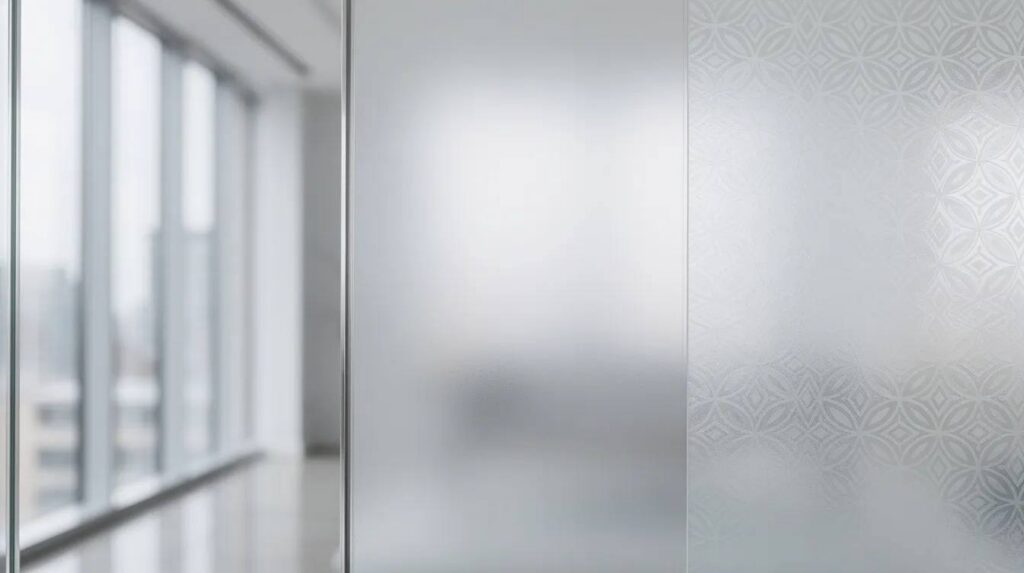
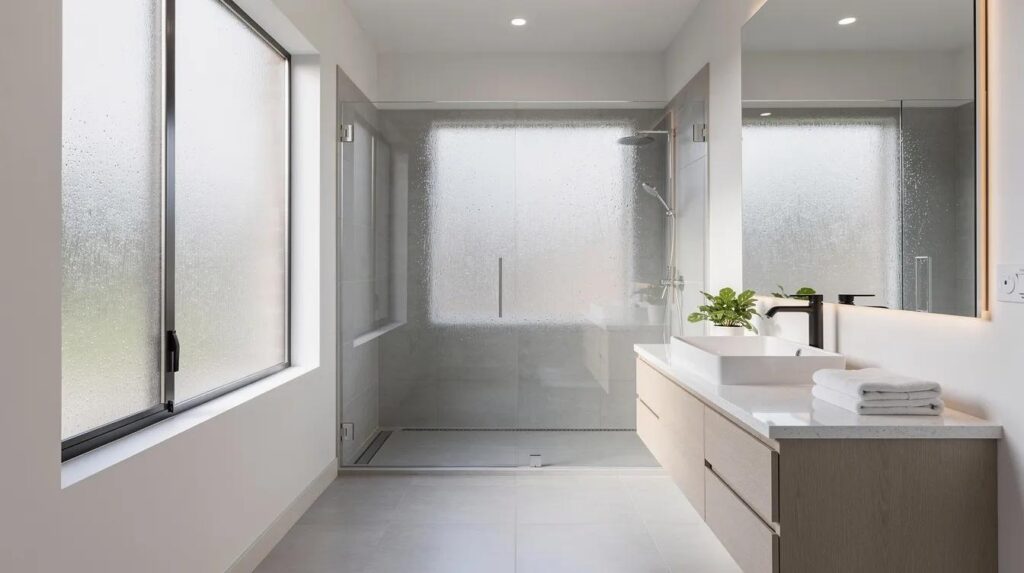
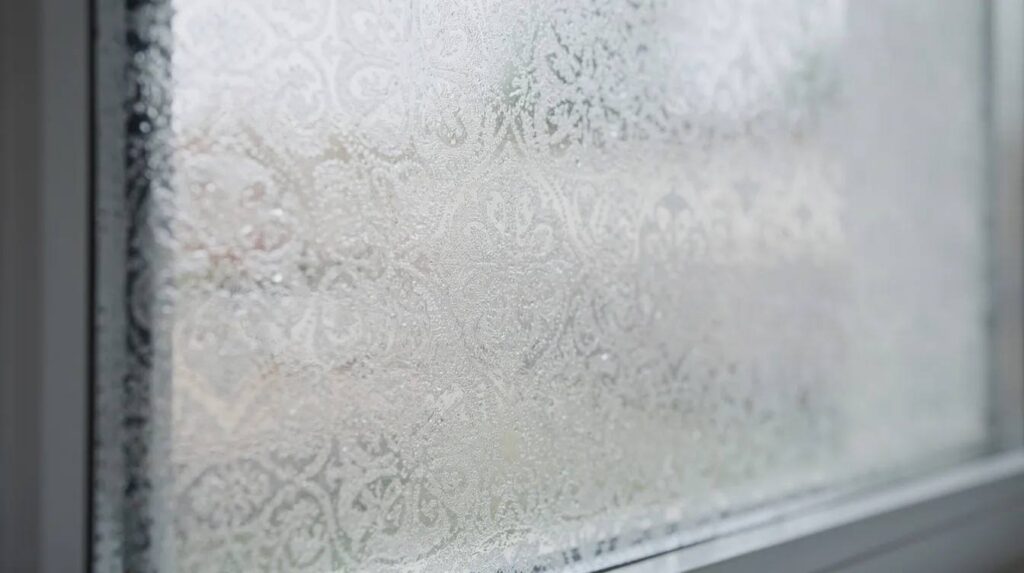
Frosted and etched-glass films remain the most widely specified option. Frosted films obscure visibility while allowing light to pass through, making them ideal for conference rooms, HR offices, and medical exam rooms. Products like 3M FASARA films replicate etched glass at a fraction of the cost of permanent acid etching. A common approach is applying frosted bands at 36–60 inches to provide visual privacy at eye level while keeping daylight flowing above and below.
Patterned and textured films include stripes, gradients, geometric shapes, dot-matrix designs, and linen or fabric-look textures. Patterned films add visual interest with various designs and textures that break up large expanses of plain glass in lobbies, corridors, and open-plan offices. Different styles of decorative films include gradient, textured, and geometric patterns, so there is a solution for nearly any design direction.
Branded and custom-graphic films transform glass into a communication surface. Custom graphic films display logos and branding on glass surfaces, supporting corporate identity without requiring new signage structures. These are common in retail stores, corporate lobbies, and multi-tenant buildings where reinforcing brand identity matters.
Solar-control decorative films combine a frosted or patterned finish with functional sun control. Solar-control films reduce glare and block harmful UV rays while delivering the same privacy and design benefits as standard decorative products. Advanced options like 3M™ Sun Control Window Film Prestige Exterior Series provide high levels of infrared and solar heat rejection while preserving views. These are especially useful on south- and west-facing glass in a commercial building with high solar exposure.
Specialty decorative films round out the category: cloaking films that obscure digital screens from certain viewing angles, one-way perforated films for exterior branding, and color-shifting dichroic films for high-impact design projects. High-end frosted collections such as 3M™ FASARA™ glass finishes expand these options for designers and corporate environments. Frosted and patterned films are popular types of decorative glass film, but these specialty options address unique challenges that standard products cannot.
Benefits of Decorative Films in Commercial Spaces
Decorative films deliver a combination of privacy, aesthetics, comfort, and operational savings that plain glass alone cannot match.
Privacy without sacrificing natural light. Frosted films enhance privacy while allowing natural light to fill interior spaces. In modern workspaces with floor-to-ceiling glass walls, decorative window films obscure visibility without blocking light, so meeting rooms and focus rooms stay bright but visually shielded. These films create private spaces while allowing natural light to pass through, maintaining the open, connected atmosphere that today’s commercial interiors demand. Decorative films can be applied to glass partitions for privacy in any layout, and they can maintain an open atmosphere while enhancing privacy levels simultaneously.
Professional, polished look. Decorative window film enhances aesthetics in commercial spaces, turning standard glass into a design feature. A subtle design element like a gradient band or geometric pattern elevates the visual appeal of lobbies and corridors. These films can be customized with logos and designs, and custom-printed films can reinforce brand identity while enhancing privacy. Decorative window films enhance aesthetics without costly renovations or major renovations to existing structures.
Cost-effective vs. glass replacement. Decorative window film costs less than etched glass-significantly less. Standard decorative film projects run approximately $8–$22 per square foot installed, compared to $25–$50 for permanent acid etching or $40–$80 for factory-frosted replacement glass. That translates to 60–80% savings, making film a cost-effective solution for occupied buildings where downtime matters.
Improved comfort and light control. Films reduce glare on monitors, ease eye strain for employees, and help control light levels across a floorplate. When paired with solar control films, decorative products become part of a broader building performance strategy.
Safety and shattered glass protection. Many decorative films add a modest shatter-resistant layer that holds shattered glass fragments together during minor breakage, reducing cleanup and injury risk in high-traffic areas.
Flexibility and reversibility. Decorative films can be easily removed or updated as tenants, branding, or layouts change. Decorative films provide visual separation without permanent structures in commercial spaces-a critical advantage for landlords managing multiple tenants. Decorative window film provides privacy without blocking natural light, and when it’s time for a refresh, removal is straightforward.
Where Decorative Glass Film Works Best in Commercial Settings
Decorative films are used across virtually every type of commercial building. Here’s where they deliver the most value.
Offices and corporate buildings. Conference rooms, C-suite offices, huddle rooms, and glass partitions are the most common targets. A 60-inch band of frosted film on meeting rooms and focus rooms provides total privacy while preserving daylight. Elevator lobbies and reception areas benefit from branded gradient films that create a polished look from the moment visitors arrive. One real-world example: a data center company in Silver Spring, Maryland installed etched-look bands across all floor-to-ceiling glass in their conference rooms, achieving complete visual separation without building a single wall.
Retail and customer-facing spaces. Storefronts use decorative films to balance street visibility, branding, and glare reduction. Seasonal campaign graphics can be swapped without structural changes. Back-of-house areas and fitting rooms use frosted film for quick, affordable privacy. Decorative window film enhances aesthetics in commercial spaces like these while keeping the shopping experience inviting.
Healthcare facilities. Patient rooms, nursing stations, and consultation areas all need privacy solutions that also meet hygiene and cleaning requirements. Decorative films offer an affordable way to create privacy in sensitive areas while still admitting natural light-critical for patient well-being in hospital corridors.
Education and institutional buildings. Administrative offices, counseling rooms, interior classroom windows, and library glass partitions benefit from privacy films that also serve as required visibility markings for safety regulations. Schools gain both distraction control and code compliance in a simple upgrade.
Government buildings, hospitality, and banking. Lobbies, teller lines, security screening areas, and VIP zones use decorative films to maintain an open feel while protecting sensitive activities. A standout project: Window Film Depot applied 35,000 square feet of exterior weatherable decorative film to the Westin Hotel in Buckhead, Georgia, masking failing interior glazing across the entire façade over eight weeks-with the hotel fully operational throughout.
How Decorative Film Supports Energy, Safety & Compliance Goals
While “decorative” sounds purely aesthetic, modern film solutions often contribute measurably to building performance.
Energy and UV performance. Decorative window films reduce heat gain through windows, and when combined with solar-control layers, they help lower indoor temperatures and cooling loads. Solar-control films help lower energy consumption in buildings, and 3M’s sun control films improve energy efficiency and indoor comfort. Many decorative products block 99%+ of harmful UV rays, preventing UV damage to furnishings, flooring, and artwork. In one Atlanta project, Madico films rejected 78% of total solar energy and 94% of infrared heat, delivering measurable solar control benefits.
Green building and ESG alignment. Film retrofits avoid the environmental cost of replacing glass entirely. Energy-efficient films contribute to sustainability goals for buildings and can support LEED points related to energy performance and indoor environmental quality. For organizations tracking energy consumption and carbon footprint, decorative film is a smart way to improve performance with minimal material waste.
Safety and code compliance. High-contrast bands or patterns on large glass walls help meet ADA and IBC requirements for glass detectability, reducing walk-into-glass incidents. This makes decorative film a versatile solution that satisfies both design intent and safety regulations in a single application.
Integration with security films. In corporate and government projects, decorative films are often layered with security glazing films to combine aesthetics with impact protection. Stack design should follow manufacturer guidance-an experienced installer will engineer the right combination based on threat level, glass type, and design goals.
Choosing the Right Decorative Film for Your Commercial Building
Selection should be driven by privacy needs, lighting, branding, and long-term facility plans-not just what looks good in a catalog.
Clarify functional priorities. Rank your goals: do you need to enhance privacy, reinforce brand identity, reduce glare, or purely add a decorative element? A space that needs to block visibility entirely calls for a different film type than one that just needs a subtle design accent. This ranking directly influences opacity, pattern density, and color.
Consider building orientation and glass type. South- and west-facing glass in a commercial building sees the heaviest solar load and benefits most from decorative films with integrated sun control properties. Low-E coatings, insulated glass units, and existing films can all influence compatibility and warranty terms. A professional assessment eliminates guesswork.
Branding and wayfinding. Logos, brand colors, and directional cues can be integrated into decorative films across lobbies, corridors, and customer-facing windows. The key is balancing visibility with transparency-overwhelming a space with graphics defeats the purpose of an open, light-filled environment.
Durability and maintenance. Decorative window films can last over 10 years with proper maintenance, and high-quality decorative films from manufacturers like 3M carry warranties of 7–10 years on interior applications. Ask vendors about cleaning protocols, expected lifespan by environment, and replacement logistics for commercial use.
Budget and phasing. Starting with high-impact zones-main lobby, client-facing conference rooms, executive suites-lets you demonstrate results before committing to a full rollout. Phasing film installation across floors or buildings aligns with capital budgets and minimizes disruption.
Window Film Depot provides mockups, samples on actual glass, and pilot installations so decision-makers can evaluate options before committing to a full-scale project, supported by comprehensive commercial window film services across North America.
Installation, Maintenance & Lifespan: What Facility Teams Should Expect
Professional installation minimizes disruption and maximizes long-lasting performance over the film’s entire service life.
Pre-installation assessment. A thorough site visit includes a glass survey, precise measurements, and a discussion of privacy zones, branding requirements, and code issues. For multi-site corporate or retail rollouts, this assessment standardizes specifications across every location.
The installation process. Installation of decorative window film is quick and non-invasive. Crews clean glass surfaces, cut film to exact dimensions, apply using a wet method, squeegee out moisture, and finish edges cleanly. A standard conference room is typically completed in under half a day. Easy installation is one of the reasons facility managers prefer film over structural alternatives.
Operational impact. Most work can be scheduled during off-hours or weekends. Noise and debris are minimal, so offices, hospitals, and retail stores remain fully operational. Window Film Depot routinely coordinates with facility teams in live environments-call centers, hospitals, and occupied corporate floors-through its nationwide installation locations and service network.
Curing and early care. Films typically take several days to fully cure. Minor haze or small water pockets are normal during this period and disappear as moisture evaporates. Avoid abrasive tools and ammonia-based cleaners during curing and beyond.
Long-term maintenance and replacement. Interior decorative films carry warranties of 7–10 years, with many performing well for 15–20 years under optimal conditions. Sun-exposed exterior films may have shorter cycles. When rebranding or renovation calls for a change, films are removed by trained installers without scratching or damaging glass. Removal costs typically run $2.50–$8.00 per square foot depending on film age and adhesive condition. This makes decorative film a cost effective way to keep commercial spaces current without major renovations.
Why Choose Window Film Depot for Commercial Decorative Glass Film
Window Film Depot is a specialized partner for commercial and institutional clients needing reliable window glass film products and solutions at scale.
Experience and scale. Operating since 1992 and headquartered in Marietta, Georgia, Window Film Depot brings decades of hands-on experience across corporate, government, education, and retail projects nationwide, with deep roots in window film installation services in Marietta, GA. That depth of field work means fewer surprises and faster execution on your project.
Comprehensive product portfolio. WFD provides access to leading brands-including 3M decorative, privacy, solar control, and security films-plus specialty products like cloaking film, smart film, and architectural surface finishes. Whether you need a frosted film for a single conference room or a full building re-image, the right product is available.
Turnkey project management. From specification support and samples through logistics, professional installation, and warranty coordination, WFD handles every phase. Multi-site national rollouts for banks, retail chains, and Fortune 500 offices are a core competency-not an afterthought, whether that means coordinating commercial window film projects in Washington, DC, or managing residential and commercial film installations in Los Angeles.
Technical expertise. Balancing decorative goals with energy efficiency, security requirements, and building codes requires more than just sticking film on glass. WFD’s team coordinates with architects, general contractors, and facility managers during renovations and tenant fit-outs to deliver long-lasting results.
Trade and wholesale support. Beyond direct B2B installation, WFD supports glaziers, contractors, and trade partners with wholesale film supply and installation guidance across North America.
Ready to explore options for your building? Contact Window Film Depot for a site assessment or to speak with a specialist about your specific needs.
FAQs About Commercial Decorative Glass Film
These questions come up frequently from facility managers, architects, and building owners evaluating decorative films for commercial settings.
How long does commercial decorative glass film typically last?
Interior decorative films carry manufacturer warranties of 7–10 years, with many high-quality products performing well for 15–20 years under optimal conditions. Decorative window film can last over 10 years with proper maintenance. Factors that influence lifespan include UV exposure, cleaning practices, and film quality. Sun-exposed exterior applications may see shorter service cycles. Warranties from manufacturers like 3M cover defects in materials and adhesion for the stated term.
Will decorative film damage our existing glass when it’s removed?
No. Professionally installed, high-quality films are designed to be removable without scratching or etching glass. Trained installers use heat and specialized tools to peel the film cleanly, then remove any adhesive residue. The key is using a qualified installer-improper removal of aged or degraded film can leave residue that requires additional cleaning.
Does decorative film block too much natural light?
Most frosted and patterned decorative films are engineered to maintain 60–80% visible light transmission, so interior spaces stay bright. Decorative window films obscure visibility without blocking natural light in most configurations. Fully opaque or dense gradient options are available where blocking light or blocking natural light is specifically desired-for example, in server rooms or secure areas.
Can we add our logo or branded graphics to decorative glass films?
Absolutely. Custom printing and plot-cut designs are standard practice in corporate buildings and retail stores. The typical workflow includes design file submission, digital proofing, sample panel approval, then production and installation. This is an effective method for reinforcing brand identity on glass walls, entrance doors, and lobby partitions.
Is decorative film suitable for high-humidity or healthcare environments?
Commercial-grade decorative films are widely used in hospitals, clinics, and laboratories. Chemical- and abrasion-resistant options are available for areas requiring frequent disinfection. Standard cleaning with non-abrasive, non-ammonia solutions maintains film clarity and adhesion. Films perform well in healthcare facilities where both privacy and hygiene are non-negotiable.
How much disruption should we expect during installation in an occupied office?
Minimal. Most installations are scheduled during off-hours or weekends. The process generates very little noise and no dust or debris. Crews coordinate with facility managers to protect furniture, flooring, and technology. Window Film Depot has extensive experience in live environments-hospitals, call centers, and occupied corporate floors-where downtime simply isn’t an option.
Can decorative film be combined with security or solar-control window films?
Yes. Layering is common in corporate and government buildings. A typical stack might include a security film applied directly to the glass with a decorative film layered on top. Stack design should follow manufacturer specifications to avoid thermal stress or adhesion issues. Window Film Depot routinely engineers combined systems that deliver aesthetics, safety, and glare reduction in a single installation.
Next Steps: Plan Decorative Film for Your Commercial Space
Commercial decorative glass film is a cost-effective, low-disruption way to add privacy, elevate design, and support energy and safety goals in modern commercial buildings. It transforms existing glass into a strategic asset-without replacing a pane.
Start by walking your building and identifying priority areas: conference rooms with visibility issues, overly bright lobbies, under-branded glass walls, or sensitive areas needing a simple upgrade for privacy. These high-impact zones are where decorative film delivers the fastest return.
Contact Window Film Depot for a consultation, site survey, or specification assistance by phone, email, or online quote form. Multi-location brands and institutions (banks, retail chains, universities, healthcare systems) should ask about coordinated national rollouts and standardized decorative film packages.
Glass films can be updated over time as branding, tenants, or building technology evolves. That makes decorative film a flexible, long-term strategy-not a one-time renovation-and a smart way to keep your commercial spaces performing at their best for years to come.