Table of Contents:
- What Is Home Window Film and Why It Matters in 2026
- How Home Window Film Works on Your Glass
- Types of Home Window Films Explained
- Key Benefits of Home Window Film for Homeowners
- Best Places to Use Window Film Around the Home
- DIY vs Professional Install: How to Install Window Film the Right Way
- What to Consider Before Choosing a Home Window Film
- Why Professional, Local Expertise Matters
- Frequently Asked Questions About Home Window Film
- Why Choose Window Film Depot for Your Home
- Next Steps: Talk With a Window Film Expert
What Is Home Window Film and Why It Matters in 2026
Home window film is a thin, engineered layer-typically polyester-based, ceramic, or metalized-that is applied to the interior side of existing glass to control heat, glare, UV exposure, privacy, and security. Often called window tint, these retrofit films work on windows you already have, meaning there is no reason to tear out frames or order replacement panes. Home window film enhances residential properties by improving energy efficiency, protecting furnishings, and making every room more comfortable without a major renovation.
Modern films bear little resemblance to the dark, mirror-like auto tint of the 1990s. Today’s spectrally selective and ceramic options allow generous natural light into a space while still blocking infrared heat and harmful UV rays. A 3M Ceramic Architectural film, for instance, can deliver 60–80 percent visible light transmission while rejecting a big portion of solar heat, so your living room stays bright, not cave-like.
Why does this matter right now? Since 2022, energy costs have climbed steadily across the U.S., heat waves are hitting harder and lasting longer, and building performance standards keep tightening. For homeowners who want a cost-effective upgrade without the five-figure price tag of new windows, film is a practical solution. Window Film Depot brings the same engineering-driven approach used on schools, federal facilities, and nationwide retail rollouts into residential projects, ensuring every install meets rigorous criteria for performance and longevity.
Here is what this page covers:
- The major types of window film and how each one works
- Key benefits include energy savings, UV protection, privacy, and security
- Where films deliver the most ROI room by room
- How professional installation compares to DIY
- What to look for when choosing a provider
How Home Window Film Works on Your Glass
Think of window film as a retrofit glazing upgrade. Instead of replacing your windows, you add a high-performance layer that changes how sunlight interacts with the glass, blocking what you don’t want while allowing what you do.
A typical film is constructed from multiple polyester layers bonded with an adhesive backing and finished with a scratch-resistant coating. Solar control versions include a ceramic or metalized interlayer that reflects or absorbs infrared heat, and the best-performing window films for heat reduction are engineered specifically to cut radiant heat gain through glass. Home window films can be applied to the interior side of glass, where they sit protected from weather while still modifying light transmission, heat flow, and UV exposure. Window films can block up to 98 percent of UV rays, and high-performance films can reject up to 80 percent of solar energy, depending on film type and glass combination.
The practical difference is easy to picture. Imagine a south-facing living room with bare double-pane clear glass. On a summer afternoon, the interior glass surface can climb above 120 °F, the TV screen washes out with glare, and the AC runs nonstop to fight hot spots near the windows. After a quality ceramic solar control film is installed-say one with around 50 percent visible light transmission-that surface temperature can drop 20–30 °F. Glare softens dramatically, the room feels more comfortable, and the cooling load on your HVAC system eases.
Security and anti-graffiti window films work differently. Rather than managing heat or light, these thicker films bond to the glass mechanically, holding shards together if the pane cracks from impact, forced entry, or storm debris. Anti-graffiti films are sacrificial layers applied to exterior surfaces and simply removed and replaced if vandalized, leaving no glass damage behind.
Types of Home Window Films Explained
Not all window films serve the same purpose, and choosing the right category matters a lot more than chasing the darkest tint on the shelf. Below are the major types relevant to homes, along with where each one fits best.
Solar Control & Energy-Saving Window Film. The primary purpose here is reducing solar heat gain, cutting glare, and blocking UV-all while keeping rooms bright. Visible light transmission ranges from about 20 percent (darker options for intense sun exposure) to 80 percent or higher for light ceramic and spectrally selective films. These are commonly installed on south- and west-facing living room windows, sliding glass doors, and bedroom glass that catches afternoon sun. 3M’s Sun Control ceramic series is a well-known product family in this category, tested across climates and sold for both residential and commercial use.
Privacy and One-Way Mirror Films. Privacy films come in several styles including frosted and reflective. Reflective tints create a one-way mirror effect during the day, allowing you to see out clearly while people outside see only a mirror-like surface. Reflective films create a mirror effect that protects daytime privacy. Privacy films restrict visibility from outside while allowing light in, making them popular for street-facing bedroom windows, front-door sidelites, and ground-floor spaces in an apartment or townhome where curtains or blinds would block the view entirely.
Decorative and Frosted Films. Decorative films can enhance the appearance of windows and doors with patterns, textures, or a clean frosted finish-mimicking etched glass at a fraction of the cost. Frosted films allow light in while blurring the view for privacy, which makes them a perfect fit for bathrooms, interior partitions, and entry sidelites. Visible light transmission typically stays in the 50–80 percent range because preserving light is usually part of the brief. The 3M Fasara decorative series offers a wide style selection from minimalist frost to geometric patterns.
Security and Safety Films. Thicker films-often 8 to 14 mil-are designed to resist impact and hold glass together during storms, accidents, or forced entry attempts. Visible light transmission can remain high if you select a neutral-toned option, so the film doesn’t darken the space. These are commonly installed on entry doors, patio doors, basement windows, and large fixed panels near play areas in the home.
Anti-Graffiti Films. These thin, sacrificial layers protect exterior glass and smooth glass surfaces from scratches, etching, and spray paint. When damaged, you remove the film and press a new one into place-no glass replacement needed. They are usually optically clear and contribute mainly to protection rather than energy or privacy goals.
Low-E and Insulating Films. Low-emissivity films improve insulation by reflecting heat back toward its source-keeping warmth inside during winter and reducing solar gain in summer. They help retain indoor heat for comfort in winter, which is especially valuable in northern climates, and high-performance UV protection film for house windows often pairs this insulating benefit with exceptional UV and glare control. A GSA-funded study found that low-E film retrofits on existing windows yielded roughly 29 percent savings on perimeter HVAC load in certain building types, showing the potential for meaningful year-round energy efficiency gains.
Key Benefits of Home Window Film for Homeowners
A properly chosen window film can address multiple pain points at once. Here are the benefits that matter most.
Energy Savings and Comfort. Heat-reducing films can significantly lower indoor temperatures on sun-exposed elevations, cutting the cooling load your HVAC system has to carry. Purpose-built home window tinting and residential window film solutions are designed to keep rooms cooler in summer while preserving natural light. Window films can keep rooms cooler in summer, and depending on climate, glass type, and orientation, homeowners can see cooling cost reductions in the 15–30 percent range on treated facades. Across a full year, window films can lower annual energy usage by 10 to 15 percent-a figure that makes film one of the more cost-effective envelope upgrades you can find. That kind of energy savings can contribute to payback within three to five years on high-exposure glass.
UV and Fade Protection. High-quality films block up to 99 percent of harmful ultraviolet rays, and even mid-tier products block 98 percent of harmful UV rays. Professionally installed UV protection film for house windows is specifically engineered to filter these harmful wavelengths while still allowing visible light to pass. Over a 5–10 year period, unfiltered UV exposure can destroy hardwood floors, bleach furniture upholstery, and ruin artwork. The cost of replacing those items dwarfs the cost of film, making UV protection one of the strongest financial arguments for installation-especially on windows where fading is already showing.
Privacy and Light Control. Reflective films provide daytime privacy while allowing clear views outside, so you don’t have to sacrifice your view to keep passersby from looking in. Window films provide daytime privacy without blocking the view-a big advantage over heavy shades or curtains that shut out light entirely. For 24/7 privacy in a bathroom or bedroom, frosted or decorative films do the job without making the room feel closed off.
Glare Reduction. Window films reduce glare on screens, improving visibility indoors for anyone working from a home office or watching TV in a sun-drenched room. They reduce glare for more comfortable living spaces across the board, which is a simple quality-of-life upgrade that most homeowners notice within minutes of installation.
Safety and Security. Safety films are designed to hold shattered glass together after impacts, whether from a storm, an accident, or an attempted break-in. Window films can add tensile strength to glass, improving security on vulnerable entry points. Schools and government buildings across the world rely on these same films; bringing that level of protection to residential entry doors and sidelites is an easy, relatively affordable step.
Aesthetics. Decorative and architectural films let you select a custom look-frosted panels, geometric patterns, or subtle tints-without the cost of specialty glass. It’s a low-commitment way to update the style of a space.
Best Places to Use Window Film Around the Home
Not every window needs the same film, and placement strategy is key to maximizing ROI and day-to-day comfort.

High-Impact Heat and Glare Zones. South- and west-facing windows absorb the most intense afternoon sun. A living room with floor-to-ceiling glass on the west side, a bedroom with a sliding door facing southwest, or a kitchen with an uncovered window over the sink-these are the spots where solar control film delivers the fastest payback. If you notice hot spots near certain windows that your AC struggles to overcome, those panes should be first in order for treatment.
Privacy-Focused Locations. Front-door sidelites are one of the most overlooked problem areas; anyone on the porch can see directly inside. Ground-level bathrooms benefit from 3M frosted window film installations and other decorative glass finishes that let light in without compromising privacy. Street-facing windows in townhomes and condos often need daytime privacy film so residents don’t have to keep blinds closed all day, which blocks the natural light the space needs.
Safety-Sensitive Locations. Patio doors near play areas, large fixed glass panels in common rooms, and basement windows that offer easy access from outside are all candidates for security film as part of broader residential window film installation solutions. If a pane is near a door lock or a point of entry, adding film is a straightforward way to protect the home.
A Typical Layout Example. In a 2-story home of about 2,200 square feet with roughly 350 square feet of glazed surface, a practical approach might look like this: ceramic solar film on all west-facing glass (living room, master suite), reflective privacy film on street-facing bedroom windows and front entry sidelites, decorative frosted film on bathrooms, and security film on patio doors. That kind of mix addresses comfort, privacy, and safety without overspending on a single film type.
DIY vs Professional Install: How to Install Window Film the Right Way
Some films are genuinely easy to install yourself, while others demand professional tools, training, and a glass audit to avoid costly mistakes.
When DIY Makes Sense, static cling films are tenant-friendly and reusable, ideal for a small bathroom window in a rental apartment or a temporary privacy solution in a home office. You peel the backing, mist the glass with a spray bottle of soapy water, position the film on the smooth glass surface, and use a squeegee to press out air bubbles. No glue or adhesive residue is left behind if you remove it later. For short-term projects or renters who need permission from a landlord before making permanent changes, do-it-yourself window film and installation is a low-risk option.
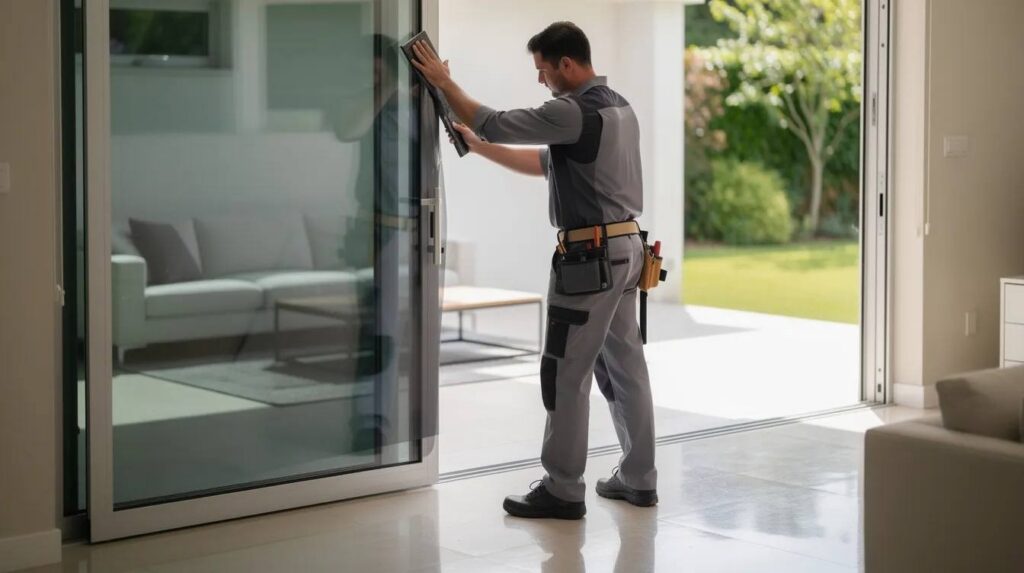
How Professional Installation Works. A qualified installer follows a structured process:
- On-site assessment-measuring glass dimensions, checking for tempered glass stamps, noting whether windows are single- or dual-pane, and identifying thermal stress risks.
- Film selection based on orientation, homeowner goals, and verified performance data.
- Surface prep with professional-grade cleaning and contamination control so no dust or debris gets trapped.
- Precision cutting, application, and squeegeeing to ensure a bubble-free bond with zero edge lift.
- Post-install inspection and a cure-time note-typically 30 to 90 days depending on climate and film type-during which the adhesive fully sets.
Common DIY Pitfalls. Trapped dust, creases from misalignment, uneven cut lines along frames, and film peeling within weeks due to poor edge prep. On dual-pane or low-E glass, using the wrong film can cause thermal stress fractures-a problem that voids glass warranties and costs far more than hiring a pro would have.
Quick Checklist-DIY or Pro?
- Is the glass area large, multi-story, or hard to reach with a ladder?
- Are the windows insulated (dual-pane) or coated with low-E?
- Do you need security-grade or solar-control film with a manufacturer warranty?
- Is long-term performance (10+ years) important to you?
If you answered yes to any of those, professional installation is the smarter path. Window Film Depot manages full turnkey projects-from scheduling and product selection through install, cleanup, and warranty handling-following the same instructions and standards used on large-scale commercial work.
What to Consider Before Choosing a Home Window Film
The right film depends on your glasses, your climate, and your goals-not just the darkest option on the server of an online film store.
Glass and Frame Type. Single-pane glass responds differently to film than a dual-pane insulated unit or one already coated with a low-E layer. Thicker glass and certain frame materials (aluminum vs. vinyl) affect thermal expansion. Skylights add even more solar exposure and stress. A glass audit ensures the film you select won’t cause seal failure or thermal cracking.
Orientation and Shading. South and west exposures drive the most solar gain. If mature trees or an overhang already shade a window for most of the day, aggressive solar film may not be necessary-and in some cases can increase breakage risk on partially shaded panes. An installer who understands these nuances can save you money by recommending film only where it’s needed.
Climate. In the hot, humid Southeast or the dry Southwest, solar control and IR-blocking films deliver the fastest ROI, much like 3M Sun Control ceramic window films do for commercial buildings facing intense solar gain. In the Midwest or Northeast, low-E insulating films that reduce winter heat loss may be a better fit, or a dual-purpose film that addresses both seasons.
Performance Data. Ask for NFRC-rated or manufacturer-provided specs-visible light transmission, solar heat gain coefficient (SHGC), and UV rejection-rather than relying on marketing claims. Technical data sheets from companies like 3M, sometimes hosted on content platforms like Edgesuite, provide the numbers you need to compare options fairly.
Warranty. Premium films often carry a lifetime residential warranty when professionally installed, covering adhesive failure, bubbling, and color change. Confirm whether the warranty is from the manufacturer, the installer, or both, and what criteria must be met.
Cost. Professional home window film installation typically runs $5 to $15 per square foot, depending on film type. For a home with 300–500 square feet of glass, a mid-grade ceramic solar project might land between $2,800 and $5,000-a lot less than full window replacement.
Why Professional, Local Expertise Matters
Window film interacts with local building codes, regional climate patterns, and the specific glazing system already in your home. Getting those variables right is what separates a film install that lasts 15 years from one that peels, cracks, or voids your glass warranty.
In Sunbelt states like Georgia, Texas, and Arizona, installers need aggressive heat rejection films that won’t overload dual-pane glass with thermal stress. In northern markets, the balance shifts toward low-E or insulating films that cut winter heat loss without sacrificing summer comfort. A seasoned installer understands which films have been tested on which glass types and can flag risks before they become problems.
Older homes with historic or specialty glass, multi-story residences requiring ladder or lift access, and properties governed by HOA architectural guidelines all demand experience that goes beyond watching a YouTube tutorial. Security film on entry doors used as primary egress, for example, must be installed without compromising operability-something a commercial-grade installer handles routinely.
Window Film Depot’s national footprint and 30-plus years of experience (founded in 1992) mean residential customers benefit from methods refined across high-profile commercial, retail, and government installations; you can explore more about Window Film Depot as a family-owned, award-winning installer to understand that background. Before you commit to any provider, ask for references, installer certifications, proof of insurance, and example projects similar to your home.
Frequently Asked Questions About Home Window Film
Will window film make my home too dark?
Not if you choose the right product. Spectrally selective and ceramic films can maintain 60–80 percent visible light transmission-meaning your room stays bright while heat and glare are dramatically reduced. Darker films (20–35 percent VLT) exist for extreme sun exposure, but most homeowners find a mid-range option keeps the space comfortable and well-lit. The days of every window tint turning a room into a cave are long gone.
How long does home window tint last?
Premium films professionally installed on interior glass surfaces typically last 15 years or more. Factors that shorten lifespan include extreme prolonged sun exposure, low-quality film materials, and improper installation. 3M films, for example, often carry a lifetime residential warranty when installed by a certified professional, covering bubbling, peeling, and color shift.
Can window film be removed if I change my mind?
Yes. A professional can remove film using heat and a careful scraping process, then clean any adhesive residue from the glass. The glass underneath is left undamaged in the vast majority of cases. Static cling films are even easier-just peel and reposition or discard.
Is window film safe for double-pane or low-E windows?
It can be, but a glass audit is essential. Certain films absorb too much heat and can cause the inner pane of a dual-pane unit to expand unevenly, risking seal failure or cracking. Reputable installers check glass type, size, existing coatings, and shading patterns before recommending a film. Some window manufacturers specify which films are approved for use on their products, so it’s worth verifying before you move forward.
Does window film really save on energy bills?
In favorable conditions-south or west exposure, high cooling demand, older glass-yes. Homeowners in hot climates often see cooling cost reductions of 15–30 percent on treated facades. Year-round, the combined effect of reduced cooling in summer and improved insulation in winter can cut total energy bills meaningfully. Results vary by orientation, HVAC behavior, and local utility rates, so treat any estimate as a ballpark rather than a guarantee.
How much does professional home window film installation cost?
Typical ranges run $5 to $15 per square foot installed, depending on film type. Solar and decorative films tend toward the lower-to-mid end, while security and specialty smart films cost more. For a whole-home project, most homeowners spend between $2,800 and $5,000. The best way to get a precise number is to share photos, approximate window dimensions, and your goals with the installer before the on-site visit.
Why Choose Window Film Depot for Your Home
Window Film Depot is a family-owned company, founded in 1992 and headquartered in Marietta, Georgia, with a national installation footprint across all 50 states built over three decades. That history means residential customers get the same precision and accountability that large-scale commercial and government clients expect.
WFD carries a deep portfolio of window glass film products and brands, including 3M and other high-performance architectural films-solar, safety, decorative, anti-graffiti-so recommendations start with your problem, not a limited product shelf. Every project is managed turnkey: initial consultation, product selection, professional installation, cleanup, and long-term warranty support. Installers are trained, vetted, and follow consistent standards whether the job is a single home or a multi-property portfolio.
WFD also supplies film wholesale to glass and glazing partners across North America through its core Window Film Depot distribution and project management operation, which underscores the technical credibility behind every residential recommendation.
- Reliability backed by 30+ years and thousands of completed projects
- Access to the full range of 3M architectural films
- Turnkey project management from first call to final inspection
- Nationwide reach with consistent quality standards
Next Steps: Talk With a Window Film Expert
If you are ready to make your home more comfortable, more private, and more energy efficient-without replacing a single window-the next step is a short conversation with a specialist.
Before reaching out, gather a few simple details: photos of the windows giving you trouble, rough dimensions, and a note about which direction they face. This helps Window Film Depot’s team provide faster, more accurate recommendations. You can connect through the website contact form, request a phone consultation, or coordinate through a property manager if you oversee multiple units.
Most residential projects wrap up in a single day with minimal disruption. A quick call can clarify exactly which films fit your home, your climate, and your budget-so you can stop fighting the sun and start enjoying the view.