Table of Contents:
- Why 3M Window Tint Film is More Than a Single Product: A Strategic Overview for Project Managers
- Matching Film to Function: Precision Specification for Optimal Project Performance
- Key Performance Metrics: Specifying 3M Film for Guaranteed Project Outcomes
- The Critical Role of a Certified 3M Installer: Ensuring Film Performance and Project Longevity
- Applying 3M Film Technology: Illustrative Project Scenarios Across Key Sectors
- Partnering for Success: Streamlining National 3M Film Installations for Large-Scale Projects
- Conclusion: Strategic Specification and Expert Partnership for Lasting Project Value
- Frequently Asked Questions
Why 3M Window Tint Film is More Than a Single Product: A Strategic Overview for Project Managers

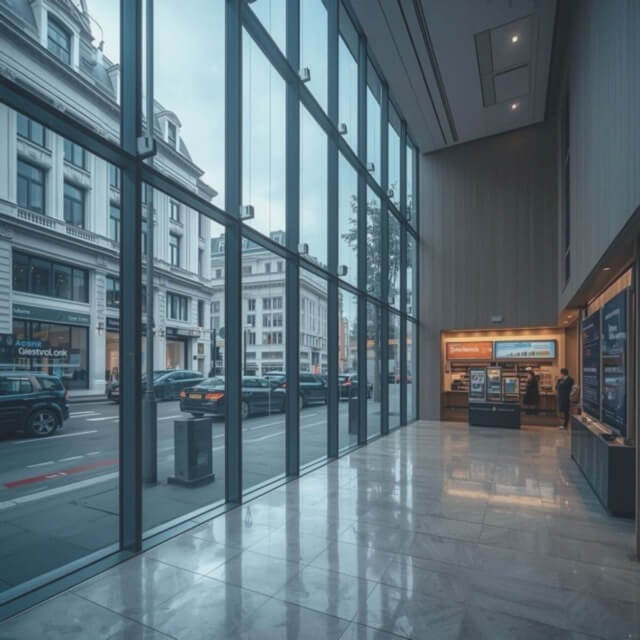
The Engineering Behind 3M’s Diverse Film Portfolio
Understanding 3M window films as a purely aesthetic addition significantly undervalues their strategic impact on large-scale construction and renovation projects. Beneath the surface, each 3M film series is a product of advanced materials science and meticulous engineering. These are not simply dyed plastic sheets; they are multi-layered composites, often incorporating proprietary technologies developed over decades of research and development. The performance characteristics, such as solar heat gain coefficient (SHGC), U-value, visible light transmittance (VLT), and even tensile strength, are meticulously engineered to address specific building performance challenges. This rigorous development ensures that when correctly specified, 3M films become integral components of a building’s energy management, safety, and comfort systems.
Dispelling the Myth: Not All Window Films Are Created Equal
A common misconception among project managers is that all window films offer comparable performance, differing mainly in price. This perspective overlooks critical distinctions in manufacturing quality, technological integration, and long-term durability. Generic films often lack the consistent optical clarity, color stability, and robust adhesive systems found in 3M products. Substandard films can degrade rapidly, leading to bubbling, peeling, or significant shifts in optical properties, which necessitate premature replacement and negate any initial cost savings. The investment in a high-quality 3M film, precisely matched to project requirements, delivers predictable long-term performance and ROI, supported by comprehensive warranties that reflect its engineered reliability.
Understanding the Foundational Technology of 3M Films
The technological underpinnings of 3M window films are diverse, reflecting their varied applications. A core innovation is the use of nanotechnology, where microscopic ceramic or metal particles are embedded within film layers to selectively block infrared heat while maintaining visible light. Another hallmark is 3M’s patented Multi-Layer Optical Film (MLOF) technology, seen in products like the Prestige Series, which relies on hundreds of non-metallized layers to reflect solar heat without interference with cellular or GPS signals. Advanced adhesive systems are equally vital, designed for durability, clarity, and ease of removal without damaging glass, ensuring both initial performance and future maintenance flexibility. These foundational technologies are what elevate 3M films beyond commodity status, transforming them into engineered solutions.
Matching Film to Function: Precision Specification for Optimal Project Performance
Selecting the appropriate 3M window film for a project demands a nuanced understanding of a building’s specific needs, environmental conditions, and performance goals. This is where precision specification, guided by technical expertise, translates directly into measurable project outcomes and ROI.
The Power of 3M Sun Control Window Film: Maximizing Energy Efficiency and Occupant Comfort
Sun blocking window film is engineered to significantly reduce solar heat gain through glass, which is a primary driver of cooling costs in commercial buildings. By reflecting or absorbing a substantial portion of the sun’s infrared energy, these films directly reduce the load on HVAC systems, leading to substantial energy savings. Beyond cost reduction, they enhance occupant comfort by minimizing hot spots near windows and reducing harsh glare, which can improve productivity in office environments.
Key benefits for project managers include:
- Reduced Energy Consumption: Measurable decrease in electricity bills from optimized HVAC performance.
- Improved Occupant Comfort: More uniform indoor temperatures and reduced glare for a better work or living environment.
- UV Protection: Blocks up to 99% of harmful UV rays, protecting interiors from fading and reducing skin cancer risk for occupants.
- LEED Contribution: Can contribute to LEED certification points through energy efficiency and daylighting strategies.
Enhancing Safety and Security with 3M Security Window Film: Mitigating Risks and Protecting Assets
3M Safety and Security Window Films are critical components for strengthening building envelopes against a range of threats, from accidental impacts to determined forced entry attempts and even natural disasters. These films are designed with exceptional tensile strength and tear resistance, forming a strong, flexible membrane that holds shattered glass together in the event of breakage. This containment greatly reduces the risk of injury from flying glass shards and acts as a significant deterrent to intruders by delaying access.
Their application provides robust mitigation against:
- Forced Entry: Films significantly extend the time required for an intruder to gain access, providing valuable response time.
- Natural Disasters: Protects occupants and interiors from high winds, seismic activity, and flying debris during storms.
- Bomb Blast Mitigation: In sensitive applications, specialized security films can help contain glass fragments from explosive forces, reducing casualties.
- Accidental Impact: Guards against glass breakage from everyday incidents, enhancing general safety.
The Versatility of 3M Thinsulate Climate Control Film: All-Season Solutions for Diverse Climates
The 3M Thinsulate Climate Control Window Film stands out as an innovative, year-round solution, particularly valuable in regions experiencing both hot summers and cold winters. Unlike traditional sun control films that primarily block heat, Thinsulate film utilizes low-emissivity (Low-E) technology. This allows it to improve a window’s insulating properties, essentially acting like adding an extra pane of glass. In summer, it reflects solar heat to keep interiors cooler. In winter, it reflects radiant heat back into the room, reducing heat loss through the glass and keeping interiors warmer. This dual-action capability optimizes energy use throughout the year, delivering consistent comfort and cost savings.
Aesthetic and Privacy Solutions: Decorative and Specialty 3M Films for Commercial Spaces
Beyond performance-driven applications, 3M offers a comprehensive range of decorative and specialty films that address aesthetic, privacy, and branding requirements within commercial spaces. These films provide cost-effective alternatives to etched or sandblasted glass, offering design flexibility and easy modification. They are ideal for creating privacy in conference rooms, enhancing brand identity in lobbies, or simply adding a distinctive architectural element to interior glass partitions.
Options include:
- Privacy Films: Frosted, translucent, or opaque films for visual screening.
- Decorative Films: Patterns, textures, and custom-printed graphics for unique design statements.
- Light Diffusing Films: Soften harsh light and distribute it more evenly throughout a space.
- Branding Films: Custom-cut logos and messaging to reinforce corporate identity.
These films demonstrate that the strategic use of window film extends beyond environmental control and security, contributing directly to the visual appeal, functionality, and overall perceived value of a commercial property.
Key Performance Metrics: Specifying 3M Film for Guaranteed Project Outcomes
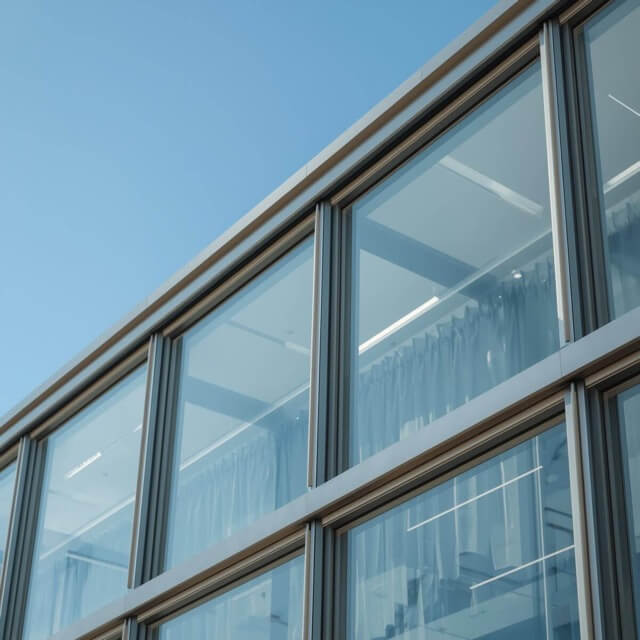
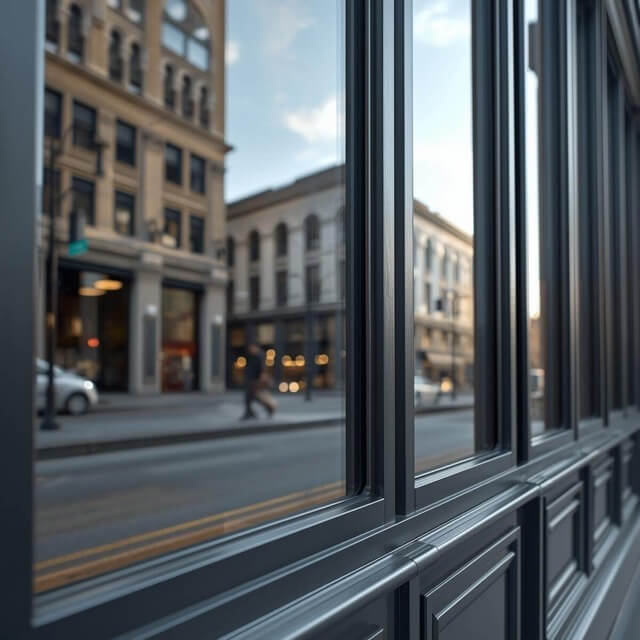
Selecting the optimal 3M window film for a large-scale project requires a nuanced understanding of key performance metrics. These aren’t just numbers on a spec sheet; they are predictive indicators of the film’s impact on energy efficiency, occupant comfort, asset protection, and ultimately, your project’s return on investment.
Decoding Visible Light Transmission (VLT): Balancing Clarity, Privacy, and Performance
Visible Light Transmission (VLT) quantifies the percentage of visible light that passes directly through the filmed glass. A higher VLT means more natural light enters the space, which can enhance interior brightness and reduce the need for artificial lighting during daylight hours. Conversely, a lower VLT percentage indicates a darker film, often chosen for privacy, glare reduction, or to significantly reduce solar heat gain in extremely sunny exposures. The engineering decision here involves balancing the desire for natural light with project-specific needs such as occupant privacy, the aesthetic impact on the building’s exterior, and the overall energy performance goals.
Total Solar Energy Rejected (TSER): The Benchmark for Energy Savings and Heat Management
Total Solar Energy Rejected (TSER) is arguably the most critical metric for assessing a window film’s energy-saving capabilities. This percentage represents the total amount of solar energy – encompassing visible light, infrared, and ultraviolet rays – that is prevented from entering a building through the glass. A higher TSER value directly correlates with reduced heat gain, which in turn significantly lowers the load on HVAC systems, leading to substantial energy cost savings. For commercial and institutional projects, optimizing TSER is a primary driver for achieving sustainability certifications and demonstrating a clear, measurable ROI on the film installation.
The Critical Importance of UV Rejection: Protecting Interiors, Merchandise, and Occupants
Ultraviolet (UV) radiation is a significant contributor to the deterioration of interior furnishings, merchandise, and even the health of building occupants. While often invisible, UV rays cause fading, discoloration, and material degradation over time. High-quality 3M window films are engineered to reject up to 99.9% of these harmful UV rays. This protective barrier extends the lifespan of interior assets like flooring, artwork, fabrics, and retail displays, safeguarding investments. Furthermore, by reducing UV exposure, these films contribute to a healthier indoor environment for occupants, a critical consideration for tenant satisfaction and well-being.
Other Essential Specifications: Glare Reduction, Emissivity, and Solar Heat Gain Coefficient (SHGC)
Beyond the core metrics, several other specifications play a vital role in comprehensive film selection:
- Glare Reduction: Films designed for glare reduction minimize excessive brightness, improving visual comfort for occupants and enhancing productivity, particularly in office environments where computer screen visibility is paramount.
- Emissivity: This property measures a material’s ability to emit radiant energy. Low-emissivity (Low-E) films are designed to reflect heat back to its source, meaning they help keep heat out in the summer and retain interior heat in the winter. This dual-action capability significantly boosts year-round thermal performance.
- Solar Heat Gain Coefficient (SHGC): SHGC is the fraction of incident solar radiation that enters a building as heat gain through the glass. A lower SHGC indicates a better ability to block solar heat. While related to TSER, SHGC is a more standardized measure used in comprehensive energy modeling and building performance simulations.
Understanding and correctly specifying these metrics, in conjunction with the project’s unique environmental conditions and performance objectives, is what differentiates an expertly chosen film solution from a generic application.
The Critical Role of a Certified 3M Installer: Ensuring Film Performance and Project Longevity
The advanced engineering inherent in 3M window films delivers exceptional performance, but this potential is fully realized only through precise, professional installation. The installation partner’s expertise is not merely a logistical consideration; it is a fundamental pillar supporting the film’s efficacy, warranty validity, and the ultimate success and longevity of your project.
Why Technical Expertise and Experience Matter: Beyond the Installation Process
Window film installation is a specialized trade that goes far beyond simply applying a film to glass. True technical expertise involves a deep understanding of glass science, thermal dynamics, and architectural considerations. An experienced partner can correctly assess the specific glass type on your building, understand its thermal properties, and recommend films that are compatible without risking thermal stress fracture. This foresight prevents costly glass damage and ensures the film performs as intended without compromising the integrity of the existing glazing. It also includes comprehensive site evaluations to anticipate and mitigate potential challenges unique to large-scale deployments.
The 3M Certification Advantage: Guaranteeing Quality, Adherence to Standards, and Warranty Validity
Choosing a 3M Certified Installer provides an invaluable assurance of quality and adherence to the manufacturer’s stringent standards. Certification signifies that technicians have undergone rigorous training directly from 3M, covering proper application techniques, product knowledge, and troubleshooting. This continuous education ensures installers are current with the latest film technologies and best practices. Crucially, a project installed by a 3M Certified professional typically qualifies for the full manufacturer’s warranty, offering comprehensive coverage and peace of mind for the project owner. This certification is your guarantee that the film’s performance specifications will be met and maintained over its intended lifespan.
The Risks of Non-Certified Installation: Avoiding Costly Mistakes, Failures, and Underperformance
Engaging non-certified or inexperienced installers introduces significant risks that can severely undermine project outcomes. Common pitfalls include improper surface preparation leading to adhesion failures, visible defects such as bubbles or creases, and incorrect film-to-glass selection that can void warranties or, worse, lead to glass breakage due to thermal shock. These issues not only diminish the aesthetic appeal and performance of the film but also incur substantial remediation costs, project delays, and a loss of the anticipated energy savings and comfort improvements. The initial “savings” from a cheaper, non-certified installer invariably lead to greater long-term expenses and headaches.
Our Unmatched Expertise: Leveraging the #1 U.S. 3M Window Film Installer Status for Your Project
As the #1 U.S. 3M Window Film Installer, our organization brings an unparalleled depth of experience and technical proficiency to every project. This designation is a testament to our consistent adherence to the highest installation standards, our comprehensive product knowledge, and our proven ability to execute complex, large-scale deployments across diverse building types and geographical locations. For project managers, this means partnering with a trusted expert capable of providing strategic guidance from specification through installation and beyond. Our extensive track record ensures that your investment in 3M film technology delivers its full potential in energy efficiency, occupant comfort, security, and aesthetic value, all backed by industry-leading support and warranty protection.
Applying 3M Film Technology: Illustrative Project Scenarios Across Key Sectors
The theoretical advantages of advanced window film technology translate into tangible benefits across diverse commercial and institutional environments. The critical engineering decision of selecting the correct 3M film series is best understood through its impact in specific project contexts. Each sector presents a unique confluence of objectives, demanding tailored film solutions for optimal performance and return on investment.
3M Film Solutions for Retail Environments: Enhancing Security, Branding, and Customer Comfort
For retail properties, window films are far more than aesthetic enhancements; they are strategic assets impacting operational efficiency, security posture, and the customer experience. Storefronts, while designed for visibility, often expose merchandise to harmful UV rays and present security vulnerabilities. The challenge lies in balancing transparency with protection and comfort.
- Security and Loss Prevention: 3M Safety & Security Films, particularly the Ultra Series, significantly reinforce glass, deterring smash-and-grab incidents and mitigating damage from severe weather or accidental breakage. This transforms standard glass into a formidable barrier, protecting high-value merchandise and ensuring business continuity.
- Brand Protection and Merchandising: UV-blocking films prevent fading and degradation of valuable merchandise and interior finishes, preserving brand integrity and reducing replacement costs. Simultaneously, glare reduction films enhance visibility of display items and digital signage, improving the shopping experience for customers.
- Customer Comfort and Energy Efficiency: By rejecting solar heat, certain films maintain a more consistent and comfortable interior temperature, reducing the load on HVAC systems and lowering energy bills. This directly contributes to a more pleasant environment for shoppers and staff, encouraging longer visits and improving employee satisfaction.
- Privacy and Aesthetics: For areas requiring privacy, specialized opaque or reflective films can be integrated, while frosted or decorative films can reinforce brand aesthetics or segment spaces without compromising natural light.
Optimizing Commercial Office Buildings with 3M Window Film: Boosting Productivity and Reducing Operational Costs
In commercial office spaces, the objective is to create an environment that fosters productivity, attracts and retains tenants, and operates efficiently. Window film technology directly addresses these goals by managing light, temperature, and privacy.
- Energy Management and LEED Compliance: High-performance 3M Sun Control Films, such as the Prestige Series, offer significant solar heat rejection while maintaining high visible light transmission. This dramatically reduces cooling costs, contributes to lower energy consumption, and can support LEED certification goals by improving energy performance and occupant comfort.
- Enhanced Occupant Comfort and Productivity: Glare on computer screens is a common complaint that reduces productivity and increases eye strain. Glare reduction films create a more comfortable working environment, allowing for optimal use of natural light without discomfort. Consistent thermal comfort throughout the building also minimizes “hot spots” near windows, leading to fewer tenant complaints and higher satisfaction.
- Asset Protection and UV Mitigation: Like retail, office environments benefit from UV protection to prevent fading of interior furnishings, artwork, and equipment, extending their lifespan and reducing replacement cycles.
- Security and Privacy: Depending on the office type and location, security films can protect against forced entry or ballistic threats. Additionally, decorative or privacy films can be employed for conference rooms, executive offices, or sensitive areas, balancing open-plan aesthetics with necessary discretion.
Enhancing Education Facilities: Strategic Film Choices for Safety, Security, and Learning Environments
Educational institutions, from K-12 schools to universities, face unique challenges centered on student and staff safety, asset protection, and creating optimal learning conditions. The strategic application of 3M window films is a critical component of a comprehensive facility management plan.
- Enhanced Safety and Security: 3M Safety & Security Films are paramount in educational settings. They reinforce glass against impacts, containing shattered glass fragments in the event of an accident, natural disaster, or attempted forced entry. This creates a safer environment by mitigating injury from broken glass and slowing down potential intruders, providing crucial response time for emergency services.
- Improved Learning Environments: Glare reduction films minimize reflections on whiteboards, smartboards, and projectors, ensuring educational content is always visible. Thermal control films maintain comfortable classroom temperatures, reducing distractions caused by overheating or cold drafts, which directly impacts student focus and performance.
- UV Protection: Protecting students and staff from harmful UV radiation is particularly important in classrooms with extensive window areas. UV-blocking films safeguard against skin damage and protect classroom materials, books, and equipment from fading and deterioration.
- Privacy Solutions: Frosted or decorative films can be utilized for classroom doors or internal windows to provide privacy without blocking essential light, offering flexible solutions for diverse learning spaces and administrative offices.
Putting Theory into Practice: Strategic Film Selection for Complex Building Requirements
The examples above underscore a fundamental principle: the selection of 3M window film is not a generic choice but a highly specialized engineering decision. Each project presents a unique set of variables and priorities that must be meticulously analyzed to ensure the specified film delivers the desired outcomes and a measurable return on investment.
A thorough assessment considers:
- The building’s architectural design, existing glazing type, and structural integrity.
- Specific performance goals, whether primarily energy savings, security enhancement, glare reduction, or a combination.
- Occupant comfort requirements and local climate conditions.
- Budgetary constraints and expected ROI.
- Local building codes and aesthetic preferences.
This complex interplay of factors necessitates the involvement of experts who can translate project objectives into precise film specifications, ensuring that the chosen 3M film series is perfectly matched to the application.
Partnering for Success: Streamlining National 3M Film Installations for Large-Scale Projects
Implementing sophisticated window film solutions across multiple locations or within extensive facilities introduces considerable logistical and coordination challenges. For construction and renovation managers overseeing national rollouts, the consistency of specification, quality of installation, and efficiency of project management are paramount. A specialized national partner is not merely a vendor but a strategic ally in navigating these complexities.
Addressing the National Rollout Challenge: A Specialized Vendor for Multi-Location Projects
General contractors and local subcontractors, while proficient in their core trades, typically lack the deep, specialized expertise required for 3M film specification and large-scale installation. This can lead to inconsistencies in film application, varying performance results, and significant project delays across distributed sites. The solution lies in partnering with a singular, specialized entity equipped to manage every facet of a national rollout.
A dedicated national window film provider brings:
- Centralized Expertise: A single point of contact provides consistent technical consultation, ensuring the correct 3M film is specified for each unique site.
- Standardized Processes: Uniform methodologies for site assessment, preparation, installation, and quality control are applied across all locations, guaranteeing consistent results.
- Scalable Resources: The capacity to deploy certified installation teams across various geographies simultaneously, adhering to aggressive timelines.
- Accountability: A single, specialized partner shoulders the responsibility for the success of the entire film installation component of your project, simplifying vendor management.
Our Coordinated Approach to Project Management: From Specification to Seamless Execution
Successful national deployments of 3M window film demand a highly coordinated and systematic approach. Our process is designed to eliminate guesswork, streamline communication, and ensure predictable outcomes from the initial consultation through to project completion.
This involves:
- Comprehensive Site Assessments: Detailed evaluations of each location’s specific glazing types, solar exposure, security vulnerabilities, and operational schedules.
- Precise Film Specification: Leveraging 3M’s extensive product range, we identify the exact film series that aligns with performance goals, local regulations, and aesthetic preferences for every site.
- Detailed Project Planning: Developing individualized project plans for each location, integrating with broader construction or renovation schedules to minimize disruption.
- Proactive Communication: Maintaining transparent and continuous communication with project managers, providing regular updates and promptly addressing any emergent issues.
- Expert Installation and Quality Control: Deploying 3M-certified installation teams who adhere to the highest industry standards, followed by rigorous quality assurance checks.
Ensuring Consistent Quality and Performance Across All Your Locations
The perceived “one-time” nature of window film installation often belies its complexity. Achieving uniform quality and performance across numerous sites requires more than just skilled labor; it demands a systemized approach to quality assurance. With 3M film technology, the performance metrics are precise, and the installation quality directly dictates whether those metrics are realized.
Our commitment to consistency includes:
- 3M Certified Installers: All technicians undergo extensive training and certification directly from 3M, ensuring proficiency in product handling, application techniques, and problem resolution.
- Standardized Operating Procedures: Every step of the installation process, from surface preparation to film application and post-installation inspection, follows documented protocols regardless of location.
- Centralized Quality Audits: Independent quality checks are performed across diverse sites to verify adherence to specifications and installation standards, identifying and correcting any deviations promptly.
- Uniform Material Sourcing: All 3M films are procured through established channels, guaranteeing authenticity and consistent product performance specifications.
Leveraging Unparalleled Logistical Expertise for Your Project’s Success
Managing the logistics for national window film installations is a critical, often underestimated, facet of project success. From material procurement to managing diverse installation crews and adhering to varied local regulations, these challenges can significantly impact project timelines and budgets if not expertly handled.
Our logistical capabilities ensure:
- Optimized Material Management: Centralized procurement and inventory management ensure the correct 3M film is available and delivered precisely when and where it’s needed, minimizing delays and waste.
- Strategic Scheduling and Coordination: Expert scheduling teams coordinate installations across multiple time zones and operational schedules, accommodating specific site requirements and minimizing disruption to ongoing business operations.
- Local Compliance and Permitting: Navigating diverse local regulations, permits, and union requirements is handled by experienced personnel, preventing costly delays and ensuring legal compliance.
- Efficient Waste Management: Environmentally responsible disposal practices are implemented for all project sites, aligning with corporate sustainability initiatives.
This comprehensive logistical management frees project managers from granular oversight, allowing them to focus on the broader project objectives with confidence.
Conclusion: Strategic Specification and Expert Partnership for Lasting Project Value
As we have explored, the selection of 3M window tint film for large-scale commercial and institutional projects extends far beyond aesthetic considerations. It is a critical engineering decision, directly influencing energy efficiency, occupant comfort, safety, security, and ultimately, the long-term return on investment for the asset owner. Each film series offers a distinct profile of performance metrics—from solar heat gain coefficient (SHGC) and visible light transmittance (VLT) to tensile strength and shatter resistance—that must align precisely with specific project objectives and environmental conditions.
The technical intricacies inherent in 3M’s advanced film technologies demand a depth of knowledge that a generalist subcontractor simply cannot provide. Misinterpreting specifications or underestimating the nuances of film application can lead to suboptimal performance, increased operational costs, and even compromise the safety ratings of the installed product. This is where the choice of an installation partner becomes as pivotal as the film selection itself.
The Imperative of Expert Partnership
A truly strategic approach to window film integration necessitates collaboration with an expert national installation partner. Such a partner possesses the specialized technical acumen to translate complex project requirements into precise film specifications, ensuring that the chosen 3M product performs exactly as intended. Their expertise encompasses not only the physical installation but also a profound understanding of film chemistry, substrate compatibility, local building codes, and warranty provisions. This specialized knowledge is critical for guaranteeing the integrity and longevity of the investment across diverse locations and project scales.
For project managers navigating large-scale rollouts, an expert partner de-risks the entire process by ensuring consistent quality, adherence to manufacturer standards, and uniform performance across all sites. This mitigates the common pain points associated with coordinating multiple generalist subcontractors, including varying installation quality, inconsistent material sourcing, and fragmented warranty support. A dedicated expert partner offers a unified solution, streamlining project management and delivering predictable, high-quality outcomes.
Beyond Installation: Long-Term Value and Support
The true value of strategic film specification and expert installation extends well beyond the project’s completion date. It encompasses the sustained operational benefits, reduced maintenance, and long-term peace of mind that come from a correctly implemented solution. The durability and performance of 3M films, when installed by certified professionals, contribute directly to the building’s asset value and occupant satisfaction for years to come.
This comprehensive approach yields several key benefits:
- Maximized ROI: Precise film selection and expert application ensure optimal energy savings and extended product lifespan.
- Guaranteed Performance: Technical expertise translates film specifications into real-world performance, validated by manufacturer warranties.
- Enhanced Occupant Experience: Optimal glare reduction, temperature control, and UV protection contribute to a superior indoor environment.
- Streamlined Project Management: A single, expert national partner simplifies logistics and oversight for multi-site or large-scale projects.
- Asset Protection: From increased security to reduced fading of interiors, the correct film provides critical long-term protection.
Ultimately, choosing the correct series of 3M window tint film is an engineering decision foundational to a project’s success. Its performance and the realization of its intended ROI hinge entirely on the technical expertise and strategic partnership with a specialized installation provider, ensuring that advanced film technology delivers its full potential.
Frequently Asked Questions
What is 3M window tint film used for in commercial buildings?
3M window tint film is used to improve energy efficiency, reduce glare, block UV rays, and enhance comfort and security in commercial and institutional buildings.
How does 3M window tint film improve energy efficiency?
It reduces solar heat gain by filtering infrared and UV radiation, which lowers HVAC demand and helps stabilize indoor temperatures year-round.
Does 3M window tint film block UV rays?
Yes, most 3M window tint film products block up to 99% of harmful UV rays, helping prevent fading of furniture, flooring, and interior finishes.
Is 3M window tint film only for aesthetics?
No, it is an engineered building material designed for performance, including energy savings, occupant comfort, glare control, and even safety enhancement.
Why is professional installation important for 3M window tint film?
Professional installation ensures proper adhesion, optimal performance, warranty compliance, and prevents issues like bubbling, peeling, or reduced effectiveness.