Table of Contents:
Introduction
True “bullet proof window film” does not exist. When people search for this term, they typically find security window film products that serve entirely different functions than stopping bullets. The distinction matters significantly for anyone making decisions about building protection.
This guide covers security window film capabilities and limitations, genuine bullet resistant glass options, and practical protection solutions for schools and commercial facilities. The target audience includes school administrators assessing campus safety measures, security professionals evaluating building vulnerabilities, and business owners seeking cost effective solutions for protecting their properties and occupants.
Direct answer: Security window film applied to regular glass cannot stop bullets. It delays entry by holding broken glass together during forced entry attempts, buying critical seconds for occupants to respond. True ballistic protection requires bullet resistant glass or certified glazing systems tested to standards like UL 752.
By the end of this article, you will understand:
- Why bulletproof window film is a misleading term and what security film actually accomplishes
- How to distinguish between entry delay products and genuine ballistic protection
- Cost comparisons between security film and bullet resistant window solutions
- How to verify legitimate ballistic ratings and avoid misleading marketing claims
- Implementation strategies that match your budget and threat profile
Understanding Bullet Proof Window Film vs. Security Window Film
The term “bulletproof window film” is commonly referred to in marketing materials, but it creates dangerous misconceptions about what these products can actually accomplish. No film applied to standard glass windows will reliably stop bullets from penetrating.
This myth developed partly because some security film products are tested in combination with ballistically rated glass and frames. When vendors advertise these systems, people often assume the film alone provides the protection. The reality is that any claimed ballistic rating applies only to the complete tested system—specific film, specific glass type, specific frame, and specific anchoring method.
What Security Window Film Actually Does
Security window film consists of polyester (PET) or multilayered polymer laminates bonded to existing glass surfaces. Typical thicknesses range from 4 to 14 mils for standard security applications, with higher-performance films reaching 14 to 21 mils or more.
The primary functions of security film include:
- Retaining glass fragments when window glass breaks, reducing injury from flying shards
- Increasing forced entry resistance by keeping shattered glass in place
- Protecting against vandalism, storm damage, and break-and-enter attempts
- Adding an extra layer of protection to existing glazing without full replacement
When installed correctly with proper anchoring, security film can delay entry for 60 to 120 seconds after glass has been compromised. This delay can make the difference between a successful lockdown and a breach, particularly in school settings or commercial reception areas.
The Ballistic Rating Reality
Films are only ballistically effective when applied to ballistic glass as part of a certified system. Applying security film to regular glass does not create bullet resistance—it creates entry delay.
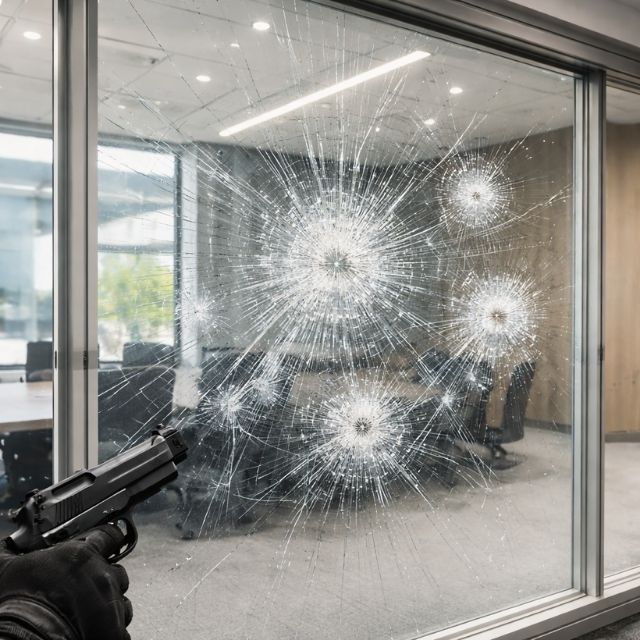
Under ballistic attack, standard glass with security film will shatter. The film may hold glass fragments together briefly, but bullets will penetrate. Only bullet resistant glass systems—using materials like glass clad polycarbonate, laminated polycarbonate, or multilayer laminated glass—can actually stop bullets.
For a product to legitimately claim a UL 752 rating, it must be tested as a complete assembly. Change any component, and the rating no longer applies. This is why verifying actual ballistic capabilities requires examining the full system specifications, not just film marketing claims.

How Security Window Film Works for Protection
Despite its limitations against bullet threats, security window film provides legitimate protective benefits when applied to standard glass in schools, offices, and commercial buildings. Understanding these benefits helps organizations make informed decisions about their security measures.
Installation and Anchoring Systems
The effectiveness of security film depends heavily on proper installation, particularly edge attachment and anchoring to the existing glazing frame. Without secure anchoring, the entire pane—even with film applied—can be dislodged by sufficient force.
Common anchoring methods include:
- Wet-glaze structural silicone: Adhesive sealants bonding film edges to window frames
- Mechanical attachment systems: Metal clips, battens, or brackets securing film to frame structures
- Full perimeter bonding: Complete edge-to-edge adhesion preventing separation
Security film products like RiotLite and other window protection film solutions to reinforce glass windows and doors bond to existing glazing systems with thickness options ranging from 8 to 41 mils depending on application requirements. Thicker films provide greater fragment retention and entry delay but may affect optical clarity.
Performance in Active Shooter Scenarios
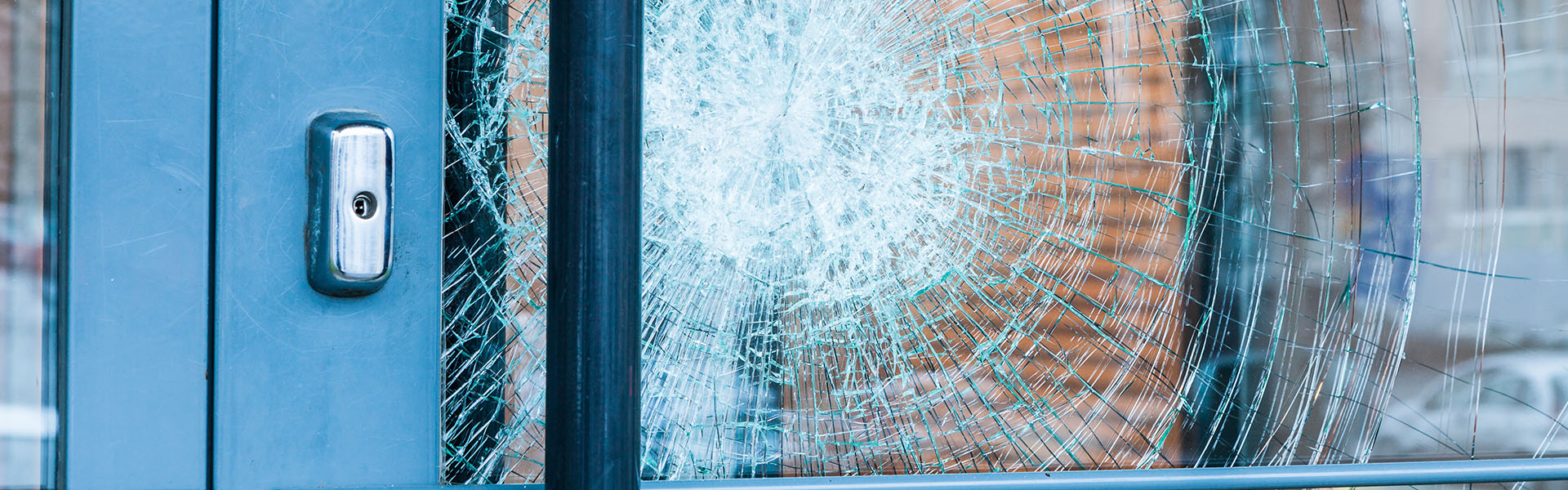
In active shooter situations, security film on ground-level windows and door glass can delay forced entry long enough for occupants to implement lockdown procedures. While the film cannot stop bullets, it prevents an intruder from quickly gaining entry through shattered openings.
When an attacker breaks glass windows protected by security film, the glass shatters but remains in place. The intruder must then cut, tear, or remove the film-and-glass membrane—a process requiring additional time and tools. This delay of 60 or more seconds can allow:
- Staff to secure unlocked doors and implement lockdowns
- Occupants to move away from vulnerable areas
- Law enforcement to respond before breach occurs
This makes security film particularly valuable for main entrances, entrance vestibules, back doors, and high traffic areas where rapid entry would otherwise be possible through glass.
School and Commercial Applications
Many schools implement security window film as a first-phase upgrade when full ballistic glazing exceeds available budgets. State school security guidelines frequently recommend 3M Scotchshield safety and security window films for forced entry resistance as a cost effective solution for improving school safety.
Commercial applications include:
- Retail storefronts vulnerable to smash-and-grab theft
- Office windows in ground-floor or accessible locations
- Reception areas with glass exposure to public access points
- Banks and financial institutions requiring delay capabilities
The protective capabilities of security film are clear: fragment retention, entry delay, and reduced injury from broken glass. The limitations are equally clear: no protection against ballistic threats or other projectiles at velocity.
Ballistic Protection Alternatives and Implementation
For organizations requiring actual bullet resistance, genuine bullet resistant glass systems provide protection that security film cannot. These solutions involve significantly different materials, costs, and installation requirements.
Types of Bullet-Resistant Glass
Bullet resistant window systems are constructed from multiple alternating layers designed to absorb and dissipate projectile energy, and understanding whether bulletproof glass can be broken and common myths helps set realistic expectations of their performance. Common configurations include:
- Laminated glass: Multiple glass layers bonded with plastic interlayers
- Glass clad polycarbonate (GCP): Glass exterior for scratch resistance with polycarbonate interior for stopping power
- Laminated polycarbonate: Pure plastic systems offering lighter weight at some thickness
- Hybrid systems: Custom combinations optimized for specific threat levels
Thickness requirements vary by protection level. Lower UL 752 levels (handgun protection) may require approximately ¾-inch glazing. Higher levels protecting against rifle threats can require 2 to 3 inches or more, creating significant weight and frame support considerations.
Bulletproof glass commercially available today offers excellent optical clarity in most configurations, though distortion increases with thickness. Insulated glass versions are available for exterior applications requiring thermal performance.
Cost Comparison Analysis
| Factor | Security Window Film | Bullet Resistant Glass |
|---|---|---|
| Material Cost per Sq Ft | $6–$15 | $25–$350+ |
| Installed Cost per Sq Ft | $20–$40 (with anchoring) | $60–$300+ |
| Protection Level | Forced entry delay only | UL 752 Levels 1–8 (handgun through rifle) |
| Installation Complexity | Applied to existing glass | Requires frame reinforcement/replacement |
| Typical Lifespan | 5–10 years | 15–25+ years |
| Maintenance Needs | Inspection for peeling, UV damage | Seal and frame inspection |
| For school administrators and security professionals weighing options, this comparison highlights the trade-off between immediate affordability and comprehensive protection. Security film provides meaningful entry delay at a fraction of ballistic glass costs—aligning with typical window security film installation cost and price estimates—while bullet resistant glass offers protection that film simply cannot provide. |
Many organizations implement a hybrid approach: security film on most glass surfaces with bullet resistant window installations in highest-risk areas like administrative offices, side windows near entrances, and door glass in access-controlled vestibules.
UL 752 Standards and Verification
UL 752 is the primary standard for bullet resistant barriers in the United States. It defines protection levels based on specific ammunition types, velocities, and shot counts:
- Levels 1–3: Handgun threats (9mm through .44 Magnum)
- Levels 4–8: Rifle and high-powered threats (30-06 through military rifle ammunition)
For any product claiming ballistic protection, verification requires understanding glass ballistic tests and standards like UL752, NIJ, NGA ASTM F3561, and EN 1063 as well as:
- Test certificates from independently tested laboratories
- Specific UL 752 level designation
- Complete system specifications (glass type, film if used, frame, anchoring)
- No spall (fragment scatter) or penetration during testing
Red flags in marketing claims include vague terms like “ballistic protection” without specific levels, film-only products claiming bullet resistance, and ratings that apply only to film tested on specialty glass being marketed for application on regular glass.
Common Challenges and Solutions
Implementing effective window protection involves navigating budget realities, marketing confusion, and integration with broader security systems, often with the help of specialized providers like Window Film Depot’s nationwide window film services.
Budget Constraints and Phased Implementation
Most school districts and businesses cannot afford full ballistic glazing across all windows. A phased approach allows meaningful security improvements within budget limits, especially when working with an experienced national window film retrofit installer like Window Film Depot:
Phase 1: Install security film on all ground-level glass windows, door glass, and high traffic areas. This provides immediate forced entry delay across the facility.
Phase 2: Upgrade highest-risk areas (main entrances, administrative offices, reception areas) to bullet resistant window systems.
Phase 3: Extend ballistic protection to additional areas as funding allows.
Grant funding options for schools include federal school safety grants, state security upgrade funds, and insurance incentive programs. Some jurisdictions offer property tax credits for documented security improvements, and specialized retrofit systems like BulletShield bulletproof window glazing as a ballistic window film alternative can often be incorporated into these funded upgrades.
Misleading Marketing and Product Claims
To identify legitimate products versus misleading claims—and to understand the difference between shatterproof window film and security window films:
Ask suppliers directly:
- “What specific UL 752 level does this product meet?”
- “Was this film tested independently on the same glass type I have?”
- “What laboratory performed testing, and can you provide the certificate?”
- “Does the rating apply to film alone or only with specific glass and frame combinations?”
Be wary of terms like “Level III” that may reference different standard sets (UL vs. NIJ) or measure tear strength rather than ballistic performance. If a vendor cannot provide specific test documentation, treat claims with skepticism.
Integration with Comprehensive Security Systems
No single security measure protects against all threats. Window protection should integrate with:
- Access control: Secured entries, visitor management, credential systems
- Surveillance: Camera coverage of vulnerable areas including windows and doors
- Emergency protocols: Lockdown procedures, communication systems, staff training
- Physical barriers: Reinforced doors, interior safe zones, controlled access points
Consider operational factors including fire egress code compliance, maintenance requirements, and insurance implications. Some insurers offer premium reductions for certified window protection systems, particularly in high-risk transaction areas where bullet-resistant transaction windows help protect staff handling cash or sensitive records.
Conclusion and Next Steps
Security window film provides valuable forced entry delay and fragment retention but cannot stop bullets on regular glass. True ballistic protection requires bullet resistant glass systems independently tested and certified to standards like UL 752. Understanding this distinction is essential for making informed security decisions.
Immediate action steps:
- Assess current vulnerabilities: Identify which windows and doors present the highest risk for forced entry or ballistic attack
- Inventory existing glazing: Document glass types, frame conditions, and architectural constraints
- Request detailed proposals: Require suppliers to specify threat levels, test certifications, and complete system requirements
- Prioritize strategically: Focus initial investment on highest-risk areas
- Plan maintenance: Schedule periodic inspections of film condition, anchoring integrity, and frame seals
Need More Info?
The Window Film Depot team is happy to help.
Related topics to explore include comprehensive security audits that evaluate all facility vulnerabilities, emergency response planning that coordinates with physical security measures, and evolving standards like ASTM F3561-22 addressing forced entry resistance after ballistic attack.
Frequently Asked Questions
Does bullet proof window film actually exist?
No film alone can stop bullets on regular glass. High-performance films tested as part of complete ballistic systems (specific glass, frame, and anchoring) may contribute to a rated assembly, but the film itself does not provide bullet resistance.
What’s the difference between security film and ballistic protection?
Security film enhances forced entry resistance and holds broken glass together. Ballistic protection, achieved through bullet resistant glass systems, actually stops bullets under defined test conditions. These are fundamentally different capabilities.
How much does security window film cost compared to bullet-resistant glass?
Security film typically costs $20–$40 per square foot installed with proper anchoring. Bullet resistant glass systems range from $60–$300+ per square foot installed, depending on protection level and installation complexity.
Can security window film stop bullets on regular glass?
No. Security film on standard glass will not stop bullets. The glass shatters, and while film may hold fragments briefly, projectiles will penetrate. Only certified bullet resistant glazing systems stop bullets.
What thickness of security film is needed for schools?
For enhanced forced entry resistance, films in the 14–21 mil range are commonly specified for school settings. However, thickness alone does not determine protection level—the complete system including glass, film, and anchoring matters.
How do you verify if a product has real ballistic ratings?
Request test certificates identifying the laboratory, test date, UL 752 level achieved, and complete specimen specifications (glass type, film, frame, anchoring). Verify the tested configuration matches what you’re purchasing.
Should schools choose security film or bullet-resistant glass?
Most schools benefit from a hybrid approach: security film across all vulnerable glass surfaces for entry delay, with bullet resistant glass in highest-risk areas like administrative offices and main entrance vestibules.
How long does security window film last before replacement?
Typical lifespan is 5–10 years depending on UV exposure, film quality, and environmental conditions. Regular inspection for peeling, discoloration, and adhesive failure helps determine replacement timing.
Can security film be installed on existing windows?
Yes. Security film is designed for post-application to existing glass. However, the glass type, thickness, and frame condition must be suitable, and proper anchoring to the existing glazing frame is essential for performance.
What other security measures should complement window protection?
Effective building protection combines window security with access control systems, surveillance cameras, secured doors (addressing unlocked doors as a common vulnerability), interior safe zones, emergency communication, and staff training on lockdown procedures.