Table of Contents:
- Why Your Windows Are Working Against You (And What Residential Window Film Actually Fixes)
- What Is Window Tint for Home and How Does It Work?
- The Core Benefits of Residential Window Film: Energy Savings, UV Protection, and Beyond
- Types of Residential Window Film and When to Use Each
- How to Choose the Right Window Tint for Your Home
- Professional Installation vs. DIY: What the Data Actually Shows
- What to Expect During and After Professional Installation
- From Uncomfortable Rooms to a High-Performance Home: Your Next Step
- Frequently Asked Questions
Why Your Windows Are Working Against You (And What Residential Window Film Actually Fixes)
House window tint is one of the most effective ways to reduce heat, cut glare, and protect your furniture from sun damage without replacing your windows. The right film can block up to 99% of UV rays, lower cooling costs, and make bright rooms far more comfortable. This guide explains how Window Tint for Home works and how to choose the best option for your needs.
The Hidden Cost of Untreated Glass: Heat, Glare, Fading, and Lost Comfort
Your windows are doing their job, transmitting light and providing views, but standard glass does almost nothing to filter the solar energy that comes with that light. The result is predictable: a south-facing living room that’s unusable by noon, hardwood floors with UV-bleached streaks near the sill, and an HVAC system that runs longer every summer to compensate for heat pouring through glass that offers essentially zero resistance.
These aren’t minor inconveniences. A single unshaded west-facing window can raise the temperature of the room it faces by 10 to 15 degrees Fahrenheit during peak afternoon hours. Multiply that across a home with multiple exposed orientations, and you’re looking at meaningfully higher cooling loads and energy bills that reflect it. Furniture fading is cumulative and permanent. And glare that forces you to close blinds defeats the purpose of having windows at all.
How Solar Energy Enters Your Home and Why Standard Glass Falls Short
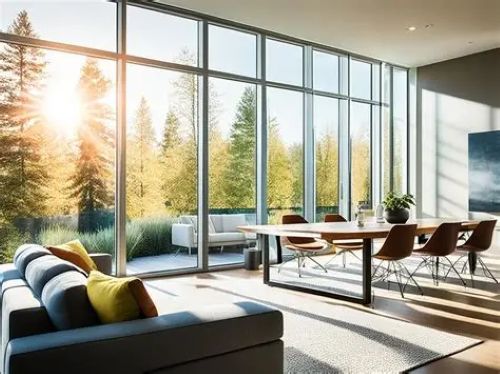
Solar energy arrives in three forms: visible light (roughly 44% of the solar spectrum), infrared radiation (approximately 53%), and ultraviolet radiation (around 3%). Standard single- and double-pane glass blocks most UV-B but transmits the majority of UV-A, nearly all infrared, and all visible light. That infrared transmission is the primary driver of solar heat gain, the invisible energy load that warms surfaces, heats air, and forces your cooling system to compensate.
Low-E coatings on modern insulated glass units improve on this, but they’re built into the glass at manufacture and can’t be added after the fact. Even factory low-E glass leaves significant solar heat gain unaddressed compared to a high-performance solar control film applied to its interior surface.
Window Film as a Building Envelope Upgrade, Not a Surface Decoration
Most homeowners who research window tinting for homes are looking for a privacy solution or a way to reduce glare in one problem room. That’s a reasonable starting point, but it undersells what the technology actually delivers. A properly specified film doesn’t just change how a window looks; it changes how it performs as part of your home’s thermal boundary.
The building envelope is the system of walls, roof, and windows that separates conditioned interior space from the outdoor environment. Windows are traditionally the weakest link in that envelope, combining high solar transmission, limited insulating value, and no dynamic response to changing sun angles. Residential window film addresses the first two of those problems directly. The right film can reject 40 to 80 percent of incoming solar heat, block 99 percent of UV radiation, and reduce visible light transmission to a level that cuts glare without eliminating daylight. That’s not decoration. That’s a measurable upgrade to how your home manages energy.
Is Window Tinting Worth It for a House?
For most homes with significant sun exposure, tinting home windows is the answer, with one important caveat. The return depends on which film you choose, which windows you treat, and whether installation is done correctly. Homeowners in hot climates with south- or west-facing glass typically see cooling cost reductions of 10 to 30 percent on treated windows, with payback periods ranging from three to seven years depending on energy rates and film cost. UV protection for furnishings and flooring adds value that doesn’t appear on an energy bill but is very real. Replacing sun-damaged hardwood or faded upholstery costs far more than a window film for heat installation.
The caveat: a film chosen for the wrong reason, applied to incompatible glass, or installed without proper technique will underperform or fail early. That’s the core risk this guide addresses.
What Is Window Tint for Home and How Does It Work?
The Science Behind Solar Control: VLT, SHGC, and Infrared Rejection
Three numbers define how a window film performs, and understanding them prevents bad purchasing decisions.
Visible Light Transmission (VLT) is the percentage of visible light a film allows through. A film with 50% VLT passes half the visible light that hits it. Lower VLT means a darker appearance and more glare reduction; higher VLT preserves a more natural view.
Solar Heat Gain Coefficient (SHGC) measures how much total solar energy passes through the glass-and-film system, expressed as a value between 0 and 1. A combined SHGC of 0.25 means 25% of solar energy enters the room. Lower is better for cooling climates.
Infrared Rejection (IRR) is the percentage of infrared radiation blocked. This is where ceramic window films separate themselves from conventional dyed films. Ceramic technology can achieve IRR ratings above 95% while maintaining high VLT, meaning you keep your view and your daylight while blocking the heat that travels with it.
How Window Film Bonds to Glass and Modifies Solar Performance
Residential window film is a multi-layer polyester laminate, typically 1 to 4 mils thick, with a pressure-sensitive adhesive on one side and a scratch-resistant hard coat on the other. During installation, a slip solution is applied to the glass, the film’s liner is removed to expose the adhesive, and the film is positioned and squeegeed to remove moisture and air. As the adhesive cures over the following two to four weeks, the film bonds permanently to the glass surface.
Solar control happens at the film’s metallic, ceramic, or nano-particle layer, depending on film type. These layers selectively absorb or reflect specific wavelengths, primarily infrared and UV, while allowing the visible spectrum to pass at the desired VLT. The result is a glass unit that performs differently than its original specification, without any structural modification.
What Window Film Is Not: Correcting Common Misconceptions
Three persistent misconceptions about residential window film cost homeowners either money or the wrong outcome.
First, heat reduction window film is not the same as automotive tint. Automotive film is designed for curved, tempered glass window in a non-climate-controlled environment. Residential film is engineered for flat architectural glass, with different adhesive formulations, UV inhibitors, and dimensional stability requirements. Using automotive film on home windows voids manufacturer warranties and frequently causes compatibility problems with insulated glass units.
Second, high-performance film does not require a mirror-like appearance. Reflective metallic films offer maximum heat rejection but create a silver exterior look that many homeowners find objectionable. Ceramic and nano-ceramic films achieve comparable performance with a near-neutral appearance. This distinction is central to choosing the right product category, covered in detail below.
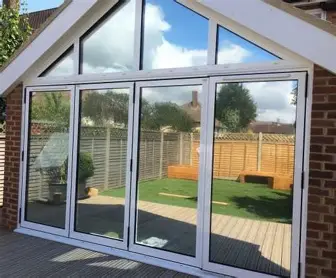
Third, window film does not permanently darken a room. Most quality residential solar films are available in VLT ranges from 15% to 70%, and films above 40% VLT are often indistinguishable from untreated glass on the interior while still blocking 40 to 60 percent of solar heat.
Home Window Film Readiness Checklist
Use this checklist before evaluating any specific product. Each answer narrows the field considerably.
Define Your Primary Problem
- Rooms are uncomfortably hot and energy bills are high: solar control film is your starting point.
- Furniture, flooring, or artwork is fading near windows: UV blocking window film for homes is the priority.
- Glare makes screens unreadable or forces you to close blinds: look at films in the 15 to 35% VLT range.
- You need visual privacy from neighbors or a street: daytime privacy or frosted decorative film addresses this.
- You’re concerned about break-in risk or glass breakage: safety and security film is a separate category with different specifications.
Assess Your Windows
- Are windows single-pane, double-pane, or triple-pane?
- Do your existing windows have a factory low-E coating? Check the manufacturer label on the frame or test with a flame reflection. Low-E glass produces a different-colored flame reflection.
- Are any windows tempered or laminated? Required disclosure zones include shower doors and sidelights near entry doors.
Identify Your Installation Path
- Are you comfortable with a multi-step installation on large glass panels where errors are costly and visible? If not, professional installation is the right call.
- Do you rent, or is this a temporary solution? Static-cling films offer a no-adhesive option but with significantly reduced longevity and performance.
- Is this a single window or a whole-home project? Whole-home projects almost always benefit from professional installation for consistency and warranty coverage.
Set Performance Expectations
- What is your climate zone? Heating-dominated climates require different film specifications than cooling-dominated climates.
- Which compass directions do your primary problem windows face? South- and west-facing windows receive the highest solar load and benefit most from high-rejection films.
Completing this checklist before requesting quotes or browsing product lines will save you from the most common mistake in residential window film: buying a product that solves the wrong problem.
The Core Benefits of Residential Window Film: Energy Savings, UV Protection, and Beyond
Heat Reduction and Lower Energy Bills
Heat control window film reduces measurable heat gain through glass. By rejecting solar infrared radiation before it enters the room, the film reduces the thermal load on your HVAC system. Less load means shorter run cycles, which means lower energy bills.
How Solar Heat Rejection Translates to Cooling Cost Reductions
A film rated at 70% total solar energy rejection (TSER) blocks seven-tenths of the solar energy that would otherwise pass through the glass. On a south-facing window during peak summer hours, that difference is substantial. Residential applications consistently demonstrate cooling cost reductions of 10 to 30 percent on treated windows, with whole-home savings depending on how much of the home’s cooling load is attributable to solar gain through glass.
Payback periods typically range from three to seven years, depending on local electricity rates, the number of windows treated, and film cost. In high-rate markets, payback periods compress. In moderate climates with lower utility rates, they extend. The film itself lasts 10 to 15 years with professional installation, so nearly every installation delivers multiple payback cycles over its lifetime.
Climate Considerations: Which Performance Metrics Matter Most in Your Region
In cooling-dominated climates, SHGC and TSER are the metrics that drive ROI. You want the lowest SHGC your aesthetics allow, especially on south- and west-facing glass.
In heating-dominated climates, the calculation is more nuanced. A film that aggressively blocks solar heat in summer also blocks passive solar gain in winter, which can marginally increase heating costs. Low-emissivity thermal window film addresses this directly by adding an insulating layer that reduces heat loss in winter while still controlling summer solar gain. For mixed climates, the film type matters as much as the VLT.
UV Protection: What 99% UVA/UVB Blocking Actually Means for Your Home
Most quality residential solar films block 99% of UV radiation as a baseline specification. What that number means in practice depends on understanding how UV damage works and why both wavelength types matter.
How Ultraviolet Radiation Causes Fading in Furniture, Flooring, and Artwork
Fading is not caused by a single mechanism. UV radiation breaks down dyes, pigments, and organic materials at the molecular level. Infrared contributes by heating surfaces and accelerating chemical degradation. Visible light adds to the cumulative effect over time. UV is responsible for roughly 40% of fading, with the remaining 60% coming from heat, visible light, and humidity.
UV blocking window film for homes dramatically slows fading but does not eliminate it entirely. What it does eliminate is the most aggressive and irreversible damage, the type that turns a mahogany floor ashy near a sill or bleaches the color from a wool rug in a single summer. For artwork, upholstery, or heirloom pieces, 99% UV rejection is meaningful protection that costs a fraction of replacement.
UVA vs. UVB: Why Both Wavelengths Require Attention
Standard clear glass already blocks most UVB radiation, so UVB alone isn’t the primary concern in a home. UVA, which is longer wavelength, lower energy, and far more penetrating, passes through standard glass largely unimpeded and is responsible for the majority of interior UV damage. Films that specify 99% UV blocking address the full spectrum, including UVA, which is the wavelength your untreated windows are currently failing to stop.
Glare Reduction Without Sacrificing Natural Light
Glare is a VLT problem. A film in the 15 to 35% VLT range reduces glare substantially enough to make south-facing rooms usable year-round and eliminate the need to close blinds during working hours.
A film in the 40 to 50% VLT range provides moderate glare control while preserving a bright, open feel. The key is matching VLT to room function: a home office with screen glare has different requirements than a dining room where diffuse natural light is the priority.

Privacy Benefits: Daytime One-Way Vision and Low-Light Limitations
Reflective and lightly mirrored solar control films create one-way daytime privacy by reflecting more light on the brighter exterior side than the dimmer interior. From outside, the window reads as a mirror. From inside, the view remains clear. This effect depends entirely on the light differential between indoors and outdoors. After dark, when interior lighting is brighter than the exterior, the dynamic reverses. Homeowners expecting round-the-clock privacy from a solar control film will be disappointed. Frosted or opaque decorative window films are the only option that provides consistent privacy regardless of lighting conditions.
Will Window Film Make My Rooms Too Dark?
This concern is legitimate but usually overestimated. Films above 40% VLT, which include many high-performance ceramic products, are visually close to clear glass from the interior. The color rendering is neutral, daylight levels remain comfortable, and rooms do not feel dim. Films below 30% VLT produce a noticeably darker interior and are best reserved for rooms with excess light, severe glare, or specific privacy requirements. A certified installer can show you physical samples against your glass before any film is committed to the window.
Types of Residential Window Film and When to Use Each
Solar Control Film: The Performance Workhorse for Heat and Energy Management
Solar control film is the category most homeowners need and the one with the widest product range. Within it, three technologies differ significantly in how they achieve heat rejection and what they look like doing it.
Reflective Film: Maximum Heat Rejection and Its Aesthetic Trade-Offs
Reflective metallic films use a thin layer of sputtered or deposited metal, typically aluminum or stainless steel, to bounce solar energy back before it enters the glass. TSER ratings routinely exceed 75%, and SHGC values can drop below 0.20. The trade-off is appearance: these films have a mirror-like exterior finish that reads silver or bronze depending on the metal layer. For homeowners prioritizing maximum performance on south- or west-facing glass who are not concerned about the reflective look, metallic film delivers the highest heat rejection per dollar.
Ceramic Window Film: Non-Reflective, High-Performance, and Curb-Appeal Friendly
Ceramic window film uses non-conductive ceramic nano-particles to block infrared radiation without creating a reflective exterior surface. The result is a film that achieves 60 to 75% TSER with a nearly neutral appearance. No mirror effect, no color shift, no impact on curb appeal. Ceramic is the right choice for homeowners who need serious solar performance but want the house to look the way it always did. It also does not interfere with electronic signals, which matters for homes with window-facing Wi-Fi equipment or cellular devices near treated glass.
Low-Emissivity Film: Year-Round Efficiency for Heating and Cooling Climates
Low-emissivity (low-e) window film adds a microscopically thin metallic coating that reflects radiant heat back toward its source. In summer, that means blocking outdoor heat from entering. In winter, it means keeping indoor radiant heat from escaping through the glass. For homeowners in the mid-Atlantic, Midwest, or mountain regions who pay significant heating costs, low-e film improves the year-round energy performance of existing windows without the cost of full replacement.
Privacy Window Film: Frosted, Decorative, and One-Way Options
Frosted and Etched Decorative Films: Privacy with Interior Design Benefits
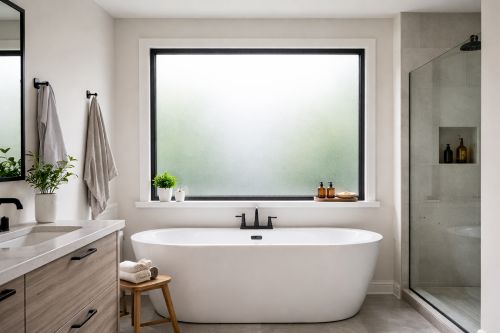
Frosted and etched films diffuse light rather than block it, creating privacy through opacity while still admitting a soft, even glow.
They’re most effective in bathrooms, sidelights adjacent to entry doors, and ground-floor rooms facing neighboring properties.
Decorative patterns, including geometric etching and simulated leaded glass, can replace expensive specialty glass at a fraction of the cost. These films are a functional and aesthetic upgrade simultaneously.
Daytime Privacy vs. Night Privacy: Setting Realistic Expectations
Reflective films provide daytime privacy only. For rooms that require privacy in the evening, such as a ground-floor bedroom or bathroom, frosted or blackout window film is the correct specification. The single most common privacy film mistake is installing a one-way solar film and expecting it to perform like a frosted film after dark.
Safety and Security Window Film: The Most Underestimated Category
Most homeowners think of window film as a comfort or energy product. Safety film operates in a different performance category entirely, and it’s the one type that can change a physical outcome rather than just a comfort level.
How Safety Film Holds Shattered Glass Together and Why It Matters
When glass breaks from impact, wind pressure, or accidental contact, standard glass fragments into sharp, high-velocity shards. Safety and security window film is a thick polyester laminate, typically 4 to 12 mils, that holds broken glass pieces in place within the film matrix. The glass still breaks, but the hazardous scatter is eliminated. In a severe weather event, this means the window opening stays covered longer. In a forced entry attempt, it means the glass resists penetration for a meaningful additional period, long enough to deter opportunistic intrusion.
3M Safety Series: Performance Standards and Thickness Specifications
The 3M Safety Series is built around thickness and adhesion system specifications that meet recognized impact standards. The Safety Series 400 (4 mil) addresses basic shatter containment for accidental breakage. The Safety Series 800 (8 mil) and Scotchshield Ultra Series (12 mil and above) are designed for forced entry resistance and meet GSA and ANSI/DASMA standards applicable to high-security applications. For residential use, the 400 and 800 series address the practical range of risk, covering breakage from thrown objects, storm debris, or attempted intrusion, at a cost proportional to the threat level.
Matching Film Type to Primary Need
There is no universally best film. There is only the right film for the problem you’re solving.
- Heat and energy costs: ceramic solar control film, with low-e film added for heating climates
- Fading protection: any film with 99% UV rejection qualifies, but combining UV and infrared rejection maximizes protection
- Glare: films in the 15 to 35% VLT range, solar control or reflective depending on appearance tolerance
- Privacy: frosted or decorative film for consistent privacy, reflective solar film for daytime-only privacy
- Safety and security: 3M Safety Series 400 at minimum, 800 or Scotchshield for higher-risk applications
How to Choose the Right Window Tint for Your Home
Step 1: Diagnose Your Primary Pain Point Before Evaluating Any Product
The film types above map products to problems. Before comparing products, confirm which problem you’re actually solving. A homeowner who buys a frosted privacy film because their bedroom is hot has bought the wrong product. A homeowner who buys a high-rejection metallic film because they want night privacy will be disappointed after dark.
If you have multiple problems, heat, fading, and glare in the same room, solar control ceramic film with 99% UV rejection and a VLT in the 35 to 45% range addresses all three simultaneously. Use the checklist above as your framework.
Need More Info?
The Window Film Depot team is happy to help.
Step 2: Assess Your Window Type, Age, and Glass Compatibility
Does Window Film Damage Windows or Frames?
Applied correctly to compatible glass, window film does not damage windows or frames. Applied incorrectly, or to incompatible glass, it can cause thermal stress cracking or adhesion failure. The risk factors are specific and manageable with proper specification.
Tempered, Dual-Pane, and Low-E Glass: Compatibility Considerations
Dual-pane insulated glass units (IGUs) require careful film selection because the film increases heat absorption in the outer pane, which can raise thermal stress and, on older or lower-quality IGUs, occasionally cause seal failure. Dark or highly absorptive films on dual-pane glass carry higher risk than light-colored or ceramic films. A certified installer will assess your IGU age, glass manufacturer specs, and film absorption rating before recommending a product.
Factory low-E glass already has a coating on one surface. Adding a solar control film to the interior surface is typically compatible, but the combined performance specifications need to be verified against the glass manufacturer’s guidelines. Tempered glass is generally safe with most residential films; the tempering process produces a more structurally resilient pane that handles thermal stress better than annealed glass. Single-pane glass is the most straightforward application and carries the fewest compatibility concerns.
Step 3: Factor in Your Climate Zone and Compass Orientation
South-facing windows receive direct sun across the entire day arc in winter and high summer sun from mid-morning through early afternoon. West-facing windows receive the most intense afternoon sun, peak heat load in summer, and are typically the highest-priority treatment in cooling-dominated climates. North-facing windows receive little direct solar gain and rarely justify a high-rejection film. East-facing windows get morning sun, which is lower intensity and shorter duration.
In heating-dominated climates, south-facing windows provide passive solar gain in winter that has real energy value. Treating them with a high-rejection film trades summer cooling savings for winter heating costs. Low-e film or a moderate-rejection ceramic film with TSER in the 45 to 55% range balances both seasons better than a maximum-rejection product in these cases.
Step 4: Evaluate Visible Light Transmission and Aesthetic Impact
VLT affects two things: how bright your interior feels and how the exterior of your home looks. Films in the 50 to 70% VLT range are nearly invisible from outside. Films below 35% VLT create a visible darkening effect on the exterior glass surface that changes the home’s appearance. Reflective films create a mirror effect visible from any angle.
Neither of these is inherently wrong. They are trade-offs. A homeowner who wants maximum performance on a west-facing wall of glass and doesn’t mind the reflective look has a legitimate reason to choose a metallic film. A homeowner with a classic architectural facade who wants the house to look unmodified will prioritize ceramic film in a higher VLT range.
Before committing to a whole-home treatment, request physical samples from your installer and view them from the exterior in daylight. The decision is reversible before installation and effectively permanent after it.
How 3M Residential Film Lines Address Specific Homeowner Scenarios
3M Prestige Series: High Rejection Without the Mirror Look
The 3M Prestige Series uses a non-metallic multi-layer optical film technology to achieve TSER ratings of up to 97% while maintaining a neutral, non-reflective appearance. The Prestige 40, at 40% VLT, rejects a high percentage of infrared heat and blocks 99.9% of UV radiation while looking like lightly tinted glass from outside. This is the specification most relevant to homeowners who want maximum performance without changing the exterior appearance of the home. It is compatible with dual-pane glass and carries a lifetime warranty when professionally installed.
3M Night Vision Series: Balanced Performance for Mixed-Use Rooms
The 3M Night Vision Series addresses the trade-off between solar control and interior brightness. Designed for rooms that need heat and glare management without significant light reduction, Night Vision films maintain higher VLT values. The Night Vision 25 passes 25% visible light while rejecting a substantial portion of infrared, making it appropriate for rooms where occupants spend time at all hours and where a darkened appearance would be objectionable. The series is particularly well-suited to living rooms, home offices, and bedrooms where daytime comfort and evening ambiance both matter.
Professional Installation vs. DIY: What the Data Actually Shows
Can You Apply Window Tint to Home Windows Yourself?
Technically, yes. Consumer-grade window film is available at home improvement stores, and a single small window is within reach for a patient DIYer. The practical question is whether the outcome will match the product’s rated performance, and on large architectural glass, it typically won’t.
Residential window installation is a precision trade. A professional crew works with calibrated slip solution ratios, commercial squeegees, and heat guns to eliminate moisture and air pockets across panels that can run six feet tall or wider. They also cut to exact dimensions using patterns developed from the actual glass, not guesswork. These variables matter because film that isn’t in full contact with the glass doesn’t perform to its published specifications.
Where DIY Films Fail: Bubbling, Peeling, and Voided Warranties
The failure modes in DIY installation are consistent and predictable. Bubbling occurs when moisture is trapped under the film during application, a problem that compounds over time as the adhesive fails to fully bond.
Edge adhesion is the most common point of failure: film that isn’t trimmed cleanly to the glass edge begins to peel at corners, which admits moisture and accelerates delamination. Peeling at edges also creates a visible gap that allows UV and infrared to pass through exactly where the film was supposed to seal.
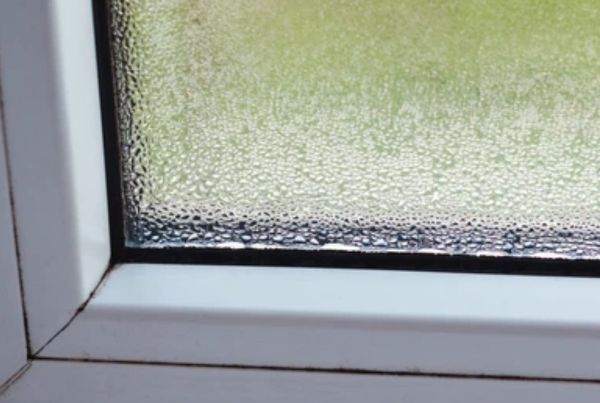
Consumer-grade films also use less robust adhesive systems than commercial-grade products, which means they peel faster under thermal cycling, the expansion and contraction of glass between hot summer days and cool nights. A film that looked fine in October may be lifting at the corners by the following August.
The other consequence is warranty voidance. Most film manufacturers require professional installation as a condition of their product warranty. A DIY installation on a 3M window film, for example, nullifies the manufacturer coverage regardless of film quality.
How Long Does Residential Window Film Last?
Professional-grade film, professionally installed, carries a realistic service life of 10 to 15 years. Some installations run longer. Consumer-grade film, self-installed, typically performs adequately for two to five years before visible degradation, bubbling, discoloration, or peeling, begins. That gap matters for ROI calculations: a film that costs half as much but lasts a third as long isn’t a better value, and its replacement cycle generates labor cost that a longer-lived installation avoids.
Ceramic films from commercial-grade product lines also resist the purpling and hazing that affect lower-end dyed films over time. Dyed films absorb solar energy rather than reflecting it, which causes the dye to break down under sustained UV exposure. Ceramic and multi-layer optical films don’t rely on dye, so color stability across the product’s lifespan is substantially better.
Warranty Implications: What Professional Installation Protects
A professionally installed 3M film carries a lifetime warranty on residential applications, covering defects in materials and workmanship including delamination, bubbling, and peeling under normal conditions. That warranty transfers to subsequent owners, which has a documented effect on resale conversations. A DIY installation carries no manufacturer warranty and typically no installer warranty, leaving the homeowner responsible for any failure costs.
The lifetime warranty also covers glass breakage caused by thermal stress attributable to the film, a risk that exists in specific dual-pane applications. A professional installer assesses that risk before committing a product to the glass and selects a film specification that stays within the glass manufacturer’s thermal absorption guidelines. A DIY installer has no access to that specification process.
Can Window Tint Be Removed Without Damaging Glass?
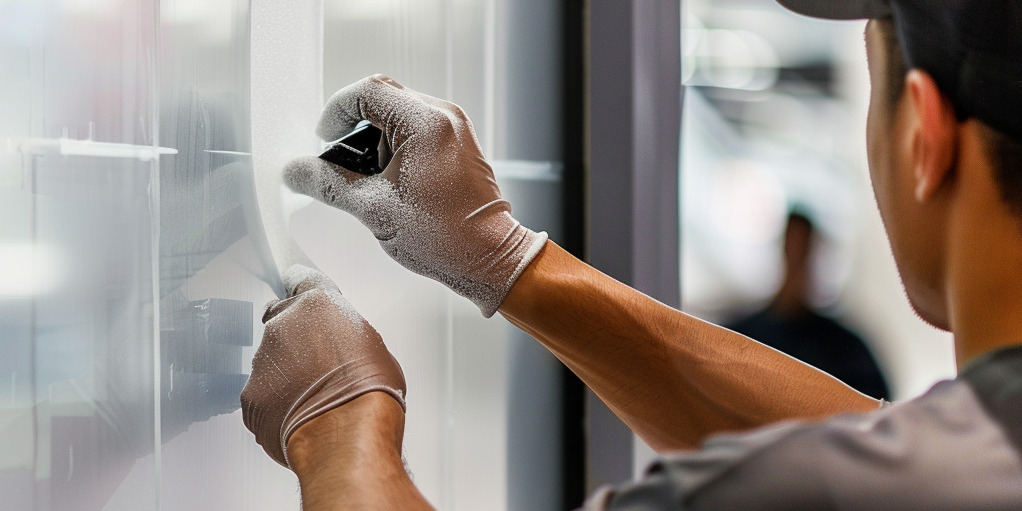
Yes, with the right technique. Professional removal involves scoring the film, applying heat to soften the adhesive, and peeling the film in sections, followed by adhesive residue removal using appropriate solvents that don’t attack the glass surface or frame finish. When done correctly, the glass returns to its original condition without scratching or residue.
DIY removal carries the same risk profile as DIY installation: the errors are in the execution, not the concept. Aggressive scraping on tempered glass or the use of incorrect solvents on coated glass surfaces can cause permanent damage. If you anticipate needing removal, for a rental property or a temporary installation, static-cling films offer a no-adhesive option, though at a significant reduction in longevity and solar performance.
Why Volume and Experience Produce Consistent Results
Volume creates pattern recognition. An installer who completes hundreds of residential projects per year develops a calibrated sense of which glass types carry higher thermal stress risk, which film categories consistently underperform homeowner expectations, and where the specification gaps between consumer and commercial product lines show up in real conditions. That institutional knowledge doesn’t exist in a box of retail film.
As the top-volume 3M residential film installer in the country, Window Film Depot’s teams have documented the failure modes described above across thousands of installations. The consistent finding: the gap between film performance in controlled laboratory conditions and real-world residential performance is almost always narrower with professional installation. The film is the same product. The difference is in the application.
What to Expect During and After Professional Installation
The Installation Process: Timeline, Preparation, and What Crews Actually Do
A typical residential installation runs one to four hours depending on window count, glass size, and film type. Crews arrive with pre-cut film patterns for standard window sizes or field-cut to dimensions taken during a prior measurement visit. Before any film is applied, the glass is cleaned with a professional-grade cleaner and a razor scraper to remove contaminants that would create visible inclusions under the film. Any debris left on the glass surface shows up as bumps after installation, so this step is thorough.
Film is applied wet, using a slip solution that allows repositioning before the adhesive activates. The installer squeeges the film from the center outward, driving moisture to the edges and into the perimeter gap between film and frame. The process is methodical: each panel requires consistent pressure and overlapping squeegee passes to achieve full adhesion without streaks or bubbles.
The Curing Period: Why Film Looks Hazy at First and When It Clears
In the first week after installation, some moisture remains between the film and the glass. This produces a slight haze, small water pockets, or a milky appearance in certain light angles. This is normal and expected, not a defect. As the adhesive cures and residual moisture evaporates through the film’s micro-permeable structure, the haze resolves.
Full cure takes two to four weeks in warm conditions. In cold weather, the process slows; installations completed in winter may take six to eight weeks to fully clear. Do not attempt to clean film or evaluate its final appearance during the cure window.
Long-Term Maintenance: Cleaning, Durability, and What a 10- to 15-Year Lifespan Looks Like
After full cure, residential window film requires minimal maintenance. Clean with a soft cloth or rubber squeegee and a mild, ammonia-free cleaner. Ammonia degrades the adhesive layer over time and is the most common cause of preventable film deterioration. Standard glass cleaners often contain ammonia, so check the label before using them on treated glass.
Scratches are the other practical concern. The hard coat on commercial-grade films resists normal cleaning abrasion, but abrasive scrubbers or rough paper towels will mark the surface over time. A clean microfiber cloth eliminates that risk entirely.
A well-maintained installation looks and performs consistently across its service life. There’s no gradual reduction in solar performance as long as the film remains bonded to the glass. The ceramic or metallic layer doesn’t degrade the way dye-based films do.
How to Evaluate Whether Your Film Is Performing as Specified
The simplest check is tactile: place your hand on the interior glass surface during direct sunlight and compare it to an untreated window facing the same direction. A high-rejection film should produce a surface that feels noticeably cooler to the touch. The difference on a west-facing window at 3 p.m. in summer is not subtle.
For energy performance, compare cooling costs in the first summer after installation against the same period in the prior year, adjusting for any significant weather variation. A 10 to 30 percent reduction in cooling costs on treated exposures is the documented benchmark. If your bills haven’t moved, either the film is underperforming its specification or solar gain through glass was not the primary driver of your cooling costs, something your installer can help diagnose.
Residential Window Film at a Glance: Film Categories, Performance Benchmarks, and Decision Criteria
Film Categories and Primary Use Cases
- Solar control ceramic: heat rejection, energy savings, year-round comfort with no reflective appearance
- Solar control reflective (metallic): maximum TSER up to 75% and above, best for high-load exposures, mirror exterior finish
- Low-emissivity film: year-round efficiency in heating and cooling climates, reduces winter heat loss
- Frosted/decorative: consistent privacy regardless of lighting, diffused light transmission, design applications
- Safety film (4 to 12 mil): shatter containment, forced entry resistance, storm protection
Key Performance Benchmarks
- UV rejection: 99% is the standard specification across most quality residential films
- TSER: 45 to 65% for most ceramic films; up to 97% for 3M Prestige multi-layer optical films
- VLT range: 15 to 70%; films above 40% VLT are visually close to clear glass from the interior
- Service life: 10 to 15 years with professional installation; 2 to 5 years for consumer-grade DIY
Decision Criteria
- Primary problem first: heat, fading, glare, privacy, and safety each point to a different film category
- Glass compatibility matters: dual-pane IGUs require low-absorption film specifications; factory low-E glass requires verified compatibility
- Climate orientation: south- and west-facing glass carries the highest solar load; north-facing glass rarely justifies a high-rejection film
- Warranty coverage requires professional installation: consumer-grade DIY voids manufacturer warranties
From Uncomfortable Rooms to a High-Performance Home: Your Next Step
What the Right Film Actually Delivers
Window tint for home does not change how your property looks from the street, at least not with the right product selection. What it changes is how your home performs. The glass that was previously the weakest link in your thermal envelope, combining high solar transmission with limited insulating value, functions differently after a properly specified film is applied. Heat rejection rates of 60 to 97% are achievable without mirror finishes or dark interiors. UV protection at 99% is a baseline specification, not a premium feature. Safety film converts standard glass from a fragmentation risk into a containment system.
The homeowners who get the most value from residential window film are the ones who treat it as a specification decision rather than a product purchase. The film type, the VLT, the glass compatibility, the compass orientation: these variables determine whether the installation pays back in three years or seven, whether the room stays comfortable or just looks different, and whether the warranty holds when it matters.

How to Request a Residential Window Film Consultation and What to Prepare
A consultation with a certified installer takes roughly 30 to 60 minutes and covers the specific windows you’re treating, the primary performance goals, and the film options that fit both your specifications and your budget. To make that conversation as productive as possible, come prepared with the following:
- The exposures you want to treat (which directions the windows face)
- Your primary pain point: heat, fading, glare, privacy, or safety
- Whether your windows are single-pane, dual-pane, or factory low-E
- Any aesthetic constraints, including HOA guidelines, architectural preferences, or curb appeal concerns
A qualified installer will bring samples you can view from both inside and outside before any commitment is made. The decision is reversible at that stage. After installation, it effectively isn’t, which is the clearest argument for getting the specification right the first time. Schedule a residential consultation with Window Film Depot to receive expert recommendations and professional installation backed by industry-leading warranties.
Frequently Asked Questions
Is window tinting worth it for a house?
For most homes with meaningful sun exposure, yes. Homeowners in warm climates with south- or west-facing glass typically see cooling cost reductions of 10 to 30 percent on treated windows, with payback periods in the range of three to seven years. Beyond energy savings, the UV protection alone can prevent thousands of dollars in damage to flooring, furniture, and artwork, making the investment worthwhile even when energy costs are modest.
Does window tint reduce heat and lower energy bills?
Yes, and the mechanism is straightforward. Solar control film rejects solar infrared radiation before it enters the room, reducing the thermal load on your HVAC system and shortening its run cycles. Films with high total solar energy rejection (TSER) ratings make the most measurable impact on south- and west-facing glass during peak summer hours. The degree of savings depends on your climate, energy rates, and how much of your cooling load is driven by solar gain through glass.
How much does residential window tinting cost?
Costs vary based on film type, window size, and project scope, but professionally installed residential window film generally ranges from $5 to $15 or more per square foot depending on the product category. Ceramic and multi-layer optical films like the 3M Prestige Series sit at the higher end of that range, while basic solar control films are more accessible. When evaluated against a 10 to 15-year service life and the energy savings and furnishing protection over that period, the cost-per-year figure is typically competitive with other home improvement investments.
What is the best window tint film for homes?
There is no single best film; there is only the right film for your specific problem. For heat rejection with minimal aesthetic impact, ceramic solar control film is the most versatile choice. For maximum performance where appearance is less of a concern, reflective metallic film delivers the highest TSER. For UV protection without significant light reduction, any film specifying 99% UV rejection in a higher VLT range works well. For consistent privacy, frosted or decorative film is the correct category. For safety and storm protection, the 3M Safety Series is the benchmark.
How long does residential window film last?
Professionally installed, commercial-grade window film has a realistic service life of 10 to 15 years, with some installations lasting longer. Consumer-grade film applied by a homeowner typically shows visible degradation, including bubbling, peeling, and discoloration, within two to five years. Ceramic and multi-layer optical films resist the color shifting and hazing that affects dyed films over time, making them a better long-term investment even at a higher initial cost.
Does window film damage windows or frames?
Applied correctly to compatible glass, residential window film does not damage windows or frames. The risk arises when a film with high heat absorption is applied to an older dual-pane insulated glass unit, which can increase thermal stress on the sealed unit. A certified installer evaluates glass type, age, and manufacturer specifications before recommending a product, selecting films that stay within safe thermal absorption limits. This is one of the clearest reasons professional installation reduces risk compared to DIY application.