Interior home window tint has become one of the most practical upgrades homeowners can make in 2026. Unlike automotive tint, residential window tinting uses architectural-grade window film applied to the inside surface of your home’s glass, delivering measurable improvements in comfort, energy efficiency, and privacy without a full window replacement.
This guide covers everything you need to know before investing in window film for your home.
Table of Contents:
- What is interior home window tint and why it matters now
- Key benefits of interior home window tint
- Types of interior window films for homes
- How to choose the right film for your residential windows
- Costs and what affects pricing
- Professional installation process
- Care, maintenance, and lifespan
- Common myths, mistakes, and practical considerations
- Frequently asked questions
- Why choose a professional installer
What Is Interior Home Window Tint and Why It Matters Now
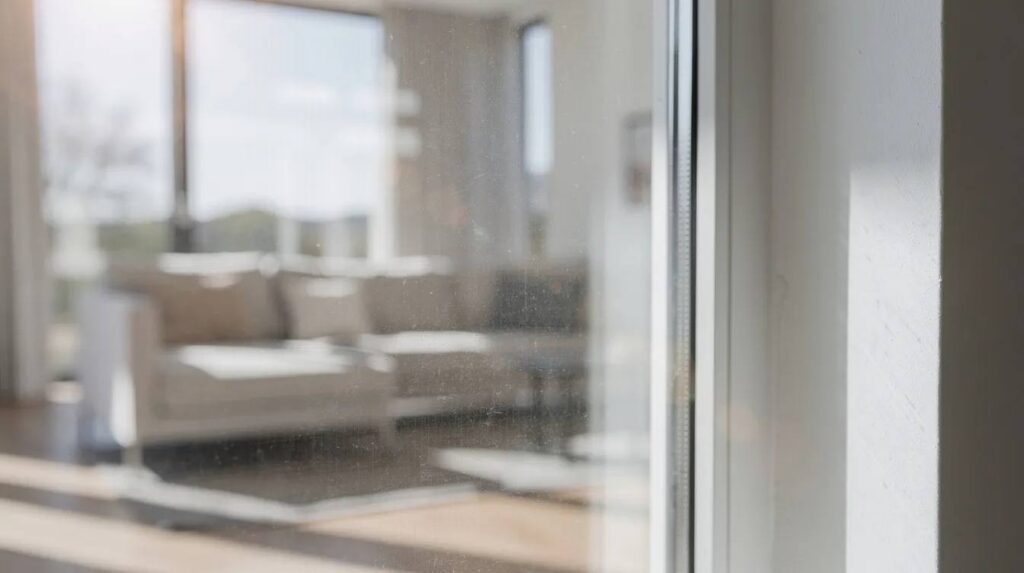
Interior home window tint refers to thin, engineered films installed on the inside surface of residential windows. These are not the same products used on car glass. Here is what makes them relevant today:
- Modern residential window films are multi-layer polyester or ceramic materials designed to manage how solar radiation interacts with your windows, controlling heat, UV exposure, glare, and visibility in precise ways.
- Interest has surged since 2020 as more people work from home, electricity prices have climbed across many U.S. states, and homeowners prioritize energy efficiency and daily comfort over cosmetic renovations.
- “Window tint” typically refers to darker solar films, while “window film” is the broader category that includes clear, decorative, insulating, and security products. Most homeowners benefit from understanding the full range.
- Residential window film can improve the performance of existing glass without the disruption or expense of window replacement, making it a true retrofit solution for homes with older single-pane or basic double-pane windows.
Key Benefits of Interior Home Window Tint
The right window film addresses multiple problems at once. Here is what a well-chosen product actually delivers.
- Heat reduction and comfort. Solar control films reduce heat gain in sunny rooms by rejecting a significant portion of incoming solar energy. High-performance energy-saving tints can block up to 80% of solar heat, keeping south- and west-facing rooms noticeably cooler during summer afternoons and eliminating hot spots near large glass.
- Energy savings. Tinted windows can reduce energy costs by up to 30%, and window tinting can lower air conditioning needs by 30%, easing strain on HVAC systems across a full cooling season. That translates directly into lower energy bills month after month.
- UV protection. Window tinting can block up to 99% of UV rays, and some films block up to 99% of harmful UV rays, helping protect hardwood floors, artwork, furnishings, and fabrics from fading. This also contributes to reduced UV exposure for your family indoors.
- Glare control. Window films can reduce glare by up to 90%, making home offices, TV rooms, and glass-heavy living areas usable even during harsh afternoon sunlight when screens become impossible to see.
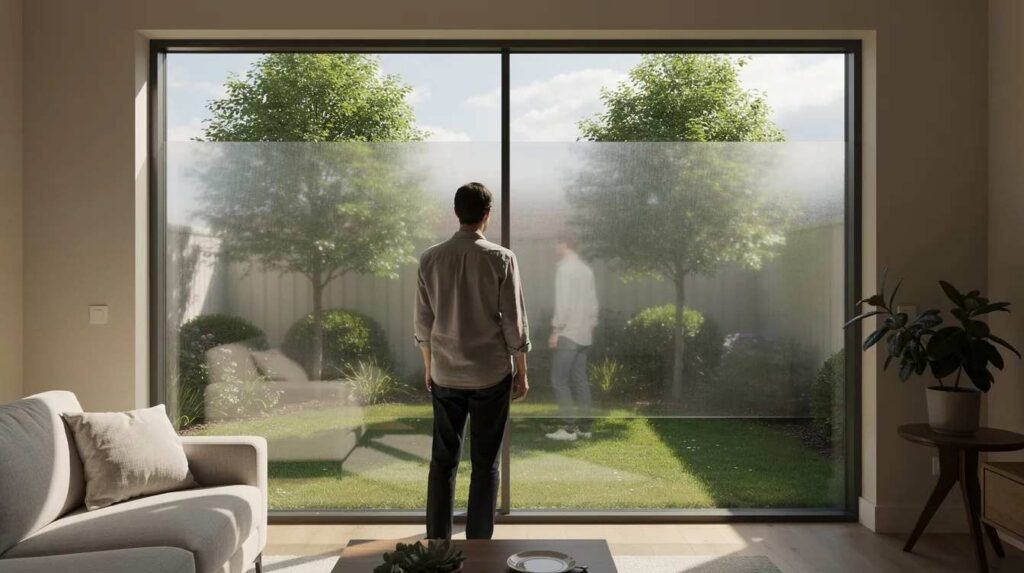
- Privacy. Many window films offer daytime privacy, allowing you to see outside while preventing the outside view in. Reflective and darker tints provide excellent daytime privacy while allowing views outside, and window films create a mirror-like effect for privacy. Tinted windows make it harder for outsiders to see inside. Daytime privacy is strong with reflective window films, though pairing with blinds or curtains at night is recommended when interior lights are on.
- Safety and security. Thick safety films hold glass together during accidental breakage or attempted intrusion. Security films strengthen glass against shattering and break-ins, giving homeowners added peace of mind, especially on ground-floor or entry windows.
- Aesthetics and resale appeal. Subtly tinted or decorative window films can modernize interiors without replacing glass, contributing to perceived home value and a cleaner exterior appearance.
Types of Interior Window Films for Homes
Not all films do the same job. Here are the main categories and when each one makes sense.
- Solar control films. Tinted, reflective, and spectrally selective options designed primarily for heat reduction and energy efficiency on sun-exposed residential windows. Solar-control film can reduce the amount of sunlight-derived heat entering through glass, making it the go-to choice for overheated rooms.
- Ceramic and premium films. Often considered the best window tint option, ceramic and spectrally selective films reject a substantial amount of infrared energy while allowing visible light to pass through with minimal reflectivity and color shift. Ideal when you want performance without a mirrored or dark look.
- Insulating and low-E films. Low-E films reflect infrared radiation, helping with summer heat reduction and winter heat retention. Insulating films retain heat in winter and reduce heat gain in summer, improving overall building envelope performance year-round.
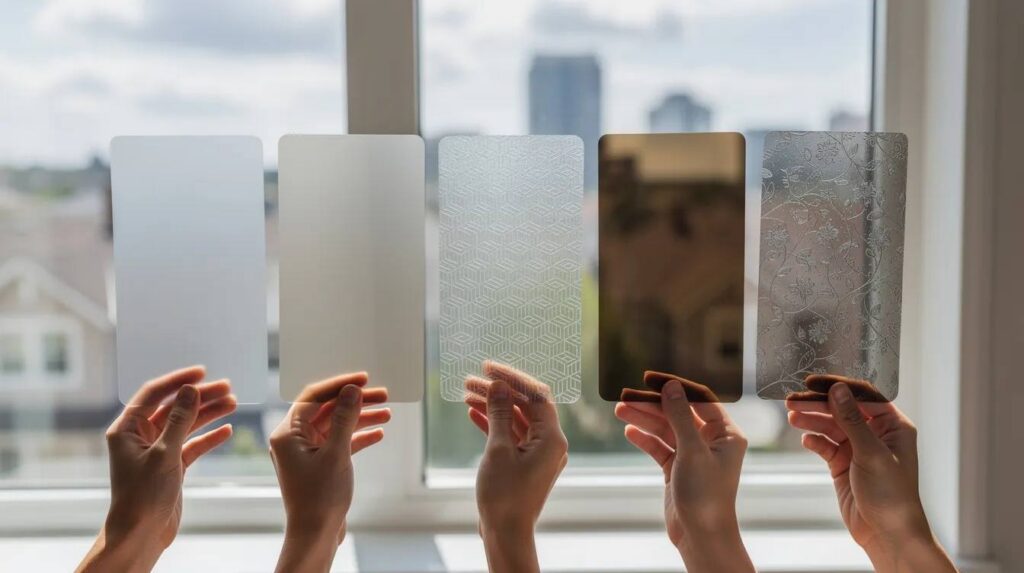
- Privacy films. Frosted, matte, and gradient films for bathrooms, street-level windows, and entry sidelites where visual privacy matters more than through-views.
- Decorative films. Decorative films improve privacy with frosted or patterned finishes, and they come in various colors and patterns that mimic etched or sandblasted glass at a fraction of the cost.
- Safety and security films. Clear, thicker films are installed on the interior side to increase resistance to breakage and glass shard dispersion, making it harder for someone to gain entry through a window during break-ins.
- Specialty and combination films. Some modern products combine solar control, UV protection, and safety in one layer, reducing the need for multiple applications.
How to Choose the Right Film for Your Residential Windows
Choosing the right film starts with honest priorities. Here is a practical decision checklist:
- Rank your goals. Decide whether heat reduction, glare control, privacy, security, or decorative effect matters most. This narrows options fast.
- Factor in climate and orientation. South- and west-facing glass in hot climates demands stronger solar control. Colder regions with long winters benefit from insulating films that help save money on heating costs.
- Check your glass type. Single-pane windows gain the most from film, but double-pane and low-E glass require careful matching to avoid thermal stress. Always confirm compatibility with your window manufacturer’s guidelines.
- Protect your light and design. For rooms where natural light and color rendering matter, choose high-VLT films that maintain brightness. Going too dark on a residential window can make a space feel cave-like, especially in cloudy regions. A tint level that works in Phoenix may feel oppressive in Seattle.
- Balance budget and lifespan. Low-cost dyed films degrade faster. Higher-end ceramic or spectrally selective films deliver better energy savings and longer life, so the right tint is often the one that pays for itself over time.
- Get professional guidance. An in-home consultation with film samples placed on your actual glass helps you discover the real difference before committing. Review performance data like TSER, UV rejection, and glare reduction percentages to make a confident choice.
Costs of Interior Home Window Tint and What Affects Pricing
Residential window tinting costs between $5 and $15 per square foot for professional installation. Here is what drives the number up or down:
- Film type. Basic solar films can cost a few dollars per square foot for material alone, while premium ceramic films can cost significantly more due to advanced nano-ceramic technology and superior performance.
- Window size and shape. Installation complexity increases costs for large or uniquely shaped windows, skylights, or high glass panels that require additional safety equipment and labor time.
- Project scope. Whole-home projects typically come in at a lower per-square-foot cost than single-room jobs because of setup and travel efficiencies.
- Professional vs. DIY. Professional installation ensures better results than DIY kits. DIY attempts risk bubbling, contamination, and shortened lifespan, often costing more in the long run when re-installation is needed.
- Energy ROI. Consider payback: utility bill reductions and reduced fading on furnishings can offset the initial investment in as few as two to six years, especially on sun-punished exterior walls.
Professional Installation Process for Residential Window Tinting
Quality results come from a disciplined process. Here is how professional residential window tinting typically works:
- Pre-install consultation. The installer inspects each residential window, confirms glass type, notes existing issues like scratches or failed seals, and helps select the right film for each room.
- Site preparation. Furniture is moved, floors and window sills protected, and interior glass surfaces made fully accessible.
- Cleaning and surface prep. Thorough cleaning with non-ammonia solutions and scrapers removes debris that could cause bubbles or imperfections under the film.
- Film cutting and application. Film is measured, pre-cut, positioned on the glass using a slip solution, then squeegeed to push out air and moisture for a tight bond.
- Edge finishing and inspection. Edges are trimmed precisely, each panel checked for contamination or light gaps, and flawed sections revisited.
- Curing and aftercare. Films can take several days to a few weeks to fully cure. Slight haziness is normal during this period.
- Warranty and documentation. Homeowners receive product specs, performance data, and warranties for future reference.
Care, Maintenance, and Lifespan of Interior Window Films
Interior window films are low-maintenance, but a few habits extend their life:
- Wait before cleaning. Allow the recommended curing period, usually several days, before touching newly installed film so the adhesive sets properly.
- Use safe tools. Clean with soft microfiber cloths or squeegees and mild, non-ammonia cleaners. Avoid abrasives or harsh chemicals that scratch or cloud the surface.
- Routine care. Light cleaning every one to three months keeps clarity, especially on windows facing busy streets or areas with heavy pollen.
- Lifespan. Standard solar films typically last about a decade or more. Premium ceramic or spectrally selective films can perform well for 15 years or longer when installed correctly.
- Replacement signs. Watch for noticeable fading, discoloration, peeling edges, or bubbling that does not resolve after curing. Reduced comfort compared to when the film was new is another indicator.
- Removal. Interior home window tint can be professionally removed without damaging glass and replaced with newer technology if needs change or performance degrades.
Common Myths, Mistakes, and Legal/Practical Considerations
Misinformation leads to bad decisions. Here are the most common traps:
- Myth: all tint makes rooms dark. Tinted windows do not always make homes dark. Many residential window films are nearly clear while still providing UV protection, glare reduction, and heat control.
- Myth: tint damages glass. Quality window films do not damage glass when installed properly. Modern products are engineered for compatibility when the right film type is matched to the glass by a trained professional.
- Mistake: choosing the darkest film as best. Ultra-dark films can create gloomy interiors and may not outperform lighter, high-tech films for energy efficiency. More heat rejection does not always require limited visibility.
- Mistake: ignoring glass type and climate. Choosing the wrong film type can lead to poor performance and may void warranties. Tinting is beneficial in both hot and cold climates, but film selection must match conditions.
- Low-quality products. Low-quality films may peel or bubble within a few years. Investing in quality saves money long-term.
- HOA rules. Check acceptable reflectivity and color for street-facing windows before installation if your community has exterior appearance guidelines.
- Privacy expectations. Reflective films provide strong daytime privacy but lose effectiveness at night when interior lights are on. Pair with curtains or blinds for full-time coverage.
FAQs About Interior Home Window Tint
Here are the questions homeowners ask most often before committing to a project.
How much can interior home window tint really reduce heat in my house?
High-performance solar control films can reject a substantial portion of incoming solar energy, often making sun-facing rooms several degrees cooler during peak afternoon hours. Actual results depend on climate, glass type, and film selection, but homeowners with west-facing glass frequently report the most dramatic difference in comfort.
Will residential window tinting make my rooms too dark?
Not necessarily. Homeowners can choose from a wide range of visible light levels. Many modern films maintain a bright room while still reducing glare and blocking harmful UV rays. A professional can show side-by-side samples on your own windows before installation so you see exactly what to expect.
Does window film provide year-round energy savings or only in summer?
Solar films primarily cut cooling loads by reducing heat gain in warmer months. Certain insulating and low-E films also help retain warmth in winter, contributing to year-round energy efficiency and lower heating costs in many regions.
Can interior window tint be applied to any residential window?
Most standard residential windows, including single-pane and many double-pane units, can be treated. However, film type must be matched to glass construction and window manufacturer guidelines to avoid thermal stress and protect warranties.
How long does interior home window film last before it needs replacing?
Professionally installed films commonly last many years. Basic products often perform well for around a decade, while premium ceramic or spectrally selective films are designed for significantly longer service life, assuming proper maintenance and no unusual glass or moisture issues.
Can I remove window tint myself if I change my mind?
Homeowners can attempt removal with heat and adhesive removers, but larger projects are usually faster and safer when handled by professionals who can avoid scratching glass and prepare surfaces for new film if desired.
Why Choose a Professional Installer for Interior Home Window Tint
The difference between a film that performs for years and one that fails early almost always comes down to installation quality.
- Expert film selection. Experienced installers understand glass types, local climate, and product lines well enough to recommend the right window film for each room and use case.
- Quality workmanship. Professionals use specialized tools, dust-control practices, and techniques that produce cleaner edges, fewer imperfections, and a more durable result than typical DIY attempts.
- Code and warranty awareness. Pros stay current with safety standards, building codes, and manufacturer warranty requirements, helping homeowners avoid costly missteps.
- Time and convenience. A trained crew can often complete whole-home window tinting in a day or two with minimal disruption to your life.
- Ongoing support. Reputable installers offer workmanship warranties, product documentation, and support if a panel ever needs repair or replacement.
- Scalability. The same techniques used in commercial and institutional projects benefit large homes, condos, and multi-unit residential buildings.
Conclusion and Next Steps
Interior home window tint is one of the most cost-effective ways to improve daily comfort, increase privacy, block harmful UV rays, and reduce energy use across every season, all without replacing a single window. Whether you are dealing with a sunlight-scorched living room, a glare-ridden home office, or fading furnishings, the right solution is likely a film engineered for your specific glass, climate, and goals.
Take a walk through your home and identify the windows causing the most discomfort. Then reach out to Window Film Depot for an in-home assessment, hands-on film samples, and a detailed quote tailored to your residential windows. A quick consultation can show you exactly how much cooler, quieter, and more efficient your space can be.