Table of Contents:
- Core benefits of residential window tinting
- Energy efficiency, natural light, and lower energy costs
- Privacy and nighttime privacy: what tinted windows can and can’t do
- Types of residential window films and how they differ
- Room-by-room guide for choosing the right tint
- Cost, ROI, and comparing tinting to window replacement
- Professional home window tinting vs DIY
- Maintenance, lifespan, and long-term performance
- FAQs about tinted residential windows
- Why choose a professional installer
- Next steps for your home
This guide is written for homeowners in the U.S. considering home window tinting in 2026. You’ll learn how tinted house windows improve energy efficiency, indoor comfort, and privacy-without sacrificing the natural light you enjoy.
Introduction: Why Tinted Windows Are a Smart Upgrade for Today’s Homes
Energy costs have climbed steadily since 2022, and many homeowners are looking for ways to cut monthly bills without gutting their homes. Residential window tinting has emerged as one of the most cost-effective upgrades available-delivering energy savings, glare reduction, and increased privacy without blocking natural light or replacing existing windows.
The pain points are familiar: rooms with large windows that become unbearably hot by midafternoon, blinding glare on TVs and laptops, hardwood floors fading where the sun hits, and the uncomfortable feeling of neighbors being able to see straight into your living room. Modern window film options-including low emissivity and ceramic films-can be retrofitted to most existing windows in a single day, at a fraction of the cost of new glass.
Below, we’ll walk through benefits, energy efficiency details, film types, realistic costs, what to expect from installation, and how to choose the right film and installer.
Core Benefits of Residential Window Tinting
Residential window films do more than just darken glass. Today’s high-quality films address heat, UV damage, glare, comfort, and even safety-each with measurable impact. Here’s what matters most.
Heat reduction. Solar-control films reduce how much heat enters through the glass. Quality metalized and ceramic options can reject up to 79% of solar heat gain, keeping rooms noticeably cooler-often 5–10°F lower during peak sun hours. A case study from Coachella Valley, California, showed an interior temperature drop of roughly 12°F in a sun-exposed room after film installation.
Energy savings. Keeping the sun’s heat out translates to noticeable reductions in monthly electricity bills. Tinted windows can lower air conditioning costs significantly, with most homes seeing 5–15% annual cooling savings depending on climate and window orientation.
UV protection. Window films can block up to 99% of UV rays, which is critical because UV rays can cause fading on furniture and artwork. Some films are recommended by The Skin Cancer Foundation, meaning window tinting also protects skin from harmful UV rays indoors. Over time, this protection extends the lifespan of furnishings and carpets that would otherwise degrade within a few years of sun exposure.
Glare reduction. Window tint can reduce harsh blinding glare from direct sunlight, cutting reflections on screens and monitors while still letting in usable natural light for reading and working.
Comfort and hot spot control. Tinting evens out temperatures between south-facing rooms and the rest of the home, eliminating hot spots that force your HVAC system to overwork. This is especially noticeable in open-plan living spaces with large windows built after 2000.
Safety. Security film helps hold glass together during impacts-whether from storms, accidents, or attempted break-ins. These thicker films make it significantly harder for intruders to gain entry through window glass.
Energy Efficiency, Natural Light & Lower Energy Costs
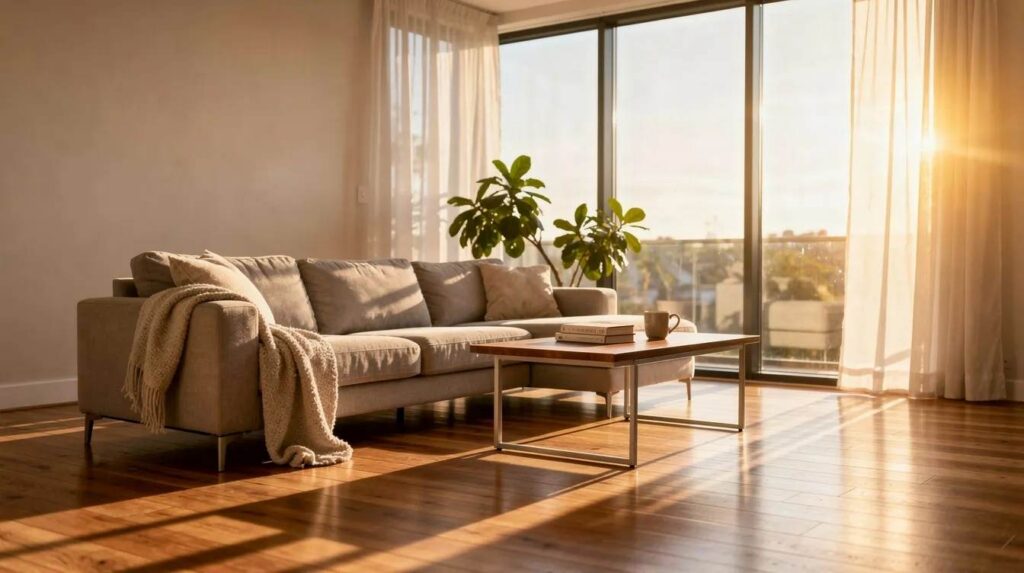
This section digs deeper into how tinted windows affect your energy bills and your home’s light quality.
Clear, untreated window glass allows most solar radiation to pass straight through. Older windows without low-E coatings waste energy in both summer (by letting heat in) and winter (by letting heat escape). Annealed glass and basic flat glass are particularly poor performers. High-performance window films can reduce solar heat gain by 75%, which directly lowers the load on your cooling system.
Modern energy-efficient window films reflect infrared heat while preserving high visible light transmission. That means your rooms stay bright with natural light-no cave-like darkness. Films come in various darkness levels measured by visible light transmission (VLT), and many advanced options maintain VLT in the 50–80% range while still rejecting the majority of solar energy.
For newer windows that already have some low E coating, the right window film can complement that performance, improving overall SHGC and U-value without a full replacement. Certain low-emissivity films help retain indoor warmth during winter, making them a smart year-round investment-not just a summer solution. Low-emissivity films help reduce heat transfer in both directions.
A typical 2,000 sq ft home in a warm climate can cut peak A/C load and save an estimated 5–20% on summer cooling bills after tinting sun-exposed home windows. Window films can reduce energy costs by 5 to 15% annually, and older windows benefit most from tinting for energy efficiency because they start with the least solar protection. Strategically tinting west- and south-facing glass delivers the fastest payback. Over time, window tinting can extend HVAC system life by reducing strain on your equipment.
Privacy & Nighttime Privacy: What Tinted Windows Can and Can’t Do
Privacy is one of the top reasons homeowners choose home window tinting, especially for street-facing windows and homes with close neighbors. But it’s important to understand what films can-and can’t-deliver.
Daytime privacy. Reflective films create a mirror effect during the day, producing a one-way view when exterior light is brighter than interior light. Window tinting makes it harder to see inside homes during daylight hours, which is ideal for living rooms, front-facing bedrooms, and ground-floor spaces. Window tinting relies on external light being brighter than internal light for this privacy effect.
Nighttime privacy limitations. Reflective tint isn’t necessarily private at night. When your interior lights are on after dark, the contrast reverses-outsiders can see silhouettes and movement through standard reflective or tinted films. This is the single most misunderstood aspect of residential window tinting.
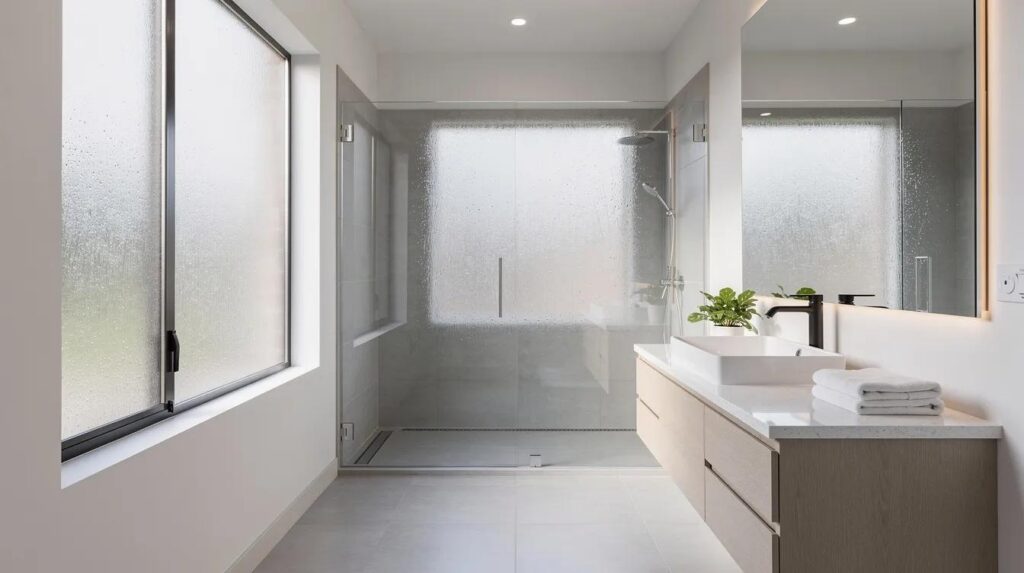
Solutions for true nighttime privacy. Frosted films provide constant privacy regardless of lighting conditions. Decorative films enhance privacy while adding style-some can mimic stained glass or etched patterns. For bathrooms and bedrooms where 24-hour privacy is critical, frosted or blackout films are the better choice. Many homeowners combine a medium-tint film with light curtains or blinds to achieve solid nighttime privacy without darkening the room during the day.
Choosing a film in the 30–50% VLT range often strikes the right balance-enough tint to increase privacy during the day while preserving usable sunlight. Privacy films can also block up to 99% of UV rays, giving you protection and privacy in one layer.
Types of Residential Window Films & How They Differ
Not all window films perform the same way. Film type directly affects energy efficiency, appearance, lifespan, and warranty compatibility. There are three main types of window film that homeowners encounter most often, plus specialty categories.
Solar control films include dyed, metalized, and ceramic options. Dyed films are the most affordable but offer moderate heat rejection (around 30–40%) and may fade over time. Metalized films reflect solar energy effectively and can reject 50–70% of heat, though they produce a mirror-like exterior and may interfere with cell signals. Ceramic films block high levels of infrared heat and 99% of UV rays without needing a dark tint, making them the premium choice for homeowners who want performance without changing their windows’ appearance.
Low E and spectrally selective films are thin, nearly clear films designed to boost energy performance. They approximate the solar control of factory low E glass on older double-pane or single-pane units, improving both summer cooling and winter insulation.
Privacy and decorative films include frosted, patterned, and tinted options. Frosted films provide privacy while allowing natural light. Decorative films can mimic stained glass or frosted designs, making them popular for bathrooms, entry sidelights, and home offices.
Safety and security films are thicker and designed to increase shatter resistance. Security films help hold glass together during impacts, making it harder for someone to gain entry. They can sometimes be layered with solar films depending on glass type.
Regarding glass compatibility: certain window films can cause damage to specific glass types if improperly matched. Tempered, laminated, insulated, or existing low E units each have different thermal stress tolerances. Check manufacturer guidelines before applying window film, and rely on a professional assessment to avoid problems.
Room-by-Room Guide: Choosing Tint for Different Home Windows
Picking the right film for each room comes down to matching the film’s strengths to the room’s needs.
Living rooms and great rooms. Solar control films that reduce glare while preserving views and natural light are ideal here. If you watch TV near a large window, a spectrally selective or ceramic film cuts the sun’s heat and screen reflections without darkening the space.
Bedrooms. Softer tints or dual-purpose films offer glare reduction and daytime privacy. Pair them with blackout shades for sleep quality. Avoid highly reflective films on bedroom windows facing neighbors.
Bathrooms. Frosted or decorative privacy films allow daylight but completely obscure views-essential for ground-level or neighbor-facing windows. These can be removed easily if your design preferences change.
Home offices. Films that minimize monitor glare and eye strain while maintaining a bright work environment make a measurable difference. UV protection also helps preserve flooring and equipment over the life of your office setup.
Street-facing and entry windows. Reflective or privacy films increase privacy and security from sidewalks while maintaining curb appeal. These are among the most popular residential window films for front-of-house applications.
Sunrooms and large glass walls. Higher-performance solar films can transform overly hot sunrooms into usable rooms throughout the afternoon. Without film, these spaces often sit empty during peak sun hours-a waste of valuable square footage.
Cost, ROI & Comparing Tinting to Window Replacement
Realistic 2026 pricing helps you plan. Professional installation of residential window films typically runs $5–$15 per square foot for standard solar control or privacy films, and $10–$20+ per square foot for premium ceramic or low E options. The average homeowner project lands around $300–$950 depending on square footage, film type, and region.
Compare that to full window replacement: new energy-efficient windows often cost $400–$1,200 per window installed. Film is often 5–10% of the cost of replacing house windows, especially across large expanses of glass. For homeowners who want to save money without a major renovation, tinting existing windows is the clear winner.
Payback periods in hot-summer climates typically run 2–5 years when targeting the most sun-exposed glass. Beyond energy savings, you gain less fading damage to finishes, extended HVAC life, better indoor comfort, and improved resale appeal. Some states and utility programs now offer rebates or tax incentives for energy-efficient window film upgrades-ask your installer about local options.
Professional Home Window Tinting vs DIY: Process & What to Expect
DIY kits from big-box stores cost less upfront, but the results rarely compare to professional installation. Common DIY problems-bubbles, dust specks, crooked edges-shorten film life, hurt clarity, and can affect nighttime privacy.
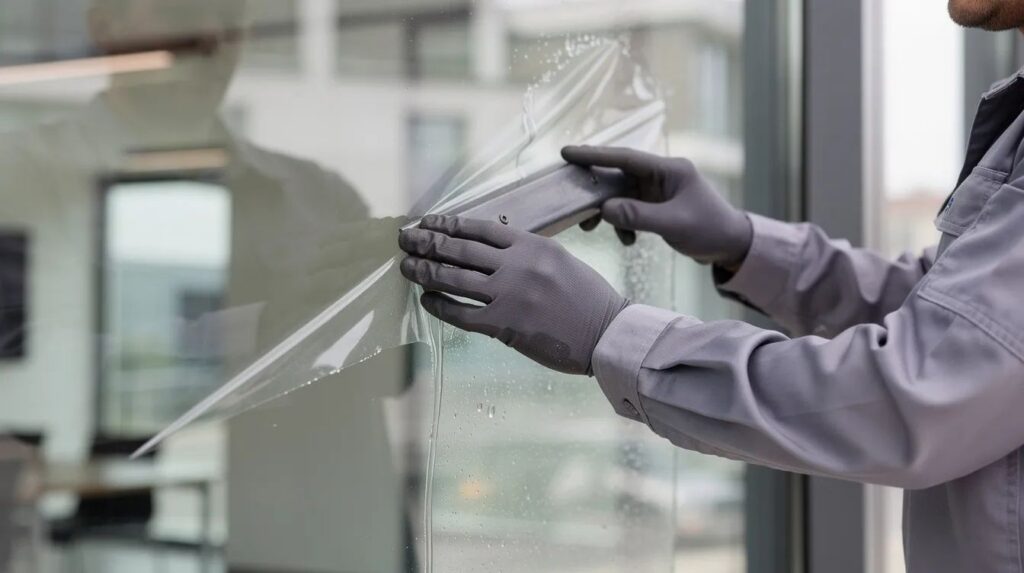
A professional process typically includes an in-home consultation, glass inspection (identifying whether your windows are tempered, laminated, heat treated, or coated), film selection with samples held against your actual glass, a detailed quote, and a scheduled installation day. The technician handles surface cleaning, precise cutting, application solution, squeegeeing, trimming, and edge finishing for a seamless result.
Most 2–3 bedroom homes take half a day to a full day. After installation, small water haziness or bubbles are normal for several days to weeks as the film cures-avoid cleaning with anything other than a dry microfiber cloth until curing is complete. Reputable film manufacturers offer warranties matching window warranties when films are installed correctly by authorized professionals, often covering peeling, bubbling, and discoloration for the life of the film.
Installing window film may void your window warranty if the wrong product is used. Many window manufacturers do not cover damage from aftermarket window film, so working with an experienced installer who understands compatibility is essential.
Maintenance, Lifespan & Long-Term Performance
High-quality residential films can last a decade or more when properly installed and maintained. Typical lifespan ranges from 10–20 years for indoor-applied films, influenced by sun exposure, climate, and glass orientation.
After the film has fully cured (usually about 30 days), clean with a soft microfiber cloth or squeegee and mild, ammonia-free glass cleaner. Avoid abrasive tools, razor blades, and harsh chemicals that can scratch or cloud the surface. Visual signs of aging include edge lifting, discoloration, or persistent haze. When films finally reach end of life, they can be removed easily and replaced with newer, more efficient products without modifying windows or replacing the glass itself.
FAQs About Tinted Residential Windows
How much can home window tinting really lower my energy costs?
Actual savings depend on many factors-climate, glass area, orientation, and film type. Most homes see 5–15% lower cooling bills after tinting key sun-exposed windows. In very hot regions with large west- and south-facing glass, targeted tinting can deliver even higher peak demand reductions and help lower energy costs noticeably over a full summer.
Will tinting my house windows make my rooms too dark?
Modern films come in a wide range of shades. Many energy-efficient and low-E films appear nearly clear while still cutting heat and UV. We recommend viewing film samples on your actual window glass in daytime to choose a balance between glare reduction and natural light before committing.
Does window film work with existing low E or double-pane windows?
In many cases, yes. Certain films are engineered to be compatible with insulated and low E glass. However, not all window films work with every type, and selection is critical. A professional evaluation prevents thermal stress and helps preserve any existing glass warranty.
Can tinted windows give me full nighttime privacy by themselves?
Standard reflective and tinted films primarily offer daytime privacy. At night, when interior lights are on, outsiders can often still see in. For true 24-hour privacy, frosted, decorative, or blackout films are needed-or combine standard films with curtains or blinds after dark.
Will window tinting void my window manufacturer’s warranty?
Some window manufacturers restrict aftermarket films, especially on certain insulated units, while others allow approved products. Many manufacturers do not cover damage from window film applied without authorization. Check your window documentation, and work with an installer who can provide film-manufacturer-backed glass-breakage and seal-failure coverage. Reputable window film manufacturers offer warranties that match or exceed many window warranties.
How long does residential window film last before it needs to be replaced?
High-quality interior films typically last 10–20 years depending on exposure and film type. When films finally age, they can be removed and updated with newer, more efficient products without replacing the glass. Proper maintenance with gentle cleaning extends performance throughout the film’s life.
Why Choose a Professional Installer for Tinted Residential Windows
Film quality and installation quality together determine performance, appearance, and lifespan. Experienced installers bring proper glass identification, film recommendations tailored to your climate and orientation, and clean, bubble-free results that DIY simply can’t match.
Professional companies like Window Film Depot provide access to premium architectural films, manufacturer-backed warranties, and documented energy efficiency data. For complex projects-large picture windows, multi-story glass, existing low E coatings, or mixed goals like energy savings plus nighttime privacy plus security-professional expertise prevents costly mistakes. Look for installers who show past residential projects, explain film specifications clearly, and provide written estimates and warranty details.
Next Steps: How to Get Started with Tinted Windows for Your Home
Tinted residential windows improve comfort, increase privacy, enhance energy efficiency, and protect interiors from harmful UV rays-upgrades you notice every single day. Before you speak to an installer, list your top priorities: energy savings, glare reduction, nighttime privacy, aesthetics, or security.
Schedule a professional consultation to evaluate your existing home windows, sun exposure, and any warranty considerations. Request a customized proposal that includes specific film options, projected energy savings, and clear pricing per window or per square foot.
Don’t wait for another hot season or cold winter to drive up your energy bills. Reach out to Window Film Depot today to find the right tint for your home and start enjoying cooler rooms, lower heating costs, and better privacy this year.