Table of Contents:
- Why More Homeowners Are Choosing Tint for Residential Windows in 2026
- How Residential Window Films Work
- Types of Tint for Residential Windows and What They Do
- Matching the Right Film to Each Room and Orientation
- Key Benefits of Tinting Home Windows
- Costs, ROI, and What Affects Pricing for Residential Window Tinting
- DIY vs Professional Installation of Window Film
- Legal, Warranty, and Glass Compatibility Considerations
- How Professional Residential Window Tinting Works (Step-by-Step)
- Maintenance, Lifespan, and Everyday Care of Residential Window Films
- Frequently Asked Questions About Tint for Residential Windows
- Why Choose Window Film Depot for Residential Window Tinting
- Next Steps: How to Get Started with Tint for Your Home Windows
Why More Homeowners Are Choosing Tint for Residential Windows in 2026
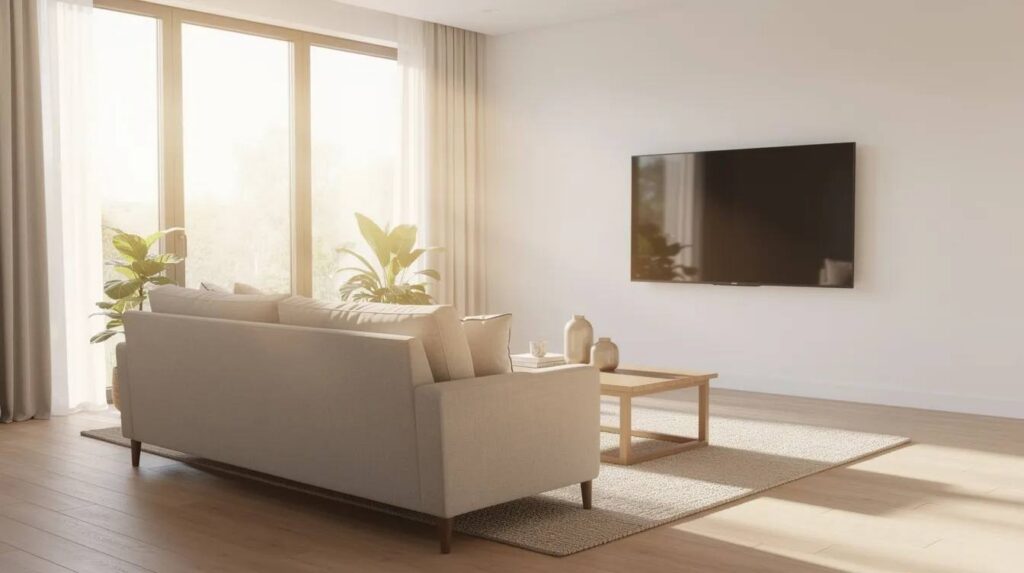
Tint for residential windows is a thin film applied to existing window glass that controls how much heat, light, and UV radiation enters your home. In 2026, with electricity rates climbing across major metro areas and heat waves stretching longer each summer, many homeowners are looking for ways to cut cooling costs without replacing their windows entirely. Add work-from-home life into the mix-where you now spend eight hours a day sitting next to a sun-blasted window-and the demand becomes obvious.
Modern residential window tinting improves indoor comfort, privacy, and energy efficiency without sacrificing natural light or curb appeal. These are retrofit upgrades: a professional applies film to your existing panes, and performance improves immediately. No construction, no new frames, no weeks-long disruption.
This guide covers everything you need to make a confident decision-film types, benefits, costs, the installation process, and how to choose the right film for every room in your house. Here are the three core reasons homeowners add tint:
- Comfort – reduce the sun’s heat and glare in problem rooms
- Energy savings – lower air conditioning use and shrink energy bills
- Privacy – limit outside visibility while keeping your views and daylight
How Residential Window Films Work
Residential window films are thin, multi-layer constructions-typically built on durable polyester layers-applied to the interior surface of your window glass. They work by filtering sunlight before it reaches your living space: selectively allowing natural light through while reflecting or absorbing infrared heat and blocking UV radiation.
High-performance films for home windows stack adhesives, scratch-resistant coatings, and sometimes nano-ceramic or metallic layers to achieve different levels of heat rejection, glare control, and energy efficiency. Installing window film is non-invasive-film is added to existing panes rather than modifying windows or replacing the unit.
Here are the key performance terms you’ll see on product specs:
- Visible Light Transmission (VLT) – measures how much visible light passes through a tint; ranges from ~5% (very dark) to ~70% (nearly clear)
- Solar Heat Gain Coefficient (SHGC) – indicates how much solar heat enters the home; lower numbers mean more heat blocked
- UV Rejection – percentage of harmful UV rays blocked, typically 99%+ for quality films
- Glare Reduction – how much visible brightness contrast is reduced for screen and reading comfort
Types of Tint for Residential Windows and What They Do
Not all window films serve the same purpose. Here’s what each family does and which problems it solves.
Solar control and energy efficiency films block infrared heat and reduce glare, helping stabilize indoor temperatures in sunny rooms. Ceramic window films block a significant amount of infrared heat and UV rays-premium nano-ceramic options reject 90–98% of IR. Low-E insulating films act as invisible insulation to enhance year-round climate control, reducing both cooling loads in summer and heating costs in winter.
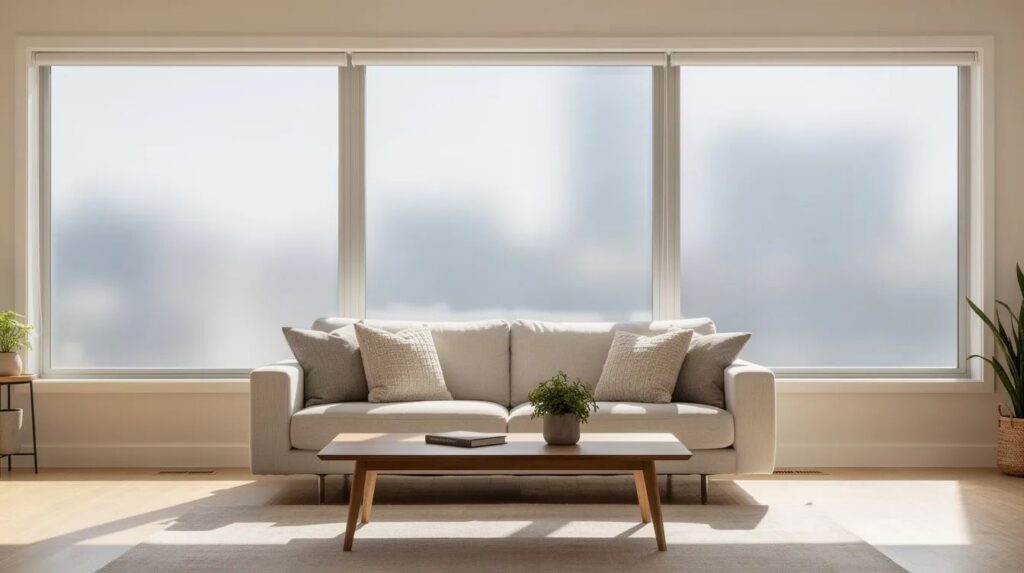
Privacy films limit outside visibility while maintaining indoor views. Tinted windows create a mirrorlike effect, deterring prying eyes during daytime. Frosted films obscure visibility completely day and night while still allowing daylight into the room. Dual-reflective films provide strong daytime privacy and glare reduction, though privacy is generally stronger during the day with reflective films than at night.
Decorative films add style and privacy to windows using etched patterns, geometric designs, or gradient frosts-ideal for updating entryways, bathrooms, or sidelights to complement different architectural styles.
Security films strengthen glass and resist shattering. These thicker layers hold glass shards together during impacts from forced entry, storm debris, or accidental breakage, making it harder for intruders to gain entry. Security films can be combined with solar or privacy performance in hybrid products.
Specialty options include anti-graffiti coatings for exterior doors or street-facing glass, and dual-reflective or ceramic films that improve energy efficiency without a mirrored look or signal interference.
- Best for south/west-facing windows: solar control ceramic films
- Best for bathrooms: frosted or patterned privacy films
- Best for home offices: dual-reflective or glare-reducing solar films
- Best for ground-floor security: security films or solar/security hybrids
Matching the Right Film to Each Room and Orientation
Tint for residential windows is rarely a one-film-fits-all decision. Performance should be tuned by room function and window direction.
South- and west-facing windows absorb the most afternoon sun and create hot spots. High heat-rejecting solar control films with SHGC values around 0.25–0.35 and VLT in the 35–50% range protect comfort and slow fading of furnishings. These rooms benefit from more heat rejection.
North- and east-facing windows receive softer, indirect light. Lighter tints or nearly clear ceramic films (VLT 60–70%) preserve brightness while still blocking UV rays and reducing energy use.
Bathrooms and bedrooms are prime candidates for frosted or patterned privacy films. Street-facing bedrooms can use lower-VLT films for people sensitive to morning light, while shower windows benefit from films that increase privacy without blocking all sunlight.
Living rooms and home offices need films that reduce glare on TVs and monitors while keeping a bright, open feel-typically 35–50% VLT with strong IR rejection. In hot climates, prioritize heat rejection. In cooler northern regions, balance shifts toward allowing more solar heat in winter while still protecting against UV and fading.
- South/west rooms → high IR rejection, moderate VLT (35–50%)
- North/east rooms → high VLT (60–70%), UV/IR-blocking ceramic
- Bathrooms → frosted or decorative privacy films
- Home offices → glare-reducing films, low interior reflectivity
Key Benefits of Tinting Home Windows
Here’s what homeowners can expect after the right window film is installed correctly.
Energy efficiency and cost savings. Solar control films reduce heat entering through glass, which means your AC runs less. Residential window tinting blocks solar heat and lowers utility bills. Independent testing has shown that low-e film retrofits can deliver average perimeter HVAC savings of 29% compared to single-pane clear glass. Tinting can reduce energy costs by lowering air conditioning use, and tinting can enhance home resale value by improving energy efficiency.
Glare reduction and visual comfort. Window tints cut down glare to improve comfort while using screens-whether you’re watching TV, working at a computer, or reading. Window films can improve indoor comfort by reducing glare without forcing you to close curtains or blinds and lose your view.
UV protection. Window tint blocks up to 99% of harmful UV rays, slowing fading of hardwood floors, rugs, artwork, and upholstery. This protection extends the life of furnishings that would otherwise degrade under constant sunlight exposure.
Privacy and security. Window tinting enhances privacy by limiting outside visibility, and tinted windows can increase privacy in bathrooms, bedrooms, and street-facing rooms. Security films make glass stronger and more resistant to shattering, helping deter break-ins.
Curb appeal. Consistent, clean window appearance can modernize older windows and newer windows alike, reduce the visual clutter of heavy window treatments, and create a polished look across different levels of your home’s exterior.
Costs, ROI, and What Affects Pricing for Residential Window Tinting
Here are realistic 2026 numbers. Basic window films start at a few dollars per square foot for materials only-DIY window film costs about $2 to $4 per square foot. Advanced films can cost up to fifteen dollars per square foot for premium ceramic or security grades. Professional installation costs $5 to $8 per square foot on average, with total project costs for a typical home ranging from five hundred to three thousand dollars. Professional installation can cost several thousand dollars for larger homes or specialty films.
| Cost Factor | Typical Range |
|---|---|
| DIY materials only | $2–$4 per square foot |
| Professional installed (standard solar) | $5–$8 per square foot |
| Professional installed (ceramic/security) | $8–$15+ per square foot |
| Whole-home project | $500–$3,000+ |
What drives cost up: premium film types (ceramic, security), large or hard-to-reach glass, removing old film, and specialty work like skylights. What helps control cost: tinting the most exposed rooms first, selecting mid-range films with the best performance-to-cost ratio, and checking for utility rebates on qualifying energy-efficient films.
The payback period for window tinting can be three to five years in warm and mixed climates, factoring in reduced energy bills, lower HVAC wear, and extended furnishing life. You can save money by phasing the project-start with the rooms where you feel the most discomfort.
DIY vs Professional Installation of Window Film
DIY window tinting kits are available at hardware stores and can work on small, basic flat glass panes. The process involves thorough cleaning, cutting film to a perfect fit, applying a slip solution, squeegeeing out water and air, and waiting for curing. Small bathroom or utility room windows are the most DIY-friendly.
Common DIY problems include trapped dust, creases, air bubbles, light gaps at edges, and premature peeling. Lower-grade films may peel or bubble over time, especially when application technique is imperfect.
Professional installation brings specialized tools, experience with certain types of glass (including heat-treated, laminated, and insulated units), and product knowledge to match film to window construction. You also get manufacturer-backed warranties, guidance on legal limits and glass compatibility, and faster completion with less disruption.
- DIY pros: lower upfront cost, suitable for simple single-pane projects
- DIY cons: risk of bubbles, dust, uneven edges, no warranty coverage
- Professional pros: perfect fit, warranty protection, correct film-to-glass matching
- Professional cons: higher initial investment
Legal, Warranty, and Glass Compatibility Considerations
While interior residential window films are less regulated than automotive tint, some municipalities and homeowner associations set limits on reflectivity and VLT for street-facing home windows. Highly reflective or dark films may conflict with HOA rules.
Not all films are compatible with every type of window glass. Applying high-absorbing solar films to incompatible double-pane or laminated units can increase thermal stress and risk cracking. Most films work well with standard glass types like annealed glass, but certain configurations require verification.
Installing window film could void your window warranty. Many window manufacturers-and some newer windows come with specific glazing warranties-may not cover damage if aftermarket films are applied without following approved guidelines. However, many premium residential window films include their own warranties covering glass breakage and seal failure when installed correctly per manufacturer specifications.
Before you install window film, be sure to:
- Confirm your glass type (annealed glass, tempered, insulated, Low-E)
- Review your window warranty terms
- Check HOA or local building guidelines for reflectivity and VLT limits
- Consult a professional installer for film-glass compatibility
How Professional Residential Window Tinting Works (Step-by-Step)
The process starts with a consultation: an installer assesses your existing glass, discusses your goals-whether that’s energy efficiency, privacy, security, or curb appeal-and shows sample films against your actual windows so you can see the tint, light level, and color in context.
Next comes measurement and recommendation. The installer takes exact window dimensions, evaluates sun exposure by orientation, and recommends different film types or VLT levels for different rooms or elevations.
On installation day, floors and furnishings near windows are protected. Glass is cleaned with a non-ammonia solution, film is cut precisely, applied with a slip solution, and smoothed with professional squeegees. Edges are trimmed for a clean, seamless finish.
Curing takes a few days in warm weather and up to several weeks in cooler or humid conditions. Small haziness or water pockets may appear initially and dissipate as the film bonds fully. Your installer will provide care instructions covering when you can first clean the windows and which cleaners are safe.
- Consultation – assess glass, discuss goals, view samples
- Selection – match film to each room and orientation
- Installation – clean, apply, smooth, trim
- Cure & Care – allow bonding time, follow maintenance guidance
Maintenance, Lifespan, and Everyday Care of Residential Window Films
Quality films last 10 to 20 years with proper installation and maintenance; some premium products carry limited lifetime warranties. Lifespan depends on film grade, sun intensity, and care habits.
Visual signs of aging include discoloration, edge lifting, and bubbling. When these appear, it’s usually time to consider replacement. Films can generally be removed easily and upgraded without damaging the glass, allowing homeowners to change aesthetics or performance as needs evolve.
Simple care rules:
- Wait the full curing period before cleaning (typically 30 days)
- Use soft, non-abrasive cloths and mild, ammonia-free cleaner
- Avoid razor blades, scrubbing pads, or harsh chemicals
- Inspect edges annually for lifting and address early
Frequently Asked Questions About Tint for Residential Windows
These FAQs address the most common concerns homeowners raise when considering tint for residential windows.
Does window tint make my home too dark or affect natural light?
Tint can make rooms slightly darker, affecting aesthetics-but modern residential window films come in a wide range of VLT levels. A nearly clear ceramic film at 65–70% VLT barely changes the feel of a room while still rejecting significant heat and UV. Choose film based on room orientation and personal comfort: use a lighter film on a shaded north-facing side and a slightly darker film on a west-facing wall. The goal is allowing natural light in while controlling heat and glare, not blocking your view.
How long do residential window films last before they need to be replaced?
Well-made films installed by professionals routinely last 10 to 20 years or more. Interior-applied films are protected from direct weather, which extends their life. Lifespan depends on film quality, sun intensity, and maintenance habits. Many manufacturers back their products with long-term or limited lifetime warranties.
Will tinting my home windows really reduce my energy bills?
Yes. Properly selected solar control films noticeably cut cooling costs by reducing solar heat gain-sometimes delivering double-digit percentage savings on peak summer bills. Savings vary with climate, HVAC efficiency, and how much glass is treated, but films are often more cost-effective than full window replacement for improving energy efficiency.
Can I install window film myself, or should I always hire a professional?
Small DIY film kits can work on a few simple panes, but entire-home projects, large picture windows, and specialty films like security films are best left to professionals. Professional installation reduces the risk of bubbles, dust, and warranty issues, and is usually the better investment over the life of the film.
Is residential window film safe for double-pane or Low-E glass?
Many modern residential window films are engineered for use on double-pane and low e insulated glass units, but not every film is compatible with every glass type. A knowledgeable installer will confirm glass construction and select film certified as safe for that configuration to avoid thermal stress. Always verify with window manufacturers before proceeding.
Can window film be removed later if I change my mind or sell the house?
Professionally installed films are designed to be removable using controlled methods that release adhesive without damaging the glass. Removal is common when upgrading to newer films, adjusting privacy levels, or preparing for resale. A professional can typically restore glass to a clear, ready-to-re-treat condition.
Why Choose Window Film Depot for Residential Window Tinting
Window Film Depot has specialized in high-performance window film since 1992-over three decades of matching the right film to the right glass for residential, commercial, and government clients. That depth of experience means you’re not guessing at compatibility or performance; you’re working with a team that has seen every glass type, climate zone, and HOA restriction.
As a family-owned company with nationwide project capability, Window Film Depot pairs local installers who understand regional conditions with access to premium solar control films, security glazing solutions, privacy films, decorative films, and architectural surface finishes that many smaller shops simply don’t carry. Every project includes consultation, film selection, professional installation, and post-install support backed by strong manufacturer and workmanship warranties.
- 34+ years of specialized window film expertise
- Nationwide coverage with climate-aware local installers
- Full product range including 3M solar, security, privacy, and decorative films
- End-to-end project management from assessment through warranty support
Next Steps: How to Get Started with Tint for Your Home Windows
Start by identifying your priorities-is it energy savings, privacy, security, or simply making a room more comfortable? Gather a rough window count, note which rooms have hot spots or glare problems, and check for any HOA or design constraints. You don’t need to tint every window at once; phasing the project lets you address the worst rooms first and spread the investment.
Reach out to schedule a consultation. A professional assessment ensures you choose the right window film, avoid common mistakes, and maximize comfort and savings from your residential window tinting investment.
Simple steps to begin:
- Identify your priorities (comfort, energy bills, privacy, safety)
- Schedule an in-home assessment
- Review film options with samples on your actual glass
- Plan your installation date and enjoy the results