Table of Contents:
- The Evolving Landscape of Building Security and Project Demands
- Understanding Safety Glass: The Cornerstone of Building Security
- The Inefficiencies of Traditional Glass Replacement: Why Modern Projects Demand More
- Elevating Window Security: The Strategic Advantage of Advanced 3M Window Film
- Beyond the Surface: Comparing Security Film Performance Against Traditional Glass Standards
- Transforming Project Outcomes: Illustrative Applications of Security Film in Commercial Environments
- Ensuring Flawless Execution: Partnering with Security Film Experts for Your Commercial Project
- Conclusion: Key Takeaways and Strategic Next Steps for Project Managers
- Frequently Asked Questions
- Related Posts from Window Film Depot
The Evolving Landscape of Building Security and Project Demands
The demands placed on commercial construction and renovation projects are continually escalating, particularly in terms of safety and security. Today’s building environments must contend with a broader spectrum of threats and vulnerabilities, from accidental impacts to intentional security breaches. This evolving landscape necessitates a proactive approach to glazing specifications, moving beyond mere compliance towards strategic risk mitigation. For project managers, this translates into a complex balancing act: integrating robust security measures without compromising budget, timeline, or aesthetic objectives.
Addressing Project Manager Paul’s Core Challenge: Balancing Security, Budget, and Aesthetics
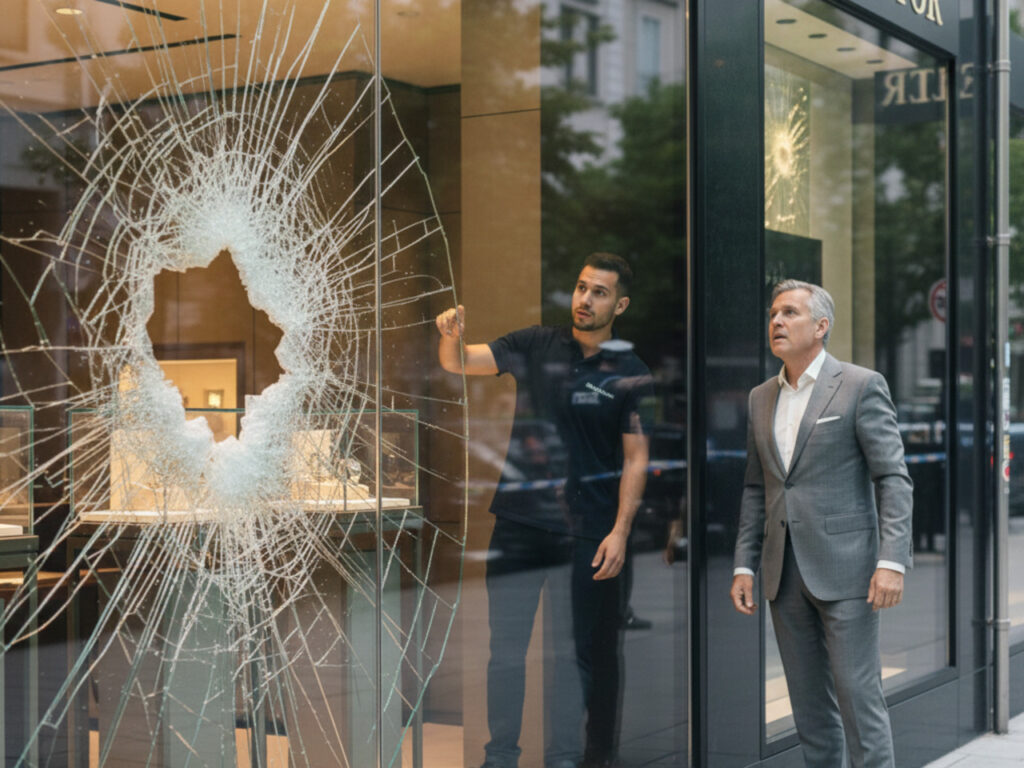
Paul often struggles to deliver high-security facilities while meeting tight budgets and maintaining design integrity. Clients demand occupant safety and protection against forced entry, vandalism, or blast scenarios. Meeting these needs traditionally required replacing existing glass with specialized safety glass. That process is costly and disruptive, often leading to significant project delays and increased labor costs. These expenses hurt the financial bottom line and conflict with efficient project delivery goals. For Paul, this often means sacrificing one critical project aspect for another.
The Thesis: Why Advanced Window Film is the Strategic Alternative to Full Replacement
Retrofitting windows with advanced window security film is a cost-effective way to achieve modern safety standards. This method is more strategic and less disruptive than full glass replacement. Traditional safety glass is vital, but understanding its limitations is crucial for project managers. Advanced film technology often offers a more practical solution for existing structures. Knowing the core characteristics of shatterproof glass helps in choosing the best technology.
Understanding Safety Glass: The Cornerstone of Building Security
What Constitutes Safety Glass? Official Definitions for Commercial Projects
Safety glass includes glazing materials engineered to reduce injury risks or provide enhanced breakage resistance. Standard annealed glass shatters into sharp shards, but safety glass breaks in a much safer manner. It is designed to remain largely intact or crumble upon impact. Building codes require safety glass to protect occupants in hazardous locations. This definition is essential for understanding the requirements of a safety glass window. Such standards guide its use in commercial applications like storefronts and curtain walls.
Tempered Glass: Characteristics, Strengths, and Limitations for Commercial Use
Tempered glass undergoes a process of intense heating followed by rapid cooling, creating compressive stresses on its surface and tensile stresses in its core. This unique structure gives it several distinct characteristics and strengths.
Strengths:
- Enhanced Strength: It is approximately four to five times stronger than annealed glass of the same thickness, offering superior resistance to blunt impacts and thermal stress.
- Safe Breakage Pattern: Upon breaking, tempered glass shatters into small, relatively harmless, blunt-edged fragments, often referred to as “dicing.” This significantly reduces the risk of laceration injuries compared to annealed glass.
- Thermal Resistance: Its robust structure makes it highly resistant to temperature fluctuations, making it suitable for applications where thermal shock is a concern.
Limitations:
- Vulnerability to Edge Impact: While strong, tempered glass is highly vulnerable to impacts on its edges, which can cause the entire pane to shatter instantly.
- Complete Loss of Integrity: Once broken, tempered glass offers virtually no residual barrier or containment. The entire pane will disintegrate, leaving a completely open void. This characteristic makes it less suitable for security applications where maintaining the integrity of the opening after impact is critical, such as resisting forced entry or containing blast fragments.
- Cannot Be Modified After Tempering: Any cutting, drilling, or edge work must be performed before the tempering process.
Laminated Glass: Construction, Benefits, and Advanced Security Applications
Laminated glass is constructed by bonding two or more panes of glass together with one or more interlayers, typically made of polyvinyl butyral (PVB), ethylene-vinyl acetate (EVA), or a specialized SentryGlas Plus (SGP) interlayer. This assembly is then heated and compressed to create a single, durable unit.
- Construction: The interlayer acts as a structural adhesive, holding the glass plies together even after breakage.
Benefits:
- Fragment Retention: When broken, the glass fragments adhere to the interlayer, maintaining the overall integrity of the pane and preventing dangerous shards from flying. This is a crucial safety benefit.
- Enhanced Security: The interlayer provides a significant delay to forced entry attempts, as an assailant must not only break the glass but also penetrate the tough, resilient interlayer. The glass may crack, but the opening remains largely obstructed.
- Acoustic Control: The interlayer also dampens sound, providing excellent acoustic insulation properties, which is valuable in commercial environments.
- UV Protection: Most interlayers effectively block 99% or more of harmful UV radiation, protecting interior furnishings and occupants.
- Blast Mitigation: With appropriate design and thicker interlayers, laminated glass can be engineered to resist blast pressures, containing glass fragments and preventing them from becoming dangerous projectiles.
- Advanced Security Applications: Higher-performance laminated glass, often incorporating multiple glass plies and specialized interlayers, is used in applications requiring advanced security, such as bullet-resistant glazing, hurricane-resistant windows, and high-security zones. While highly effective, these specialized assemblies are considerably thicker, heavier, and more expensive than standard glass.
Key Regulatory Standards: ANSI Z97.1 and CPSC 16 CFR 1201 Explained for Project Managers
For project managers specifying glazing, understanding the applicable regulatory standards is paramount. The primary standards governing safety glazing in the United States are ANSI Z97.1 and CPSC 16 CFR 1201. Both focus on impact safety to protect building occupants.
- ANSI Z97.1 (Safety Glazing Materials Used in Buildings – Safety Performance Specifications and Methods of Test):
- This is a voluntary industry standard, though it is widely referenced and adopted by various building codes across jurisdictions.
- It defines test methods and safety performance criteria for various glazing materials intended for hazardous locations.
- Testing involves dropping a specific weight (e.g., a shot bag) from set heights onto the glass.
- CPSC 16 CFR 1201 (Safety Standard for Architectural Glazing Materials):
- This is a mandatory federal regulation enforced by the Consumer Product Safety Commission (CPSC).
- It specifies the performance requirements for glazing materials used in “hazardous locations” within residential and commercial buildings.
- Category I (Cat I): Specifies resistance to impact from a 100 lb shot bag dropped from a height of 18 inches. This is generally for smaller panes.
- Category II (Cat II): Requires resistance to impact from the same 100 lb shot bag dropped from a height of 48 inches. This is typically for larger panes and higher-risk areas.
Both standards primarily ensure that glass, when broken by human impact, either does not create large, dangerous shards (like tempered glass) or remains in the opening to prevent passage and injury from flying fragments (like laminated glass). Project managers must recognize that while these standards address impact safety for occupants, they do not inherently define or guarantee resistance against forced entry, ballistic attacks, or blast events. Achieving those higher levels of security often requires additional specifications beyond basic safety glazing compliance, which is where the strategic application of advanced film technology becomes particularly relevant.
The Inefficiencies of Traditional Glass Replacement: Why Modern Projects Demand More
The High Costs of Full Window Replacement: Materials, Labor, and Hidden Expenses
For many commercial projects, the decision to fully replace existing glass windows often appears straightforward, yet it frequently carries substantial and often underestimated financial implications. Beyond the obvious material costs of new insulated glass units (IGUs) and framing systems, the labor involved in removal, disposal, and precision installation of these heavy components is significant. This process often necessitates specialized equipment, such as scaffolding or cranes, adding further to direct project expenditures.
Hidden costs can quickly escalate the budget. These include expenses related to hazardous material abatement if old window sealants contain PCBs, the logistics of waste disposal for large volumes of glass and frames, and the potential need for temporary structural bracing during removal. Furthermore, the administrative overhead for managing a complex replacement project, from procurement to site supervision, significantly impacts the overall project budget.
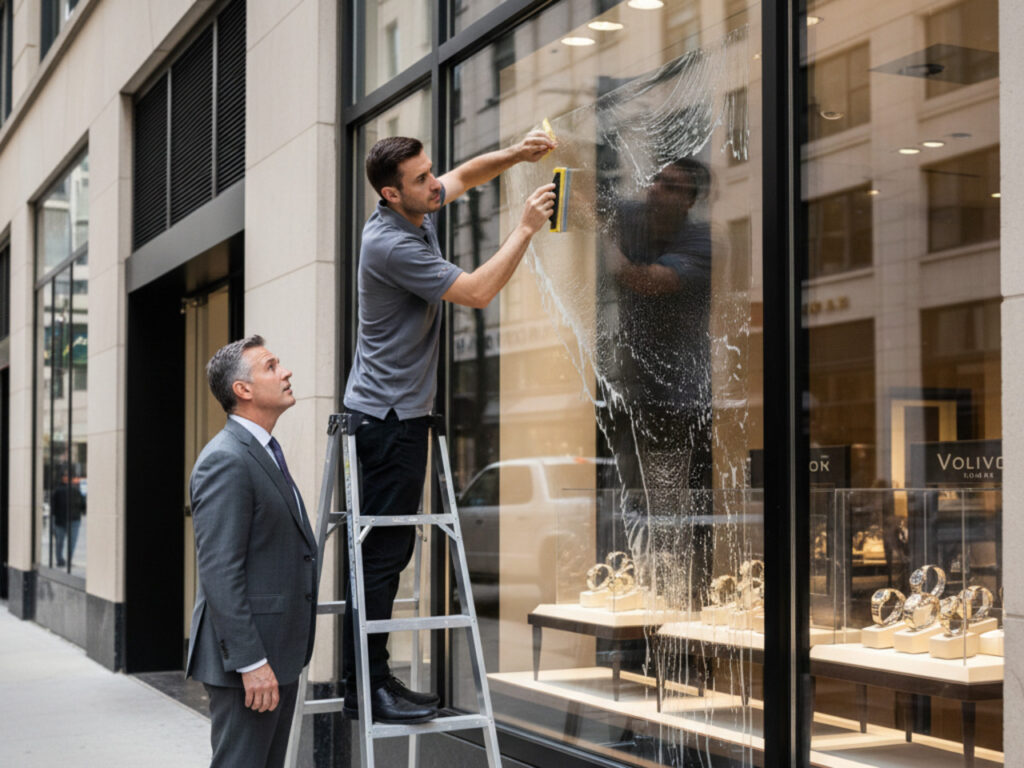
Navigating Disruptive Timelines and Logistics in Active Commercial Environments
Replacing windows in an occupied commercial building presents considerable logistical challenges and can severely disrupt ongoing operations. The process is inherently noisy, dusty, and requires extensive access to building perimeters and interiors, often necessitating temporary relocation of staff or even complete shutdowns of affected areas. This directly impacts productivity and can lead to client inconvenience, eroding goodwill.
Project timelines extend significantly due to the lead times for custom-fabricated glass, complex scheduling of specialized trades, and the need to work around the building’s operational hours. The coordination required for site access, safety protocols, and waste management in a live environment adds layers of complexity rarely encountered with less invasive solutions. Such extensive work also introduces potential security vulnerabilities during the replacement phase.
Environmental and Operational Impacts of Extensive Construction and Demolition
Full window replacement is not without its environmental footprint. The manufacturing and transportation of new glass units require significant energy inputs. Once on-site, the demolition and disposal of old windows contribute substantial amounts of non-recyclable waste to landfills, aligning poorly with modern sustainability goals. This extensive construction and demolition activity also impacts the immediate operational environment.
Increased noise levels, dust generation, and potential air quality issues can affect building occupants and surrounding communities. For project managers aiming for LEED certification or other green building accreditations, minimizing construction waste and operational disturbances is a key consideration. The carbon footprint associated with manufacturing, shipping, and installing new windows often outweighs the benefits of marginal energy efficiency gains from replacement, especially if existing frames are sound.
Limitations of Traditional Safety Glass for Evolving Security Threats and Building Envelope Security
While traditional safety glass, such as tempered or laminated glass, offers improved protection over annealed glass, it possesses inherent limitations when confronting modern security threats. Tempered glass shatters into small, blunt pieces upon impact, reducing injury risk but failing to maintain the integrity of the opening against forced entry. Laminated glass, while holding shards together, can delaminate or tear under repeated assault, especially in perimeter attack scenarios.
Traditional solutions primarily mitigate impact injuries rather than deterring or delaying intruders for long periods. They often fail to withstand sophisticated blast events effectively. Relying solely on conventional safety glass leaves critical vulnerabilities in building security. This necessitates additional, often costly, security measures elsewhere. As threats evolve, static safety glass may not provide the dynamic protection required today.
When Aesthetic and Energy Efficiency Goals Clash with Replacement Constraints
Specific aesthetic and energy goals often conflict with the practicalities of full window replacement. Replacing windows in historical buildings can be prohibitively expensive or even impossible. This is especially true if original aesthetics must be preserved at all costs. Sourcing exact matches for glass profiles or frame materials is a significant challenge. These difficulties lead to visual inconsistencies that detract from a building’s appearance.
While new glass units improve performance, replacing an entire system for marginal gains rarely justifies the cost. This is especially true if the existing window frames remain structurally sound. Project managers must balance energy efficiency and aesthetics against immense costs and disruption. Such pressure often leads to compromises that fail to satisfy project objectives or client demands.
Elevating Window Security: The Strategic Advantage of Advanced 3M Window Film
Introducing Security Window Film: A Modern Retrofit Solution for Existing Windows
Advanced security window film is a modern retrofit solution for enhancing existing window performance. This technology addresses the inefficiencies and limitations of traditional glass replacement. Instead of installing new units, technicians apply film directly to the interior glass surface. This approach upgrades safety and security without the need for extensive construction. Operational downtime is minimized while achieving high-performance results for commercial buildings.
Security window film creates a robust, invisible barrier that improves resistance to impact and shattering. This capability is particularly advantageous for renovation projects and historic structures. Managers can meet safety requirements while preserving architectural elements and minimizing budgets.
How 3M Safety & Security Window Films Work: Understanding the Technology and Polyester Film Construction
3M Safety and Security Window Films use advanced materials to provide superior protection. These films feature multiple layers of high-tensile polyester and strong proprietary adhesives. This construction forms a secure bond directly to the glass surface. The multi-layered design is critical for performance. Upon impact, the film works dynamically with the glass to maintain structural integrity.
The film absorbs and distributes impact energy across its surface instead of letting shards disperse. It holds broken glass fragments together within the frame to maintain the opening’s integrity. This prevents injuries from flying glass and deters intruders by denying immediate access. It significantly slows forced entry attempts, buying critical time for occupants and security personnel.
The Specific Edge of 3M Ultra Series Films: Enhanced Tear Resistance and Superior Performance
The 3M Ultra Series stands apart due to its patented micro-layer technology. Standard films usually comprise several thick layers of polyester. In contrast, 3M Ultra Series films feature hundreds of ultra-thin, tear-resistant micro-layers. This unique construction provides an exceptional balance of strength and flexibility. It results in significantly enhanced tear resistance compared to standard films.
This micro-layering allows the film to absorb more impact energy and resist tearing even after the glass has fractured, making it extraordinarily difficult to penetrate. For project managers, this translates into superior performance against severe weather, forced entry attempts, and bomb blast mitigation. The 3M Ultra Series offers a higher level of protection, ensuring the building envelope remains secure under more extreme conditions, thus providing robust security where it matters most.
Strategic Benefits for Project Managers: Cost-Effectiveness, Speed, and Minimal Operational Disruption
The strategic advantages of deploying advanced security window films, particularly 3M solutions, are compelling for project managers. The initial and overall project costs are significantly lower compared to full window replacement, as it bypasses the expensive materials, specialized labor, and disposal fees associated with new glass units. This cost-effectiveness is a primary driver for many renovation budgets.
Beyond cost, the speed of installation is a critical benefit. Films can be applied quickly and efficiently, often without requiring extensive site preparation or specialized heavy equipment. This translates directly into minimal operational disruption for commercial tenants or building occupants. Noise and dust are significantly reduced, and businesses can often continue operations with little to no downtime.
- Cost Efficiency: Drastically reduces material, labor, and disposal costs compared to full replacement.
- Rapid Deployment: Quick installation minimizes project timelines and accelerates safety upgrades.
- Minimal Disruption: Less noise, dust, and intrusion into occupied spaces, preserving business continuity.
- Versatility: Addresses security, safety, and sometimes solar control needs in a single application.
- Preserves Aesthetics: Maintains the existing architectural appearance of the building.
Meeting Commercial Building Safety Standards Through Efficient Retrofit Solutions
Advanced security window films offer an efficient and often superior method for meeting stringent commercial building safety standards without the extensive overhaul of full glass replacement. These films can upgrade existing annealed or tempered glass to meet impact resistance codes, such as those for hurricane zones, by enhancing the glass’s ability to resist shattering and remain within the frame. This is a critical factor for occupant safety and building integrity during severe weather events.
Furthermore, specialized security films, particularly those with enhanced tear resistance like 3M Ultra Series, are increasingly recognized for their ability to provide advanced protection against more serious threats. They can help buildings comply with stricter security requirements for forced entry and bomb blast mitigation, aligning with standards set by organizations like the General Services Administration (GSA). By retrofitting existing windows, project managers can achieve compliance strategically, ensuring high safety and security performance while optimizing project budgets and timelines.
Beyond the Surface: Comparing Security Film Performance Against Traditional Glass Standards
When evaluating options for enhancing building envelope security, construction and renovation managers often weigh the merits of traditional safety glazing against advanced window film technologies. While laminated glass has long been a benchmark for safety, modern security films offer a highly effective and often more strategic alternative, particularly when retrofitting existing structures. Understanding their comparative performance is critical for informed decision-making, offering a nuanced perspective on security window film vs safety glass.
Direct Comparison: Security Window Film vs. Laminated Glass for Impact Resistance and Anti-Intrusion
Both security window film and laminated glass are designed to enhance the integrity of a glass pane upon impact, preventing dangerous shattering and deterring forced entry. Laminated glass achieves this through a polyvinyl butyral (PVB) or SentryGlas Plus (SGP) interlayer bonded between two panes of glass. When broken, the interlayer holds the glass fragments in place, maintaining a barrier.
Advanced security films, such as those from 3M, operate on a similar principle but are applied to existing glass. These films, typically constructed from robust polyester film, form a strong, transparent membrane that bonds to the glass surface using powerful acrylic adhesives. Upon impact, the film holds the broken glass shards together, anchoring them to the window frame when properly installed. This system significantly slows down or prevents forced entry, providing a crucial delay for security personnel to respond. For Project Manager Paul, this means upgrading security without the extensive cost and disruption of removing and replacing entire window units.
Mitigating Threats: Understanding Blast Mitigation and Forced Entry Capabilities with Advanced Film
Beyond basic impact resistance, advanced security films excel in mitigating more severe threats, including blast events and sophisticated forced entry attempts. In a blast scenario, the primary danger often comes from flying glass fragments, which can cause severe injury or death far from the blast origin. Security films are engineered to absorb and dissipate blast energy, keeping the glass within the frame and preventing it from becoming lethal shrapnel. This fragment retention capability is paramount for occupant safety in government buildings, corporate offices, and other high-risk environments.
For forced entry, the film acts as a formidable deterrent. While an intruder might break the glass, the film prevents immediate access through the opening. The continuous effort required to breach the film-reinforced glass creates noise and extends the entry time, often exceeding the critical few seconds intruders typically allow themselves. This delay is invaluable for activating alarms, alerting occupants, and allowing security forces to intervene, making it a powerful component of an anti-intrusion strategy.
Achieving and Exceeding Safety Standards with 3M Film (Referencing ANSI Z97.1, CPSC 16 CFR 1201)
Meeting safety glazing standards is a non-negotiable requirement for many commercial projects. The American National Standards Institute (ANSI) Z97.1 and the Consumer Product Safety Commission (CPSC) 16 CFR 1201 standards define the performance criteria for safety glazing materials designed to protect against human impact. These standards classify materials based on their ability to resist breakage and contain fragments when subjected to specific impact tests.
Many advanced security films from 3M are rigorously tested and certified to meet or even exceed these stringent safety standards when applied to standard annealed glass. This means that existing, non-safety-rated glass can be transformed into code-compliant safety glazing without the need for expensive and disruptive window replacement. For Project Manager Paul, this presents a streamlined, cost-effective pathway to regulatory compliance and enhanced occupant safety, particularly relevant in schools, hospitals, and public areas where impact hazards are a concern.
Durability and Longevity: The Lifespan and Maintenance Considerations of Advanced Window Films
Many people worry about the durability and longevity of window films. Modern advanced films are engineered for extended performance in diverse environmental conditions. High-quality security films use robust, optically clear polyester materials. They feature scratch-resistant coatings and advanced adhesive systems. These components resist delamination, bubbling, and yellowing over time.
Advanced security films typically last 10 to 15 years. They often include comprehensive manufacturer warranties covering material defects and performance. Maintenance is straightforward, requiring only standard, non-abrasive cleaning methods. This long operational life makes security film a durable and practical long-term solution. It integrates seamlessly into any building’s maintenance schedule. The film offers a favorable return on investment compared to repeated glass replacement cycles.
The Role of Adhesives and Professional Installation in Overall Building Envelope Security
The efficacy of a security window film system hinges not only on the film material itself but equally on its adhesive bond to the glass and, critically, its mechanical attachment to the window frame. Advanced acrylic adhesives used in 3M films are designed for long-term bond strength, ensuring the film remains securely affixed to the glass, even under extreme stress.
However, for comprehensive building envelope security, especially in blast mitigation or high-security applications, the entire system must perform as a single unit. This often necessitates the use of an edge retention system, such as a wet glaze or mechanical attachment, which anchors the film directly to the window frame using structural silicone or a mechanical batten. This prevents the entire film-and-glass composite from being dislodged from the frame upon severe impact.
Professional installation is therefore non-negotiable. Certified installers possess the expertise, specialized tools, and training required to:
- Properly clean and prepare the glass surface.
- Apply the film without defects (e.g., bubbles, creases).
- Correctly integrate edge retention systems where specified.
These steps ensure optimal performance, validate manufacturer warranties, and guarantee that the installed security film system will perform as intended to protect assets and occupants.
Transforming Project Outcomes: Illustrative Applications of Security Film in Commercial Environments
The versatility and efficacy of advanced security window films extend across a wide spectrum of commercial applications, offering tailored solutions that address specific client demands for safety, security, and operational efficiency. For Project Manager Paul, understanding these diverse applications illustrates how security film can meet complex requirements without the typical drawbacks of full glass replacement.
Enhancing Retail Security: Protecting Assets and Occupants from Smash-and-Grab Incidents
Retail environments are particularly vulnerable to “smash-and-grab” incidents, where intruders rapidly break glass storefronts to access merchandise. Security window films act as a critical deterrent and defense mechanism in these scenarios. By reinforcing the glass, the film denies quick entry, frustrating intruders and increasing the time required to gain access. This extended entry time dramatically raises the risk for perpetrators, often leading them to abandon their attempts.
Beyond asset protection, the film also safeguards customers and staff by preventing broken glass from shattering inward during an attack. This translates to reduced property damage, minimized inventory loss, and enhanced safety for everyone inside, all while avoiding the significant downtime and expense associated with replacing large storefront windows.
Fortifying Educational Institutions: Comprehensive Safety, Security, and Incident Deterrence
Educational institutions, from K-12 schools to universities, face complex challenges related to student safety, active threat situations, and accidental impacts. Security films offer a multifaceted solution:
- Active Threat Deterrence: By delaying forced entry into classrooms or common areas, films provide critical minutes for students and staff to implement lockdown protocols and for first responders to arrive.
- Accidental Impact Protection: In high-traffic areas, films transform standard glass into safety glazing, protecting against injuries from accidental collisions.
- Natural Disaster Resilience: During severe weather, films help windows withstand wind-borne debris, maintaining the building envelope and preventing widespread damage from water intrusion.
Implementing security film allows for rapid, non-disruptive upgrades across an entire campus, ensuring comprehensive protection without interrupting the academic calendar or incurring prohibitive costs.
Securing Corporate Offices and Government Buildings: Privacy, Protection, and Peace of Mind
For corporate offices and government facilities, security needs often extend beyond basic intrusion. These environments demand robust protection against a range of threats while maintaining a professional aesthetic. Security films provide:
- Blast Mitigation: Protecting personnel and critical infrastructure from the devastating effects of explosive devices.
- Forced Entry Resistance: Delaying sophisticated attempts to breach security, safeguarding sensitive data and valuable assets.
- Visual Privacy: Certain security films can be combined with privacy features, obscuring views into sensitive areas without sacrificing natural light.
- Enhanced Surveillance Support: By keeping glass intact longer, films provide additional time for security cameras and personnel to identify and respond to threats.
This comprehensive approach allows organizations to reinforce their physical security posture discreetly and effectively, contributing to a secure working environment and peace of mind for occupants.
Addressing Specific Client Demands: Custom Solutions for Unique Security and Safety Needs
One of the most compelling advantages of advanced security window films is their exceptional versatility in addressing highly specific client demands. Unlike traditional glass replacement, which offers limited customization without significant cost escalation, films can be tailored to meet a unique combination of requirements. Project Manager Paul often encounters clients with distinct needs that go beyond simple security:
- Combined Performance: A client might require robust anti-intrusion alongside solar heat rejection to reduce energy costs, or UV protection to prevent fading of interior furnishings.
- Aesthetic Integration: Decorative films can be integrated with security features to provide privacy, enhance branding, or add architectural interest while maintaining a protective barrier.
- Regulatory Compliance: Projects in older buildings often need to bring existing glazing up to modern safety codes (e.g., impact resistance) without full-scale renovation.
This adaptability allows construction managers to propose precise, multi-functional solutions that optimize performance, manage costs, and satisfy complex client specifications with a single, integrated product.
Integrating Security Film for Holistic Energy Efficiency and Aesthetic Upgrades
The strategic application of security window film frequently extends beyond its core protective function to encompass broader building performance improvements. Many advanced security films are designed with integrated solar control properties. These films can significantly reduce solar heat gain, blocking a substantial percentage of infrared and ultraviolet radiation. This leads to:
- Improved Energy Efficiency: Lowering heating and cooling costs, reducing the load on HVAC systems, and contributing to sustainability goals.
- Enhanced Occupant Comfort: Mitigating hot spots near windows and reducing glare, creating a more comfortable interior environment.
- UV Protection: Shielding interior furnishings, artwork, and occupants from harmful UV rays, which can cause fading and skin damage.
Furthermore, security films can be combined with various aesthetic options, including frosted, translucent, or patterned designs, allowing for privacy, branding, or decorative enhancements. This integrated approach offers a holistic upgrade to building envelopes, simultaneously addressing security, energy efficiency, and aesthetic requirements through a single, cost-effective installation, providing a superior solution compared to individual, disjointed renovations.
Ensuring Flawless Execution: Partnering with Security Film Experts for Your Commercial Project
Having established the technical merits and strategic advantages of advanced security window films, the successful implementation of this solution hinges critically on selecting the right partner. For construction and renovation managers, ensuring flawless execution means collaborating with specialists who possess not only the product but also the profound expertise to integrate it seamlessly into complex commercial projects. This strategic partnership directly translates into meeting client demands for enhanced security and operational efficiency without incurring the cost and disruption associated with full glass replacement.
Key Considerations When Selecting a Security Film Provider for Commercial Applications
Choosing a security film provider for your commercial project extends beyond comparing product specifications. It involves evaluating their comprehensive capabilities to deliver a solution that aligns with your project’s unique constraints and objectives. The ideal partner offers more than just film. They provide a service rooted in experience and a deep understanding of commercial construction dynamics.
- Proven Commercial Experience: Prioritize providers with an extensive portfolio of commercial projects, demonstrating their capacity to handle the scale, complexity, and specific regulatory requirements typical of such endeavors. Their understanding of project timelines, logistical challenges, and the need for minimal operational disruption is paramount.
- Manufacturer Certifications and Training: Ensure the provider’s technicians are factory-certified by leading manufacturers, particularly for the specific film technologies being considered. This guarantees that installation protocols are meticulously followed, which is crucial for product performance and warranty validation.
- Comprehensive Site Assessment and Consultation: A reputable specialist will conduct a thorough on-site evaluation of existing glazing, assess security vulnerabilities, and provide data-driven recommendations tailored to your project’s budget and performance goals. This consultative approach helps identify the most appropriate film solution and installation strategy.
- Logistical Acumen and Scheduling Flexibility: In commercial environments, timely execution and minimal interference with ongoing operations are critical. Inquire about their project management capabilities, including their ability to coordinate with other trades, adhere to strict schedules, and offer flexible installation times outside peak operating hours.
The Value of Expertise: Why Professional Installation is Paramount for Optimal Performance
The inherent strength and protective qualities of security window film are directly contingent upon the precision and quality of its installation. Even the most advanced film technology will underperform if applied incorrectly. Professional installation is not merely a service; it is an investment in the system’s integrity and its ability to withstand significant forces during an incident.
Expert installers use specialized tools and knowledge to ensure proper adhesion and defect-free application. They understand glass types, environmental conditions, and the critical adhesive curing process. Correct installation ensures the film bonds uniformly with the glass. This forms a robust composite structure designed to resist impact effectively. Rushed installations can lead to bubbling, peeling, or incomplete adhesion. These flaws compromise security benefits and may void the manufacturer’s warranty.
Leveraging National Partnerships: The Advantage of Working with a #1 U.S. 3M Window Film Installer
For construction and renovation managers, collaborating with a top-tier national partner, such as a #1 U.S. 3M Window Film Installer, offers distinct advantages that extend beyond local capabilities. This level of partnership signifies a profound commitment to excellence, deep technical knowledge, and unparalleled access to cutting-edge technology.
- Access to Premium Products and Innovation: A leading national installer provides direct access to 3M’s full range of advanced 3M safety and security film, including their latest innovations and specialized products. This ensures that your project benefits from the most effective and appropriate technology available.
- Consistent Quality and Service: National partnerships often mean standardized training and quality control processes across multiple locations, guaranteeing consistent installation quality and service levels, which is particularly beneficial for multi-site projects or phased renovations.
- Robust Technical Support and Warranty: Working with a top installer provides enhanced technical support directly from the manufacturer. Furthermore, their installations are typically backed by comprehensive manufacturer warranties that cover both the film and the installation labor, offering significant long-term peace of mind for the project owner.
- Scalability and Resource Availability: A national leader possesses the resources and logistical networks to handle projects of virtually any scale, ensuring timely completion even for extensive commercial installations, reducing project risk and managing unforeseen challenges efficiently.
Project Planning and Integration: Seamlessly Incorporating Film into Your Renovation Schedule
One of the primary benefits of security window film for renovation projects is its ability to integrate with minimal disruption, a key concern for Project Manager Paul. Unlike full glass replacement, which often entails significant demolition, structural alterations, extended lead times for custom glazing, and potential exposure to weather elements, film installation is a comparatively swift and contained process.
Effective planning with your film specialist will involve detailed scheduling that considers other trades, operational hours, and specific site conditions. Installation can frequently be phased or performed during off-hours, ensuring that building occupants experience minimal interruption. The process typically generates far less noise, dust, and waste, allowing for quicker clean-up and a faster return to normal operations. This strategic integration capability helps project managers maintain stringent timelines and budgets, directly addressing the pain point of meeting client demands for security without escalating project costs or extending schedules.
Long-Term Support and Comprehensive Warranty for Project Manager Peace of Mind
The decision to install security window film is a long-term investment in a building’s safety and security infrastructure. Therefore, the long-term support and warranty provided by your installation partner are critical components of project success and peace of mind for project managers and building owners alike. A robust warranty reflects the manufacturer’s and installer’s confidence in their product and workmanship.
A comprehensive warranty typically covers defects in the film, such as peeling, bubbling, cracking, or delaminating, and often includes the installation labor for a specified period. This protection safeguards the initial investment and ensures the film’s ongoing performance. Beyond the warranty, reputable providers offer ongoing support, which may include maintenance advice, cleaning recommendations, and responsive service for any post-installation inquiries. This commitment to long-term client satisfaction ensures that the security solution remains effective and that any potential issues are addressed promptly, protecting the building asset and its occupants for years to come.
Conclusion: Key Takeaways and Strategic Next Steps for Project Managers
As construction and renovation managers navigate the complex demands of modern building projects, the strategic choices made regarding safety and security solutions have far-reaching implications for budget, timeline, and long-term performance. Advanced security window film presents a compelling and often superior alternative to traditional methods, delivering enhanced protection with remarkable efficiency.
Reaffirming the Strategic Advantage of Security Window Film in Modern Construction
Throughout this discussion, we have highlighted how security window film offers a distinct strategic advantage in today’s construction and renovation landscape. It provides a robust defense against various threats, including forced entry, blast mitigation, and natural disasters, by reinforcing existing glazing. Its ability to achieve or exceed safety standards on existing glass without the costly and disruptive process of full window replacement positions it as an invaluable tool for project managers seeking innovative, practical, and budget-conscious solutions. The versatility of film technology also allows for integration with other performance benefits, such as UV protection and energy efficiency, further enhancing its value proposition.
Empowering Project Managers with Modern, Cost-Effective Security Solutions
Project managers must deliver high-performance, secure environments within strict financial and temporal constraints. Security window film addresses these pain points with a modern, cost-effective solution. This choice empowers managers to meet stringent client demands effectively. By choosing film, managers proactively manage risks and reduce project timelines. This approach optimizes budgets while ensuring superior protection for occupants and assets. It transforms existing vulnerabilities into resilient and reliable security barriers. Advanced protection does not always require prohibitive costs or extensive disruption.
Preparing for a Consultation: What to Discuss with a Security Film Specialist
To maximize the benefits of a security film consultation, preparation is key. Project managers should be ready to articulate the specific security objectives, project budget, and timeline. Consider discussing:
- Existing Glazing Analysis: Type and condition of current windows, including frame materials and glass thickness.
- Threat Assessment: Specific security concerns (e.g., crime rates, potential for vandalism, blast risks, natural disaster vulnerability).
- Desired Performance Standards: Any relevant building codes, security certifications, or client-specific performance criteria.
- Operational Impact: How the installation schedule can be coordinated to minimize disruption to building occupants or operations.
- Long-Term Goals: Expectations for product lifespan, warranty coverage, and ongoing maintenance.
Approaching the consultation with this information facilitates a tailored recommendation and ensures the proposed solution aligns perfectly with your project’s unique requirements.
Future Trends in Building Security and Glass Technology for Forward-Thinking Project Managers
The landscape of building security and glass technology is continuously evolving, driven by advancements in materials science and an ever-changing threat environment. Forward-thinking project managers should remain apprised of emerging trends. These include the development of even stronger, thinner films, multi-functional films that integrate enhanced security with smart glass features, and improved installation techniques that further reduce project timelines. As security threats become more sophisticated, the role of advanced film technology in creating resilient and adaptive building envelopes will only grow. By embracing these innovative solutions today, project managers can future-proof their projects and deliver buildings that are not only secure but also adaptable to tomorrow’s challenges.
Frequently Asked Questions
What is safety glass window, and how does it compare to security film?
A safety glass window is engineered to reduce injury risk upon breakage. This includes tempered glass, which shatters into small, blunt pieces, and laminated glass, which holds fragments together with an interlayer. Security film, such as 3M safety and security film, is a retrofit solution applied to existing glass. It works by bonding a strong polyester film to the glass, holding shattered pieces together within the frame, thereby enhancing impact resistance and offering anti-intrusion benefits similar to, or exceeding, some types of laminated glass, but without full window replacement.
Can security window film prevent forced entry or mitigate blast impact?
Yes, advanced security window film, especially the 3M Ultra Series, significantly enhances a window’s resistance to forced entry and can mitigate blast impact. The film’s strong shatter-resistant film construction prevents immediate access by holding glass fragments together, creating a formidable barrier that delays intruders. In a blast event, the film keeps the glass within the frame, preventing dangerous flying shrapnel, crucial for blast mitigation.
Is installing security film compliant with commercial building safety standards?
Many advanced security films, including those from 3M, are rigorously tested to meet or exceed commercial building safety standards like ANSI Z97.1 and CPSC 16 CFR 1201 for impact resistance. Applying these films can upgrade existing annealed or tempered glass to meet current code requirements, providing a cost-effective path to compliance without the need for disruptive full glass replacement.
Will installing security film disrupt our business operations?
One of the key advantages of security window film is its minimal operational disruption. Installation is typically quick, quiet, and generates far less dust and waste compared to full window replacement. For Project Manager Paul, this means installations can often be phased or scheduled during off-hours, allowing businesses to maintain continuity and minimizing inconvenience for occupants.
How does the longevity of security film compare to traditional safety glass?
Advanced security films are engineered for durability, typically lasting 10 to 15 years, often backed by comprehensive manufacturer warranties. They feature scratch-resistant coatings and powerful adhesives to resist delamination or yellowing. While traditional safety glass (like laminated glass) also has a long lifespan, security film offers a way to enhance the safety and security of existing glass without the initial high cost and disruption of replacing entire window units, providing a durable and practical long-term solution.