Table of Contents:
- Bridging the Gap: From Consumer Queries to Commercial Imperatives
- Understanding the Core Technologies: How Each Option Works
- Performance Metrics That Matter: A Head-to-Head Comparison
- The Project Management Angle: Cost, Timeline, and Disruption
- Strategic Selection: When to Choose Tempered Glass, When to Embrace Security Film Retrofits
- Conclusion: Key Takeaways and Future-Proofing Your Commercial Assets
- Frequently Asked Questions
- Related Posts from Window Film Depot
Bridging the Gap: From Consumer Queries to Commercial Imperatives
When addressing glass security, the initial questions often arise from a consumer perspective. Many might wonder which is better: tempered glass or a screen protector for personal devices or residential applications. For a commercial project manager overseeing a large-scale renovation, however, the conversation shifts dramatically. This moves beyond individual product features to focus on system-level integration and comprehensive risk mitigation. It also addresses the logistical implications of implementation across numerous glazing units within the property. This necessitates a strategic reframing from a simple product comparison to an evaluation of overall project impact. Security enhancements must align with broader business objectives and the specific operational realities of the site. Such an approach ensures that the chosen solution provides maximum value for the entire commercial enterprise.
The Project Manager’s Dilemma: Enhancing Security Without Derailing Budgets or Timelines
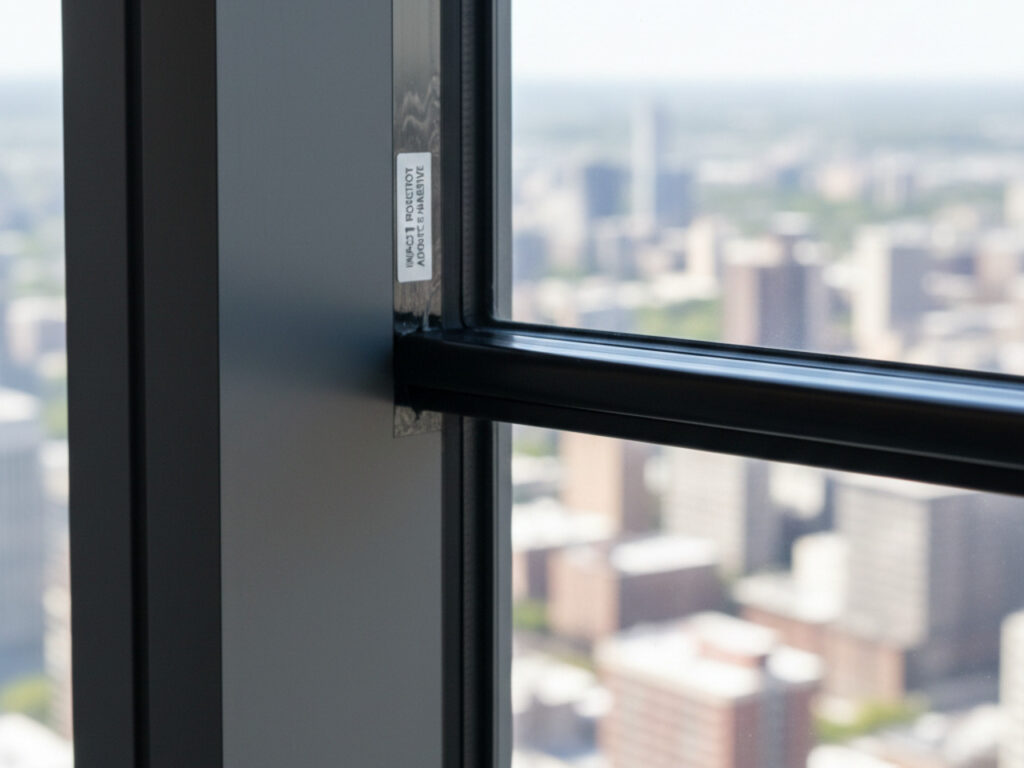
For Project Manager Paul and his peers, the challenge is not merely identifying a more secure glass option. It is about executing significant security upgrades within tight fiscal constraints and demanding schedules. Integrating security measures often means navigating existing infrastructure and minimizing operational downtime for occupants. It also requires managing a workforce across multiple locations during the installation process. The dilemma centers on achieving robust, reliable security without the prohibitive costs of full glass replacement. Extensive lead times and disruptive installation processes often make total replacement unviable for large properties. This balance between elevated performance and project viability drives decision-making in large commercial environments.
Why a Strategic Approach to Glazing Security is Non-Negotiable
A reactive or piecemeal approach to glazing security simply does not meet the standards required for modern commercial assets. In today’s landscape, a strategic approach is non-negotiable for several compelling reasons. It directly addresses the evolving threat landscape, safeguards valuable assets, ensures occupant safety, and protects against potential liabilities. Beyond immediate security, robust glazing solutions contribute to business continuity by reducing the risk of downtime. These upgrades minimize potential losses from breakage, theft, or vandalism within the commercial facility. A well-planned security upgrade can align with insurance requirements and mandatory regulatory compliance. This strategy solidifies the long-term integrity and operational resilience of any modern building project.
Understanding the Core Technologies: How Each Option Works
Tempered Glass: The Foundation of Baseline Safety and Its Limitations
Tempered glass is a common safety solution created by heating annealed glass to over 1,200°F. Rapid cooling creates high compressive stresses on the surface and tensile stresses in the core. This process makes the glass approximately four to five times stronger than standard annealed glass. When it breaks, tempered glass shatters into small, relatively blunt granular pieces. This fragmentation significantly reduces the risk of severe injury from jagged shards. These characteristics make it a baseline requirement in many modern building codes. Such safety standards apply to doors, doorways, and large storefront applications where human impact is likely.

However, while tempered glass excels in mitigating injury upon breakage, it presents significant limitations as a security barrier. Once its structural integrity is compromised, whether by impact or thermal stress, the entire pane fails almost instantaneously. This provides no significant delay against forced entry or a barrier against ballistic threats, creating an immediate, unhindered breach. Its “all or nothing” failure mode means that while safer to break, it offers minimal resistance against deliberate intrusion attempts.
The Evolution of Glazing: From Standard to Laminated Glass Security
Laminated glass represents a significant step forward in glazing technology for enhanced security. It is constructed by bonding two or more panes of glass together with one or more interlayers, typically made of polyvinyl butyral (PVB) or SentryGlas® Plus (SGP). This interlayer is key to its performance. Upon impact, the glass may crack or break, but the interlayer holds the fragments securely in place. This maintains the overall integrity of the glazing unit, preventing a clean breach and offering substantial delay against forced entry or smash-and-grab incidents.
Laminated glass is widely used in hurricane zones to resist windborne debris and high-impact forces. It offers a higher level of protection than tempered glass in many specialized security applications. This material also provides significant benefits in sound attenuation and ultraviolet radiation protection for interiors. However, retrofitting existing structures with laminated glass involves replacing entire glass units. This process can be expensive, labor-intensive, and highly disruptive for building occupants.
Retrofitting often necessitates new framing systems to accommodate increased glass thickness and weight. This requirement poses significant logistical challenges for large-scale projects aiming for cost-effective upgrades. Evaluating security window film versus laminated glass is crucial for determining the overall viability of a retrofit.
Security Window Film: An Advanced Layer of Commercial Glass Security
Security window film offers a sophisticated and effective solution for enhancing commercial glass security in retrofit scenarios. This advanced layer is typically a multi-layered polyester film applied to the interior surface of existing glass. Its primary function is to increase resistance to impact, tearing, and puncture through a robust shield. This layer holds shattered glass firmly together upon breakage to maintain the integrity of the opening. This capability transforms a vulnerable pane into a resilient barrier that delays forced entry effectively. It also mitigates the dangers of flying glass shards from blasts or severe weather events. Such protection ultimately safeguards both building occupants and valuable assets from harm.
Performance metrics such as break strength, tear resistance, and puncture resistance are critical indicators of a film’s protective capabilities. A high-performance security film does not prevent glass from breaking, but it significantly prolongs the time it takes to create an accessible opening, providing precious minutes for occupants to react and for security personnel to respond. This non-disruptive installation, compared to full glass replacement, makes security film an exceptionally attractive option for large-scale commercial upgrades.
3M™ Scotchshield™ Safety & Security Window Film Ultra Series: Technology and Design Explained
The 3M™ Scotchshield™ Safety & Security Window Film Ultra Series stands out in the market due to its patented micro-layered construction, a significant advancement over conventional single-layer or thicker laminated films. Unlike traditional films that achieve strength through sheer thickness, the Ultra Series utilizes dozens of micro-thin, tear-resistant layers. This innovative design allows the film to be incredibly strong yet remarkably flexible and optically clear, maintaining excellent light transmission without visual distortion. This innovative technology provides superior 3m security film for buildings.
Micro-layered technology provides exceptional resistance to tearing and puncture during real-world impact scenarios. When subjected to significant force, the Ultra Series film stretches and flexes to absorb tremendous energy. The integrated multi-layer adhesive system securely bonds the film to the glass surface. This bonds broken fragments within the frame to maintain the integrity of the opening. This durable membrane effectively delays intruders and mitigates dangerous flying glass hazards. These films reduce overall property damage from attempted forced entry or extreme weather events. For project managers, specifying 3M Scotchshield Ultra Series ensures high performance and superior security. This solution installs efficiently within existing building envelopes to minimize disruption and maximize investment returns
Performance Metrics That Matter: A Head-to-Head Comparison
When evaluating commercial security upgrades, you must analyze verifiable performance metrics. Modern security window film presents a compelling alternative to full glass replacement. It often outperforms traditional methods in specific, critical areas. Understanding these distinctions allows for a strategic and cost-effective specification process.
Assessing Resistance: Forced Entry, Impact Durability, and Tensile Strength
Security window film fundamentally alters existing glass performance without requiring its removal. Unlike standard glass, security film creates a robust membrane. This membrane holds glass fragments together within the frame upon impact.
- Forced Entry Resistance: This is where security film truly shines. Instead of an immediate breach, a 3M™ Safety & Security Window Film transforms the glass into a formidable barrier. Attackers are forced to expend significant time and effort to create an opening large enough for entry, often exceeding critical response times and acting as a strong deterrent. The film’s robust nature drastically increases the “attack time” required for a breach, a key metric in security assessments.
- Impact Durability: The film significantly boosts the glass’s resilience against blunt force impacts. While the glass itself may crack or shatter, the film layer absorbs and disperses energy, preventing catastrophic failure and maintaining the integrity of the glazed opening. This is a considerable upgrade over standard glazing, which offers minimal resistance to repeated impacts.
- Tensile Strength: Security films are engineered with multi-layered polyester constructions, offering exceptional tensile strength. This inherent strength prevents the glass from separating into dangerous, jagged shards, even under extreme stress. The film’s ability to maintain a strong bond with the glass surface is paramount in preventing large-scale fragmentation.
Blast Mitigation Film and Glass Fragmentation Control for Enhanced Safety
In scenarios involving explosive events or extreme weather, the primary danger from glass is not the initial impact, but the subsequent uncontrolled fragmentation. Standard glass can turn into deadly projectiles, causing severe injuries or fatalities.
Blast mitigation film is specifically designed to address this critical vulnerability. By securely bonding to the glass and the window frame through a robust attachment system, the film absorbs the shockwave and retains glass fragments. This prevents the glass from “showering” into occupied spaces, drastically reducing the risk of impact-related injuries and property damage. The goal is to keep the entire glazed unit intact within the frame, or at least to contain all fragments, thereby maintaining a safe envelope around occupants.
Spall Protection: A Critical Consideration for Occupant Safety
Beyond fragmentation, another significant hazard in high-energy impacts or blasts is “spall.” Spall refers to tiny fragments of glass that are ejected from the non-impacted side of the window, often at high velocities, due to the pressure wave propagating through the glass. These micro-shards can cause severe injuries, particularly to the eyes and skin, even if the primary glass unit remains largely intact.
High-performance security films virtually eliminate spall. By creating a unified, elastic layer across the glass surface, the film prevents these minute particles from detaching and becoming secondary projectiles. This crucial safety feature significantly enhances occupant protection, especially in close proximity to windows, and is often a non-negotiable requirement in high-security environments.
Meeting Industry Standards: ASTM Testing and Glazing Security Compliance
Claims of enhanced security must be backed by rigorous, independent testing against established industry standards. This provides project managers with verifiable data and ensures compliance with building codes and security specifications.
- ASTM F1642 (Standard Test Method for Glazing and Glazing Systems Subjected to Airblast Loading): This standard specifically evaluates the performance of glazing under explosive forces. Films with high F1642 ratings demonstrate their effectiveness in blast mitigation, indicating superior ability to retain glass fragments and protect occupants.
- ASTM F1915 (Standard Test Methods for Glazing for Forced Entry Resistant Systems): This standard assesses a system’s resistance to forced entry attempts, simulating real-world attack scenarios using specific tools and methods. Films that pass these tests provide a quantified measure of their ability to deter and delay unauthorized access.
- GSA Standard Test Method: For government buildings, the General Services Administration (GSA) has its own stringent blast mitigation standards, categorized by performance levels (e.g., GSA Level 2, GSA Level 3). Adherence to these standards is often a prerequisite for federal projects, and specialized films are engineered to meet these exacting requirements.
Specifying films that meet or exceed these ASTM standards and GSA standards guarantees that the security solution is not just an arbitrary upgrade, but a proven, performance-driven enhancement that fulfills defined security objectives.
The Project Management Angle: Cost, Timeline, and Disruption
While performance metrics are paramount, the practicality of implementing security upgrades hinges on project management considerations. These include budget, schedule, and operational impact. From a project manager’s perspective, security window film offers distinct advantages over full glass replacement, directly addressing common pain points related to cost overruns and business continuity.
Need More Info?
The Window Film Depot team is happy to help.
Unpacking the Financial Implications: Initial Investment vs. Long-Term Value and ROI
The financial comparison between retrofitting with security film and full glass replacement is often a decisive factor.
- Initial Investment: Full glass replacement entails substantial costs beyond just the glass itself. These include specialized demolition, disposal of old materials, high labor rates for glass handlers, crane rentals, scaffolding, and potential structural modifications to accommodate heavier or thicker units. Security film, conversely, leverages existing glazing. Its primary costs are the film material and skilled installation labor, which are typically a fraction of glass replacement expenses. For large-scale projects, the material cost savings alone can be substantial, often reducing the per-square-foot investment by 50% or more compared to full replacement.
- Long-Term Value and ROI: Beyond the upfront savings, security film contributes to long-term value and a robust return on investment (ROI). Enhanced security directly correlates with reduced risk, potentially leading to lower insurance premiums. Advanced films can also offer energy efficiency benefits, reducing HVAC loads and operating costs. The extended lifespan of existing windows, now fortified against various threats, also defers the much higher cost of future full replacements.
Project Timelines: Installation Speed and Minimizing Operational Downtime
Time is a critical resource in any construction project. Significant delays can quickly erode budgets and disrupt operations.
- Installation Speed: Full glass replacement is inherently a time-consuming process. It involves precise measurements, custom fabrication lead times (which can extend weeks or months for specialized glass), removal of old units, and meticulous installation of new ones. Security film installation is significantly faster. Experienced installation crews can often complete thousands of square feet per day, minimizing the overall project duration. This rapid deployment capability means projects that might take months with glass replacement can be completed in weeks with film.
- Minimizing Operational Downtime: The disruption caused by full glass replacement often necessitates closing off sections of a building, relocating personnel, or even temporarily ceasing operations. This leads to lost productivity and revenue. Security film installation, being a non-invasive process, allows for business continuity. Installations can often be scheduled during off-hours or performed in occupied spaces with minimal impact, maintaining full operational capacity throughout the project.
Logistical Complexities: Material Handling, Disposal, and Permitting for Building Envelope Upgrades
Large-scale building envelope upgrades involving glass present numerous logistical hurdles.
- Material Handling and Disposal: The transportation, storage, and handling of large, heavy, and fragile glass panels are complex and costly. Old glass disposal can also be problematic, especially for specialized glass types, often requiring specific waste management protocols. Security film is shipped in rolls, easily transported, stored with minimal space, and generates significantly less waste, simplifying site logistics.
- Permitting: Replacing an entire building’s glazing system often triggers extensive permitting requirements, including structural reviews, energy code compliance, and potentially historical preservation considerations, leading to lengthy approval processes. Retrofitting with security film, as it does not alter the structural integrity or fundamental design of the window system, typically involves a much simpler, or sometimes even no, permitting process, drastically streamlining project initiation.
Retrofit Advantages: Maintaining Business Continuity During Security Enhancements
The ability to maintain uninterrupted operations during a security upgrade is often the single most important factor for many organizations. Security window film excels in this regard.
- Minimal Disruption: Installation is quiet, clean, and contained. There is no need for major demolition, heavy machinery, or prolonged cordoning off of large areas. This means tenants and employees can continue their work with minimal interference, avoiding the costly and disruptive impact associated with full window replacement.
- Phased Implementation: Security film projects can be easily phased by floor, section, or even individual offices, allowing for a strategic rollout that aligns with the organization’s operational schedule and budget availability. This flexibility is a significant advantage for large, active facilities seeking to enhance security without grinding operations to a halt.
Strategic Selection: When to Choose Tempered Glass, When to Embrace Security Film Retrofits
Navigating the landscape of building security upgrades requires a clear understanding of the tools at your disposal and when to deploy them effectively. While tempered glass serves as a fundamental safety component, a strategic project manager recognizes that its application differs significantly from the targeted, advanced protection offered by security window film retrofits. The decision hinges on several critical factors, from project scope and budget to the specific threats you aim to mitigate.
New Construction vs. Existing Building Retrofits: Defining Project Scope
The initial defining factor in glazing security solutions is whether the project involves new construction or the retrofit of an existing structure. In new builds, specifying tempered glass is standard practice for locations requiring enhanced breakage resistance, particularly in doors, large windows, and areas prone to impact. This is often driven by building codes and initial design considerations, where the entire window system can be integrated from the ground up.
For existing building retrofits, the scenario shifts dramatically. Replacing entire tempered glass units in an operational facility is a labor-intensive, disruptive, and costly undertaking. It often necessitates deconstruction of framing, disposal of old materials, and significant operational downtime. This is precisely where security window film retrofits present a strategic advantage, offering a high-performance security upgrade without the logistical complexities of full glass replacement.
Budgetary Constraints and Leveraging Cost-Effective Commercial Window Tinting Solutions
Budget is consistently a primary driver for large-scale projects, and the cost differential between full glass replacement and security film retrofits is substantial. Full glass replacement involves material costs for new glass, often requiring specialized fabrication, coupled with significant labor expenses for removal, installation, and associated finish work. This can quickly escalate project totals, especially across multiple locations or extensive fenestration.
In contrast, commercial window tinting solutions, particularly high-performance security films, offer a vastly more cost-effective approach. Material costs for film are typically a fraction of new tempered glass, and installation times are significantly reduced. This translates to lower overall labor expenditure and minimal disruption to ongoing operations. For example, a multi-story building might see a 50-70% reduction in glazing security upgrade costs by opting for advanced security film over replacing all non-tempered glass with tempered units, while achieving or exceeding the desired security performance. This budget efficiency allows for broader application of security enhancements across more windows within the same financial envelope.
Mitigating Specific Threats: Targeted Solutions for Forced Entry and Blast Mitigation
Understanding the specific threats your facility faces is crucial for selecting the right solution. Tempered glass, while shatter-resistant, is designed to break into small, blunt pieces upon impact, reducing injury risk. However, it does not inherently offer sustained resistance against forced entry or significant protection against blast events beyond its initial breakage. Once tempered glass shatters, it creates a large, immediate opening.
Security window film, especially when anchored with a robust attachment system, transforms existing glass into a formidable barrier. It holds shattered glass together, preventing rapid ingress and turning a quick smash-and-grab into a sustained, noisy attack that deters intruders. For forced entry scenarios, films can extend the breach time from seconds to several minutes, providing critical response time for security personnel. For blast mitigation, high-performance security films significantly reduce the likelihood of flying glass shards, which are the primary cause of blast-related injuries, by retaining glass fragments within the window frame. Films can be engineered to meet stringent government and military blast mitigation standards, offering quantifiable protection levels far beyond what standard tempered glass alone can provide.
Optimizing Existing Infrastructure: The Strategic Advantage of Security Film Over Full Glass Replacement
The most compelling argument for security window film in retrofit projects lies in its ability to optimize existing infrastructure. Instead of discarding functional window systems, security film leverages them, enhancing their performance without structural overhaul. This offers several strategic advantages for project managers:
- Reduced Installation Time: Film application is significantly faster than glass replacement. A skilled installation team can complete hundreds of square feet of film installation daily, drastically shortening project timelines.
- Minimal Disruption: Operations can often continue uninterrupted during film installation, as it typically requires only internal access and less intrusive tools. This avoids the noise, debris, and potential downtime associated with glass removal and replacement.
- Preserved Aesthetics and Energy Performance: Security films are virtually undetectable once installed, maintaining the building’s original aesthetics. Many films also incorporate solar control properties, enhancing energy efficiency and occupant comfort by reducing heat gain and UV exposure, adding another layer of value to the retrofit.
- Sustainability: Retrofitting with film avoids the environmental impact of manufacturing new glass and disposing of old units, aligning with corporate sustainability initiatives.
By embracing security film retrofits, project managers can achieve superior security outcomes while adhering to strict budgets and timelines, proving it to be the more strategic choice for most large-scale renovation projects.
Conclusion: Key Takeaways and Future-Proofing Your Commercial Assets
Reaffirming the Strategic Value of Security Window Film for Commercial Retrofits
Throughout our analysis, the strategic value of high-performance security window film for commercial retrofits has become clear. For projects demanding enhanced security without the extensive costs, time, and disruption associated with full glass replacement, security film presents a superior solution. It delivers robust protection against a spectrum of threats, from forced entry and blast mitigation to natural disasters, by significantly increasing the glass’s break strength and tear resistance. This performance is achieved while maintaining operational continuity, avoiding the structural modifications and prolonged downtime inherent in glass replacement projects. The capacity to upgrade existing glazing quickly and efficiently, often at a fraction of the cost, directly addresses critical project management objectives such as budget adherence and timeline optimization. This makes security window film the clear choice when considering what is better tempered glass or security film for a commercial renovation.
Empowering Project Managers with Informed Decisions and Data-Backed Solutions
Project managers balance security imperatives with practical project constraints. Understanding the nuances of security window film empowers informed choices. This knowledge moves beyond simple material costs to encompass total project value. You must consider installation efficiency, occupant safety, and long-term asset protection. We provide the performance data and real-world examples to support your decisions.
Key advantages for your decision-making process include:
- Cost-Effectiveness: Substantially lower material and installation costs compared to glass replacement.
- Rapid Deployment: Significantly reduced installation times, minimizing operational disruption.
- Enhanced Safety: Proven performance in blast mitigation, forced entry deterrence, and natural disaster protection.
- Sustainability: Extending the life of existing glass and reducing waste associated with full replacement.
- Operational Continuity: Minimal impact on facility operations and occupant comfort during installation.
These factors demonstrate that specifying security window film is not merely a compromise but a strategic enhancement that optimizes security investments.
Moving Forward: Evaluating Your Project’s Unique Security Needs with an Expert Partner
Large-scale security upgrades require more than just technical knowledge. They demand meticulous planning, precise execution, and a specialized vendor. For multi-site rollouts, consistent quality and adherence to specifications remain paramount. Window Film Depot stands as your expert partner. We understand glazing systems, building codes, and precise application techniques. Our team provides comprehensive site assessments and tailors solutions to your specific threat profiles. We manage all logistics to ensure seamless national deployments. This collaborative approach meets your security objectives efficiently and on budget. We future-proof your commercial assets with absolute confidence.
Frequently Asked Questions
What is better, tempered glass or a screen protector for commercial buildings?
For commercial buildings, the question of what is better tempered glass or screen protector needs to be reframed as a comparison between tempered glass and security window film. Tempered glass offers baseline safety by breaking into blunt pieces, but security window film provides significantly enhanced forced entry resistance, blast mitigation, and glass fragmentation control, making it a superior choice for commercial security upgrades, especially in retrofits.
How does security window film compare to laminated glass for building security?
Security window film vs laminated glass both enhance security by holding broken glass fragments together. However, security window film offers a more cost-effective and less disruptive retrofit solution. Laminated glass requires full window replacement, often involving significant demolition, increased material weight, and extended timelines. Security film applies directly to existing glass, providing similar or superior forced entry and blast protection with minimal operational disruption.
Can 3M security film for buildings truly prevent forced entry?
Yes, 3M security film for buildings, particularly the 3M Scotchshield Safety & Security Window Film Ultra Series, significantly enhances forced entry resistance. While no glass is unbreakable, the film’s patented micro-layered construction and strong adhesive bond transform existing glass into a formidable barrier. It holds broken fragments together, drastically increasing the “attack time” an intruder needs to create an opening, providing crucial minutes for response and acting as a strong deterrent.
Is commercial window tinting the same as security window film?
While some security window films also offer tinting properties, “commercial window tinting” is a broader term that can include films primarily designed for solar control or aesthetics. Security window film is specifically engineered for strength, impact resistance, and glass fragmentation control, often requiring greater thickness and advanced construction like micro-layering. When seeking security, it is crucial to specify a film explicitly designed and tested for security applications, not just general tinting.
What are the key benefits of using security window film for a large-scale renovation project?
For large-scale renovation projects, security window film offers critical benefits including significant cost savings (often 50% or more compared to full glass replacement), minimal operational disruption and faster installation times, enhanced occupant safety through blast mitigation and spall protection, and the ability to upgrade existing infrastructure without major structural changes. It provides a strategic, cost-effective path to bolster commercial glass security while maintaining business continuity.