Finding the right residential window tint near me starts with understanding what to look for and what to ask. This guide walks you through every step.
Table of Contents:
- Introduction: Searching for “Residential Window Tint Near Me” in 2026
- Benefits of Residential Window Tinting for Your Home’s Windows
- Types of Residential Window Film and Window Treatments to Consider
- How the Home Window Tinting Process Works (From Quote to Installation)
- What to Know Before Hiring a “Residential Window Tint Near Me” Installer
- Why Choose Window Film Depot for Residential Window Tinting
- FAQs: Residential Window Tint Near Me
- Get a Residential Window Tint Quote from Window Film Depot
Introduction: Searching for “Residential Window Tint Near Me” in 2026
If you’ve been searching for residential window tint near me, you’re not alone. In 2026, homeowners across the country are dealing with rising energy bills, increasingly intense summer heat, relentless glare on screens, and fading hardwood floors. These problems share a common source: uncontrolled sunlight pouring through house windows. Solar heat gain through windows accounts for one third of cooling costs in a typical home, and that number climbs higher in sun-heavy markets like Atlanta, Phoenix, and Dallas.
Window Film Depot has been installing residential window film since 1992. Founded in Marietta, Georgia, we’ve grown from a regional operation to a nationwide company with project teams serving homeowners across the U.S. Over three decades, we’ve seen residential window tinting evolve from a niche upgrade to one of the smartest investments a homeowner can make.
So what exactly is residential window tinting? It’s a thin, high-performance film applied directly to your existing glass. It modifies how sunlight, infrared heat, and UV rays pass through the window, improving indoor comfort, privacy, and energy efficiency without the cost or disruption of replacing windows. In this article, we’ll cover the key benefits, realistic costs and ROI, how the installation process works, what to look for in a local installer, and why a specialist company like Window Film Depot delivers results that general contractors simply can’t match.
Benefits of Residential Window Tinting for Your Home’s Windows
The advantages of adding window film to your home’s windows go well beyond aesthetics. Here’s what residential window tinting actually delivers.
Dramatic heat reduction in problem rooms. High-performance window films can reduce solar heat gain by over 75%, and even mid-range films reject over 50% of heat coming through the glass. That means fewer hot spots in rooms with large south- or west-facing windows, less A/C run time, and more even temperatures throughout the house. Residential window tinting can lower HVAC energy usage significantly, and by reducing the strain on your cooling system, tinting can extend the life of your HVAC system as well.
Measurable energy savings. Window films can reduce energy costs by 5 to 15%, depending on your climate, glass type, and sun exposure. Quality solar films may reduce residential cooling energy demand by around 15% in high-exposure homes. For a single-family home in Atlanta, Dallas, or Phoenix, that translates to real money back in your pocket every summer. Energy-efficient installations may also be eligible for federal energy tax credits, making the investment even more attractive.
UV protection that preserves your interior. Solar control window film blocks 99% of harmful UV rays, which are the primary cause of fading in hardwood flooring, artwork, rugs, and furniture. Window tint blocks 99% of harmful UV rays, effectively acting as SPF for everything inside your home. Without film, UV damage accumulates silently over months and years, degrading items that cost thousands to replace.
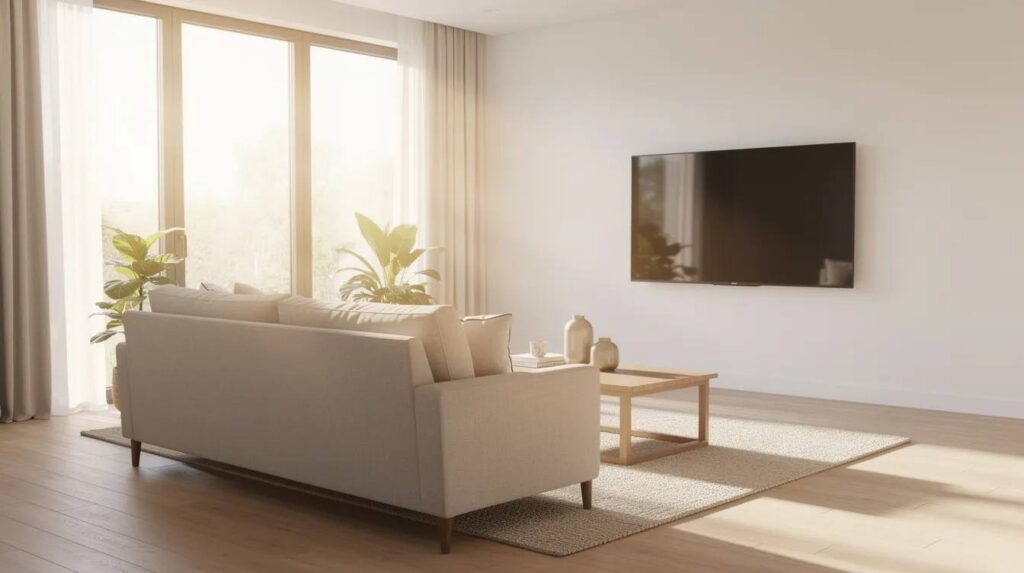
Glare reduction for screens and living spaces. Window films can reduce glare on screens and windows, making your living room, home office, and media rooms far more comfortable. Residential window tinting can reduce glare significantly without making rooms dark. Modern films come in a range of visible light transmissions, from nearly invisible to more shaded, so you can find the right balance for your preference.
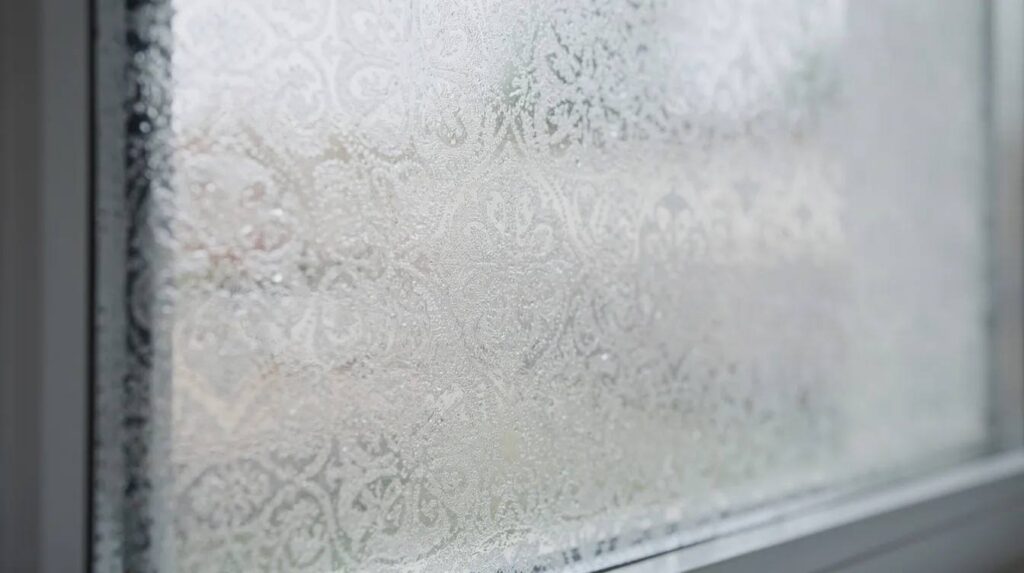
Privacy and security options. Different window films provide varying levels of privacy. Reflective films offer excellent daytime privacy. Frosted films allow light to pass through while providing privacy, making them ideal for bathrooms and entry doors. Thicker security films hold shattered glass together during impacts, adding a layer of protection against break-ins and storm-blown debris. Safety and security film adds a protective layer to glass that keeps your family safer.
Aesthetics and curb appeal. Residential window film can create a uniform, polished look across older and newer windows. Decorative home window tinting solutions enhance privacy and style in homes, and options that mimic etched or stained glass are available at a fraction of the cost of custom glass.
Types of Residential Window Film and Window Treatments to Consider
Not all window films are manufactured the same way or serve the same purpose. Understanding the main categories helps you match the right film to each room in your house.
Solar control window film is the most common choice for homeowners focused on comfort and energy savings. Solar control films reduce heat and glare while allowing visible light into your rooms. Products like 3M’s Ceramic Architectural Series can block up to 55% of total heat and roughly 61% of infrared radiation, with visible light transmission options ranging from 35% to 80%. These films retrofit onto existing house windows without requiring replacement.
Low-reflective and neutral films are designed for neighborhoods with HOA restrictions or where a mirror-like appearance is unwelcome. These modern options maintain clear views day and night while still delivering strong heat and UV rejection. They suit homes where visibility and natural light are a priority.
Ceramic and nano-ceramic films represent the leading edge of 2026 technology. Multi-layer nano-ceramic films using materials like titanium nitride target the infrared portion of the spectrum for maximum cooling with minimal tint, similar in concept to 3M ceramic sun control window films. The Ceramic Xtreme Plus 70, for example, achieves roughly 92% near-infrared rejection while retaining about 70% visible light transmission. No metal layers means no interference with cell signals or Wi-Fi.
Security and safety films are thicker residential window films that add shatter resistance for ground-floor windows, doors, and sidelights. They can be combined with anchoring systems for enhanced strength. These security window films that prevent shattering and intrusion are a practical choice for areas prone to storms or where break-in risk is a concern.
Privacy and decorative films include frosted, gradient, and patterned options for bathrooms, home offices, street-facing windows, and entry doors. They serve as an alternative to blinds and shades. Blackout films completely block visibility through the window for rooms that need total darkness.
Film vs. traditional window treatments. Unlike blinds, curtains, and shades, residential window film works 24/7 even when window treatments are open. Films can be combined with traditional treatments for layered comfort and flexibility. Shades block light when drawn but do nothing for UV or heat when open; film handles both continuously.
Indoor vs. outdoor application. Most residential window tint is applied to the interior side of the glass for longevity, protected from weather and physical damage. Some specialty exterior films exist for certain glass types or access issues, but interior application is the standard for most homes.
How the Home Window Tinting Process Works (From Quote to Installation)
Home window tinting follows a straightforward process, and knowing what to expect at each stage makes the project feel seamless when you work with a full-service window film provider.
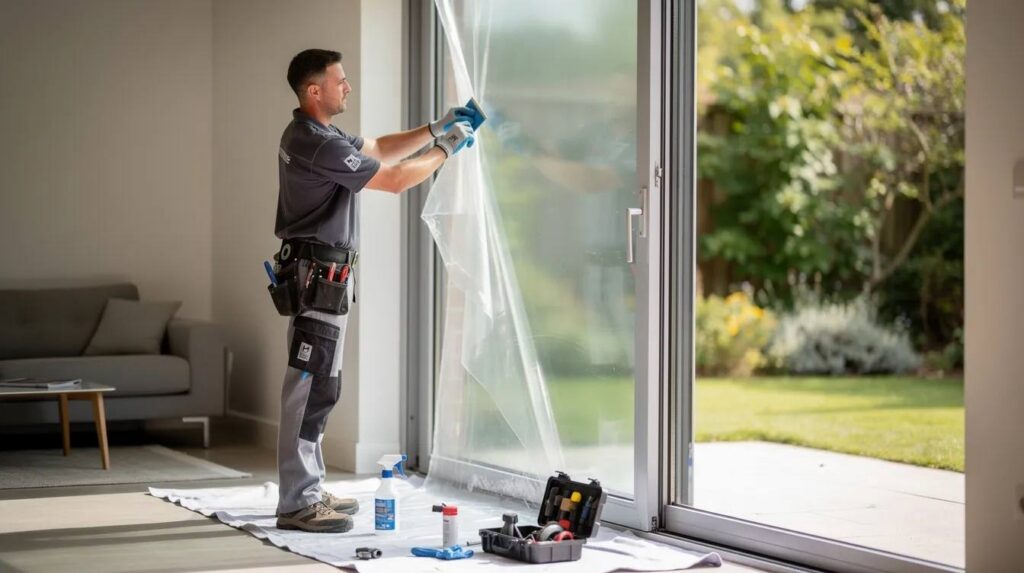
The process begins when you contact an installer by phone, web form, or online quote request. At Window Film Depot, we ask for photos of your windows, approximate sizes, which direction they face, and the specific issues you’re dealing with, whether that’s hot rooms, fading, glare, or a lack of privacy.
Next comes the on-site assessment. An installer visits your home to measure each pane, check glass type (tempered, low-E, double pane), evaluate shading from trees or neighboring structures, and show you physical film samples held against the glass. This step lets you see exactly how each film changes the light and view.
After the visit, you receive a written proposal with film options, performance specifications (heat rejection, visible light transmission, UV blocking), warranties, and estimated energy savings. Residential projects are typically quoted per square foot, with professionally installed film ranging from about $5 to $15 per square foot depending on film type and project complexity.
Installation is usually scheduled within one to two weeks. To prepare, homeowners simply move furniture a few feet from the windows, raise blinds, and clear window sills. On installation day, the team cleans each interior glass surface, cuts the film to fit, applies a solution, places the film, squeegees out bubbles and excess solution, trims the edges, and inspects every pane. Most windows can be filmed in 15 minutes, and a typical 8 to 10 window project in a 2,000 square foot home can often be complete in a single day with minimal disruption.
After installation, a thin haze or small water bubbles may appear. This is completely normal and resolves within several days to a few weeks depending on climate and humidity. Avoid abrasive cleaners and use a soft cloth only. Most installers recommend waiting three to seven days before cleaning the new film. Correctly installed window films do not damage the window.
In a recent window film installation in Marietta, GA, a homeowner with eight south- and west-facing windows noticed an immediately cooler living room, reduced glare on the TV, and lower A/C cycling within the first afternoon.
What to Know Before Hiring a “Residential Window Tint Near Me” Installer
Choosing the right installer matters as much as choosing the right film. Here’s what to evaluate and what to avoid.
Licensing, insurance, and experience. Confirm the company carries proper liability insurance and workers’ compensation. Ask how many years they’ve been installing residential window film. Window Film Depot has over 30 years of experience since 1992, and our family-owned history and nationwide expertise mean we’ve worked through virtually every glass type, framing system, and installation challenge a home can present.
Film brand and quality. High-quality films are made by recognized brands like 3M and LLumar. LLumar Vista films are known for their durability and performance. Off-brand or untested films may discolor, bubble, or delaminate within a few years. Always ask for technical data sheets showing heat rejection, UV blocking, and visible light transmission.
Warranties. Most professionally installed window films come with a lifetime warranty from the manufacturer for residential interior applications. Understand the difference between manufacturer warranties (covering peeling, discoloration, bubbling) and labor warranties from the installer. Get both in writing.
Glass compatibility. The wrong film on insulated or low-E glass can cause thermal stress and even cracking. Professional dealers perform glass checks and use manufacturer-approved films to maintain your glass warranties. This is not a step to skip or guess at.
Local references and reviews. Ask for recent local projects and read reviews mentioning specific results: lower cooling bills, improved comfort, reduced fading. Before-and-after photos from homes in your area, backed by nationwide window film service locations, are a strong trust signal.
Detailed, written quotes. Every quote should specify film type and model, exact windows included, total square footage, price, and warranty terms. Vague estimates lead to surprise costs. Professional installation ensures optimal performance of window films, and a detailed quote is the first indicator of a professional operation.
Common mistakes to avoid. Hiring solely on the lowest price often means low-quality materials or unskilled work. Selecting a film that’s too dark can violate HOA rules or local regulations. DIY installation frequently leads to visible seams, trapped dust, adhesive failure, and voided warranties.
Questions worth asking your installer. “Which film do you recommend for west-facing living room windows in a hot climate, and why?” “What’s the difference in heat rejection between your standard and ceramic options?” “Do you have photos of similar installations?” “What warranty do you provide for both materials and labor?”
Why Choose Window Film Depot for Residential Window Tinting
Family-owned since 1992. Window Film Depot was built on hands-on residential and commercial window film expertise. From our headquarters in Marietta, Georgia, we’ve grown to serve homeowners nationwide through regional installation teams. That history gives us deep knowledge of every major film technology, glass system, and climate challenge across the U.S.
Certified installation teams. Our installers are trained on 3M and other leading window film products. They follow manufacturer best practices for surface preparation, application, and trimming, which directly impact both performance and warranty coverage. They understand complex glass and framing systems in modern homes, from low-E dual-pane to tempered sidelights.
A complete range of residential film solutions. We carry solar control, security, privacy, and decorative films, and we tailor each recommendation to the home’s windows, orientation, and the homeowner’s goals. Whether you need to cool a sun-blasted great room, add safety to a ground-floor entry, or maintain privacy without blocking natural light, we have options to suit every need.
Energy and comfort expertise. We don’t just darken windows. We analyze where your home is losing comfort and specify window films that maximize energy savings while preserving the natural light and view you enjoy. Our goal is to help you save energy and money without sacrificing the quality of life inside your home.
Proven results. From reducing summer cooling loads in two-story Atlanta homes to residential and commercial window film projects in Los Angeles, our installations deliver measurable results. Homeowners consistently report cooler rooms, lower energy bills, and furnishings that hold their color for many years longer than expected.
Easy quoting and scheduling. Homeowners can request a residential quote online or by phone, receive a prompt response, and expect a transparent, on-time, on-budget project from start to finish.
FAQs: Residential Window Tint Near Me
Here are the questions homeowners ask most often when searching for residential window tint near me.
Is it worth it to tint house windows in 2026?
Yes. Window tint can reduce energy costs by 5 to 15%, block 99% of harmful UV rays, improve indoor comfort, and protect furniture and flooring from sun damage. Typical payback periods for a standard single-family home range from two to five years in hot climates.
How much does residential window tinting cost per window or per square foot?
Professionally installed residential window film typically costs $5 to $15 per square foot in 2026. Factors that change pricing include film performance level, total project size, window accessibility, and glass type. Window film installation costs about 5-10% of window replacement, making it a smart investment for homeowners who want results without the expense of new windows, especially in markets like Columbus, OH window film installation where energy savings are a key priority.
Will home window film make my rooms too dark or affect my view?
Not with the right film. Modern ceramic and nano-ceramic films maintain 60% to 80% visible light transmission while rejecting significant heat and UV. Neutral, low-reflectivity options preserve your view and keep rooms bright. Only specialty films like blackout or heavily tinted products substantially reduce light.
How long does residential window film last?
Interior residential films professionally installed typically last 15 to 20 years or longer. Lifespan depends on sun exposure, climate, film quality, and installation conditions. Most professionally installed window films come with a lifetime warranty from recognized manufacturers, reflecting their durability.
Can I put window tint on double-pane or low-E glass?
Yes, but compatibility matters. The wrong film on insulated or low-E glass can cause thermal stress. A professional installer checks your glass type and selects manufacturer-approved films that won’t void your glass warranty. This is one of the strongest reasons to work with experienced dealers rather than attempting DIY.
Do I need to replace my house windows to get energy savings, or is film enough?
In most cases, film is enough. If your windows are structurally sound with intact seals, residential window film provides meaningful energy efficiency gains at a fraction of the replacement cost. Full window replacement makes sense only when frames are failing, seals are broken, or windows are severely outdated. Film is the practical retrofit for homes with good glass but high solar exposure, whether you’re in a dense urban market like Washington, DC window film installation or a suburban neighborhood.
How do I find the best “residential window tint near me”?
Use this checklist: verify the installer’s experience and insurance, ask which film brands they carry, confirm warranty terms for both materials and labor, read local reviews with specific results, and request an in-home consultation rather than accepting a quote based on rough measurements alone.
Get a Residential Window Tint Quote from Window Film Depot
Every day your windows go untreated, you’re paying more to cool your home, exposing your furniture and flooring to UV damage, and tolerating unnecessary glare and heat buildup. Residential window tinting solves all of these problems in a single, expert installation that pays for itself over time.
Contact Window Film Depot today for a no-obligation residential window film consultation. We serve homeowners across Georgia and nationwide through our regional teams. Call us, fill out our online quote form, or send photos of your problem windows for a preliminary recommendation. Our experts will help you compare film options, understand expected energy savings, and choose the right solution for your home’s windows and budget.