Table of Contents:
- Decoding Performance Metrics: Visible Light Transmission (VLT) and Reflectivity Defined
- Strategic Applications: Where Reflective Privacy Film Delivers Value for Commercial Projects
- Avoiding Costly Pitfalls: Common Mistakes in Specifying Reflective Privacy Film
- Beyond the Product: The Non-Negotiable Role of Expert Installation for Performance Films
- Partnering for Precision: Leveraging the Nation’s #1 3M Installer for Guaranteed Results
- Conclusion: Key Takeaways for Project Managers and Your Next Steps
- Frequently Asked Questions
- Related Posts from Window Film Depot
To effectively specify and manage projects involving one-way mirror window film, a project manager must move beyond marketing claims and grasp the fundamental scientific principles governing its performance.
The “one-way” effect is not an inherent property of the film itself but rather a dynamic visual phenomenon entirely dependent on external conditions. Understanding these core mechanics, particularly the role of light differential, is essential for setting realistic client expectations and ensuring project success.
Demystifying Light Differential: The Core Principle of Reflective Privacy
At the heart of the one-way mirror effect is the concept of light differential. This refers to the significant difference in illumination levels between the interior and exterior of a window. For one-way privacy film to function, the exterior light must be substantially brighter than the interior light. This light differential is the absolute prerequisite for the film to create the illusion of one-way visibility.

How Reflectivity and Light Contrast Create the Illusion of One-Way Vision
One-way mirror reflective window film is engineered with a highly reflective, metallized layer. When positioned on a window, this layer works in conjunction with the light differential. From the brighter side (e.g., exterior during daylight), the film acts as a mirror, reflecting a high percentage of incoming light. This reflection is so intense that it visually overwhelms any light attempting to pass through from the dimmer interior, making it nearly impossible to see inside. Simultaneously, from the darker interior, the lower light levels mean less reflection occurs, allowing occupants to see out relatively clearly. It is this pronounced contrast, driven by the light differential, that creates the perceived one-way effect. Without a sufficient light disparity, this optical illusion collapses.
The Unavoidable Truth: Why “One-Way” Becomes Two-Way at Night
This brings us to the critical limitation often overlooked in initial client requests: the one-way effect is entirely reversible. As soon as interior lights are switched on after dusk, and the exterior becomes darker than the inside, the light differential reverses. The film’s reflective properties still exist, but now the interior becomes the “brighter side.” Consequently, the film acts as a mirror for anyone inside, reflecting their own room and making it difficult to see out. Simultaneously, from the dark exterior, the interior lights illuminate the space behind the now-less-reflective film, allowing clear visibility into the building. This transformation from a one-way privacy solution to a two-way transparent surface at night is a non-negotiable physical reality and a primary point of expectation management for any project manager. Mitigating this requires supplementary privacy solutions such as blinds or drapes, highlighting that the film is a daytime-specific tool.
Exploring Film Technologies: Sputtered vs. Metallized Film Construction
The performance and characteristics of one-way mirror films are also influenced by their manufacturing process, primarily differentiating between sputtered and metallized constructions. Understanding these differences can inform product selection and anticipate potential project considerations.
- Metallized Film: This traditional method involves vacuum-coating a polyester substrate with microscopic metal particles, typically aluminum or stainless steel.
- Characteristics: Tends to have a higher reflectivity and a distinct, pronounced mirror-like appearance. It often provides excellent heat rejection due to its metallic content.
- Considerations: Can interfere with radio frequency (RF) signals, including cellular, Wi-Fi, and GPS, potentially impacting connectivity within the building. Its high reflectivity can also be visually intense in certain environments.
- Sputtered Film: This advanced process utilizes magnetic fields to bombard a metal or alloy target with ions, depositing extremely fine, uniform layers of material onto the film.
- Characteristics: Offers a more nuanced range of reflective properties and often a more neutral, less overtly mirrored aesthetic. It generally exhibits superior optical clarity and color stability. Sputtered films are often engineered to be less disruptive to RF signals.
- Considerations: While offering excellent performance, the sputtering process can be more complex and may influence cost. The specific metals used will determine the exact performance characteristics.
The selection between sputtered and metallized films should be guided by a comprehensive analysis of the project’s specific requirements, including desired aesthetic, heat rejection targets, and, critically, any potential impact on signal transmission. This technical depth is where expert consultation proves invaluable, guiding decisions beyond generic product specifications.
One Way Mirror Privacy | Reflective Window Tint Performance Metrics
Understanding the specific performance metrics of one-way mirror films is crucial for any project manager. These metrics move beyond anecdotal observations, providing the concrete data required to match product capabilities with client expectations and environmental conditions. Accurate specification based on these figures is the cornerstone of a successful installation, ensuring the film delivers its intended privacy, aesthetic, and performance benefits.
Visible Light Transmission (VLT): Controlling Interior Brightness and View
Visible Light Transmission (VLT) quantifies the percentage of visible light that passes directly through the film and glass system. A film with a lower VLT rating will allow less light into the interior, resulting in a darker space. This metric directly impacts the interior ambient light levels and, critically, contributes to establishing the light differential necessary for one-way privacy. For instance, a tint for house windows film with 15% VLT means only 15% of the exterior visible light enters the building, helping to make the interior harder to see from outside during daylight hours.
Project managers must balance the desire for exterior privacy with the interior’s functional lighting needs. While a lower VLT enhances the one-way mirror effect, it can also necessitate increased artificial lighting indoors. Expert consultation helps determine the optimal VLT, considering the existing fenestration, interior lighting design, and the client’s preference for natural light versus maximum daytime privacy.
Exterior Reflectivity: Gauging Privacy Level and Aesthetic Impact
Exterior Reflectivity measures the percentage of visible light that is reflected outward by the film. This is the primary characteristic that creates the mirror-like effect on the exterior, directly correlating with the level of daytime privacy achieved. Films with higher exterior reflectivity—typically ranging from 30% to 70%—will appear more mirrored from the outside, making it more difficult to see through the glass.
Beyond its functional role in privacy, reflectivity significantly influences a building’s aesthetic. A highly reflective film can modernize a facade, create a uniform appearance, and mask interior clutter. However, the visual impact must be carefully considered, as it alters the building’s interaction with its surroundings and can, in some cases, create glare for adjacent properties. This is where precise product selection and understanding the broader site context become paramount to avoid unintended visual consequences.
Beyond Privacy: Understanding Solar Heat Gain Coefficient (SHGC) for Energy Efficiency
While privacy is a primary driver, one-way mirror films also offer substantial benefits in energy efficiency. The Solar Heat Gain Coefficient (SHGC) measures the fraction of solar radiation that enters a building through the glass and film combination. A lower SHGC indicates superior solar heat rejection, translating directly into reduced cooling loads and lower energy consumption, particularly in climates with significant sun exposure.
For Project Manager Paul, integrating films with a favorable SHGC aligns with client demands for sustainable operations and reduced utility costs. It’s an often-overlooked advantage that positions these films as a dual-purpose solution: enhancing security and privacy while simultaneously contributing to the building’s thermal performance and environmental goals.
Enhancing Comfort and Protection: UV Rejection and Glare Reduction Benefits
In addition to privacy and energy savings, one-way mirror films deliver significant improvements in occupant comfort and asset protection. Ultraviolet (UV) rejection, typically exceeding 99%, acts as a critical barrier against harmful UVA and UVB rays. This not only protects building occupants from long-term health risks but also prevents premature fading of interior furnishings, artwork, and merchandise, extending their lifespan and preserving their value.
Glare reduction is another direct benefit, particularly valuable in workspaces or retail environments. By diffusing direct sunlight, these films significantly cut down on eye strain and improve visibility on computer screens and display areas, fostering a more comfortable and productive interior environment. These comfort-centric benefits, though secondary to privacy, contribute holistically to a positive user experience and underscore the comprehensive value proposition of these specialized films.
Strategic Applications: Where Reflective Privacy Film Delivers Value for Commercial Projects
The unique characteristics of reflective privacy films make them ideal for a range of commercial applications where specific light differential management is possible and desired. Understanding these strategic uses allows project managers to correctly identify where these films will genuinely meet and exceed client expectations, leveraging their strengths for optimal performance.
Achieving Daytime Privacy and Security for Retail Storefronts and Offices
For retail storefronts, one-way mirror films offer a powerful solution for securing valuable merchandise and maintaining a sense of controlled access. During business hours, employees inside can monitor the exterior without being overtly observed, deterring potential theft. For offices, especially those located at ground level or adjacent to high-traffic areas, these films provide critical daytime privacy for personnel and sensitive operations, contributing to a more focused and secure work environment. The key is ensuring that the exterior light is consistently brighter than the interior, which is almost always the case during the day.
Need More Info?
The Window Film Depot team is happy to help.
Enhancing Building Aesthetics and Modernizing Facades with Reflective Film
Reflective films are not merely functional; they are also a powerful architectural tool. Applying a uniform reflective film can instantly modernize an aging building facade, creating a sleek, contemporary appearance. This can be particularly impactful for rebranding efforts or for buildings seeking to stand out in a competitive commercial landscape. The consistent mirror-like finish can hide visual inconsistencies in interior spaces and present a cohesive, professional exterior, significantly boosting curb appeal and property value.
Practical Use Cases: Security Vestibules, Conference Rooms, and Data Centers
Specific internal and external architectural elements benefit immensely from reflective film.
- Security Vestibules: These transitional spaces often require personnel to observe incoming individuals without revealing their own presence, making one-way mirror film an ideal fit for surveillance and access control points.
- Conference Rooms: For sensitive meetings, privacy from external view is paramount. Reflective film ensures that discussions remain confidential without completely blocking natural light, maintaining an open feel within the room.
- Data Centers: These critical infrastructure sites demand heightened security. Reflective film can obscure views into server racks and sensitive equipment from perimeter windows, adding a layer of visual protection without compromising security personnel’s ability to monitor the exterior.
In each of these applications, the controlled interior environment often allows for easy manipulation of the light differential, ensuring the film performs consistently.
Illustrative Scenarios: Maximizing Daytime Privacy in High-Traffic Commercial Buildings
Consider a multi-story commercial building situated in a bustling urban environment.
- Scenario 1: Ground-Floor Retail: A high-end boutique wishes to display merchandise without allowing direct visual access to the interior from passersby, creating an air of exclusivity while still maintaining a bright, open feel inside. A low VLT, high-reflectivity film ensures daytime privacy, allowing staff to observe the street without being seen.
- Scenario 2: Executive Offices: On the second floor, executive suites require maximum privacy from an adjacent parking garage or public walkway during work hours. A film expertly selected for its VLT and reflectivity provides this, maintaining a professional and confidential atmosphere.
- Scenario 3: Interior Atrium or Lobby: For security personnel monitoring a large public area from a control room, one-way mirror film on the observation windows allows discreet surveillance, enhancing security protocols without causing discomfort to those being observed.
These scenarios highlight how, with correct specification and an understanding of ambient light conditions, reflective films effectively solve real-world privacy challenges in dynamic commercial settings, always predicated on maintaining the necessary light differential.
Avoiding Costly Pitfalls: Common Mistakes in Specifying Reflective Privacy Film
Specifying reflective privacy film requires a thorough understanding of its operational principles and limitations. Project managers often encounter issues when these fundamental aspects are overlooked, leading to client dissatisfaction and unexpected costs. Identifying these common pitfalls before specification is crucial for project success.
Misunderstanding Nighttime Performance: Proactive Expectation Management
One of the most frequent misconceptions about one-way mirror film involves its nighttime performance. The film’s privacy effect relies entirely on a significant light differential between the side you want to see out of and the side you want to conceal. During daylight hours, the exterior is typically much brighter than the interior, causing the film to reflect light outside while allowing occupants to see out.
However, when night falls, and interior lights are switched on, this light differential reverses. The interior becomes brighter than the exterior. Consequently, the film’s reflective properties shift inward, making the interior visible from the outside while the exterior appears reflective or dark from within. Failing to proactively educate clients about this fundamental limitation is a significant pitfall. Project managers must clearly communicate that while daytime privacy is robust, alternative solutions like blinds or curtains are necessary for nighttime privacy, especially in occupied spaces. This manages expectations and prevents post-installation disappointment.
Overlooking Environmental Factors: Impact of Surroundings and Interior Lighting
The performance of reflective privacy film is not constant; it dynamically reacts to its surrounding environment. Overlooking these external and internal factors can significantly compromise the film’s intended effect.
- Exterior Light Sources: Nearby streetlights, brightly lit adjacent buildings, or even strong moonlight can reduce the light differential, diminishing the reflective effect on the exterior side even during dusk or early evening.
- Interior Lighting Levels: A brightly lit interior space, particularly with direct overhead lighting, will always accelerate the reversal of the one-way mirror effect as exterior light fades. Uniform, high-intensity interior illumination can render the film largely ineffective for privacy purposes after sunset.
- Window Orientation: North-facing windows typically receive less direct sunlight than south-facing ones, impacting the ambient light differential throughout the day.
- Weather Conditions: Overcast days or heavy rain can reduce external brightness, which in turn reduces the effectiveness of the privacy during daytime hours, making the interior more discernible from the outside.
A comprehensive site assessment, considering these variables, is indispensable during the specification phase. This level of analysis helps in setting realistic expectations and, where necessary, proposing supplementary solutions.
Incorrect Film Selection: Matching Product Specifications to Project Needs
The market offers a diverse range of reflective films, each with specific Visible Light Transmission (VLT), reflectivity percentages, and solar performance characteristics. A common mistake is selecting a film based solely on the “one-way mirror” designation without delving into its precise specifications relative to the project’s unique conditions.
- VLT and Reflectivity Balance: Reflective window film with very low VLT (darker tints) offers more privacy but reduces interior brightness. Conversely, films with higher VLT may offer less privacy, especially under marginal light differential conditions. The optimal choice balances desired privacy with acceptable interior light levels and, crucially, the actual light differential present.
- Solar Heat Gain Coefficient (SHGC) and UV Rejection: While privacy is the primary goal, these films also offer significant solar control benefits. Mismatching the SHGC to the building’s energy efficiency requirements or the UV rejection to protection needs can lead to missed opportunities for additional benefits or even compliance issues.
- Aesthetic Considerations: The exterior reflectivity and color tone of the film must also complement the building’s architectural aesthetic. Some films appear silver, others more bronze or neutral. An incorrect aesthetic choice can detract from the building’s overall appearance.
Expert consultation ensures the film’s technical specifications precisely align with the client’s privacy objectives, environmental factors, and additional performance requirements such as solar control or glare reduction.
The Dangers of Inexperienced Installation: What Can Go Wrong and Why
Even the most meticulously selected film can fail to meet expectations if not installed correctly. The dangers of inexperienced installation are profound, affecting not just aesthetics but the film’s functional performance and longevity.
- Substandard Surface Preparation: Dust, debris, or residual cleaning agents on the glass surface will inevitably lead to bubbles, imperfections, and adhesion failures, compromising both clarity and durability.
- Improper Cutting and Sizing: Films must be cut precisely to the window dimensions with tight, clean edges. Inaccurate cuts lead to gaps, peeling edges, and an unprofessional finish.
- Insufficient Squeegee Technique: Trapped installation solution or air pockets create unsightly bubbles, streaks, and haziness, distorting views and diminishing the film’s optical quality. This also prevents proper adhesion.
- Environmental Contamination: Installation in dusty or uncontrolled environments increases the likelihood of airborne particles becoming trapped between the film and glass, creating permanent visual defects.
These issues not only detract from the film’s appearance but also accelerate degradation, reduce the film’s lifespan, and can even void manufacturer warranties, turning an investment into a costly liability.
Beyond the Product: The Non-Negotiable Role of Expert Installation for Performance Films
While the choice of film is critical, its real-world performance is inextricably linked to the quality of its installation. For performance films like one-way mirrors, professional installation is not merely a preference; it is a non-negotiable component for achieving specified outcomes and ensuring project success.
The Technical Demands of High-Performance Film Application
High-performance window films are sophisticated, multi-layered products engineered for precision. Their application demands a specialized skill set and extensive training that goes far beyond the basic DIY window house tint.

- Precision Cutting: Films must be cut to exact dimensions, often on-site, requiring steady hands and specialized tools for seamless integration with the window frame. Irregularities, even hairline ones, compromise both aesthetics and integrity.
- Surface Preparation and Contamination Control: Achieving a flawless, bubble-free finish is paramount. This necessitates meticulous cleaning techniques, often involving multiple steps, and managing the work environment to prevent airborne dust or debris from becoming trapped under the film.
- Solution Management: The correct application of the mounting solution, including type, quantity, and uniform distribution, is crucial for proper film flotation, positioning, and adhesion. Too much or too little can lead to issues.
- Squeegee Techniques: Specific squeegee angles, pressures, and overlapping strokes are required to evacuate the mounting solution uniformly, preventing streaks, haziness, and bubbles while ensuring robust adhesion across the entire surface.
- Large Format and Architectural Challenges: Installing film on oversized panes, curved glass, or at significant heights presents complex logistical and technical challenges that only experienced installers can manage safely and effectively.
Ensuring Optimal Adhesion, Clarity, and Longevity Through Precision Installation
Precision installation directly correlates with the long-term performance and appearance of the film. A professional installer’s expertise guarantees several critical outcomes.
- Flawless Adhesion: Correct application ensures the adhesive bonds uniformly and strongly to the glass, preventing common issues like peeling, bubbling, and edge lift that compromise both aesthetics and functional integrity.
- Optical Clarity: Trapped air, debris, or improper drying can lead to visual distortions, streaks, or a cloudy appearance. Expert installers minimize these imperfections, preserving the film’s intended optical properties and ensuring unhindered views from the interior.
- Maximum Longevity: The film’s designed lifespan is contingent on correct installation. Poor application techniques can lead to premature degradation, requiring costly reapplication far sooner than anticipated by manufacturer specifications. Professional installation ensures the film performs optimally throughout its expected service life.
Protecting Your Investment: Understanding Warranties and Manufacturer Specifications
The warranty associated with high-performance window films represents a significant part of the product’s value, protecting against manufacturing defects or premature failure. However, these warranties are almost universally contingent on professional installation.
- Warranty Compliance: Manufacturer warranties often explicitly state that installation must be performed by a certified or authorized dealer. DIY or amateur installation typically voids these warranties, leaving the project manager and client exposed to full replacement costs if issues arise.
- Adherence to Standards: Expert installers are trained to adhere to strict manufacturer guidelines and industry best practices. This ensures the film is applied in a manner that maximizes its performance characteristics and maintains its warranty eligibility.
- Long-Term Assurance: Engaging professional installers not only guarantees proper application but also provides a layer of long-term assurance. Should any film-related issues occur within the warranty period, the claim process is streamlined because the installation protocol was met. This mitigates financial risk for the project.
The Impact of Professional Installation on Project Timelines and Client Satisfaction
Beyond technical considerations, professional installation profoundly impacts the practicalities of a project, influencing timelines and client satisfaction directly.
- Efficiency and Timelines: Experienced installers work efficiently and methodically, completing projects within projected timelines. Their expertise minimizes errors and the need for reworks, avoiding costly delays and keeping the project on schedule.
- Minimizing Disruption: Professional teams understand the need to minimize disruption to building occupants or ongoing operations. They work cleanly, safely, and with respect for the environment, allowing business to continue with minimal interruption.
- Client Satisfaction: A perfectly installed film delivers the intended aesthetic and performance benefits without visible imperfections. This not only meets but often exceeds client expectations, leading to higher satisfaction and positive project outcomes. Conversely, substandard installation can lead to complaints, remediation efforts, and a damaged professional reputation.
Partnering for Precision: Leveraging the Nation’s #1 3M Installer for Guaranteed Results
Successfully deploying one-way mirror film extends far beyond merely selecting a product. The efficacy of these films is intrinsically linked to understanding site-specific conditions, particularly the nuances of existing light differentials, and then translating these into precise film specifications. This demands an expertise that balances deep product knowledge with practical application wisdom. A specialized installer brings the foresight to identify potential challenges, such as suboptimal lighting environments or architectural constraints, before they escalate into costly project delays or client dissatisfaction. Their role is to mitigate risk by ensuring the specified film will perform as intended within the project’s unique parameters.
Accessing Advanced Solutions: The 3M Sun Control Window Film Portfolio for Commercial Use
The Value of Specialized Expertise in Complex Film Specifications
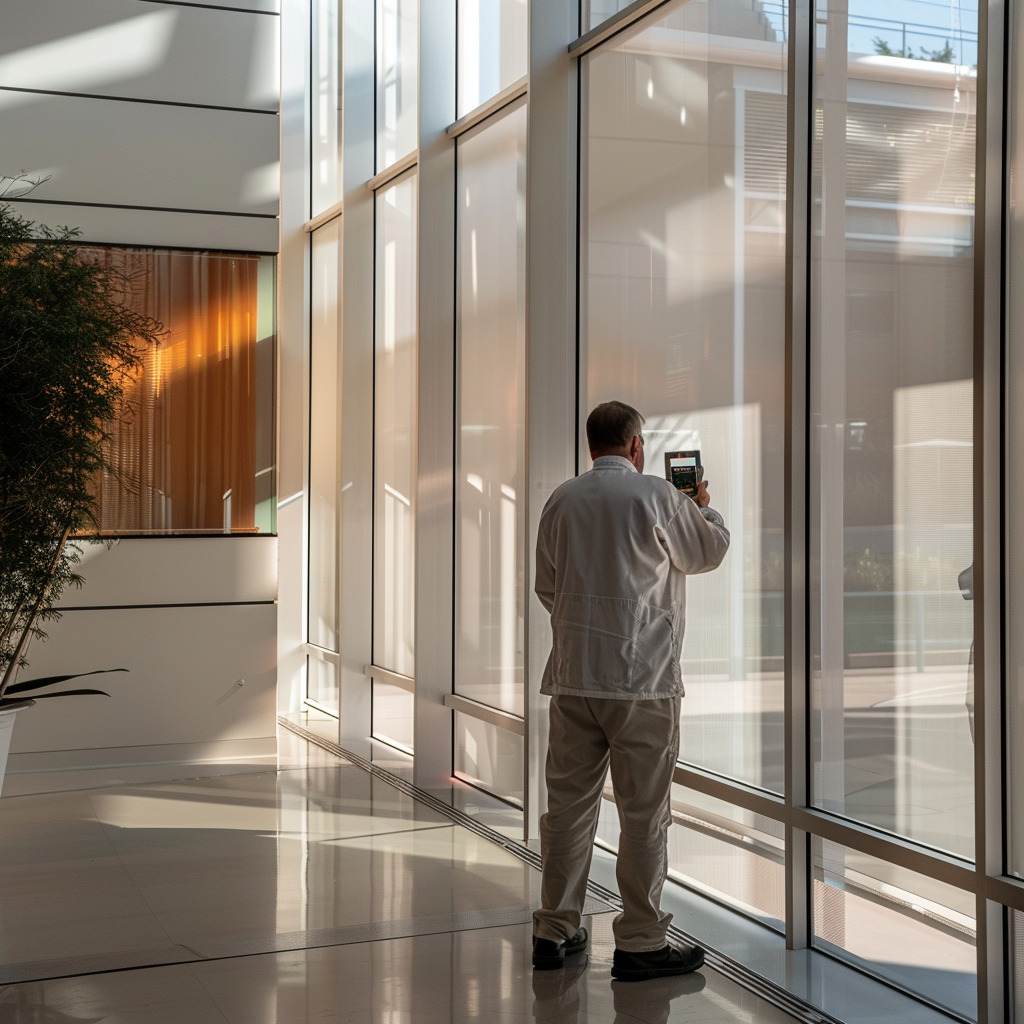
Leveraging a partnership with a leading installer provides direct access to the most advanced and rigorously tested solutions available, such as the comprehensive 3M Sun Control and house window tinting portfolio. These films are engineered for commercial applications, offering a range of benefits from enhanced security and glare reduction to significant energy savings and UV protection. Within this portfolio are specialized reflective films designed to achieve the one-way mirror effect when appropriate light differentials exist. While the quality of 3M office window tinting is unparalleled, its optimal performance remains contingent on expert consultation and installation that correctly matches the film’s technical specifications to the project’s precise requirements and ambient conditions.
Comprehensive Project Support: From Consultation to Post-Installation Care
A truly valuable partnership offers end-to-end support, ensuring project continuity and accountability. This begins with a thorough initial consultation, where experts assess the site, discuss technical feasibility, and align expectations regarding the film’s performance under various conditions, especially concerning the critical light differential for one-way mirror effects. This phase is crucial for preventing future misunderstandings. Following the specification, professional installation by certified technicians guarantees adherence to manufacturer guidelines and optimal film longevity. Post-installation, comprehensive care includes warranty information, maintenance recommendations, and ongoing support, solidifying the film’s long-term benefits and safeguarding the project’s investment.
Unmatched National Reach and Project Experience: A Partner You Can Trust
For project managers overseeing multiple sites, a national reach combined with extensive project experience is indispensable. A broad geographical footprint ensures consistent quality and streamlined logistics across diverse locations for any development. Experience across countless projects equips partners to anticipate and navigate potential hurdles or complex specifications. This operational scale ensures projects are executed efficiently without compromising the demands of specialized film installations.
Conclusion: Key Takeaways for Project Managers and Your Next Steps
Reaffirming the Thesis: Expert Consultation as the Cornerstone of Success
The effectiveness of one-way mirror privacy film is not a given; it is entirely predicated on a significant and consistent light differential between the observation side and the private side. This fundamental principle underscores the central thesis: while these films offer compelling security and aesthetic advantages, their successful deployment hinges on expert consultation, not just the inherent qualities of the product itself. The nuanced understanding of light dynamics and material science provided by specialists is the most critical factor in achieving desired outcomes and avoiding client disappointment.
Summarizing Critical Considerations for One-Way Mirror Film Projects
To ensure the successful integration of one-way mirror film into your projects, consider these critical factors:
- Light Differential: Absolutely paramount. Confirm the environment supports a consistent and strong light differential for the desired one-way effect.
- Daytime Only Effect: Educate clients that the one-way effect is primarily a daytime phenomenon. At night, with interior lights on, the effect reverses.
- Film Specification: Precise selection based on solar performance, visible light transmission (VLT), and exterior reflectivity, tailored to specific site conditions.
- Professional Installation: Non-negotiable for optimal performance, durability, and warranty validation.
- Client Expectation Management: Proactively set clear, realistic expectations regarding performance limitations, particularly concerning nighttime privacy.
Proactive Expectation Management: Your Tool for Client Satisfaction
The most effective tool a project manager possesses is the ability to manage client expectations proactively and transparently. For one-way mirror film, this means openly discussing the light differential requirement and the implications for nighttime privacy. Presenting the technical realities upfront, supported by expert guidance, transforms potential misunderstandings into informed decisions. This approach builds trust, prevents costly rework, and ultimately ensures client satisfaction by aligning perceived benefits with actual performance capabilities.
Securing Your Project’s Success: Engaging with Leading Film Specialists
To secure project success with specialized films, engaging with leading film specialists is a strategic imperative. Their deep technical knowledge, extensive product portfolios, and proven installation expertise provide an invaluable resource for managers. Partnering with these experts allows project managers to navigate film specification and installation complexities with complete confidence. This collaboration ensures solutions deliver on their promise while effectively managing client expectations and project risks. Maximizing the long-term value of the installation requires this focused, professional partnership from the very beginning.
Frequently Asked Questions
Why does “one-way” mirror film stop working at night?
The one-way effect is not a static feature of the film; it is an optical illusion powered by light differential. For the film to appear as a mirror, the side where privacy is desired (the exterior) must be significantly brighter than the side looking out (the interior). At night, when interior lights are switched on and the sun goes down, the differential reverses. The interior becomes the “brighter side,” turning the window into a mirror for those inside while allowing people in the dark exterior to see in clearly.
How do I choose between metallized and sputtered film?
The choice depends on your project’s aesthetic and technical requirements:
Metallized Film: Vacuum-coated with metal particles (like aluminum). It offers high reflectivity and excellent heat rejection but can interfere with RF signals (Wi-Fi, cellular, GPS).
Sputtered Film: Created using ion bombardment for a more uniform layer. It provides a more neutral aesthetic, superior optical clarity, and is generally less disruptive to electronic signals.
What VLT percentage should I specify for maximum privacy?
Visible Light Transmission (VLT) measures the percentage of light passing through the glass. For a strong one-way mirror effect, a lower VLT (typically 15% to 35%) is preferred because it deepens the light contrast between the inside and outside. However, remember that a very low VLT will significantly darken the interior space, potentially increasing the need for artificial lighting.
Can reflective film help with my building’s energy efficiency?
Yes. Beyond privacy, these films are highly effective at controlling the Solar Heat Gain Coefficient (SHGC). By reflecting a large portion of solar radiation before it enters the building, they reduce the workload on HVAC systems, leading to lower energy consumption and cooling costs. They also provide over 99% UV rejection, protecting interior assets from fading.
Why is professional installation required for manufacturer warranties?
Performance films like the 3M Sun Control series are multi-layered and require precision to function correctly. Amateur installation often leads to “contamination” (dust trapped under the film), bubbling, or improper edge seals that cause peeling. Most manufacturers, including 3M, explicitly state that warranties against bubbling, peeling, or demetallization are only valid if the film is applied by a certified installer.