Table of Contents:
- Beyond Aesthetics: Redefining ‘Best’ in Commercial Frosted Film Selection for Project Managers
- Elevating Specifications: Key Performance Criteria for Commercial-Grade Frosted Films
- Quantifying Efficiency: Essential Technical Specifications for Project Managers
- Advanced Film Technologies: Unlocking Design Versatility and Functional Performance
- Mastering Large-Scale Deployments: A Consultative Approach to Frosted Film Projects
- Conclusion: Balancing Performance and Risk in Commercial Frosted Film Procurement
- Frequently Asked Questions
Beyond Aesthetics: Redefining ‘Best’ in Commercial Frosted Film Selection for Project Managers
The Construction Manager’s Perspective: Mitigating Project Risk, Managing Budgets, and Securing Timelines
For a construction manager, every material specification and vendor selection is a strategic decision directly impacting project success metrics. When it comes to frosted window film, viewing it merely as an aesthetic choice overlooks its critical role in privacy, light management, and, more importantly, its potential to introduce risk or secure project stability. A film’s inherent quality, coupled with the reliability of its installation partner, directly influences budget adherence by minimizing rework and warranty claims. Furthermore, precise scheduling and execution by a capable installer are indispensable for meeting tight project timelines, preventing costly delays that cascade across construction phases.
The Flaw in Focusing Solely on Product Features for Large-Scale Projects
A common pitfall in specifying frosted film for large-scale commercial projects is an exclusive focus on product data sheets. While technical specifications such as Visible Light Transmittance (VLT), UV rejection rates, or adhesive strength are important, they represent only one dimension of a complex procurement decision. Even a technically superior film, if sourced from an inconsistent supplier or installed by an inadequately trained team, can lead to widespread performance issues, project delays, and financial repercussions. This narrow perspective often fails to account for the logistical challenges of national rollouts or the need for consistent application quality across multiple sites.
Introducing the Total Solution: Where Advanced Product Quality Meets Unparalleled Installation Expertise
The ‘best’ frosted window film is not an isolated product; it is an integrated total solution where advanced material science converges with unparalleled installation expertise. This holistic approach ensures that the film’s properties—durability, light diffusion, and aesthetic longevity—are consistently realized in the field. A truly effective solution encompasses not only the physical film but also the entire supply chain, the precision of professional installation, and ongoing support. It is this combination that guarantees performance integrity, streamlines project execution, and ultimately delivers the intended value for the project owner.
Elevating Specifications: Key Performance Criteria for Commercial-Grade Frosted Films
Durability and Longevity: A Critical Investment Metric for High-Traffic Environments
In commercial settings, window film is subjected to daily wear, cleaning regimens, and environmental fluctuations, demanding a high degree of durability. Selecting a film designed for longevity translates directly into a reduced total cost of ownership by extending service life and minimizing the need for premature replacement. Key factors contributing to durability include:
- Abrasion Resistance: The film’s capacity to withstand incidental contact and cleaning without scratching or marring.
- Adhesive System: A robust, long-lasting adhesive that maintains integrity through thermal expansion and contraction cycles.
- Material Composition: Films engineered with UV inhibitors and robust polymers resist fading, yellowing, or becoming brittle over time.
These attributes ensure the film retains its functional and aesthetic properties even in demanding high-traffic areas or environments with significant temperature variances.
Optimizing Privacy and Light Diffusion: Technical Considerations for Diverse Applications
Frosted films are primarily chosen for their ability to balance privacy with natural light. However, the precise balance required varies significantly by application. Technical specifications dictate how effectively a film achieves this:
- Visible Light Transmittance (VLT): Indicates the percentage of visible light allowed through the film. Lower VLT values generally equate to greater privacy but also reduced light entry.
- Haze Factor: Quantifies the film’s ability to diffuse light. A higher haze factor results in more effective light scattering, reducing glare and creating a soft, uniform illumination without necessarily blocking all light.
- Opacity Levels: Films offer a spectrum from subtle translucence to complete opaqueness, enabling tailored solutions for areas like executive offices, conference rooms, or retail display backdrops.
Understanding these metrics allows for precise selection, ensuring the film meets the specific privacy and ambient lighting requirements of each distinct space within a project.
Maintenance, Cleaning, and Long-Term Aesthetic Integrity
The practicalities of maintenance play a significant role in the long-term satisfaction and cost-effectiveness of frosted film installations. Commercial films must be designed to withstand routine cleaning without degradation. Films prone to scratching, staining, or chemical damage from standard cleaning agents will quickly compromise the aesthetic intent and require costly remediation or replacement. Evaluating a film’s resistance to common cleaning solutions and its inherent surface hardness ensures that it can be maintained effectively over its lifespan, preserving its initial appearance and functional performance. Specifying films with manufacturer-backed cleaning guidelines is also crucial for ensuring proper care.
Adherence to Safety Standards and Building Code Compliance: Non-Negotiable Requirements
Compliance with safety standards and building codes is paramount for any commercial construction project. For window films, this often includes adherence to specific fire ratings and, in certain applications, safety glazing standards.
- Fire Ratings: Commercial-grade films should ideally possess a Class A fire rating (ASTM E84) to ensure they do not contribute to flame spread or smoke development, aligning with building safety requirements.
- Safety Glazing: While frosted films are not typically structural, if applied to glass in critical locations (e.g., doors, sidelights, large panels in public areas), the combined system may need to meet safety glazing standards such as ANSI Z97.1 or CPSC 16 CFR 1201. This ensures that in the event of breakage, the film helps retain glass fragments, mitigating injury risk.
Verifying that both the film product and the installation methodologies meet all local, state, and national building codes is a non-negotiable step in mitigating project liability and ensuring occupant safety.
Advanced Film Technologies: Unlocking Design Versatility and Functional Performance
A Spectrum of Solutions: Distinguishing Between Etched Glass, Dusted, and Matte Films
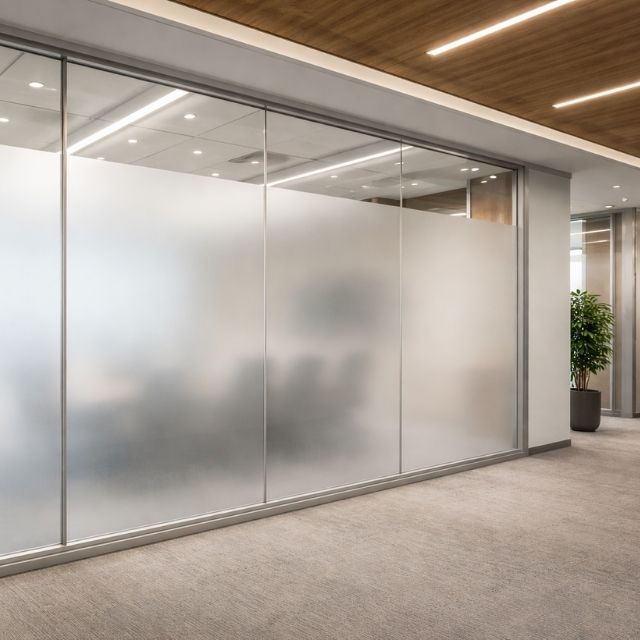
When specifying frosted window films, precision in terminology translates directly to accurate project outcomes. While often used interchangeably, etched, dusted, and matte films each offer distinct aesthetic and functional properties crucial for architectural integrity and privacy objectives. Etched glass films replicate the sophisticated, permanent appearance of acid-etched or sandblasted glass, providing a high degree of opacity and light diffusion. These are often chosen for their classic, uniform texture.
Dusted films, by contrast, feature a softer, more translucent finish with a subtly textured or speckled appearance, mimicking the effect of dust or frost on glass. They allow for greater light transmission while still ensuring privacy, often creating a delicate, ethereal quality. Matte films, on the other hand, typically present a more uniform, non-reflective surface that diffuses light effectively and offers consistent opacity, suitable for areas requiring discreet visual barriers without full light blockage. Understanding these nuances enables a construction manager to align film selection with precise design intent and performance requirements.
The Engineering Behind 3M™ Fasara™ Glass Finishes: A Leader in Decorative Film Technology
The development of advanced decorative films represents a significant engineering achievement, particularly evident in products like 3M™ Fasara™ Glass Finishes. These films are engineered with a proprietary acrylic adhesive system that ensures long-term adhesion and clean removability, critical for future design flexibility or maintenance. The film layers themselves are constructed from durable polyester, offering resistance to moisture, condensation, and UV degradation without cracking or yellowing over time.
This advanced construction delivers consistent light transmission, glare reduction, and UV protection, which can contribute to interior climate control and protect furnishings. The extensive range of 3M Fasara designs accurately replicates the visual effects of expensive specialty glass, such as textured, patterned, or rice paper finishes, but with the added benefits of easy application, cost-effectiveness, and design versatility. This commitment to materials science and aesthetic replication positions such products as a robust solution for demanding commercial environments.
Beyond Privacy: Leveraging Frosted Film for Brand Integration and Architectural Harmonization
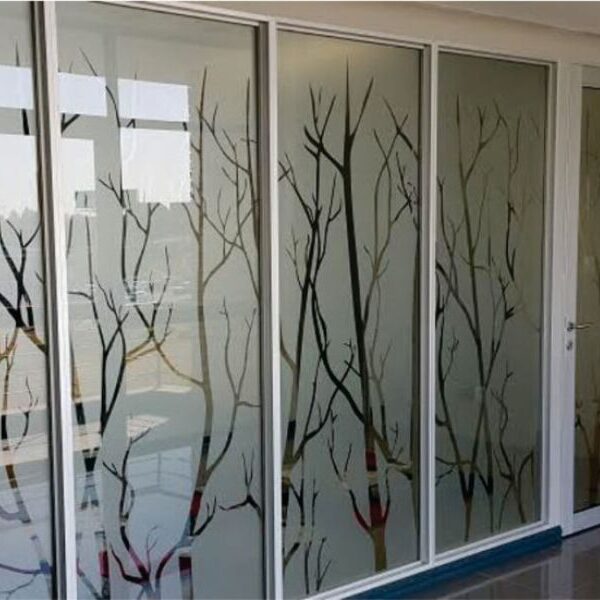
The strategic application of frosted window film extends beyond its primary function of privacy. It presents a versatile tool for both brand integration and architectural harmonization within commercial spaces. For brand integration, custom-cut logos, branded patterns, or even digitally printed graphics can be incorporated directly into the film, transforming ordinary glass surfaces into dynamic elements that reinforce corporate identity. This maintains brand consistency across multiple locations without the cost of custom fabricated glass.
Architecturally, frosted films contribute to a unified aesthetic by breaking up monotonous glass expanses, directing pedestrian traffic flow, or subtly delineating spaces without erecting solid walls. They can diffuse harsh natural light, mitigate glare on screens, and create visual interest through geometric patterns or gradient effects. The ability to control light, define spaces, and embed brand elements makes frosted film a strategic asset for creating cohesive, functional, and visually compelling interiors.
Customization Capabilities and Scalability for Diverse Project Needs and Specifications
The inherent flexibility of advanced film technologies allows for extensive customization, crucial for meeting the unique aesthetic and functional demands of large-scale commercial projects. This includes precision cutting for intricate patterns, multi-layered designs for unique visual depth, and digital printing capabilities for integrating specific colors, images, or text onto the film surface. These customization options enable architects and designers to execute complex visions that would be cost-prohibitive or physically impossible with traditional glass treatments.
Furthermore, the scalability of film solutions is paramount for national rollouts or multi-site developments. A robust film partner can produce and manage custom film orders across various locations, ensuring consistent material quality and design execution. This capability minimizes variations and simplifies logistics for project managers overseeing numerous installations. The capacity to reliably replicate precise specifications across vast portfolios is a definitive advantage, ensuring that every installation aligns with the overarching design and performance criteria established for the project.
Beyond the Film: Why Your Installation Partner is the Ultimate Project Asset
Mitigating Project Risk: The Hidden Costs of Inexperienced or Unqualified Installers
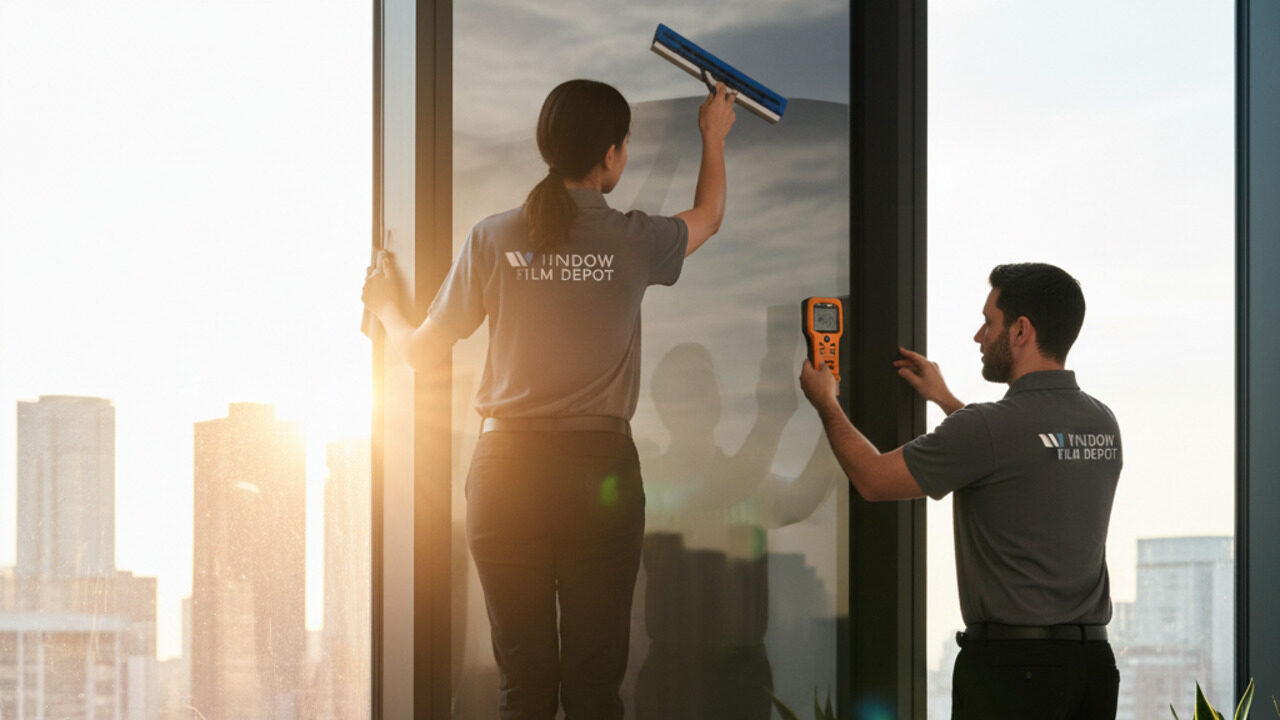
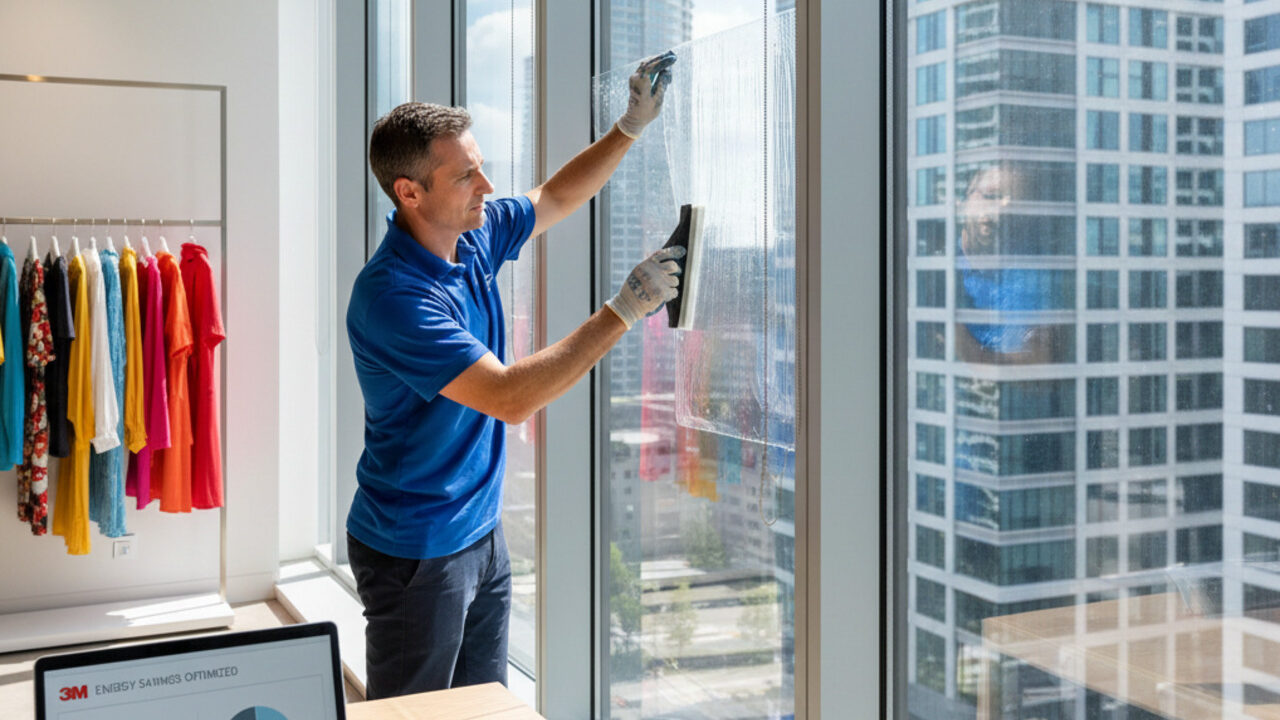
The quality of frosted window film, no matter how advanced, is intrinsically linked to the expertise of its installation. Inexperienced or unqualified installers introduce significant project risks that can rapidly escalate costs and compromise timelines. These risks include visible flaws such as bubbling, peeling edges, misalignment of patterns, or trapped debris, which necessitate costly re-work. Beyond aesthetic imperfections, poor installation can damage the underlying glass, window frames, or adjacent finishes, leading to additional repairs and delays.
Moreover, improper installation techniques can void manufacturer warranties, leaving the project vulnerable to future product failures without recourse. The cumulative impact of these issues—including material waste, labor overages, schedule disruptions, and potential safety hazards on-site—far outweighs any initial cost savings from selecting a lower-bid, unproven installer. For project managers, the installer’s proficiency is not merely a preference; it is a critical variable in total project cost and success.
National Rollouts and Brand Consistency: The Logistical Imperative of a Centralized Partner
Managing frosted film installations across multiple locations for a national rollout presents substantial logistical challenges for construction managers. Engaging numerous local, unvetted installers often leads to fragmented project oversight, inconsistent material procurement, and variable quality standards. This decentralized approach can result in significant brand inconsistencies, where the appearance, durability, and performance of the film vary from one location to another, undermining the corporate aesthetic and operational integrity.
A centralized installation partner, particularly one with a national footprint and dedicated project management, offers a streamlined solution. This single point of contact simplifies communication, standardizes installation protocols, and ensures uniform quality across all sites. Such a partner provides consistent pricing, consolidated scheduling, and a unified warranty framework, drastically reducing administrative burden and ensuring that every location perfectly reflects the intended brand standard and design specifications. This logistical imperative solidifies the value of a national partner in achieving predictable and high-quality outcomes.
Quality Assurance and Long-Term Warranties: A Partnership Perspective
A comprehensive warranty for frosted window film is a critical component of risk management, but its true value is realized only when backed by a capable installation partner. While manufacturers provide product warranties, the longevity and performance of the film are heavily dependent on proper installation. A trusted partner offers not just the manufacturer’s product warranty, but also a robust labor warranty that covers the installation itself, guaranteeing that the film will perform as specified for its intended lifespan.
Effective quality assurance processes are integral to this partnership. This includes pre-installation site surveys, detailed installation plans, adherence to strict application standards, and thorough post-installation inspections. A reputable partner provides transparent documentation of these processes, offering a clear record of quality control. This holistic approach ensures that any issues, whether material or labor-related, are addressed promptly and effectively, safeguarding the project’s investment and long-term aesthetic integrity.
The Advantage of Specialized Expertise: Why Choosing a #1 U.S. 3M Certified Installer Matters
The selection of an installation partner with specialized certifications, such as a #1 U.S. 3M Certified Installer, signifies a profound commitment to excellence and significantly de-risks a project. This certification is not merely an accolade; it represents a rigorous vetting process by 3M, requiring extensive training, adherence to proprietary installation techniques, and a proven track record of superior workmanship. It demonstrates a deep understanding of 3M film technologies and their specific application requirements.
A #1 U.S. 3M Certified Installer has demonstrated an unparalleled volume of successful installations, indicating extensive practical experience across diverse project complexities. This expertise translates into efficient project execution, minimal material waste, and the ability to troubleshoot unforeseen challenges effectively. Such an installer also gains direct access to 3M’s technical support and product innovations, ensuring that clients benefit from the latest advancements and best practices. For a construction manager, this level of specialized expertise is a tangible asset, ensuring peak performance, guaranteed reliability, and an installation that stands the test of time.
Mastering Large-Scale Deployments: A Consultative Approach to Frosted Film Projects
For construction managers overseeing projects with multiple locations or expansive commercial footprints, the selection of frosted window film transcends a simple product choice. It evolves into a strategic deployment challenge, demanding a consultative approach focused on seamless execution and consistent outcomes. This perspective shifts the definition of “best” from an individual film specification to the comprehensive capabilities of a national partner capable of delivering a fully integrated solution.
Developing Comprehensive Project Specifications and Scope for Commercial Installations
The foundation of any successful large-scale frosted film project is a meticulously defined scope and detailed specifications. A truly consultative partner will collaborate to develop these, ensuring every technical and aesthetic requirement is cataloged. This process moves beyond basic film opacity to encompass critical project variables such as:
- Material Suitability: Matching specific film types (e.g., standard frosted, decorative, specialized privacy) to varied substrate materials and environmental conditions.
- Performance Metrics: Defining expectations for light transmission, UV rejection, glare reduction, and durability, especially in high-traffic or exposure areas.
- Design Intent Fidelity: Translating architectural drawings and branding guidelines into precise film patterns, cuts, and installation placements.
- Logistical Planning: Outlining timelines, phasing strategies for multi-site rollouts, and coordination with other trades to minimize project delays and disruptions.
- Budget Alignment: Providing transparent cost breakdowns for materials, labor, logistics, and potential contingencies across all project phases.
This detailed specification development acts as a blueprint, mitigating ambiguities and setting clear performance benchmarks from the outset.
The Pre-Installation Survey and Site Assessment Process for Multi-Location Projects
Managing a multi-location frosted film installation presents unique logistical complexities. A national installation partner streamlines this by conducting thorough pre-installation surveys and site assessments for each distinct location. This critical phase ensures site-specific variables are accounted for, preventing costly errors and schedule overruns. Key activities include:
- Precise Measurements: Verifying all window dimensions and configurations, accounting for potential variations even within seemingly identical building designs.
- Substrate Analysis: Identifying specific glass types, frames, and any existing treatments that might impact film adhesion or installation techniques.
- Accessibility Planning: Assessing site access, identifying necessary equipment (e.g., lifts, scaffolding), and coordinating installation times to avoid business interruptions.
- Condition Reporting: Documenting any pre-existing conditions or unique architectural features that require special attention or preparation.
- Logistics Coordination: Planning material delivery, storage, and waste management for each site, often requiring adherence to specific facility protocols.
This proactive, granular approach to site assessment is a hallmark of a reliable national vendor, providing predictability and reducing operational risk across diverse locations.
Ensuring Brand Consistency and Design Fidelity Across Multi-Location Rollouts
For commercial entities with a strong brand identity, maintaining aesthetic consistency across all locations is paramount. A national frosted film installer is equipped to guarantee this design fidelity, transforming conceptual designs into uniform real-world applications. This capability stems from:
- Centralized Project Management: A single point of contact oversees all locations, ensuring unified communication and decision-making.
- Standardized Installation Protocols: Highly trained teams follow consistent best practices, ensuring identical application techniques, film alignment, and finish quality regardless of geographical location.
- Quality Control Checkpoints: Implementing regular inspections and verification processes throughout the installation cycle to confirm adherence to design specifications and brand guidelines.
- Material Traceability: Ensuring that the exact specified film type and batch are used across all sites, eliminating variations in color, opacity, or pattern.
By leveraging a national infrastructure, construction managers can be confident that the final aesthetic appearance of the frosted film will be consistent, reinforcing the client’s brand image with unwavering precision.
Post-Installation Support and Proactive Maintenance Protocols for Enduring Performance
The value proposition of a national frosted film partner extends significantly beyond installation completion. Robust post-installation support and proactive maintenance protocols are essential for ensuring the long-term performance and appearance of the film. A comprehensive strategy typically includes:
- Comprehensive Warranties: Clear, transferable warranties covering both the film material and the installation workmanship, providing assurance against defects.
- Maintenance Guidelines: Providing detailed instructions for cleaning and care to preserve the film’s integrity and aesthetic over its lifespan.
- Repair and Replacement Services: A readily available and geographically dispersed service network capable of promptly addressing any accidental damage or unforeseen issues.
- Performance Monitoring: For highly specialized applications, options for periodic performance checks to ensure the film continues to meet original specifications.
- Documentation and Record Keeping: Maintaining detailed records of film types, installation dates, and any subsequent service history for future reference and continuity.
This enduring commitment to performance and support underscores the collaborative partnership, affirming that the chosen solution is not merely a product, but a sustained asset for the client’s facility.
Here is a comprehensive conclusion with an SEO-optimized H2 heading, followed by 5 targeted FAQs tailored for project and construction managers.
Conclusion: Balancing Performance and Risk in Commercial Frosted Film Procurement
For project and construction managers, specifying commercial frosted window film must transcend simple aesthetic curation. To truly optimize project outcomes, procurement must look beyond the product data sheet and view frosted film as an integrated total solution—one where high-performance material science meets certified, precision installation. By evaluating critical metrics like durability, light diffusion, code compliance, and customization scalability, managers can drastically reduce total cost of ownership while eliminating structural risks like rework and timeline delays. Ultimately, selecting a tier-one solution like 3M™ Fasara™ and pairing it with a reliable installation partner ensures that aesthetic vision seamlessly aligns with budget predictability, building compliance, and long-term functional performance.
Frequently Asked Questions
What is the operational difference between etched, dusted, and matte frosted films?
While often used interchangeably, they offer distinct visual and lighting characteristics:
- Etched films replicate the classic, highly opaque, and uniform look of sandblasted glass, offering dense privacy.
- Dusted films feature a softer, slightly textured finish that mimics natural frost, allowing higher light transmission while maintaining a visual barrier.
- Matte films deliver a completely flat, non-reflective surface designed for clean, consistent opacity across large glass panels.
How do Visible Light Transmittance (VLT) and Haze Factor impact commercial space design?
VLT and Haze Factor dictate how light and privacy interact in a space:
Haze Factor measures the film’s ability to scatter and diffuse that light. A high haze factor eliminates harsh glare and hotspots on screens, turning intense sunlight into soft, uniform ambient illumination without completely blocking out the sun.
VLT (Visible Light Transmittance) measures the percentage of daylight that passes through the film. Lower VLT means less light and higher privacy.
Can frosted window films help a project meet local commercial building codes?
Yes. To meet rigid commercial safety standards, specify films with a Class A fire rating (tested via ASTM E84) to ensure they do not actively contribute to flame spread or smoke development.
Why is it risky to select a frosted film based solely on product data sheets?
Even a technically perfect film will fail if it is poorly executed in the field. Relying strictly on data sheets ignores supply chain stability, logistics for multi-site rollouts, and installation craftsmanship.
How do commercial frosted films hold up against standard facility cleaning regimens?
Premium commercial-grade films are specifically engineered with robust scratch-resistant coatings and advanced polymer structures. This prevents the surface from marring, yellowing, or becoming brittle when exposed to daily commercial cleaning agents and high-traffic wear.