Table of Contents:
- The Unseen Drain: The Cumulative Damage of UV Exposure on Interiors and Assets
- Film vs. Full Replacement: A Strategic Decision for Commercial Project Managers
- Engineering Superior Protection: The Advanced Science of 3M UV Window Films
- Elevating Building Performance: Beyond UV with 3M Solar Control Solutions
- Specifying the Optimal 3M Film for Diverse Commercial Needs
- The National Advantage: Ensuring Seamless Execution for Large-Scale Projects
- Conclusion: Strategic Value, Measurable Results, and Your Next Steps
- Frequently Asked Questions
- Related Posts from Window Film Depot
The Unseen Drain: The Cumulative Damage of UV Exposure on Interiors and Assets
Unmitigated solar exposure through commercial glass windows presents a multifaceted challenge for property owners and managers. Beyond aesthetic concerns, the long-term impact on building assets, operational efficiency, and occupant well-being represents a significant, often underestimated, financial drain. Understanding these cumulative costs is critical for any project manager considering building renovations or upgrades that involve UV protection window film
One of the most insidious effects of unprotected commercial windows is the continuous degradation caused by ultraviolet (UV) radiation. Even through clear glass, UV rays penetrate deep into interior spaces, leading to irreversible damage to valuable assets. This includes fading and discoloration of retail merchandise, office furnishings, carpets, and artwork. Over time, materials like textiles, wood, and even certain plastics can become brittle and deteriorate, significantly shortening their lifespan and necessitating premature replacement. For retail environments, this directly impacts product presentation and perceived value, leading to potential markdowns or losses. In offices, it diminishes the professional appearance and comfort of the workspace.
Elevated Energy Consumption and HVAC Strain from Solar Heat Gain
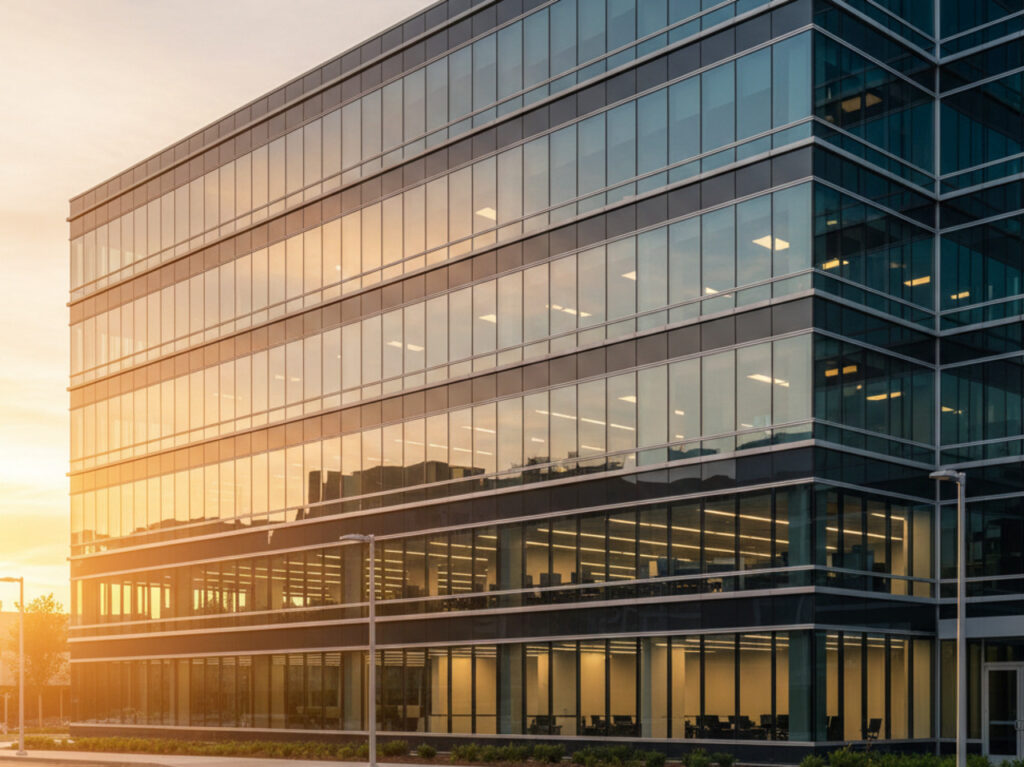
Beyond UV damage, unprotected glass is a primary conduit for solar heat gain. When solar radiation passes through untreated windows, it warms the interior, forcing HVAC systems to work harder and longer to maintain comfort. This increased workload leads to higher energy consumption and elevated utility bills, creating a significant operational burden.
The Solar Heat Gain Coefficient (SHGC) of standard glass is often high, allowing excessive energy to transfer indoors. This constant strain not only inflates monthly costs but also accelerates wear and tear on HVAC equipment, leading to increased maintenance and shorter equipment lifespans.
Compromised Occupant Comfort and Productivity in Unmitigated Environments
The impact of solar exposure extends directly to the occupants of a commercial building. Excessive solar heat gain creates hot spots near windows, leading to inconsistent indoor temperatures and reduced comfort. Uncontrolled glare can cause eye strain, headaches, and reduce visibility on computer screens, significantly impairing productivity in office settings. In retail, glaring sunlight can obscure product displays and create an unpleasant shopping experience. These factors contribute to lower occupant satisfaction, which can be a critical issue for tenant retention in commercial leases or customer experience in public-facing businesses.
For projects where both comfort and visibility control are priorities, one-way window film for day and night privacy can also be incorporated alongside UV protection solutions. This approach allows commercial spaces to manage glare, maintain natural light, and enhance privacy without disrupting overall building performance.
The Deterioration of Building Value and Brand Image Over Time
The collective effects of UV damage, high energy costs, and reduced occupant comfort ultimately erode a property’s overall value and brand image. A building with faded interiors, high utility overheads, and persistent comfort issues becomes less attractive to prospective tenants or buyers. For businesses, a visibly deteriorating interior can signal neglect and compromise brand perception, impacting customer confidence and employee morale. Proactive measures to mitigate these issues are essential not only for operational efficiency but also for preserving the long-term equity and marketability of the commercial asset.
Film vs. Full Replacement: A Strategic Decision for Commercial Project Managers
When faced with the challenges posed by unprotected or inefficient existing glass, commercial project managers have a pivotal decision to make: undertake a complete window replacement or opt for a specialized film retrofit. This strategic choice profoundly impacts capital expenditure, project timelines, operational disruption, and the long-term value proposition for the asset.
Analyzing Capital Expenditure and Project Timelines for Renovation
From a capital expenditure (CapEx) perspective, full window replacement requires a significantly higher upfront investment than retrofitting with high-performance window film. Replacement costs include new glazing units, extensive labor for demolition, disposal, and precision installation. These projects often face long timelines due to custom procurement and structural assessments.
In contrast, applying 3M™ UV blocking window film is a much more agile solution. Material costs are lower, and the installation process is dramatically faster—often completed in days or weeks rather than months. This reduces overall CapEx while accelerating project delivery and minimizing disruption to the building’s operations.
Assessing Disruption: Minimizing Impact on Operations During Upgrades
The operational disruption associated with window replacement can be substantial for a commercial property. It often necessitates temporary closure of sections of the building, relocation of occupants, significant noise and dust generation, and security implications due to open facades. This can lead to lost revenue for businesses, decreased productivity for employees, and substantial inconvenience for tenants. Commercial house window tinting or film application, however, is a non-invasive process. Installation typically occurs with minimal noise and virtually no debris, allowing business operations to continue uninterrupted. Occupants generally do not need to be relocated, ensuring continuity and minimizing negative impacts on productivity and revenue streams.
Long-Term Value Proposition: ROI Comparison of Retrofit vs. Rebuild
Window replacement and film retrofits offer different pathways for long-term Return on Investment. New high-performance windows provide excellent protection but require a much longer payback period.
In contrast, specialized 3M™ window film provides a faster ROI through lower initial costs. This is driven by immediate energy savings from reduced HVAC loads and extended asset lifespans. Superior 99.9% UV rejection protects interior investments while enhancing overall occupant comfort. These factors contribute to higher tenant retention and stronger financial performance over time.
Addressing Client Demands for Performance and Aesthetics Cost-Effectively
Project Manager Paul often faces the challenge of meeting stringent client demands for performance and aesthetics within tight budgetary constraints. Clients typically require solutions that deliver superior UV protection, reduce solar heat gain, mitigate glare, and preserve the building’s aesthetic profile.
Specialized 3M™ window films provide a cost-effective alternative to window replacement, offering industry-leading Solar Heat Gain Coefficient (SHGC) values and superior fading reduction. This allows project managers to meet high-performance sustainability and preservation targets while maintaining strict budgets and timelines.
By avoiding the logistical burden of full replacement, these films deliver essential asset longevity and environmental benefits without the high capital expenditure.
Engineering Superior Protection: The Advanced Science of 3M UV Window Films
Retrofitting commercial windows with specialized film offers a pragmatic upgrade without the high costs of full replacement. 3M technology provides sophisticated engineering to deliver measurable improvements in building integrity and occupant well-being. This strategy allows renovation managers to enhance performance while avoiding prohibitive costs and logistical complexities.
How 3M Film Technology Achieves 99.9% UV Rejection
3M commercial films achieve superior UV rejection through proprietary multi-layer optical construction and advanced UV-absorbing compounds. These materials selectively block nearly the entire ultraviolet spectrum before rays penetrate the building envelope.
Unlike conventional tints, 3M films specifically address the invisible, damaging UV components of sunlight. This meticulous design ensures a consistent 99.9% UV rejection rate, creating a critical barrier against material degradation. This protection significantly extends the lifespan of interior assets while safeguarding building occupants from harmful exposure.
Understanding the Role of Spectrophotometer Data in Film Performance
The performance claims for 3M window films are not theoretical. They are meticulously validated through precise spectrophotometer data. A spectrophotometer measures the proportion of light absorbed, reflected, or transmitted by a material across the electromagnetic spectrum. For window films, this data is indispensable for quantifying key performance indicators:
- UV Rejection: Precise measurement of UV-A and UV-B blockage.
- Visible Light Transmission (VLT): The percentage of visible light passing through the film, ensuring aesthetic consistency and appropriate daylighting.
- Solar Heat Gain Coefficient (SHGC): A critical metric for energy efficiency, indicating the fraction of solar radiation admitted through a window as heat.
Need More Info?
The Window Film Depot team is happy to help.
This detailed spectral analysis provides objective evidence of film efficacy, allowing project managers to specify solutions with confidence, knowing the films will perform as advertised under real-world conditions. It underpins the scientific rigor behind 3M’s product development and offers clear, quantifiable data for client reporting and compliance.
The Unique Composition and Durability of 3M Commercial Films
3M commercial films feature a unique, multi-layered construction that significantly improves performance and overall longevity. Robust polyester substrates combine with advanced nanoparticles to reject heat and harmful UV radiation effectively.
A durable, scratch-resistant coating maintains optical clarity while resisting wear in high-traffic environments. The sophisticated adhesive ensures a secure, long-lasting bond to glass surfaces even under varying thermal stresses. This adhesive resists delamination to guarantee structural integrity over an extended service life. Resilient materials and innovative layering provide exceptional durability and consistent performance for many decades. This reliability minimizes the need for costly reapplication, protecting your long-term investment.
Preserving Assets: Dramatically Reducing Fading from Sunlight Through Windows
One of the most tangible benefits of 3M UV window films for commercial properties is their capacity to dramatically reduce fading from sunlight through windows. Fading is a complex chemical process primarily driven by a combination of ultraviolet (UV) radiation, visible light, and solar heat. While UV radiation accounts for approximately 40-50% of fading, visible light contributes about 25% and heat 25%.
By achieving an impressive 99.9% UV rejection, coupled with significant reductions in solar heat gain and controlled visible light transmission, 3M films address all three primary culprits of degradation. This comprehensive protection actively safeguards:
- Retail Merchandise: Preventing discoloration of textiles, packaging, and product displays.
- Office Furnishings: Protecting upholstery, wood finishes, and carpets from premature aging.
- Artwork and Documents: Preserving the integrity of colors and materials in galleries, offices, and archival spaces.
The substantial reduction in fading not only maintains the aesthetic appeal of interiors but also preserves the capital investment in furnishings, inventory, and valuable collections, enhancing the long-term value of the property for both owners and tenants.
Elevating Building Performance: Beyond UV with 3M Solar Control Solutions
While superior UV protection is a foundational benefit, 3M’s advanced window films extend their utility to a broader spectrum of building performance enhancements, contributing significantly to energy efficiency, occupant comfort, and sustainability initiatives. These multi-functional films offer a strategic advantage, transforming existing glass into a high-performance envelope.
Mitigating Solar Heat Gain: Significant Energy Savings and Reduced HVAC Load
Solar heat gain coefficient (SHGC) measures a window’s ability to resist unwanted heat transfer from sunlight. High SHGC values cause excessive heat buildup inside buildings, especially during warmer months.
This buildup increases demand on heating, ventilation, and air conditioning systems significantly. 3M solar control films are engineered to lower the SHGC of existing glass by over 50%. These films reduce heat without significantly impeding the transmission of visible light.
By rejecting a substantial portion of solar energy, these films directly reduce the heat load on a building’s interior. This translates into:
- Significant Energy Savings: Lowering cooling costs by reducing the need for continuous HVAC operation.
- Reduced HVAC Load: Potentially extending the operational lifespan of existing HVAC equipment and, in new constructions or major renovations, allowing for the specification of smaller, less costly HVAC systems.
- Rapid Payback Periods: The energy cost savings frequently allow for a swift return on investment, making film installation an attractive financial decision for commercial property managers.
Enhancing Occupant Comfort Through Glare Reduction and Temperature Stability
Beyond energy efficiency, 3M solar control window film plays a pivotal role in creating a more comfortable and productive indoor environment. Uncontrolled glare from direct sunlight or reflections can cause eye strain, headaches, and reduce productivity for occupants, especially in office settings or retail spaces with digital displays. These films effectively reduce glare by diffusing or reflecting excessive brightness, all while maintaining desirable levels of natural light, thus preserving views and minimizing the need for artificial lighting. This includes solutions such as anti-glare window film.
By mitigating solar heat gain, the films eliminate “hot spots” near windows, which often lead to uneven temperature distribution and occupant discomfort. This results in greater temperature stability across the building’s interior, creating a more uniform and pleasant environment. Enhanced comfort directly contributes to tenant satisfaction and employee well-being, both critical factors in commercial building management.
Contributing to LEED Credits and Sustainable Building Initiatives
In an era of increasing environmental consciousness, commercial buildings are actively pursuing sustainability goals, often benchmarked against standards such as LEED (Leadership in Energy and Environmental Design). 3M solar control window films offer a tangible pathway to contributing towards various LEED credits and other sustainable building initiatives:
- Energy and Atmosphere (EA) Credits: By significantly reducing energy consumption related to cooling and heating, films directly contribute to optimizing energy performance.
- Indoor Environmental Quality (EQ) Credits: Enhancing thermal comfort, reducing glare, and improving daylighting can help achieve points related to occupant well-being.
- Materials and Resources (MR) Credits: As a retrofit solution, films extend the life of existing windows, reducing waste associated with full replacement and supporting resource efficiency.
Installing 3M window films aligns commercial properties with modern sustainability objectives, demonstrating a commitment to environmental stewardship and potentially increasing property value through green building certification.
Protecting Interior Assets: Retail Merchandise, Office Furniture, and Artwork
The comprehensive protection offered by 3M solar control films extends beyond preventing fading to actively preserving the fundamental integrity and value of interior assets. This holistic approach addresses not just the aesthetic degradation but also the structural and material breakdown that sunlight can instigate.
- Retail Merchandise: High-value goods displayed in storefronts, from electronics to apparel, are protected from discoloration and material degradation, ensuring they remain appealing and viable for sale.
- Office Furniture and Fixtures: Expensive ergonomic chairs, wooden desks, and fabric partitions are shielded from cracking, warping, and embrittlement caused by prolonged exposure to heat and UV, extending their useful life.
- Artwork and Archival Documents: Irreplaceable pieces, whether in corporate collections or public spaces, benefit from reduced light and heat exposure, mitigating the irreversible chemical reactions that lead to deterioration and ensuring their preservation for future generations.
This protective measure safeguards significant capital investments within the building, reducing replacement costs and maintaining the professional, high-quality appearance that clients and tenants expect.
Specifying the Optimal 3M Film for Diverse Commercial Needs
Selecting the appropriate 3M window film is a critical step in achieving the desired performance outcomes for any commercial renovation. This process transcends simple material selection. It requires a deep understanding of specific project objectives, environmental factors, and the inherent properties of various film technologies. By aligning film characteristics with detailed project requirements, renovation managers can maximize return on investment and deliver measurable long-term value.
Evaluating Project-Specific Requirements: Security, Privacy, and Aesthetics
Commercial properties often present a complex interplay of functional needs that extend beyond basic UV protection and energy efficiency. When specifying 3M films, it is essential to conduct a thorough analysis of how security, privacy, and aesthetics integrate with the overall project goals and client demands. For instance, high-value retail environments may prioritize enhanced impact resistance to deter smash-and-grab attempts, necessitating a robust safety and security film. Conversely, corporate offices might require films that balance visual privacy from exterior views with ample natural light penetration for occupant well-being.
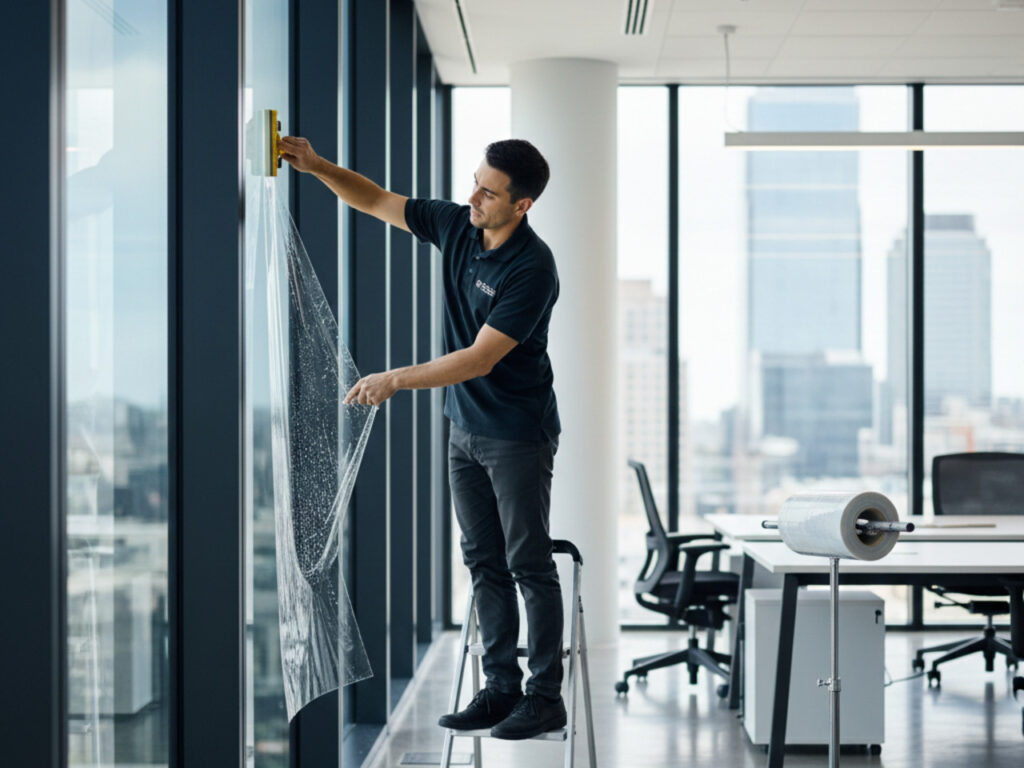
- Security: Films designed to enhance glass safety and security significantly improve resistance to impact, protecting against forced entry, vandalism, and accidental breakage. These films hold glass fragments together, mitigating hazards and often delaying entry attempts.
- Privacy: Options range from translucent frosted films for glass that obscure direct views while allowing light, to reflective films that create a one-way mirror effect during daylight hours. Selecting the correct privacy level is crucial for both interior comfort and exterior appearance.
- Aesthetics: Beyond performance, the visual impact of the film on a building’s facade and interior ambiance is paramount. Films can subtly alter the glass’s appearance, reducing glare, enhancing uniformity, or introducing a desired tint without compromising optical clarity.
Understanding Performance Metrics: TSER, SHGC, and Visible Light Transmittance
To make an informed decision on film specification, project managers must be conversant with key performance metrics. These values quantify a film’s ability to manage solar energy and light, directly impacting energy consumption, interior comfort, and fading reduction.
- Total Solar Energy Rejected (TSER): This metric represents the percentage of total solar energy (including visible light, infrared, and ultraviolet) that is rejected by the film and glass system. A higher TSER indicates greater heat rejection, leading to reduced HVAC loads and energy savings.
- Solar Heat Gain Coefficient (SHGC): SHGC measures the fraction of incident solar radiation admitted through a window, directly or indirectly. A lower SHGC value signifies less solar heat gain entering the building, contributing to a cooler interior and lower cooling costs.
- Visible Light Transmittance (VLT): VLT indicates the percentage of visible light that passes through the film and glass. A higher VLT allows more natural light into the space, which can reduce reliance on artificial lighting, but may also increase glare. Balancing VLT with TSER and SHGC is critical for optimizing both comfort and energy performance.
These metrics allow for precise calculations regarding potential energy savings and performance improvements, providing Project Manager Paul with the data needed to meet client demands for efficiency and sustainability.
Exploring 3M Film Series: From Prestige to Ceramic and Safety & Security Films
3M offers a comprehensive portfolio of window films, each engineered with specific technologies to address diverse commercial needs. Understanding the distinctions between these series is key to optimal selection.
- 3M Sun Control Window Film Prestige Series: Known for its high optical clarity and advanced nanotechnology, Prestige films reject significant solar heat without using metals, thus avoiding corrosion, signal interference, and a highly reflective appearance. They offer superior UV rejection (up to 99.9%) and are ideal for projects where aesthetics and natural light are paramount.
- 3M Sun Control Window Film Ceramic Series: These films utilize ceramic technology to provide excellent heat rejection and glare reduction while maintaining a neutral, low-reflectivity appearance. They are durable, color-stable, and do not interfere with wireless signals, offering a balance of performance and aesthetics.
- 3M Scotchshield™ Safety & Security Window Films: Designed to hold shattered glass together, these films protect against impacts, severe weather, and potential intruders. While their primary function is safety, they also offer significant UV protection and can be combined with sun control films for a dual-purpose solution.
Each series offers a distinct advantage, enabling tailored solutions that address a range of needs, from energy efficiency and interior protection to advanced security and privacy requirements.
Integration with Existing Fenestration Systems and Building Envelope Strategies
The successful application of 3M window film is not an isolated event. It must be considered within the context of the existing fenestration systems and the broader building envelope strategy. Different glass types (e.g., annealed, tempered, laminated, insulated glass units) react uniquely to film application. An experienced installer will conduct a thorough glass analysis to ensure compatibility, preventing issues such as thermal stress fractures. Integrating window film with other building envelope improvements, such as upgraded insulation or HVAC system optimizations, amplifies overall energy performance. This holistic approach ensures that the film contributes synergistically to the building’s thermal performance, durability, and long-term asset value.
The National Advantage: Ensuring Seamless Execution for Large-Scale Projects
For commercial renovation managers overseeing extensive portfolios or multi-site projects, the scalability and consistency of execution are as vital as the product’s technical specifications. Partnering with a national expert in 3M window film installation offers unparalleled advantages in project management, quality assurance, and logistical efficiency.
The Critical Role of a #1 U.S. 3M Window Film Installer for Consistency and Quality
When undertaking large-scale commercial retrofits, the caliber of the installation partner directly correlates with project success. A leading national 3M window film installer brings a level of consistency and quality control that is difficult for regional or smaller firms to match. This includes:
- Certified Technicians: Ensuring every installer is factory-trained and certified by 3M, guaranteeing adherence to manufacturer specifications and best practices.
- Standardized Procedures: Implementing uniform installation protocols across all sites, eliminating variations in application quality.
- Specialized Equipment: Utilizing state-of-the-art tools and techniques to ensure precise film cutting, clean application, and optimal adhesion, regardless of project location.
- Quality Assurance Programs: Regular inspections and quality checks throughout the installation process to maintain high standards and address any discrepancies promptly.
This consistent approach minimizes risk and maximizes the performance longevity of the installed film, delivering the promised 99.9% UV rejection and energy savings across an entire portfolio.
Overcoming Logistical Complexities in National Rollouts and Multi-Site Projects
Large-scale national rollouts present significant logistical challenges, from material procurement and coordinated scheduling to on-site management across disparate locations. A national partner excels in streamlining these processes. They offer centralized project management that orchestrates all aspects of the deployment, including:
- Consolidated Material Sourcing: Leveraging national purchasing power to ensure timely availability of specific 3M film series and accessories.
- Coordinated Scheduling: Developing comprehensive timelines that account for operational hours, tenant occupancy, and other site-specific constraints across multiple facilities.
- Dedicated Account Management: Providing a single point of contact for communication and issue resolution, simplifying oversight for the project manager.
- Scalable Workforce Deployment: Mobilizing qualified installation teams to multiple locations simultaneously or sequentially, ensuring project timelines are met efficiently.
This capability significantly reduces the administrative burden on Project Manager Paul, allowing a focus on overall project objectives rather than granular logistical hurdles.
Comprehensive Project Management: From Consultation to Post-Installation Support
A top-tier national installer provides end-to-end project management, transforming a complex undertaking into a seamless experience. This comprehensive support structure begins well before any film is applied and extends long after installation.
- Initial Consultation and Site Assessment: Expert evaluation of existing fenestration, energy audit support, and detailed recommendations for optimal 3M film solutions.
- Customized Specification Development: Tailoring film choices and application strategies to specific building needs, aesthetic requirements, and budget parameters.
- Installation Oversight: Meticulous supervision of the installation process to ensure adherence to safety standards and quality benchmarks.
- Post-Installation Support and Maintenance Guidance: Providing instructions for proper film care and offering ongoing service to maximize film longevity and performance.
This integrated approach ensures transparency, accountability, and successful project delivery, reinforcing the strategic advantage of film retrofits.
The Assurance of Manufacturer Warranties and Professional Installation Expertise
Partnering with a certified 3M installer provides the benefit of comprehensive warranty protection. 3M stands behind its products with industry-leading warranties covering materials and performance defects.
These warranties typically require professional installation by certified technicians to remain valid. This dual assurance provides unparalleled peace of mind for project managers and validates the investment. Professional installation mitigates long-term risk while underscoring the durability of the chosen film solution. 3M window films offer a cost-effective alternative to the logistical nightmare of full window replacement.
Conclusion: Strategic Value, Measurable Results, and Your Next Steps
Enhancing existing commercial glazing is a critical decision for any renovation or facility management project. Retrofitting with advanced 3M UV protection films is a strategically superior choice for project managers. This approach accelerates project timelines and drastically reduces capital expenditure compared to full replacement.
Investing in specialized films yields immediate, tangible results for building occupants and asset owners. Advanced films provide near-total elimination of harmful radiation with up to 99.9% UV rejection.
This protection is crucial for preventing the fading and degradation of valuable interior assets. Safeguarding these investments preserves aesthetics and maintains the functional value of the commercial space.
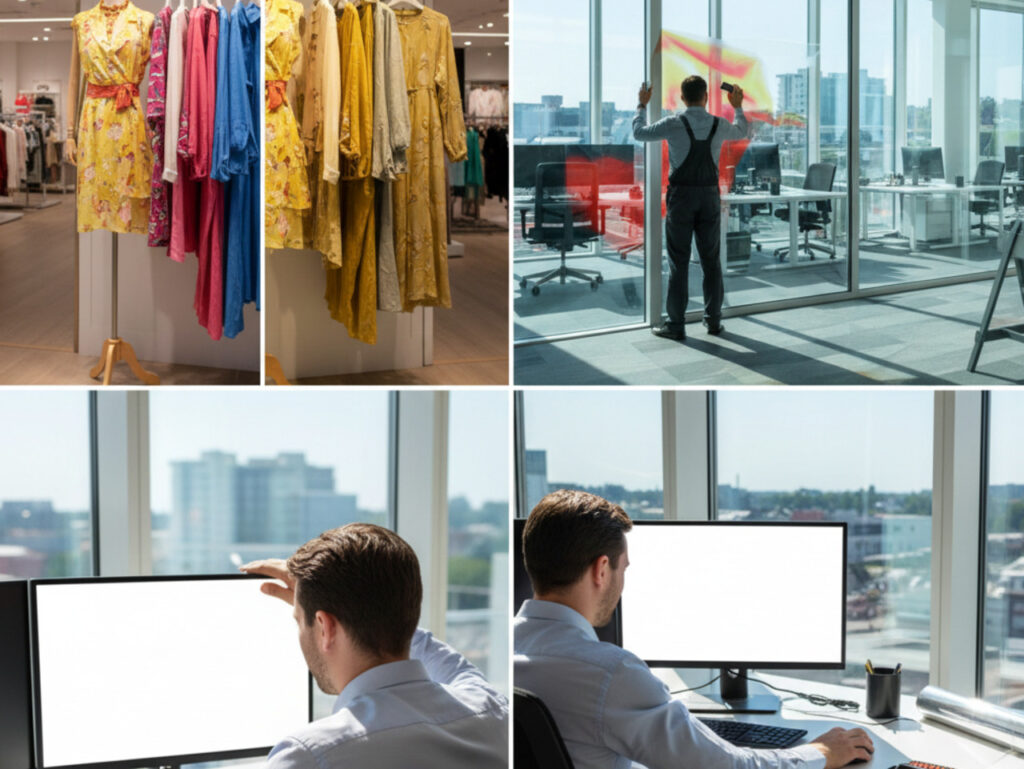
Beyond asset preservation, these films contribute substantially to operational efficiency through improved energy performance. Optimizing the solar heat gain coefficient (SHGC) significantly mitigates solar heat gain and reduces HVAC workloads. This directly translates into lower energy consumption, decreased utility costs, and a more comfortable interior climate.
For large-scale deployments, the scalability and non-invasive application of 3M window films are unparalleled. This allows for rapid installation across extensive facades without disrupting daily business operations. Partnering with a national installation network ensures consistent quality and efficient execution across diverse portfolios.
We encourage a collaborative engagement to integrate these technologies into your upcoming projects. Initiate a detailed site assessment to evaluate your specific glazing requirements and performance objectives. Our specialists can provide comprehensive specifications and a thorough return-on-investment analysis. This proactive step ensures your facility benefits from cutting-edge protection and enhanced efficiency.
Frequently Asked Questions
What are the main benefits of installing UV protection film on commercial glass windows?
Installing UV protection film on commercial glass windows offers several key benefits. It dramatically reduces harmful UV radiation by up to 99.9%, preventing interior fading and degradation of assets like merchandise and furniture. The film also lowers solar heat gain, leading to significant energy savings and reduced HVAC load, while enhancing occupant comfort by minimizing glare and maintaining stable indoor temperatures.
How does 3M UV protection window film help reduce fading from sunlight through windows?
I3M UV protection window film is engineered with multi-layer optical film technology and UV-absorbing compounds that block nearly 99.9% of both UVA and UVB rays. This, combined with its ability to reduce visible light and solar heat, addresses all three primary causes of fading. As a result, it effectively preserves the color and integrity of interior assets, extending their lifespan and maintaining aesthetic appeal.
Is commercial window tinting a cost-effective alternative to full window replacement?
Yes, commercial window tinting, particularly with specialized 3M films, is a highly cost-effective alternative to full window replacement. It involves significantly lower capital expenditure and faster installation timelines compared to replacing entire window units. The energy savings from reduced HVAC costs, coupled with the extended life of interior assets, often lead to a rapid return on investment and measurable long-term value.
What are the key performance metrics I should consider when choosing a 3M window film?
When selecting a 3M window film, critical performance metrics include Total Solar Energy Rejected (TSER), Solar Heat Gain Coefficient (SHGC), and Visible Light Transmittance (VLT). TSER indicates overall heat rejection, SHGC measures how much solar heat enters the building, and VLT shows the percentage of natural light transmitted. Balancing these metrics ensures optimal energy efficiency, comfort, and desired aesthetic for your specific project.