If certain rooms feel hot by noon, screens are washed out by glare, or street-facing windows make your home feel exposed, home window tint may be a practical upgrade. Modern residential films are designed to reduce heat, protect interiors, improve comfort, and add privacy without replacing your glass.
Table of Contents:
- Why Home Window Tint Is Worth Considering Right Now
- Key Benefits of Home Window Tinting
- How Home Window Tint and Window Films Actually Work
- Types of Window Films for Home Windows
- Care, Maintenance, and Longevity of Home Window Tint
- Frequently Asked Questions About Home Window Tint
- Why Choose Us for Your Home Window Tint Project
Why Home Window Tint Is Worth Considering Right Now
From 2024 to 2026, many homeowners have become more aware of how much heat coming through glass affects comfort and energy use. Rising electric rates, hotter summers, and more time spent working from home have made window tint a serious solution rather than a cosmetic upgrade.
Home window tint is a thin window film applied to interior glass to cut heat, glare, and uv rays while adding privacy. Depending on the film, modern products can block up to 99% of UV radiation and reduce solar heat gain by 40–80%; some window films can reduce heat by up to 88%.
That matters most in real-life problem areas: street-facing living room windows, bedrooms near a busy street, home offices with monitor glare, and south-facing patio doors that pull in the sun’s heat every afternoon. Window orientation dictates the amount of heat and light, so a west-facing room in texas may need a different tint than a shaded north-facing room.
Key Benefits of Home Window Tinting
The main reason homeowners have installed more films from 2022 through 2026 is simple: they want better comfort without giving up natural light or replacing every home window.
Heat reduction is often the biggest win. A high-performance film can reject up to 60–80% of solar heat, and silver reflective film rejects over 75% of heat. In hot climates, window tinting can help reduce cooling bills by 10–30%, depending on glass type, exposure, insulation, and HVAC efficiency. Energy costs can be reduced with window tinting, especially in rooms that receive direct sunlight for several hours per day.
UV blocking protects more than comfort. Quality products provide strong uv protection for floors, furniture, artwork, rugs, and fabrics. Window tinting blocks 98% of harmful UV rays, and many premium architectural films reach 99%+ UV rejection. That helps protect hardwood floors from fading and keeps sofas near a bright window from aging too quickly.
Glare control is another daily benefit. Window tinting can reduce glare by up to 94%, which makes TV rooms, reading corners, and home offices easier to use. If you constantly close curtains or blinds just to see your laptop, tint can soften the light while preserving clear visibility to the outdoors.
Privacy depends on film type. Reflective window films limit visibility from the outside during the day, creating a one-way effect when outdoor light is brighter than indoor light. However, highly reflective tints reverse privacy effects at night when indoor lights are on. Frost and decorative films provide instant privacy day and night, which is why they work so well on bathroom windows, sidelights, and entry glass.
Style also matters. A subtle neutral tint can enhance the look of windows without making the house appear dark or overly commercial. For homeowners who want a softer appearance, non-reflective film blocks 35% of heat and UV rays while avoiding a mirror effect. For added security, thicker security films help hold glass together during storms, attempted break-ins, or accidental impacts.
How Home Window Tint and Window Films Actually Work
Window films are multi-layered polyester, ceramic, metalized, or decorative materials applied to the inside surface of glass. The adhesive glue layer bonds the film to the pane, while the outer coating helps resist scratches during normal cleaning.
Window tinting is the process; window film is the material. Some films are designed mainly to block infrared heat, some reduce visible glare, and others focus on privacy, safety, or appearance. Metalized films reflect solar energy, while ceramic films absorb and reject infrared heat without relying on metal.
UV protection comes from specialized layers that filter UVA and UVB wavelengths. These are the wavelengths responsible for fading interiors and contributing to skin damage near sunny windows.
A few terms help when comparing products. Visible Light Transmission, or VLT, measures how much visible light passes through the glass. Solar Heat Gain Coefficient, or SHGC, measures how much solar heat enters the room. UV Rejection measures how much ultraviolet light is blocked. For example, a 35% VLT ceramic film can feel noticeably cooler while still letting plenty of daylight into your living room.
Most residential installation work is done on the interior side of the glass. This protects the film from weather, wind, and outdoor debris, helping it last longer.
Types of Window Films for Home Windows
Not all window films perform the same way. Choosing the right tint affects comfort, appearance, privacy, energy efficiency, and even glass safety.
Ceramic films are non-metallic and popular for homeowners who want heat control without a shiny finish. Ceramic film blocks 65% of heat and UV rays, and Ceramic window film blocks over 65% of heat. Ceramic films are often a strong choice for large picture windows, sunny family rooms, and hot climates where infrared heat is the main problem.
Metalized films use reflective layers to bounce heat away from the glass. Silver reflective window film costs between $6-$7 per square foot and works well when daytime privacy and heat rejection are top priorities. The trade-off is appearance: the exterior may look more reflective, and some homeowner associations have restrictions on the reflectivity of residential window tints.
Neutral and non-reflective films create a softer look. Non-reflective window film costs between $5.50-$6 per square foot and is a good fit when you want moderate heat control without making the home look mirrored from the street.
Frosted and decorative films are made for privacy and style. Frost and decorative window films cost between $6-$10 per square foot, with options such as frosted, geometric, etched, or stained-glass looks. They are useful for a front door sidelight, back door glass, a porch entry, bathroom windows, or a narrow window where total privacy matters.
Security films are thicker than standard solar films. Security film thickness ranges from 3 mil to 15 mil, and security window film costs between $5-$15 per square foot. These films help secure broken glass by holding fragments together, but they should be matched carefully to the window, frame, and project goals.
Different window types also need different products. Single-pane, double-pane, tempered, annealed, and Low-E glass may each have film limitations. Dark or heavy films can void the manufacturer’s warranty on certain windows, and the wrong product can increase thermal stress or even cause glass to crack.
Cost of Home Window Tint in 2026
Prices vary by film type, window size, height, and local labor rates. In most U.S. markets in 2026, professional residential window film installation often runs $6–$15 per square foot.
For common products, non-reflective window film costs between $5.50-$6 per square foot, ceramic window film costs between $7-$9 per square foot, frost and decorative window films cost between $6-$10 per square foot, silver reflective window film costs between $6-$7 per square foot, and security window film costs between $5-$15 per square foot.
Premium ceramic, large patio doors, second-story panes, and specialty shapes can cost more. Installation costs increase by $0.50-$1.50 per square foot for tall windows because access, ladder setup, and safety planning take more time.
For a practical example, tinting 200 square feet of home window area with mid-grade film may cost about $1,200–$3,000 installed, depending on film type and complexity. A smaller project, such as just the hottest office, dining area, or door glass, may be far less.
DIY rolls usually cost less, often around $2–$5 per square foot for materials. The purchase price is attractive, but the value of a professional installation includes cleaner cuts, better compatibility guidance, warranty coverage, and fewer visible flaws.
DIY vs Professional: How to Install Window Film on Your Home Windows
Small, ground-level windows can be DIY-friendly. Large panes, second-story windows, tall patio doors, or specialty glass are usually better left to a professional.
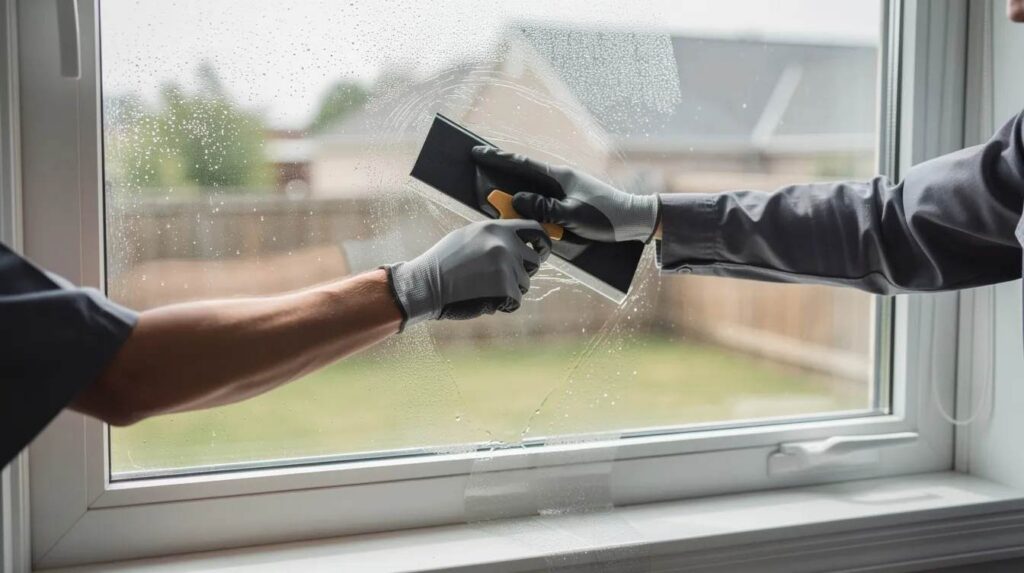
DIY Installation starts with measurement. Measure window dimensions accurately before cutting film, then mark the film and cut it slightly larger than the glass. Installation requires a spray bottle, knife, and squeegee, and most projects also need a microfiber cloth, fresh blade, tape measure, and towel.
Clean the glass thoroughly, including the corners and edges. Use a towel to catch excess water during installation. Apply film when the sun is not directly shining on the window because hot glass can dry the mounting solution too fast. Spray the glass, position the film, squeegee bubbles outward, and trim the edges with a sharp knife. Always follow the manufacturer’s instructions and directions, and watch a video from the film maker before starting if you are new to the process.
Common DIY mistakes include trapped dust, lint, creases, bubbles, misalignment, and damaged edges. Static cling films can be removed without leaving residue, making them useful for renters or temporary privacy, but they usually do not offer the same heat rejection as premium adhesive films.
Professional Installation is more thorough. A pro will inspect the glass, check orientation, recommend the right tint, cut the roll precisely, protect furnishings, install cleanly, and remove waste. If you are unsure about Low-E glass, dual-pane windows, or whether a dark film could cancel a warranty, consult an expert before you install window film.
Be careful with a ladder, especially near upper-story panes. Handling large wet film sheets on glass can be awkward, and tall doors or high windows are easy places to make expensive mistakes.
Where Home Window Tint Works Best (Room-by-Room Ideas)
Different rooms need different levels of heat control, privacy, and light. The best tint is the one that matches your specific needs rather than the darkest option available.
Living rooms and family rooms benefit from mid-tone ceramic or neutral films. These reduce glare on televisions, cut too much heat, and preserve visibility so the room still feels open.
Bedrooms often need privacy and comfort. For street-facing windows, dual-reflective films can help during the day. For neighboring homes close by, decorative or frosted films may be better because privacy levels vary by film type; some offer total privacy while others don’t.
Home offices need glare control without turning the room into a cave. East- and west-facing windows can flood a desk with sunlight, so a balanced film lets in enough light while reducing eye strain and screen reflection.
Bathrooms are ideal for frosted or decorative films. They keep natural light while blocking clear views, which is useful over tubs, near showers, or beside a vanity.
Kitchens and dining areas often have patio doors that bring in heat. UV blocking helps protect cabinets, floors, and dining furniture while keeping the area more comfortable during hot afternoons.
Entryways, sidelights, and door glass are good places for decorative film. A patterned transparent or frosted design can keep the entry bright while limiting direct views from the street, front porch, or back door.

Care, Maintenance, and Longevity of Home Window Tint
Quality residential films can last 10–20+ years when properly installed and maintained. Longevity depends on film quality, sun exposure, climate, glass type, and cleaning habits.
After installation, expect a curing period of about 2–4 weeks. During that time, you may notice light haze or small water pockets. This is normal as moisture evaporates from beneath the film.
Once cured, clean gently with mild soap, a soft cloth, and non-ammonia cleaners. Avoid abrasive pads, razor blades, strong chemicals, or harsh scrubbing because they can damage the scratch-resistant coating.
Signs of aging include purple tint, bubbling, peeling edges, haze, or distorted visibility. Reputable architectural films are less likely to fail early, and professionally installed products often include warranties for peeling, bubbling, and excessive color change.
Frequently Asked Questions About Home Window Tint
Here are the questions homeowners ask most often before choosing window films.
Will home window tint make my house too dark?
Not if you choose the right VLT. A dark privacy film can noticeably reduce light, but a ceramic or neutral film can cut heat and glare while keeping the room bright. The goal is balance, not simply the darkest tint.
Can I get both privacy and natural light from the same film?
Yes, but the type matters. Reflective films provide daytime privacy while still letting in daylight. Frosted films give stronger privacy day and night, but they reduce clear visibility. Highly reflective tints reverse privacy effects at night when indoor lights are on, so add shades, curtains, or blinds if nighttime privacy is critical.
Is window tint safe for double-pane or Low-E glass?
Often, yes, but not every film is compatible. Dark or heavy films can void the manufacturer’s warranty on certain windows. A professional should review the glass type, orientation, and manufacturer guidelines before installation.
How long does it take to install window film on a typical home?
A few standard windows may take only a few hours. A larger whole-home project can take one to two days, depending on window count, access, height, and whether old film must be removed.
Does window film really help with winter heat loss?
Some low-e films can help reflect interior radiant heat back into the room. However, strong solar-control films may reduce passive winter sun, so climate and orientation matter. Studies from the U.S. General Services Administration have found significant HVAC savings in certain retrofit conditions.
Will I still be able to open and clean my windows normally?
Yes. Film is applied to the glass, not the operating hardware, so windows should open as usual. Wait until the film cures, then clean with soft cloths and non-ammonia products.
Can tint be removed or replaced later if I change my mind?
Yes. Adhesive films can be removed by a professional, although older films may leave residue that needs cleaning. Static cling films can be removed without leaving residue, which makes them easier to change.
Does window tint interfere with Wi‑Fi or cell reception?
Ceramic and non-metal films usually do not. Metalized films can sometimes weaken signals, depending on the film and the home’s construction. If signal strength is a concern, choose ceramic or neutral window films.
Why Choose Us for Your Home Window Tint Project
A good residential tint project starts with listening. We help homeowners choose the right film shade, privacy level, and performance range based on the way each room is actually used.
Our team evaluates orientation, glass type, heat exposure, privacy needs, HOA considerations, and style preferences before recommending a solution. That matters because a sunny west-facing office, a bathroom window, and a decorative entry sidelight should not all receive the same film.
We use high-quality architectural window film lines, careful installation methods, and transparent pricing so you know what to expect before the project starts. We also protect furnishings during installation, clean up after the work, and explain curing and care steps clearly.
If you are planning a home window tint project, we can help you compare ceramic, metalized, decorative, neutral, and security options without overselling what you do not need. The result is cooler rooms, better privacy, improved energy savings, and a finish that fits your home’s style.
Next Steps: Get More Comfortable, Efficient Windows
Residential tint can improve energy efficiency, reduce glare, add uv protection, and make rooms more private without replacing your windows. The best results come from matching the film to the glass, the room, and the amount of sunlight each window receives.
You do not have to tint the entire house at once. Many homeowners start with the hottest room, exposed bedrooms, patio doors, or entry glass, then expand later after seeing the difference.
Contact us today to discuss window film options for your living room, bedrooms, bathroom windows, porch entry, and patio doors. With the right product and installation, you can enjoy cooler summers, more comfortable winters, and added privacy for years.