Table of Contents:
What Is Frosted Glass and Why It Matters in 2026
Frosted glass is a translucent glass created by diffusing light through surface disruption. Rather than blocking a view entirely or leaving it wide open, the frosted glass surface scatters light while obscuring visibility from either side. The result is a material that provides a middle ground between opaque glass and clear glass, making it one of the most practical privacy solutions in modern architecture.
The technique is straightforward in concept: a glass surface is altered mechanically, chemically, or with frosted film to create translucency instead of full transparency. Frosted glass can be manufactured using acid etching, sandblasting, or adhesive vinyl films. Each method produces a slightly different finish, but all share the same core benefit: frosted glass allows natural light to diffuse into a room while ensuring privacy. It also reduces the need for artificial lighting by allowing sunlight deeper into buildings, which is why it is often chosen to balance light and privacy in architecture.
Common applications of frosted glass include bathrooms, entryways, and office partitions. Think conference room walls in a co-working space, sidelights next to front doors at a medical clinic, or shower doors in a boutique hotel renovation. Frosted glass maintains an open feeling and can enhance daylighting in spaces that would otherwise rely on heavy curtains or blinds. It has a sleek, modern appearance that enhances visual appeal, and it is low maintenance and easy to clean compared to soft furnishings like drapes.
Frosted glass allows natural brightness to enter a space while blurring visibility, and the level of visibility can vary depending on frosting degree and lighting conditions. It can also be used to create spatial continuity in smaller rooms, giving tight layouts a sense of openness without sacrificing privacy. As open-plan offices, wellness-focused interiors, and spa-style bathrooms continue to dominate design through 2026, frosted glass and frosted windows remain a go-to specification for architects, facility managers, and homeowners alike.
The rest of this article will explore the permanent options (sandblasted and acid-etched glass) alongside the increasingly popular retrofit option: frosted window film applied to existing glass.
Types of Frosted Glass: Sandblasted, Acid Etched, and Frosted Window Film
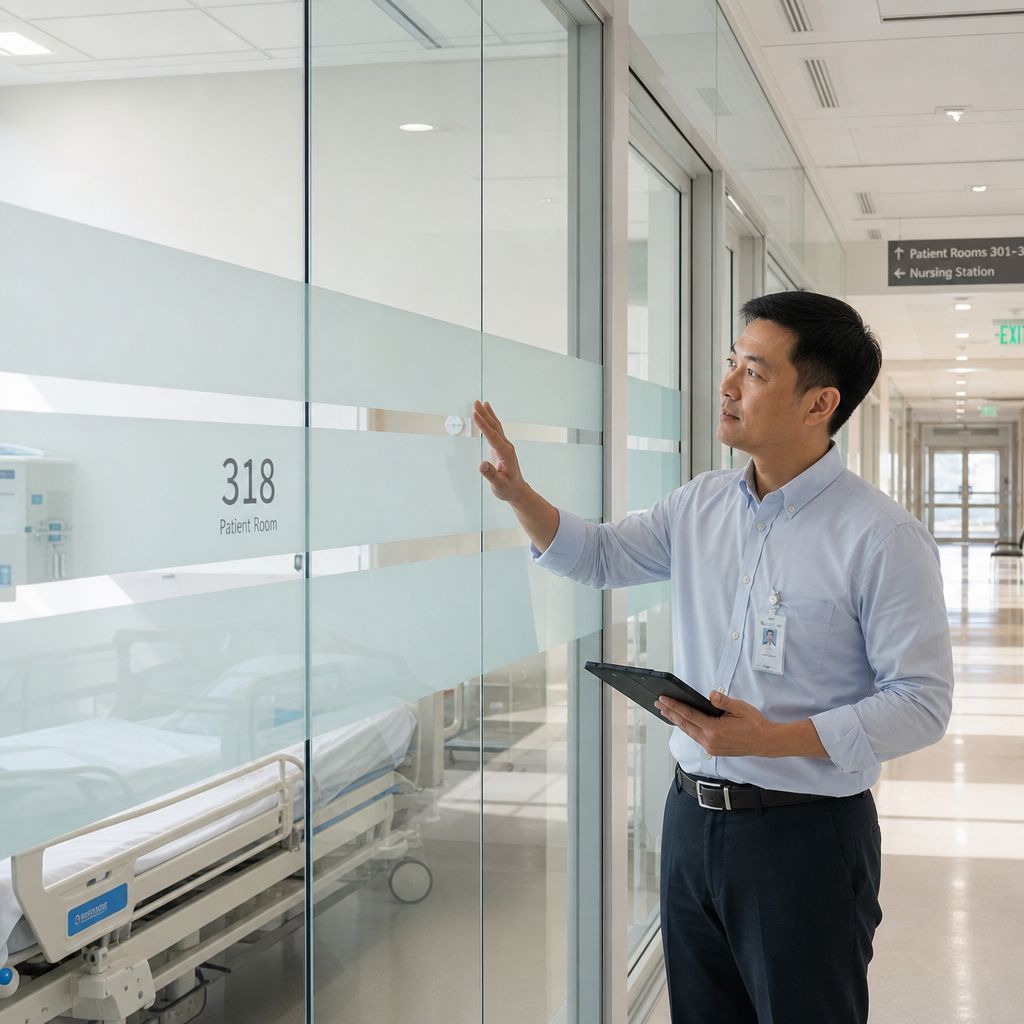
There are three popular ways to achieve a frosted finish on glass: sandblasting, acid etching, and applying frosted film to an existing glass surface. Frosted glass can be treated through acid etching, sandblasting, or vinyl film application, and all three can deliver similar visual privacy. The differences come down to cost, installation time, maintenance, and flexibility.
In commercial projects across the U.S., sandblasted or acid-etched glass is typically specified for new construction glass doors, partitions, and facades. For retrofit work in occupied buildings, frosted window film is preferred for speed and budget reasons. Frosted glass is generally more expensive than frosted films, and it requires costly custom sizing and installation. Frosted glass can be customized with gradients or decorative etched patterns regardless of method, but the path to get there varies significantly.
Sandblasted Frosted Glass
Frosted glass can be made by sandblasting, a process where high-pressure abrasive particles are directed at the glass surface to create a rough, frosted texture. This is typically done at the fabrication plant before the glass is tempered or laminated. Sandblasting can create different translucency levels in glass depending on media type and pressure, allowing designers to specify everything from a light haze to full opacity.
Advantages include a permanent, highly durable finish that will not peel and is excellent for custom patterns, logos, and full-height partitions in corporate offices. However, the rougher texture can trap fingerprints and smudges more easily than smoother alternatives, meaning more frequent cleaning. Lead times run four to twelve weeks for custom units, and the finish cannot be reversed once applied. Fabrication and material cost typically range from $25 to $50 per square foot, plus installation.
A practical example: a downtown law firm specifying full-height sandblasted conference room walls with clear vision strips at eye level for safety and aesthetic appeal. The result is a space that allows light to pass while giving the occupants genuine privacy.
Acid Etched Frosted Glass
Acid-etched glass uses hydrofluoric acid for a frosted finish. The acid chemically dissolves a fine layer of the glass surface under controlled factory conditions, producing a smooth, satin-like effect. Compared to sandblasting, the finish is softer, more fingerprint-resistant, and easier to clean, making it ideal for glass doors and high-touch areas.
The acid-etched process is compatible with tempered and laminated safety glass, so it works well in commercial buildings where code compliance matters. It is a perfect fit for multifamily corridors where acid-etched vision panels in unit doors meet privacy and fire-code requirements while keeping hallways bright.
The cons mirror sandblasted glass: this is still a permanent treatment. It requires glass replacement rather than a retrofit; the cost runs roughly 10 to 20 percent higher than comparable sandblasted panels, and lead times can stretch to several weeks. Changing branding or privacy zones later means ordering new glass.
Frosted Window Film on Existing Glass
Frosted window film is a thin, adhesive-backed polyester or vinyl sheet applied directly to an existing glass surface to mimic the look of acid-etched or sandblasted glass. Frosted window films are more cost-effective than frosted glass, and frosted films can be applied without replacing existing glass, which is a major advantage in occupied buildings.
Key benefits at a glance:
| Factor | Frosted Window Film | Permanent Frosted Glass |
|---|---|---|
| Installed cost per sq ft | $8–$20 | $30–$65 |
| Lead time | 1–5 days | 4–12 weeks |
| Lifespan (interior) | 10–15 years | 50+ years |
| Removable | Yes | No |
| Branding / pattern changes | Easy | Requires new glass |
Frosted window film can be applied to existing glass surfaces in offices, schools, clinics, and retail spaces without disrupting operations. Frosted window film allows light transmission while ensuring privacy, and it can be customized to any design, from subtle gradient bands to bold logo cutouts. Professional-grade frosted film can also be combined with solar control, UV reduction, and safety layers for added value on commercial projects. Frosted window film is easy to apply and remove, making it ideal for leased offices and evolving brand environments.
DIY Frosted Glass vs Professional Film Installation
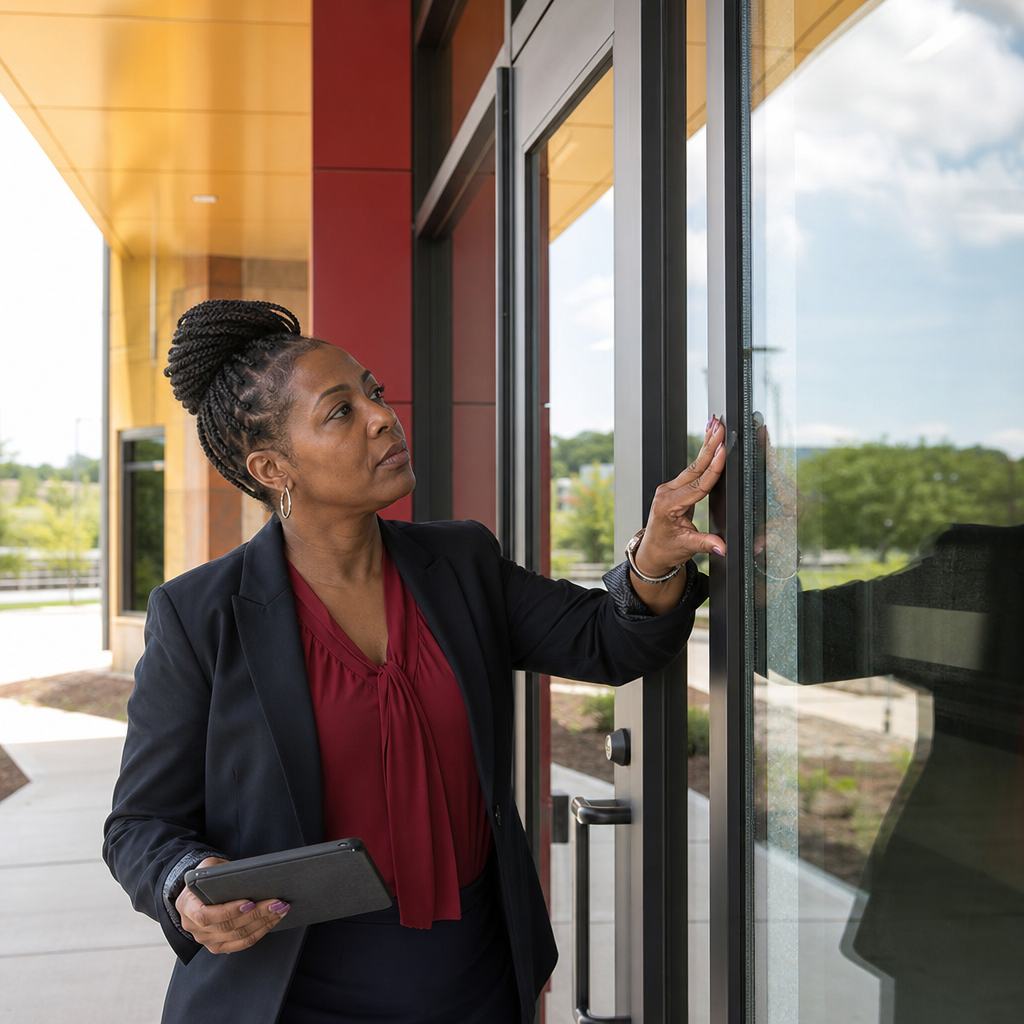
Many homeowners turn to DIY frosted glass projects for bathrooms, kitchen cabinets, or small accent windows. For commercial and institutional facilities, professional installation is almost always the smarter choice, especially when the scope covers dozens or hundreds of panes across glass doors, partitions, and sidelites.
Popular DIY Frosted Glass Methods
There are three main approaches for DIY projects:
- Peel-and-stick frosted film. Clean the glass surface thoroughly, measure and cut the film to size, spray the glass with soapy water, apply frosted window film, and squeegee out bubbles for a smooth finish. This is the most forgiving method and works well on a single bathroom window or cabinet door panel. Frosted glass can conceal clutter inside kitchen cabinets while adding texture.
- Frosted glass spray. Frosted glass spray provides an even, etched-glass appearance on small windows or decorative pieces. It requires careful masking and multiple light coats to achieve a uniform finish. The effect is semi-permanent and can be removed with solvents if needed.
- Etching cream. Etching cream creates a permanent frosted appearance on glass. It is best suited to small designs on glassware or accent panels, and users should wear gloves and ensure ventilation when handling the acid-based paste.
These DIY options are ideal for single-family homes, apartments, and craft-level diy projects. They are not practical for large curtain walls, tall glass doors, or code-driven privacy in commercial buildings.
When Professional Frosted Film Installation Makes Sense
Professional installers are the right choice when the project involves multiple glass panels, tall or hard-to-reach glass, or any glass doors and shower doors where safety and durability are critical. Typical scenarios include privacy banding on clinic doors, full-height frosting on office partitions, and branded decorative film on retail storefronts.
The quality difference matters. Professional installers use architectural-grade frosted film with proper edge sealing and precise trimming around hardware, helping the application last ten or more years in indoor conditions. They also advise on building codes, safety glass requirements, and film compatibility with tempered or insulated units, preventing issues like thermal stress or voided warranties.
Logistically, professional teams can schedule weekend or overnight installation to avoid disrupting office hours, coordinate roll-outs across multiple locations, and ensure a clean, consistent finish that DIY methods rarely match at scale.
Best Places to Use Frosted Glass and Frosted Film
Frosted glass techniques enhance privacy while allowing light into spaces that need both. Here is where they deliver the most impact.
Offices, Conference Rooms, and Glass Partitions
Frosted glass is used in interior doors and partitions to maintain an open feel while adding privacy for confidential conversations and screen sharing. Open-plan offices built over the past decade often rely on clear glass partitions; frosted window film bands or full panels can turn those into private huddle rooms without rebuilding walls.
Practical ideas: frost the lower half of HR office glass walls, use gradient frosted film on executive conference rooms to keep natural light at the top, or add branded patterns on glass doors in reception areas. Frosted strips or dots on glass doors also serve as safety markings to prevent people from walking into clear panels.
Bathrooms, Shower Doors, and Residential Privacy
Frosted glass is commonly used for bathroom windows and shower doors to provide privacy, and it is ideal for bathrooms and office privacy in both residential and commercial buildings. In hotel renovations, full-height frosted shower doors are a sign of a premium guest experience. Banded frosting on residential shower doors maintains open sightlines at the top while giving occupants privacy where it counts.
For higher-end custom homes, permanent acid etched shower doors are common. In rental units and short-term rentals, removable frosted film solutions offer a quick, cost-effective upgrade. In either case, choose films rated for wet or humid environments, and clean with non-abrasive products to preserve the finish.

Storefronts, Glass Doors, and Street-Facing Windows
Retailers, banks, and clinics along busy streets use frosted film on glass doors and lower window sections to shield customers from sidewalk views while keeping the space bright. Frosting the bottom three to four feet of storefront glass is one of the most popular ways to add privacy without changing the character of the storefront.
Logo cutouts within frosted panels create branded entry points, and frosted stripes on entrance doors improve accessibility by marking the glass clearly. Multi-location brands can roll out consistent frosted designs across all their branches using pre-cut graphics and coordinated installation schedules to ensure a perfect fit at every site.
FAQs About Frosted Glass, Frosted Film, and DIY Options
How long does frosted window film last on interior glass?
Quality interior frosted film typically lasts 10 to 15 years depending on sun exposure, cleaning practices, and film brand. Cheaper DIY films from home center stores may have shorter lifespans. Professionally installed film often comes with multi-year warranties covering adhesion and appearance, which matters for commercial projects and property managers.
Is frosted film removable, and will it damage the glass surface?
Frosted window film is easily removable without residue when removed from sound glass by a trained installer. Some adhesive residue may need to be cleaned with approved solvents, but the glass surface underneath remains undamaged. This removability makes film ideal for leased offices, short-term build-outs, and changing branding cycles.
Can frosted film be applied to double-pane or insulated windows?
Frosted window film can be applied to double-pane windows safely on the room side of most insulated glass units. Because frosted film primarily affects visible light rather than solar absorption the way dark reflective films do, thermal stress risk is minimal. For large exterior windows or unusual glazing systems, consult a film specialist to verify compatibility before application.
How do I clean frosted glass or frosted window film?
Use a mild, ammonia-free glass cleaner or diluted dish soap with a soft cloth or squeegee. Avoid abrasives, razor blades, and harsh chemicals that can scratch or dull the finish. Professionally installed film usually needs a curing period of about 30 days before aggressive cleaning, and cloudy spots during curing are normal and will pass.
Is frosted glass more expensive than clear glass?
Yes. Sandblasted and acid etched glass panels cost more than standard clear tempered glass due to extra fabrication steps. Final pricing depends on size, thickness, and design complexity. Adding frosted window film to existing glass is generally less expensive than ordering new frosted glass, especially on retrofit projects or when working with many small panes like sidelites and interior glass doors.
Can I combine frosted film with logos or decorative patterns?
Absolutely. Installers can cut logos and shapes out of solid frosted film or print patterns onto decorative films to create branded glass doors, wayfinding elements, or privacy bands with custom designs. For businesses planning roll-outs in 2025 and 2026, standardizing artwork dimensions ensures designs remain consistent across every location.
Why Choose Our Team for Frosted Window Film and Architectural Glass Solutions
Window Film Depot has specialized in high-performance window films and architectural surface solutions since 1992. Whether the project is a single office or a nationwide roll-out across hundreds of locations, our team delivers turnkey service from product selection and mockups through professional installation and aftercare guidance.
Our expertise spans frosted window film, decorative and privacy film, security glazing, 3M solar control film, and specialty coatings that can be layered for added performance. We work with facility managers, architects, and general contractors on offices, schools, healthcare facilities, government buildings, and retail spaces across North America.
Practical advantages include one point of contact, consistent quality standards, access to wholesale film rolls for trade partners, and the ability to coordinate work during off-hours to minimize disruption. We help clients compare options-from diy frosted glass and permanent frosted glass to frosted film-so they choose the most cost-effective, code-appropriate solution for their project.
Next Steps: Plan Your Frosted Glass or Frosted Film Project
Ready to explore frosted window film for your glass doors, shower doors, office partitions, or storefront windows? Contact our team for a consultation, site survey, or quote.
Before you reach out, gather a few details: the number and size of glass panels, building type (office, school, healthcare, retail, or home), and any branding or privacy goals. This helps us provide an accurate estimate quickly.
If you are a homeowner considering diy frosted glass, start with one small window or cabinet door to test the process. If the scope grows or you need whole-building coverage, our team is here to take over.
Trade partners and glazing companies are welcome to inquire about wholesale decorative and frosted film supply, including roll sizes, order minimums, and support for national programs.
As workplaces and living spaces continue to evolve beyond 2026, frosted glass and frosted window film remain flexible, cost-effective tools for privacy, comfort, and design. The right solution is the one that fits your space, your budget, and your timeline. Let us help you find it.