Table of Contents:
- The Common Misconception: Believing Standard Glass Offers Complete UV Protection
- The Silent Threat: Differentiating UVA and UVB Rays and Their Destructive Impact
- The Unseen Depreciation: How UV Exposure Erodes Commercial Asset Value and Client Satisfaction
- Engineered for Protection: How 3M Window Films Deliver Uncompromised UV Defense
- Strategic Safeguarding: Integrating Professional UV Protection into Your Commercial Renovations
- Ensuring Excellence: The Critical Role of Expert Installation and National Partnership
- Conclusion: Key Takeaways and Next Steps
- Frequently Asked Questions
- Related Posts from Window Film Depot
The Common Misconception: Believing Standard Glass Offers Complete UV Protection
Many managers assume standard commercial glazing provides complete protection against harmful ultraviolet radiation. However, the question of whether office windows have UV protection is quite nuanced. This common belief often leads to a significant oversight in asset protection strategies. Relying solely on typical glass exposes interior assets to a continuous, destructive barrage of rays.
High-end flooring, bespoke furniture, and sensitive retail merchandise remain vulnerable to material degradation. Unfiltered sunlight accelerates premature fading and weakening of these expensive interior components. This deterioration results in costly replacements that impact long-term value and operational budgets. Protecting these assets requires a deeper understanding of UV and architectural glass properties.
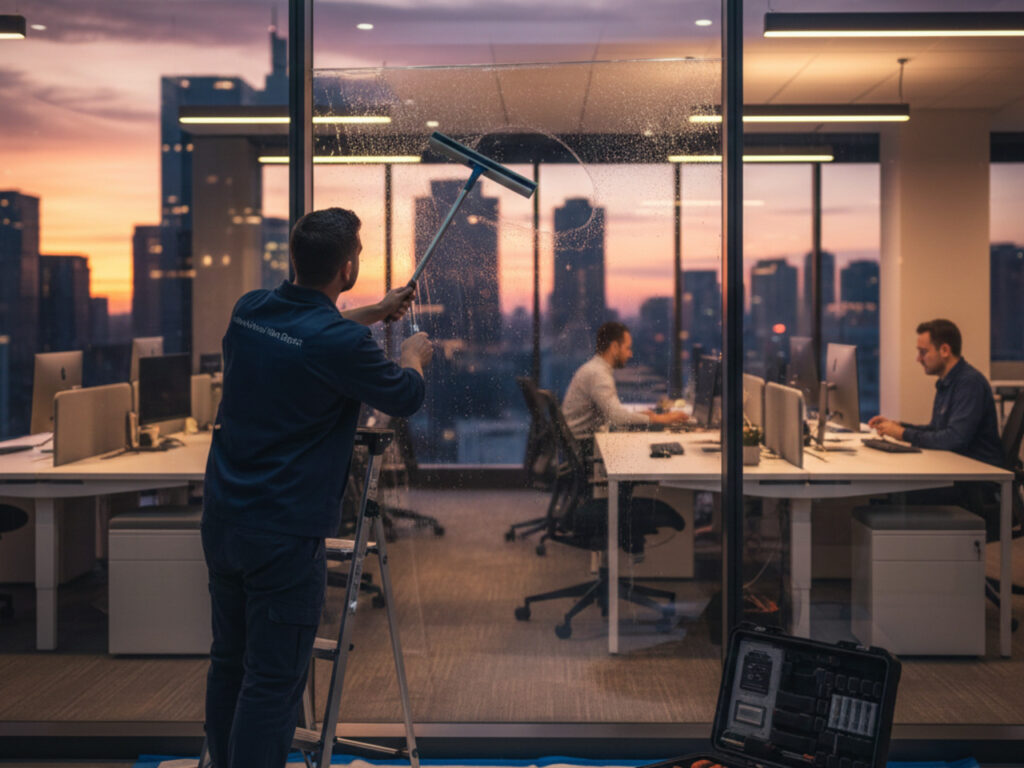
Demystifying Ultraviolet Radiation: A Primer for Construction Managers
Ultraviolet radiation is an invisible segment of the electromagnetic spectrum, falling between visible light and X-rays. While unseen, its energy carries substantial potential for both biological and material damage. For construction managers, understanding UV is critical because it represents a pervasive environmental factor that directly affects building longevity, interior aesthetics, and occupant comfort. This invisible energy source, particularly its longer wavelength components, penetrates most standard building materials, necessitating a deliberate and informed approach to mitigation.
Initial Glazing: The Unseen Vulnerabilities of Commercial Windows
Initial glazing specifications for commercial buildings typically prioritize thermal performance and light transmission. Modern units improve energy efficiency and noise reduction significantly. However, standard clear glass offers limited protection against the full spectrum of ultraviolet radiation. The polymers used in typical window construction allow visible light but lack comprehensive UV barriers. This inherent characteristic leaves commercial interiors vulnerable to a silent pathway of degradation. Such damage often goes unrecognized until irreversible harm becomes evident to the property owner. Protecting these assets requires additional layers of defense beyond standard architectural glass specifications.
The Silent Threat: Differentiating UVA and UVB Rays and Their Destructive Impact
UVA vs. UVB: Understanding the Wavelengths and Their Distinct Dangers
To effectively address UV protection, it is essential to differentiate between the two primary types of solar UV radiation that penetrate Earth’s atmosphere: UVA rays and UVB rays. These have distinct characteristics and impacts:
- UVB Rays (280-315 nanometers): These are the shorter-wavelength, higher-energy rays primarily responsible for sunburn and much of the immediate visible damage to organic matter. Most standard glass effectively blocks the majority of UVB radiation, often around 90-95%. This partial blocking capability often contributes to the misconception that windows offer complete UV protection.
- UVA Rays (315-400 nanometers): These are longer-wavelength, lower-energy rays that penetrate deeper into materials and biological tissues. Unlike UVB, standard clear glass allows a significant percentage of UVA to pass through unimpeded, often blocking less than 25-50%. UVA is the primary culprit behind long-term material degradation and insidious fading.
This distinction is crucial. While UVB is largely mitigated by glass, the constant penetration of UVA rays poses a continuous, cumulative threat to commercial interiors.
The Reality of Standard Fenestration: Do Office Windows Have UV Protection?
Standard commercial fenestration performs admirably in blocking the more aggressive UVB rays. This performance is a positive outcome for immediate occupant comfort and some material protection. However, the critical vulnerability lies in its inability to effectively block UVA. Even modern Low-E coatings offer only marginal additional protection against UVA radiation.
While a building may be thermally optimized, valuable interior assets remain exposed to sunlight. This relentless, slow-acting damage is caused by pervasive UVA radiation entering through the glass. A critical takeaway is that thermal performance does not equate to comprehensive UV protection. Project managers must address this gap to ensure the long-term integrity of interior furnishings.
Irreversible Damage: How Persistent UV Exposure Affects Interior Materials and Human Well-being
The persistent influx of UVA radiation through unprotected windows orchestrates a slow but irreversible degradation of interior elements. Project Manager Paul’s concern for enhancing building value and performance directly intersects with this issue, as UV exposure significantly diminishes the lifespan and aesthetic appeal of high-value asset protection.
The destructive impact manifests in several ways:
- Fading and Discoloration: Textiles, dyes, paints, and wood finishes suffer from photodegradation, leading to irreversible fading, yellowing, or darkening. This is particularly noticeable in areas with direct sun exposure, ruining the appearance of carpets, draperies, furniture upholstery, and retail displays.
- Material Degradation: UV breaks down chemical bonds within materials. Plastics can become brittle and crack, wood surfaces may dry and warp, and fabrics lose their tensile strength, leading to premature wear and tear. Artwork and historical documents are also highly susceptible to irreparable damage.
- Economic Impact: The need for early replacement of faded or degraded interior components incurs substantial, unplanned expenses. This directly impacts operating budgets and detracts from the perceived quality and value of the commercial space.
- Human Health: While the primary focus here is asset protection, it is worth noting that sustained UVA exposure indoors also contributes to skin aging and increases the risk of eye conditions for occupants.
This cumulative damage, often progressing unnoticed until it is too late, underscores the inadequacy of standard glass and highlights the necessity for a more robust UV protection strategy to prevent sun fading through windows.
The Unseen Depreciation: How UV Exposure Erodes Commercial Asset Value and Client Satisfaction
Quantifying the Cost of Fading: Protecting High-Value Interior Assets
The notion that standard commercial glass offers adequate UV protection is a misconception that often leads to significant, unbudgeted expenses. Ultraviolet radiation, particularly UVA rays, penetrates typical window glazing largely unimpeded, initiating a process of material degradation known as photodegradation. This process is not merely aesthetic, it represents a tangible financial loss as assets lose their structural integrity and market value. Quantifying this cost involves evaluating the premature replacement cycles of high-value interior components.
Preserving Aesthetics and Investment: Floors, Furnishings, and Retail Merchandise
The impact of unchecked UV exposure is most visible on elements designed for aesthetic appeal. High-traffic areas with direct sunlight often exhibit accelerated fading in textile flooring and wood veneers. Office furniture and decorative elements show discoloration and material breakdown long before their expected lifespan. For retail operations, this issue is compounded by the direct exposure of valuable merchandise. Such exposure leads to compromised product appearance and significantly reduced salability for the business. Each faded item represents a quantifiable reduction in asset life for the property owner. This deterioration directly impacts the building’s interior investment and overall project value.
Beyond Fading: Tenant Complaints, Operational Downtime, and the Impact on Building Performance
While direct asset degradation is a clear financial drain, the repercussions extend further to operational efficiency and tenant satisfaction. Faded and damaged interiors contribute to a perception of poor maintenance, leading to increased tenant complaints and potential lease renegotiations. The need for premature replacements often necessitates operational downtime, disrupting business continuity for occupants. This can involve relocating staff, closing sections of a retail floor, or coordinating extensive renovation work, all of which incur indirect costs and impact building performance metrics related to occupancy and tenant retention.
The Business Case for Proactive Protection: Enhancing Building Value and Client Retention
Implementing a proactive UV protection strategy through advanced window film installation transforms these potential liabilities into tangible assets. By safeguarding interior finishes and merchandise, building owners mitigate premature replacement costs, extend asset lifespans, and maintain a premium aesthetic. This foresight directly contributes to enhanced building value and a stronger return on investment. For Project Manager Paul, delivering a building where interior assets are visibly preserved ensures client satisfaction, minimizes post-occupancy issues, and reinforces the property’s long-term marketability and performance.
Engineered for Protection: How 3M Window Films Deliver Uncompromised UV Defense
Advanced Film Technology: The Science Behind 3M’s 99.9% UV Rejection
3M Window Films are a sophisticated application of material science engineered for superior performance. The technology behind their 99.9% UV rejection involves multiple micro-thin layers. These films incorporate proprietary materials that selectively absorb or reflect ultraviolet wavelengths.
Unlike standard glass, these films block virtually all harmful UV radiation. This level of protection is comparable to an SPF of 1000 for building interiors. Advanced spectral selectivity allows beneficial visible light to pass through the glass. This ensures clear, uncompromised views while preventing the transmission of damaging rays. The result is a high-performance barrier that protects assets without sacrificing natural light.
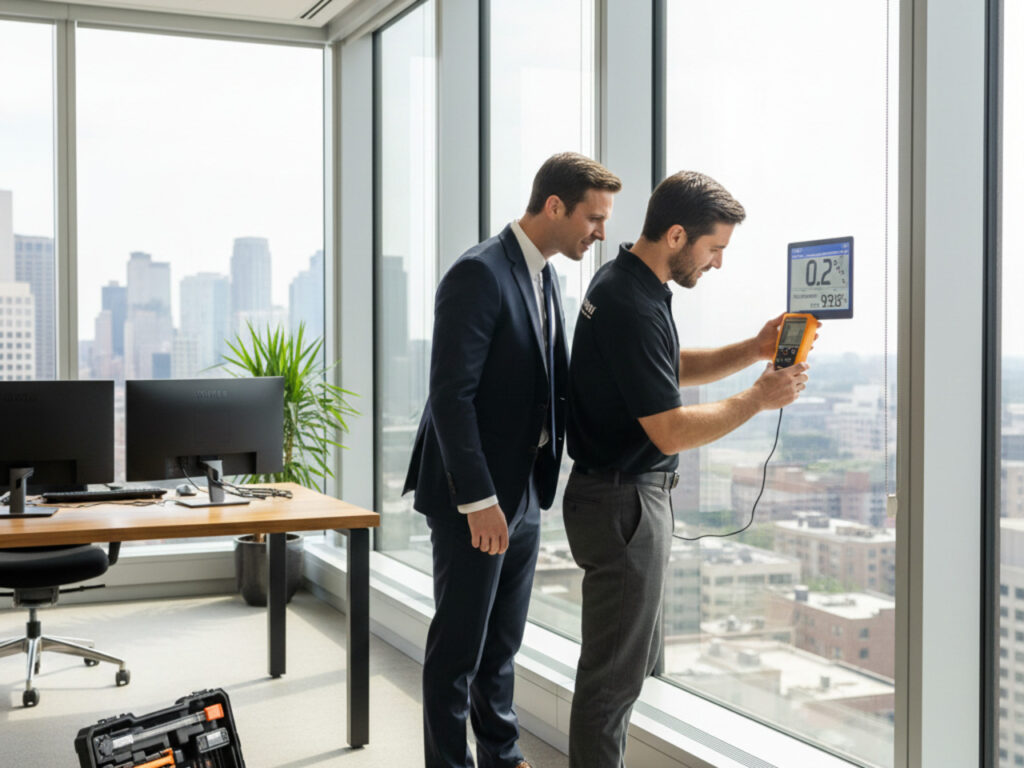
The Core Difference: How 3M Films Act as a Superior UV-Blocking Window Film for Office and Commercial Spaces
3M films provide superior UV blocking for commercial spaces through comprehensive and durable protection. Standard glazing often blocks UVB rays but allows UVA to penetrate interiors. These UVA rays are primarily responsible for fading and long-term material degradation. 3M films are specifically formulated to block both UVA and UVB rays effectively.
This complete barrier ensures that interior assets are shielded from the primary cause of photodegradation. Valuable items like custom artwork and sensitive retail inventory remain protected over time. Furthermore, the film maintains its optical clarity without yellowing or bubbling. This ensures sustained protection and high performance for the building’s entire lifespan.
Beyond UV: Exploring Additional Benefits of 3M Solar Control Film and Glazing Enhancement
While exceptional UV rejection is a cornerstone, 3M solar control film offers a multifaceted glazing enhancement solution for commercial buildings. Beyond protecting against fading, these films contribute significantly to overall building performance and occupant comfort.
- Heat Reduction: Many 3M solar control films significantly reduce solar heat gain, leading to lower air conditioning loads and substantial energy savings.
- Glare Reduction: By minimizing harsh glare, these films create a more comfortable and productive environment for occupants, reducing eye strain on digital screens and improving overall visual comfort.
- Increased Safety and Security: Certain 3M safety and security films also strengthen glass, holding shattered fragments in place upon impact, offering protection against accidental breakage, severe weather, and even forced entry attempts.
- Enhanced Privacy: Specialized films can provide varying degrees of daytime or 24-hour privacy without sacrificing natural light.
Meeting Industry Standards: 3M’s Commitment to Performance and Durability
3M’s reputation for quality in the window film industry is built on a steadfast commitment to performance, durability, and adherence to rigorous industry standards. Each 3M window film undergoes extensive testing to ensure its efficacy, longevity, and consistent UV rejection properties. This includes accelerated weathering tests that simulate years of exposure to sunlight and environmental stressors. The films are backed by comprehensive warranties, providing facility managers and building owners with confidence in their investment. This dedication to robust engineering and proven reliability ensures that 3M films meet and often exceed the demanding requirements for commercial and institutional applications, reinforcing their role as a trusted solution for long-term asset protection.
Strategic Safeguarding: Integrating Professional UV Protection into Your Commercial Renovations
When to Specify: Identifying Projects Most in Need of Commercial Window UV Film Solutions
Proactively integrating commercial window uv film solutions is a critical strategic decision for any project manager focused on delivering long-term value and asset preservation. While all commercial properties benefit, certain projects have a heightened need due to the nature of their interiors or occupant activities. Identifying these scenarios early in the renovation cycle allows for optimal specification and budgeting.
Projects that unequivocally benefit from advanced UV protection include:
- Retail Spaces: Protecting merchandise from fading, discoloration, and material degradation, especially for high-value apparel, electronics, or displays.
- Art Galleries and Museums: Safeguarding irreplaceable artworks, artifacts, and exhibits from irreversible UV damage, a primary concern for curators.
- Office Environments: Preserving expensive office furniture, carpeting, sensitive electronic equipment, and interior finishes, while also enhancing occupant comfort and protecting skin and eye health.
- Healthcare Facilities: Offering a protective barrier for sensitive medical equipment and patient areas, reducing glare, and contributing to a more comfortable, therapeutic environment.
- Hospitality Venues: Maintaining the pristine condition of guest room furnishings, lobby decor, and dining area aesthetics, directly impacting guest experience and brand perception.
- Educational Institutions: Protecting classroom materials, library collections, and furnishing in common areas from sun exposure while creating a more conducive learning environment.
The Specification Process: Selecting the Right 3M Film for Specific Asset Protection Needs
Selecting a commercial window film is a nuanced process tailored to each project’s unique demands. Effective UV protection involves integrating solutions that align with aesthetic, efficiency, and security objectives. This requires a detailed understanding of film performance characteristics and their specific applications. Project managers must evaluate how different technologies impact both interior assets and overall building performance. A strategic choice ensures long-term protection while maintaining the desired visual appearance of the property. Proper specification is essential for maximizing the return on investment for any commercial facility.
When specifying 3M Window Films, consider the following critical parameters to ensure optimal asset protection and client satisfaction:
- UV Rejection Rate: Prioritize films with a near 99.9% UV rejection rate, as this is the primary metric for preventing fading and degradation.
- Visible Light Transmission (VLT): Balance UV protection with the desired level of natural light and interior brightness. 3M offers films that block UV while maintaining high optical clarity.
- Glare Reduction: For workspaces or retail displays, films that significantly reduce glare improve occupant comfort and product visibility without sacrificing light.
- Heat Rejection: Beyond UV, managing solar heat gain helps protect temperature-sensitive assets and contributes to energy savings, directly impacting operational costs.
- Security Features: For high-value assets, integrating security films provides an additional layer of protection against impact, break-ins, and even natural disasters.
- Aesthetic Impact: Films come in various tints and finishes, allowing managers to achieve specific design objectives while delivering superior protection.
Consulting with certified 3M window film experts early in the design phase ensures that the chosen film precisely matches the project’s multifaceted requirements.
Long-Term Value Proposition: Future-Proofing Assets and Ensuring Client Expectations
Investing in professional-grade 3M window film is a strategic decision offering compelling long-term value. This active measure future-proofs interior assets and enhances overall building performance. By preventing premature degradation, this solution significantly reduces future capital expenditures for owners. It aligns directly with the goal of increasing property value through proactive maintenance. This investment ensures that interior finishes remain vibrant and structurally sound for years. Choosing high-performance film is a smart way to maximize a project’s return on investment.
The benefits extend to:
- Preservation of Capital Assets: High-quality flooring, designer furniture, custom millwork, and valuable retail inventory retain their original appearance and structural integrity for extended periods, delaying costly replacements and refurbishment cycles.
- Sustained Aesthetic Appeal: The interior environment consistently maintains its intended design and visual quality, which is crucial for client perception, tenant retention, and property marketability.
- Enhanced Energy Efficiency: Many 3M films offer significant solar heat rejection, leading to reduced HVAC load and demonstrable energy savings, contributing to a lower total cost of ownership.
- Mitigated Liability: Protecting occupants from harmful UVA exposure demonstrates a commitment to health and safety, potentially reducing liability concerns.
- Exceeding Client Expectations: Delivering a commercial space where interior assets remain vibrant and undamaged over time reinforces a project manager’s commitment to quality and thoughtful design, fostering long-term client satisfaction and trust.
From Concept to Completion: Seamless Integration of UV Protection into Project Timelines
Integrating UV protection into a commercial renovation project timeline can be a seamless process when handled by experienced professionals. Rather than viewing it as a standalone, potentially disruptive task, it should be considered an integral and non-invasive phase of interior fit-out or finishing. Early planning and coordination are key to preventing delays and ensuring efficient application.
Key considerations for smooth integration include:
- Early Project Planning: Incorporate window film specification during the design or procurement phase, alongside other interior finish selections. This allows for proper budgeting and scheduling.
- Coordination with Trades: Schedule film installation after dust-generating activities are complete but before final furniture placement or sensitive inventory introduction. This minimizes contamination and ensures optimal film adhesion.
- Minimal Disruption: Professional installers work efficiently, often completing large-scale projects with minimal impact on other trades or existing operations, especially outside of regular business hours if required.
- Clear Communication: Maintain open lines of communication with the installation team to align on access, safety protocols, and completion targets, ensuring the film application progresses in sync with the overall project schedule.
Ensuring Excellence: The Critical Role of Expert Installation and National Partnership
The Importance of Professional Installation: Maximizing 3M Film Performance and Longevity
The performance and longevity of advanced 3M window film are directly dependent on the quality of its installation. While the film itself represents cutting-edge material science, a substandard application can negate its protective benefits and compromise its aesthetic integrity. Professional installation is not merely a convenience, it is a critical factor in actualizing the film’s designed capabilities and safeguarding the project’s investment.
Expert installers ensure:
- Optimal Adhesion and Clarity: Proper preparation of the glass surface and meticulous application techniques prevent common issues like bubbling, creasing, and peeling, ensuring a visually flawless finish.
- Edge-to-Edge Coverage: Precision cutting and fitment ensure complete UV protection across the entire glass surface, eliminating vulnerable gaps.
- Durability and Longevity: Correct installation maximizes the film’s lifespan, ensuring it performs effectively for its warranted duration, protecting assets for years to come.
- Warranty Validation: Many manufacturers’ warranties are contingent upon professional installation, providing peace of mind and recourse in the unlikely event of product failure.
- Cleanliness and Efficiency: Experienced teams minimize dust and debris, working efficiently to complete projects with minimal disruption to the site.
Unmatched Authority and Experience: Partnering with the #1 U.S. 3M Window Film Installer
For commercial renovation managers, the choice of an installation partner is as crucial as the selection of the film itself. Partnering with the #1 U.S. 3M Window Film Installer provides an unparalleled level of assurance and expertise. This distinction signifies a deep, authoritative understanding of 3M’s diverse product lines, coupled with extensive field experience across a multitude of complex commercial projects.
This partnership guarantees:
- Certified Expertise: Access to highly trained and 3M-certified technicians who possess intimate knowledge of application best practices for every film type.
- Consistent Quality: A standardized approach to project execution, ensuring uniform quality and performance across all installations, regardless of project scale or location.
- Product Knowledge: Guidance from experts who can precisely match the right 3M film technology to specific client requirements, optimizing for UV protection, energy efficiency, aesthetics, and security.
- Reliability and Trust: A proven track record of successful, large-scale deployments, providing confidence that the project will be completed on time and to the highest standards.
Streamlining Large-Scale Projects: Simplifying Specification and Installation for Managers
Managing large-scale commercial renovation projects often involves complex logistics, multiple locations, and stringent timelines. Partnering with a national leader in 3M window film installation significantly simplifies these challenges for project managers. Their established infrastructure and operational capabilities are designed to handle the complexities of multi-site or extensive single-site deployments.
This national partnership offers key advantages for streamlining operations:
- Centralized Project Management: A single point of contact for specification, scheduling, and execution across all project locations, reducing administrative overhead.
- Scalable Solutions: The capacity to deploy large teams and resources efficiently, ensuring timely completion for projects of any size or scope.
- Consistent Product Access: Reliable supply chain management ensures prompt access to the necessary 3M film inventory, mitigating potential procurement delays.
- Uniform Standards: Guarantees that the quality of installation and the performance of the film remain consistent across all windows and properties, upholding brand standards and client expectations.
- Reduced Logistical Burden: Outsourcing the intricacies of film installation to a specialized national partner frees up project managers to focus on other critical project components.
Mitigating Risk: Guaranteeing Performance and Peace of Mind for Your End Clients
Ultimately, a project manager’s success is measured by the client’s satisfaction and the long-term performance of the delivered asset. Professional 3M window film installation by a national expert is a powerful tool for mitigating risks associated with asset degradation and ensuring complete peace of mind for end clients. This commitment to quality and performance translates into tangible benefits that reinforce trust and establish long-term value.
Risk mitigation is achieved through:
- Manufacturer Warranties: Reputable 3M films come with robust, long-term manufacturer warranties covering product defects, guaranteeing film integrity for years.
- Installation Guarantees: Certified installers often provide their own guarantees on the quality of their workmanship, offering an additional layer of protection.
- Asset Preservation Assurance: By effectively blocking harmful UV radiation, the film actively prevents fading and damage to interiors, safeguarding the client’s investment in furnishings and finishes.
- Enhanced Occupant Comfort: Reducing glare and controlling interior temperatures contributes to a more comfortable and productive environment, directly impacting client satisfaction.
- Reputation Protection: Delivering a project where interior assets remain pristine and protected reinforces the project manager’s reputation for foresight, quality, and client-centric solutions.
Conclusion: Key Takeaways and Next Steps
The preceding analysis has underscored a critical truth for commercial project managers. The widely held belief that standard architectural glass provides sufficient protection against ultraviolet (UV) radiation is a costly fallacy. Far from being a mere aesthetic concern, the pervasive exposure to UVA rays through untreated windows leads to significant and often irreversible degradation of interior assets, from high-end flooring and bespoke furniture to valuable retail merchandise. This degradation not only diminishes the visual appeal of a space but directly impacts the long-term asset value and occupant comfort, presenting a tangible risk to client satisfaction and your project’s reputation.
The Imperative of Proactive UV Protection

Our examination has firmly established that conventional commercial glazing, while offering some protection against UVB rays, is largely ineffective against the more insidious UVA spectrum. This is a fundamental design limitation, not a flaw. Without a targeted solution, interior spaces are continuously subjected to damaging radiation. The consequence is a tangible reduction in the lifespan and aesthetic quality of valuable investments, forcing premature replacement or costly restoration efforts. Understanding this exposure is the first step toward safeguarding your client’s commercial property and its contents.
The Definitive Solution: 3M Window Film
Recognizing this vulnerability, the imperative becomes clear: a robust, scientifically-backed solution is essential. 3M Window Films, specifically engineered with advanced UV-blocking technology, stand as the definitive safeguard. These specialized films are designed not merely to filter light, but to block up to 99.9% of harmful UVA and UVB rays, effectively creating an invisible barrier that preserves material integrity, reduces fading, and contributes to a healthier indoor environment. Their application represents a strategic investment that secures your clients’ assets against preventable depreciation, ensuring that the visual and material quality of an interior space is maintained for years to come.
Strategic Partnership for Project Success
For construction and renovation managers, integrating this vital protection into project specifications is a straightforward yet impactful step. The complexity often lies in selecting the right commercial window uv film for specific environmental conditions, aesthetic considerations, and asset protection goals.
Evaluating Project Needs
To effectively implement a comprehensive UV protection strategy, consider the following:
- Asset Assessment: Identify all interior assets vulnerable to UV damage. This includes expensive finishes, artwork, textiles, retail merchandise, and critical equipment.
- Performance Objectives: Clearly define the desired level of UV protection, alongside other potential benefits such as energy efficiency, glare reduction, or enhanced security.
- Budgetary Integration: Recognize that proactive film installation is an investment that prevents future, more substantial costs associated with asset replacement or remediation, directly contributing to the long-term value proposition for your client.
Connecting with Experts
To ensure optimal performance and warranty validity, professional installation by certified experts is non-negotiable. Engaging with specialists early in your project planning phase allows for tailored recommendations and seamless integration, guaranteeing that your project delivers maximum value and lasting protection for your clients.
Frequently Asked Questions
Do standard office windows provide UV protection?
Standard office windows, including modern insulated glass units, block most UVB rays (the kind that cause sunburn) but allow a significant amount of UVA rays to pass through. UVA rays are the primary cause of long-term sun damage, fading, and material degradation for interior assets. So, while they offer some partial protection, standard windows do not provide comprehensive UV protection.
How do 3M window films protect against UV damage?
3M Window Films are engineered with advanced technology to block up to 99.9% of both UVA and UVB rays across the entire UV spectrum. This creates an effective barrier that prevents harmful ultraviolet radiation from penetrating interior spaces, thereby preserving materials, reducing fading, and safeguarding valuable assets from degradation.
What are the long-term benefits of installing commercial window UV film?
Installing a commercial window UV film offers numerous long-term benefits, including extending the lifespan and preserving the aesthetic appeal of high-value interior assets (flooring, furniture, merchandise). It helps prevent costly premature replacements, contributes to energy savings by reducing solar heat gain, enhances occupant comfort by reducing glare, and ultimately strengthens a building’s overall value and marketability.
Can commercial window UV film installation disrupt my project timeline?
When handled by experienced professionals, commercial window UV film installation is a seamless process with minimal disruption. It is typically scheduled after dust-generating construction is complete and before final furniture placement. Professional installers work efficiently, often outside of normal business hours if needed, ensuring the project stays on track without significant impact on other trades or operations.