Table of Contents
Introduction
Anti glare film is a specialized optical coating that diffuses light to reduce reflections and improve visibility on glass and screen surfaces. Whether you’re battling sun glare through your home windows, struggling to see your TV display during daylight hours, or dealing with instrument panel reflections while driving, this technology addresses a fundamental problem of modern living.
This guide covers privacy window film applications for residential and commercial buildings, display films for screens and monitors, and automotive applications. It does not address specialized industrial coatings or laboratory-grade optical treatments. The target audience includes homeowners seeking comfort improvements, business owners optimizing workplace environments, and IT professionals managing display installations where glare reduction directly impacts user experience and productivity.
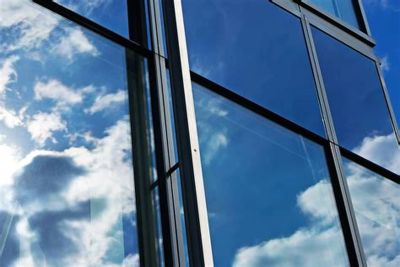
Direct answer: Anti glare film works by scattering incoming light across a textured surface rather than allowing it to reflect directly into your eyes, reducing eye strain and making screens and windows more functional in bright conditions.
By the end of this guide, you will:
- Understand how ag film technology actually works at a scientific level
- Identify which film type suits your specific application
- Learn proper installation techniques to avoid common failures
- Know how to troubleshoot bubble formation, peeling, and optical distortion
- Make informed decisions about professional versus DIY installation
You can also read more about reflective window film, decorative window film, is tempered glass stronger than regular glass, and ceramic tint here.
Understanding Anti Glare Film Technology
Anti glare film technology transforms how light interacts with glass and screen surfaces. Rather than allowing sharp, mirror-like reflections that impair visibility, these films create a controlled diffusion effect that scatters reflected light across multiple angles, dramatically reducing the intensity of glare at any single viewing position.
Light Diffusion Principles
When light strikes a smooth, glossy surface like untreated glass, approximately 8% reflects back as specular reflection—a sharp, focused beam that creates the blinding effect we experience as glare. Anti glare coatings introduce micro-texture at the surface level, with carefully engineered features that scatter this reflected light in many directions simultaneously.
The effectiveness of glare reduction depends on three surface parameters: feature size (typically measured in microns), feature depth, and feature density. Larger or deeper textures provide more aggressive scattering but introduce more haze, which can soften image clarity. The engineering challenge involves balancing these variables to achieve meaningful reflection control while maintaining acceptable optical performance. Premium films target haze levels around 20-25% while preserving high Distinctness of Image (DOI) ratings.
Material Composition and Properties
Most anti glare films use polyester (PET) as the base substrate due to its optical clarity, dimensional stability, and ability to accept surface coatings. Alternative materials include vinyl for flexible applications and acrylic-based formulations where specific chemical resistance is required.
A typical film structure includes multiple functional layers: an adhesive layer (either self adhesive permanent bond or static-cling removable), the optical base, a hard coat for scratch resistance, and sometimes additional UV-absorbing or IR-blocking layers. Key performance specifications include Visible Light Transmission (VLT), which indicates what percentage of light passes through; haze percentage, which measures scattered light; and DOI, which quantifies image sharpness when viewing through the film.
The relationship between material durability and optical performance creates meaningful trade-offs. Ceramic-based films offer superior UV stability and heat rejection with expected lifespans of 20-25 years, while dyed films cost less but may degrade in 5-10 years with color shifts and reduced UV protection. Understanding these trade-offs helps you select films appropriate for your environmental conditions and budget.
Types and Applications of Anti Glare Film
Building on the technical foundation above, this section examines how anti glare technology applies across different real-world scenarios—each with distinct requirements for optical performance, durability, and installation complexity.
Window Anti Glare Films
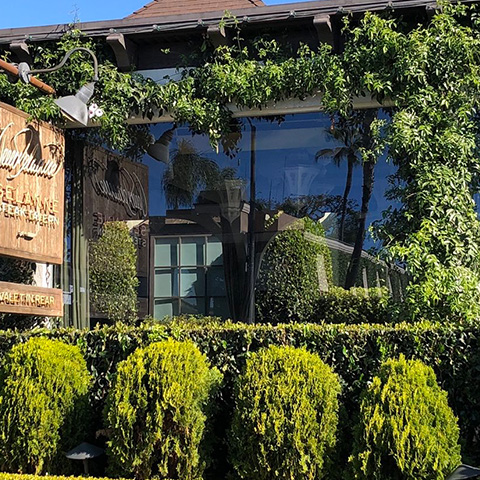
Residential and commercial window film applications address multiple problems simultaneously. Beyond glare reduction, professional-grade UV protection window films for houses block up to 99% of UV radiation (protecting furnishings and occupants), reject significant solar heat (improving energy efficiency), and can reduce cooling costs substantially in sun-exposed buildings.
Visible Light Transmission ratings for window films typically range from 5% (very dark) to 70% (light tint), with selection depending on desired brightness levels, local building codes, and aesthetic preferences. For example, a west-facing home office might benefit from residential sun control window films that balance light and heat with 30-40% VLT to control afternoon sun while maintaining adequate natural light. (heat control window film)
Total Solar Energy Rejected (TSER) values indicate overall heat-blocking performance. Premium photochromic ceramic window films that automatically tint under UV exposure achieve TSER values around 50-60%, meaning they prevent roughly half of solar energy from entering the space. This translates directly to reduced air conditioning loads and improved comfort for users near windows.
Display and Screen Films
TV, computer monitor, and tablet screen protection represents a distinct application category where optical clarity requirements are significantly higher than window applications. The challenge: reduce glare enough to improve visibility without introducing distracting haze, “orange peel” texture, or color shifts that degrade the viewing experience.
Display-specific AG film products typically feature lower haze values and higher DOI ratings than window films. Touch screen compatibility adds another consideration—film thickness and adhesive properties must not interfere with capacitive touch sensitivity or increase the force required for accurate input.
Outdoor display protection for digital signage and kiosks faces especially demanding conditions: direct sun exposure, temperature extremes, and continuous operation. Films for these applications combine anti glare properties with commercial-grade sun control and infrared heat rejection plus enhanced UV stability and hard-coat scratch resistance rated for commercial environments.
Automotive Applications
Windshield and side window films improve driving safety by reducing sun glare that can temporarily blind drivers. However, automotive applications face strict regulatory constraints—many jurisdictions mandate minimum VLT values for front windows and windshields to ensure adequate visibility for traffic enforcement and nighttime driving.
Instrument panel and infotainment display glare reduction uses screen-type ag film rather than window film. These installations must withstand temperature swings from below freezing to extreme heat, constant vibration, and years of direct sunlight exposure without delamination, yellowing, or optical degradation.
Key application categories and requirements:
- Windows (residential/commercial): Prioritize UV rejection, heat control, and durability; haze less critical
- Displays/screens: Prioritize optical clarity and touch compatibility; DOI critical
- Automotive glass: Prioritize regulatory compliance and durability; legal VLT limits apply
- Automotive displays: Prioritize temperature resistance and vibration tolerance
The following section addresses how to properly install these different film types to achieve optimal performance.
Installation Methods and Best Practices
Proper installation determines whether anti glare film delivers its promised performance or fails prematurely with bubbles, peeling, and optical distortion. The techniques differ between film types and applications, but certain principles apply universally: surface preparation is critical, environmental conditions during application affect adhesion, and curing time cannot be rushed.
Professional vs DIY Installation Process
Professional installation makes sense for large window projects, curved automotive glass, or applications where warranty coverage matters. Professionals bring specialized tools, controlled environments, and experience handling common complications. Many property owners work with specialized window film installation companies that can recommend appropriate products and handle complex projects. Most manufacturer warranties require professional installation for exterior window films.
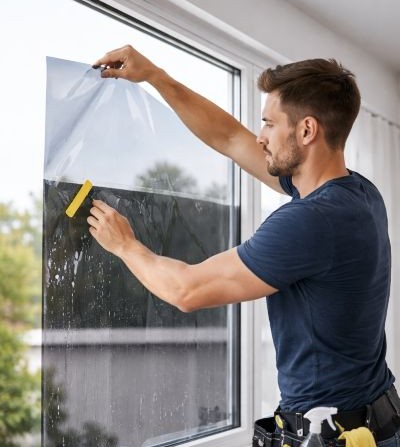
DIY installation works well for flat screen protectors, simple interior windows, and temporary applications where removal flexibility matters. The following process applies to most self adhesive films:
- Surface preparation: Clean the surface thoroughly with lint-free cloth and mild detergent, then wipe with isopropyl alcohol to remove oils. Inspect for debris, scratches, or contaminants that would be trapped under the film.
- Measurement and cutting: Cut film 1-2 inches larger than the target area to allow trimming margin. For curved surfaces, create a paper template first or use heat to stretch flexible films.
- Wet application: Spray the adhesive side with a solution of water and a few drops of dish soap. This creates a slip layer allowing repositioning before final adhesion. Place film on surface and slide into position.
- Squeegee technique: Starting from the center, work outward with firm, overlapping strokes to expel water and air. Maintain consistent pressure—too light leaves bubbles, too aggressive can stretch the film.
- Edge sealing: Trim excess film with a sharp blade, leaving 1-2mm from edges. For window films, seal edges to prevent moisture ingress that causes premature failure.
- Curing: Allow 24-72 hours minimum before cleaning or touching the surface. Full adhesive cure may take 2-4 weeks depending on temperature and humidity. Small water bubbles during this period are normal and typically disappear as moisture evaporates.
Film Type Comparison
| Criterion | Static Cling | Adhesive-Backed | Laminated Multi-Layer |
|---|---|---|---|
| Durability | 1-3 years | 5-15 years | 10-25 years |
| Removal Ease | Easy, no residue | Moderate, may leave residue | Difficult, professional recommended |
| Optical Clarity | Good | Good to Excellent | Excellent |
| Heat Resistance | Low | Moderate | High |
| Cost | Low | Moderate | High |
| Best Applications | Temporary, interior flat glass | Permanent windows, displays | Premium automotive, commercial |
| Static cling films use electrostatic attraction rather than adhesive, making them easy to reposition or remove but less durable and prone to edge lifting in high-heat environments. Adhesive-backed films create permanent bonds suitable for most applications but require careful installation since repositioning becomes difficult once adhesive contacts the surface; premium options include spectrally-selective exterior sun control films for commercial facades. |
Laminated multi-layer films represent premium solutions combining anti glare with heat rejection, UV blocking, and enhanced durability. The additional thickness can make curved surface installation more challenging, and window tint removal typically requires professional tools and techniques.
Choose static cling for rental properties or seasonal applications, adhesive-backed for most permanent home and office installations, and laminated films where extreme conditions or maximum longevity justify higher cost, ideally sourced from full-service window glass film dealers and installers.
Common Challenges and Solutions
Even with careful installation, anti glare films can develop problems. Understanding the causes enables both prevention and correction.
Bubble Formation and Air Pockets
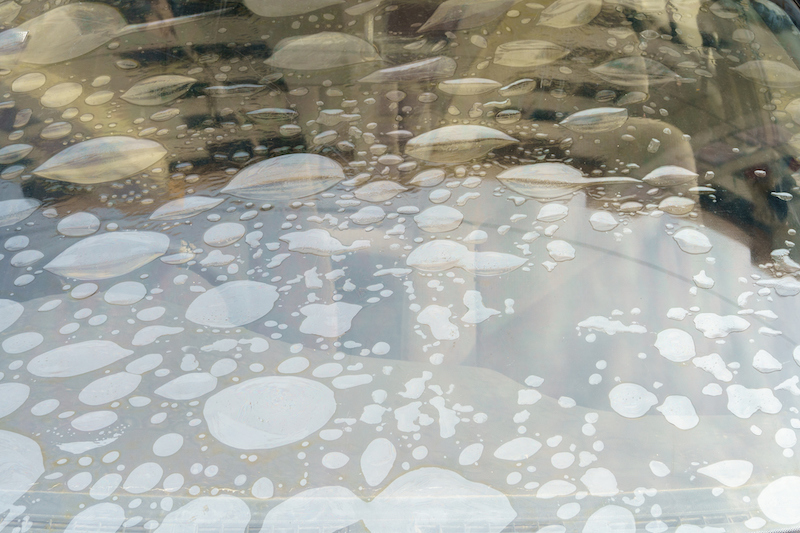
Small bubbles appearing within the first few weeks typically indicate trapped water from wet installation—these usually disappear as moisture evaporates through the film edges. Persistent air bubbles indicate installation technique problems.
Solution: For fresh installations, work bubbles toward the nearest edge using a squeegee with firm pressure. For stubborn bubbles, apply gentle heat with a hairdryer (not heat gun) to soften the adhesive and allow air to escape. Puncturing bubbles with a needle creates permanent damage and should be avoided.
Film Peeling and Edge Lifting
Edge lifting usually results from inadequate surface preparation (residual oils or silicone), environmental stress (thermal cycling, moisture), or adhesive quality degradation under UV exposure, all of which are mitigated by high-quality 3M anti-glare window films designed for glare control.
Solution: Clean the affected edge thoroughly with isopropyl alcohol. Apply thin bead of optically clear adhesive under the lifted section and press firmly. For ongoing problems, the surface may require complete film replacement with better preparation. Consider upgrading to UV-stable adhesive formulations for exterior applications.
Optical Distortion and Clarity Issues
Visible haze, “orange peel” texture, or wrinkling degrades the viewing experience and indicates either product quality issues or installation problems.
Solution: Optical distortion from excessive texture is a product specification issue—some films simply have too much surface roughness for display applications. Before installation, test sample films under actual lighting conditions. Wrinkling results from improper stretching or air pockets during installation; prevention through proper technique is easier than correction. Color shifts over time indicate UV degradation of dyes, common in lower-cost films—replacement with ceramic-based alternatives provides longer-term stability.
Conclusion and Next Steps
Anti glare film technology provides practical solutions for reducing reflection and improving visibility across windows, displays, and automotive applications. The global market for these products is projected to reach USD 8.14 billion by 2036 (growing at 13.4% CAGR), reflecting increasing demand driven by expanding screen use in vehicles, commercial environments, and smart building applications.
Immediate action steps:
Need More Info?
The Window Film Depot team is happy to help.
- Assess your glare problems: Document which surfaces cause issues, when glare is worst, and what activities are affected
- Measure your surfaces: Record dimensions for cost estimation and film ordering
- Choose appropriate film type: Match film specifications (VLT, haze, DOI) to your specific application requirements
- Decide on installation approach: Evaluate whether DIY suits your skill level and the project complexity, or whether professional installation provides better value
Related topics worth exploring: Window tinting regulations for automotive applications vary significantly by jurisdiction and affect legal film choices. Screen protector alternatives including anti-reflective coatings offer different optical trade-offs. Energy-efficient building materials including low-E glass may complement or substitute for window films in new construction.
Read more: tempered glass film code, glazing windows, blackout window film, what is a one way mirror, uv blocking window film, one way glass, ceramic window tint
Frequently Asked Questions
Can anti glare film be applied to curved surfaces?
Yes, but with limitations. Flexible adhesive-backed films conform to moderate curves when applied with heat assistance. Tight compound curves (like some automotive glass) may require pre-formed films or professional installation with specialized stretching techniques. Static cling films generally perform poorly on curves due to edge lifting.
How long does anti glare film typically last?
Lifespan varies dramatically by film type and application environment. Premium ceramic window films last 20-25 years. Carbon-based films provide 15-20 years. Basic dyed films may degrade in 5-10 years, showing color shifts and reduced UV protection. Interior display films experience less UV stress and may outlast exterior window films of similar quality.
Will anti glare film affect touch screen sensitivity?
Quality screen-specific AG film designed for touch applications has minimal impact on capacitive touch sensitivity. Thicker window films or films with heavy adhesive layers may increase required touch pressure or reduce edge accuracy. Always verify touch compatibility in product specifications before applying to interactive displays.
Can anti glare film be removed without damaging the surface?
Static cling films remove cleanly without residue. Adhesive-backed films may leave residue requiring solvent cleaning, but typically do not damage glass or hard screen surfaces. Aged adhesive (beyond normal lifespan) becomes more difficult to remove and may require professional heat-assisted removal. Test removal in an inconspicuous corner for older installations.
What’s the difference between anti glare and anti reflective coatings?
Anti glare (AG) films diffuse reflected light through surface texture, reducing glare but introducing some haze. Anti reflective (AR) coatings use thin-film interference to cancel reflected light waves, achieving lower total reflection (sometimes below 1%) with superior image clarity. AR coatings cost more and are more vulnerable to scratching. Some premium products combine both technologies.
How do I clean anti glare film properly?
Use soft, lint-free cloths with water or mild soap solution. Avoid ammonia-based cleaners, abrasive materials, or rough paper products that can scratch the matte surface. Allow new installations to fully cure (2-4 weeks) before cleaning. For stubborn marks, dampen the cloth with isopropyl alcohol—avoid pouring liquid directly on film edges.
Does anti glare film reduce screen brightness?
Yes. Any film applied over a light source reduces transmission. Visible Light Transmission percentages indicate how much light passes through—a film with 70% VLT blocks 30% of display brightness. For screens, this effect is usually minor (5-15% reduction with quality films) and offset by improved visibility in bright ambient conditions.
Can I install anti glare film over existing window tint?
Installation over existing film is generally not recommended. Multiple film layers can trap moisture, create adhesion problems, and cause optical distortion. If adding glare reduction to already-tinted windows, either remove existing film first or choose a replacement product that combines tinting with anti glare properties in a single application.