Table of Contents:
What Is Anti-Graffiti Film and Why It Matters in 2026
Anti-graffiti film is a clear, heavy-duty polyester layer applied to smooth, non-porous surfaces like glass and metal. The film is transparent and does not alter the visual appearance of the surface. It acts as a sacrificial layer: when vandals tag, scratch, or etch the glass, they damage the film instead of the substrate. Property owners simply remove the damaged film and apply a new piece, avoiding costly glass replacement.
Graffiti vandalism in transit stations, storefronts, and schools has driven rising maintenance budgets since the early 2020s. A single tempered glass panel can cost $2,500 to $5,000 to replace. Anti-graffiti films protect glass from vandalism and scratches at a fraction of that cost, and they are easily removable and replaceable, keeping downtime to hours rather than days. Unlike solar control or security window film, anti-graffiti window film is designed specifically for defacement protection, though it can be layered with other films on the same building.
How Anti-Graffiti Window Film Works
Anti-graffiti window film is constructed from multi-layer polyester with a scratch-resistant hard coat on the face. The film is typically bonded with strong pressure-sensitive adhesives that hold firmly during service but allow easy removal when replacement is required. Two main film types exist: top-coated films resist graffiti with a specialized coating that prevents paint and ink from bonding, while membrane-based films provide long-lasting chemical resistance against solvents and acid.
Scratches, paint, and acid-etching damage the film rather than the surface beneath it. The film can protect surfaces from spray paint, markers, scratches, and acid etching. When an attack occurs, maintenance crews peel off the damaged layer and install fresh graffiti film.
Common products span several thicknesses and constructions:
- 3M Anti-Graffiti films are available in 4 mil and 6 mil thicknesses, with the 6 mil version offering higher gouge resistance for heavy-traffic areas
- BDF AG4M film is a 4 mil clear protective layer suited for interior mirrors and lower-risk glass
- Graffiti Shield film is 6 mil thick and designed for glass surfaces in transit and retail settings
- Interlam Eco Anti-Graffiti is a non-PVC film with anti-stick properties for environmentally conscious specifications
All of these maintain visible light transmission between 86% and 93%, ensuring the view through the glass stays clear and undistorted.
Key Benefits of Anti-Graffiti Films for Commercial and Institutional Properties
For facility managers, property owners, and business operators evaluating protection for 2026 projects, anti-graffiti films deliver measurable advantages:
- Cost savings over glass replacement. Replacing glass is more costly than using anti-graffiti films. LA Metro estimated $15 to $20 million to refinish 300,000 square feet of vandalized stainless steel cladding; film installation cost roughly $2 million. Even for a single storefront, replacing one panel can run thousands of dollars versus under a few hundred to swap the film.
- Protection from multiple attack types. Paint, marker ink, stickers, scratches from keys or blades, and acid etching on mirrors and doors are all absorbed by the film barrier, keeping the underlying surface intact.
- Fast maintenance. Fast maintenance is a key advantage of anti-graffiti film. These films can be easily removed and replaced, and film removal does not require harsh chemicals or special tools. A damaged section is peeled away and a new piece installed in a single visit, maintaining storefront integrity during business hours.
- Preserved aesthetics. Clean glass supports customer perception, tenant satisfaction, and property values. Franchise and multi-site retail brands that must maintain consistent appearance across locations avoid the unsightly look of etching and scratches.
- UV protection. Anti-graffiti films reject about 99% of UV rays, reducing fading of merchandise, flooring, and interior finishes near windows.
Where and When to Use Anti-Graffiti Window Film
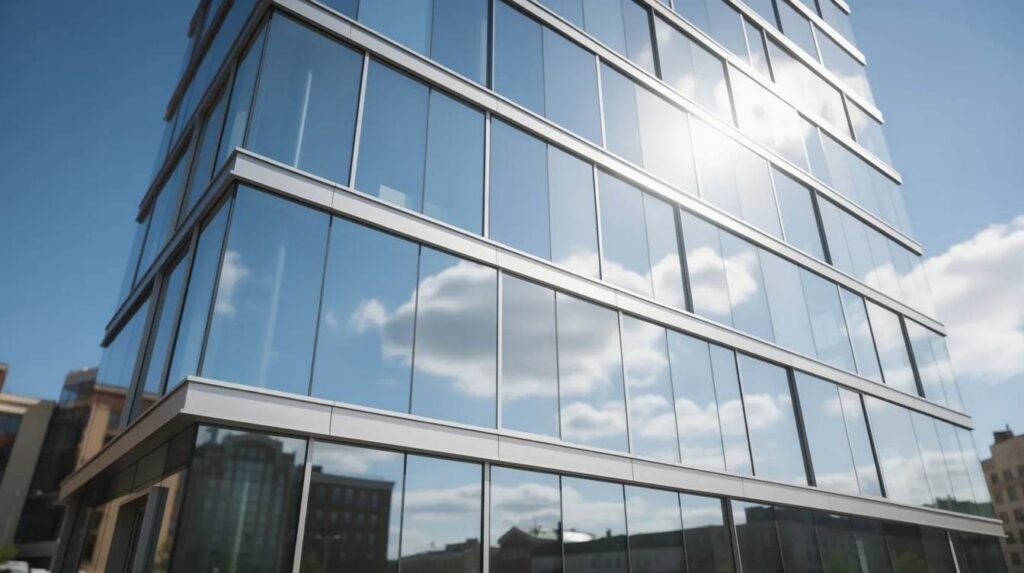
Anti-graffiti films can be applied to windows, doors, and mirrors, and the film is effective in high-risk locations for vandalism. Typical applications include:
- Retail storefronts: ground-floor display windows facing busy streets, glass vestibule doors, and interior mall glass where clarity is required
- Public buildings: schools, libraries, government offices, and community centers with after-hours tagging on entrance glazing and corridor glass
- Transit infrastructure: bus shelters, train station platforms, elevator doors, and parking garage panels. Window Film Depot’s MTA project in New York used four-layer sacrificial film across station glass surfaces, allowing crews to peel away tagged layers without replacing a single pane
- Hospitality: restaurant window walls, restroom mirrors prone to etching, and bar partitions
- Metal and specialty surfaces: stainless steel cladding, aluminum panels, and mirrored walls
Consider acting when your property experiences multiple tagging incidents per year, when maintenance spend on cleaning chemicals and glass replacement is climbing, or when customer complaints about appearance contribute to lost revenue.
Installation, Maintenance, and What to Expect from Professional Anti-Graffiti Film Service
A professional anti-graffiti window film project follows a predictable sequence: site assessment, product selection, installation, and maintenance planning.
During the site evaluation, technicians survey the building, measure glass dimensions, check glazing type, and identify which surfaces need interior, exterior, or dual-side protection depending on the pattern of vandalism. Width and surface condition determine which film thickness is recommended.
Installation requires soapy water to prevent sticking during positioning. Technicians clean the surface, apply the solution, position the film by adhering directly to the glass, then use a squeegee to remove water and air. Edges are finished cleanly so the installed film is nearly invisible. Most retail and office installations are scheduled during off-hours, ensuring zero disruption to operations.
For ongoing maintenance, clean protected windows with non-abrasive glass cleaners and soft cloths. When graffiti vandalism occurs, a technician can simply remove the damaged film and apply a replacement, typically within the same service visit. Many anti-graffiti window films carry manufacturer warranties of one to three years against product defects; vandalism replacement is a service cost, not a warranty item. Undamaged film panels often last three to seven years before requiring proactive renewal.

FAQs About Anti-Graffiti Film
These questions address common concerns from building owners, facility managers, and architects considering anti-graffiti window film.
How long does anti-graffiti film typically last before it needs replacement?
Undamaged panels typically last three to seven years. Only vandalized sections need earlier replacement; the rest of the film continues to protect and maintain clarity.
Is anti-graffiti window film really invisible once installed?
Yes. The film is designed to be optically clear, with visible light transmission between 86% and 93%. Customers and occupants usually cannot tell it is present when installed on clean, smooth glass.
Can anti-graffiti film be installed on existing windows, or do I need new glass?
Anti-graffiti film is a retrofit solution intended for existing windows and surfaces. There is no need for new glass, making it ideal for older buildings and long-standing retail locations.
Does anti-graffiti film provide any security or shatter resistance?
Anti-graffiti films are not a substitute for dedicated security glazing, but their multi-layer polyester construction can help hold broken glass fragments together during minor impact events, offering a durable safety benefit.
How do I clean windows that have anti-graffiti film on them?
Use non-abrasive glass cleaners and soft cloths or a squeegee. Avoid razor blades and harsh pads. Follow the manufacturer’s care instructions to preserve the hard coat.
Is anti-graffiti film cost-effective for properties with only occasional vandalism?
Even a few incidents of property damage from etched or scratched glass can justify the investment, especially on large panes or custom glass where a single replacement costs thousands of dollars. The cost-effective solution scales well: fewer incidents simply mean longer intervals between film swaps.
Why Choose Our Team for Anti-Graffiti Window Film Solutions
Window Film Depot has delivered anti-graffiti film, solar control, security glazing, and decorative window film installations since 1992. Our team manages complex, multi-site rollouts for national retailers, school districts, and government agencies, offering a single point of contact from site assessment through long-term maintenance.
We work with high-performance film products from 3M and other leading manufacturers, and our trained installers follow manufacturer guidelines on every project. Whether you need to protect ten storefronts or a hundred transit shelters, we coordinate surveys, logistics, and uniform product standards across locations.
Next Steps: Protect Your Glass with Anti-Graffiti Film
Anti-graffiti window film is a cost-effective solution that shields glass surfaces, mirrors, and metal from graffiti vandalism, scratches, and acid etching without sacrificing visibility or natural light. Gather basic information about your property: number of locations, type of glass, and known vandalism hotspots. Our team can then propose the right films and a phased installation plan that fits your budget while cutting property damage costs year over year.
Contact Window Film Depot by phone, email, or our online quote form to schedule a site assessment and get started.