Table of Contents:
- Why Drivers Are Choosing 3M Window Tint in 2026
- What Is 3M Window Tint & How Does Window Film Work?
- 3M Automotive Window Film Product Lines Explained
- Key Benefits of 3M Window Films for Vehicle Owners
- Professional 3M Automotive Window Installation: What to Expect
- Frequently Asked Questions About 3M Window Tint
- Conclusion: Is 3M Window Tint Worth It in 2026?
Why Drivers Are Choosing 3M Window Tint in 2026
The past two summers have broken heat records across North America and Europe. More 90°F-plus days mean hotter cabins, higher A/C workloads, faster interior fading, and relentless glare that turns every commute into an endurance test. For EV owners, running climate control in extreme heat can cut driving range noticeably.
3M has been refining window film technology since the late 1960s, holding some of the earliest patents for sun-control films. Today, they offer a complete range of automotive window films spanning budget-friendly dyed options to flagship nano-ceramic laminates. Our recommended choice for comfort and UV protection is 3m window tint installed by certified professionals. This article walks you through every product line, the real performance numbers, legal considerations, and what to expect from a professional installation so you can order with confidence.
What Is 3M Window Tint & How Does Window Film Work?
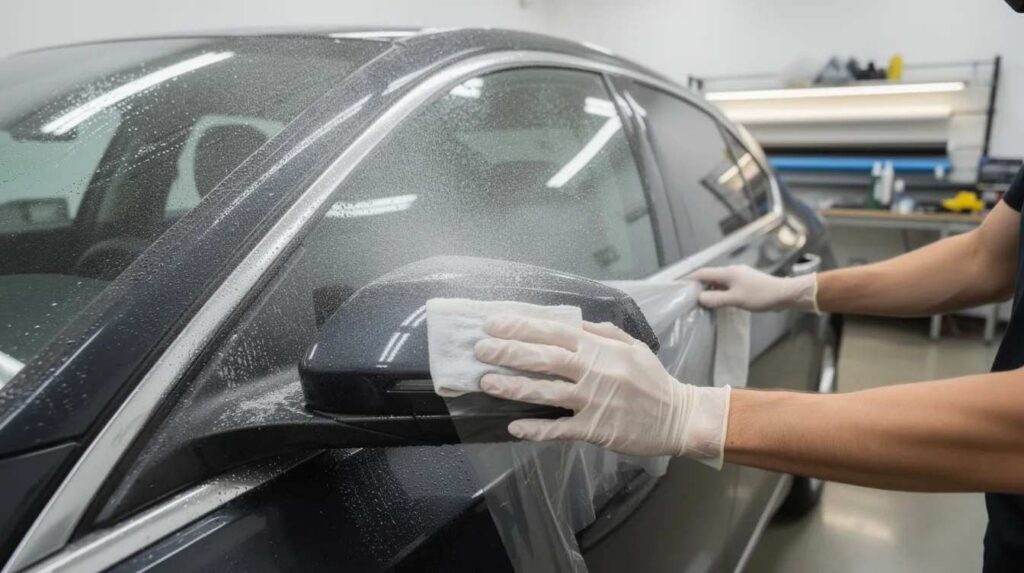
Automotive window film is a thin, multi-layer polyester or ceramic laminate applied to the inside surface of vehicle glass. 3M automotive window film stands apart from generic alternatives through patented multi-layer nano-technology, optical-grade clarity, and engineered adhesives that maintain performance for years rather than months.
The basic physics are straightforward: films reflect and absorb solar energy across three spectrums – visible light, infrared, and ultraviolet – while still allowing you a clear view outward. 3M films are designed for performance, clarity, and durability, with top-tier shades rejecting up to 99.9% of UV rays and approximately 60–66% of total solar energy depending on the series. 3M films utilize distinct technologies for automotive, residential, and commercial applications, but this article focuses on 3m automotive window options. Importantly, premium 3m window films do not interfere with defrosters, GPS, mobile signals, or keyless entry systems.
3M Automotive Window Film Product Lines Explained
3M offers a complete lineup of automotive window films at different price and solar performance tiers. Each product family uses a different combination of nano-ceramic particles, carbon layers, or infused dyes to achieve its target balance of heat rejection, appearance, and cost. 3M also offers advanced infrared-rejecting ceramic films for drivers who want maximum protection without a dark look. Names and availability can shift slightly by region and model year, so always confirm current options with a local 3M-authorized installer.
3M Crystalline Series
Crystalline is 3M’s flagship series, built with hundreds of nano-layers to deliver the highest infrared rejection in the lineup – up to approximately 99% IR rejection at darker shades with a total solar energy rejected figure near 63%. Even at lighter, fully legal VLT levels like 40–70%, heat rejection remains remarkably strong. The look is neutral, slightly amber-gray, giving a luxury OEM-style finish rather than a heavily tinted or mirrored appearance. This series is metal-free and ideal for EV owners, premium vehicles, and anyone in extremely hot climates who wants maximum comfort without making glass very dark.
3M Ceramic IR Series
Ceramic IR is the high-performance yet more budget-friendly alternative to Crystalline. The 3M Ceramic IR Series rejects up to 95% of infrared energy in the 900–1,000 nm range, blocks 99.9% of UV, and achieves up to 66% TSER in its darkest shade. The appearance is a neutral, slightly darker gray that pairs well with modern sedans, SUVs, and trucks seeking a sleek look without a mirrored finish. Because this 3m automotive window film is non-metallic, it provides strong heat control without affecting radio, Bluetooth, or key fobs. Most drivers find Ceramic IR to be the sweet spot balancing cost, performance, and style.
3M Color Stable Series
Color Stable uses nano-carbon technology to deliver a deep, factory-tinted glass appearance that won’t turn purple or fade over time. It offers solid heat rejection – up to about 64% TSER in darker shades – along with 99% UV protection, though its IR rejection sits below Crystalline and Ceramic IR levels. The rich charcoal or black look is ideal for drivers who love a darker aesthetic with privacy and a consistent OEM finish. Pricing lands in the mid-range, making this series great for trucks, SUVs, and daily drivers wanting long-term color stability.
3M Obsidian & Entry-Level Films
3M window films include entry-level dyed options, and Obsidian represents their value-focused line. It leverages modern infused-dye technology for better durability than older dyed films, delivering up to about 60% TSER in the darkest shade and 99% UV rejection. However, infrared energy rejection tops out around 55%, and the expected lifespan is shorter – roughly 2–5 years under intense sun versus 5–10+ years for Ceramic IR or Crystalline. Obsidian is a smart choice for budget builds, older vehicles, or customers focused primarily on privacy and a sleek appearance.
Key Benefits of 3M Window Films for Vehicle Owners
3M window films are engineered to address comfort, health, safety, and aesthetics in a single upgrade:
- Heat reduction: 3M window tint films significantly reduce heat. Independent installer data shows cabins registering 15–18°F cooler after parking in direct sun with premium ceramic film versus unprotected glass. 3M window films also stabilize indoor temperatures so the cabin stays comfortable even when parked.
- UV and skin protection: 3M window tint provides UV protection for vehicle occupants, blocking up to 99.9% of harmful UV rays. 3M films block ultraviolet light to prevent fading of interior furnishings including leather seats, dashboards, and trim.
- Glare reduction: 3M films minimize blinding glare from the sun and headlights, and 3M window films enhance comfort and reduce glare for safer driving at sunrise, sunset, and in oncoming traffic.
- Privacy and security: 3M window tint films enhance privacy and security during daytime by limiting visibility into the cabin. 3M offers safety and security series films that deter break-ins, and specialized safety films hold glass fragments together during severe weather or break-ins.
- Energy savings: 3M window tint films provide energy savings by lowering air conditioning workloads, which is particularly valuable for EV and plug-in hybrid owners looking to protect battery range.
- Style: 3M window tint improves vehicle style with a sleek appearance across every series, whether you prefer a barely-there look or a deep charcoal finish. 3M window tint rejects up to 95% of infrared rays while maintaining a stock-like aesthetic.
Understanding Tint Percentages, Shades & Legal Limits
VLT (Visible Light Transmission) is the standard measurement: a 5% film is very dark, 35% is medium, and 70% appears nearly clear. Keep in mind that VLT is measured as combined glass-plus-film transmission, so factory glass at 80% VLT with a 50% film yields roughly 40% combined.
In 2026, many U.S. states set front side window minimums between 35% and 70% VLT – states like California require approximately 70% on front doors. Rear windows are typically more lenient, allowing much darker shades. A common strategy is to use lighter, legal tints on front windows and darker tints on rears to meet local rules while maintaining a cohesive view from the outside. Always verify current regulations with local authorities or your installer, as rights and enforcement vary by state and province. For frequent night driving, avoid extremely dark front films – adequate visibility is a safety standard you should never compromise.
Professional 3M Automotive Window Installation: What to Expect
Professional installation matters because dust, misaligned cuts, and poor squeegee technique lead to bubbles, peeling, and voided warranties. The typical process follows this order: consultation and shade selection, vehicle inspection, thorough glass cleaning, computer-aided pattern cutting, film application, squeegeeing, and final inspection.
Most sedans and SUVs take 1–3 hours; larger vans or vehicles with complex glass shapes take longer. A quality shop handles edges, rear window defrosters, and any glass with ADAS cameras carefully to avoid damage. 3M-authorized installers follow manufacturer procedures and can register the job for official warranty coverage. Always ask for a written invoice noting the specific 3M series, shade, and warranty details.
Care, Maintenance & Longevity of 3M Window Films
High-quality 3M window films are designed to last many years with proper care. After installation, film may look slightly hazy or bubbly – full cure typically takes 1–4 weeks depending on humidity and temperature.
- Leave windows rolled up for at least 2–5 days after installation.
- Avoid cleaning interior glass during the initial cure period.
- Use soft microfiber cloths and ammonia-free glass cleaner for maintaining clarity long-term.
- Avoid suction-cup mounts and stickers directly on filmed glass.
Under normal use, Crystalline and Ceramic IR remain clear and stable for 5–10+ years, Color Stable for 4–7 years, and Obsidian for 2–5 years, though actual lifespan depends on climate and care.
How to Choose the Right 3M Window Film for Your Vehicle
Start by identifying your priority – maximum heat rejection, darker style, budget, or strict legal compliance – then match it to a series:
- Hot climates / EVs: Crystalline or Ceramic IR for the highest solar performance per dollar.
- Dark aesthetic with solid protection: Color Stable for fade-resistant charcoal tones.
- Budget-conscious builds: Obsidian for privacy and basic comfort at a lower price point.
Consider your driving conditions: lighter tints for frequent night driving, darker legal tints for sunny commuter routes. SUV owners often choose slightly lighter fronts paired with darker rears. Before you add anything to your cart, visit the shop to view real samples on actual glass – small sample cards rarely tell the full story. Ask your installer about energy savings for EVs, where reduced A/C load can improve range by an estimated 3–7% in hot weather.

Why Choose a Certified 3M Window Tint Installer
3M authorizes select automotive window film installers who meet strict training, quality, and customer-service standards. Working with a certified 3m window professional means correct product matching, factory-approved installation methods, and direct support if warranty service is ever needed. Look for a clean shop, clear quotes, a portfolio of recent work, and a willingness to explain film differences honestly. A reputable installer will help you interpret local tint laws and recommend compliant options – not simply push the darkest film in stock. Contact us for a consultation, a tailored quote, and a hands-on film demonstration on real glass.
Frequently Asked Questions About 3M Window Tint
Below are answers to the most common questions drivers ask before scheduling an installation.
Is 3M automotive window film legal on my front windows?
It depends on your state or province. Many jurisdictions require front side windows to allow 35–70% VLT. 3M offers multiple shades in every series that meet these limits. Always check local regulations or ask your installer for guidance.
Will 3M window tint interfere with my phone, GPS, or keyless entry?
Modern 3M ceramic and nano-technology films are designed to be completely signal-friendly. They contain no metal layers, so GPS, 5G, Bluetooth, and keyless entry systems work without disruption.
How long does 3M tint last?
Crystalline and Ceramic IR typically last 5–10+ years, Color Stable 4–7 years, and Obsidian 2–5 years. Proper care and professional installation extend lifespan significantly.
Can I wash my car after getting 3M tint?
Exterior washing is fine after about 24–48 hours. Avoid cleaning interior glass until the film has fully cured, usually 1–4 weeks.
Does window tint help my EV range?
Yes. By reducing cabin heat and lowering A/C demand, high-TSER films like Ceramic IR or Crystalline can improve range by roughly 3–7% during hot-weather driving – a meaningful gain over a full summer.
Conclusion: Is 3M Window Tint Worth It in 2026?
Investing in 3M window films delivers measurable returns: cooler cabins, protected interiors, reduced UV exposure, and a polished appearance that holds up for years. With options spanning every budget and every legal requirement, there is a 3M product line that fits your vehicle and your goals.
Choosing the right 3m automotive window film series and a trustworthy installer matters more than simply picking the darkest tint available. Schedule an in-person consultation, compare Crystalline, Ceramic IR, Color Stable, and Obsidian on display glass, and let a certified professional help you make the smartest choice for your vehicle and your climate. We’re here as your long-term partner for every automotive window film need.