Table of Contents:
- Why More Homeowners Are Adding Window Tint to House Windows in 2026
- How Home Window Tinting Works: The Basics
- Choosing the Right Film for Different Rooms and Window Locations
- Key Benefits of Window Tint for House Windows
- Daytime vs. Nighttime Privacy: What You Need to Know
- Cost, Professional Installation & Project Timeline
- Maintenance, Lifespan & Care Tips
- Legal, HOA & Safety Considerations
- Why Choose Window Film Depot for Home Window Tinting
- FAQs About Window Tint for House Windows
- Next Steps: Talk to Window Film Depot About Your Home Windows
Why More Homeowners Are Adding Window Tint to House Windows in 2026
If you have large, sun-exposed windows, you already know the afternoon drill: the living room heats up, direct sunlight washes out your TV, and your hardwood floors slowly fade no matter how often you adjust the blinds. Add a lack of daytime privacy on street-facing windows in a dense neighborhood, and it is easy to see why homeowners are looking for a smarter solution than curtains alone.
Modern window tint for house windows has moved far beyond the dark, mirror-like car tint stereotypes. Today’s ceramic and nano-technology films allow abundant natural light into a room while still rejecting significant solar heat and blocking harmful uv rays. Installing residential window tint can provide energy savings and comfort without making your home feel like a cave.
In 2026, rising energy costs and increasingly frequent heat waves across the U.S. have made home window tinting a mainstream building performance upgrade. The global energy-saving window film market is projected at roughly $3.9 billion this year and is expected to more than double by 2035. Window Film Depot-a family-owned, national 3M window film dealer and installer since 1992-brings decades of commercial and institutional project expertise to homeowners looking for the right film for every room in the house.

How Home Window Tinting Works: The Basics
Window film is a thin, multi-layer polyester or ceramic-based coating applied to the interior surface of house windows. It bonds to glass using a pressure-sensitive adhesive and, once cured, becomes nearly invisible while changing how your windows handle sunlight and heat.
Films control solar energy through four mechanisms:
- Absorption – Film layers absorb infrared and UV wavelengths, converting radiation to manageable heat at the glass surface.
- Reflection – Metallic or ceramic particles bounce solar energy back outward, reducing heat gain before it enters the room.
- UV blocking – Specialized coatings block UVA and UVB radiation, protecting interior surfaces from fading.
- Visible light management – Films regulate how much light passes through (measured as Visible Light Transmission, or VLT), balancing brightness with glare reduction.
The main categories include solar control film, privacy and decorative film (frosted, patterned), security film, and low-e insulating film. Most residential window films are installed on the interior side of the glass for longevity, though certain double-pane or tempered glass conditions may call for an exterior-rated product.
A concrete example: in a documented case study, 3M NV25 energy film applied to a large government facility reduced over 40% of heat through the glass and lowered interior temperature by an average of 7°F. That same technology is available for your south-facing Atlanta living room or your west-facing Dallas bedroom.
Choosing the Right Film for Different Rooms and Window Locations
There is no one-size-fits-all window tint. Different rooms demand different performance-some need maximum privacy, others need strong sun control, and many options exist in between. Product selection should consider window orientation (south and west windows take the hardest afternoon heat), room function, and how much natural light you want to keep.
Visible Light Transmission (VLT) is the simplest way to compare films: a higher VLT percentage means a brighter room, while a lower VLT means more shade and glare control. For reference, a 3M Ceramic CA80 film allows about 77% VLT and still blocks UV, while a CA35 allows roughly 37% VLT with about 55% total solar energy rejection. Window Film Depot helps homeowners mix and match films room by room for a perfect fit.
Bedrooms & Bathrooms: Privacy First
Bathrooms on ground level or facing neighbors benefit from frosted or decorative privacy films that blur views from outside but still let daylight in. A common design is a band of frosted film on the lower half of a bathroom window, so the top still brings in sky and tree views. Blackout films block all light for maximum privacy and work great for shift workers who sleep during the day.
Bedrooms may call for a medium-tinted privacy film paired with drapes for nighttime privacy. For windows where silhouettes or details should never be visible, 24-hour frosted or opaque films are the smart choice.
Street-Facing Windows & Front Rooms
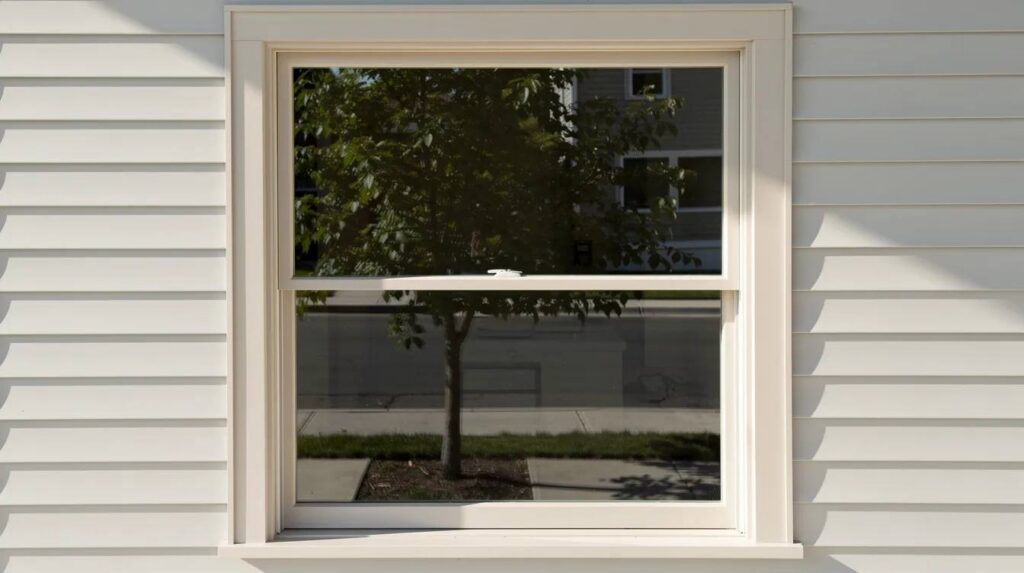
Homeowners often prioritize daytime privacy for street facing windows, especially in living rooms, dining rooms, or home offices near sidewalks. Reflective films create a mirror effect during the day, giving pedestrians a soft reflection instead of a view into your interior. Tinted films enhance daytime privacy while allowing visibility from the inside, so you can still enjoy looking out.
These films should be paired with blinds or curtains at night if keeping outsiders from seeing in is critical after dark. Real-world use cases include townhomes in dense urban areas, corner lots with large picture windows, and homes near public walking trails.
Living Spaces, Home Offices & Large Glass Doors
In shared living spaces, the priority is usually a combination of strong glare reduction for TVs and screens, uv protection for flooring and furniture, and consistent temperatures near large glass doors. Neutral or ceramic films preserve color accuracy and natural views while cutting heat and glare on sliding doors and picture windows.
For home offices, films that reduce screen glare protect monitors and keep Zoom-call spaces comfortable throughout the day. If your windows frame a lake, mountains, or city skyline, a higher VLT performance film avoids making glass look overly dark while still delivering meaningful heat rejection.
Key Benefits of Window Tint for House Windows
Modern residential window films deliver four core benefits simultaneously: energy savings, comfort, uv protection, and privacy options. Below is a closer look at each, with real performance numbers rather than vague marketing claims.
UV Blocking & Fading Protection
Tinting blocks up to 98% of harmful uv rays, and certain films can block up to 99% of UV rays depending on product grade. Most privacy films block up to 99% of UV rays as well, making them dual-purpose. UV is present even on cloudy days and during colder months, so uv blocking is a year-round benefit-not just for summer.
While film does not stop all fading (visible light and heat also contribute), it substantially slows the process compared to untreated glass. A 2025 Window Film Depot project protected a client’s original 1940s oak floors and a family gallery wall by installing clear UV-blocking film on historic windows-preserving both without altering the home’s style or character.
Glare Reduction & Screen Comfort
Glare is what happens when intense or angled sunlight overwhelms a room-washing out your TV during a Sunday game or causing eye strain at a home office desk. Residential window tints can reduce glare, making it easier to view screens without pulling every shade in the house.
Glare reduction films can cut visible light intensity by 30–70% depending on product choice. The advantage is that you can select a film that keeps living spaces feeling open and bright while eliminating the worst hotspots. Anti-glare benefits are especially obvious in media rooms, open-concept areas, and lofts with large west-facing glass.
Energy Efficiency & Year-Round Comfort
This is where window tint makes a measurable difference on your utility bills. Quality window films can block up to 80% of incoming solar heat, and window films can significantly lower air conditioning costs by reducing heat gain. Window films reduce heat gain by up to 50% for single-pane windows, and some films improve the insulation of a single-pane window to nearly that of a double-pane window.
Tinting can reduce energy costs by easing HVAC strain, and tinting can ease strain on HVAC systems across both cooling and heating seasons. Certain window films can reduce summer energy use by as much as 15%. Window tinting can reduce energy costs year-round-low-e films help retain indoor heat in winter by reflecting radiant heat back into the room, contributing to lower heating costs during colder months.
Tinting improves comfort by reducing hot spots near windows, and window films can create consistent indoor temperatures from room to room. Tinting can create a more consistent indoor temperature, which means your HVAC system cycles less and lasts longer. For homeowners focused on improving energy efficiency, film is one of the most cost-effective retrofit tools available.
Privacy, Safety & Security Add-Ons
Privacy window tinting reduces visibility from the outside-useful on sidelites next to front doors, basement windows, and bathroom glass. Beyond privacy, certain security films add a layer of safety by holding glass shards together if broken, resisting break-ins and storm damage.
Window Film Depot can combine solar performance with security features in a single product. This is a retrofit solution-no need to replace existing windows to increase privacy or add protection. For homeowners who want to enhance both comfort and safety, layering solar control with security glazing covers multiple concerns without multiple projects.
Daytime vs. Nighttime Privacy: What You Need to Know
Many homeowners misunderstand how reflective films work. Privacy depends on which side of the glass is brighter. During the day, when the sun lights up the exterior, reflective films provide daytime privacy but not at night. Choosing the right film means matching expectations: a daytime privacy solution for front rooms versus 24/7 privacy in sensitive areas like bathrooms.
Window Film Depot consultants walk homeowners through this trade-off during on-site assessments so there are no unpleasant surprises after installation.
Why Daytime Privacy Works So Well
Reflective films behave like a one-way mirror when outside is brighter than inside. Pedestrians and neighbors see their own reflection instead of your interior, while you maintain clear outward visibility. This works great for a home office window facing a busy sidewalk-you look out freely, but passersby see only a soft mirror image.
Film selection should account for local climate and sun patterns. In very cloudy regions, the mirror effect is less dramatic, so a slightly lower VLT or dual-reflective film may be a better match.
The Nighttime Privacy Challenge & Solutions
Once interior lights come on and the outdoors goes dark, the one-way effect reverses. Reflective film alone will not provide nighttime privacy. The practical answer is pairing reflective or tinted films with window treatments like curtains, shades, or blinds in bedrooms and living rooms where night visibility matters.
For 24-hour coverage, frosted films provide constant privacy regardless of lighting. Frosted film on a first-floor bathroom window paired with reflective solar film on a second-story living room facing the street solves different privacy needs with different products-each chosen for the specific room.
Cost, Professional Installation & Project Timeline
Pricing for window tint on house windows depends on film type, total square footage, window accessibility, and your region. In 2026, professionally installed residential solar control or privacy film typically runs $8–$15 per square foot, while higher-spec ceramic, security, or decorative films can range from $20–$40+ per square foot.
While DIY static-cling film may be cheaper upfront, professional installation yields better longevity, optical clarity, and warranty coverage. Homeowners often see payback in 2–5 years through reduced cooling and heating costs plus extended life of furnishings that would otherwise need replacement from UV and heat damage.
Why Professional Installation Matters
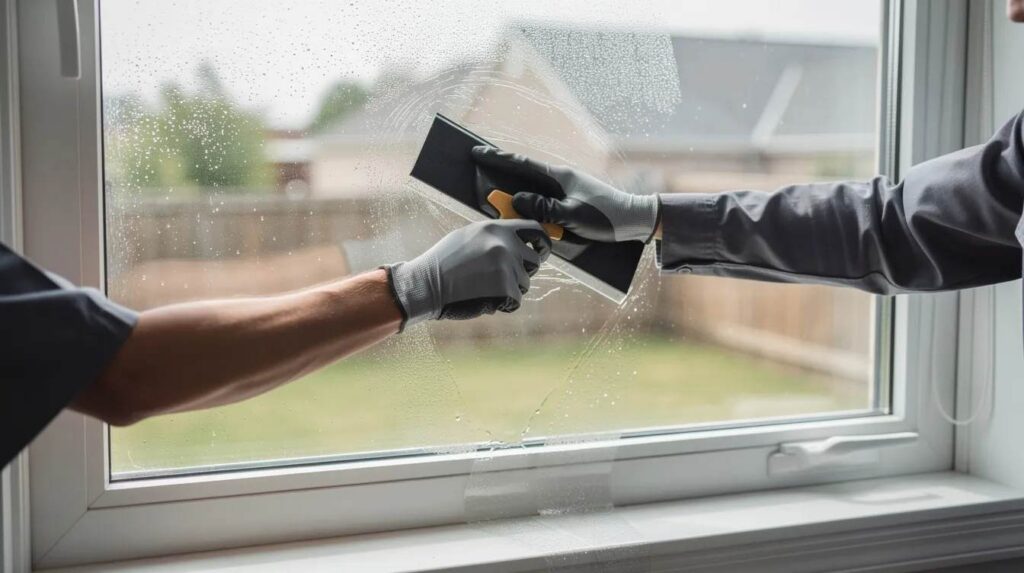
Professional installers prepare glass meticulously: cleaning, scraping paint specks, removing stickers, and inspecting seals and frames. The installation process involves precise measuring, cutting film to size, applying a slip solution, squeegeeing out water and air bubbles, and trimming edges for a nearly invisible finish. When film is installed correctly, it looks like part of the glass itself.
Poor installation can lead to bubbling and peeling-the most common complaints with DIY jobs. Dust trapped under film, creased edges, and uneven trimming are difficult to fix after the fact. Window Film Depot’s teams are trained on 3M specifications, carry liability insurance, and can complete most single-family homes in one to two days.
What to Expect During a Window Film Depot Home Project
The process follows a clear sequence:
- Initial inquiry – Phone or online contact to discuss goals
- On-site assessment – Measurements, glass type identification, orientation review
- Film recommendations – Tailored product selection for each room
- Written proposal – Transparent pricing with no hidden fees
- Scheduling & installation – Typically one to two days for a standard home
- Final walkthrough – Quality check with the homeowner
Furniture near windows is moved and protected, and installers work room by room to minimize disruption. Films may appear hazy for several days as moisture from the adhesive evaporates; full clarity typically arrives within 7–30 days depending on climate. Homeowners should ask about warranty terms covering peeling, bubbling, discoloration, and glass breakage.
Maintenance, Lifespan & Care Tips
Quality residential window film can last 10–20 years or more when properly installed and maintained, especially on vertical glass. Care is simple, but a few rules matter to protect the film surface. Window Film Depot provides written care instructions after every installation to help homeowners maximize lifespan and keep their warranty valid.
Cleaning & Routine Care
Wait the manufacturer-recommended curing period-often 30 days-before cleaning newly tinted house windows. Use mild, ammonia-free glass cleaners or a diluted dish soap solution with soft microfiber cloths or a rubber squeegee. Avoid abrasive pads, razor blades, or harsh chemicals that can scratch or discolor film. Never pick at edges or corners with fingernails or tools, and skip anything with glue residue that could damage the surface.
How Long Does Window Film Last on House Windows?
Lifespan depends on film type, quality, sun exposure, and climate. Many premium 3M residential films perform effectively for 12–20 years on typical double-pane windows under normal conditions. Warranties often cover both product and labor for a defined term.
If you notice widespread bubbling, purple discoloration, or edge failure on aging film, those are signs it is time for an upgrade. Schedule an inspection rather than attempting a DIY patch-an installer can assess whether a full replacement or targeted repair makes more sense.
Legal, HOA & Safety Considerations
Residential window film regulations are generally less strict than automotive tint laws, but some municipalities and HOAs have rules about reflectivity and exterior appearance. Before choosing a highly reflective product, check any applicable HOA covenants-especially in planned communities or condos. Window Film Depot can provide film samples and technical data sheets for HOA boards when permission and approvals are required.
Local Tinting Rules & Neighbor Impact
Some jurisdictions limit highly reflective exterior surfaces to avoid creating glare that affects drivers or neighbors. In dense neighborhoods, responsible film selection means choosing neutral or low-reflective films that do not create intense sun reflections capable of damaging nearby landscaping, siding, or parked vehicles. Window Film Depot’s installers stay current on code-compliant options and can guide you through requirements specific to your state or city.
Glass Type, Warranty & Safety Compatibility
Different glass types-annealed, tempered, laminated, double-pane IGUs, and low-e coated-behave differently with added film. The wrong pairing can risk thermal stress cracks. A professional survey includes identifying glass type, manufacturer stickers, and frame condition before recommending the right window film.
Some window manufacturers’ warranties may be affected by aftermarket films. Reputable installers like Window Film Depot offer supplemental glass breakage coverage to bridge any gaps, and they work exclusively with products from major brands like 3M that are tested for compatibility with common residential glazing systems.
Why Choose Window Film Depot for Home Window Tinting
Window Film Depot is a family-owned company that has been installing and supplying window films since 1992. With a foundation built on complex commercial and government projects-including multi-site national rollouts-WFD brings that same level of precision, access to high-spec products, and turnkey project management to residential customers.
Core differentiators include a direct 3M partnership, trained in-house installation teams with national reach, and a consultative approach that matches film to your actual goals rather than pushing a single generic product. Whether you need energy savings on a brick colonial, uv blocking on a mid-century modern, or a privacy solution for a downtown townhome, Window Film Depot carries both standard residential films and higher-performance architectural and security films that many purely residential tint shops simply do not stock.
FAQs About Window Tint for House Windows
Will window tint make my house too dark?
Not if you choose the right film. Many modern ceramic films allow 60–80% of visible light through while still rejecting significant heat and UV. Your installer can show you samples on your actual glass so you can see the difference before committing.
Can I get both heat reduction and clear views?
Yes. High-VLT solar control films are designed specifically for homeowners who want to save on energy costs without sacrificing brightness or outdoor views. These films reject heat primarily in the infrared spectrum, allowing light through while blocking the wavelengths that make rooms hot.
Does window film go on the inside or outside of house windows?
Most residential films are applied to the interior surface of the glass. This protects the film from weather and extends its life. Exterior films are used only in specific situations, such as certain dual-pane configurations where interior application is not recommended.
How does tint affect nighttime privacy?
Reflective and tinted films provide strong daytime privacy, but once interior lights are on at night, the effect reverses. For rooms where nighttime privacy matters, frosted or opaque films-or pairing tinted film with blinds-are the recommended approach.
Is window film safe for double-pane and low-e windows?
It can be, but compatibility matters. Not every film works on every glass type. Professional installers identify your glass and match it to tested, approved films to avoid thermal stress issues. Window Film Depot uses 3M products with documented compatibility data.
Can Window Film Depot handle multi-location or national rollouts?
Absolutely. Window Film Depot maintains a national installer network and offers turnkey project management, from specification and sample approval through scheduling and final punch-list. This allows clients, whether retail chains, banks, government agencies, or school districts, to get consistent quality and pricing across every location without managing multiple vendors.
Can window film be removed later without damaging the glass?
Yes. Professionally installed film can be removed by a trained technician using heat and solution without harming the glass surface. DIY removal is possible but risks scratching if done with improper tools.
How long does installation take for a typical single-family home?
Most homes with 20–30 windows are completed in one to two days. Larger or multi-story homes with difficult access may take slightly longer.
What is the difference between DIY static-cling film and professionally installed 3M film?
Static-cling films are temporary, thin, and offer limited performance. Professional installation with 3M adhesive-backed films provides superior heat rejection, UV protection, optical clarity, and a warranty that covers both product and workmanship. The performance gap is substantial and visible within the first season.
Next Steps: Talk to Window Film Depot About Your Home Windows
Whether you are solving a glare problem in your living rooms, protecting hardwood floors from fading, or creating a privacy solution for ground-level windows, the right window film makes an immediate and measurable difference in your daily life.
Before reaching out, gather a few basics: which rooms bother you most, which direction your problem windows face, and whether your HOA has any appearance guidelines. This helps Window Film Depot’s team provide a faster, more accurate recommendation.
Contact Window Film Depot by phone or through the website to schedule a consultation or request a free quote. The team serves both residential and commercial clients across the United States and can help you find the right film for every window in your home.