Table of Contents:
- Beyond Consumer Ratings: Why Standard ‘Reviews’ Miss the Mark for Commercial Projects
- Decoding Performance: Key Metrics for Evaluating 3M Window Films in Large-Scale Deployments
- Strategic Film Selection: Comparing 3M Series for Your Project’s Specific Demands
- Beyond the Product: Why Installer Reliability is the Most Critical ‘Review’ for Commercial Success
- From Planning to Punchlist: The Project Management ‘Review’ for Multi-Site 3M Film Rollouts
- Illustrative Scenario: De-risking a National Retail Rollout with Data and Expertise
- The Window Film Depot Advantage: Our Process, Your Peace of Mind as the #1 U.S. 3M Installer
- Conclusion: Rethinking ‘Reviews’: Key Takeaways for Commercial Project Managers
- Frequently Asked Questions
Beyond Consumer Ratings: Why Standard ‘Reviews’ Miss the Mark for Commercial Projects


If you’re researching 3M window film reviews for a commercial project, the real question isn’t what consumers think—it’s how the film performs at scale, in real-world business environments.
When evaluating solutions for a large-scale commercial deployment, the casual “review” found on consumer sites offers little utility. A project manager requires predictable, quantifiable outcomes, not anecdotal satisfaction. The stakes are simply too high to base critical decisions on subjective opinions or isolated experiences.
The Limitations of Anecdotal Evidence for Large-Scale Investments
Consumer reviews, while valuable for individual purchases, inherently lack the depth and objective data required for professional procurement. They typically focus on personal satisfaction, aesthetics, or ease of a single installation, rarely delving into performance metrics, long-term durability, or energy savings over a portfolio of properties. For a multi-site deployment, a single positive or negative experience tells us nothing about a product’s consistent performance across varying environmental conditions or an installer’s capability to execute complex logistics. We need a systemic view, grounded in verifiable specifications, not just a feeling.
The Cost of Relying on Consumer Sentiment in Professional Procurement
The financial implications of missteps in commercial projects are substantial. Selecting a film or installer based on consumer sentiment can lead to significant cost overruns, ranging from substandard energy performance failing to meet projected ROI to re-work due to poor installation quality. Consider a scenario where a chosen film underperforms on Total Solar Energy Rejected (TSER), leading to higher HVAC loads across an entire portfolio. The incremental energy costs alone could negate any perceived upfront savings, rendering the initial investment inefficient. Professional procurement demands evidence of a solution’s ability to perform consistently on-spec, on-time, and within budget, ensuring the long-term operational efficiency and asset preservation critical for a robust return on investment.
The Project Manager’s Unique Challenges: De-risking Vendor Selection at Scale
A project manager faces the formidable task of de-risking vendor selection across multiple locations, often with varying architectural styles and operational demands. His “review” criteria must extend far beyond product features to encompass the vendor’s logistical capabilities, project management prowess, and the consistent application of technical standards. This involves verifying an installer’s certifications, their capacity to deploy specialized equipment and trained personnel across geographically dispersed sites, and their proven track record in meeting stringent deadlines and quality controls. The true measure of a “good review” is an integrated solution where a high-performance film is matched by an installation partner capable of flawless execution at an enterprise scale, mitigating operational disruption and guaranteeing the projected benefits.
Decoding Performance: Key Metrics for Evaluating 3M Window Films in Large-Scale Deployments
Moving beyond subjective opinions, a data-driven approach to evaluating 3M window films for large-scale deployments hinges on understanding specific performance metrics. These quantifiable indicators provide a clear picture of a film’s capabilities, allowing Paul to make informed decisions that directly impact energy efficiency, asset preservation, occupant comfort, and security across his portfolio.
Understanding TSER, U-Factor, and SHGC for Energy Efficiency and ROI
For commercial projects, the primary drivers for window film adoption often revolve around energy performance and achieving a clear return on investment (ROI). Three critical metrics quantify this performance:
- TSER (Total Solar Energy Rejected): This metric represents the percentage of total solar energy (including ultraviolet, visible light, and infrared) that is blocked by the film. A higher TSER value indicates superior heat rejection, directly correlating to a reduced cooling load for HVAC systems. For example, a film with a TSER of 60% means 60% of the sun’s heat is prevented from entering the building. This translates to substantial energy savings, potentially offering a 2-year energy cost payback in cooling-dominant climates.
- U-Factor: The U-factor measures the rate of heat flow through the window assembly. A lower U-factor signifies better insulation properties, reducing both heat loss during colder months and heat gain during warmer periods. This is particularly relevant for climates with significant seasonal temperature variations, ensuring improved thermal comfort and year-round energy efficiency.
- SHGC (Solar Heat Gain Coefficient): SHGC quantifies the fraction of incident solar radiation admitted through a window, encompassing both directly transmitted radiation and absorbed radiation that is subsequently released inward. A lower SHGC value indicates less solar heat gain, which is crucial for minimizing the burden on air conditioning systems and optimizing energy consumption, especially in buildings with large expanses of glass.
By carefully analyzing these values in conjunction with local climate data and building specifications, Project Manager Paul can accurately project energy savings and calculate the long-term ROI for his investment.
The Science Behind UV Protection and Fade Control for Asset Preservation
Beyond thermal performance, 3M window films offer significant benefits in asset preservation through advanced UV protection. Ultraviolet (UV) radiation, composed of UVA and UVB rays, is a primary cause of fading, degradation, and deterioration of interior furnishings, merchandise, and structural elements.
3M films are engineered to block up to 99% of these harmful UV rays. This protective barrier significantly extends the lifespan of:
- Furniture and Upholstery: Preventing premature fading and fabric deterioration.
- Flooring: Protecting carpets, hardwood, and vinyl from discoloration and embrittlement.
- Artwork and Displays: Preserving the integrity and vibrancy of valuable exhibits and merchandise.
- Architectural Finishes: Slowing the breakdown of paints, wallpapers, and wood treatments.
This sustained preservation reduces the frequency of replacements and refurbishment cycles, safeguarding interior investments and maintaining the aesthetic value of the properties within Paul’s portfolio. The long-term savings from reduced asset depreciation contribute directly to the project’s overall financial health.
Assessing Glare Reduction and Natural Light Optimization for Occupant Comfort
Occupant comfort and productivity are vital considerations in commercial environments. Excessive glare from direct sunlight can hinder visibility on computer screens, cause eye strain, and create uncomfortable hot spots, leading to decreased employee morale and productivity.
3M window films address this by:
- Reducing Glare: Films with optimized Visible Light Transmission (VLT) percentages effectively diffuse harsh sunlight, creating a more uniform and comfortable lighting environment. A VLT of 30-50% often provides an ideal balance for glare reduction in office settings.
- Maintaining Natural Light: Crucially, advanced films can achieve significant glare reduction without substantially darkening interior spaces or imparting a mirrored look. This preserves the benefits of natural daylight, which research indicates positively impacts occupant well-being and reduces reliance on artificial lighting, offering a dual benefit of comfort and energy savings.
The strategic deployment of these films enhances the work environment, potentially reducing complaints and contributing to a more pleasant and productive atmosphere for building occupants.
Blast Mitigation and Security Enhancements with 3M Safety & Security Film Ratings
For facilities requiring enhanced security or located in areas prone to severe weather or potential threats, 3M Safety & Security Films provide a critical layer of protection. These films are not designed to stop bullets or prevent entry indefinitely, but rather to hold shattered glass together upon impact.
Key aspects include:
- Blast Mitigation: In the event of an explosion, these films prevent glass shards from becoming dangerous projectiles, significantly reducing the risk of injury to occupants. Performance is often validated through government and industry standards, such as GSA or ASTM ratings, specifying resistance to various blast pressures.
- Forced Entry Deterrence: By delaying and complicating the breach of a window, security films buy valuable time for occupants to react or for security personnel to respond. This added layer of resistance is a significant deterrent to smash-and-grab attempts.
- Severe Weather Protection: During hurricanes or extreme winds, these films help maintain the integrity of the building envelope by preventing glass from shattering inward, protecting both occupants and interior assets from elements.
The effectiveness of these films is directly tied to their thickness (measured in mils) and the strength of their adhesive. Evaluating specific product ratings and certifications is paramount for ensuring the film meets the precise security requirements of each site within Paul’s project.
Aesthetic Considerations and Brand Alignment with 3M Fasara Architectural Films
While performance metrics are critical, the visual impact and aesthetic integration of window films are equally important for brand alignment and interior design goals. 3M Fasara Architectural Films offer a diverse palette of decorative solutions that go beyond purely functional applications.
These films can:
- Enhance Privacy: Create semi-private or fully private spaces in conference rooms, offices, or medical facilities, without sacrificing natural light.
- Define Spaces: Introduce visual partitions and design elements that delineate areas within an open-plan environment.
- Reinforce Brand Identity: Custom-cut logos or specific patterns can be incorporated to align with corporate branding and architectural themes across multiple sites.
- Modernize Interiors: Provide a cost-effective alternative to etched or sandblasted glass, allowing for rapid transformation of existing glazing with minimal disruption.
By selecting films that complement the existing architectural style and corporate aesthetic, Project Manager Paul can ensure a cohesive and professional appearance across all properties, contributing to a positive brand perception and an elevated occupant experience.
Strategic Film Selection: Comparing 3M Series for Your Project’s Specific Demands

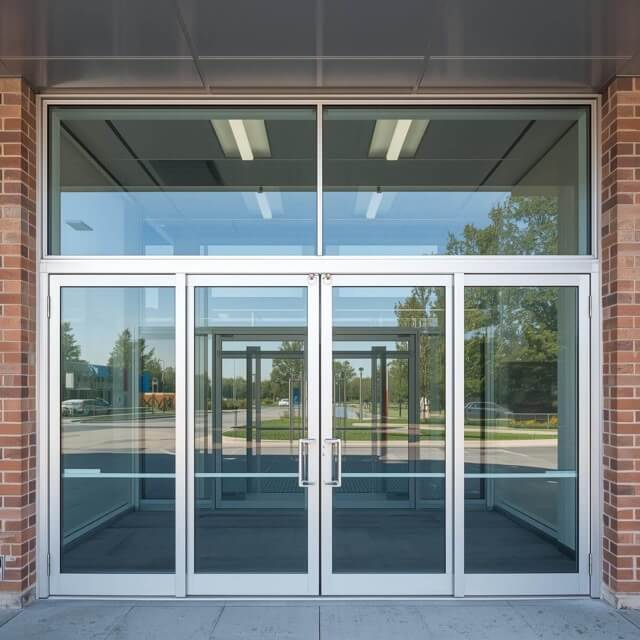
Selecting the appropriate 3M window film for a large-scale commercial project is a strategic decision that extends far beyond aesthetics. It involves a precise analysis of environmental factors, building performance objectives, and economic drivers. Each 3M film series is engineered with distinct capabilities designed to address specific challenges, making informed selection critical for achieving the desired ROI and operational efficiencies.
3M Thinsulate: Enhancing Insulation and Year-Round Comfort for Energy Savings
The 3M Thinsulate Climate Control Window Film series represents a significant advancement in building envelope optimization. Unlike traditional films primarily focused on solar heat rejection, Thinsulate films are designed to improve a window’s insulating properties, much like double-pane glass. By reflecting interior heat back into the room during colder months, they significantly reduce heat loss through glass. Conversely, in warmer periods, they help reflect exterior heat, mitigating solar heat gain. This dual-action capability leads to a more stable indoor temperature, reducing the demand on HVAC systems year-round. For project managers, this translates directly to quantifiable energy cost reductions and a more comfortable environment for occupants, often providing a favorable payback period that aligns with long-term operational budgets.
3M Sun Control Films: Optimizing HVAC Load and Interior Environments
3M Sun Control Films are engineered to address the persistent challenge of excessive solar heat gain, particularly critical in regions with high cooling demands. These films work by rejecting a significant portion of the sun’s infrared and ultraviolet rays, thereby reducing the heat load on a building’s air conditioning system. This direct reduction in HVAC cycling and energy consumption often forms the cornerstone of their energy savings proposition. Beyond energy, these films offer substantial benefits for interior environments:
- Glare Reduction: Minimizing harsh glare improves visual comfort for occupants and enhances productivity in office settings.
- UV Protection: Blocking up to 99% of harmful UV rays helps prevent premature fading of interior furnishings, flooring, and merchandise, safeguarding asset value.
- Aesthetic Versatility: Available in various tints and finishes, from virtually clear (like the Prestige series) to more reflective options, allowing for a balance between performance and architectural integrity.
The strategic deployment of sun control films, tailored to façade orientation and specific room functions, ensures maximum impact on energy efficiency and occupant well-being.
3M Safety & Security Films: Fortifying Perimeters and Protecting Assets
For projects where asset protection and occupant safety are paramount, 3M Safety & Security Films provide an invisible yet robust line of defense. These films are designed to hold shattered glass together upon impact, transforming ordinary windows into more resilient barriers. Their primary function is not to prevent glass from breaking but to mitigate the dangers associated with broken glass. This capability offers critical advantages for commercial applications:
- Forced Entry Deterrence: Slowing down or deterring unauthorized entry by making it more difficult to breach windows quickly.
- Blast Mitigation: Protecting occupants from flying glass shards during accidental or intentional explosions.
- Natural Disaster Protection: Reducing injury risk and property damage from windborne debris during severe weather events.
- Crime Prevention: Offering a critical time delay that allows for security response.
These films are available in various thicknesses, often combined with specialized attachment systems that anchor the film to the window frame, further enhancing their performance against significant impact. Specifying the correct film and attachment system requires a thorough risk assessment of the project’s specific security vulnerabilities and operational objectives.
Balancing Performance with Budget, Payback Period, and LEED Certification Goals
The selection of a 3M film series is rarely a singular decision; it’s a careful balancing act among several critical project parameters. For a project manager, this means moving beyond simple product features to a comprehensive analysis of how each option contributes to the overarching project goals:
- Performance Metrics: Evaluating films based on their specific technical data, such as Solar Heat Gain Coefficient (SHGC), U-factor, Visible Light Transmittance (VLT), and Ultraviolet Rejection (UVR). These metrics directly correlate to projected energy savings and occupant comfort.
- Budgetary Alignment: Understanding the initial capital expenditure for film and installation, and how it fits within the project’s financial constraints.
- Return on Investment (ROI) and Payback Period: This is often the most compelling factor. A thorough analysis should quantify anticipated energy savings, reduced maintenance costs (e.g., HVAC wear and tear), and potential avoided security losses to project a clear payback period. For example, a film spec translating to a 2-year energy cost payback is a powerful driver for adoption.
- LEED Certification Contribution: For projects targeting environmental certifications, understanding how specific films contribute to energy and atmosphere (EA) credits, daylighting, and material resource efficiency is vital. Many 3M films can be integral components of a sustainable design strategy.
A truly strategic film selection process involves a detailed consultation with experts who can model these factors, providing a data-driven recommendation that aligns performance objectives with financial and environmental targets.
Beyond the Product: Why Installer Reliability is the Most Critical ‘Review’ for Commercial Success
While selecting the optimal 3M window film series is foundational, the product itself is only half of the equation for commercial success. For a project manager overseeing a large-scale deployment, the most consequential “review” of any window film solution isn’t found in consumer star ratings; it’s rooted in the proven track record of the installation partner. The inherent quality of the film is realized only through expert application.
The Hidden Costs and Risks of Inexperienced Window Film Installers
Engaging an inexperienced or unproven window film installer for a commercial project carries significant, often hidden, risks that can derail timelines, inflate budgets, and compromise the intended performance of the film. These risks extend far beyond mere cosmetic imperfections:
- Suboptimal Performance: Improper installation can negate the film’s energy-saving or security benefits. For instance, poor edge sealing can lead to premature film failure or allow thermal bridging, impacting the calculated ROI.
- Project Delays and Rework: Inexperienced teams often lack the efficiency or technical skill for large-scale logistics. This can result in installation errors requiring costly rework, extended project timelines, and disruption to ongoing operations.
- Warranty Invalidation: Many manufacturers’ warranties are contingent on professional installation. Using an uncertified installer can void these critical protections, leaving the project owner vulnerable to future issues without recourse.
- Property Damage and Safety Hazards: Lack of proper training or adherence to safety protocols can lead to damage to existing windows, surrounding property, or even pose risks to workers and building occupants.
- Reputational Damage: A project plagued by installation issues reflects poorly on all stakeholders involved, potentially impacting future opportunities for the project manager.
These cumulative risks demonstrate that the initial savings from a lower-bid, inexperienced installer are almost invariably overshadowed by the subsequent costs and liabilities.
What Defines a Truly Professional Commercial Window Film Installation Team
A truly professional commercial window film installation team stands apart through a combination of specialized skills, robust processes, and a commitment to excellence that goes beyond simply applying film. They understand the nuances of large-scale commercial deployments:
- Deep Product Knowledge: Comprehensive understanding of various 3M film properties, application specifications, and environmental considerations for optimal performance.
- Proven Experience: A verifiable track record of successfully executing large, complex, multi-site commercial projects, demonstrating their ability to handle logistical challenges.
- Project Management Acumen: Expert planning, scheduling, and coordination capabilities, including effective communication with general contractors and other trades. This ensures seamless integration into the overall project timeline.
- Adherence to Safety Protocols: Strict compliance with OSHA regulations and implementation of site-specific safety plans, minimizing risk for all personnel and property.
- Quality Assurance Processes: Internal quality control checks throughout the installation process to guarantee a flawless finish and adherence to manufacturer guidelines.
- Comprehensive Insurance and Bonding: Providing robust protection against potential liabilities, offering peace of mind to the project owner.
- Responsive Communication: Maintaining clear, consistent, and proactive communication with the project manager, providing regular updates and addressing any concerns promptly.
These attributes collectively form the bedrock of reliability and predictability that Project Manager Paul requires for de-risking a significant investment.
The Value of 3M Certified Training, Experience, and Partnership Status
For any commercial window film project, the value proposition of a 3M Certified Installer is immense, acting as a crucial validator of their capabilities. This certification signifies more than just familiarity with the product; it represents a rigorous commitment to industry best practices and manufacturer-specific protocols.
- Manufacturer-Approved Techniques: Certified installers undergo comprehensive training directly from 3M, ensuring they master the precise application techniques required for each film type. This adherence to manufacturer guidelines is often a non-negotiable condition for maintaining film warranties.
- Up-to-Date Knowledge: Certification programs ensure installers are continuously educated on new product innovations, installation technologies, and evolving industry standards.
- Technical Support Access: Certified partners typically have direct access to 3M’s technical support and engineering teams, enabling them to troubleshoot complex issues effectively and leverage manufacturer expertise for challenging projects.
- Quality Assurance & Accountability: The certification acts as a third-party endorsement of quality and professionalism. It implies a higher degree of accountability, as their performance is intrinsically linked to the 3M brand’s reputation.
Choosing a 3M Certified Installer fundamentally de-risks the project by providing assurance that the installation will meet the exacting standards of the manufacturer, thereby maximizing the film’s performance and longevity.
De-risking Your Project: A Focus on Expertise, Accountability, and Scalability
Ultimately, for Project Manager Paul and similar stakeholders, de-risking a large-scale window film deployment hinges on three non-negotiable pillars: expertise, accountability, and scalability.
- Expertise: This encompasses not only the installer’s technical proficiency with 3M products and application but also their deep understanding of building dynamics, energy performance, and security requirements. It’s the ability to translate project goals into precise film specifications and flawless execution.
- Accountability: A reliable installer stands behind their work. This is evidenced through comprehensive warranties, clear communication channels, adherence to deadlines, and a proactive approach to problem-solving. They take full ownership of the installation outcome, ensuring the project’s objectives are met without unexpected liabilities.
- Scalability: For multi-site rollouts or extensive single-building projects, the installer’s capacity to deploy resources efficiently and consistently across diverse locations is paramount. This includes robust logistical planning, consistent quality control across all teams, and the ability to adapt to varying site conditions without compromising schedule or quality.
The true “review” that matters for a commercial project isn’t an online star rating; it’s the tangible evidence of an installer’s track record – their consistent ability to deploy the right film on-spec, on-time, and on-budget across multiple sites. This combination of proven film performance data and the installer’s documented execution capability is what truly provides the reliability and quality necessary for commercial success.
From Planning to Punchlist: The Project Management ‘Review’ for Multi-Site 3M Film Rollouts
For a project manager overseeing a large-scale deployment, the evaluation of a window film solution extends far beyond the technical specifications of the product itself. It encompasses the entire execution ecosystem. The true “review” of a 3M window film installation partner for a multi-site project is a detailed assessment of their project management capabilities, their logistical prowess, and their commitment to verifiable outcomes from the initial consultation through to the final punchlist and beyond. This approach provides the tangible evidence required to de-risk significant capital expenditures and ensure consistent performance across an entire portfolio.
Scalability and National Reach: Managing Complex Logistics Across Diverse Locations
Deploying 3M window films across numerous locations presents a unique set of logistical challenges. Each site often has distinct operational hours, access requirements, climate considerations, and aesthetic preferences. A competent national installer demonstrates a sophisticated understanding of distributed operations, employing a centralized project management office (PMO) model to coordinate localized teams. This structure ensures a unified standard of quality and process, while allowing for the necessary flexibility to adapt to regional nuances. Their ability to consistently source materials, deploy certified technicians, and manage timelines across varying geographical zones directly impacts project efficiency and cost control. This national footprint, coupled with local execution capability, is a critical component of a reliable vendor’s track record.
On-Spec, On-Time, On-Budget: The Trifecta of Project Success in Large Deployments
The success of any commercial rollout is ultimately measured against three fundamental pillars: adherence to specifications, timely completion, and cost efficiency. For 3M window film projects, “on-spec” means the selected film’s performance characteristics—such as Visible Light Transmittance (VLT), Total Solar Energy Rejected (TSER), or shatter resistance—are consistently achieved and verifiable post-installation across all sites. An installer’s history of deploying solutions that meet or exceed these specifications speaks volumes. “On-time” completion is crucial for minimizing disruption to business operations, particularly in retail or hospitality sectors where downtime translates directly to lost revenue. Robust scheduling, proactive problem-solving, and a proven capacity to manage concurrent installations define an installer’s ability to deliver within agreed timelines. Finally, “on-budget” execution requires meticulous cost management, transparent invoicing, and a track record of minimizing unforeseen expenses or change orders. The installer’s project review is, in essence, their verifiable performance against these key performance indicators (KPIs) over a history of similar large-scale projects.
Seamless Communication and Coordination: Bridging the Gap Between Sites and Stakeholders
Effective communication serves as the backbone of any successful multi-site project. A reliable partner establishes clear, consistent communication protocols from the outset, ensuring all stakeholders—from corporate project managers to individual site managers and facility teams—are informed and aligned. This involves:
- Centralized Reporting: Providing regular, standardized updates on project status, progress, and any potential issues across all locations.
- Dedicated Project Managers: Assigning a single point of contact responsible for overseeing the entire rollout, streamlining decision-making and accountability.
- Proactive Issue Resolution: Identifying and addressing challenges swiftly, leveraging experience to mitigate risks before they escalate.
- Stakeholder Engagement: Facilitating regular meetings and site-specific briefings to ensure local teams are prepared and understand their roles in the deployment process.
This level of coordinated information flow builds trust and minimizes the operational friction that can derail complex projects. It’s a testament to an installer’s organizational maturity and commitment to partnership.
Comprehensive Quality Assurance and Robust Post-Installation Support
The integrity of a 3M window film installation is not merely about application; it is about guaranteeing long-term performance and durability. A thorough quality assurance (QA) process is non-negotiable for large-scale deployments. This typically includes pre-installation site inspections, in-process quality checks, and final post-installation reviews to ensure films are applied correctly, free from defects, and performing to specification. Beyond the installation, robust post-installation support is vital. This includes clear warranty documentation from both 3M and the installer, accessible channels for service requests, and a proactive approach to addressing any potential performance issues. This commitment to long-term performance directly impacts the project’s overall return on investment (ROI) and minimizes future maintenance liabilities, safeguarding the initial capital outlay for years to come.
Illustrative Scenario: De-risking a National Retail Rollout with Data and Expertise
To further clarify the principles discussed, consider the practical application of these project management “reviews” in a hypothetical national retail rollout. Here, the emphasis shifts from generic product features to how an expert installer leverages data and a methodical approach to deliver quantifiable value across a diverse property portfolio.
Initial Assessment and Objective Setting for Complex Multi-Site Projects
The foundation of a de-risked national rollout begins with a comprehensive, data-driven initial assessment. This phase moves beyond simple quotes and focuses on understanding the specific challenges and opportunities inherent in each retail location. For a project manager, this means the installer isn’t just asking about square footage, but is collaborating to establish measurable objectives:
- Baseline Data Collection: Conducting energy audits, analyzing HVAC load profiles, assessing existing glass conditions, and evaluating security vulnerabilities for each unique site.
- Performance Target Definition: Quantifying desired outcomes, such as a 15% reduction in peak cooling loads, a 3-year energy cost payback period, or enhanced compliance with safety glazing standards.
- Operational Impact Analysis: Understanding store operating hours, customer traffic patterns, and merchandising requirements to minimize disruption during installation.
This initial, detailed collaboration ensures that the subsequent film recommendations and deployment strategy are precisely aligned with the retailer’s business goals and operational realities.
Strategic 3M Film Recommendations Tailored to Diverse Regional and Site-Specific Needs
With a clear understanding of objectives and site-specific data, an expert installer then crafts strategic 3M film recommendations. This is where 3M’s diverse product portfolio truly shines, but its effective application depends on the installer’s expertise. For a national retail chain, this often involves:
- Climate Zone Optimization: Recommending high-performance solar control films like 3M Sun Control Window Film Prestige Series for south-facing windows in hot climates to reduce solar heat gain and mitigate glare for shoppers, while perhaps suggesting a different film in cooler northern regions.
- Security Layering: Applying 3M Safety & Security Window Films, potentially in conjunction with Impact Protection Attachment Systems, to storefronts in higher-risk areas, balancing security needs with aesthetic integration.
- Brand Consistency: Ensuring VLT and exterior reflectance are carefully considered to maintain a consistent brand image across all locations, even with varying film types.
- Energy Performance Modeling: Utilizing software to project the energy savings specific to each site’s climate, orientation, and existing glass type, providing a granular ROI forecast.
This tailored approach ensures that each dollar invested in film technology delivers maximum impact, addressing the specific energy, comfort, or security challenges of individual stores within the broader portfolio.
The Phased Approach to Deployment, Implementation, and Quality Control
Executing a national rollout necessitates a structured, phased approach rather than a single, monolithic effort. This methodology allows for continuous improvement, resource optimization, and effective risk management. A typical deployment might include:
- Pilot Program: Selecting a representative subset of stores for initial deployment, allowing for the refinement of installation protocols, communication strategies, and logistical workflows. This phase provides invaluable learning that can be scaled.
- Regional Rollouts: Expanding deployment in manageable regional clusters, leveraging dedicated local installation teams coordinated by the central PMO.
- Iterative Quality Checks: Implementing a multi-tier quality control system, including on-site supervisor checks, client inspections, and post-installation film performance validation using specialized tools.
- Installation Documentation: Maintaining detailed records of film types, application dates, and warranty information for each pane and location, creating a robust historical archive.
This phased, methodical execution minimizes operational disruption, maintains quality standards, and allows for agile adjustments based on real-world feedback from early deployments.
Measuring Tangible ROI and Project Impact Across a Portfolio
The ultimate “review” of a national 3M film rollout is its measurable impact on the client’s bottom line and operational efficiency. The expert installer provides the data and framework to quantify this value across the entire portfolio. This goes beyond the initial installation cost to encompass:
- Energy Cost Reductions: Providing aggregated and site-specific reports detailing verified energy savings (e.g., kWh reduction, dollar savings) directly attributable to the 3M film, often through post-installation energy audits or utility bill analysis.
- Occupant Comfort and Productivity: Quantifying improvements in internal temperatures, reduction in hot spots, and glare mitigation, which can lead to enhanced employee satisfaction and customer experience.
- Security Enhancement Validation: Documenting incidents of attempted forced entry or glass breakage and demonstrating the protective benefits of safety film, providing a clear value proposition in loss prevention.
- Payback Period Analysis: Presenting a clear, data-backed analysis of the project’s financial payback period and overall lifecycle cost savings.
By providing this level of detailed, verifiable project impact, the installer offers Project Manager Paul not just a product but a data-backed solution that drives tangible business outcomes and solidifies the decision to partner for future projects.
The Window Film Depot Advantage: Our Process, Your Peace of Mind as the #1 U.S. 3M Installer
When navigating the complexities of large-scale commercial retrofits or new construction, the choice of a window film partner extends far beyond product brochures. It’s about securing an integrated solution that delivers on performance, budget, and timeline. As the #1 U.S. 3M Installer, our approach is designed to provide Project Manager Paul with the concrete data and proven execution he needs. We translate technical specifications into tangible project outcomes.
Our Commitment to Data-Driven Recommendations and Objective Film Selection
Our process begins with an analytical deep dive into your project’s specific challenges and objectives. We don’t just sell film; we provide solutions backed by quantifiable data. This means evaluating factors like solar heat gain coefficient (SHGC) reduction, visible light transmission (VLT), and ultraviolet (UV) rejection, then correlating these directly to your project’s energy savings goals, occupant comfort, and interior preservation needs.
We leverage proprietary software and 3M’s extensive technical specifications to project energy cost reductions with precision. For instance, recommending a specific 3M Sun Control Film, such as the Prestige Series, might translate to an estimated 15-20% reduction in HVAC load, offering a projected 2-3 year energy cost payback period. This objective, data-driven approach removes guesswork, allowing you to present a clear ROI case to stakeholders. Our recommendations are rooted in your project’s unique data, ensuring the selected film optimally addresses your site-specific requirements.
Unparalleled Project Management Capabilities for Large-Scale Commercial Deployments
Executing a multi-site window film installation across a portfolio of properties demands a level of logistical sophistication that few installers possess. Our project management framework is built precisely for this scale and complexity. We understand that timely completion and minimal disruption are paramount to your success.
Our capabilities include:
- Centralized Coordination: A dedicated project manager serves as your single point of contact, streamlining communication across all sites.
- Logistics Optimization: We manage material procurement, inventory, and delivery to ensure films arrive on schedule, minimizing delays.
- Phased Deployment Strategies: We develop detailed installation schedules that account for facility operational hours, occupant schedules, and specific site constraints. This often involves staggered installations to maintain business continuity.
- Resource Allocation: Our national network of certified installers allows us to deploy appropriately sized teams to each location, ensuring efficient and consistent application quality.
- Proactive Problem Solving: We anticipate potential issues and implement mitigation strategies, from unexpected weather delays to on-site access challenges, keeping your project on track.
This meticulous attention to operational detail ensures that whether your project spans two buildings or twenty, the execution remains seamless, on-time, and within budget.
Certified 3M Expertise, Proven Methodologies, and Rigorous Quality Assurance
Our distinction as the #1 U.S. 3M Installer isn’t just a title; it reflects a deep, certified expertise and an unwavering commitment to quality. Every member of our installation team undergoes rigorous 3M training and certification processes, ensuring they possess an intimate understanding of each film’s unique characteristics and application requirements.
Our methodologies are standardized and proven through thousands of successful projects. This includes:
- Precision Preparation: Detailed surface preparation protocols ensure optimal adhesion and a flawless finish.
- Controlled Installation Environments: We implement measures to control dust and environmental factors to prevent common installation defects.
- 3M-Approved Techniques: Our teams exclusively use techniques and tools recommended by 3M, guaranteeing product warranty compliance and longevity.
Quality assurance is embedded at every stage. From pre-installation material checks to post-installation inspections, we maintain strict adherence to 3M specifications and our own high standards. This layered approach to quality control minimizes rework and ensures the installed film performs as specified, providing long-term reliability and satisfaction.
A Collaborative Partnership Approach to Achieving Your Project’s Goals
We view ourselves as an extension of your project team, deeply invested in your success. Our collaborative model is built on transparency, proactive communication, and a shared commitment to achieving your project’s defined outcomes. We understand that effective partnership means more than just installing film; it means understanding your constraints, your priorities, and your ultimate vision.
We work closely with you to:
- Define Success Metrics: Clearly outline what “success” looks like for your project, beyond just installation, such as energy savings targets or improved tenant comfort.
- Integrate with Your Teams: Coordinate seamlessly with your facility managers, security personnel, and other contractors.
- Provide Regular Updates: Maintain open lines of communication with consistent progress reports and immediate notification of any unforeseen challenges.
- Offer Post-Installation Support: Our partnership extends beyond project completion, offering ongoing support and warranty information to ensure sustained performance.
This partnership approach ensures that your window film project integrates smoothly into your larger operational goals, yielding the desired results with minimal oversight burden on your part.
Conclusion: Rethinking ‘Reviews’: Key Takeaways for Commercial Project Managers
Summarizing the Shift from Consumer Opinion to Professional Evaluation
For the commercial project manager, the concept of a ‘review’ must evolve beyond anecdotal testimonials or star ratings. What truly matters is a professional evaluation, grounded in verifiable data and a demonstrably reliable track record. The most valuable “review” for a 3M window film project is a confluence of scientifically proven product performance and the installer’s documented capability to execute complex, large-scale deployments with precision, within budget, and on schedule. This redefinition focuses on tangible, measurable outcomes that directly impact your project’s success and your organization’s bottom line.
The Synergistic Role of Film Performance Data and Installer Expertise
A critical insight for de-risking your project is understanding the symbiotic relationship between advanced film technology and expert installation. The most efficient 3M film, boasting impressive SHGC reductions or blast mitigation ratings, is only as effective as its application. Conversely, even the most skilled installer cannot overcome the limitations of an incorrectly specified film. Optimal project outcomes are achieved when the right 3M film, selected through a data-driven process, is installed flawlessly by certified professionals utilizing proven methodologies. This synergy ensures that the theoretical benefits of the film translate into real-world performance and ROI.
Your Next Steps: Partnering for De-risked and Successful 3M Window Film Projects
Choosing a partner for your next commercial window film project is a strategic decision that demands careful consideration of expertise, scale, and proven performance. We invite you to engage with a partner who understands the intricacies of large-scale deployments and offers a transparent, data-backed approach. Let’s discuss your project’s unique requirements, allowing us to demonstrate how our commitment to objective film selection, unparalleled project management, and certified 3M expertise can provide the peace of mind you need. Partner with us to transform your windows into high-performance assets, confident in a de-risked and successful outcome.
Frequently Asked Questions
Are 3M window film reviews reliable for commercial projects?
Most consumer-style reviews are not reliable for commercial decisions because they focus on individual experiences rather than measurable performance data like energy savings, durability, or ROI.
What should commercial project managers look for instead of reviews?
They should focus on technical specifications such as SHGC, TSER, UV rejection, security ratings, and installer certification to evaluate real-world performance.
Do 3M window films actually save energy?
Yes. When properly specified and installed, 3M window films can significantly reduce solar heat gain and HVAC loads, leading to measurable energy cost savings.
How important is installation quality in 3M window film performance?
Installation quality is critical. Even the best film will underperform if not installed correctly, which is why certified 3M installers are essential for commercial projects.
What is the biggest mistake people make when reading 3M window film reviews?
The biggest mistake is relying on consumer opinions instead of data-driven performance metrics and professional installation track records, which are far more relevant for commercial use.