Table of Contents:
- What House Window Tinting Actually Does (and Why Most Homeowners Underestimate It)
- The True Cost of House Window Tinting: What $5 to $12 Per Square Foot Actually Gets You
- Solar Control and Energy Efficiency: What the Performance Numbers Really Mean
- UV Protection, Fade Prevention, and Occupant Health: The Case Beyond Energy Savings
- Security and Safety Films: Bringing Commercial-Grade Protection to Residential Glass
- Choosing the Right Film: Matching Specification to Property, Climate, and Risk Profile
- DIY vs. Professional Window Film Installation: A Realistic Comparison
- Warranty, Longevity, and Long-Term Maintenance: What a Professional Installation Should Guarantee
- How to Evaluate a Window Film Installer: Credentials, Experience, and Authorization
- Conclusion: Making the Most Defensible Decision for Your Property
- Frequently Asked Questions
What House Window Tinting Actually Does (and Why Most Homeowners Underestimate It)
House window tint is often seen as just a cosmetic touch, but it’s actually key for boosting energy efficiency, comfort, and protecting your interiors. Regular glass lets in heat, UV rays, and glare without much resistance. This blog breaks down how window tinting works, why choosing the right film is important, and how proper installation can deliver lasting performance benefits.
Beyond Aesthetics: The Performance Mechanics of Modern Window Film
Window film is an engineered optical system, not a cosmetic layer. At its core, a quality film manages the solar spectrum across three distinct bands: visible light, near-infrared radiation (NIR), and ultraviolet (UV). Each band behaves differently when it passes through glass, and each contributes differently to heat gain, glare, and interior degradation. Standard float glass blocks almost no infrared and only a fraction of UV, which means an untreated window is actively working against your HVAC system and your interior finishes year-round.
Modern high-performance films intercept solar energy before it converts to heat inside the room. Some achieve this through metallic layers that reflect NIR back outward.
Others use ceramic nanoparticle technology to absorb and dissipate infrared without the mirror effect. The result in either case is a measurable reduction in the thermal load your glass delivers, which is a fundamentally different outcome from simply darkening a room.
How Solar Heat Gain Coefficient and VLT Determine Real-World Outcomes
Solar heat gain coefficient (SHGC) and visible light transmittance (VLT) are the two numbers that actually define how a film performs in your home. SHGC measures the fraction of total solar energy that passes through a glazing system, expressed as a decimal between 0 and 1. A lower SHGC means less heat entering the space. An uncoated single-pane window typically carries an SHGC of 0.86. A well-specified ceramic film can bring that number down to 0.25 to 0.35, reducing solar heat gain by 60% or more without requiring glass replacement.
VLT describes the percentage of visible light the film transmits. A film with 50% VLT lets through roughly half the visible light that would otherwise enter. The relationship between SHGC and VLT is not linear, which is where specification decisions get consequential. A film with low VLT does not automatically have low SHGC, and vice versa. Choosing a film based on appearance or price without verifying both figures is how homeowners end up with dark rooms that are still hot in summer.
The Commercial-to-Residential Crossover: Why Enterprise-Grade Films Are Now Relevant to Your Home
Commercial building owners have applied high-performance window film for decades, driven by measurable ROI on energy costs and liability exposure on safety glass. The same product lines specified for curtain-wall facades and government facilities are now available for residential installation, and the performance gap between a commercial-grade film and a typical retail product has never been larger.
Ceramic films, multi-layer nano-composite films, and safety and security films rated to ANSI Z97.1 all originated in commercial and government applications. A homeowner with significant glazing exposure, high interior finish values, or a property in a high-solar climate now has access to the same specification logic and product performance that a commercial project manager would demand. The barrier was never technology. It was access to installers who actually understand how to work with these products.
Why Film Type and Installer Credential Matter More Than Price Per Square Foot
A $5-per-square-foot installation using the wrong film specification can underperform a well-executed $10-per-square-foot installation for the entire service life of the product. Film selection, surface preparation, edge finishing, and post-installation curing all affect whether a film delivers its rated performance and whether the adhesive bond holds over 10 to 15 years. An installer without manufacturer authorization cannot offer a manufacturer-backed warranty, which means any adhesive failure, delamination, or performance degradation becomes a dispute with the installer rather than a covered claim.
This is where residential buyers consistently make the costliest error: treating house window tinting as a commodity service and selecting on price alone. The credential that matters is authorization status with the film manufacturer, because authorization requires documented training, verified installation standards, and accountability to the manufacturer’s warranty program. That single factor separates a defensible, long-term investment from a surface-level upgrade that may look identical on installation day and fail quietly over the following years.
Need More Info?
The Window Film Depot team is happy to help.
The True Cost of House Window Tinting: What $5 to $12 Per Square Foot Actually Gets You
Breaking Down the Cost Variables: Film Specification, Glass Type, and Project Scope
The $5 to $12 per square foot range for professional residential window film installation reflects real variation in material cost, complexity, and accountability, not just markup. Film specification alone accounts for a $2 to $5 spread, with entry-level dyed polyester at the low end and multi-layer ceramic or security-grade film at the high end. Glass type matters because some coatings, particularly low-emissivity (low-E) glass, require compatibility verification before any film is applied. Applying an incompatible film to low-E glass can trap heat in the glass unit and cause thermal stress fractures, which voids the IGU manufacturer’s warranty.
Project scope drives the remaining cost variables. Large continuous expanses of glazing are more efficient to film than fragmented multi-pane grids. Accessibility, height, and the presence of existing films that need removal all add labor time. A detailed site assessment before quoting is not a formality. It is the mechanism that keeps cost estimates accurate.
What Separates a $5 Installation from a $12 Installation
Entry-Level and Standard Solar Control Films
Films in the $5 to $7 range are typically single-layer or dual-layer polyester constructions with dyed or lightly metalized coatings. They deliver meaningful glare reduction and modest solar heat rejection, and they perform well in applications where the primary goal is privacy or light control rather than energy management. Service life under professional installation runs 7 to 10 years in high-UV climates. These films are appropriate for secondary spaces, rental properties, or situations where budget constraints are genuine and performance expectations are calibrated accordingly.
Premium Ceramic, Multi-Layer, and Security-Grade Films
Films in the $9 to $12 range use ceramic nanoparticle technology, advanced nano-composite construction, or combined solar-safety architectures.
Ceramic film operates without metal, which means no signal interference and no reflective appearance. IR rejection ratings in this category run from 75% to over 90%, with SHGC values achievable below 0.30.
Security-grade films in this tier add mil thickness, typically 8 to 14 mil versus 2 to 4 mil for solar films, providing shatter containment and forced-entry resistance alongside thermal performance.
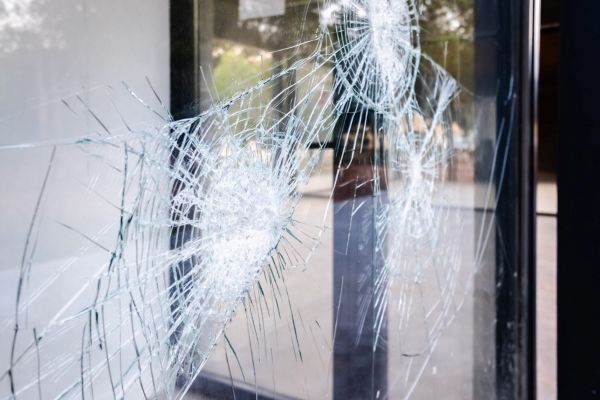
The price premium reflects real product differences. Ceramic and multi-layer films carry longer manufacturer warranties, typically 15 years to lifetime, require more precise installation technique, and are only available through authorized channels.
Home Window Tinting Cost Per Square Foot: What Drives the Full Price Range
For a typical residential project, total installed cost depends more on total glass area than on house size. A 2,000-square-foot home with standard glazing coverage might have 300 to 500 square feet of glass. At mid-range specification using ceramic solar control with professional installation, budget $2,800 to $5,000 for a complete installation. High-specification security film on a larger glazing package at a luxury property can reach $8,000 to $15,000 or more. Neither figure is inherently right or wrong without knowing the performance requirement.
ROI timelines vary by energy cost, climate, and HVAC efficiency, but documented energy savings from high-rejection window film typically run 5% to 15% on total cooling costs annually. In a high-solar climate with significant glazing, payback periods of 3 to 5 years on a quality ceramic installation are realistic. That calculation does not include the avoided cost of premature furniture replacement, UV-related flooring damage, or the comfort improvement that reduces reliance on supplemental cooling.
The Hidden Cost of Getting It Wrong: Rework, Adhesive Failure, and Voided Warranties
Adhesive failure looks like bubbling, delamination at edges, or a milky haze that develops 12 to 24 months after installation. It is almost always the result of inadequate surface preparation, incorrect film selection for the glass type, or improper installation technique. Correcting it means full removal of the failed film, glass cleaning, and reinstallation of new material. In most cases, that cost falls entirely on the homeowner when the original installer was unauthorized or installed without a manufacturer warranty.
The other failure mode is more insidious: a film that stays in place but delivers none of its specified performance because it was the wrong specification for the application. There is no visible indicator of underperformance. The homeowner continues paying elevated energy costs and accepting interior fade damage without connecting it to a film choice made three years earlier.
Film Tier Comparison Matrix
The following matrix maps film category to installed cost, key performance specifications, and the application scenarios where each tier delivers the best return.
| Film Category | Typical Cost (Per Sq Ft Installed) | SHGC Range | VLT Range | IR Rejection | Mil Thickness | Best Application Scenario |
|---|---|---|---|---|---|---|
| Entry-Level Solar / Dyed | $5 – $7 | 0.55 – 0.75 | 15% – 50% | 35% – 55% | 1.5 – 2 mil | Secondary rooms, rental properties, light control priority |
| Standard Metalized Solar | $6 – $8 | 0.35 – 0.55 | 20% – 50% | 50% – 70% | 2 – 4 mil | Primary living spaces, moderate solar exposure, glare control |
| Premium Ceramic Solar | $9 – $12 | 0.25 – 0.40 | 35% – 70% | 75% – 90% | 2 – 4 mil | High-value interiors, high-solar climates, low-E compatible options |
| Safety / Security (Standard) | $9 – $11 | 0.35 – 0.55 | 25% – 55% | 50% – 70% | 7 – 8 mil | Entry points, perimeter glazing, shatter containment priority |
| Security + Solar (Multi-Layer) | $11 – $14+ | 0.25 – 0.40 | 30% – 55% | 75% – 90% | 10 – 14 mil | Luxury residential, high-risk perimeter, combined protection |
A few application notes worth keeping in mind when reading this matrix:
- SHGC and IR rejection are related but not identical metrics. A film can report high IR rejection while still admitting meaningful visible-spectrum heat. Evaluate both figures for any specification decision.
- VLT range reflects the product family, not a single film. A ceramic film family may offer options from 20% to 70% VLT, all carrying similar IR rejection at different light transmission levels.
- Window film mil thickness is the specification that determines safety film performance under impact, blast pressure, or forced entry. Solar-only films in the 2 to 4 mil range provide no meaningful shatter containment.
- Low-E glass compatibility is a separate evaluation for every project. Not all films in any tier are low-E compatible. This must be verified against the specific IGU before the specification is finalized.
Solar Control and Energy Efficiency: What the Performance Numbers Really Mean
How Window Film Reduces Solar Heat Gain and Why SHGC Ratings Matter
Uncoated residential glass admits solar energy in two ways: direct transmission of visible light carrying heat energy, and re-radiation of absorbed heat from the glass surface into the room. Both are captured in the SHGC figure. Window film interrupts both mechanisms, either by reflecting NIR before it reaches the glass in the case of reflective and metalized films, or by absorbing and slowly re-emitting the energy outward as ceramic films do. The practical difference is that a ceramic film on a south-facing window performs the same function as a reflective film without creating a mirror effect visible from the street or interference with wireless devices inside the home.
A reduction from SHGC 0.80 to SHGC 0.30 on a large south- or west-facing glazing package measurably changes the thermal load on the HVAC system, particularly during peak cooling hours. The effect is most pronounced in rooms where the thermostat cannot compensate fast enough to prevent a temperature spike, which is the pattern that drives occupant discomfort and air conditioning overuse.
Does Window Tinting Actually Reduce Energy Bills?
The short answer is yes, under the right conditions. Research from Lawrence Berkeley National Laboratory (LBNL) consistently shows that high-rejection window film on single or standard double-pane glass produces meaningful cooling energy reduction in climate zones with significant solar exposure. The most frequently cited range is 5% to 15% reduction in cooling costs, with the higher end applying to buildings with large glazing areas and poor baseline glass performance.
The practical qualifier is glazing area relative to conditioned space. A home with modest window coverage in a mild climate will see a smaller absolute saving than a home with floor-to-ceiling glazing in a sun-belt market.
Getting to a specific ROI projection requires actual glass area, current energy cost data, and the SHGC delta between the existing glass and the proposed film specification. A qualified installer should be able to model this for your specific project before you commit to a specification.
LBNL Research and NFRC Standards: The Framework Behind Legitimate Performance Claims
Performance claims for residential window film are only as reliable as the testing protocol behind them. The National Fenestration Rating Council (NFRC) provides a standardized testing and certification framework that allows SHGC, VLT, and U-factor data to be compared across products on a consistent basis. Films rated under NFRC testing carry independently verified numbers, not manufacturer-modeled estimates.
LBNL has conducted extensive modeling and field testing on retrofit window films, providing the research basis for energy savings claims that appear in building efficiency literature and utility rebate programs. When a manufacturer or installer cites energy savings figures, ask for the NFRC rating on the specific film and the LBNL methodology behind the savings estimate. A credentialed installer with commercial project experience understands this framework because commercial specifications require it. Residential buyers deserve the same evidentiary standard.
Is House Window Tinting Worth the Investment for High-Value and Luxury Properties?
The ROI calculation for high-value properties goes beyond energy savings. Consider a home with hardwood floors, custom draperies, or an art collection in rooms with significant glazing exposure. UV and solar-spectrum damage to these interior finishes does not reverse. Replacement cost for high-grade hardwood flooring runs $15 to $40 per square foot installed. A custom area rug or upholstered piece in direct solar exposure can show measurable fading within two to three years without film protection.
A ceramic film installation protecting 400 square feet of glass at $10 per square foot represents a $4,000 investment. If it extends the service life of high-value interior finishes by five or more years, the ROI framework is not about energy savings at all. For high-value and luxury properties, window film functions as a preservation layer. The relevant comparison is not against your utility bill but against the replacement cost of what the glass is currently exposing.
UV Protection, Fade Prevention, and Occupant Health: The Case Beyond Energy Savings
What UV Rejection Ratings Mean for Furniture, Flooring, and Art Collections
Most quality window films block 99% of UV radiation across the UVA and UVB spectrum, which sounds comprehensive until you understand what UV actually contributes to interior damage relative to other solar wavelengths. UV rejection at that level is effectively a baseline specification for any professional-grade film. The more useful question is what UV rejection protects, and what it does not.
UV causes dye breakdown in fabrics, photo-oxidation in wood finishes, and pigment degradation in artwork. A wool rug in direct, unfiltered sunlight can show measurable color shift within 18 months. Hardwood flooring oxidizes and grays along the exposure line between furniture and open floor. For a room containing original artwork, custom upholstery, or high-grade wood, UV rejection translates directly into preserved asset value.
The Spectrum Problem: Why Blocking UV Alone Is Not Enough to Prevent Interior Fading
UV accounts for roughly 40% of interior fading. The remaining 60% comes from visible light and near-infrared radiation. A film that stops UV but admits high levels of visible solar spectrum still delivers substantial fade-causing energy into the space. This is the critical gap in many entry-level films marketed primarily as UV protection products.
Comprehensive fade protection requires managing all three spectral bands. High-rejection ceramic films reduce UV, control visible light transmission through VLT specification, and reject NIR heat energy, which together address the full spectrum of photochemical and thermal degradation. For rooms with art collections or high-value textiles, the specification conversation should include total solar energy rejected, not UV alone. A film rated at 70% total solar energy rejection delivers meaningfully more protection than one with 99% UV rejection and 60% visible light transmission.

Occupant Health Considerations: Solar Exposure Through Glass
Standard glass transmits UVA radiation at significant levels. UVA penetrates deeper into skin tissue than UVB and is associated with long-term photoaging and increased melanoma risk with cumulative exposure. Occupants in sun-facing rooms, or anyone who spends extended hours near large windows, accumulate meaningful UV dose even without outdoor exposure.
For households with children, elderly occupants, or individuals with photosensitive conditions, this is a legitimate health consideration. A professionally installed film with documented 99% UV rejection reduces indoor UV dose to near-zero levels without requiring behavioral changes or window covering management. The health case for house window tinting rarely appears in product marketing, but the underlying photobiology is well-established, and the protection is a direct byproduct of a film already specified for energy or fade-control purposes.
Security and Safety Films: Bringing Commercial-Grade Protection to Residential Glass
How 3M Safety Series Films Translate from Government and Commercial Buildings to the Home
Safety and security films originated in high-consequence commercial environments: federal buildings, financial institutions, embassies, and retail storefronts with forced-entry exposure. The residential application follows the same mechanical logic. Glass is the most penetrable surface in most homes, and standard float glass fails catastrophically under impact, creating both an entry point and a laceration hazard from fragmentation. Tinting home windows is the surest way to increase their safety and security.
3M Safety Series films were developed to meet government and commercial security standards before residential versions were ever marketed. The residential specification draws from the same film architecture, at the same or equivalent mil thickness, with the same adhesive systems. The difference in application is context, not product capability.
Mil Thickness, Forced-Entry Resistance, and Shatter Containment: What the Specs Actually Measure
Window film mil thickness is the primary performance variable in safety film. A 4 mil film applied to a standard window holds glass fragments together after breakage, reducing laceration risk but providing limited resistance to continued impact. Films in the 7 to 8 mil range are specified for shatter containment and can delay forced entry by requiring multiple impact cycles to breach the glass assembly. Films at 10 to 14 mil, often combined with attachment systems anchored to the window frame, are rated for sustained forced-entry resistance.
The distinction matters because shatter containment and forced-entry resistance are different performance outcomes:
- Shatter containment means glass fragments adhere to the film after initial breakage, eliminating projectile and laceration hazard.
- Forced-entry resistance means the film-glass assembly resists continued manual attack long enough to trigger alarm response or deter entry.
- Attachment systems, whether perimeter adhesive or mechanical anchor systems, transfer load from the film to the frame and are required for the highest resistance ratings.
A 4 mil film delivers the first outcome reliably. Achieving the second requires at least 7 to 8 mil with proper edge termination.
Blast Mitigation Films in a Residential Context: When and Why They Apply
Blast mitigation film is the commercial and government specification designed to contain glass fragmentation and pressure wave energy from explosive events. In residential application, the relevant scenario is not terrorism. It is severe weather. High-velocity wind events, hurricanes, and pressure differentials from nearby explosions all create glass failure modes that blast-rated film addresses.
For properties in hurricane zones or areas with significant storm exposure, a 12 to 14 mil film with a structural attachment system provides a level of glass retention that standard laminated glass alone does not match. This is a specific, verifiable performance claim. Insurance carriers in some markets now recognize safety film installations in their underwriting frameworks for storm-exposure properties.
Security Films That Also Deliver Energy Savings
Multi-layer security-solar films close the specification gap between protection and efficiency. Films combining 10 to 14 mil security architecture with ceramic or nano-composite solar control layers can deliver IR rejection in the 75% to 85% range alongside shatter containment and forced-entry resistance. SHGC values for these combined films typically fall between 0.25 and 0.40, comparable to standalone premium ceramic solar films.
The installed cost premium over a solar-only ceramic film runs $2 to $4 per square foot. For perimeter glazing where both security and energy performance are requirements, that premium eliminates the need to choose between protection objectives.
Putting Commercial-Grade Security Film into Practice: An Illustrative Residential Scenario
Consider a property with floor-to-ceiling glazing on the ground floor, significant art and furniture assets, and a perimeter exposure requiring both privacy and deterrence.
The specification response is a multi-layer 12 mil security-solar film on all ground-floor glass, with a structural attachment system on the most accessible panels. Upper-floor glazing receives a premium ceramic solar film at 4 mil, sized for energy management and UV protection rather than forced-entry resistance.
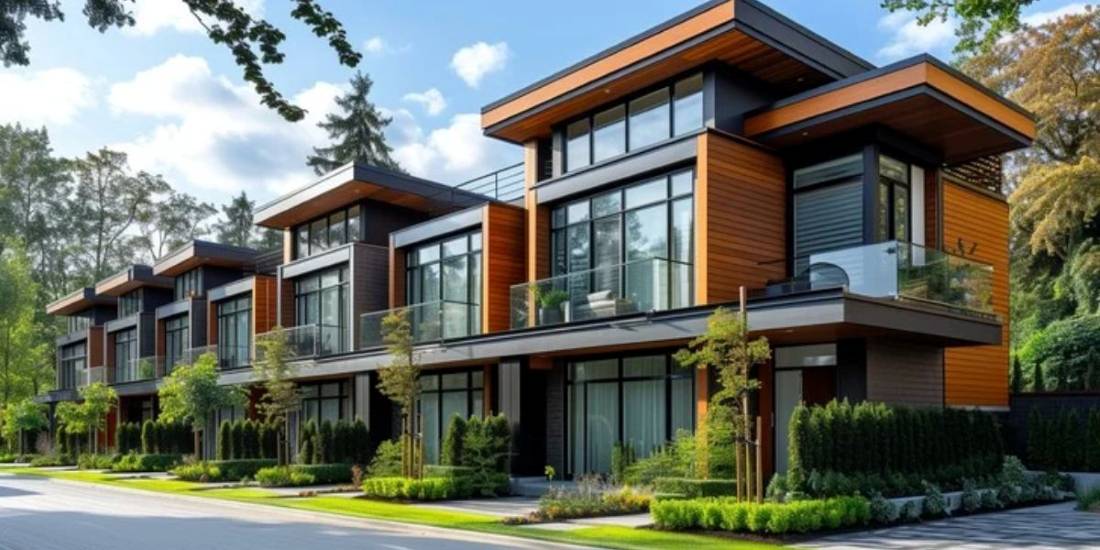
At approximately 600 square feet of total glass area, installed cost for this scope runs $7,500 to $11,000, varying by film selection and attachment system scope. The result is a unified glazing system that addresses solar load, UV damage, occupant health, shatter risk, and forced-entry deterrence under a single manufacturer warranty. That is the commercial project logic applied directly to a residential brief.
Choosing the Right Film: Matching Specification to Property, Climate, and Risk Profile
What Is the Best Window Film for Residential Use?
There is no single best residential window film, and any answer that ignores property context should be treated with skepticism. The correct framing is: what performance outcomes does this specific glazing system need to deliver, and what film specification achieves those outcomes at the highest reliability? That question forces a site-specific answer, not a product recommendation.
The variables that drive specification include climate zone and solar exposure, glass type and existing coating, occupant use of the affected rooms, interior finish value, and whether security or safety performance is required. A ceramic solar film is the right answer for a sun-belt home with high-value hardwood floors. It is the wrong answer for a ground-floor entry with forced-entry exposure. Getting this decision right requires an on-site assessment, not a brochure.
Solar Control Films: 3M Sun Control Window Film and Ceramic Options
The 3M Sun Control Window Film series represents a well-documented, commercially tested product range with NFRC-rated performance data and a history in both commercial and residential installation. Ceramic options within this series deliver IR rejection above 80% with SHGC values below 0.30 at mid-range VLT, making them a defensible specification for high-solar exposures where visible light preservation matters.
For homeowners prioritizing daytime clarity alongside heat rejection, ceramic film in the 40% to 60% VLT range typically delivers the best balance. The room reads as naturally lit while the thermal load on the HVAC system drops substantially. Signal transparency and a non-reflective exterior appearance are additional functional benefits that matter in connected homes with multiple wireless devices.
Safety and Security Films: When Protection Requirements Drive the Specification
When forced-entry deterrence or storm resistance is the primary requirement, the security film specification comes first and solar performance is a secondary filter. Start with the mil thickness required for the protection outcome, then identify which products in that thickness range carry acceptable SHGC and IR rejection ratings.
Ground-floor entry glass and glass adjacent to door hardware are the priority surfaces. Skylights and accessible roof glazing are secondary. The goal is a perimeter specification that raises the barrier to unauthorized entry while maintaining the aesthetic character of the glazing from the interior.

Is Residential Window Tinting Legal? HOA and Code Constraints to Check First
Residential window film has no general legal prohibition in the United States, but local HOA covenants and historic district guidelines can restrict exterior appearance changes, including visible reflectivity or tint level. Reflective films with a mirrored exterior appearance are the most commonly restricted category. Ceramic and neutral-tone films with low exterior reflectance typically comply with most appearance standards, but verification before installation is straightforward and avoids costly removal.
Check your HOA’s architectural guidelines for window treatment, exterior appearance, or glass modification requirements. Historic district restrictions are stricter. Review them directly with the district authority instead of relying on general film categories. A qualified installer familiar with your market understands standard constraints and can recommend compliant film options before finalizing specifications.
The Most Common Specification Mistakes Homeowners Make
Most specification errors fall into three patterns:
- Selecting film by VLT appearance without verifying SHGC or IR rejection, resulting in dark rooms that still admit heat.
- Applying solar-only film to security-priority glass, creating a false sense of protection without the mil thickness or attachment system to support it.
- Ignoring glass type compatibility, particularly with low-E-coated IGUs, and creating thermal stress conditions that void the window unit warranty.
The simplest safeguard is requiring the installer to provide film data sheets with NFRC-rated performance figures and explicit low-E compatibility documentation before the installation date. If the installer cannot produce those documents, that is a disqualifying signal before a single panel is filmed.
DIY vs. Professional Window Film Installation: A Realistic Comparison
Can You Tint House Windows Yourself and What DIY Actually Involves
Most tint for house windows is applied from the interior, which is true for both professional and DIY installation. The process involves cleaning the glass to a contamination-free surface, cutting film to exact pane dimensions, applying a slip solution, positioning the film, and squeegee-pressing out moisture and air. Curing takes 30 to 60 days depending on film type, temperature, and humidity. During that window, the film is susceptible to adhesive disruption from pressure, cleaning, or impact.
Retail DIY film products exist and are technically installable by a careful homeowner. The gap between a successful DIY application and a professional one is not the sequence of steps. It is the tolerance for error at each step and the downstream accountability if something goes wrong.
Where DIY Is Defensible and Where It Creates Liability
DIY is defensible for a small, flat, single-pane window in a secondary room with a low-cost film and no requirement for a manufacturer warranty. It is a reasonable approach when the consequence of failure is aesthetic and the replacement cost of the film is low.
DIY becomes a liability when applied to:
- Low-E glass that requires compatibility verification.
- Security film where installation technique determines whether the assembly actually performs under impact.
- Any glass covered by a window unit manufacturer’s warranty, which typically voids if an incompatible film is applied.
The cost of removing a failed DIY installation, cleaning the glass, and reinstalling professional film frequently exceeds the cost of professional installation from the start. That is not an argument against DIY categorically. It is an argument for matching the approach to the risk profile of the specific application.
What a Certified Installer Does Differently: Surface Preparation, Tooling, and Fit Tolerances
Professional installation quality begins before the film is touched. Surface preparation includes both chemical cleaning to remove contamination and inspection for glass defects that would compromise adhesion or accelerate failure. A certified installer identifies low-E coatings, existing adhesive residue, and surface conditions that change the installation protocol before applying any film.
Tooling matters at the edge and corner detail level. Hard cards, precision squeegees, and edge tools allow a professional installer to achieve a 1 to 2 millimeter edge tolerance that eliminates the lifting and peeling points where adhesive failure typically initiates. Consumer squeegee sets and improvised tools produce inconsistent pressure and leave edge channels that allow moisture infiltration.
Fit tolerance is particularly consequential on large continuous glazing panels. A film cut 5 millimeters short on a floor-to-ceiling panel leaves an unfilmed strip at the bottom edge that is both aesthetically disqualifying and a UV exposure point for the flooring directly below it.
Why Authorization Status Changes the Installation Outcome
Manufacturer authorization is not a marketing designation. It requires documented training on the specific film product lines being installed, demonstrated installation competency, and agreement to installation standards that the manufacturer enforces as a condition of warranty coverage. An authorized installer can file a warranty claim against a material defect. An unauthorized installer cannot, regardless of what their own warranty document says.
The practical implication is significant. If a 3M-authorized installer installs a 3M window film and the adhesive fails at year four due to a material defect, the homeowner has a direct warranty claim with 3M. If an unauthorized installer installs the same film, the material warranty is void from day one, and the homeowner’s recourse is limited to whatever the installer’s own liability coverage and contract language provides. Authorization status does not just change the sales conversation. It changes the risk structure of the entire investment.
Warranty, Longevity, and Long-Term Maintenance: What a Professional Installation Should Guarantee
How Long Does Residential Window Film Last Under Professional vs. Unauthorized Installation
Service life tells the real story on installation quality. A professionally installed ceramic or multi-layer film, applied by a manufacturer-authorized installer to properly prepared glass, carries a rated service life of 15 years to lifetime, depending on product tier and climate exposure. Entry-level solar films installed professionally run 10 to 12 years in high-UV markets. Those same films, installed without proper surface preparation or edge finishing, often show adhesive failure within 3 to 5 years.
The mechanism is straightforward. Adhesive bond strength depends on a contamination-free glass surface, correct film-to-glass compatibility, and consistent edge termination that seals the perimeter against moisture infiltration. Unauthorized installations skip or shortcut at least one of these steps most of the time. The failure is not immediately visible, but it is likely to surface before the film reaches its rated life.
What a 3M-Authorized Installation Warranty Actually Covers
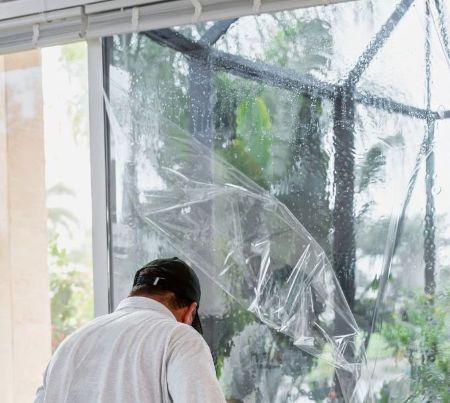
A manufacturer-backed warranty from a 3M-authorized installation covers three failure categories that matter: adhesive failure producing bubbling or lifting, delamination between film layers, and measurable performance degradation below the film’s rated specifications. The warranty runs with the product, not the installer, meaning the homeowner has a direct claim relationship with the manufacturer if a covered failure occurs.
Coverage periods vary by product line. Premium ceramic and security films carry lifetime or 15-year residential warranties. Standard solar films carry 10-year coverage. The practical value is not just the repair or replacement itself. It is the third-party accountability structure. A manufacturer has financial incentive to honor the warranty because its installer authorization program depends on that credibility.
What Warranties DIY and Unauthorized Installers Cannot Offer
An unauthorized installer can write a warranty document. That document is only as good as the installer’s continued business existence and their willingness to honor a claim two years later. It has no manufacturer backing, no product performance guarantee, and no independently verified coverage terms.
DIY installations carry no warranty beyond the retail product’s defect return window, which typically runs 30 to 90 days. If a DIY film delaminates at month 18 or the adhesive lifts along the bottom edge after the first winter, the homeowner absorbs the removal, glass cleaning, and reinstallation cost entirely. For house window tinting on high-value glass or in rooms with significant interior asset exposure, that is an unhedged risk with no recovery mechanism.
Routine Maintenance Requirements and What to Watch for Over the Film’s Lifespan
Professionally installed window film requires minimal maintenance, but specific practices protect the adhesive bond over time. For the first 30 to 60 days after installation, avoid cleaning the filmed surface. The adhesive is still curing, and pressure or cleaning solution applied during this window can disrupt the bond before it fully sets.
After curing, cleaning is straightforward: a soft cloth or rubber squeegee with a mild, ammonia-free solution. Ammonia-based cleaners degrade the adhesive layer over time and are the most common source of premature edge lifting on otherwise well-installed films.
Watch for these indicators over the film’s lifespan:
- Small bubbles appearing at edges or corners signal moisture infiltration at an unsealed perimeter.
- A milky or hazy appearance in the film body indicates adhesive breakdown distinct from surface contamination.
- Visible color shift or fading in dyed films signals UV degradation of the film itself rather than the interior it was protecting.
Any of these presenting in the first five years on a professionally installed film under warranty is a covered claim, not a maintenance item. Document with photos and contact the installer to initiate the warranty process.
How to Evaluate a Window Film Installer: Credentials, Experience, and Authorization
The Vetting Framework: Questions Every Homeowner Should Ask Before Hiring
The vetting conversation with a prospective installer should produce specific, verifiable answers. Vague responses to direct questions are disqualifying.
Ask for the manufacturer authorization certificate by name, not just a general claim of being “certified.” Ask the installer which specific film products they are authorized to install and request the NFRC-rated data sheet for the recommended film. Request the warranty document before the installation date and confirm whether the manufacturer or the installer backs the coverage.
Request references from residential projects with similar glass type and specification. A commercial installer who has completed government or institutional projects brings a discipline to surface preparation and fit tolerance that residential-only installers rarely develop. That experience difference is auditable through their project history.
What Authorized Dealer Status Means and Why It Changes Accountability
Authorized dealer status requires the installer to complete manufacturer training on specific product lines, demonstrate installation competency, and maintain compliance with the manufacturer’s installation standards on an ongoing basis. Authorization can be revoked if the installer’s work generates warranty claims that trace back to installation technique rather than material defect.
That accountability structure changes the risk profile of the project. An authorized installer is motivated to install correctly because their authorization status depends on it. An unauthorized installer has no external accountability mechanism beyond their own reputation and whatever contract terms the homeowner was able to negotiate.
Red Flags That Signal Installer Risk
Three signals consistently indicate installer risk before a single panel is filmed:
- Flag any warranty document that lists only coverage duration without specifying covered failure modes or confirming manufacturer-backed coverage.
- Reject film products that do not appear in the manufacturer’s current catalog or lack NFRC rating data.
- Avoid any specification recommendation that references appearance or price tier but does not identify SHGC, VLT, or IR rejection values.
A qualified installer can answer every specification question with a data sheet. If the conversation stays at the level of “it’s a good film” or “we use commercial-grade material,” that is insufficient and worth treating as a disqualifying signal.
How Commercial Installation Experience Translates Into Residential Project Confidence
Commercial projects run at a specification rigor that residential work rarely demands on its own. A government or institutional installation requires documented film data, verified glass compatibility, NFRC-rated performance figures, and warranty terms that hold up to procurement review. An installer who has completed projects at that standard brings the same discipline to a residential engagement because the technical requirements are identical, even if the procurement process is not.
Commercial experience also means exposure to the full film performance range, including security-grade and blast-mitigation products that most residential installers never work with. For a homeowner specifying multi-layer security-solar film on a significant glazing package, that product familiarity is not a minor advantage. It determines whether the installation achieves the rated forced-entry resistance or merely approximates it.
Quick-Pick Installer Vetting Checklist
Five criteria that must be confirmed before authorizing any residential window film contractor:
- Manufacturer authorization: the installer holds a current, named authorization certificate for the specific film brand being installed, not a generic “certified installer” claim.
- NFRC-rated product data: they can produce a film data sheet with independently verified SHGC, VLT, and IR rejection figures for the recommended specification.
- Low-E compatibility documentation: they have verified the proposed film is compatible with your existing glass type and can provide the compatibility reference in writing.
- Manufacturer-backed warranty: the warranty document names the manufacturer as the coverage provider, not only the installer.
- Commercial project references: they can cite completed projects involving glass types or film specifications comparable to your scope.
If any of these five cannot be confirmed, continue the search.
Conclusion: Making the Most Defensible Decision for Your Property
Why Specification and Credential Outweigh Price Per Square Foot
Every section of this guide points at the same conclusion. The two variables that determine whether a house window tinting investment performs over its full service life are the correctness of the film specification and the authorization status of the installer. Price per square foot is a downstream output of those two decisions, not an input to them. A well-specified ceramic film at $11 per square foot, installed by an authorized professional with commercial project experience, delivers its rated performance for 15 years. A cheaper film installed by an unauthorized contractor begins failing the accountability structure before the installation is complete.
Aligning Film Type to Your Specific Risk, Climate, and Property Value Profile
The right film for your property is the one that matches your actual exposure profile. High-solar climates with significant glazing area and valuable interior finishes point toward premium ceramic solar film. Ground-floor perimeter glass with forced-entry or storm exposure points toward security-grade or multi-layer film. Properties that face both challenges have a combined specification available that addresses both without compromise.
The site assessment is where this decision becomes concrete. Glass type, orientation, square footage, existing coatings, and occupant use of the affected spaces all factor into a specification that performs as expected. That conversation happens on-site, not in a product catalog.
Next Step: Requesting a Professional Assessment from Window Film Depot
Window Film Depot brings 3M-authorized installation credentials and a commercial project background to every residential engagement. That means your film specification is built on NFRC-rated performance data, verified glass compatibility, and a manufacturer-backed warranty that holds up if anything goes wrong.
The starting point is a professional assessment of your property’s glazing system. From there, a specification recommendation with full product documentation gives you the basis for a genuinely informed decision. Contact Window Film Depot to schedule your assessment and establish a film specification that protects your property at the standard your investment deserves.
Frequently Asked Questions
How much does professional residential window tinting cost, and what is the typical ROI timeline?
Professional residential window film installation typically runs $5 to $12 per square foot installed, depending on film specification, glass type, and project scope. A complete installation on a standard home generally falls between $2,800 and $5,000 at mid-range ceramic specification, with luxury or security-focused projects running higher. In high-solar climates with significant glazing, documented cooling cost reductions of 5% to 15% annually make payback periods of 3 to 5 years realistic for quality ceramic installations, and that figure does not account for avoided interior replacement costs.
What is the difference between professional installation and DIY window film, and when does each make sense?
DIY film can be a reasonable approach for small, single-pane windows in secondary rooms where the consequence of failure is purely cosmetic and no manufacturer warranty is required. Professional installation becomes essential when the glass is low-E coated, when the film is security-grade and must actually perform under impact, or when the glass is covered by a manufacturer warranty that an incompatible film would void. The cost of removing and reinstalling a failed DIY application frequently exceeds the original professional installation cost.
What warranty and performance guarantees should I expect from a professional window film installer?
A professionally installed film through a manufacturer-authorized dealer should carry a manufacturer-backed warranty, not just an installer document. For premium ceramic and security films, that coverage typically runs 15 years to lifetime and covers adhesive failure, delamination, and measurable performance degradation. The key distinction is whether the manufacturer is named as the coverage provider. If the warranty document only references the installer, there is no independent accountability if the installer’s business changes or closes.
How long does residential window film last, and what maintenance is required?
Under professional installation by an authorized installer, quality ceramic and multi-layer films carry rated service lives of 15 years to lifetime. Entry-level solar films professionally installed run 10 to 12 years in high-UV climates. The same films installed without proper surface preparation or edge finishing often show adhesive failure within 3 to 5 years. Maintenance is minimal: avoid cleaning the filmed surface for the first 30 to 60 days during curing, then clean with a soft cloth and ammonia-free solution. Ammonia-based cleaners are the most common cause of premature edge lifting.
Are there security film options that also provide energy savings for residential properties?
Yes. Multi-layer security-solar films combine 10 to 14 mil shatter-resistant and forced-entry-resistant architecture with ceramic or nano-composite solar control layers. These films deliver IR rejection in the 75% to 85% range alongside documented safety performance, with SHGC values comparable to standalone premium ceramic solar films. The installed cost premium over a solar-only ceramic film runs $2 to $4 per square foot, which makes them an efficient single specification for perimeter glazing where both protection and energy performance are required.
What are the most common mistakes homeowners make when selecting or installing window film?
The three most frequent errors are selecting film by how dark it looks without verifying SHGC or IR rejection figures, applying a solar-only film to glass that actually requires security-grade mil thickness, and ignoring low-E glass compatibility before installation. Each of these mistakes can result in a film that either underperforms silently for years or actively damages the window unit by creating thermal stress. The simplest safeguard is requiring the installer to provide NFRC-rated film data sheets and explicit low-E compatibility documentation before any work begins.