Table of Contents:
- What Is Window Glazing? Definitions, Terminology, and Why the Basics Still Matter
- From Putty to Polymer: Glazing Materials, Compounds, and Frame Compatibility
- Single, Double, and Triple Glazing: Performance Differences That Scale With Your Project
- Advanced Glazing Technologies for Commercial Properties
- Why Commercial Glazing Is Not a DIY Problem: Professional Standards, Liability, and Scale
- Maintenance, Longevity, and Code Compliance Over the Building Lifecycle
- Selecting the Right Glazing Partner for Projects That Cannot Afford Rework
- Frequently Asked Questions
What Is Window Glazing? Definitions, Terminology, and Why the Basics Still Matter
Glazing Windows is one of the most misunderstood concepts in commercial construction, yet it directly impacts performance, compliance, and long-term cost. Many assume glazing refers only to the glass, but it actually defines the entire system, including frames, sealants, and installation methods. This blog breaks down how glazing windows work, why the distinction matters, and how correct specification prevents costly mistakes in real-world projects.
Glazing vs. Glass: Understanding the Correct Industry Definition
What is window glazing? Glazing and glass are not the same thing, and conflating them creates real problems on specification documents. Glass is the material. Glazing is the system, the complete assembly of glass, sealants, fasteners, and frame components that together create a weathertight, structurally sound building envelope opening.
In industry usage, “glazing” also refers to the process of installing glass into a frame, and to the compound or sealant used to seal and bed the glass in place. A project specification that calls for “upgraded glazing” is not asking for better glass. It is asking for a higher-performing installation system.
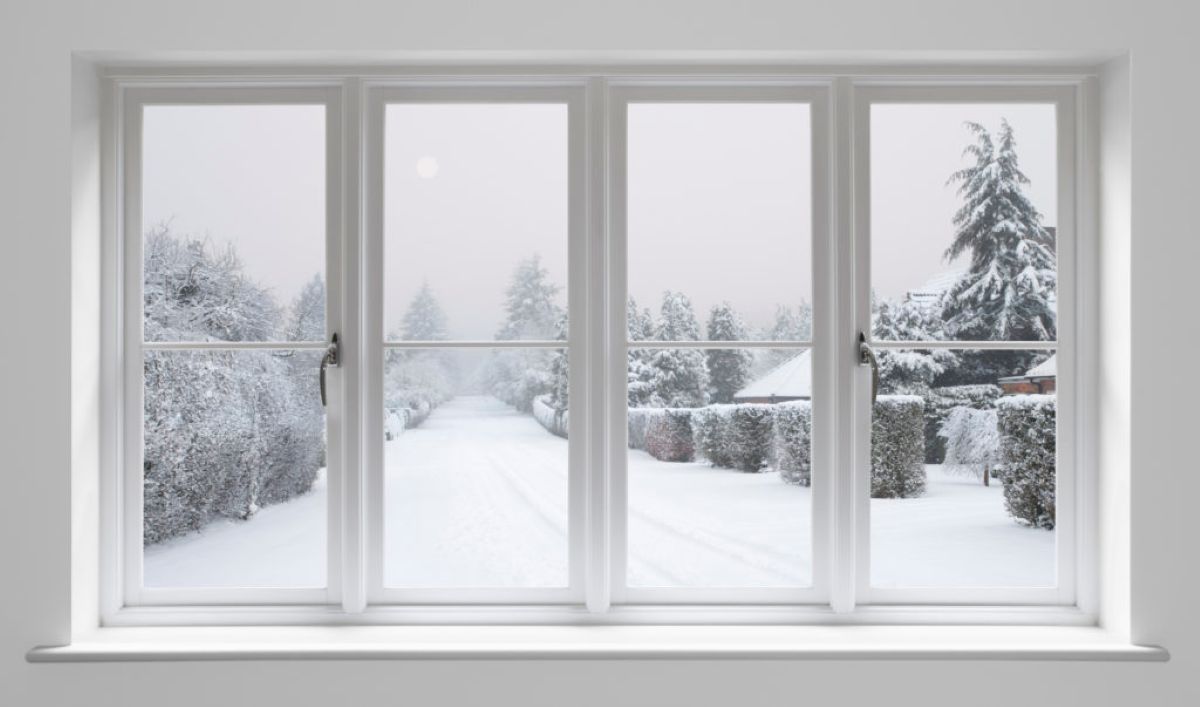
This distinction matters for anyone writing RFPs, reviewing submittals, or evaluating contractor bids. A glazing contractor and a glass supplier are often different vendors with different scopes of work.
The Anatomy of a Glazed Window: Sash, Rabbet, Glazing Bead, and Muntin
Understanding window anatomy is a prerequisite to specifying glazing correctly. The core components:
- Sash: The movable or fixed frame that holds the glass. In double-hung windows, both the upper and lower units are sashes.
- Rabbet (or rebate): The recessed channel or ledge cut into the sash where the glass sits. The glazing compound beds into this channel to seal the glass against it.
- Glazing bead: A strip of material, wood, metal, or vinyl, that mechanically retains the glass in the rabbet on the interior face. In modern commercial windows, glazing beads often replace putty entirely as the primary retention method.
- Muntin: The internal dividers that separate individual glass panes within a single sash. True divided-lite windows have structural muntins. Simulated divided-lite windows use a surface-applied grid over a single pane.
On a commercial project, the rabbet depth and glazing bead design determine which glass thicknesses and IGU configurations the frame can actually accommodate. Specifying a 1-inch insulated unit into a frame with a 5/8-inch rabbet depth is a coordination failure that surfaces during installation, not before.
Face Glazing, Channel Glazing, and Structural Glazing: How Installation Method Affects Performance
The installation method determines long-term performance as much as the material itself.
Face glazing is the traditional approach: glass is set into a rabbet and held by glazing points, with compound applied on the exterior face to create a weather seal. It is common on historic wood sash and some steel windows. It performs adequately on single-pane residential applications but offers no mechanical glass retention independent of the compound. When the sealant fails, so does the weather seal.
Channel glazing sets the glass into a three-sided or four-sided channel within the sash, with the glazing compound or gasket running along the sides and bottom. This is the standard approach for most commercial aluminum framing systems. It distributes load more evenly and accommodates glazing tapes and compression gaskets alongside sealants.
Structural glazing uses high-strength silicone to bond glass directly to a structural frame, often without any mechanical retention visible from the exterior. This is the system behind flush curtain wall facades on commercial buildings. The silicone carries both the seal and the structural load, which means the design, material selection, and installation process must meet engineering standards, not just contractor preference.
Need More Info?
The Window Film Depot team is happy to help.
Glazing Putty vs. Modern Glazing Compounds
Traditional glazing putty is linseed oil-based. It skins over within days but takes weeks to months to fully cure and harden, and it becomes brittle over time as the oils oxidize. On wood-frame single-pane windows, it has a long track record. Properly applied and painted, it can last decades. On any other frame type or application, its limitations become liabilities quickly.
Modern glazing compounds are polymer-based, latex, silicone, or hybrid formulations that cure by moisture reaction or solvent evaporation rather than oxidation. They remain flexible after cure, bond reliably to non-porous substrates, and carry defined performance certifications. The practical difference: putty is a maintenance material for heritage applications. Polymer compounds are engineering materials for performance applications.
Glazing Terminology and Materials Reference
| Term | Definition | Project Relevance |
|---|---|---|
| Glazing | Complete system of glass, sealants, and frame components | Appears in specs, bids, and code references |
| Sash | Frame unit holding the glass | Determines frame compatibility with IGU thickness |
| Rabbet / Rebate | Channel where glass seats in the frame | Governs maximum glass unit depth |
| Glazing bead | Mechanical glass retention strip | Replaces putty in most commercial systems |
| Face glazing | Sealant applied to exterior face over glass in rabbet | Appropriate for single-pane, historic sash only |
| Channel glazing | Glass set into three- or four-sided frame channel | Standard commercial aluminum system method |
| Structural glazing | Silicone-bonded glass to structural frame | Curtain wall and flush facade applications |
| Glazing putty | Linseed oil compound for traditional wood or steel sash | Limited to heritage restoration applications |
| Glazing compound | Polymer-based sealant (latex, silicone, hybrid) | Standard for new construction and commercial work |
| IGU | Insulated glass unit, two or more panes with sealed air or gas space | Core thermal performance unit in commercial glazing |
| Muntin | Divider bar between glass panes in a sash | Structural (true divided lite) vs. simulated |
From Putty to Polymer: Glazing Materials, Compounds, and Frame Compatibility
Where Traditional Glazing Putty Still Belongs
Linseed oil putty has one legitimate application domain: single-pane wood or steel sash in historic preservation work where material authenticity is a project requirement. On those projects, it earns its place. It can be tooled smoothly, accepts paint, and when properly maintained, can outlast many polymer alternatives on original 19th-century sash profiles.
Outside that context, putty’s failure modes are well-documented. It shrinks as it cures, creating hairline cracks at the glass-to-frame joint. Putty does not bond reliably to aluminum or PVC frames. It carries no defined tensile or elongation specification, meaning there is no performance basis for including it in a commercial specification. Any project manager who sees putty called out on a commercial glazing spec should treat it as a red flag, not a cost-saving measure.
Modern Glazing Compounds: Latex, Silicone, and Hybrid Sealant Formulations
The three dominant compound chemistries each suit different applications.
Latex-based compounds are water-cleanup, low-VOC, and paintable. They work well for interior applications and moderate-exposure exterior work on wood frames. Elongation and adhesion values are lower than silicone, which limits their use where significant thermal movement occurs.
Silicone sealants offer the highest elongation, the broadest substrate adhesion range, and the best UV resistance. Structural silicone formulations carry defined load ratings and are the only compounds acceptable in structural glazing assemblies. The tradeoff is that silicone does not accept paint and requires primer on many substrates to achieve rated adhesion.

Hybrid formulations, typically silicone-modified latex or polyurethane-silicone blends, aim to combine paintability with improved flexibility. They are common in commercial window reglazing applications where appearance matters and structural loads are not a factor.
Matching Glazing Material to Window Frame Materials
Frame material governs compound selection more than any other variable. Wood frames are porous and require a compound that bonds to oily or painted surfaces. Aluminum frames expand and contract significantly with temperature changes. Thermal movement on a 20-foot aluminum storefront can exceed 1/4 inch across a daily cycle, which demands a high-elongation silicone. PVC frames have low surface energy, making adhesion difficult without a specific primer. Steel and other metal frames may require rust-inhibiting primers before compound application, particularly at the rabbet.
Using the wrong compound chemistry for a given frame type does not just shorten service life. It voids most manufacturer warranties and can compromise the weather seal within the first heating-season cycle.
How Long Does Window Glazing Compound Take to Dry?
“Dry” and “cured” describe two different states, and the gap between them matters on a construction schedule. Latex compounds skin over in one to two hours and reach handling strength in 24 hours, but do not achieve full cure strength for seven to fourteen days depending on temperature and humidity. Silicone cures by moisture absorption and is highly sensitive to both conditions. Cure rates can drop by roughly half at temperatures below 40°F or in low-humidity interior environments.
For commercial installation scheduling, the relevant milestone is not skin-over time but full cure. Glass should not be subjected to frame deflection loads or cleaning operations until the compound reaches its rated adhesion values. Rushing that window on a compressed schedule creates invisible failures that show up later as water infiltration.
Historic Window Restoration: Preserving Single-Pane Sash Without Compromising Integrity
Historic window restoration projects operate under a different logic than standard commercial glazing. The goal is preservation of original material, not performance optimization. On landmarked or historically designated buildings, replacement window frames may not be permissible, and original single-pane sash must be maintained in serviceable condition.
In these cases, traditional putty, or a historically formulated compound that mimics its appearance and behavior, is often the correct specification. The approach: remove failed putty carefully to avoid damaging original wood profiles, prime bare wood before reglazing, apply compound in stages to avoid cracking from thick application, and specify a topcoat paint system that bridges the glass-to-putty joint to extend service life.
The error to avoid is applying modern elastomeric compounds to historic profiles expecting better performance. Silicone sealant on a century-old wood sash creates a permanent bond that makes future repairs destructive rather than routine. Match the material to the maintenance approach the building’s stewardship actually supports.
Single, Double, and Triple Glazing: Performance Differences That Scale with Your Project
Single-Pane Windows: Baseline Performance and the Limits of Retrofitting
A single-pane window does one thing well: it keeps weather out. Thermally, it does almost nothing. A typical single-pane unit carries a U-factor around 1.0 to 1.2 BTU/hr·ft²·°F, roughly five times worse than a standard double-pane insulated glass unit. On a small residential project, that gap is an inconvenience. On a 40,000-square-foot commercial building with hundreds of windows, it is a measurable operating cost and a likely code violation in any climate zone governed by ASHRAE 90.1 or the IECC.
Retrofitting single-pane frames with film or interior storm panels can close some of that gap, but the rabbet depth and sash profile on most historic single-pane frames physically cannot accept a modern IGU without full frame replacement. If the project goal is performance, the retrofit conversation often ends with full fenestration replacement rather than a glazing compound upgrade.

Double Glazing and the Insulated Glass Unit: How the Air or Gas Gap Changes the Equation
The insulated glass unit is the performance baseline for virtually every commercial glazing project today. An IGU consists of two glass lites separated by a spacer bar, with the cavity sealed and filled with either dehydrated air or an inert gas, typically argon. Argon has lower thermal conductivity than air and improves the center-of-glass U-factor by roughly 15 to 18 percent compared to an air-filled unit.
Standard commercial double-pane IGUs achieve U-factors in the 0.25 to 0.45 range depending on glass type, coating, and gas fill. That performance level meets energy code minimums in most U.S. climate zones. The sealed cavity also eliminates interior condensation on the glass surface, a meaningful comfort and maintenance benefit in buildings with controlled humidity environments like hospitals or data centers.
IGU failure mode is worth noting: when the edge seal fails, moisture infiltrates the cavity and produces characteristic fogging that cannot be cleaned. A fogged IGU must be replaced as a unit. It is not a reglazeable component.
Triple Glazing: When the Incremental Performance Gain Justifies the Structural Load
Triple glazing adds a third lite and a second sealed cavity, pushing U-factors to the 0.15 to 0.20 range for high-performance units. In Passive House projects or buildings targeting LEED Platinum in severe climate zones, that increment is worth the tradeoff. In most commercial applications, the calculation is harder to justify.
The structural weight of a triple-pane unit runs 40 to 60 percent heavier than an equivalent double-pane. That load affects sash engineering, frame specification, and in curtain wall applications, the structural system supporting the facade. Triple glazing also increases frame depth requirements, which can complicate retrofits into existing framing. On most mid-rise commercial projects in climate zones 4 through 6, a high-performance double-pane IGU with Low-E coating and argon fill delivers the vast majority of the thermal benefit at significantly lower weight and cost.
U-Factor, SHGC, and VLT: Reading NFRC Ratings as a Specification Tool
Three NFRC ratings govern almost every glazing windows specification decision:
- U-factor measures heat transfer through the entire window assembly, not just the glass center. Lower is better. Energy codes specify maximum U-factors by climate zone and building type.
- SHGC (Solar Heat Gain Coefficient) measures how much solar energy passes through the glass as heat, ranging from 0 to 1. Lower SHGC reduces cooling loads in sun-exposed orientations. Higher SHGC can reduce heating loads in cold climates with southern exposure.
- VLT (Visible Light Transmittance) measures the percentage of visible light that passes through. High VLT means more daylight. Low VLT means more privacy or glare control but darker interiors.
These three values interact. A Low-E coating that reduces SHGC also tends to reduce VLT. A specification that chases the lowest U-factor without checking SHGC can overshoot on solar gain rejection and increase heating loads in winter. On a project with mixed orientations, such as an east-west curtain wall combined with a north-facing clerestory, a single glazing specification rarely optimizes all three values simultaneously. That is where facade engineering and orientation-specific glass specifications earn their cost.
Advanced Glazing Technologies for Commercial Properties
Low-E Coatings and Thermal Efficiency: What the Numbers Mean at Scale
Low-emissivity coatings are microscopically thin metallic oxide layers deposited on the glass surface during manufacturing. They work by reflecting long-wave infrared radiation, the heat component of solar energy, back toward its source rather than allowing it to transmit through the glass. A standard clear double-pane IGU carries a U-factor around 0.48 and an SHGC of 0.70. Add a standard Low-E coating and argon fill, and those values shift to approximately 0.28 U-factor and 0.25 to 0.40 SHGC depending on coating type.
At the project scale, those numbers translate directly to mechanical system sizing. A large office building that specifies Low-E glazing instead of clear glass can meaningfully reduce peak cooling load, which in turn downsizes HVAC equipment, reduces duct sizing, and cuts operating costs across the building’s full service life. The glazing specification is not simply an envelope line item. It is a systems integration decision.
Coating position within the IGU matters as well. Hard-coat Low-E (pyrolytic) is applied during glass manufacturing and sits on the exterior face. It is durable but lower-performing. Soft-coat Low-E (sputtered) is applied in vacuum chambers and positioned on the interior cavity face, typically surface 2 or 3 in a double-pane unit, where it delivers higher performance but requires the hermetic IGU seal to protect it from oxidation. Soft-coat units cannot be re-cut after manufacture without destroying the coating at the edge.
Security Glazing for Commercial Buildings: Laminated Glass, Tempered Glass, and IBC Requirements
Tempered and laminated glass address different threat categories, and the IBC treats them as distinct specifications.
Tempered glass is heat-treated to approximately four times the strength of annealed glass. When it breaks, it fractures into small, relatively blunt fragments rather than sharp shards. The IBC requires tempered glass in specific hazardous locations, including doors, sidelites within 24 inches of a door, windows within 18 inches of the floor, and any glass adjacent to wet areas. On commercial projects, the hazardous location inventory alone typically generates a substantial tempered glass requirement.
Laminated glass bonds two or more glass lites around a polyvinyl butyral (PVB) or ionoplast interlayer. When fractured, the interlayer holds the glass together rather than allowing it to fall. This property makes laminated glass the standard specification for overhead glazing, hurricane impact zones, and any application where post-breakage glass retention is a safety requirement. Structural laminated configurations used in skylights and sloped glazing carry additional OSHA fall-protection implications.
These two products are not interchangeable. A specification that calls for safety glazing without distinguishing between tempered and laminated will produce whichever product the contractor finds easiest to source, which may not meet the actual performance requirement.
Blast Mitigation and Impact Resistance: ASTM F1642 and Institutional Project Requirements
Federal buildings, courthouses, embassies, and high-profile institutional projects face a glazing requirement that standard commercial specs do not address: blast mitigation. ASTM F1642 defines the test standard for glazing subjected to blast loading. Products tested under this standard are rated for specific blast pressure and impulse thresholds, and GSA security criteria specify minimum performance levels by building security level.
The mechanism that makes blast-resistant glazing perform is the interlayer, not the glass itself. Under blast loading, the glass fractures, but a high-strength ionoplast interlayer, more rigid and tear-resistant than standard PVB, holds the fragments and absorbs the energy pulse. This prevents the glass from becoming a high-velocity projectile hazard inside the building. Frame anchorage is equally critical. A blast-rated glazing unit installed in a standard commercial frame anchor condition will pull out of the frame under blast impulse even if the glass itself holds.

Projects that require ASTM F1642 compliance need a glazing contractor who can provide certified test documentation for the specific glass-interlayer-frame assembly as a system, not just for the glass unit alone.
3M Window Film and Retrofit Security Solutions: Upgrading Existing Fenestration Without Full Replacement
Full IGU replacement is not always the right answer when a security or performance upgrade is needed on existing windows. Window security film applied to existing annealed or tempered glass can provide post-breakage glass retention comparable to laminated glass at a fraction of the cost and without structural work to the existing frame.
High-performance safety and security films, including products in the 3M window film lineup, are tested under the same ASTM and GSA standards applied to laminated glass assemblies. A properly specified and installed film system can meet GSA blast criteria on existing single-pane windows, extend the useful life of a code-compliant fenestration system, and defer full window replacement by a decade or more. For multi-site retail or office rollouts where budget and schedule constraints make full replacement impractical, a film retrofit is often the specification that closes the gap between current performance and code or security requirements.
The critical variable is installation method. Film systems intended to meet blast or impact ratings must be installed with an anchoring attachment system that bonds the film edge to the frame. Standard free-floating installation, while effective for solar and UV control, does not provide the frame attachment necessary for hazard mitigation performance.
Structural Glazing Systems: Building Envelope Integrity in Curtain Wall Applications
In curtain wall and high-rise applications, the glazing system is the building envelope. There is no backup wall assembly behind the glass to compensate for a glazing failure. Structural silicone glazing systems bond glass panels to aluminum extrusions using a four-sided structural silicone bite, typically 5/8 inch to 1 inch of bonded surface width, engineered to carry both wind load and dead load without mechanical fasteners visible on the exterior face.
The engineering behind a structural silicone glazing system is not equivalent to applying silicone sealant on a commercial storefront. Structural silicone joints are designed to ASTM C1401 and require quality control documentation, bite dimension verification, and substrate preparation records as part of the installation package. Facade failures on high-rise buildings, including glass panel drops, have resulted from underdocumented structural silicone applications where contractor substitutions or improper surface preparation eliminated the adhesion necessary to meet the design load.
What Building Codes Apply to Commercial Window Glazing Installation?
Commercial window glazing in the U.S. operates under a layered code framework. The International Building Code (IBC) governs safety glazing locations, impact resistance in wind-borne debris regions, and fire-rated glazing assemblies. ASHRAE 90.1 and the International Energy Conservation Code (IECC) set thermal performance minimums, expressed as U-factor and SHGC, by climate zone and occupancy type. The IBC references ASTM standards for specific product testing, including ASTM C1048 for heat-treated glass, ASTM C1172 for laminated glass, and ASTM E1300 for glass thickness design. Projects in hurricane impact zones trigger Florida Building Code or equivalent state amendments that add impact-resistance testing requirements on top of the IBC baseline.
The practical implication is that a commercial glazing specification needs to identify which code tier applies, base IBC, energy code, impact zone, blast criteria, or fire-rated assembly- before selecting a product. Each tier adds requirements. They do not replace each other.
Why Commercial Glazing Is Not a DIY Problem: Professional Standards, Liability, and Scale
Where Residential DIY Logic Breaks Down on a Commercial Job Site
The residential DIY glazing model assumes one window, one person, one afternoon, and a forgiving margin for error. A bad bead of putty on a single-pane wood sash costs a homeowner a tube of compound and two hours. The same logic applied to a commercial project produces a very different outcome.
A commercial glazing installation involves thermal performance specifications that affect energy code compliance, safety glazing locations that carry IBC liability, structural loads that affect frame engineering, and warranty conditions that require certified installer documentation. A contractor who applies the wrong sealant chemistry to an aluminum storefront system does not just create a future leak. They void the IGU manufacturer’s warranty, potentially invalidate the frame system’s tested performance rating, and create a building owner liability on energy code documentation.
Scale compounds the risk. An error on one unit in a 500-window installation is often not visible until the first heating season, at which point remediation costs include not just the failed unit but investigation of every similar condition in the building.
What Certified Glazing Contractors Are Qualified to Document
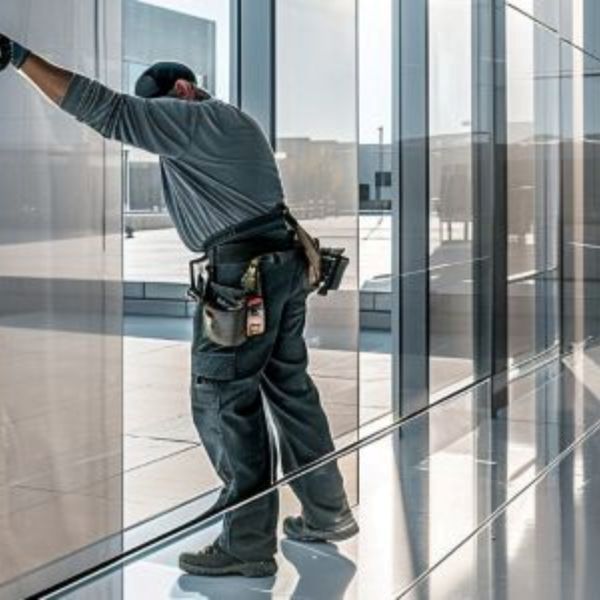
Certified glazing contractors carry qualifications that translate directly to project documentation requirements. The National Glass Association (NGA) certifies glaziers at multiple skill levels, with commercial curtain wall and structural glazing certifications requiring demonstrated competency beyond standard storefront installation. Manufacturers of structural silicone systems and impact-rated glass assemblies require installation by approved contractors to maintain product certification, and they provide the installer certification letters that an owner’s building documentation package requires.
On projects subject to third-party commissioning or special inspection requirements, the inspector is checking for documented installer qualification alongside installation quality. A glazing contractor who cannot provide NGA certification or manufacturer approval documentation for a structural application creates a submittal failure that can delay certificate of occupancy.
Multi-Site Retail Rollouts: The Coordination Challenges a National Partner Resolves
Consider a 60-location retail rollout with storefront window replacements across four climate zones. Each location has a different authority having jurisdiction (AHJ), a different energy code vintage, and different site conditions. Some locations are in coastal impact zones requiring Miami-Dade certified glazing. Others are in cold climates requiring U-factor compliance below 0.30.
Managing that project with individually sourced local glazing contractors means 60 separate submittal packages, 60 separate code compliance reviews, and 60 separate warranty documentation files, with no standardized specification baseline ensuring consistent performance across locations. A single inconsistency in glass specification at a coastal location creates a code compliance gap that stops the certificate of occupancy at that site.
A national glazing partner with multi-site experience brings a pre-engineered specification matrix that maps product selection to code requirements by location, a single submittal package template that scales across all 60 sites, and a qualified installer network that delivers documented performance consistently. That coordination capacity is not a convenience. It is the difference between a rollout that closes on schedule and one that stalls in AHJ review.
How to Choose Between Different Glazing Systems for a Large Project
The specification decision matrix for a large commercial project runs through five questions:
- What thermal performance does the energy code require for this climate zone and occupancy type?
- What safety glazing locations does the IBC identify for this building type and use?
- Are there impact, blast, or fire-rated glazing requirements driven by location, security level, or occupancy?
- What is the existing frame condition, and does it accommodate the target IGU configuration?
- What post-installation documentation does the owner or AHJ require?
Answering those five questions produces a specification that can be put to competitive bid against a defined product and installation standard. Without that framework, bids come back on incomparable scopes, and the lowest number often reflects the lowest-performing product rather than the most efficient delivery.
How Much Does Professional Window Glazing Cost?
Commercial glazing costs vary too widely by application to quote a single number usefully. Standard double-pane commercial storefront replacement typically runs $40 to $90 per square foot installed, depending on glass specification, frame system, and market labor rates. High-performance Low-E IGUs with structural framing add 20 to 40 percent to that baseline. Blast-rated or impact-certified assemblies in institutional applications can reach $150 to $250 per square foot when frame engineering and attachment systems are included.
The more useful framing for the budget conversation is lifecycle cost, not unit cost. A mid-range storefront system with a 20-year IGU warranty and documented energy code compliance costs less over a 15-year building hold period than a cheaper system that fails edge seal at year eight, requires full IGU replacement, and carries no installer warranty on the sealant work. Project managers who present glazing as a capital cost line item without a lifecycle cost comparison are leaving a significant budget argument on the table, particularly when the specification directly affects HVAC sizing and operating cost.
Maintenance, Longevity, and Code Compliance Over the Building Lifecycle
Maintenance Schedules for Professionally Glazed Commercial Windows
Most commercial IGU warranties run 10 to 20 years on edge seal integrity, but that coverage is conditional, not automatic. Manufacturers typically require documented semi-annual or annual cleaning using approved non-abrasive, non-solvent-based products, inspection of perimeter sealants, and prompt repair of frame finish damage that exposes metal substrates to moisture. Allowing sealant deterioration at the frame perimeter to go unaddressed for even one heating and cooling cycle can void edge seal coverage by creating a moisture pathway that the manufacturer will attribute to maintenance failure rather than product defect.
For professionally glazed commercial buildings, maintenance is a warranty obligation, not a discretionary line item. The practical minimum is twice-yearly visual inspection of all perimeter sealant joints, annual cleaning with manufacturer-specified products, and immediate caulk repair at any location showing adhesion failure or separation at the glass-to-frame joint.
Inspection Protocols: Using Infrared Thermography to Catch Failure Early
Visual inspection identifies advanced failures. Infrared thermography catches them before they become visible. A thermal imaging camera scanned across glazing windows during a heating season will show cold spots at failed edge seals, air infiltration at sealant separations, and thermal bridging through degraded spacer bars, none of which appear as obvious defects to the naked eye. On a large commercial facade, that scan often identifies a meaningful percentage of units with measurable performance degradation before fogging or condensation confirms the failure.
For facilities without thermal imaging capability, a handheld infrared heat gun provides a lower-resolution alternative. Interior glass surface temperatures more than 10掳F below ambient room temperature on a cold day signal elevated heat transfer through that unit and warrant closer inspection of the edge seal and frame sealant condition.
Visual inspection protocols should include four specific checks:
- Perimeter sealant continuity: look for cracks, gaps, or separation at the glass-to-frame interface
- Glazing bead condition: check for warping, cracking, or gaps in mechanical retention strips
- Frame finish integrity: note any paint or anodize failure that exposes substrate to moisture
- Interior surface condensation: any fogging between panes confirms edge seal failure requiring unit replacement
Energy Code Compliance and Re-Glazing: When Renovation Triggers a Performance Upgrade
A re-glazing project that replaces like-for-like on an existing commercial building may not require a code review. A renovation that replaces more than 50 percent of the building’s fenestration area crosses a threshold in most IECC and ASHRAE 90.1 jurisdictions that triggers compliance with current energy code requirements, not the code vintage in effect when the building was originally permitted.
That threshold matters for project managers budgeting a phased window replacement program.
Replacing 40 percent of windows across a campus in one contract year and the remaining 60 percent the following year may avoid the compliance trigger that would require upgrading the entire fenestration system to current U-factor and SHGC minimums.
Whether that phasing strategy holds depends on how the authority having jurisdiction interprets the applicable code cycle’s alteration thresholds.
Confirming that interpretation before committing the project schedule is not optional. It determines the specification baseline for every unit in the project.

How Long Does Window Glazing Last in Commercial Environments?
A properly installed double-pane IGU in a commercial application has a realistic service life of 15 to 25 years before edge seal failure becomes statistically probable. High-performance soft-coat Low-E units on south and west exposures often degrade faster because UV loading and thermal cycling stress the edge seal more aggressively than north-facing or shaded units in the same building.
Several site conditions shorten service life significantly:
- Coastal environments, where salt-laden air accelerates spacer bar corrosion and adhesive degradation at the edge seal
- High-pressure cleaning at close range, which drives water into frame joints and compromises sealant adhesion
- Mechanical contact from scaffolding, delivery equipment, or HVAC maintenance activity that damages sealant joints without leaving visible glass damage
- Vegetation contact, where branches or vines against glazing create sustained moisture retention at the frame perimeter
The frame system also affects IGU longevity independent of the glass unit. An aluminum frame with failed thermal break integrity subjects the IGU edge to greater temperature differential than the unit was designed to handle, shortening edge seal life by years even on an otherwise sound installation
Commercial Glazing Decision Checklist:
Performance Specifications, Code Thresholds, and Vendor Qualification Criteria
Use this checklist before issuing a glazing specification or evaluating contractor bids.
Performance Specifications
- U-factor and SHGC requirements confirmed against ASHRAE 90.1 or IECC for project climate zone and occupancy type
- Safety glazing locations inventoried per IBC hazardous location requirements
- Impact zone status confirmed (ASCE 7 wind speed region, Florida Building Code, or equivalent)
- Blast or security rating requirement identified (GSA security level, ASTM F1642 threshold)
- Fire-rated glazing assembly requirements identified by location within building
Code Thresholds
- Renovation scope confirmed against IECC/ASHRAE 90.1 alteration thresholds (percentage of fenestration area replaced)
- AHJ identified for each project location and applicable code cycle confirmed
- Submittal and special inspection requirements documented before contractor selection
Vendor Qualification Criteria
- NGA certification or equivalent for the specific installation type (storefront, curtain wall, structural silicone)
- Manufacturer approval documentation for any certified or warranted glazing system
- Demonstrated multi-site or multi-jurisdiction project experience for large rollouts
- Ability to provide a single specification matrix across multiple locations and climate zones
- Post-installation documentation package: installer certification letters, warranty registration, and as-built glass specifications
Selecting the Right Glazing Partner for Projects That Cannot Afford Rework
From Awareness to Specification: Translating This Guide into a Project Brief
The path from understanding glazing windows to writing a specification brief runs through five decisions: thermal performance tier, safety glazing locations, specialty performance requirements (impact, blast, or fire), existing frame condition, and post-installation documentation requirements.
The brief itself is shorter than the reasoning behind it. A one-page specification matrix that maps each decision to a product standard and an installer qualification requirement gives any qualified vendor a clear basis for a comparable bid.
What to Expect From a Qualified Commercial Glazing Partner on a National Rollout
A qualified partner does not just source and install glass. They deliver a pre-engineered specification that maps product selection to code requirements by location, manage submittal coordination across multiple AHJs, and maintain a documented installer network that can provide certification letters for each project site. On a multi-site rollout, the specification matrix and submittal package template are as valuable as the glass itself. They are what gets certificates of occupancy issued consistently across locations rather than stalling at individual sites.
Response time on submittals, familiarity with coastal impact requirements, and the ability to produce manufacturer certification documentation on request are the practical tests of a capable partner. Ask for examples of completed multi-site projects with documentation packages before committing a contract.

Why Technical Expertise and Proven Installation Scale Are the Only Acceptable Vendor Qualifications
Price is not a useful selection criterion for commercial glazing when the specification is not yet defined. A low bid against an underspecified scope delivers a product that may fail code review, void IGU warranties, or require remediation that costs more than the difference in bid price. The selection criteria that matter are documented technical competency for the specific glazing system required and verifiable experience delivering that system at the project’s scale and across its jurisdiction mix. Everything else is secondary.
Work With Window Film Depot on Your Next Commercial Glazing Project
Window Film Depot works with construction and renovation managers on commercial, institutional, and multi-site projects where glazing performance, code compliance, and installation documentation are non-negotiable requirements. Whether the project calls for high-performance IGU specification, retrofit security film to meet blast criteria on existing windows, or a national rollout with multiple climate zone compliance requirements, the team can map your project parameters to a certified system and a qualified installation scope. Contact Window Film Depot to begin the specification conversation before the bid package goes out.
Frequently Asked Questions
What is the difference between glazing putty and modern glazing compounds?
Traditional glazing putty is linseed oil-based and designed for single-pane wood or steel sash in heritage applications. It becomes brittle over time and has no defined elongation specification, making it unsuitable for commercial work. Modern glazing compounds are polymer-based formulations, including latex, silicone, and hybrid blends, that remain flexible after cure, bond to a wide range of substrates, and carry defined performance certifications required on commercial specifications.
How long does window glazing compound take to dry?
Latex compounds skin over in one to two hours and reach handling strength within 24 hours, but full cure takes seven to fourteen days depending on temperature and humidity. Silicone compounds cure by moisture absorption and can take significantly longer in cold or low-humidity conditions. For commercial scheduling purposes, the critical milestone is full cure, not surface dry time, because glass should not be subjected to frame deflection or cleaning until the compound reaches its rated adhesion values.
Can you use glazing putty on double-pane or modern insulated windows?
No. Linseed oil-based glazing putty is chemically incompatible with the edge sealant systems used in modern IGUs. Contact between putty and the IGU perimeter accelerates degradation of the butyl primary seal and the polysulfide or silicone secondary seal that maintains the hermetic cavity. Modern IGU installations require a compatible silicone or structural sealant that has been tested and approved by the IGU manufacturer as part of the system.
What are the different types of window glazing for commercial buildings?
Commercial glazing windows systems range from standard double-pane insulated glass units with Low-E coatings to laminated safety glass, tempered glass, blast-resistant assemblies, and structural silicone glazing for curtain wall applications. The correct system depends on the building’s energy code requirements, IBC safety glazing locations, impact zone classification, and any applicable blast or fire-rated performance criteria. Retrofit window film is also a recognized option for upgrading existing fenestration without full replacement.
How much does professional window glazing cost?
Standard commercial storefront replacement with double-pane IGUs typically runs $40 to $90 per square foot installed, depending on glass specification, frame system, and local labor rates. High-performance Low-E units with structural framing add 20 to 40 percent to that baseline. Blast-rated or impact-certified assemblies in institutional applications can reach $150 to $250 per square foot when frame engineering and attachment systems are factored in. Lifecycle cost, including energy savings and warranty coverage, is a more reliable budget metric than upfront unit cost alone.
Are there security or performance upgrades available for existing windows?
Yes. Window security film applied to existing annealed or tempered glass provides post-breakage retention comparable to laminated glass at significantly lower cost and without structural modifications to the existing frame. When installed with a proper edge-anchoring attachment system, high-performance safety films can meet GSA blast criteria on existing single-pane windows. Secondary interior glazing panels can improve thermal performance on existing frames, and perimeter sealant replacement addresses air infiltration without touching the glass unit. A qualified glazing consultant can evaluate which retrofit path closes the gap between current performance and your code or security requirements.