Table of Contents:
- The Hidden Vulnerability: Why Standard Glazing is Your Building’s Weakest Link
- Advanced Protection Unveiled: An Introduction to 3M Safety and Security Window Film Technology
- Critical Applications: Enhancing Safety and Security Across Diverse Sectors
- Specifying the Optimal Defense: A Deep Dive into 3M Safety vs. Ultra Series Films
- The Installation Imperative: Why Expertise is as Critical as the Product Itself
- Partnering for Project Success: Choosing the Premier National 3M Window Film Installer
- Conclusion: Elevating Project Security Through Strategic Film Technology and Expert Partnership
- Frequently Asked Questions
- Related Posts from Window Film Depot
The Hidden Vulnerability: Why Standard Glazing is Your Building’s Weakest Link
Understanding the Inherent Risks of Untreated Glass in Commercial Structures
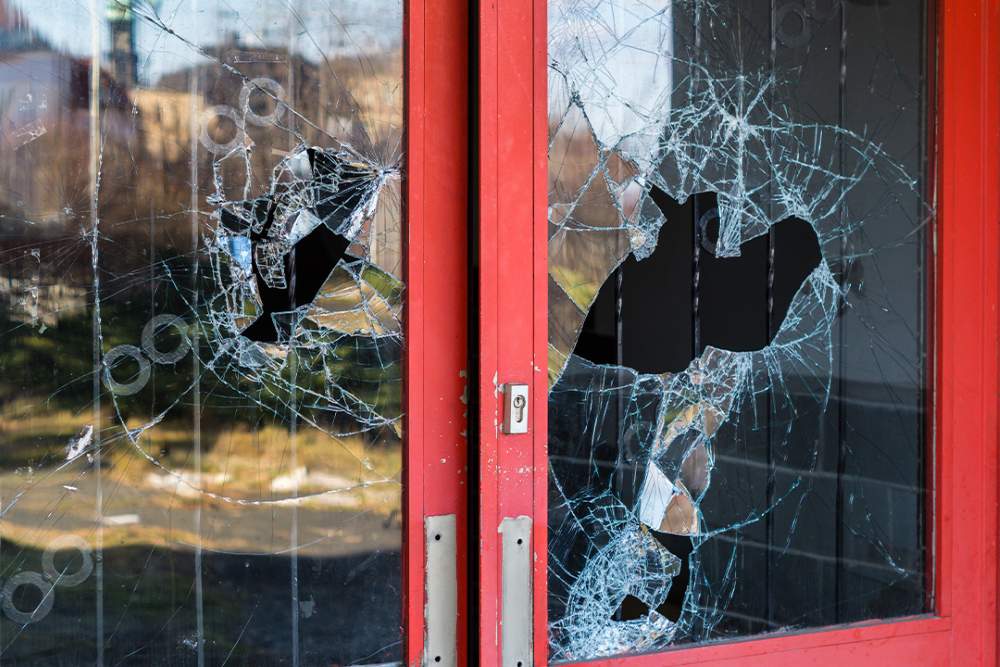
Glass is an indispensable component of modern commercial architecture, prized for its aesthetic appeal, natural light transmission, and energy efficiency. However, in its untreated state, standard glazing presents a significant inherent risk. Even seemingly robust panes of glass possess a brittle nature, making them highly susceptible to failure under various stressors. These stressors range from everyday accidental impacts and acts of vandalism to more severe threats like severe weather events, forced entry attempts, or even blast phenomena. When standard glass fails, it does not merely crack; it shatters into dangerous, sharp fragments that can become projectiles, posing immediate and severe hazards within the building envelope.
The Costly Consequences: From Property Damage to Occupant Safety
The failure of untreated glass extends beyond the immediate damage to the pane itself, triggering a cascade of costly consequences. Property damage can escalate rapidly, encompassing not only replacement costs for the glass but also extensive damage to interior furnishings, equipment, and inventory from flying debris or environmental exposure. Beyond property, the implications for occupant safety are profound. Flying glass shards are a primary cause of severe lacerations, eye injuries, and even fatalities during incidents involving glass breakage. For a project manager, these risks translate directly into increased liability, potential operational downtime, and significant expenses for repairs, cleanup, and business interruption, underscoring the critical need for proactive risk mitigation.
Architectural Trends and the Increased Reliance on Glass Facades
Contemporary architectural trends have steadily moved towards designs featuring expansive glass facades and interior partitions. This preference is driven by a desire for open, light-filled spaces that enhance employee well-being and offer superior aesthetic value. While these designs contribute positively to a building’s appeal and energy performance, they simultaneously amplify its vulnerability if the glass elements remain unprotected. The sheer volume and size of glass panels in modern commercial structures mean that any failure point can have a disproportionately large impact, creating vast openings for threats and increasing the potential for widespread damage and injury. This architectural reliance on glass underscores the urgency of integrating advanced security measures.
Mitigating Common Threats: A Project Manager’s Perspective on Proactive Security
For a project manager, mitigating common threats is not merely about reactive measures but about implementing proactive security strategies that address every potential weak link in a building’s defense. Glass, often overlooked, represents a critical vulnerability that demands a specialized solution. A comprehensive security strategy must therefore extend beyond traditional perimeter defenses to include the building’s fenestration. By anticipating and addressing the specific risks associated with untreated glass, project managers can significantly enhance overall building resilience, protect valuable assets, ensure business continuity, and most importantly, safeguard the lives of occupants. This proactive stance is essential for meeting contemporary safety standards and minimizing long-term liability.
Advanced Protection Unveiled: An Introduction to 3M Safety and Security Window Film Technology
Beyond Basic Film: The Engineering Behind 3M’s Multi-Layered Defense System
3M Safety and Security Window Film represents a significant leap beyond conventional window tints or decorative films. It is not merely an aesthetic enhancement but an engineered defense system. At its core, this technology employs a multi-layered construction, utilizing unique micro-layering techniques to create films that are exceptionally strong and tear-resistant despite being remarkably thin. These layers are combined with aggressive, proprietary acrylic adhesives designed to bond the film tenaciously to the glass surface. This sophisticated engineering ensures that the film acts as an invisible yet formidable membrane, transforming the inherent fragility of glass into a resilient, cohesive barrier upon impact.
Key Performance Indicators: Tensile Strength, Tear Resistance, and Elongation Explained
Understanding the technical specifications of 3M Safety and Security Window Films is crucial for appreciating their protective capabilities. Three key performance indicators (KPIs) define their effectiveness:
- Tensile Strength: This measures the film’s resistance to breaking when subjected to tension. High tensile strength means the film can withstand significant pulling forces, crucial for holding glass fragments together during an event like a blast or forced entry attempt.
- Tear Resistance: Once compromised, tear resistance indicates the film’s ability to resist further propagation of a tear or cut. This prevents small impacts from leading to catastrophic film failure and large breaches.
- Elongation: This KPI quantifies how much the film can stretch before it breaks. High elongation allows the film to absorb and dissipate impact energy effectively, deforming significantly without rupturing, which is vital for maintaining the integrity of the glass unit under stress.
These mechanical properties, rigorously tested and certified, are what enable 3M films to provide robust protection against a spectrum of threats, allowing the glass to bend and stretch with the film rather than immediately shattering and falling out of the frame.
The Science of Spall Protection: Preventing Dangerous Glass Shards and Enhancing Safety
One of the most critical functions of 3M Safety and Security Window Film is spall protection. “Spall” refers to the dangerous shards of glass that become airborne projectiles when a window breaks. During an impact or blast event, it is often not the initial force but the secondary effects of flying glass fragments that cause the most severe injuries and damage. The science behind 3M’s spall protection is straightforward yet highly effective: the film’s powerful adhesive and high tensile strength hold the shattered glass fragments firmly in place, adhering them to the film itself. This retention system significantly reduces the risk of lacerations, eye injuries, and other trauma caused by flying glass, directly contributing to occupant safety and minimizing cleanup efforts in the aftermath of an incident. This capability is paramount for meeting stringent safety standards, such as those outlined by the GSA for fragment retention.
How 3M Commercial Security Window Film Transforms Standard Glass into a Resilient Barrier
In essence, 3M Commercial Security shatterproof window film transforms standard, vulnerable glass into a resilient, impact-resistant barrier. While the glass itself may still break under extreme force, the film prevents it from shattering into a dangerous, uncontrolled cascade of fragments. Instead, the shattered glass remains largely contained within the window frame, held together by the film’s robust properties. This “catch-and-hold” system serves multiple critical functions: it delays forced entry attempts by making it significantly harder to create a breach, mitigates the harmful effects of blast overpressure by retaining dangerous glass shards, and provides vital protection against severe weather events by preventing wind-borne debris from easily penetrating the building envelope. This transformation from a weak link to a resilient defense mechanism provides an enhanced layer of security and peace of mind for any commercial or governmental facility.
Critical Applications: Enhancing Safety and Security Across Diverse Sectors
The strategic application of 3M Safety and Security Window Film extends beyond basic glass reinforcement, offering targeted protection solutions for a wide array of specific threats and environments. Understanding these critical applications helps project managers identify the precise needs of their facilities and select appropriate film technologies.
Deterring Opportunistic Crime: Addressing Smash-and-Grab Scenarios in Retail Environments
Retail spaces are frequently targeted by opportunistic criminals employing “smash-and-grab” tactics. In these scenarios, the objective is rapid entry, quick asset seizure, and immediate escape. 3M window tint acts as a formidable deterrent by significantly increasing the time required to breach a glass pane. The film holds the shattered glass firmly in place, creating a tough, pliable barrier that resists penetration, often leading perpetrators to abandon their attempts. This not only protects valuable merchandise but also minimizes glass-related cleanup and business downtime, ensuring continuity of operations.
Need More Info?
The Window Film Depot team is happy to help.
Reinforcing Entry Points: Fortifying Against Forced Entry Attempts in Commercial Buildings
Commercial buildings often house valuable data, equipment, and intellectual property, making them targets for more determined forced entry attempts. Security films, particularly thicker variants and the advanced Ultra Series, fortify vulnerable entry points like lobby windows, ground-floor offices, and accessible glass doors. By containing glass fragments within the frame, the film delays entry, providing crucial minutes for security personnel or law enforcement to respond. This enhanced resistance turns a rapid breach into a prolonged, noisy struggle, thereby increasing the risk of apprehension for intruders.
Blast Mitigation Film: Meeting GSA Standards for Extreme Threat Protection in Critical Infrastructure
For critical infrastructure, government facilities, and buildings in high-risk zones, blast mitigation is a paramount concern. 3M Safety and Security Window Films, when correctly specified and installed, are engineered to meet stringent government standards, such as those established by the General Services Administration (GSA). Specifically, GSA TS01-2003 outlines performance criteria for glazing systems under blast conditions. The film’s primary role in these applications is to prevent glass from fragmenting into dangerous projectiles that can cause severe injury or death. Instead, the film holds the shattered glass together within the window frame, dissipating blast energy and significantly reducing the hazard zone inside the structure. Achieving these standards requires not only the right film but also a meticulously engineered attachment system and expert installation.
Mitigating Natural Disasters: Protecting Assets from Severe Weather Events and Earthquakes
The unpredictability of natural disasters, from hurricanes and tornadoes to earthquakes, poses significant threats to structural integrity and occupant safety. In severe weather, windborne debris can shatter unprotected windows, turning glass shards into deadly missiles and compromising the building envelope against water intrusion. During seismic activity, glass can flex, crack, and fall, creating widespread hazards. 3M Safety and Security Window Film provides a vital layer of protection by holding fractured glass securely within the frame. This action prevents dangerous fragmentation, maintains the building’s weather barrier, and significantly reduces clean-up efforts and repair costs in the aftermath of a catastrophic event.
Enhancing Everyday Safety: Reducing Injury Risk from Accidental Breakage in Educational Facilities
Beyond high-threat scenarios, the everyday safety of occupants is a constant consideration, particularly in educational facilities, hospitals, and high-traffic public spaces. Accidental breakage, whether from a thrown object, an unfortunate fall, or simple impact, can result in dangerous glass shards scattering across an area. 3M Safety and Security Window Film effectively addresses this common hazard by containing all broken glass fragments. This prevents serious lacerations, eye injuries, and other trauma associated with shattered glass, creating a safer environment for students, staff, and visitors, and minimizing the risk of liability for facility managers.
Specifying the Optimal Defense: A Deep Dive into 3M Safety vs. Ultra Series Films
Choosing the appropriate shatterproof window film for a given project requires a detailed understanding of the inherent differences in film technologies and their performance capabilities. It’s not merely about installing film; it’s about specifying the correct solution that directly aligns with the defined threat level and project objectives.
Differentiating Technologies: When to Choose 3M Safety Series Film for General Security
The 3M Safety Series films are robust, single-ply polyester films designed to provide foundational glass protection. They significantly enhance the shatter resistance of glass by holding fragments together upon impact, preventing dangerous spalling and maintaining the integrity of the window pane. These films are an excellent choice for general security applications where the primary objective is to mitigate the hazards of accidental glass breakage, deter opportunistic “smash-and-grab” attempts, or provide a basic level of protection against severe weather events. They are available in various thicknesses, offering scalable protection tailored to common risks without the advanced properties required for extreme threats.
Unparalleled Strength: Exploring the Advanced Performance of 3M Ultra Series Window Film
For superior protection against extreme threats, 3M’s Ultra Series films represent a significant leap in window film technology. Unlike traditional single-ply films, Ultra Series films feature a unique, micro-layered construction. This patented technology results in a film that is remarkably strong, exhibiting superior tensile strength and elongation at break compared to films of similar thickness. This multi-layer design allows the film to absorb and dissipate impact energy more effectively, providing exceptional tear resistance and elasticity. Ultra Series films are engineered to excel in blast mitigation and advanced forced entry scenarios, where glass failure must be delayed and controlled under immense stress. Their unique construction ensures that even under severe impact, the film holds the glass in place more tenaciously, forming a resilient barrier that buys critical response time.
Matching Film to Threat Level: Strategic Selection for Project-Specific Requirements
Effective security planning hinges on accurately matching the film technology to the identified threat level. This strategic selection process is paramount for optimizing both protection and investment.
- Low to Moderate Threat Levels: For general safety, incidental impact protection, or basic smash-and-grab deterrence, the 3M Safety Series films are often sufficient. They offer a cost-effective solution for preventing glass from becoming a dangerous projectile in common incidents.
- Elevated Threat Levels: When facing more determined forced entry attempts, severe weather events (e.g., hurricane-prone regions), or a heightened risk of vandalism, thicker 3M Safety Series films or the entry-level 3M Ultra Series films provide enhanced resistance.
- Extreme Threat Levels: For critical infrastructure, government facilities, or areas susceptible to blast events, the advanced micro-layered technology of 3M Ultra Series films, combined with appropriate attachment systems, is indispensable. This combination is engineered to withstand extraordinary forces, meeting stringent GSA performance requirements.
A comprehensive threat assessment conducted by experienced security professionals is crucial for making an informed decision, ensuring the selected film system provides the optimal balance of protection and value for project-specific requirements.
The Role of Attachment Systems: Anchoring the Film for Maximum Performance and Integrity
While the film itself provides a critical layer of protection, its maximum performance under extreme conditions — such as blast events or severe forced entry attempts — is fundamentally dependent on how it is anchored to the window frame. This is where attachment systems become essential. An attachment system mechanically bonds the filmed glass pane to the existing window frame, transforming the glass and film into a unified, high-performance barrier.
Common attachment systems include:
- Wet Glaze (Sealant-based systems): These involve applying a structural sealant (typically silicone) around the perimeter of the filmed glass, directly adhering it to the frame. This creates a flexible, yet incredibly strong, bond that allows the glass to flex and absorb energy without detaching.
- Mechanical Attachment Systems: These systems use various clips, plates, or other hardware to physically secure the filmed glass to the frame. They are designed to withstand significant dynamic loading and prevent the entire filmed pane from being dislodged from the window opening.
Without the correct attachment system, even the strongest film cannot reliably perform its intended function under extreme loads. The film might hold the glass fragments together, but the entire pane could still be ejected from the frame, compromising security and safety. Proper specification and installation of these systems are therefore as critical as the film selection itself.
Navigating Compliance: Understanding GSA Testing Standards and Project Specifications
For projects involving government facilities, critical infrastructure, or those requiring robust anti-terrorism force protection (ATFP) measures, adherence to GSA testing standards is non-negotiable. The GSA has developed specific criteria, most notably GSA TS01-2003, to evaluate the performance of glazing systems against blast events. These standards classify performance based on the level of hazard posed by glass fragments after a blast, ranging from “no hazard” to “high hazard.”
Meeting these exacting GSA standards involves a comprehensive approach:
- Certified Products: Utilizing 3M Safety and Security Window Films that have undergone rigorous third-party testing to demonstrate compliance.
- Engineered Systems: Specifying a complete system that includes not just the film but also the appropriate attachment system, designed and tested to work in concert with the chosen glass and frame type.
- Qualified Installation: Ensuring the film and attachment system are installed precisely according to manufacturer specifications and GSA guidelines. Deviations in application, sealant type, or cure times can severely compromise the system’s ability to perform as intended during an actual event.
Navigating these complex compliance requirements demands deep technical expertise and meticulous execution. For Project Manager Paul, partnering with a certified national installer with a proven track record in GSA-compliant projects is not just a preference, but a strategic necessity to mitigate risk and ensure project liability is thoroughly addressed.
The Installation Imperative: Why Expertise is as Critical as the Product Itself
The Complexities of Large-Scale Commercial Security Window Film Installation
Deploying 3M Safety and Security Window Film across large commercial, government, or educational facilities is far more intricate than simply applying a material to glass. This is a specialized trade requiring precision, deep product knowledge, and an understanding of structural dynamics. Unlike decorative or solar films, security film installation directly impacts the structural integrity of the window system under duress, demanding meticulous attention to every detail from substrate preparation to curing conditions.
Key complexities include:
- Diverse Glass Substrates: Commercial buildings often feature various glass types, thicknesses, and glazing systems, each requiring specific film and attachment system considerations.
- Operational Continuity: Installations frequently occur in active environments, necessitating careful planning to minimize disruption to building occupants and operations.
- Environmental Variables: Temperature, humidity, and dust levels during installation can significantly affect adhesive cure times and film performance.
- Scale and Scope: Managing material logistics, personnel coordination, and quality control across hundreds or thousands of windows introduces substantial project management challenges.
Beyond the Film: The Crucial Role of Edge Retention and Specialized Adhesive Systems
The true strength of 3M Safety and Security Window Film, particularly in scenarios involving blast mitigation or forced entry, often lies not just in the film itself but in its attachment to the window frame. Edge retention systems, such as the 3M Impact Protection Attachment System, are paramount. These systems mechanically or chemically bond the filmed glass to the existing window frame, transforming the glass from a projectile hazard into a resilient barrier.
- Anchoring Systems: For applications demanding severe performance criteria, such as GSA or DoD blast standards, specialized anchoring systems are critical. They prevent the filmed glass from detaching from the frame and entering the building during an impact event.
- Adhesive Technology: 3M’s proprietary adhesive systems are engineered for specific film types and performance goals. Proper application, adequate dry time, and uniform contact are essential for achieving the film’s full tensile strength and tear resistance. Incorrect adhesive application can compromise the system’s ability to hold glass fragments together and in the frame.
Common Installation Pitfalls and Their Direct Impact on Film Performance and Longevity
Even the highest quality 3M films can fail to meet their intended performance metrics if improperly installed. Project managers must be aware of common pitfalls that can undermine protection and lead to costly rework.
Subpar Surface Preparation
Inadequate cleaning or failure to remove contaminants from the glass surface prior to film application leads to adhesion issues. This can manifest as bubbles, delamination, or premature peeling, compromising both aesthetics and protective capabilities.
Incorrect Film-to-Frame Attachment
Without proper edge retention, the filmed glass can still be ejected from the frame upon impact, defeating the primary purpose of spall protection and blast mitigation. This is a critical failure point in security applications.
Improper Curing and Drying
The full strength of the film’s adhesive system develops over a specific curing period. If the film is exposed to extreme conditions or disturbed before adequate curing, its long-term adhesion and protective properties can be severely impaired.
Environmental Contamination
Dust, debris, or moisture trapped between the film and the glass during application can create weak points, reduce optical clarity, and lead to premature film degradation. This also impacts the film’s ability to maintain a continuous protective layer.
The Logistics Challenge: Coordinating National Rollouts and Multi-Site Deployments for Project Managers
For project managers overseeing large-scale or multi-location initiatives, the logistical complexities of security film installation can be daunting. Coordinating numerous local installers across different regions rarely achieves the consistency, efficiency, or accountability required for critical infrastructure projects.
A national partner offers streamlined solutions:
- Centralized Project Management: A single point of contact simplifies communication, scheduling, and oversight across all sites.
- Standardized Procedures: Ensures uniform installation quality, adherence to manufacturer specifications, and consistent safety protocols regardless of location.
- Scalable Workforce: The ability to mobilize trained crews efficiently to meet aggressive project timelines and manage varying site demands.
- Supply Chain Management: Consistent access to genuine 3M products and specialized equipment, avoiding delays or material discrepancies.
Ensuring Warranty and Compliance: The Direct Link to Certified Professional Installation
The validity of 3M’s comprehensive product warranties and the assurance of meeting stringent industry and government compliance standards are inextricably linked to professional, certified installation. Without it, the significant investment in security film can be jeopardized.
- Manufacturer Warranty: 3M’s warranties are explicitly conditioned on the film being installed by 3M certified applicators according to their strict guidelines. Improper installation can void these warranties, leaving the client vulnerable to future repair or replacement costs.
- Regulatory Compliance: For facilities requiring adherence to GSA, DoD, or other government standards for blast mitigation and forced entry, certified installation is not merely a recommendation but a mandatory requirement. Verification of installation quality by a qualified entity is often part of the compliance audit process.
- Risk Mitigation: Ensuring expert installation significantly mitigates project liability. Should a security incident occur, the project manager can confidently demonstrate that the security measures were implemented to the highest industry and manufacturer standards.
Partnering for Project Success: Choosing the Premier National 3M Window Film Installer
The Value of 3M Certification: A Benchmark for Quality, Trust, and Expert Application
For any project manager evaluating vendors, 3M certification serves as the gold standard for window film installation. This isn’t merely an endorsement; it represents a rigorous training and qualification process designed to ensure installers possess unparalleled product knowledge and application expertise.
- Rigorous Training: Certified installers undergo extensive training directly from 3M, covering film properties, substrate compatibility, advanced installation techniques, and proper use of attachment systems.
- Adherence to Best Practices: Certification dictates strict adherence to 3M’s prescribed installation methodologies, which are scientifically engineered to maximize film performance and longevity.
- Ongoing Education: The certification process often involves continuous education, ensuring installers remain current with the latest product innovations and installation technologies.
Choosing a 3M certified installer is a direct investment in project quality and peace of mind, guaranteeing that the film’s inherent protective capabilities are fully realized.
Why National Reach Matters: Addressing Logistical Needs for Multi-Location Projects
Project Manager Paul’s critical need for reliable, specialized vendors for large-scale rollouts finds its ideal solution in a national installer. The logistical advantages offered by a national partner are indispensable when managing complex, multi-site deployments.
- Consolidated Management: A single point of contact streamlines communication, contract negotiation, and overall project oversight, drastically reducing administrative burden.
- Uniformity and Consistency: National installers guarantee a standardized approach to quality, safety, and operational protocols across all locations, ensuring consistent performance and aesthetics.
- Scalability and Responsiveness: With a network of trained crews and robust logistics, national partners can efficiently scale operations to meet demanding schedules and manage concurrent installations across diverse geographies.
This approach eliminates the inefficiencies and inconsistencies inherent in piecemeal local contractor engagements, providing a predictable and controlled deployment environment.
Differentiating from Local Installers: The Specialized Expertise for Large-Scale Security Rollouts
While local installers may excel in residential or smaller commercial applications, their capabilities often fall short when confronted with the unique demands of large-scale security film rollouts. National partners bring a level of specialization and operational maturity that sets them apart.
- Deeper Technical Bench: National installers possess a broader team of technical experts, including engineers and project managers specializing in blast mitigation and forced entry solutions.
- Dedicated Security Focus: Many local installers handle a broad range of film types, whereas national experts often have a dedicated focus on the complexities of safety and security films, including GSA-compliant systems.
- Advanced Equipment and Processes: Large-scale security projects frequently require specialized cutting equipment, lift systems, and quality assurance processes that smaller, local firms may not possess or implement consistently.
- Proven Project Management: Experience with similar large-scale projects equips national partners with refined project management methodologies, risk assessment strategies, and comprehensive safety plans.
A Collaborative Approach: Integrating Security Film Solutions into Your Project Timeline and Budget
A premier national 3M window film installer acts as a collaborative partner, not merely a vendor. Their involvement extends beyond mere installation, integrating seamlessly into your overall project lifecycle.
- Early-Stage Consultation: Providing expert advice during the planning phase to select the optimal 3M film and attachment system for specific threats and regulatory requirements.
- Detailed Site Assessments: Comprehensive evaluations of existing glazing, frame conditions, and operational environments to inform precise material estimates and installation strategies.
- Phased Rollout Planning: Developing a tailored installation schedule that minimizes disruption, coordinates with other trades, and adheres to project deadlines.
- Budget Optimization: Leveraging economies of scale and efficient logistics to provide cost-effective solutions without compromising on quality or performance.
This collaborative model ensures that the security film installation is a well-managed, predictable component of your broader project, contributing to overall success.
Realizing the Full Potential: Maximizing ROI and Risk Reduction Through Expert Partnership
The ultimate goal of investing in 3M Safety and Security Window Film is to enhance protection, ensure compliance, and safeguard assets and occupants. This full potential is only realized when paired with expert, certified installation from a national partner. Such a partnership directly translates to tangible benefits that underscore your project’s return on investment (ROI) and significantly reduce risk.
- Guaranteed Performance: Assurance that the film will perform to its engineered specifications under real-world threat scenarios.
- Long-Term Durability: Maximized film lifespan, reducing the need for premature replacements and ongoing maintenance costs.
- Regulatory Confidence: Meeting and exceeding GSA, DoD, and other critical safety and security standards without question.
- Asset and Occupant Protection: The core benefit of enhanced security, preventing glass-related injuries and deterring forced entry attempts.
- Reduced Liability: Demonstrable commitment to best practices and certified installations minimizes organizational risk and liability in the event of an incident.
Conclusion: Elevating Project Security Through Strategic Film Technology and Expert Partnership
Recapping the Core Benefits of 3M Safety and Security Window Film
Throughout our discussion, we have highlighted how 3M Safety and Security Window Films represent a critical advancement in passive window security measures for modern infrastructure. These advanced films are engineered to transform standard glass into a robust barrier, significantly enhancing the safety profile of any building. Their core benefits extend from superior blast mitigation and effective spall protection, preventing dangerous glass shards from becoming projectiles, to deterrence against forced entry attempts. The films also offer invaluable UV protection, preserving interior assets and contributing to occupant well-being. This multifaceted protection ensures that assets and personnel are shielded from a spectrum of threats, both accidental and malicious.
Reaffirming the Criticality of Certified, National Installation for Project Integrity and Effectiveness
While the inherent qualities of 3M safety and security window film are undeniable, their real-world performance is entirely contingent upon meticulous, professional installation. The tensile strength and tear resistance of these films are only maximized when applied with precision, utilizing approved attachment systems that integrate the film seamlessly with the window frame. This process requires not just skill, but specialized training and adherence to strict protocols, including those mandated by GSA standards for government facilities.
Opting for a certified national partner addresses the logistical challenges inherent in large-scale security film rollouts. A national installer provides:
- Consistent Quality Control: Ensuring uniform application and adherence to manufacturer specifications across multiple sites or a sprawling facility.
- Scalability and Resource Management: The capacity to deploy trained teams and manage extensive material logistics efficiently, meeting project timelines without compromising quality.
- Compliance Assurance: Expert knowledge of relevant security standards and building codes, mitigating project liability and ensuring regulatory adherence.
- Comprehensive Project Management: A single point of contact and unified approach to project execution, simplifying coordination for project managers.
Without this level of expertise and integrated service, even the most advanced film technology risks underperforming, potentially compromising the very security it was intended to provide. The choice of installer is therefore not merely a procurement decision, but a strategic risk mitigation strategy.
Future-Proofing Your Structures: A Prudent Investment in Occupant and Asset Protection
Investing in 3M Safety and Security Window Film, when coupled with expert installation, is a forward-thinking decision that future-proofs your facilities. It transforms vulnerable glass entry points into resilient components of your building’s security envelope. This proactive approach enhances structural integrity against unforeseen impacts, extreme weather events, and evolving security threats, ensuring long-term protection for both human occupants and valuable assets. It signifies a commitment to creating safer, more resilient environments that can adapt to future challenges. This investment extends beyond immediate security concerns, contributing to the overall longevity and operational continuity of your facilities.
Your Next Steps: Consulting with the #1 3M National Installer for Your Project Needs
For project managers tasked with large-scale security upgrades or new constructions, the path forward is clear: partner with a proven, certified national installer. This collaboration ensures not only access to cutting-edge 3M film technology but also the specialized expertise required to guarantee its flawless application and maximum performance. Engaging with an experienced national provider allows for tailored solutions, comprehensive site assessments, and a reliable execution plan that addresses your specific project requirements and scale. This strategic partnership is vital for achieving optimal security outcomes, meeting stringent compliance standards, and ultimately, safeguarding your project’s integrity and long-term success.
Frequently Asked Questions
What is 3M safety and security window film used for?
3M safety and security window film is designed to reinforce glass, helping hold shattered pieces together to reduce injury risk, deter break-ins, and improve overall building safety.
Does 3M safety and security window film stop glass from breaking?
No—glass may still crack under impact, but the film holds the fragments in place, preventing dangerous shards and maintaining a barrier against entry or debris.
Is 3M safety and security window film effective against forced entry?
Yes, it significantly slows down intruders by making glass harder to breach, often deterring smash-and-grab attempts or giving more time for response.
Can 3M safety and security window film help during storms or accidents?
Absolutely. It helps keep broken glass intact during severe weather or accidental impacts, reducing injury risk and limiting interior damage.