Table of Contents:
- Advanced Climate Control: How 3M Thinsulate Window Film Redefines Thermal Performance
- Quantifying Efficiency: Essential Technical Specifications for Project Managers
- The Strategic Advantage: 3M Thinsulate Film as a Superior Alternative to Window Replacement
- Diverse Applications: Where 3M Thinsulate Window Film Excels in Commercial Projects
- Ensuring Excellence: The Critical Role of Expert Installation for Optimal Thinsulate Performance
- Conclusion: Delivering Strategic Value Through Advanced Window Film Solutions
- Frequently Asked Questions
- Related Posts from Window Film Depot
Commercial windows are often a significant, yet frequently underestimated, source of energy inefficiency within a building envelope. While they provide natural light and aesthetic appeal, older or poorly performing windows act as direct conduits for unwanted heat transfer, leading to substantial energy waste and operational challenges.
Identifying Energy Waste and Its Impact on the Building Envelope
The thermal performance of a window is primarily defined by two metrics: its U-value, which measures the rate of non-solar heat transfer (how well it insulates), and its Solar Heat Gain Coefficient (SHGC), which measures the fraction of incident solar radiation admitted through a window. Inadequate U-values allow heat to escape rapidly during colder months and infiltrate during warmer ones. Similarly, a high SHGC means excessive solar radiation penetrates the building, especially on sunny exposures. This constant thermal exchange directly compromises the integrity of the building envelope, forcing HVAC systems to work harder and less efficiently to maintain stable indoor temperatures.
The Cascading Effects: From Elevated HVAC Costs to Reduced Tenant Comfort
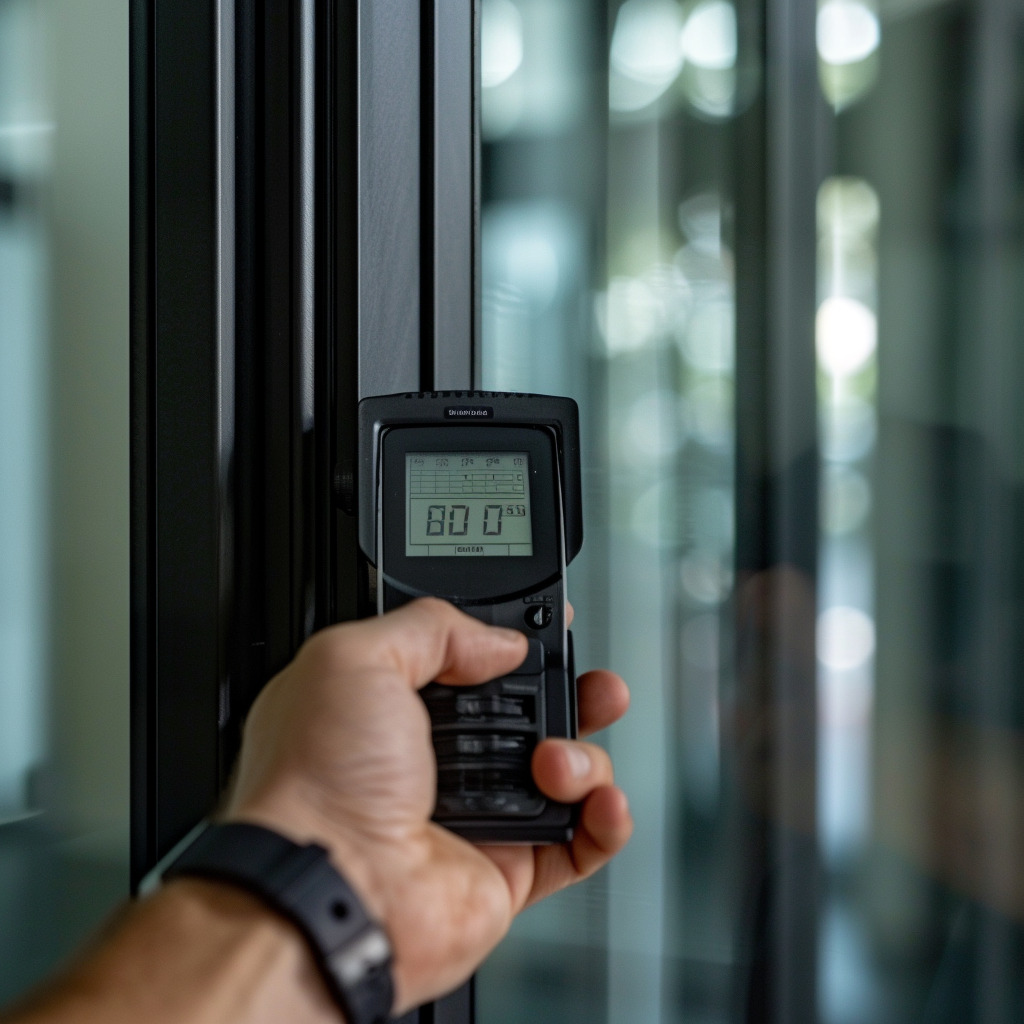
The implications of inefficient windows extend far beyond a line item on the utility bill. The continuous struggle to compensate for heat loss in winter and heat gain in summer places immense stress on HVAC equipment. This leads to:
- Elevated HVAC Operational Costs: Direct increases in electricity and natural gas consumption.
- Premature Equipment Wear: Increased run times shorten the lifespan of HVAC units, leading to higher maintenance costs and accelerated capital expenditures for replacement.
- Inconsistent Internal Temperatures: Hot and cold spots develop, particularly near windows, creating uncomfortable environments.
- Reduced Tenant Satisfaction: Discomfort often results in tenant complaints, lower productivity, and can even impact lease renewals and property valuations.
The Project Manager’s Challenge: Justifying Investment in Building Upgrades
For project managers tasked with optimizing building performance, identifying these hidden drains is only the first step. The critical challenge lies in justifying the investment required for upgrades, particularly when faced with budget constraints and demands for clear return on investment (ROI). Traditional solutions, such as full window replacement, often come with prohibitive costs, extensive disruption, and lengthy timelines, making them difficult to greenlight. This necessitates a strategic approach that can deliver significant energy savings and comfort improvements without the typical hurdles of major capital projects.
How 3M Thinsulate Window Film Redefines Thermal Performance
Addressing the thermal inefficiencies of existing fenestration requires a solution that is both effective and financially viable. Heat control window film, such as 3M Thinsulate, represents a paradigm shift in this regard, offering advanced climate control capabilities that fundamentally redefine how buildings manage temperature and energy.
The Science Behind Thinsulate: Patented Technology for Year-Round Insulation
At its core, 3M Thinsulate Window Film utilizes patented low-emissivity (low-E) technology, incorporating multiple micro-thin layers within a single film. Unlike standard window films that primarily block solar glare or provide privacy, Thinsulate is engineered for true insulation. This proprietary construction works to reflect heat, effectively creating an invisible barrier that significantly improves the existing window’s U-value. The result is a substantial reduction in heat transfer through the glass, offering tangible energy savings without altering the aesthetic integrity of the building.
Dual Action: Reducing Heat Loss in Winter and Solar Heat Gain in Summer
One of Thinsulate film’s most compelling advantages is its dual-action capability, providing benefits across all seasons:
- Winter Performance: The low-E coating reflects interior heat back into the building, dramatically reducing heat loss through the glass. This minimizes the demand on heating systems, contributing directly to lower energy consumption and more consistent indoor temperatures.
- Summer Performance: In warmer months, the film’s technology works to reject solar heat that would otherwise penetrate the building, reducing the solar heat gain coefficient (SHGC). This keeps interiors cooler, decreasing the load on air conditioning units and delivering significant cooling cost savings.
This year-round thermal regulation directly translates to a reduced HVAC load and demonstrably lower utility bills for the building owner.
Beyond Traditional Tinting: A True Low-E Insulating Window Film Solution
It is crucial to distinguish heat-blocking window film from conventional tinted or reflective films. While traditional films might offer some solar heat rejection, they often achieve this by darkening the glass, which can compromise natural light levels and alter exterior aesthetics. Thinsulate film is designed to be virtually invisible, maintaining the building’s original appearance and maximizing natural light transmission while providing superior insulation. This makes it a true low-E insulating solution, enhancing window performance in ways that were previously only achievable through full window replacement or the installation of much thicker, multi-pane glazing units.
Quantifying Efficiency: Essential Technical Specifications for Project Managers
For project managers evaluating energy efficiency upgrades, a clear understanding of key performance indicators is paramount. These technical specifications provide the objective data necessary to project energy savings, calculate return on investment, and ultimately, justify strategic decisions to stakeholders. Focusing on these metrics ensures that proposed solutions deliver tangible, measurable benefits.
Demystifying U-Value: Understanding Thermal Transmittance for Winter Performance
The U-value, or coefficient of heat transfer, is a critical metric indicating how well a window insulates. It measures the rate at which heat passes through a material, meaning a lower U-value signifies superior insulation and less heat loss. In colder climates and during winter months, windows with high U-values act as thermal bridges, allowing interior heat to escape, thereby increasing heating loads and utility expenses. Reducing a building’s overall U-value directly translates into reduced energy consumption for heating, enhancing occupant comfort, and lowering operational costs.
Interpreting Solar Heat Gain Coefficient (SHGC): Managing Summer Cooling Loads
Complementary to U-value, the Solar Heat Gain Coefficient (SHGC) quantifies the fraction of solar radiation admitted through a window. This includes both directly transmitted solar energy and the energy absorbed and subsequently radiated inward. A lower SHGC indicates that less solar heat enters a building, which is especially vital in warmer climates or during summer. By effectively reducing solar heat gain, a window system with a low SHGC can significantly decrease the demand on air conditioning systems, leading to substantial reductions in cooling costs and improved thermal comfort within the space.
Translating Performance Data: How 3M Specifications Drive Energy Savings
3M Thinsulate Window Film is engineered to directly influence these critical performance metrics in existing glazing. The film’s unique low-emissivity (low-e) coating system acts as a thermal barrier. For instance, applying 3M Thinsulate Window Film to a single-pane window can effectively lower its U-value to approach that of a standard double-pane unit. Similarly, it can significantly enhance a typical double-pane window to perform closer to a triple-pane system, markedly reducing heat loss during colder periods. Simultaneously, the film is designed to maintain a balanced SHGC, allowing desirable light transmission while rejecting a substantial portion of solar heat, thus mitigating cooling loads during warmer months. This dual action ensures year-round energy efficiency by managing both heat gain and heat loss, optimizing HVAC system performance, and stabilizing interior temperatures.
Verifying Claims: Accessing Official 3M Technical Documentation for Project Assurance
For any large-scale renovation or energy upgrade project, thoroughly vetted data is indispensable for project assurance and stakeholder confidence. 3M window tint provides comprehensive technical documentation for its Thinsulate Window Film products, including detailed specifications, performance data tables, and third-party verified testing results. Project managers can access these official resources to:
- Confirm performance metrics: Review U-value, SHGC, Visible Light Transmittance (VLT), and other optical properties specific to each film type.
- Validate energy savings projections: Utilize data to support energy modeling and financial ROI calculations.
- Ensure compliance: Verify that the film meets relevant building codes and energy efficiency standards.
- Address technical queries: Provide credible, manufacturer-backed information to building owners, architects, and engineering teams.
Leveraging these authoritative documents is a crucial step in demonstrating the viability and efficacy of 3M Thinsulate Window Film as a strategic energy upgrade.
3M Thinsulate Window Film as a Superior Alternative to Window Replacement
When faced with aging, inefficient windows, project managers typically consider two primary paths: full window replacement or a targeted upgrade. For many large-scale commercial and residential projects, 3M Thinsulate Window Film presents a compelling strategic advantage, offering a solution that aligns more effectively with common project constraints related to budget, timeline, and operational continuity, all while delivering significant performance enhancements.
Cost-Effectiveness and Accelerated ROI: Comparing Financial Outlays and Payback Periods
The financial discrepancy between full window replacement and installing 3M Thinsulate Window Film is substantial. Window replacement involves considerable costs beyond just the new units themselves, including:
- Materials and Customization: Higher unit costs for new, often custom-sized windows.
- Extensive Labor: Demolition, disposal of old windows, framing adjustments, and installation of new units.
- Ancillary Trades: Scaffolding, painting, drywall repair, and potential structural modifications.
- Disruption Costs: Lost revenue or productivity due to extended downtime for occupied spaces.
In contrast, 3M Thinsulate Window Film requires a fraction of this financial outlay. The lower material and installation costs lead to significantly shorter payback periods, often measured in just a few years compared to the decade or more typical for full replacements. This accelerated Return on Investment makes the film a more attractive proposal when presenting to building owners, directly addressing the need for rapid financial justification.
Minimizing Disruption: Project Timelines and Operational Continuity for Large-Scale Sites
One of the most critical challenges in large-scale renovation projects is maintaining operational continuity and minimizing disruption for occupants. Full window replacement is an inherently disruptive process, often requiring:
- Extended Timelines: Weeks or months of work per floor or section.
- Occupant Displacement: Tenants may need to vacate areas during installation.
- Noise and Debris: Significant construction noise, dust, and waste generation.
- Security Concerns: Openings in the building envelope for prolonged periods.
3M Thinsulate Window Film installation, by comparison, is a minimally intrusive process. It typically involves interior application to existing windows, requiring no demolition or structural changes. Installation can be completed quickly, often room by room or section by section, with minimal noise and very little disruption to daily operations or tenant comfort. This streamlined process preserves business continuity, a vital consideration for occupied commercial, institutional, or multi-family residential properties.
Delivering Performance: Matching or Exceeding Thermal Goals Without Structural Changes
The primary goal of a window upgrade is to improve thermal performance. While new windows certainly achieve this, 3M Thinsulate Window Film offers a highly effective alternative capable of meeting or even exceeding specific thermal goals without the need for costly and complex structural modifications. The film enhances the U-value of existing windows, significantly reducing heat transfer and improving insulation characteristics. It also effectively manages solar heat gain, providing a balanced solution for year-round energy demands. This capability allows project managers to achieve desired energy efficiency targets and comply with modern building performance standards, all while leveraging the existing window infrastructure.
Enhancing Property Value and Tenant Satisfaction Through Smart Energy Upgrades
Beyond direct energy savings, investing in 3M Thinsulate Window Film yields broader benefits that enhance a property’s overall value and appeal. Improved energy efficiency contributes to a building’s green credentials, which is increasingly important for attracting tenants and command higher lease rates in a competitive market. Furthermore, the film’s ability to stabilize interior temperatures, reduce drafts, and eliminate uncomfortable hot or cold spots directly translates into enhanced occupant comfort. This improved indoor environment contributes significantly to tenant satisfaction, leading to higher retention rates and a more positive perception of the property. A smart, cost-effective energy upgrade like 3M Thinsulate Window Film, therefore, acts as a strategic investment in both operational efficiency and long-term asset value.
Diverse Applications: Where 3M Thinsulate Window Film Excels in Commercial Projects
The inherent versatility of 3M Thinsulate Window Film positions it as a strategic asset across a wide spectrum of commercial and institutional properties. Unlike the disruptive and costly process of full window replacement, integrating this advanced film allows project managers to achieve significant performance enhancements with minimal operational impact. Its application addresses distinct challenges within various sectors, consistently delivering on energy efficiency, occupant comfort, and asset protection.
Modern Office Complexes: Optimizing Environment for Productivity and Well-being
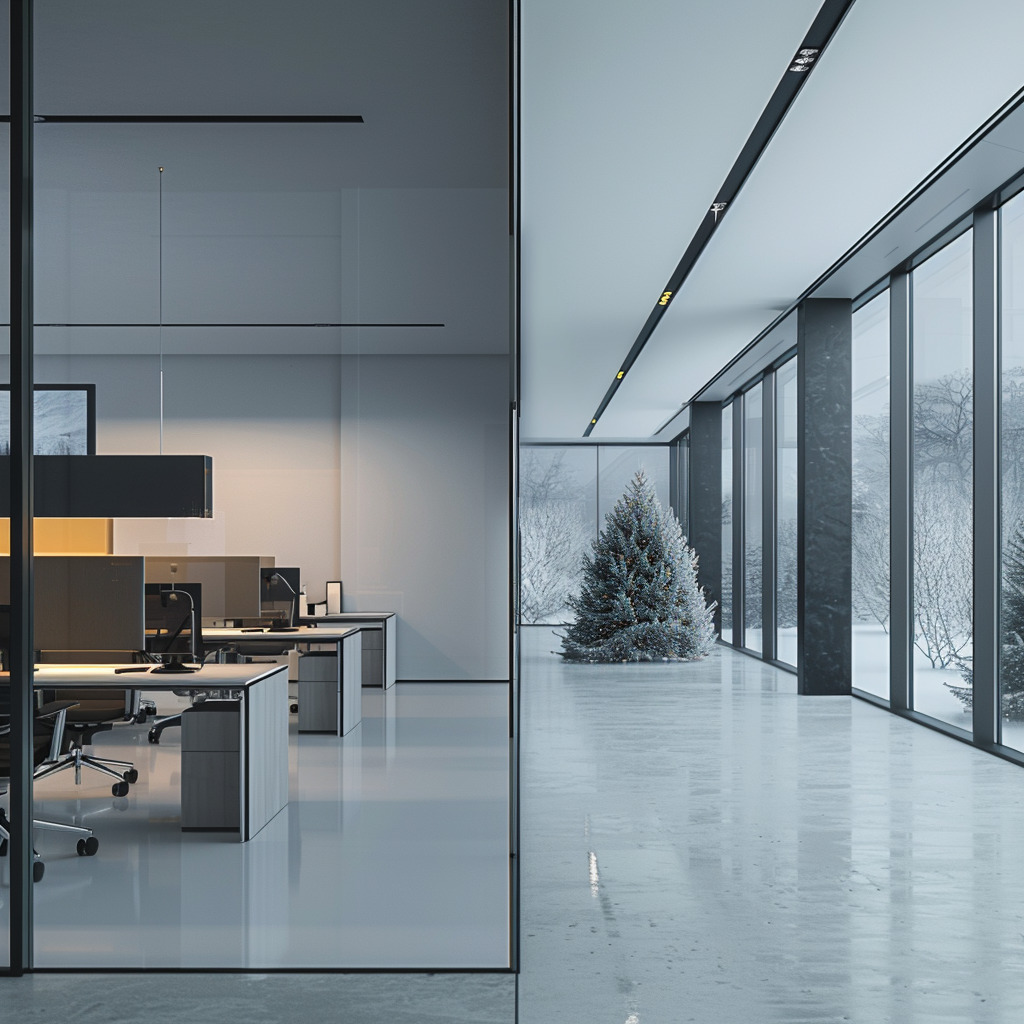
In modern office environments, maintaining a stable and comfortable indoor climate is paramount for employee productivity and overall well-being. Offices often contend with significant heat gain through large glass facades, leading to increased HVAC loads and uncomfortable hot spots near windows. Conversely, during colder months, traditional windows are a primary source of heat loss. 3M Thinsulate Window Film effectively mitigates these issues by acting as an insulating layer, much like a low-emissivity coating. It significantly reduces solar heat gain during warmer periods, thereby lowering air conditioning demand, and it limits heat loss in cooler conditions, reducing heating requirements. The result is a more consistent internal temperature and reduced glare, fostering an optimal working environment that translates directly into lower energy expenditures and improved tenant satisfaction, providing a clear ROI for project managers.
Retail and Hospitality: Climate Control for Customer Comfort and Product Protection
For retail and hospitality venues, the customer experience is everything. Uncomfortable temperature fluctuations, excessive glare, or sun-damaged merchandise can directly impact sales and guest satisfaction. 3M Thinsulate Window Film offers a dual benefit: it creates a more inviting and comfortable interior space by regulating temperatures and reducing harsh glare, encouraging customers to linger longer. Simultaneously, its UV-blocking properties protect valuable merchandise, display items, and interior furnishings from fading and degradation, preserving their aesthetic appeal and lifespan. This preventative measure avoids costly replacements and markdown losses, directly contributing to the business’s bottom line while also cutting HVAC costs associated with maintaining a pleasant environment for patrons.
Educational Institutions and Healthcare Facilities: Energy Savings and Stable Indoor Climates
Educational institutions and healthcare facilities have a critical need for stable indoor climates and robust energy management, often operating under stringent budget constraints. These environments house vulnerable populations where consistent temperatures are not just a comfort factor but a health and safety imperative. 3M Thinsulate Window Film provides a cost-effective solution by improving the thermal performance of existing windows, ensuring more stable internal temperatures year-round. This reduces the strain on HVAC systems, leading to substantial energy savings that can be redirected to core services. Furthermore, the film’s ability to block a high percentage of harmful UV rays protects both occupants and expensive equipment or sensitive materials from sun exposure, contributing to a healthier and more durable environment.
Illustrative Scenarios: Realizing Potential in Large-Scale Renovation and Retrofit Projects
The true potential of 3M Thinsulate Window Film becomes strikingly evident in large-scale renovation and retrofit projects, where the alternative of full window replacement presents significant hurdles in terms of budget, disruption, and timeline. Consider a multi-story office building aiming for LEED certification, an aging hospital needing to upgrade patient comfort without extended closures, or a university campus seeking substantial energy expenditure reductions across numerous buildings. In each scenario, the film offers a non-invasive pathway to achieving aggressive energy performance goals. Project managers can leverage its quick installation and immediate energy benefits to demonstrate accelerated payback periods and a superior return on investment compared to traditional window replacement, without the logistical complexities of scaffolding, debris removal, or prolonged occupant displacement.
Ensuring Excellence: The Critical Role of Expert Installation for Optimal Thinsulate Performance
While the advanced technology embedded within 3M Thinsulate Window Film offers remarkable performance advantages, its full potential is realized only through precise and professional application. The installation phase is not merely an afterthought; it is a critical determinant of the film’s longevity, aesthetic integration, and most importantly, its ability to deliver the promised energy efficiency and comfort improvements.
The Importance of Certified Installers: Adhering to 3M’s Rigorous Application Standards
Partnering with 3M certified installers is not merely a recommendation; it is a fundamental requirement for ensuring the optimal performance and warranty validity of Thinsulate Window Film. These installers undergo specialized training directly from 3M, equipping them with an in-depth understanding of the material’s properties, specific application techniques, and quality control protocols. This certification guarantees adherence to 3M’s rigorous application standards, which are meticulously designed to maximize the film’s U-value improvements and solar heat gain coefficient reductions. Opting for non-certified installers risks substandard application that can compromise the film’s effectiveness, shorten its lifespan, and potentially void the manufacturer’s warranty, leading to unforeseen costs and project delays.
Precision Application: Maximizing Film Lifespan and Energy Efficiency Outcomes
Precision in application is paramount for both the functional and aesthetic success of 3M Thinsulate Window Film. The delicate nature of the film, combined with its advanced multi-layer construction, demands a meticulous installation process to avoid common issues such as bubbles, creases, or edge lifting. A precise application ensures a seamless bond with the existing glass, eliminating visual imperfections and ensuring the film’s insulating and solar control properties are evenly distributed across the entire pane. This meticulous approach directly contributes to maximizing the film’s lifespan and its energy efficiency outcomes, guaranteeing that the project realizes the full extent of projected energy savings over many years.
Large-Scale Project Management: Seamless Execution from Consultation to Completion
For large-scale commercial renovations, the installation of 3M Thinsulate Window Film requires sophisticated project management capabilities beyond simple application. Certified installers specializing in commercial projects offer comprehensive services that encompass everything from initial site assessments and energy modeling to phased installation schedules designed to minimize disruption to building occupants and operations. Their expertise includes:
- Detailed Planning: Crafting a project timeline that integrates smoothly with existing building operations.
- Logistical Coordination: Managing material delivery, staging, and waste removal efficiently.
- Quality Assurance: Implementing rigorous checks throughout the installation process to maintain high standards.
- Post-Installation Support: Providing clear guidance on care and maintenance to ensure long-term performance.
Need More Info?
The Window Film Depot team is happy to help.
This holistic approach ensures a seamless execution, allowing project managers to achieve significant energy upgrades without compromising productivity or tenant satisfaction.
Partnering with Industry Leaders: Leveraging Unparalleled Expertise in 3M Thinsulate Deployments
Engaging with industry-leading firms that specialize in 3M Thinsulate Window Film deployments provides an unparalleled advantage. These partners bring a wealth of experience from similar large-scale projects, understanding the nuances of various building types and specific performance requirements. Their deep technical knowledge ensures accurate specification of the right film type for specific window orientations and climate zones, optimizing performance and ROI. By leveraging their expertise, project managers gain access to comprehensive support, from the initial consultation and detailed energy audit to the final walkthrough, ensuring that every aspect of the Thinsulate deployment meets and exceeds expectations. This strategic partnership is critical for realizing the full, long-term benefits of this advanced film technology.
Conclusion: Delivering Strategic Value Through 3M Thinsulate Window Film
As construction and renovation managers navigate the complexities of enhancing commercial properties, the strategic choice of energy efficiency upgrades becomes paramount. The insights presented underscore a clear path forward for optimizing building performance.
Summarizing the Performance, Financial, and Operational Benefits of Thinsulate Film

3M Thinsulate Window Film consistently demonstrates its capacity to deliver multifaceted advantages, positioning it as a superior alternative to full window replacement for a broad spectrum of projects. Its benefits span critical areas of property management and capital expenditure.
Unmatched Performance & Comfort
From a performance standpoint, the film transforms standard single or double-pane windows into high-performance units. It effectively lowers the U-value of existing glass, significantly reducing heat loss during colder months, while also managing solar heat gain (SHGC) to prevent excessive heat buildup in warmer seasons. This dual-action capability results in a more stable indoor climate, reduced HVAC cycling, and consistently lower energy consumption year-round. Tenants experience enhanced comfort, eliminating common complaints about drafts near windows or excessive heat by sun-exposed glass.
Compelling Financial Advantages
Financially, the case for Thinsulate film is compelling. Its installation cost is a fraction of what window replacement demands, directly translating to a superior return on investment (ROI) and a significantly shorter payback period. The resulting reduction in utility bills directly improves the property’s operational budget, while the enhanced energy efficiency contributes to a higher asset value and potentially better energy performance ratings for the building.
Streamlined Operational Impact
Operationally, the film’s minimal disruption is a game-changer for active commercial properties. Installation is quick, does not require tenant relocation, and generates negligible waste compared to a full window overhaul. This efficiency minimises downtime and preserves business continuity, both critical considerations for project managers.
Empowering Project Managers to Make Data-Driven Decisions for Energy Efficiency Upgrades
For project managers tasked with justifying costs and proving ROI to building owners, 3M Thinsulate Window Film provides a robust, data-backed rationale. It empowers decision-makers with a credible and financially attractive option that directly addresses the core need for energy efficiency without the prohibitive costs, extended timelines, and significant operational disruption associated with window replacement. By presenting Thinsulate film, project managers can articulate a strategic advantage that aligns with budget constraints while still achieving substantial, measurable performance improvements. This allows for a proactive approach to building upgrades, leveraging advanced technology to secure both immediate and long-term benefits.
The Future of Building Efficiency: Smart Solutions for Sustainable Commercial Properties
The adoption of smart, sustainable solutions is no longer an aspiration but a necessity for modern commercial properties. 3M Thinsulate Window Film fits squarely into this vision, offering an intelligent upgrade that enhances sustainability by reducing a building’s overall energy footprint and contributing to lower carbon emissions. It represents a forward-thinking approach to managing building assets, improving their efficiency, and extending their useful life without resorting to capital-intensive demolition and construction. As environmental regulations tighten and the demand for green buildings grows, integrating advanced window film technology is a strategic step toward ensuring properties remain competitive, energy-efficient, and aligned with future demands for responsible development.
Frequently Asked Questions
How can a thin film provide “insulation” equivalent to adding a second or third pane of glass?
Traditional window films primarily reject solar heat (infrared rays). 3M Thinsulate is a “Low-Emissivity” (Low-E) film, meaning it targets radiant heat. In the winter, it reflects the long-wave infrared heat generated by your HVAC system back into the room rather than letting it escape through the glass. This technology effectively improves the U-value of a single-pane window to perform closer to a double-pane, and a double-pane to perform like a triple-pane, without the weight or cost of new glazing.
Will installing Thinsulate film make the building too dark for tenants?
No. One of the primary advantages of Thinsulate is its high Visible Light Transmission (VLT). It is engineered to be virtually invisible, maintaining the building’s original architectural aesthetic and allowing natural light to flood the interior. This “daylighting” is critical for tenant well-being and helps reduce the need for artificial overhead lighting, providing an additional layer of energy savings.
What is the typical “Payback Period” for a Thinsulate installation compared to window replacement?
Full window replacement in a commercial setting often has a payback period of 15 to 25 years due to high material, labor, and disruption costs. Because 3M Thinsulate is applied to existing glass, the installation cost is significantly lower. Most commercial projects see a Return on Investment (ROI) in just 3 to 5 years through reduced utility bills and lower HVAC maintenance costs, making it a much easier expenditure to justify to building owners.
Can the film be installed while the building is occupied?
Yes. This is one of the most significant operational advantages for project managers. Unlike window replacement, which requires demolition, board-ups, and tenant displacement, Thinsulate is an interior “wet” application. It produces minimal noise, no dust, and no hazardous waste. A certified crew can often film an entire floor over a weekend or during off-hours, ensuring zero business interruption and maintaining operational continuity.
Does the film help with “hot spots” near windows during the summer?
While Thinsulate is famous for its winter insulation, it is a dual-action film. It has a low Solar Heat Gain Coefficient (SHGC), meaning it rejects a substantial portion of the sun’s heat during the summer. This stabilizes the temperature near windows, eliminates the “greenhouse effect” in glass-heavy offices, and prevents the HVAC system from over-cycling to compensate for localized hot spots.