Table of Contents:
- The True Cost of Solar Heat Gain on Your Project Budget
- Decoding Performance: TSER, SHGC, and What They Mean for Your Client
- Comparing 3M Heat Blocking Film Series: Which is Right for Your Spec?
- Calculating the ROI: A Framework for Project Managers
- Partnering for Success: Why Expert Installation is Non-Negotiable
- Conclusion: Strategic Imperatives for Sustainable Project Success
- Frequently Asked Questions
- Related Posts from Window Film Depot
The True Cost of Solar Heat Gain on Your Project Budget
Unmanaged solar heat gain represents a significant and often underestimated drain on a project’s long-term financial viability. This impact extends far beyond immediate energy consumption, influencing operational expenses, occupant well-being, and critical sustainability objectives. Understanding these multifaceted costs is essential for project managers tasked with delivering high-performing and financially sound commercial properties.
Quantifying Energy Waste: Impact on HVAC Loads and Operational Expenses
The most direct and measurable cost associated with solar heat gain is its effect on a building’s heating, ventilation, and air conditioning (HVAC) systems. When solar radiation penetrates unprotected windows, it significantly increases the internal heat load, forcing HVAC units to work harder and consume more electricity to maintain comfortable indoor temperatures.
- Increased Energy Consumption: This translates directly into higher utility bills. A poorly performing building envelope, particularly glazing, can lead to a substantial percentage of a facility’s cooling demand being attributed solely to solar heat gain.
- Elevated Peak Demand Charges: Commercial electricity rates often include peak demand charges, which are triggered during periods of highest energy use. Intensified HVAC operation due to solar gain frequently coincides with these peak hours, resulting in disproportionately higher costs.
- Accelerated Equipment Wear and Tear: Overworking HVAC systems to counteract excessive heat shortens their operational lifespan, necessitating more frequent maintenance, repairs, and ultimately, premature replacement. These unforeseen capital expenditures can severely impact a project’s budget over its lifecycle.
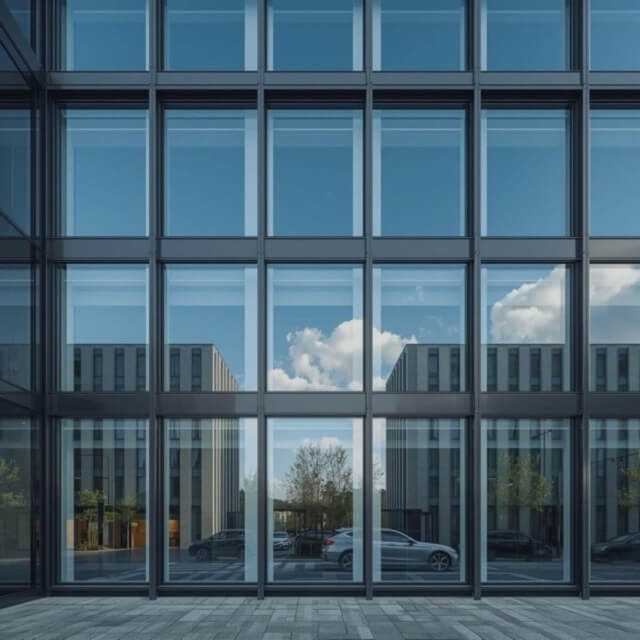
Implementing a precisely specified 3M heat-blocking window film directly addresses these challenges by significantly reducing the Solar Heat Gain Coefficient (SHGC) of existing glazing. This lowers the cooling load, allowing HVAC systems to operate more efficiently, decrease energy consumption, and reduce peak demand charges, thereby providing a clear, data-backed ROI for project stakeholders.
Beyond HVAC: The Indirect Costs of Thermal Discomfort and Glare
While energy bills represent a tangible expense, the indirect costs of uncontrolled solar heat gain can be equally, if not more, impactful on a project’s success and tenant satisfaction. These costs often manifest in reduced occupant comfort and productivity, directly influencing lease rates and tenant retention.
- Occupant Discomfort: Hot spots near windows, uneven temperatures across open-plan offices, and excessive radiant heat can lead to a pervasive sense of discomfort. This can contribute to occupant complaints and negatively impact overall satisfaction ratings, which are critical for tenant-centric commercial properties.
- Reduced Productivity and Well-being: Glare on computer screens and in workspace areas causes eye strain, headaches, and reduces concentration, directly hindering employee productivity. Studies consistently show a correlation between comfortable indoor environments and enhanced worker performance.
- Increased Vacancy Rates: Buildings that fail to provide a comfortable and productive indoor environment may experience higher tenant turnover or difficulty attracting premium tenants. The costs associated with vacant space, including lost rental income and re-leasing expenses, can quickly eclipse initial savings from foregoing effective solar control window film.
A professionally installed 3M film not only mitigates heat but also drastically reduces glare, creating a more uniform and comfortable thermal environment. This enhancement translates into improved occupant satisfaction, potentially higher tenant retention, and a more attractive asset in a competitive real estate market.
Meeting Sustainability Goals: LEED Certification and Building Envelope Performance
Modern commercial construction and renovation projects increasingly prioritize sustainability, with certifications like LEED (Leadership in Energy and Environmental Design) serving as a benchmark for high-performance buildings. Solar heat gain directly impacts a project’s ability to achieve these critical environmental objectives.
- Energy Performance Credits: Significant points within LEED’s Energy and Atmosphere (EA) category are awarded for optimizing energy performance. By reducing cooling loads, 3M heat-blocking films contribute directly to these credits, enhancing a project’s overall sustainability rating.
- Building Envelope Integrity: The building envelope, particularly the fenestration, plays a crucial role in overall energy efficiency. Enhancing the thermal performance of windows with advanced film technology improves the envelope’s U-factor and SHGC, indicating superior insulation and solar control.
- Reduced Carbon Footprint: Lower energy consumption for cooling directly translates to a reduced carbon footprint, aligning with global and corporate sustainability initiatives. This not only benefits the environment but also enhances the project’s reputation and marketability as a green building.
- Occupant Health and Well-being: LEED also emphasizes Indoor Environmental Quality (IEQ). By mitigating glare and creating a more thermally comfortable space, specified 3M films contribute to IEQ credits, fostering a healthier and more productive environment for occupants.
Strategic selection and expert installation of 3M heat-blocking window film provide a robust solution for project managers aiming to meet stringent sustainability demands, achieve green building certifications, and deliver properties with superior long-term performance and reduced environmental impact.
Decoding Performance: TSER, SHGC, and What They Mean for Your Client
For construction and renovation managers, specifying window film for heat goes beyond simply choosing a product; it involves understanding critical performance metrics that directly influence a project’s energy efficiency, occupant comfort, and ultimately, its financial viability. These metrics provide the data points necessary to predict energy savings and justify the investment to stakeholders.
Understanding Total Solar Energy Rejected (TSER): The Core Efficiency Metric
Total Solar Energy Rejected (TSER) is arguably the most comprehensive metric for evaluating a window film’s heat-blocking capability. It quantifies the percentage of total solar energy—encompassing visible light, infrared, and ultraviolet rays—that is prevented from passing through the glass and entering the building. A higher TSER percentage indicates superior heat rejection performance, directly translating to a reduced cooling load on a building’s HVAC system. For project managers, a film with a robust TSER value means verifiable energy savings and a significant step toward achieving client energy efficiency targets.
Solar Heat Gain Coefficient (SHGC): Impact on Fenestration and Glazing
The Solar Heat Gain Coefficient (SHGC) represents the fraction of incident solar radiation admitted through a window, both directly transmitted and absorbed and subsequently radiated inward. It is a critical component in energy modeling and is often mandated by building codes and green building certifications. While TSER offers a broad view of heat rejection, SHGC specifically focuses on the solar heat that penetrates the building envelope. A lower SHGC indicates less solar heat gain, which is vital for managing indoor temperatures and reducing reliance on air conditioning during peak demand periods. Specifying films with an optimized SHGC is a data-backed approach to mitigating thermal discomfort and driving down operating expenses.
Visible Light Transmittance (VLT) and Reflectivity: Balancing Performance with Aesthetics
Beyond heat rejection, the aesthetic and functional aspects of window film are crucial considerations. Visible Light Transmittance (VLT) measures the percentage of visible light that passes through the film and glass system. This metric directly impacts interior brightness and the need for artificial lighting. Reflectivity, conversely, quantifies the amount of light that is reflected away from the glass, both internally and externally.
Balancing these factors requires careful consideration of client objectives:
- Interior Brightness: Higher VLT maintains natural light levels, reducing reliance on electric lighting.
- Exterior Appearance: Lower exterior reflectivity often ensures a more natural, unfilmed look for the building façade.
- Glare Reduction: Films can significantly reduce glare, enhancing occupant comfort and productivity without sacrificing too much natural light.
- Daytime Privacy: Increased exterior reflectivity can offer enhanced privacy during daylight hours.
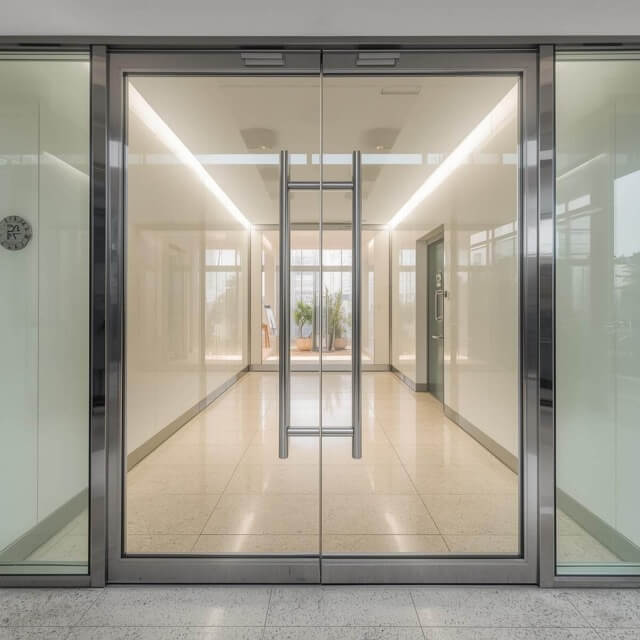
Advanced films, particularly from 3M, are engineered to deliver exceptional heat rejection without severely compromising VLT or introducing unwanted mirror-like reflectivity, addressing both performance and aesthetic demands.
From Technical Data to Tangible Benefits: Explaining Metrics to Stakeholders
Translating these technical specifications into clear, actionable benefits for clients is paramount for successful project approval and implementation. Project managers can leverage these metrics to demonstrate a clear return on investment (ROI).
- Predictable Energy Savings: High TSER and low SHGC directly correlate to reduced HVAC energy consumption, offering verifiable data for long-term cost reductions.
- Enhanced Occupant Comfort: By mitigating hot spots and glare, window films create a more stable and comfortable indoor environment, contributing to tenant satisfaction and productivity.
- Extended HVAC Lifespan: A reduced cooling load lessens the strain on HVAC systems, potentially extending their operational life and deferring costly replacements.
- Sustainability & Green Building Goals: Optimized TSER and SHGC values contribute significantly to achieving energy efficiency targets and securing certifications such as LEED.
- Asset Value Protection: By controlling solar exposure, films help protect interior furnishings, flooring, and artwork from UV degradation and fading, preserving the asset’s value.
Presenting these metrics not just as numbers, but as drivers of operational savings, improved occupant experience, and enhanced asset value, provides Paul with the robust justification needed to secure client buy-in.
Comparing 3M Heat Blocking Film Series: Which is Right for Your Spec?
Selecting the appropriate 3M heat-blocking window film series is a nuanced decision, requiring a comprehensive understanding of each product’s unique capabilities and how they align with specific project demands. 3M’s extensive portfolio offers solutions tailored for diverse architectural styles, energy goals, and aesthetic preferences.
The Science Behind 3M Sun Control Window Film Technology
3M’s leadership in window film technology stems from decades of innovation, particularly in proprietary multi-layer optical films (MLO) and nanotechnology. Unlike conventional dyed or metallized films, 3M’s advanced films selectively reject solar heat while maintaining high visible light transmission. This is achieved by embedding hundreds of micro-layers within the film that reflect specific wavelengths of solar energy, primarily infrared, without relying on metals that can interfere with cellular signals or cause corrosion. This scientific approach ensures superior durability, consistent performance over time, and a neutral appearance, distinguishing 3M films in the market.
Introducing the 3M Prestige Series: Unparalleled Clarity and Heat Rejection
The 3M Prestige Series represents the pinnacle of spectrally selective film technology. Engineered with 3M’s unique non-metal, multi-layer optical film technology, Prestige films are designed to provide exceptional heat rejection with minimal impact on the building’s aesthetic.
Key attributes of the Prestige Series include:
- High TSER with High VLT: Offers significant heat reduction while allowing abundant natural light to pass through.
- Low Reflectivity: Virtually undetectable on glass, both internally and externally, preserving the building’s original appearance.
- No Corrosion Risk: Being non-metallized, it eliminates concerns about corrosion, particularly in coastal or humid environments.
- Signal Friendly: Does not interfere with cellular, GPS, or radio frequency signals, crucial for modern commercial environments.
- UV Protection: Blocks 99.9% of harmful UVA and UVB rays, safeguarding interiors and occupants.
UV blocking window film is an ideal specification for projects where maintaining optical clarity and architectural integrity is paramount, such as high-end commercial properties, historic buildings, and retail spaces.
Exploring Other Advanced 3M Films: Night Vision, Ceramic Series, and More
Beyond the Prestige Series, 3M offers a comprehensive range of advanced films, each engineered to address specific project requirements.
3M Night Vision Series
The Night Vision Series provides excellent heat and glare reduction, coupled with enhanced daytime privacy. Its unique construction allows for good visibility from the inside out, even as exterior reflectivity increases for privacy. While offering strong performance and significant energy savings, its slightly higher interior reflectivity compared to Prestige might be a consideration for certain applications.
3M Ceramic Series
The Ceramic Series offers a non-metal alternative that provides good heat rejection and a natural appearance. Leveraging ceramic particles, these films are spectrally selective, blocking infrared heat while allowing visible light to pass through. They offer a balance of performance and aesthetics, suitable for projects seeking a subtle yet effective heat control window film solution without any metallic characteristics.
Other Specialized Series
3M’s portfolio also includes the Affinity Series, designed for high heat rejection and glare control, often utilized in sun-drenched exposures, and the Neutral Series, which offers balanced performance with a muted, neutral aesthetic. For projects prioritizing maximum privacy and substantial glare reduction, films with higher reflectivity, such as certain Silver Series options, might be considered. Each series presents a distinct combination of TSER, SHGC, VLT, and reflectivity values, allowing for precise specification.
Tailoring Film Selection to Specific Project Requirements and Client Objectives
The ultimate success of a window film installation lies in the meticulous tailoring of the film selection to the unique demands of each project. This consultative approach ensures that the chosen film not only meets technical performance criteria but also aligns with the client’s broader operational, aesthetic, and budgetary objectives.
Key factors that inform the optimal film specification include:
- Energy Performance Goals: Defining precise TSER and SHGC targets to achieve specific energy savings and comply with building codes.
- Aesthetic Considerations: Matching VLT and reflectivity to architectural design, interior lighting schemes, and tenant preferences.
- Budgetary Constraints: Identifying the most cost-effective film that still delivers desired performance and ROI within the project’s financial framework.
- Building Orientation and Climate: Analyzing solar exposure patterns and local climate conditions to optimize heat rejection for specific facades.
- Occupant Comfort and Glare Mitigation: Addressing issues like hot spots, excessive glare on screens, and overall thermal comfort.
- Durability and Warranty: Ensuring the selected film meets the long-term performance and warranty expectations for the commercial application.

A detailed assessment, carried out by experienced professionals, is indispensable in navigating these variables and recommending the 3M film series that guarantees predictable energy savings and maximizes the project’s long-term ROI.
Calculating the ROI: A Framework for Project Managers
Developing a Comprehensive Cost-Benefit Analysis for Energy Savings
A strategic approach to integrating advanced window film technology necessitates a rigorous cost-benefit analysis (CBA). This analysis moves beyond the initial procurement cost to encompass the full lifecycle value, including projected energy savings, potential maintenance reductions, and indirect benefits. For Project Manager Paul, a comprehensive CBA quantifies the initial investment against the long-term operational efficiencies and environmental impact. It considers factors such as the film’s Solar Heat Gain Coefficient (SHGC) and U-factor, local energy costs, regional climate data, and applicable tax incentives or rebates, establishing a clear financial justification for the proposed solution.
Projecting HVAC Load Reductions and Utility Bill Savings
The primary financial driver for 3M heat blocking window films is their proven ability to significantly reduce solar heat gain. By selecting a film with an optimized SHGC, projects can mitigate the amount of solar radiation entering a building, directly lessening the load on HVAC systems. This reduction in cooling demand translates into measurable utility bill savings. Precise projections often utilize energy modeling software that integrates building specifications, film performance data, and local weather patterns to forecast kilowatt-hour reductions and corresponding dollar savings over the film’s warranted lifespan. These projections provide Project Manager Paul with concrete data to present to stakeholders, demonstrating a clear path to reduced operational expenditures.
Valuing Enhanced Occupant Comfort and Productivity
While energy savings offer a tangible financial return, the enhanced occupant comfort provided by 3M window films delivers significant, albeit less directly quantifiable, value. By minimizing hot spots near windows, reducing oppressive glare, and maintaining a more consistent interior temperature, these films contribute to an improved indoor environment.
- Reduced Tenant Turnover: In commercial properties, tenant satisfaction directly impacts retention rates.
- Decreased Complaints: Fewer environmental discomfort issues lead to reduced operational overhead from managing complaints.
- Improved Productivity: Studies suggest that optimal thermal comfort can enhance cognitive function and overall employee productivity in office settings.
These factors, while not always appearing on a balance sheet, contribute substantially to the long-term success and desirability of a property, directly influencing rental values and asset longevity.
Justifying the Investment to Clients: Data-Driven Proposals
Equipping Project Manager Paul with a robust, data-driven proposal is paramount for securing client approval. The proposal must synthesize the comprehensive cost-benefit analysis, detailing projected HVAC load reductions, utility bill savings, and the qualitative benefits of improved occupant comfort. This justification moves beyond generic claims, presenting client-specific calculations derived from building simulations and validated performance metrics of the selected 3M film. Highlighting the quantifiable return on investment (ROI) period and the sustained annual savings empowers clients to view the window film installation not as an expense, but as a strategic capital improvement that enhances asset value and operational efficiency.
Partnering for Success: Why Expert Installation is Non-Negotiable
The Critical Role of Precision Installation in Film Performance and Longevity
The advanced engineering of heat blocking window films can only deliver its promised performance specifications when applied with meticulous precision. Installation is not merely an application process; it is a critical technical procedure that directly influences the film’s thermal efficiency, aesthetic clarity, and long-term durability. Correct adhesion, seamless edge sealing, and the absence of contaminants between the film and glass are fundamental to achieving the specified Solar Heat Gain Coefficient and U-factor. Deviations in application can lead to compromised thermal barriers, reduced clarity, and premature film degradation, thereby undermining the entire investment and the client’s energy savings expectations.
Mitigating Risks: Avoiding Common Pitfalls of Substandard Application
Substandard window film application introduces a range of risks that can negate performance benefits and lead to costly rectifications. Common pitfalls include improper surface preparation leading to adhesion failure, trapped debris or air bubbles impacting optical clarity and structural integrity, and imprecise trimming resulting in exposed edges prone to peeling. Each of these issues directly compromises the film’s ability to perform as designed, reducing its effectiveness in blocking heat and enhancing comfort. An improperly installed film can also void manufacturer warranties, placing the financial burden of future repairs or replacements squarely on the project. Engaging certified installers is a proactive risk mitigation strategy, safeguarding the project’s financial and performance objectives.
Need More Info?
The Window Film Depot team is happy to help.
Leveraging National Expertise: Large-Scale Project Execution and Consistent Quality
For large-scale construction or renovation projects spanning multiple buildings or diverse geographical locations, consistency in execution and quality control becomes a complex challenge. A national installation partner brings standardized processes, centralized project management, and a uniform training regimen that ensures identical application quality across all sites. This unified approach guarantees that every square foot of installed film adheres to the same rigorous standards, delivering predictable energy savings and consistent aesthetic outcomes regardless of location. The scalability and logistical expertise of a national provider streamline project timelines, minimize disruptions, and provide Project Manager Paul with a single point of accountability for a cohesive, high-quality deployment.
The Exclusive Advantage: Partnering with the #1 U.S. 3M Window Film Installer
Choosing the #1 U.S. 3M Window Film Installer offers an exclusive advantage rooted in unparalleled expertise and direct manufacturer partnership. This distinction signifies a deep understanding of 3M’s product lines, access to advanced training directly from 3M engineers, and often, priority access to new product innovations. Such a partner has a proven track record of successful project delivery, adhering to the most stringent installation protocols to ensure that every film application meets 3M’s exacting performance specifications. This level of specialization translates directly into guaranteed film performance, superior longevity, and comprehensive warranty coverage, solidifying the project’s long-term ROI and ensuring the client receives the full benefit of their investment in 3M heat blocking technology.
Conclusion: Strategic Imperatives for Sustainable Project Success
Reaffirming the Power of Correctly Specified and Expertly Installed 3M Film
The distinction between a generic window film and a correctly specified, professionally installed 3M heat-blocking film is profound. This distinction directly translates into the predictability of energy savings, the consistency of occupant comfort, and the overall longevity of the investment. As modern commercial construction projects face increasing demands for energy efficiency and environmental responsibility, the choice of film becomes a critical strategic imperative, not merely an aesthetic or comfort upgrade.
Only a meticulously chosen 3M film, matched to a building’s specific orientation, glazing type, and performance objectives, can reliably deliver on projected energy cost reductions. This precision is then compounded by expert installation, which ensures the film performs to its engineered specifications throughout its lifespan. This synergy confirms our central thesis: predictable energy savings and stringent performance demands are met only through this specific combination.
Empowering Project Managers with Data-Backed Specification Decisions
For project managers tasked with delivering tangible value and measurable results, leveraging comprehensive performance data is paramount. Understanding metrics such as Total Solar Energy Rejected (TSER), Solar Heat Gain Coefficient (SHGC), and U-value for various 3M films allows for a proactive and analytical approach to material specification. This data provides the concrete evidence needed to justify the investment in advanced film technology to stakeholders and clients.
- Financial Justification: Presenting a clear ROI analysis, based on validated energy models and projected savings, enables project managers to position film installation as a capital improvement with a rapid payback period.
- Occupant Satisfaction: Quantifiable improvements in indoor temperature stability and reduced glare translate directly into enhanced tenant comfort and productivity, which are critical for client satisfaction and lease retention.
- Sustainability Goals: Documented reductions in HVAC load contribute significantly to a project’s broader sustainability objectives and potential LEED certification points.
By focusing on these data-backed benefits, project managers can move beyond anecdotal evidence, making decisions that are financially sound and strategically aligned with long-term asset value.
Next Steps: Consulting for Your Next Energy-Efficient Project
The path to achieving optimal energy efficiency and occupant comfort with 3M heat blocking window films begins with a collaborative and expert consultation. As a trusted partner, our team specializes in translating complex performance data into actionable project specifications tailored to your unique requirements.
We invite project managers to engage in an initial consultation where we will:
- Conduct a thorough assessment of your building’s current glazing systems and energy profile.
- Utilize advanced modeling tools to project potential energy savings and return on investment for various 3M film options.
- Provide detailed performance specifications and budget estimates for comprehensive project planning.
This consultative approach ensures that every film recommendation is not just technically sound, but also strategically aligned with your project’s financial objectives and client demands for sustainable, high-performing spaces.
Frequently Asked Questions
How does 3M heat-blocking window film reduce energy costs?
3M heat-blocking window film reduces energy costs by blocking a significant portion of solar heat from entering through windows. This lowers the cooling load on HVAC systems, resulting in less energy consumption and reduced utility bills, especially during peak demand periods.
What is the ROI of installing 3M heat-blocking window film?
The ROI of 3M heat blocking window film comes from a combination of lower energy bills, reduced HVAC maintenance, and extended equipment lifespan. Many commercial projects see a return within a few years, depending on building size, climate, and energy usage.
Does 3M heat-blocking window film make interiors darker?
No, many 3M heat-blocking window film options are designed to reject heat while still allowing natural light to pass through. Advanced films can maintain high visible light transmission, keeping interiors bright while reducing heat and glare.
Can 3M heat-blocking window film help with glare and occupant comfort?
Yes, 3M heat-blocking window film significantly reduces glare and helps maintain more consistent indoor temperatures. This improves occupant comfort, reduces eye strain, and can enhance productivity in office environments.