Introduction: What Is Opaque Window Film 3M and Who Is It For?
Glass-heavy buildings look stunning until someone needs privacy. In 2026, open floor plans, glass partitions, and floor-to-ceiling windows dominate commercial and residential architecture, but they create real problems when confidential meetings, patient exams, or street-level living require visual separation. Opaque window film 3M solves that tension by turning transparent glass into a privacy surface without tearing out a single pane.
Unlike clear or tinted 3M window films that reduce heat while preserving the view, opaque films can prevent or limit visibility through glass entirely. Some block all light; others pass soft, diffused daylight while making it impossible to read a screen or recognize a face on the other side. That flexibility makes them ideal for conference rooms, sidelites, healthcare corridors, school doors, storefront backrooms, and ground-floor residences.
This article is written for facility managers, architects, building owners, and contractors who need a retrofit privacy and design solution at a fraction of the cost of replacing glass. Here are the most common problems opaque film addresses:
- Unwanted sightlines into offices, exam rooms, or cash-handling areas
- Branding or wayfinding needs on interior glass walls
- Harsh glare on monitors and workstations
- Code-required safety markings on large glass panels
- Fading of interior furnishings from UV exposure
Table of Contents:
- How Opaque 3M Window Film Works on Glass
- Types of 3M Opaque and Decorative Films for Privacy
- Key Benefits of Opaque 3M Window Film for Commercial and Residential Spaces
- Popular 3M Fasara and Glass Finishes Used as Opaque Privacy Films
- Choosing the Right Opaque Window Film 3M for Your Project
- Installation Process, Timelines, and What to Expect
- Common Mistakes to Avoid with Opaque Window Film Projects
- FAQs About Opaque Window Film 3M
- Why Choose a Professional Partner for 3M Window Film and Glass Finishes
- How to Get Started with Opaque Window Film 3M
How Opaque 3M Window Film Works on Glass
The construction behind most 3M privacy and decorative window films is straightforward but engineered for longevity. A high-quality polyester or vinyl film layer is paired with a permanent, pressure-sensitive adhesive and protected during shipping by a silicone-coated release liner. The film and adhesive together measure approximately 3 mils (about 75 µm), making the product thin enough to conform to glass without adding visible bulk. These high-quality polyester or vinyl films are dimensionally stable, meaning they resist stretching or shrinking over years of service.
How does the film create privacy? Opaque and frosted finishes work by either absorbing, reflecting, or scattering incoming light. A solid whiteout or blackout film stops virtually all light transmission, while a frosted decorative film diffuses light so that shapes become indistinct. Patterned decorative films combine open and obscured zones to add a design element alongside privacy. Many films block 99% to 99.9% of ultraviolet rays, protecting interior furnishings from sun damage regardless of the opacity level chosen.
Here is a quick comparison of how the three main categories perform:
| Film Category | Light Transmission | Privacy Level | Typical Use |
|---|---|---|---|
| Clear/tinted | High (70–90%) | Minimal | Solar control, UV filtering |
| Frosted/translucent | Moderate (50–86%) | Good at arm’s length | Office partitions, sidelites |
| Solid opaque | Very low (10–20%) | Total | Restrooms, storage, blackout |
For interior vertical applications, durability expectations run approximately seven to ten or more years. The film is designed to be removable by trained professionals without damaging the glass, though removal difficulty increases if the film has been exposed to prolonged UV or heat over many years.
Types of 3M Opaque and Decorative Films for Privacy
Opaque window film 3M is not a single product. It is a broad family of privacy and decorative films sold under several product lines, each targeting different levels of light control and visual style.
Solid blackout and whiteout films deliver near-total opacity. The 3M Opaque White (SH2MAOW), for example, transmits only about 10% of visible light and reflects roughly 57% of it back. These are the go-to options where no view through the glass is acceptable, such as restroom windows, mechanical rooms, or storage areas. Opaque films provide a clean and uniform look to exterior windows as well.
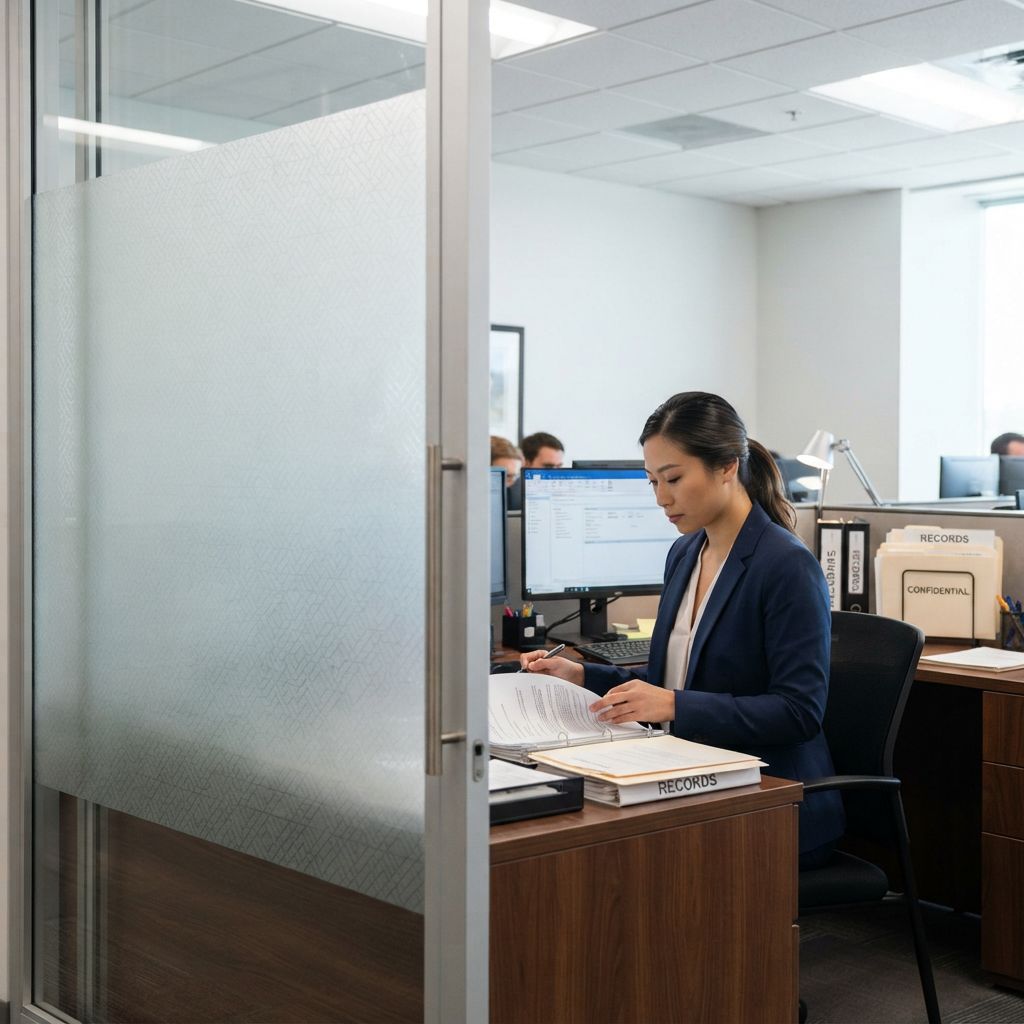
Frosted and matte films are far more popular in offices and healthcare facilities because frosted films allow natural daylight while obstructing visibility. 3M Frosted Crystal Glass Finishes mimic etched glass design, delivering the look of expensive sandblasted or etched glass without any permanent alteration. These finishes can be applied to interior and vertical exterior glass surfaces, giving specifiers flexibility across the building envelope. Privacy films in this category obscure direct visibility while allowing light through, keeping spaces bright and comfortable.
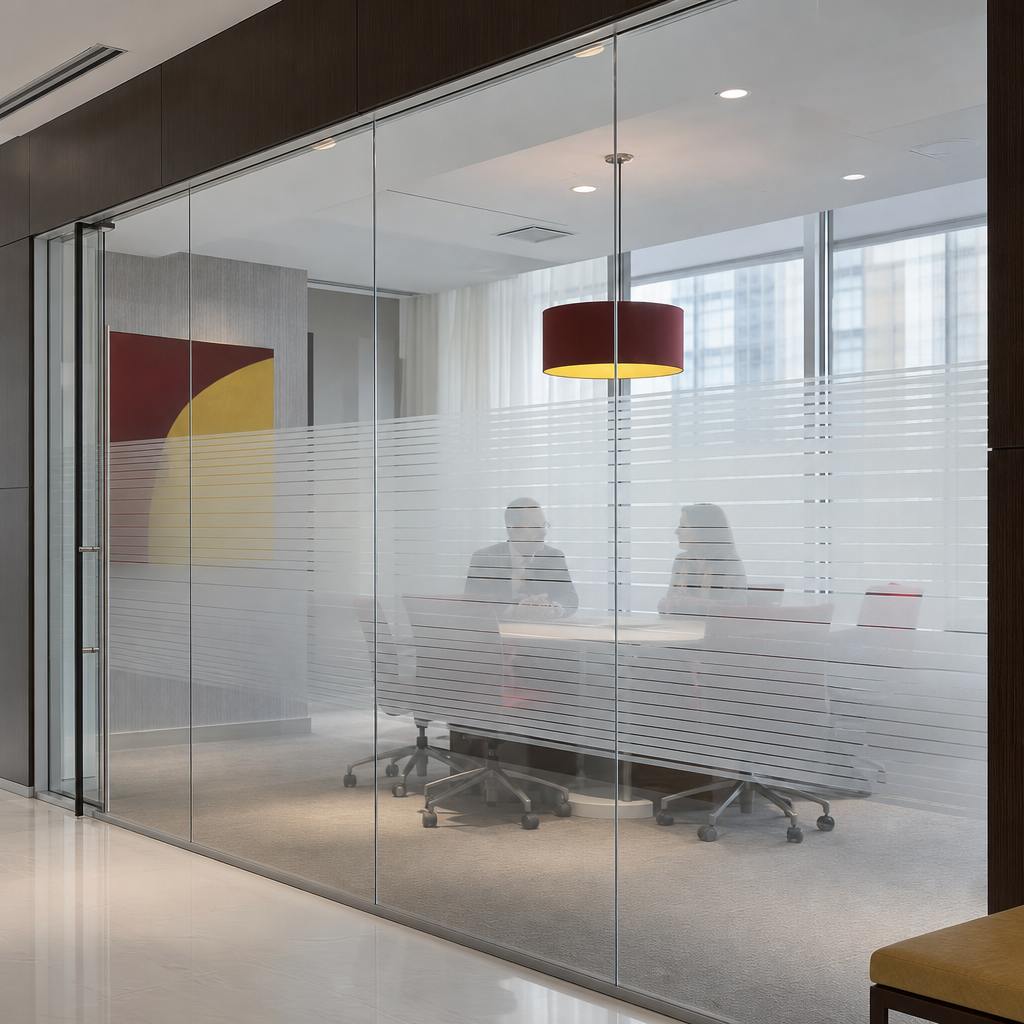
Patterned and gradient films offer a middle ground. Gradient designs transition from opaque at seated eye level to nearly transparent near the ceiling, so conference rooms and huddle spaces maintain an open feel while shielding occupants from view. Patterned options, from geometric grids to fabric-like textures, add a textured glass appearance and can provide outdoor visibility while maintaining privacy from the street side.
Some opaque and decorative films also hold shattered glass fragments together if the window is broken, adding a layer of safety to the privacy function. Customization options include digital printing on the film, enabling branded graphics, logos, or custom patterns for tenant identity.
Key Benefits of Opaque 3M Window Film for Commercial and Residential Spaces
3M window film can simultaneously solve privacy, branding, and comfort issues without replacing glass. The cost of full glass replacement for even a small suite of offices can run into tens of thousands of dollars. A window film retrofit achieves a similar result at a fraction of the cost, with installation measured in hours rather than weeks.
Privacy and confidentiality matter more than ever in facilities that handle sensitive data, patient information, or financial transactions. Frosted and opaque films create confidential zones in counseling rooms, telehealth spaces, school offices, and ground-level residences where passersby would otherwise have a direct line of sight.
From a design standpoint, decorative glass finishes turn plain glass into a deliberate interior element. They support wayfinding, brand identity, and visual zoning across open floor plans. Architects and designers select patterns, gradients, and frosted finishes to match interior palettes, adding style without permanent commitment.
Daylight management is another significant draw. Frosted and translucent films cut glare from sunlight while retaining daylight, reducing harsh sunlight glare on screens and workstations. Many opaque and decorative films block up to 99% of harmful ultraviolet rays and help prevent fading of carpets, hardwood floors, and artwork. The film also significantly reduces incoming solar heat, rejecting a meaningful amount of solar heat gain in the summer.
Mid-2020s use cases driving demand include:
- Post-pandemic reconfiguration of open offices with glass partitions needing instant privacy
- Telehealth exam rooms in clinics with glass corridor walls
- Privacy upgrades for glass-walled huddle rooms in coworking spaces
- Retail backroom divisions hiding stock and inventory areas from customer view
- School sidelites requiring privacy without sacrificing emergency visibility
Popular 3M Fasara and Glass Finishes Used as Opaque Privacy Films
3M Fasara is the brand name most specifiers discover first when searching for decorative glass finishes with privacy properties. The line includes dozens of patterns and textures, each offering a different balance of light transmission, opacity, and visual character. 3M FASARA films simulate the look of etched glass, giving facilities a refined aesthetic without the permanence or cost of actual glass etching.
Classic frosted styles like Matte Crystal (SH2MACR-I) transmit approximately 86% of visible light, making them ideal for corporate offices and medical suites that need privacy without sacrificing brightness. For warmer settings in hospitality or residential projects, linen and fabric-like patterns add a subtle texture. Geometric and linear designs suit tech offices and education buildings where a modern, clean pattern complements contemporary interior finishes.
Gradient patterns are especially popular on conference room glass in 2026 office modernizations. The Illumina and Lontano series, for example, transition from frosted or opaque at the bottom to nearly clear at the top, preserving natural light above head height while blocking views at seated eye level.
3M FASARA films are available in 50-inch wide rolls, and some seamless designs extend to 60 inches wide and over 120 inches in length to cover tall glass panels without visible seams. FASARA films can be applied to interior glass surfaces and feature a permanent, pressure-sensitive adhesive for reliable long-term hold. FASARA films also offer customization through digital printing, enabling branded graphics or custom patterns for tenant improvement projects.
When selecting a 3M Fasara product, consider these criteria:
- Desired opacity level (full block vs. diffused vs. gradient)
- Pattern scale relative to glass panel size
- Cleanability in high-touch or high-traffic areas
- Maintenance requirements and expected quantity of cleaning cycles
- Visual consistency if the product is being rolled out across multiple facilities
Choosing the Right Opaque Window Film 3M for Your Project
Selecting the correct opaque window film 3M depends on four variables: privacy level, light preferences, code requirements, and aesthetics. Commercial and institutional projects typically run through a structured selection process before a single roll is ordered.
Use this checklist to guide your specification:
- Determine required privacy level: full blackout, diffused frost, or partial view with a pattern
- Decide how much natural light you want to keep in the space
- Match film style to brand guidelines, interior finishes, and existing signage
- Confirm compatibility with existing glass type and any low-E coatings, since dark films must be matched correctly to avoid thermal stress fractures in glass
- Review warranty coverage, expected lifespan, and cleaning requirements
- Check fire rating compliance, particularly Class A per ASTM E84 for interior vertical applications in commercial buildings
In 2026, most professional window film partners provide sample swatches and on-site mockups so facility teams can test opacity and appearance under real lighting conditions before committing to a full order. For national portfolios such as banking branches, retail chains, or healthcare networks, coordinating decorative films across multiple locations ensures a consistent look and simplifies future maintenance.
Installation Process, Timelines, and What to Expect
Professional installation is critical with 3M window films. Bubbles, trapped dust, misaligned patterns, and edge lifting are common with untrained application, especially on large interior glass walls where every imperfection is visible under office lighting.
The process follows a reliable sequence. First, the installer conducts a site assessment, measuring each lite of glass and noting conditions like existing decals, coatings, or damage. Next, the product is selected, and any custom cutting or printed decorative films are ordered. The installation itself requires meticulous cleaning of the glass before application to ensure a flawless bond. All standard privacy films use a wet-installation method: a slip solution is sprayed onto the glass, the film is positioned, then squeegeed to remove moisture and air. Installation requires precise edge-cutting on solid films to achieve clean borders. After application, a curing period of several days allows the adhesive to reach full strength.
Realistic timelines for common projects:
- A small office with a few sidelites and one conference room: typically completed in a single day
- A multi-floor corporate headquarters or school wing: scheduled over several nights or weekends to avoid disrupting operations
- National multi-site rollouts: phased over weeks or months with standardized specifications and centralized project management
Most opaque and decorative films are installed indoors year-round across North America, with minimal disruption to normal business.
Common Mistakes to Avoid with Opaque Window Film Projects
Missteps in product choice or installation can lead to disappointing results or early replacement, increasing total project cost unnecessarily.
- Choosing a film that is too dark or opaque for the occupants, creating a cave-like interior that demands supplemental lighting
- Ignoring building code or life-safety requirements for vision panels and safety markings on glass near doors and walkways
- Applying privacy film only at eye level and forgetting viewing angles from stairs, mezzanines, or neighboring buildings
- Attempting DIY installation on large panes, leading to trapped dust, creases, or visible seams
- Not confirming compatibility with specialty glazing or warranty conditions on insulated glass units, which can result in thermal stress
- Overlooking how decorative films align with existing signage, wayfinding, and branding elements
- Skipping on-site mockups and ordering based solely on a small sample viewed under shop lighting
Involving an experienced commercial window film specialist early in the design process helps avoid every one of these problems. Professional partners familiar with 3M window films and glass finishes coordinate with architects, general contractors, and facility teams during renovations and new build-outs to ensure correct product selection from day one.
FAQs About Opaque Window Film 3M
These frequently asked questions address what building owners, facility managers, and homeowners most often want to know before specifying opaque and decorative films.
How much privacy does opaque 3M window film really provide?
True blackout and whiteout films prevent anyone from seeing through in either direction. Frosted decorative films provide full privacy at normal viewing distances while still passing soft, diffused light. The key is selecting the right product for the specific application. A note to remember: even frosted films may reveal close-contact silhouettes, so choose solid opaque where absolute concealment is required.
Will opaque window film make my office or room too dark?
Solid blackout films will significantly reduce light, but the majority of privacy projects use frosted or translucent decorative films that preserve soft daylight while blocking detailed views. Matte Crystal, for example, transmits about 86% of visible light. Requesting mockups before a full rollout lets you test brightness levels in your actual space.
Can opaque 3M window film be removed later without damaging the glass?
High-quality 3M window film is designed to be removable by trained installers, typically leaving the glass intact. Removal time depends on film age, sun exposure, and glass panel size. Films left in place for many years in high-sun areas may require more labor and adhesive cleanup.
How long does opaque window film last on interior glass?
Under normal interior conditions, most 3M opaque and decorative films perform well for seven to ten or more years. Actual lifespan depends on film type, cleaning practices, and exposure to sun and moisture. Warranty coverage for interior vertical non-perimeter glass is commonly five years against defects like peeling or discoloration.
Can I install opaque window film myself, or do I need a professional?
Small residential projects on a single sidelight are manageable for a careful DIYer, but commercial, institutional, and multi-panel glass walls almost always require professional installation to meet appearance standards, safety requirements, and warranty expectations. An easy test: if you would not be comfortable applying a large screen protector flawlessly, hire a pro.
Does opaque window film help with energy savings or just privacy?
While the primary purpose of opaque and decorative films is privacy and aesthetics, many versions also contribute to occupant comfort by reducing glare and UV exposure. For significant energy savings, opaque films are often combined with dedicated solar control window films on exterior glazing for a comprehensive building envelope upgrade.
Why Choose a Professional Partner for 3M Window Film and Glass Finishes
Selecting the right installation partner is as important as selecting the right film. An experienced 3M window film specialist brings deep familiarity with the full range of 3M window films, decorative films, and glass finishes, including every 3M Fasara option currently in stock. That expertise translates into better product recommendations matched to your privacy needs, design intent, local climate, and building use.
For multi-site commercial and institutional projects, proven processes matter. A qualified partner manages logistics, maintains consistent installation quality across locations, and handles project scheduling so your teams are not disrupted. Window Film Depot, for example, has supported national rollouts for government, retail, education, and healthcare clients since 1992, providing turnkey project management from initial concept through post-installation warranty documentation and maintenance guidance.
The difference between a great result and a mediocre one often comes down to the installer’s ability to advise on the right product before a single roll ships. Architects and facility teams benefit from a partner who can share real-world experience, provide on-site mockups, and coordinate with general contractors during renovations.
How to Get Started with Opaque Window Film 3M
If you have been considering opaque or decorative privacy films for your building, there is no reason to postpone. The process is faster and less disruptive than most facility upgrades, and the results are immediate.
- Walk your space and note every glass area where privacy, branding, or light control is needed
- Gather floor plans, photos, or elevations showing existing glass locations
- Decide on your primary goal: privacy, aesthetics, light management, or a combination
- Contact a professional 3M window film specialist to request a site visit, samples, and a detailed quote
Discover how quickly existing glass can become a functional, attractive privacy surface. Reach out to Window Film Depot to schedule a consultation, click through to request samples, or subscribe to our newsletter for project ideas and product updates. Your glass is already there. The right opaque window film 3M solution just needs to be applied.