If you have ever walked into your living room on a July afternoon and felt the heat radiating off the glass, watched glare wash out your TV screen, or noticed your hardwood floors fading year after year, you already understand the problem. Hot rooms, uncomfortable workspaces, climbing energy bills, and lack of privacy are everyday frustrations for homeowners and business owners with large or sun-exposed windows.
The good news: solar film for windows near me is one of the most searched solutions for a reason. Modern window film blocks up to 99% of UV rays, can cut solar heat gain by as much as 75%, and does all of this without sacrificing the natural light you want. Professional window tinting improves comfort, boosts energy efficiency, and protects against harmful uv rays-all at a fraction of the cost of replacing your windows entirely.
In this article, we will walk you through exactly what solar window film is, how it works, the different types available, and how to choose a reliable local installer who can match the right product to your home or business.
Table of Contents:
What Is Solar Window Film and How Does It Work?
Solar window film is a thin polyester or ceramic-based layer applied directly to existing glass. It works as a filter for the sun’s energy, and unlike traditional window coverings that block either your view or sun protection, film lets you keep both.
The sun emits solar radiation in three spectrums: ultraviolet rays, visible light, and infrared rays. Infrared radiation is the primary driver of indoor heat buildup. Solar films incorporate microscopic metal or ceramic particles to target specific wavelengths-reflecting and absorbing infrared and UV energy while allowing a controlled amount of visible light through. The result: less heat, less glare, and dramatically less UV damage, all without making your rooms feel like a cave.
Modern films are rated for UV rejection, glare reduction, and solar heat gain coefficient (SHGC). For example, a south-facing living room with clear glass might have an SHGC near 0.8. Installing a quality solar control film can bring that down to roughly 0.3, reducing solar heat gain by 60–75% while still transmitting 40–50% of visible sunlight. That is a noticeable difference you feel the moment you walk in.

Key Benefits: Comfort, Protection, and Savings
Properly selected window films address heat, glare, fading, energy costs, and privacy simultaneously. Here is what each benefit looks like in practice.
Heat Reduction – Heat control films reduce energy costs by blocking heat before it enters the room. Many films reject 40–75% of solar heat on single-pane clear glass. Solar window film can maintain a uniform indoor temperature, eliminating hot spots near windows and reducing strain on your AC system.
Glare Reduction – Constant screen washout is more than a nuisance-it affects productivity and comfort. Solar window film enhances visibility of electronic displays in daylight, making it far easier to work on monitors, watch TV, or use screens without squinting or repositioning furniture.
UV Protection – Constant exposure to direct sunlight ruins interiors. Films blocking up to 99% of UVA and UVB slow fading on floors, artwork, and upholstery. Solar film preserves the lifespan of leather furniture and hardwood floors, saving you money on replacement and refinishing over the years.
Energy Efficiency – Solar window film can reduce cooling costs by up to 30%, according to industry performance data. Window films reduce energy and air conditioning use by lightening the load on HVAC systems, especially on west- and south-facing glass. Architectural films provide heat rejection for energy savings that compound every summer. Proper window film also prevents cold air loss in winter, and window films improve energy efficiency in homes and offices year-round.
Privacy and Safety – Reflective and frosted films add privacy without sealing off daylight. Safety films provide protection against breakage and vandalism, holding shattered glass together during impacts or storms.
Comfort and Wellness – More even room temperatures mean less eye strain from glare and better use of bright rooms during peak sun hours. You enjoy spaces you may have been avoiding during the hottest parts of the day.
Types of Window Films and Which One You Need
Not all window films are the same, and choosing the right solar window film involves heat reduction, UV protection, glare control, or privacy-sometimes all four. Choosing the right solar film depends on primary goals, climate, window orientation, and glass type. Choose window films based on room function and light needs. Here is a breakdown of the major categories.
Solar control films are the primary choice for heat and glare. Visible light transmission (VLT) affects room brightness, and these films come in a range of VLT options-15%, 35%, 50%, or 70%-so you can match the darkness level to each room. Ceramic films block infrared heat and UV rays while remaining clear or lightly tinted, making them popular for homeowners who want protection without a dark look. Spectrally selective films let visible light pass while blocking heat-generating infrared rays, offering the highest level of performance for views and comfort. Low-E films reflect indoor heat back during winter and block outdoor heat in summer, offering a dual-season benefit.
Privacy films enhance home privacy without blocking natural light. Frosted window films provide privacy while allowing natural light, and frosted window film blurs details while allowing daylight into bathrooms, entryways, or street-level rooms. Frosted films blur details while allowing daylight in. Mirrored window films provide daytime privacy while reflecting sunlight. Metalized films reflect solar radiation enhancing daytime privacy, and dual-reflective films provide daytime privacy while allowing nighttime views. Some reflective solar films provide daytime privacy without sacrificing outward visibility during the day. Privacy window films come in various decorative styles and patterns.
Decorative films enhance aesthetic appeal in homes, offering frosted, etched, and patterned designs for bathrooms, entry doors, office partitions, and store displays.
Safety and security films are thicker laminates that hold glass together when shattered. They are ideal where storm risk, break-in attempts, or accidental impacts are a concern.
Static cling vs. adhesive is an important distinction. Static cling films are reusable and easy to reposition, and static cling window films can be repositioned during installation-ideal for renters or temporary setups. Adhesive films are more durable and carry longer warranties, making them the better long-term choice.
Blackout films are ideal for media rooms or sleeping areas where total darkness is the goal.
Matching film to a real room: A street-level bathroom benefits from frosted static cling for privacy without losing daylight, while a penthouse with skyline views is best served by a spectrally selective film that rejects infrared heat but keeps the panorama intact.
Residential vs. Commercial Solar Film Applications
Homes and businesses share similar problems-heat, glare, UV damage-but priorities and glass types differ.
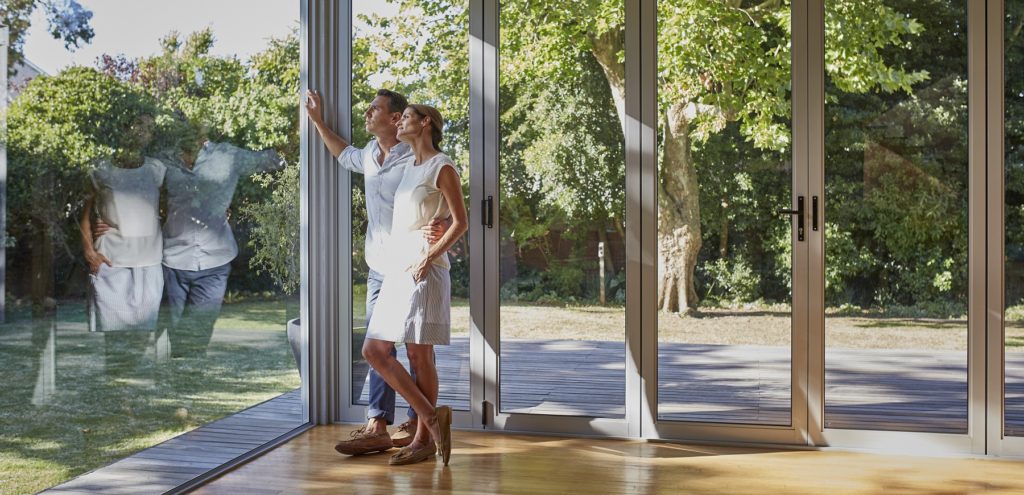
For residential applications, the most common targets are living rooms, bedrooms, home offices, sunrooms, and large patio doors exposed to afternoon sunlight. Living rooms should balance glare reduction and light so the space stays bright but comfortable. North and east-facing windows require minimal heat management, while south and west exposures benefit most from high-performance solar film. Benefits include reducing fading on hardwood floors, keeping nurseries and bedrooms cooler in summer, and protecting finishes on furniture.
Commercial applications include storefronts, office towers, medical practices, schools, and restaurants. Key concerns are staff and customer comfort, glare on monitors in open-plan offices, compliance with building appearance guidelines, and HVAC savings across large glass areas. Professional installers typically handle larger commercial projects in phases to minimize disruption during business hours, and the scale of energy savings can be substantial.
How to Choose a Local Solar Window Film Installer Near You
Correct product selection and professional installation matter more than picking the darkest tint or the lowest price. Here is what to look for:
- Experience with architectural film – not just automotive tint. The installer should understand residential and commercial glass types.
- Manufacturer training – certification from brands like 3M or Llumar ensures proper technique and warranty eligibility.
- Climate knowledge – your installer should advise on film orientation and performance based on local sun angles and seasonal shifts.
- Clear warranties – look for 10–15 years on the film and a separate workmanship guarantee covering bubbling, peeling, or adhesive failure.
- Before-and-after examples – ask for case studies or photos from projects completed in your area within the last 12–24 months.
- Glass compatibility – double-pane glass traps heat between the panes, and adding the wrong film can cause seal failure or cracking. Consult a specialist if adding film to Low-E coated glass.
- Transparent quoting – the estimate should list film brand, series, VLT, square footage, and total price with no hidden charges.
Why Choose Our Team for Window Film and Window Tinting
Our team is a local specialist in residential and commercial window film and window tinting, offering service to homeowners and businesses with a focus on high-performance products and honest guidance.
What sets us apart:
- Local expertise – we understand regional sun angles, seasonal temperature swings, and common window types in our service area.
- Curated product selection – we carry a focused variety of solar, privacy, decorative, and safety films from top-tier dealers rather than a confusing catalog of low-quality products.
- Hands-on consultations – every visit includes side-by-side film samples on actual glass so you can see real-world effects on natural light before making a decision.
- Professional standards – punctual appointments, clean installation practices, and respectful work in occupied homes and offices.
Ready to find the right film for your space? Reach out to schedule a consultation or pickup a free quote through our contact page.
What to Expect During Window Film Installation
Professional installation is typically quick and low-disruption. Here is the general process:
- On-site assessment – measuring glass, noting orientation, and confirming film selection.
- Glass cleaning – thorough prep to ensure a clean bond with no debris trapped beneath the film.
- Film cutting and application – precision-cut to each pane, applied wet, then squeegeed to remove air and water.
- Final inspection – checking edges, clarity, and adhesion.
A typical 3-bedroom home with 10–15 windows takes half a day to a full day. A small store or office may be done in a few hours. Films usually need several days to a few weeks to fully cure depending on season and film type; minor haziness or small water bubbles during this period are normal and will clear on their own.
Aftercare tips: wait at least 30 days before cleaning new film. Avoid ammonia-based sprays and abrasive pads. A soft cloth with mild soapy water is all you need to maintain clarity. Furniture is typically protected with drop cloths, and installers will move and return light items where access is needed.
Cost, Rebates, and Long-Term Value
Solar window film is often more affordable than replacing windows and delivers noticeable comfort improvements almost immediately.
| Factor | Typical Range |
|---|---|
| Standard solar film (installed) | $8–$12 per sq ft |
| Ceramic or spectrally selective film (installed) | $12–$18 per sq ft |
| DIY film (material only) | $1–$5 per sq ft |
What drives price: film type (dyed vs. ceramic), total glass area, access difficulty (high or unusually shaped windows), removal of old film, and warranty terms.
Long-term value is where the math gets compelling. Quality films last 10–20 years when properly installed, and the energy savings-up to 30% off cooling costs-compound every summer. You also avoid premature replacement of faded floors, furniture, and finishes. Some utility companies or local energy-efficiency programs offer rebates for qualifying spectrally selective or safety films; it is worth checking with your local utility before making a decision.
FAQ: Solar Film for Windows Near Me
Below are the questions we hear most often during consultations.
Will solar film make my rooms too dark?
Not if you choose the right VLT. Films with 50–70% visible light transmission maintain plenty of natural light while still providing glare reduction and UV protection. We always show samples on your actual glass so you can see the effect before committing.
Can window film be installed on double-pane or low-E glass?
Yes, but film selection matters. The wrong film on insulated or Low-E glass can cause thermal stress. A qualified installer will match the film to your glass type to avoid seal failure.
How long does window film last?
Quality adhesive films typically last 10–20 years. Dyed films may fade sooner, while ceramic and spectrally selective films tend to hold up longest.
Can I remove the film later?
Yes. Professional removal is clean and does not damage glass. Some adhesive residue may remain but is easily cleaned.
What is the difference between static cling and adhesive film?
Static cling films are great for renters and short-term use-they are reusable and simple to reposition. Professionally installed adhesive films are best for durability and long-term performance, with stronger warranties.
Will window film void my window warranty?
It depends on the manufacturer. Many window makers accept film as long as compatible products are used and installed by a certified professional. We help you verify this before installation.
How do I clean windows after film is installed?
Wait 30 days after installation. Then use a soft cloth with mild, non-ammonia cleaner. Avoid abrasive tools or pads.
Conclusion and Next Steps
Solar window film is one of the fastest, most affordable upgrades you can make to a hot, glare-filled space. It delivers measurable energy efficiency, reliable glare reduction, serious UV protection, and preserved natural light-without a major renovation.
If you are ready to learn which film is the right match for your home or office, reach out to our team for a personalized recommendation and local quote. Do not wait for another uncomfortable summer-schedule your consultation today and start enjoying every room in your space again.